
14 Things Your Dog Understands About Your Mood Before You Say a Word
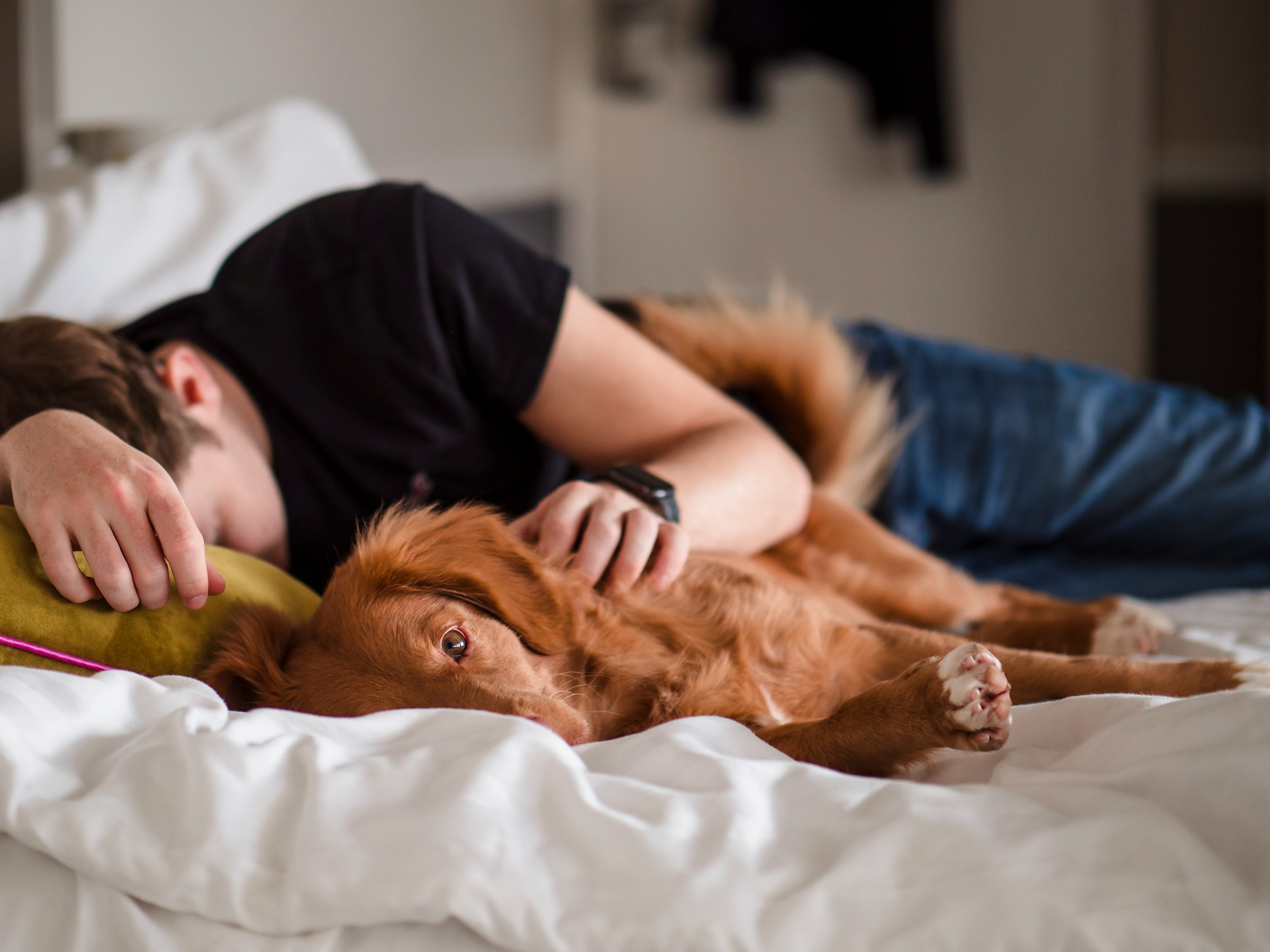
You didn’t say anything. You didn’t sigh, slam a cabinet, or announce that today wrecked you. You just walked through the door and sat down on the couch like a normal person pretending everything is fine.
And yet there’s your dog, already pressing against your leg, already watching your face a little too closely. That’s not a coincidence, and it’s not just good timing. Dogs have spent thousands of years learning to read us in ways we’re only beginning to understand, and once you see the full list, you’ll never look at that concerned head-tilt the same way again.
14 – They Read Your Face Like a Book
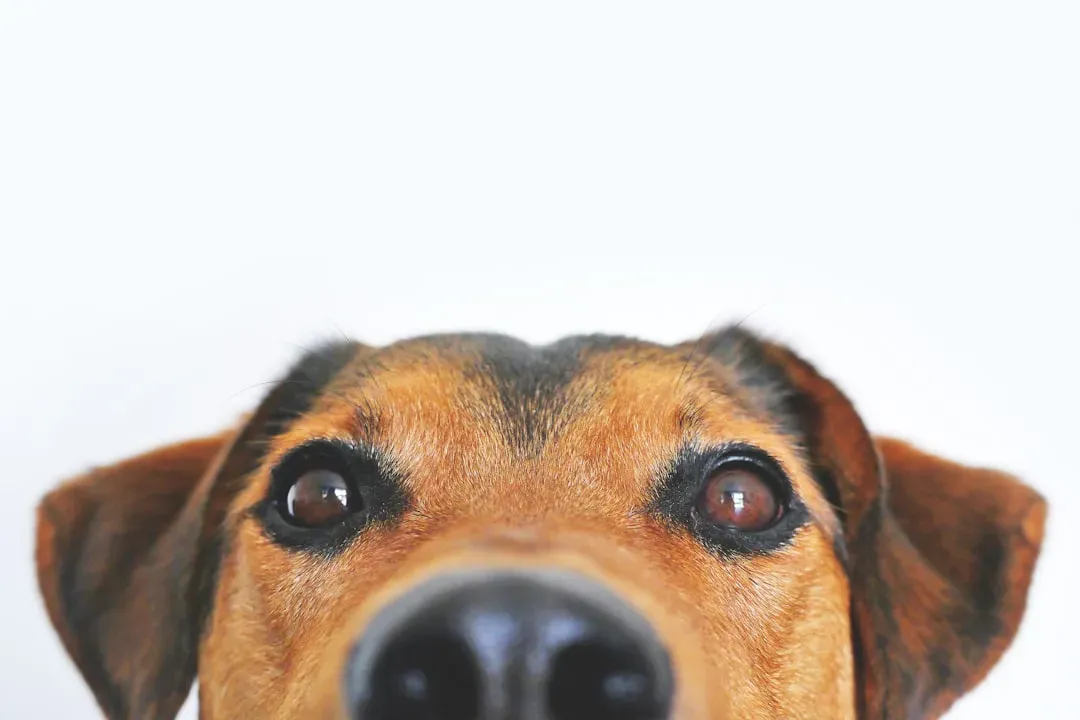
Dogs can tell the difference between a happy face and an angry one, and they don’t need you to exaggerate it. A relaxed smile tends to loosen them up, making them more playful and eager to close the distance between you. A tightened jaw or a furrowed brow, on the other hand, can make them cautious, sometimes even submissive, as if they’re bracing for whatever comes next.
This isn’t just pattern recognition, it’s emotional translation. Dogs evolved alongside us long enough to start treating our faces like weather reports, small shifts in your expression that tell them whether it’s safe to approach or better to wait it out on the rug.
13 – They Hear the Emotion Hiding in Your Voice
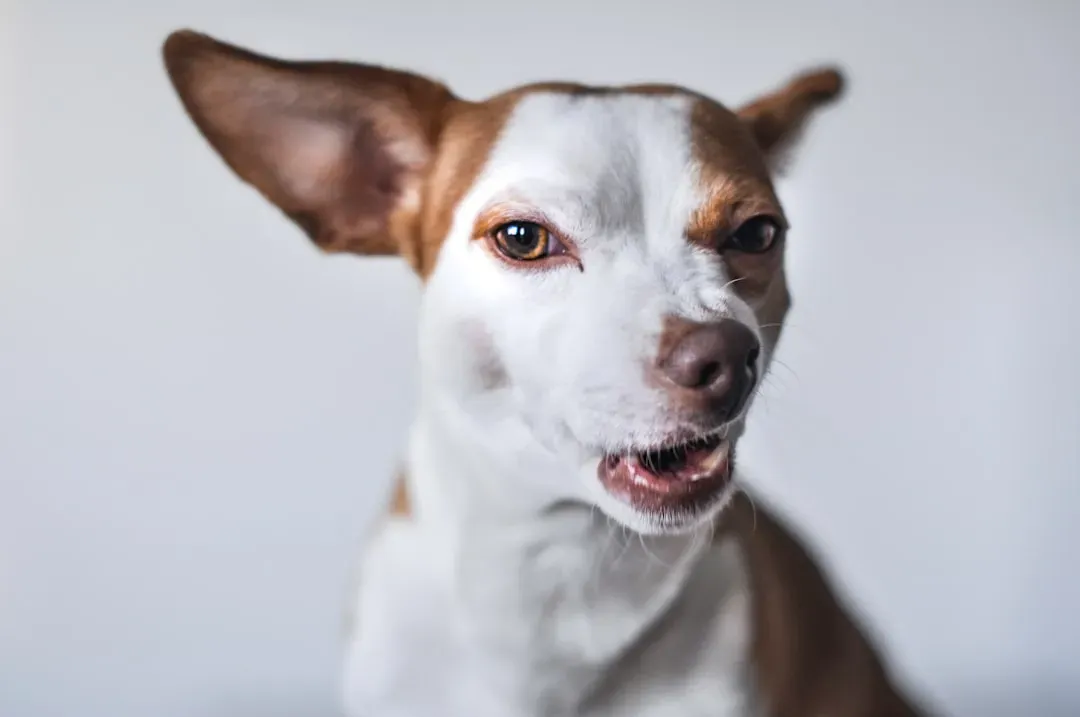
It’s never just about the words. Dogs pick up on pitch, rhythm, and tone the way we pick up on someone’s mood from a single “hey.” A bright, high voice tends to spark excitement, while a flat, low tone can make them freeze or pull back slightly, unsure of what’s coming.
That means the calm voice you’re using to hide a bad day isn’t actually fooling anyone with four legs. Your dog is listening past the sentence, straight to the feeling underneath it.
12 – They Smell the Stress You Haven’t Even Felt Yet
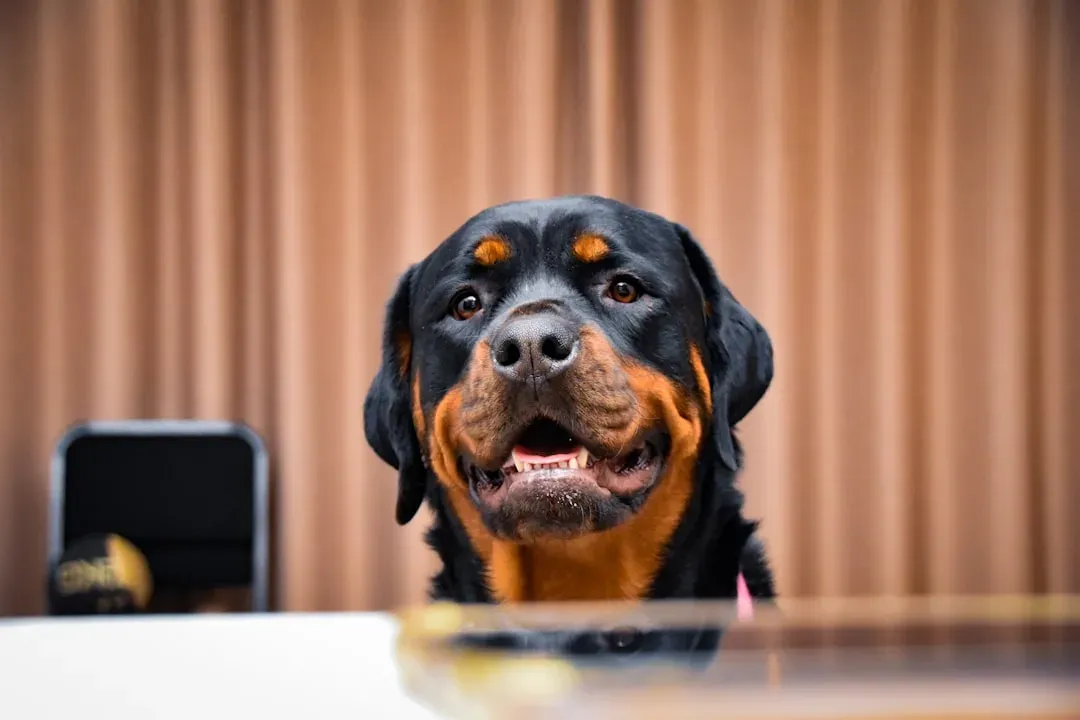
Here’s the part that sounds almost unfair: your body starts leaking stress-related chemical signals before your brain has even caught up to the fact that you’re anxious. Dogs, with a sense of smell that puts ours to shame, catch that shift almost instantly.
That’s often why your dog suddenly gets clingy or restless right before you consciously register that you’re overwhelmed. They’re not guessing. They’re smelling something real, something your own nose will never catch.
Fast Facts
- A dog’s nose holds up to 300 million scent receptors, compared to roughly 6 million in humans.
- The brain region dedicated to analyzing smell is proportionally far larger in dogs than in people.
- Shifts in stress hormones can change a person’s body odor in ways a dog’s nose can pick up almost immediately.
- Some specially trained dogs can detect subtle stress or anxiety changes in a person within minutes.
11 – They Clock Every Shift in Your Posture
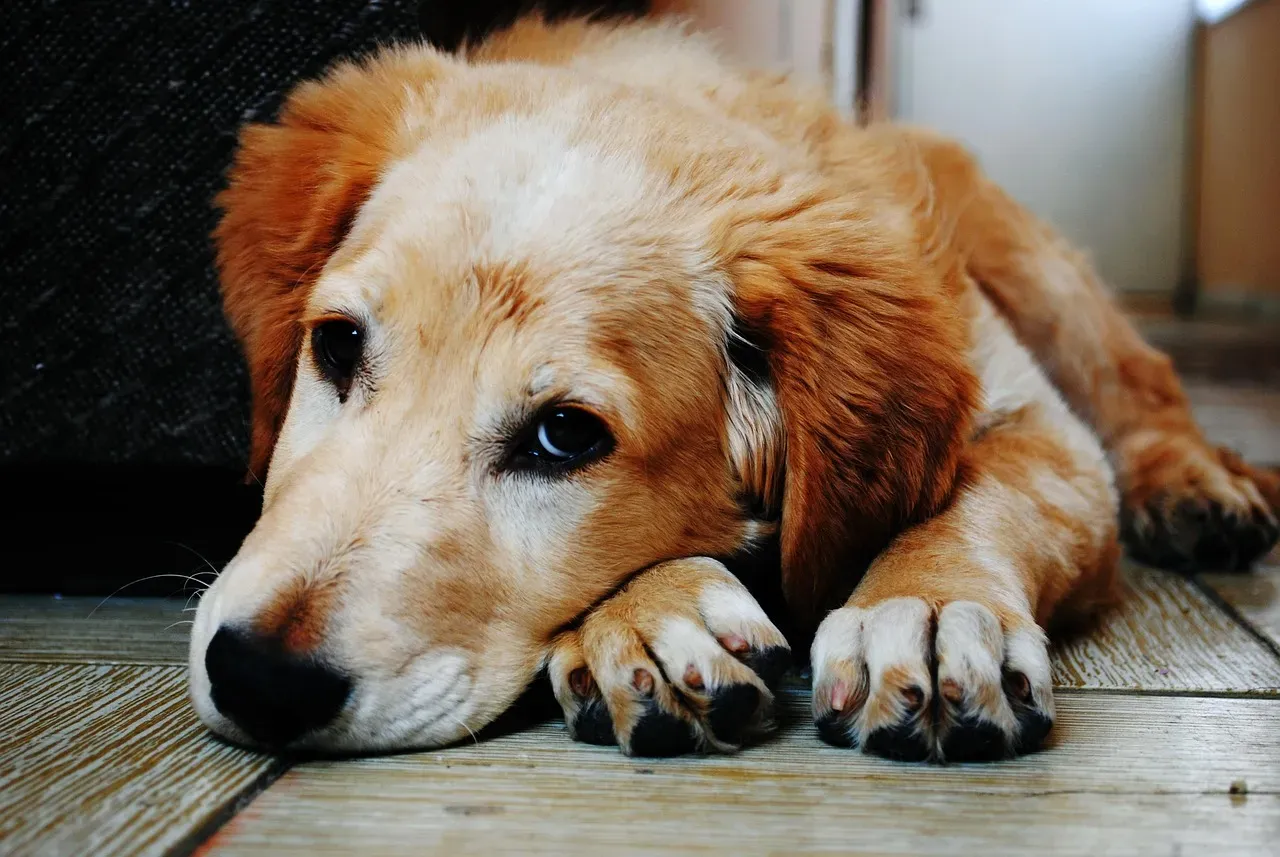
Long before you say a word, your shoulders have already said plenty. Dogs notice the difference between you standing tall and you slumping into a chair like the day finally caught up with you.
That slouched, defeated posture often triggers something protective in them, a nudge, a head on your knee, an insistence on being close. They’re not just reacting to sadness in theory, they’re reacting to the specific shape your body takes when you’re carrying it.
10 – They Catch Your Stress Before You Admit It

Stress rarely announces itself politely. It shows up in tighter movements, shorter breaths, and a kind of restless energy that most people don’t notice in themselves until a friend points it out. Dogs notice it immediately.
They may start shadowing you room to room, or mirror your unease with their own version of pacing and alertness. It’s an uncomfortable kind of mirror, but it says something real about how deeply your emotional state and theirs are tangled together.
9 – They Show Up the Moment You Cry
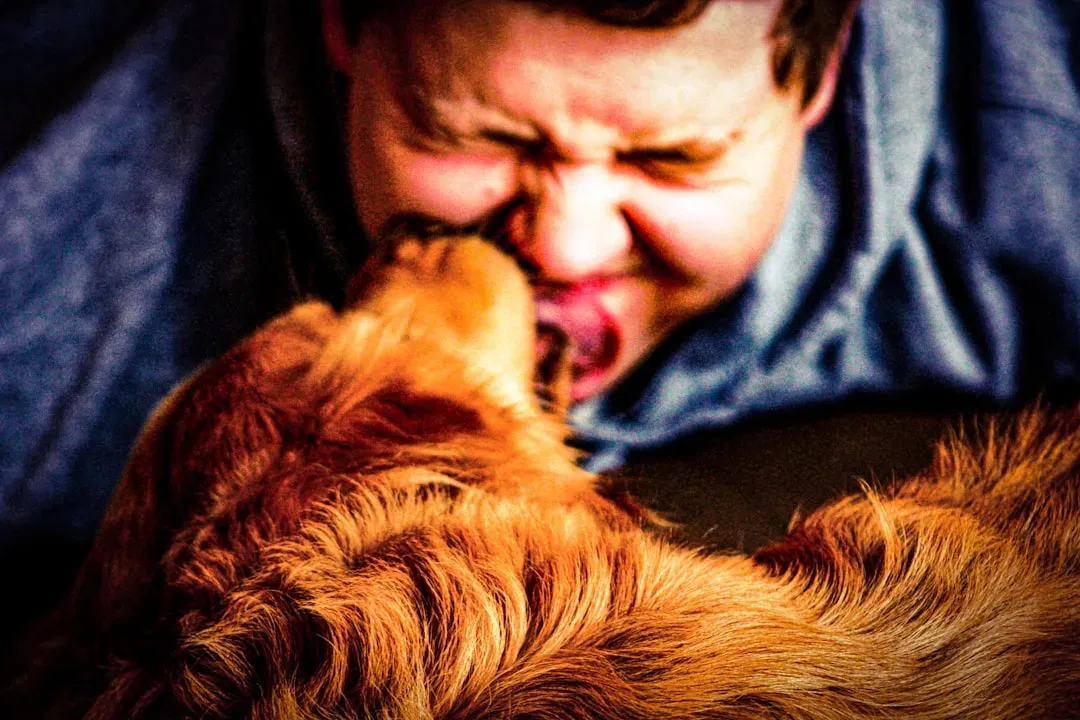
This one tends to hit hardest. The second real tears start, most dogs abandon whatever they were doing and come straight to you, nuzzling, licking, sometimes just pressing their whole body against yours like a furry weighted blanket.
It isn’t trained behavior. It’s something closer to instinctive concern, a response to visible distress that looks a lot like comfort because, in every way that matters, it is.
Dogs are not our whole life, but they make our lives whole.
Roger Caras
8 – They Feel Your Anxiety Like It’s Contagious
When your nerves spike, your dog’s do too. They may pace, whine, or glue themselves to your side, mirroring the same edgy alertness you’re feeling but can’t quite name.
The tricky part is that this can spiral in both directions. Your anxiety unsettles them, their unsettled energy feeds back into you, and suddenly you’re both a little more wound up than either of you started out.
7 – They Match Your Excitement Instantly
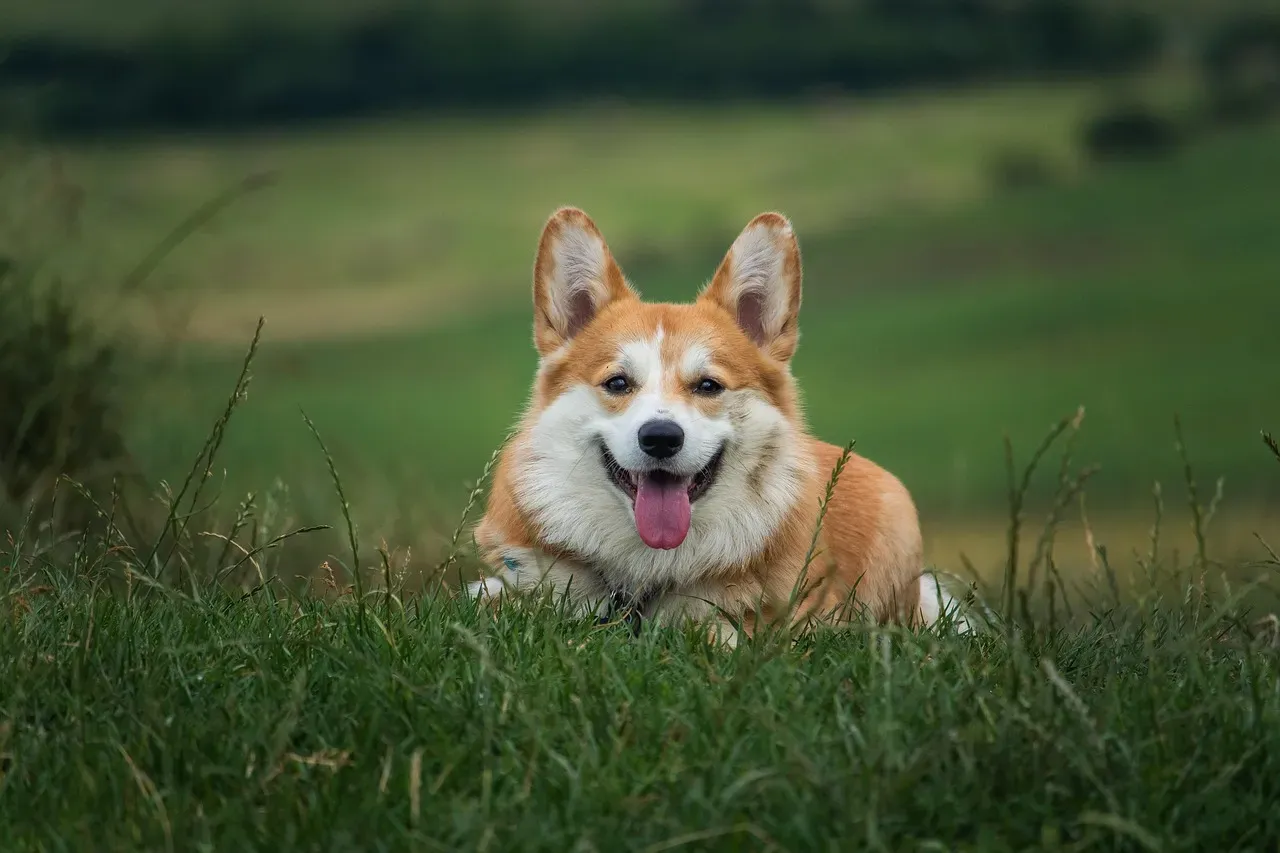
Good moods are contagious in a much better way. The second your energy lifts, your voice gets quicker, your movements get bigger, your dog often flips into full celebration mode right alongside you.
It’s one of the more joyful proofs of how tuned in they really are. They’re not just excited because something exciting is happening, they’re excited because you are, and that shared spike of joy is part of what makes the bond feel so alive.
6 – They Sense Fear You’re Trying to Hide
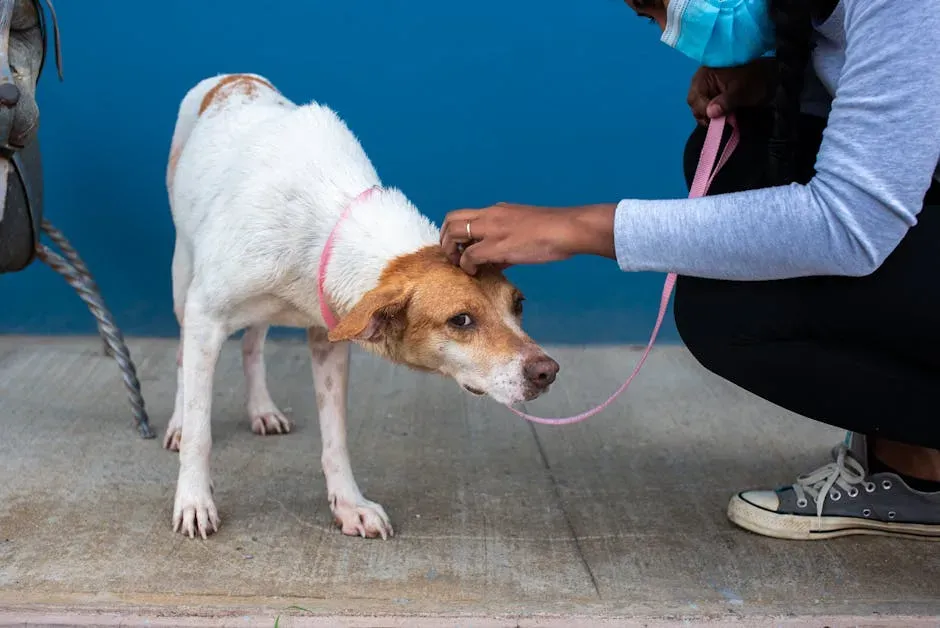
Fear has a way of leaking out through tiny, involuntary signals, a held breath, a stiffened stance, eyes that dart a little faster than usual. Dogs catch all of it.
Many respond by shifting into a protective posture, staying closer, scanning the room, positioning themselves near you like they’ve appointed themselves your personal security detail. It’s not dramatic. It’s just quietly, fiercely loyal.
Worth Knowing
- Mutual eye contact between dogs and their owners has been linked to a rise in oxytocin, the same bonding hormone active between parents and infants.
- Dogs are among the few animals that instinctively seek eye contact with humans to read emotional cues, rather than avoiding it the way most animals do.
- Puppies raised around calm, expressive owners tend to develop stronger emotional-reading habits as they grow.
5 – They Know When to Back Away From Your Anger
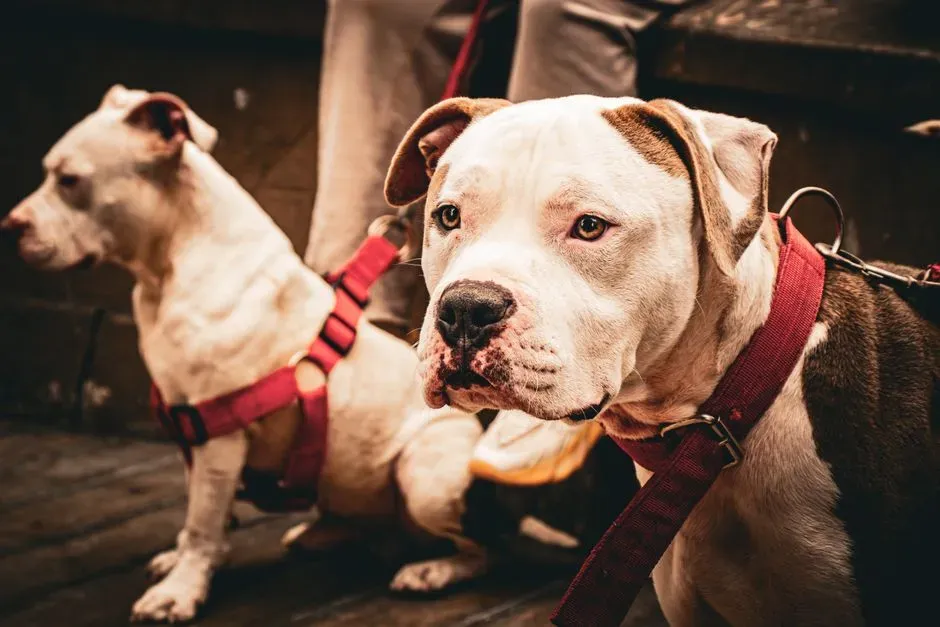
When frustration flashes across your face or your voice sharpens, most dogs don’t argue with it. They lower their bodies, avoid eye contact, or simply put a little distance between themselves and the storm.
It’s not fear exactly, it’s diplomacy. Dogs are remarkably good at de-escalating tension, and that instinct to step back is often what keeps the peace in a household long enough for everyone’s mood to reset.
4 – They Melt Into Your Calm
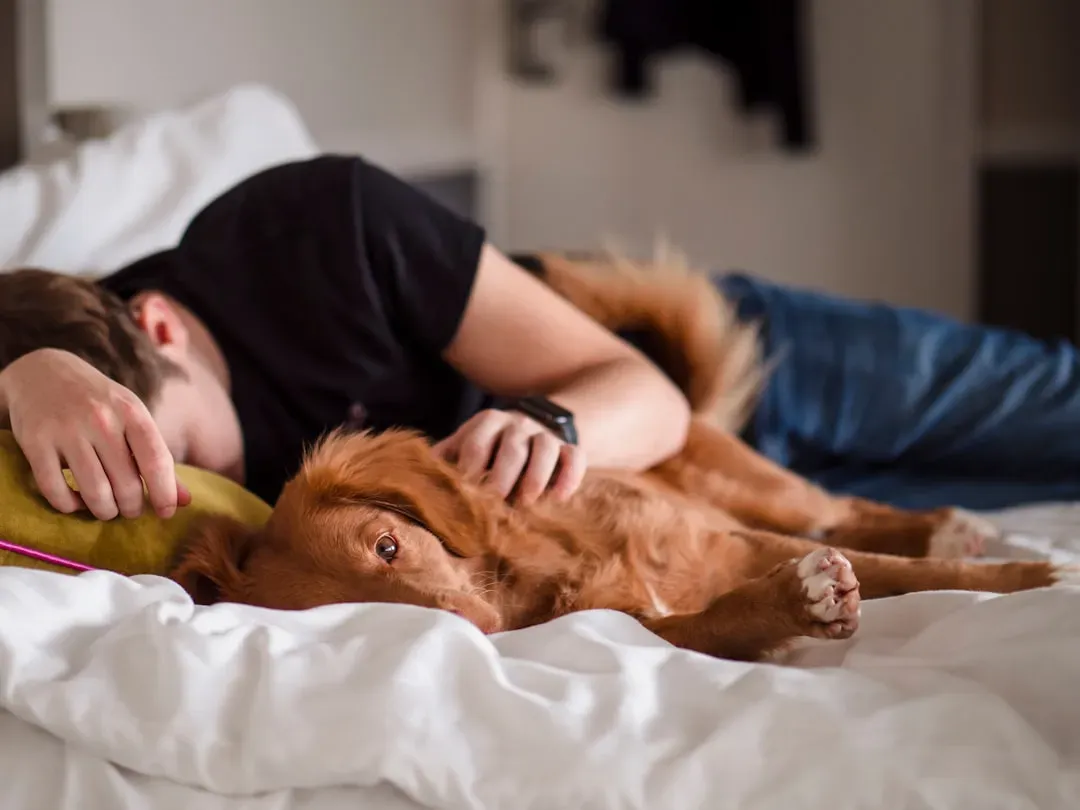
Calm is contagious too, and dogs soak it up fast. When you finally exhale, sink into the couch, and let your shoulders drop, your dog often follows suit almost immediately, curling up beside you with a long, satisfied sigh.
It’s one of the quietest but most telling signs of the bond. They’re not just resting near you because it’s comfortable, they’re syncing their nervous system to yours, settling because you’ve settled, breathing easier because you finally are too.
3 – They Notice When You’re Sad, Even Without Tears
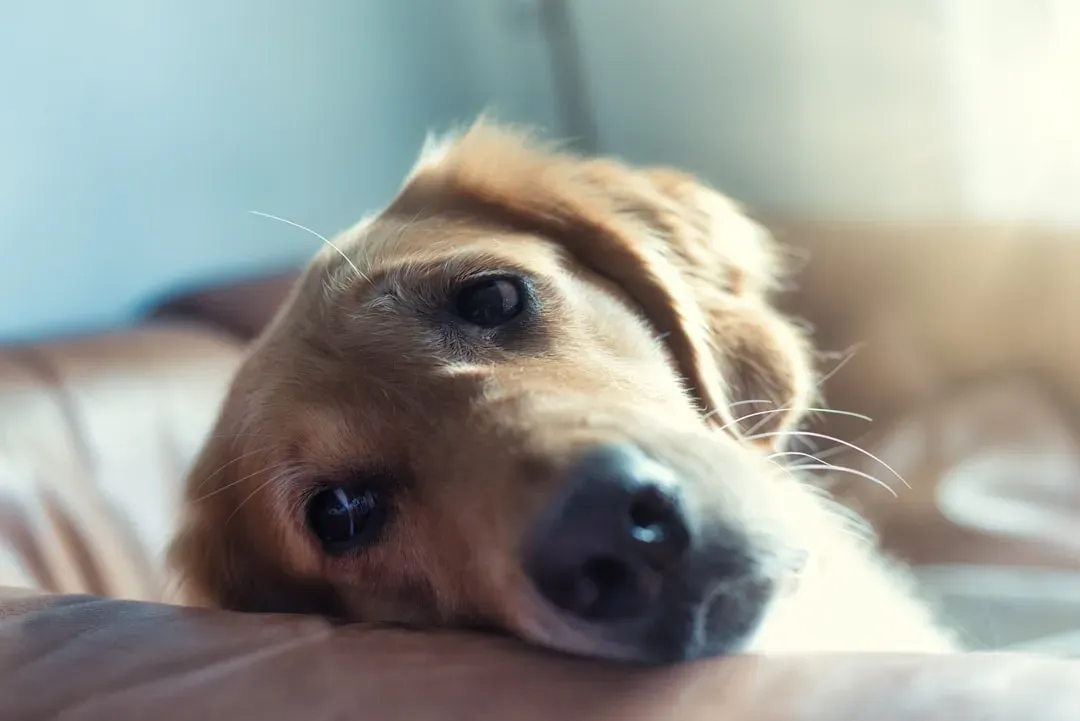
Sadness doesn’t always come with crying, sometimes it’s just a quieter version of you, less talking, less energy, more staring at nothing in particular. Dogs pick up on that flatness surprisingly fast.
Instead of playing or demanding attention, many will simply stay close, resting their head on your lap or leaning their weight against you, as if they understand that sometimes comfort doesn’t need to be loud to matter.
2 – They Sense Tension Between You and Someone Else
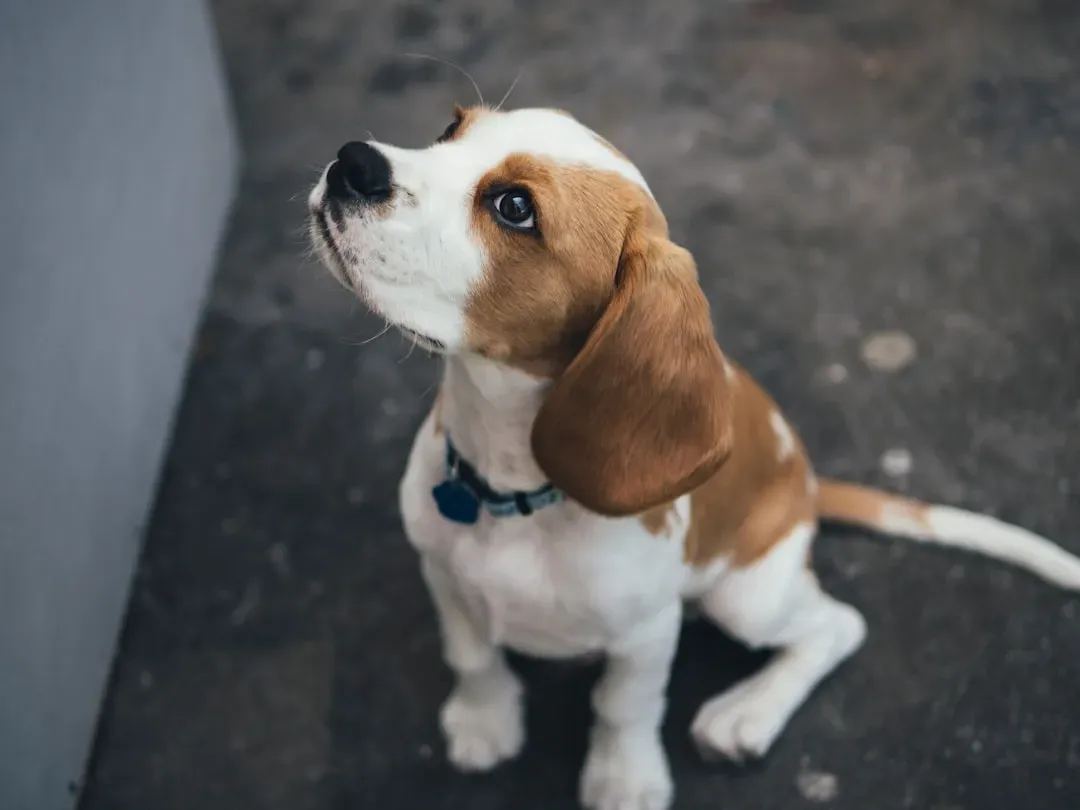
It’s not just your mood they track, it’s the emotional temperature of the whole room. When voices get tense between you and another person, dogs often notice before either human fully clocks how heated things have gotten.
Some will leave the room entirely. Others plant themselves between the two people involved, an oddly effective, four-legged peacekeeper trying to physically interrupt a conflict they can’t put into words but clearly understand.
Quick Compare
- Sight: Reads facial expressions, posture, and body language as they happen.
- Sound: Tunes into tone, pitch, and rhythm rather than the words themselves.
- Scent: Detects chemical shifts tied to stress, fear, or anxiety before you consciously feel them.
1 – They Know You Better Than You Know Yourself
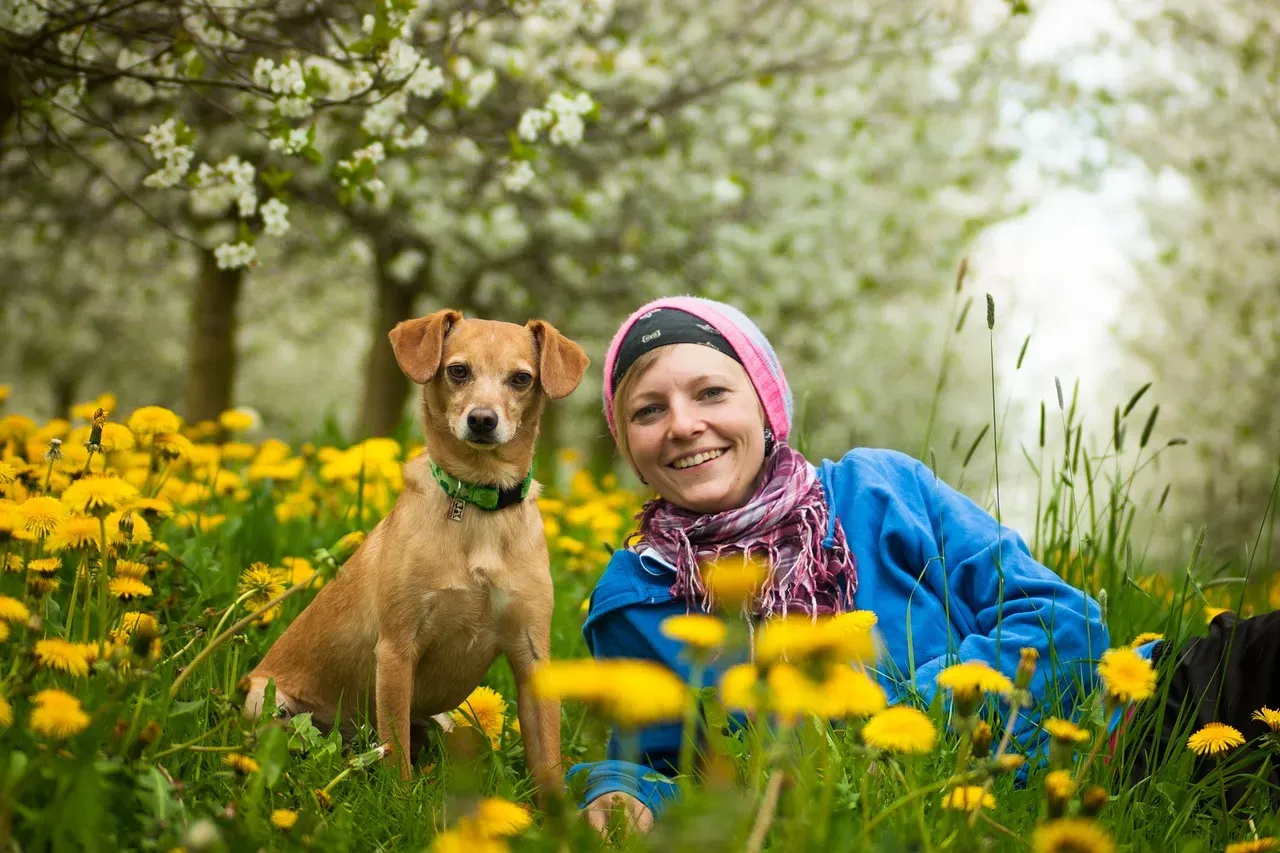
Add it all up, the face-reading, the scent-tracking, the posture-watching, the voice-decoding, and you get something almost unsettling: a creature that’s often processing your emotional state faster and more accurately than you are.
That’s not an exaggeration born out of sentimentality, it’s the accumulated result of thousands of years spent living in our homes, watching our faces, and adjusting to our moods for survival. Somewhere along the way, dogs didn’t just become good companions. They became fluent in us.
Here’s the part most people brush past: this isn’t a cute party trick, it’s a genuine skill, one most humans spend years in therapy trying to develop. Dogs read faces, voices, posture, and scent all at once, then respond with more patience and less judgment than most people manage on a good day.
Maybe that’s the real takeaway. Long before you find the words to explain how you’re feeling, your dog has already decided how to respond to it, and more often than not, they get it right.