
Most people picture a dog’s final weeks as a blur of vet visits, medications, and hard decisions. And yes, all of that is real. But ask anyone who has actually sat on the floor next to an old dog in their last stretch of life, and they’ll tell you something surprising: the moments that mattered most weren’t medical at all.
They were small. Almost embarrassingly simple. A warm bowl of food. A blanket in the right spot. The sound of your voice at the right volume. This list walks through fifteen of those quiet comforts, and the last one on it is the one most owners don’t realize they’re missing until it’s too late.
15 – A Routine That Doesn’t Fall Apart
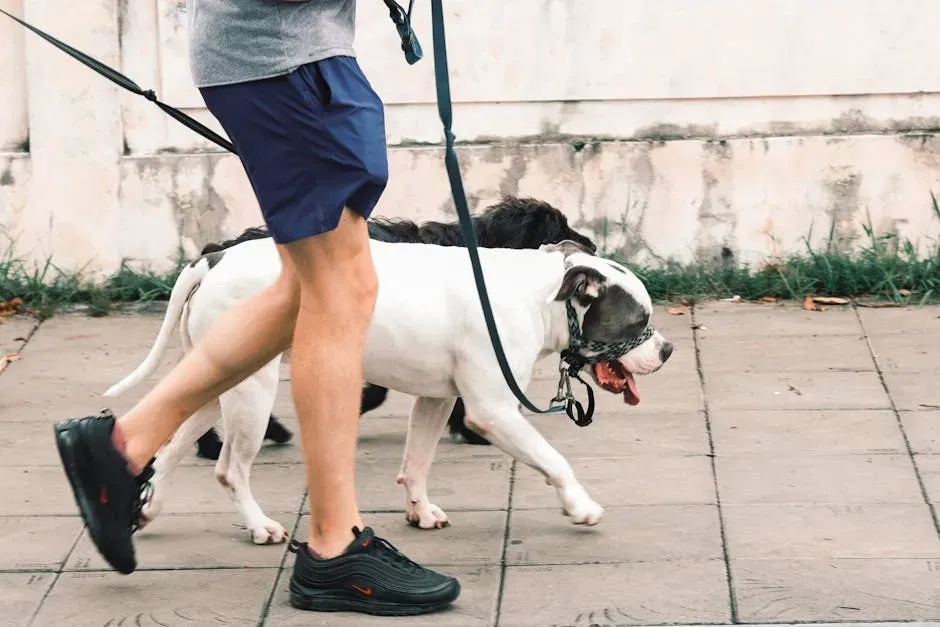
Dogs don’t understand what’s happening to their bodies, but they absolutely understand when their world stops making sense. Keeping feeding times, walk times, and rest periods roughly the same tells a dying dog, in the only language they speak, that everything is still okay. That predictability is its own form of medicine.
It’s tempting to overhaul everything once a diagnosis comes in – new schedule, new rules, constant hovering. Resist that urge. Let their favorite chair stay their favorite chair. Let the walk still happen, even if it’s ten slow minutes instead of thirty. Familiarity is one of the few things you can still hand them.
14 – A Bed That Actually Understands Their Pain
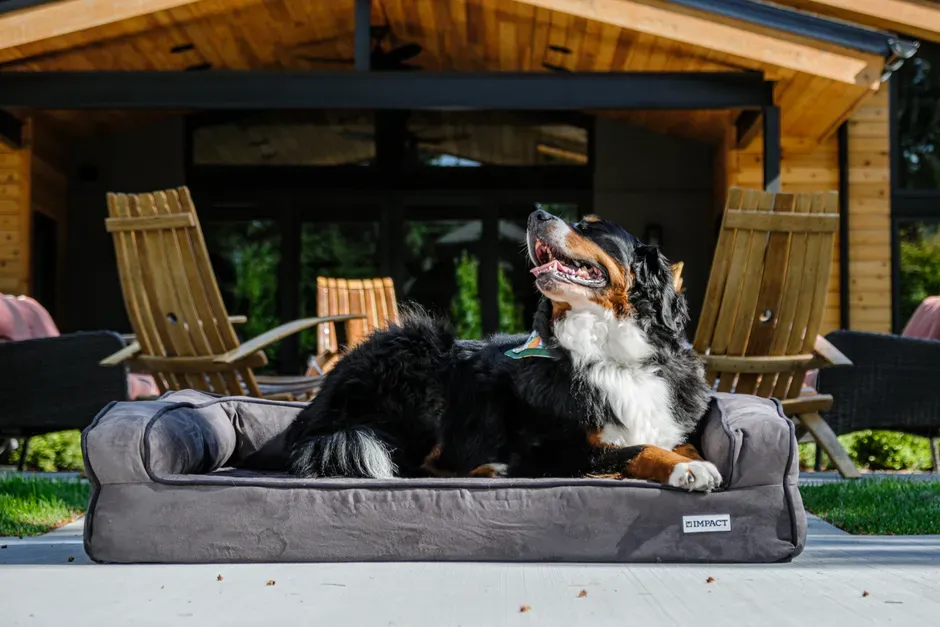
Old joints and thin, aging skin turn an ordinary dog bed into a low-grade torture device. Pressure sores and arthritis flare-ups happen fast once a dog stops shifting positions on their own. An orthopedic or memory-foam bed isn’t a luxury purchase here – it’s the difference between restless nights and actual rest.
Where you put that bed matters almost as much as the bed itself. Somewhere quiet, away from drafts, away from foot traffic, close enough that they’re not isolated. And keep it clean. A dog who’s already losing dignity in other ways deserves to lie down somewhere that smells like comfort, not neglect.
13 – Food That’s Worth Getting Up For

Appetite is often one of the first things to go, and it’s heartbreaking to watch a dog turn away from a bowl they used to inhale. This is the moment to break a few old rules. Whatever they’ll actually eat – within reason and with your vet’s blessing – is fair game now.
A little warmth changes everything. Slightly heated food releases more smell, and smell is what pulls a dog toward the bowl when hunger alone isn’t doing the job anymore. It’s a small trick, but it can turn a skipped meal into a few more bites, and a few more bites still count.
Worth Knowing
- Warming food slightly increases its aroma, which can prompt eating even when appetite is low
- Bland proteins like boiled chicken or scrambled eggs are often easier on a sensitive stomach
- Hand-feeding small amounts throughout the day can work better than one full meal
- Always confirm food changes with your vet, especially if kidney or liver issues are involved
12 – Water That Doesn’t Require Effort to Reach
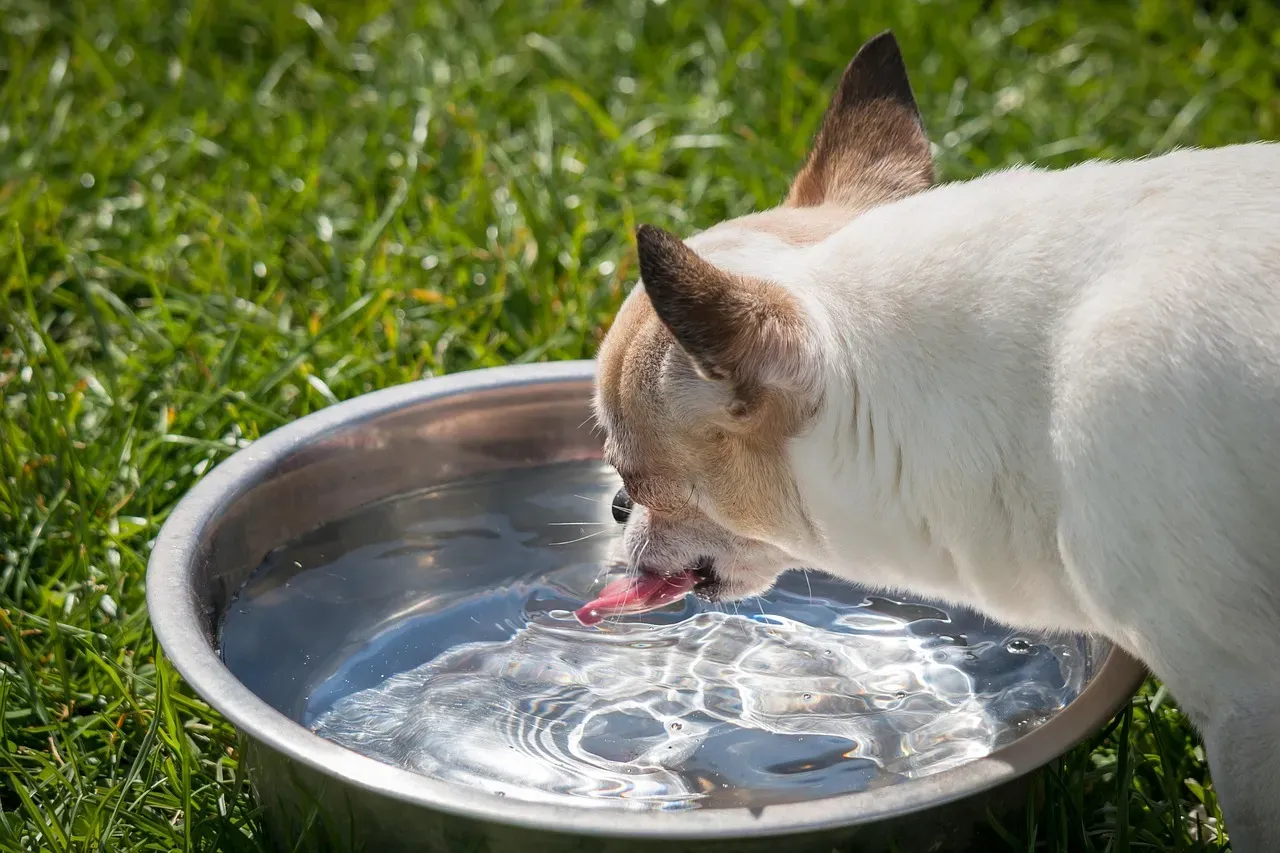
A dog who’s too weak or too sore to walk across the room won’t bother getting a drink, even if they’re thirsty. Dehydration sneaks up quietly, and it makes everything else – fatigue, confusion, nausea – worse. Multiple water stations around the house solve this in the simplest way possible.
For dogs struggling with mobility, raise the bowl slightly so they’re not straining their neck or hips just to drink. Keep an eye on how much they’re actually taking in. A sudden drop in water intake is often one of the clearest signs that something has shifted, and it’s worth mentioning to your vet.
11 – Being Kept Clean Without Being Made to Feel Like a Burden
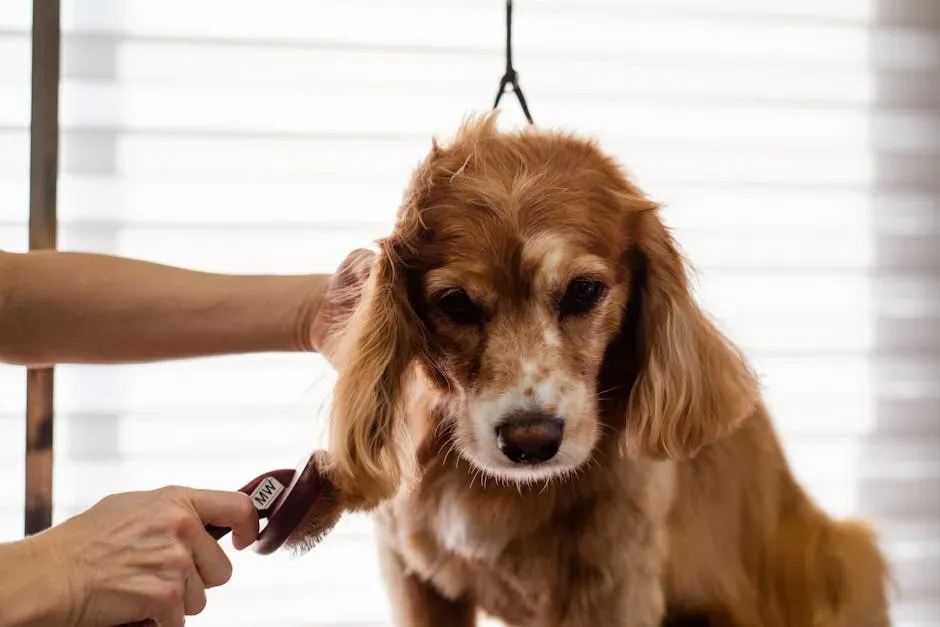
Grooming stops being about appearance and starts being about comfort once a dog is nearing the end. Loose fur, matting, and dirty paws can genuinely irritate sensitive, aging skin. A slow, gentle brushing session does double duty – it keeps them comfortable and it’s one more form of touch they can still enjoy.
For dogs dealing with incontinence, this part gets harder, but it matters more, not less. Pet-safe wipes and quick, gentle cleanups prevent painful skin irritation and infection. Do it calmly, without frustration in your voice. They can tell the difference between being cared for and being cleaned up after like an inconvenience.
10 – Pain Control That Actually Works
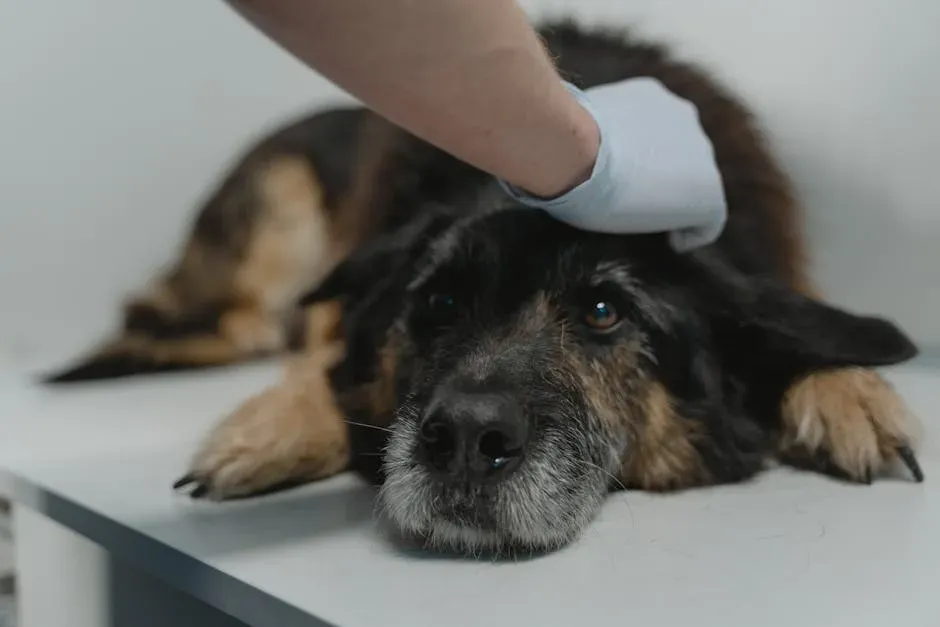
Nothing else on this list matters much if a dog is in pain no one is addressing. Vets have far more tools for this than most owners realize – anti-inflammatories, nerve pain medication, and dosing schedules built specifically around end-of-life comfort rather than long-term treatment.
Alongside medication, gentle massage and warm compresses can ease stiff joints and sore muscles between doses. None of this should be guesswork. Loop your vet in on every change, because untreated pain in a dying dog is one of the few genuinely preventable tragedies in this whole process.
At a Glance
- Anti-inflammatories to reduce joint and tissue swelling
- Nerve pain medication for conditions like arthritis-related nerve sensitivity
- Low-dose sedatives to ease anxiety tied to pain or breathing difficulty
- Warm compresses and gentle massage between medication doses
9 – Enough Mental Spark to Still Feel Like Themselves
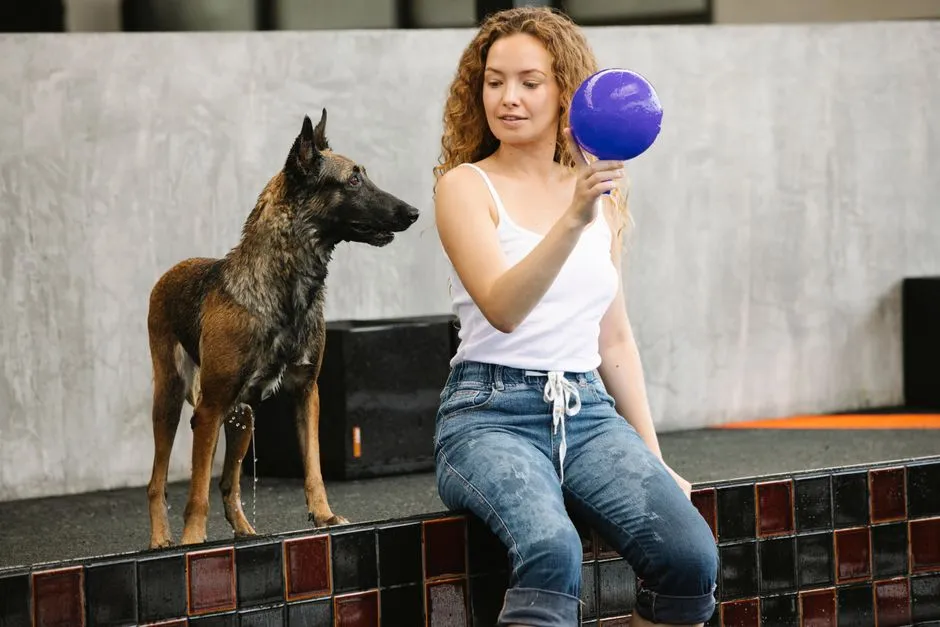
A dog whose body is failing but whose mind is still sharp can slide into anxiety or flat, joyless boredom fast. Low-effort mental engagement – a slow sniff around the yard, a soft puzzle toy, a few minutes of gentle play – keeps some part of their old personality alive.
The key word is gentle. This isn’t about tiring them out; it’s about reminding them they’re still a dog, not just a patient. Watch their energy closely and stop the second they seem done. A two-minute win beats a ten-minute overreach every time.
8 – Touch That Says Everything Words Can’t
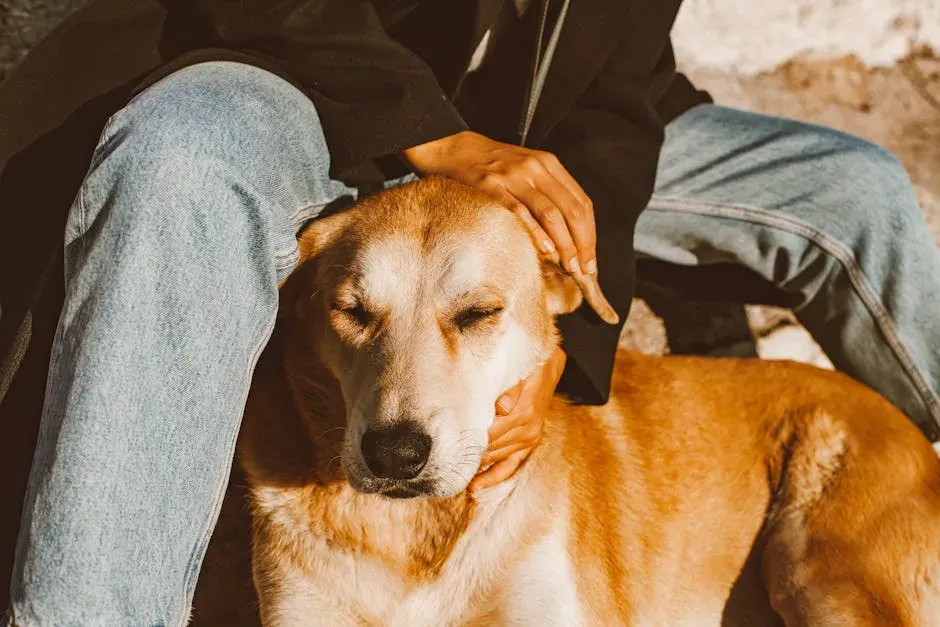
Dogs read touch the way we read tone of voice. A slow hand on their side, a hand resting where they’re used to being scratched – it tells them they’re not alone, even when they no longer have the energy to show it back. This is often the most underrated comfort on the entire list.
Pay attention to what their body is telling you. Some dogs want to be held; others, especially if they’re sore, would rather you simply sit close without pressing on anything. Let them guide it. The goal isn’t affection on your terms – it’s reassurance on theirs.
7 – A Home That Feels Like a Safe Room, Not a Waiting Room
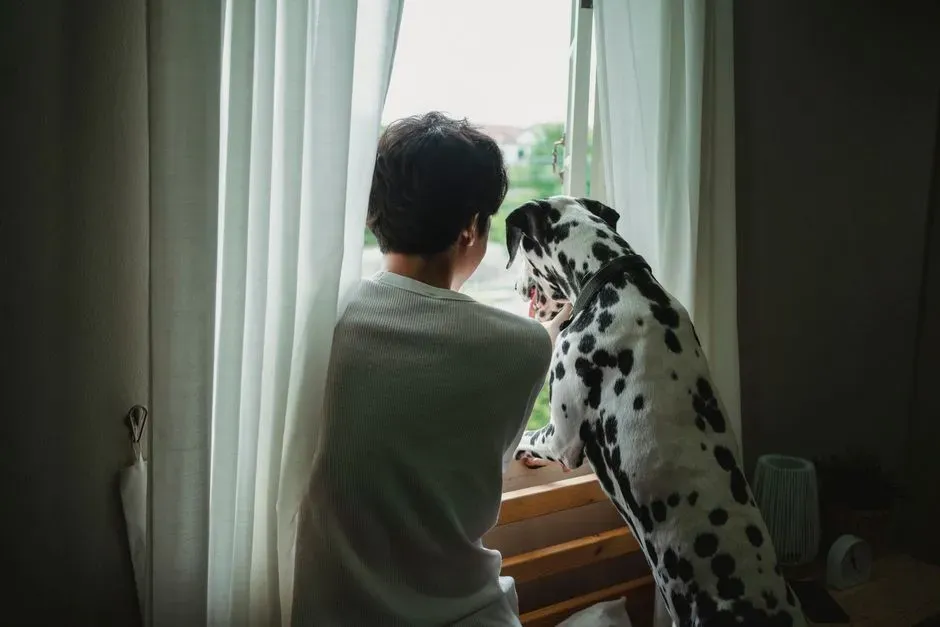
Stress hormones don’t do a dying dog any favors, and a chaotic, loud household pumps them out constantly. Lowering the noise – fewer visitors, calmer voices, less sudden movement – turns your home into the sanctuary it needs to be right now.
Soft background sound, whether it’s low music or a white noise machine, can mask the jarring stuff – doorbells, traffic, arguments down the hall. The goal is a house that feels the same whether it’s 2pm or 2am: steady, quiet, and safe.
Fast Facts
- Loud noises and sudden movement can spike stress hormones in dogs within seconds
- Consistent background sound helps mask jarring noises like doorbells or traffic
- Limiting visitors during this time reduces unpredictable stimulation
- A calm household routine signals safety even when a dog can’t understand why things feel different
6 – A Temperature That Doesn’t Fight Their Body
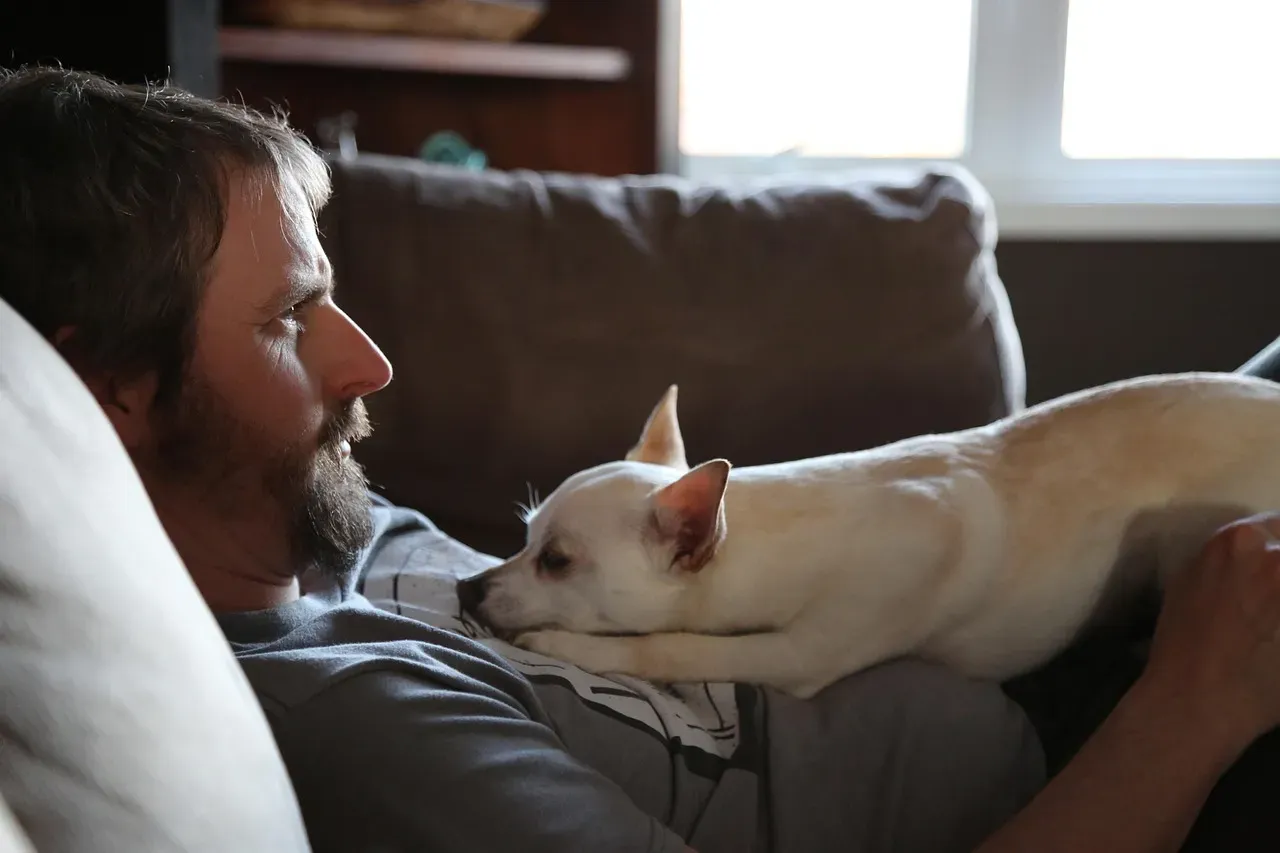
Aging bodies lose the ability to regulate heat efficiently, which means a room that feels fine to you might be miserably cold or stifling to them. Keeping the house at a steady, moderate temperature takes one more source of discomfort off the table entirely.
Blankets, cooling mats, or a fan nearby let you fine-tune things without guessing. Watch their behavior closely – restlessness, panting, or curling up tightly are all clues. Small adjustments here go a long way toward a dog who’s simply comfortable in their own skin.
5 – The Ability to Still Move Like a Dog
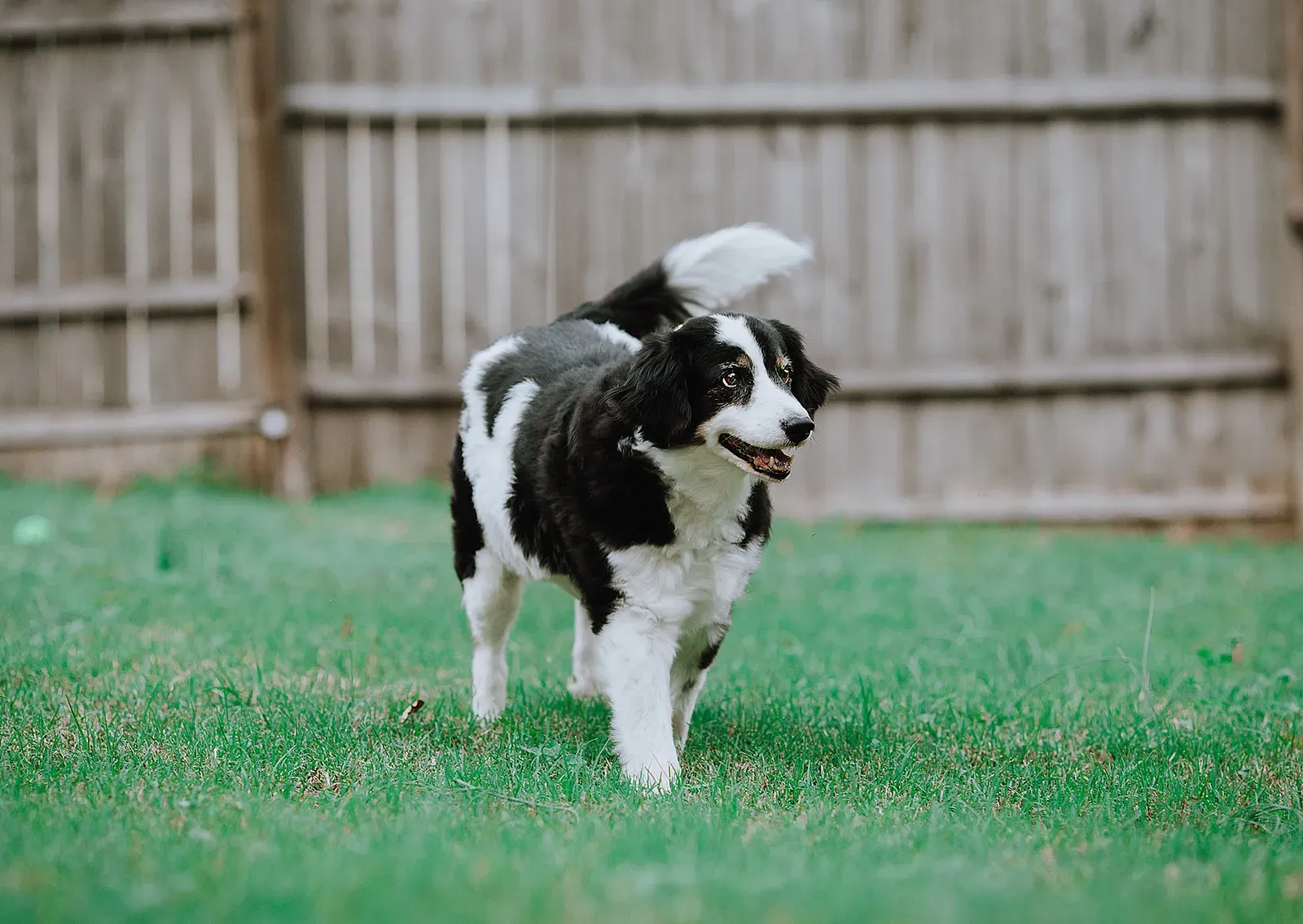
Losing mobility is one of the cruelest parts of aging for a dog, because so much of their identity is tied up in movement. Ramps, non-slip mats on hardwood floors, and supportive harnesses can restore a version of independence that means more to them than it might seem to us.
Gentle movement, tailored strictly to what their body can handle, also helps maintain what muscle and joint function remains. This isn’t about pushing them – it’s about letting them still feel like a dog who can get to the water bowl, the doorway, the sunny spot, on their own terms.
4 – The Familiar Faces They Trust Most
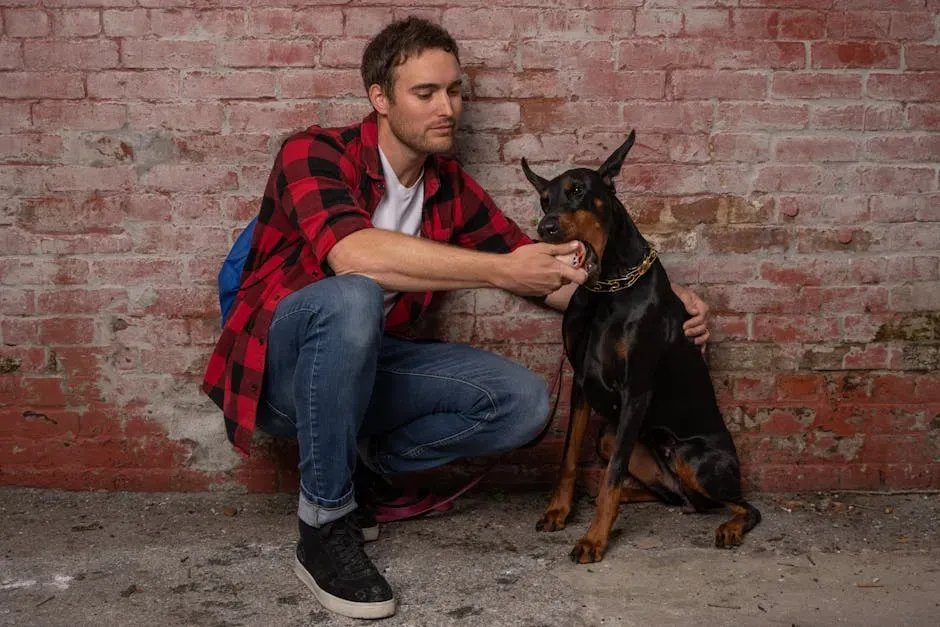
This is not the moment for new people, new pets, or chaotic introductions, no matter how well-meaning. What a dying dog needs is the people they already know, already trust, already recognize by scent and voice alone. That familiarity is deeply grounding.
Quality time doesn’t need to be elaborate. Sitting nearby while you read, talking to them softly, letting them rest against your leg – these ordinary moments are the ones that reinforce the bond at the exact time it matters most.
Dogs’ lives are too short. Their only fault, really.
Agnes Sligh Turnbull
3 – Scents That Calm Instead of Overwhelm
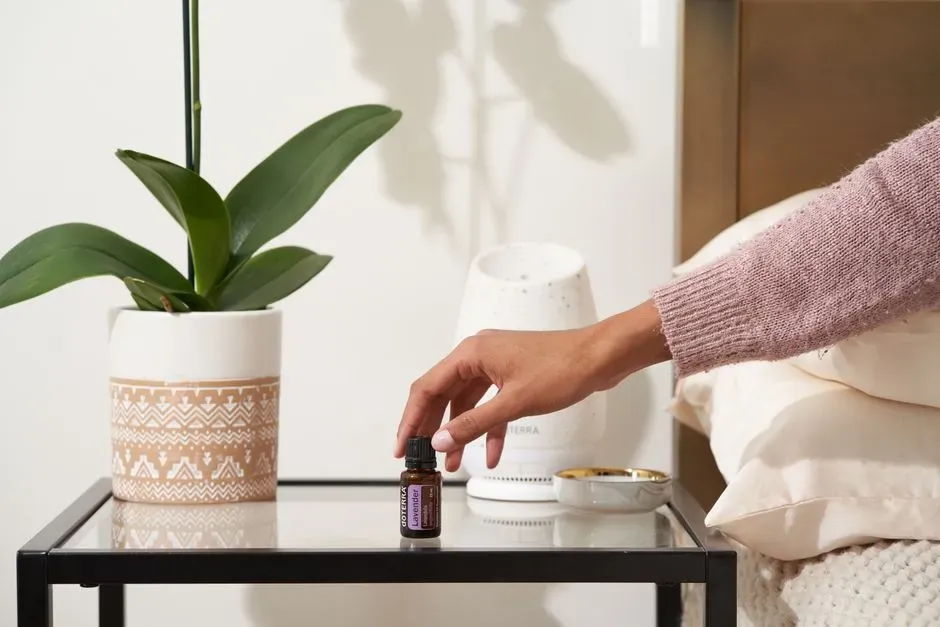
A dog’s nose is their primary way of reading the world, and certain scents – lavender in particular – have a genuinely calming effect on their nervous system. A pet-safe diffuser running softly in the background can lower anxiety without the dog even realizing why they feel more settled.
Not every essential oil is safe for dogs, so this isn’t a category for guesswork or whatever’s already in your cabinet. Stick to products specifically labeled safe for canine use, and keep the scent light. The goal is a calmer room, not an overpowering one.
Worth Knowing
- Lavender is one of the few scents widely considered calming and safe for dogs
- Many essential oils, including tea tree and citrus, are toxic to dogs and should be avoided entirely
- Diffusers should run in a well-ventilated room, never directly beside the dog’s bed
- Unscented, freshly laundered bedding is a safe fallback if you’re unsure about any scent product
2 – Music Soft Enough to Slow Their Heartbeat

It sounds almost too simple to matter, but soft, slow music genuinely lowers heart rate and stress levels in dogs. Classical music in particular has been shown to have this effect, which is why so many shelters and vet clinics play it quietly in the background.
A calming playlist costs nothing and asks nothing of a dog who may not have much energy left to give. Watch how they respond – ears relaxing, breathing slowing – and let that response guide what stays in rotation.
1 – Your Calm Presence in Their Final Moments
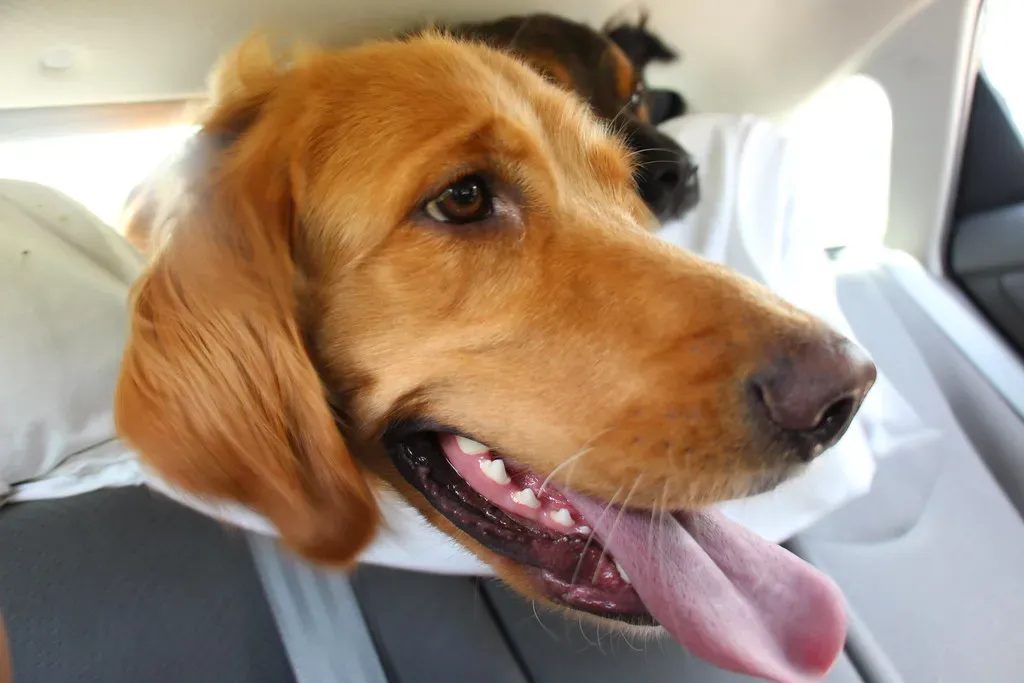
Here’s the one people get wrong more than any other on this list: dogs read our emotional state constantly, and never more closely than at the very end. A dog can feel panic in your grip, tension in your voice, grief in the way you’re holding your breath. Staying outwardly calm, even while falling apart inside, is one of the hardest and most important gifts you can give them.
Being physically present matters just as much as being emotionally steady. Speak softly. Keep your hand where they can feel it. Don’t disappear from the room because it’s too hard to watch. Many owners spend years afterward wishing they’d stayed those last few minutes instead of stepping out – this is the comfort with no do-over, and it’s the one worth getting right.
Here’s the uncomfortable truth underneath this entire list: none of these fifteen things require money, expertise, or perfect timing. They require presence. It’s easy to throw yourself into researching supplements, specialists, and last-ditch treatments because it feels like doing something – but the dog in front of you doesn’t need you to fix what can’t be fixed. They need the routine, the touch, the quiet, and the steady voice they’ve trusted their entire life.
If there’s one opinion worth ending on, it’s this: the last weeks aren’t about grand gestures. They’re about not disappearing into your own grief before the dog is actually gone. Show up small, show up often, and show up calm. That’s the whole job, and it’s the one that matters most.


