
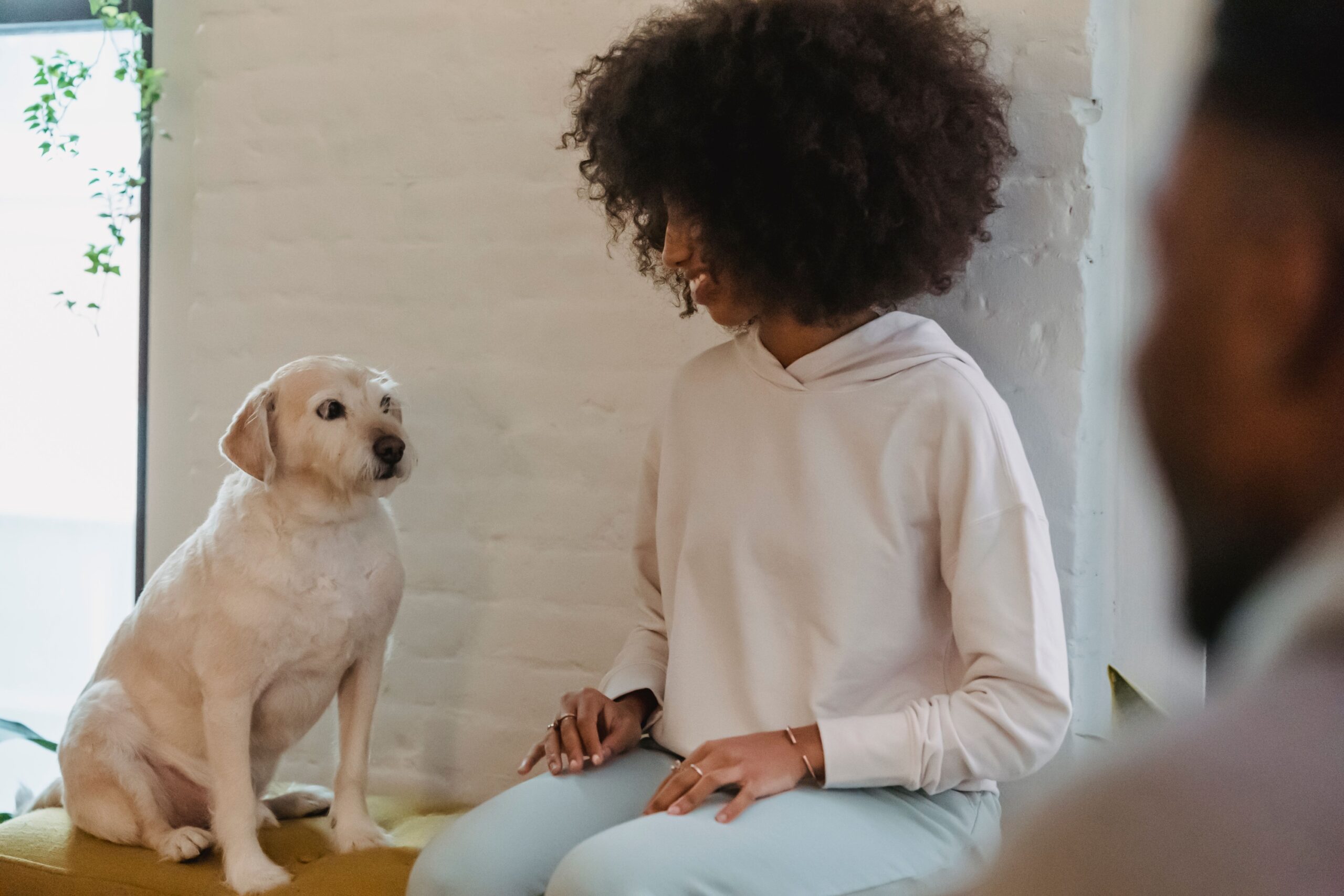
You think your dog forgets everything the second you leave the room. That’s the story we all tell ourselves – dogs live in the now, no past, no future, just the next meal and the next walk. It feels true, especially when they seem thrilled to see you even if you were only gone for five minutes.
But researchers who study canine cognition say that story is wrong, and not just a little wrong. Dogs build an emotional archive of the people who matter to them, and some of the moments they hold onto are ones you stopped thinking about years ago. A few of these memories might genuinely surprise you.
14. The Day You Brought Them Home
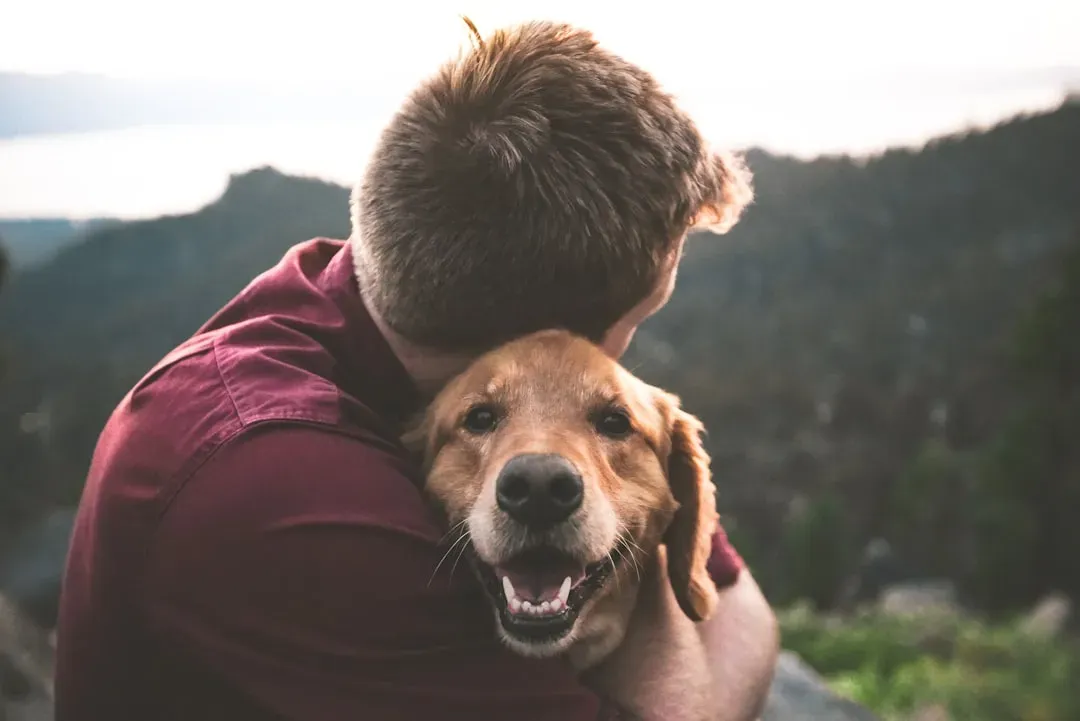
That first car ride, that first walk through your front door – your dog was terrified and thrilled at the same time, and their brain locked it in. New smells, a strange couch, a stranger’s hands, and somewhere in the chaos, you. Emotionally charged first experiences tend to stick, and this is about as emotionally loaded as it gets for a young animal suddenly dropped into a brand-new life.
That single day quietly became the emotional bedrock of your entire relationship. Every ounce of trust your dog has in you traces back to how safe or scary those first hours felt. It’s why some dogs settle in within a night and others take weeks to stop shaking near the door.
Fast Facts
- A landmark 2016 study found dogs could recall and imitate a human action they’d seen only once, even an hour later.
- In that research, dogs correctly repeated the demonstrated action in 33 of 35 surprise trials.
- Scientists call this “episodic-like memory” – the ability to recall specific past events, not just trained routines.
- Emotionally intense, novel moments, like coming home for the first time, are among the easiest memories for a dog’s brain to lock in.
13. The First Time You Actually Played Together
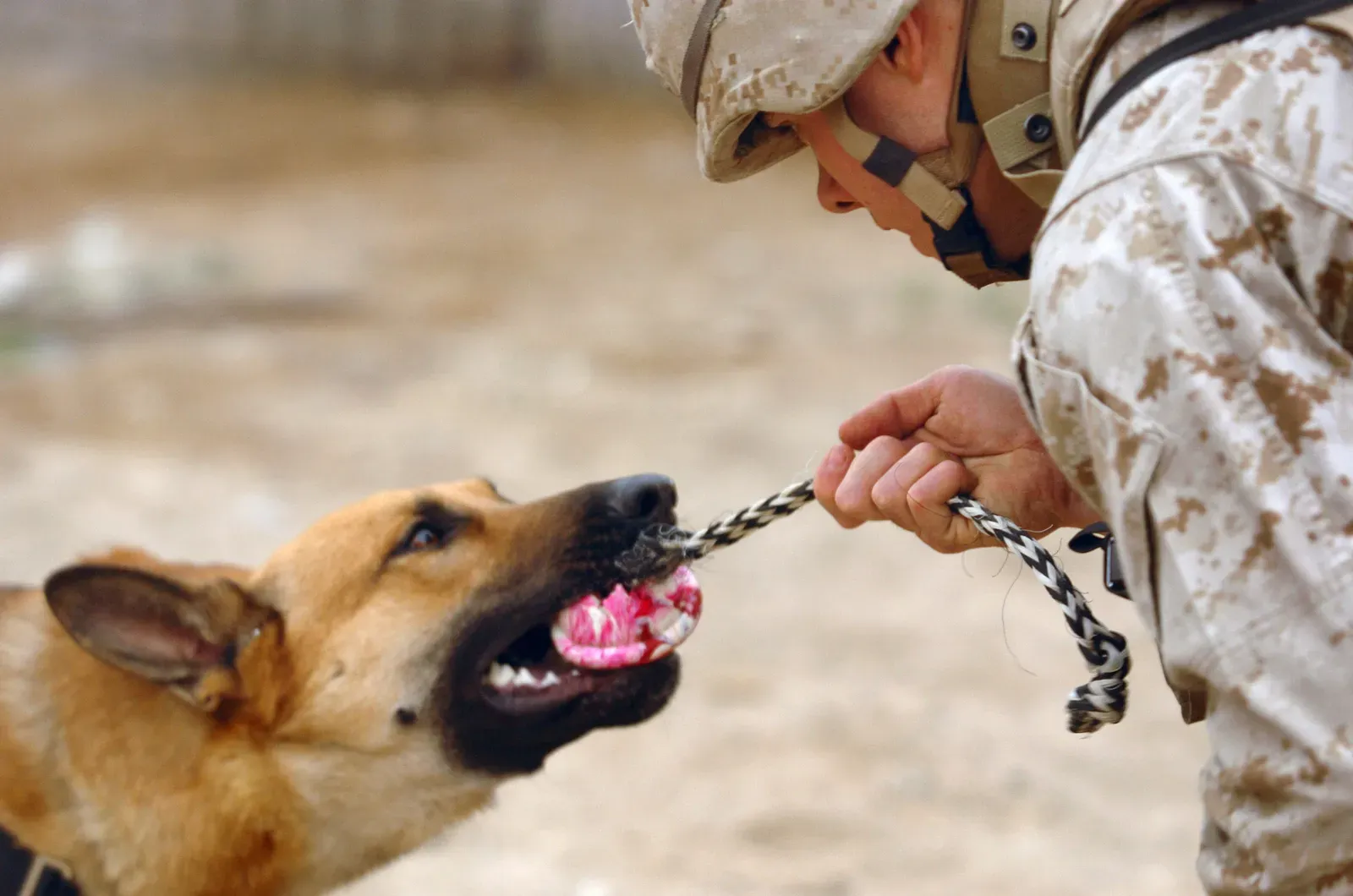
Somewhere in your dog’s memory is the exact feeling of the first tug-of-war, the first thrown ball, the first time you got down on the floor and acted a little ridiculous just for them. Play is not filler time to a dog – it’s one of the fastest ways trust gets built between two species that don’t share a language.
That first burst of shared joy taught your dog something huge: you are fun, and being near you feels good. Dogs don’t forget who made them feel that way first. It’s a big part of why they still perk up the second they see you reach for a toy, years later.
12. The First Time You Walked Out the Door Without Them
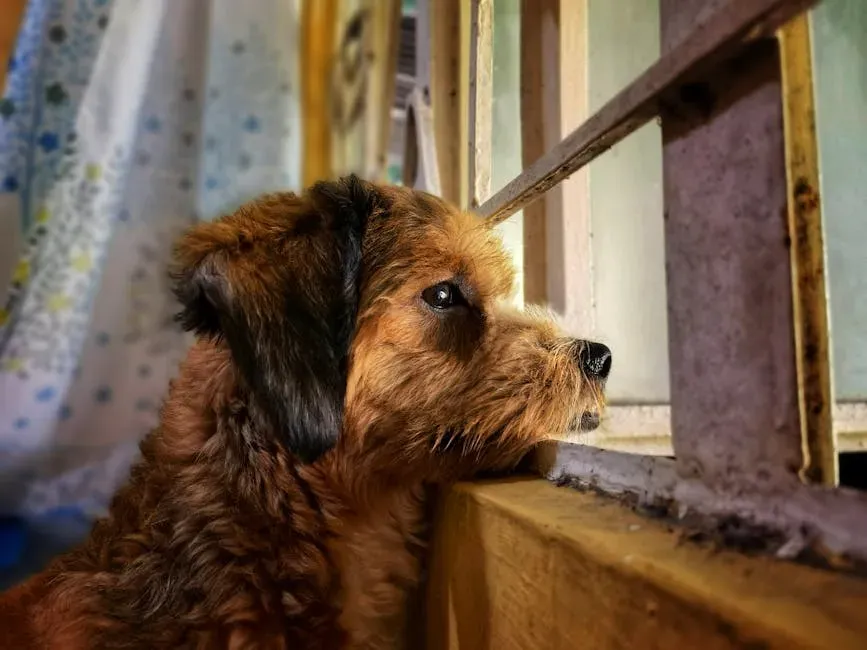
This one stings a little to think about. The first time you left your dog completely alone, they had no idea if you were coming back. Dogs are wired for togetherness, and that early absence can register as something close to panic, especially before they’ve learned your patterns.
Eventually most dogs learn the rhythm – you leave, you come back, it’s fine. But that very first time often leaves a mark, which is part of why some dogs develop separation anxiety that traces back to nothing more dramatic than an early, confusing goodbye. A little extra patience in those first weeks goes further than most owners realize.
Worth Knowing
- Pacing, excessive barking, drooling, and destructive chewing near doors are common signs of separation-related distress.
- Distress often peaks in the first 20 to 30 minutes after you leave, then can level off.
- Short practice departures, leaving for a minute or two and building up gradually, can help rewrite an early scary memory.
- Calm, low-key goodbyes and hellos tend to work better than big emotional send-offs.
11. The First Bath That Caught Them Off Guard

Water, strange hands, a slippery tub, and a smell that isn’t theirs anymore – the first bath is sensory overload for a lot of dogs. It’s not just a memory of getting clean; it’s a memory of how you handled them while they were confused and a little scared.
If you were calm and gentle, that memory softened into something manageable, maybe even pleasant over time. If it was rushed or stressful, some dogs carry that tension into every bath after, shaking at the sight of the tub for years. Either way, that first splash left an impression that outlasted the actual bath by a long shot.
10. The First Vet Visit That Rattled Them
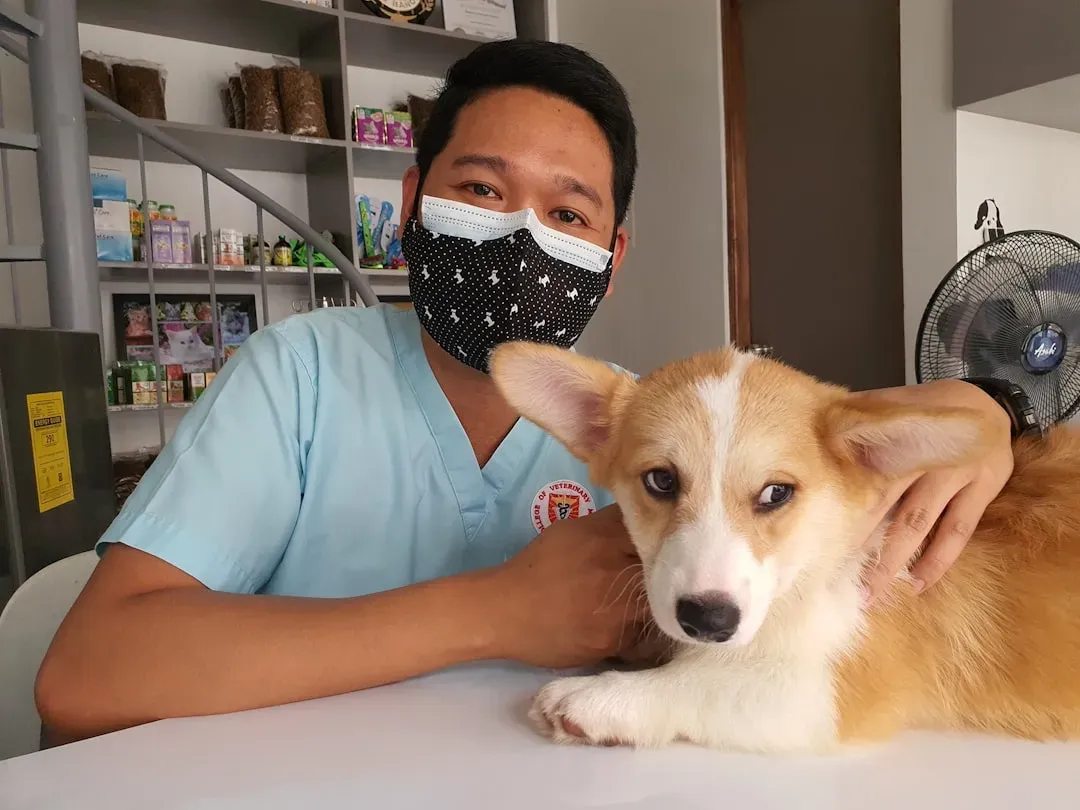
Cold tables, unfamiliar hands, strange smells layered with the scent of other anxious animals – a first vet visit is a lot to process for a creature who has no idea what’s happening or why. Dogs remember overwhelming experiences vividly, and this is usually one of the more intense early ones.
The good news is that memory isn’t fixed forever. Calm, repeated, low-stress visits can slowly rewrite that first impression into something closer to routine. But that original visit – good or bad – is often the emotional template your dog measures every future vet trip against.
9. The First Command You Ever Taught Them
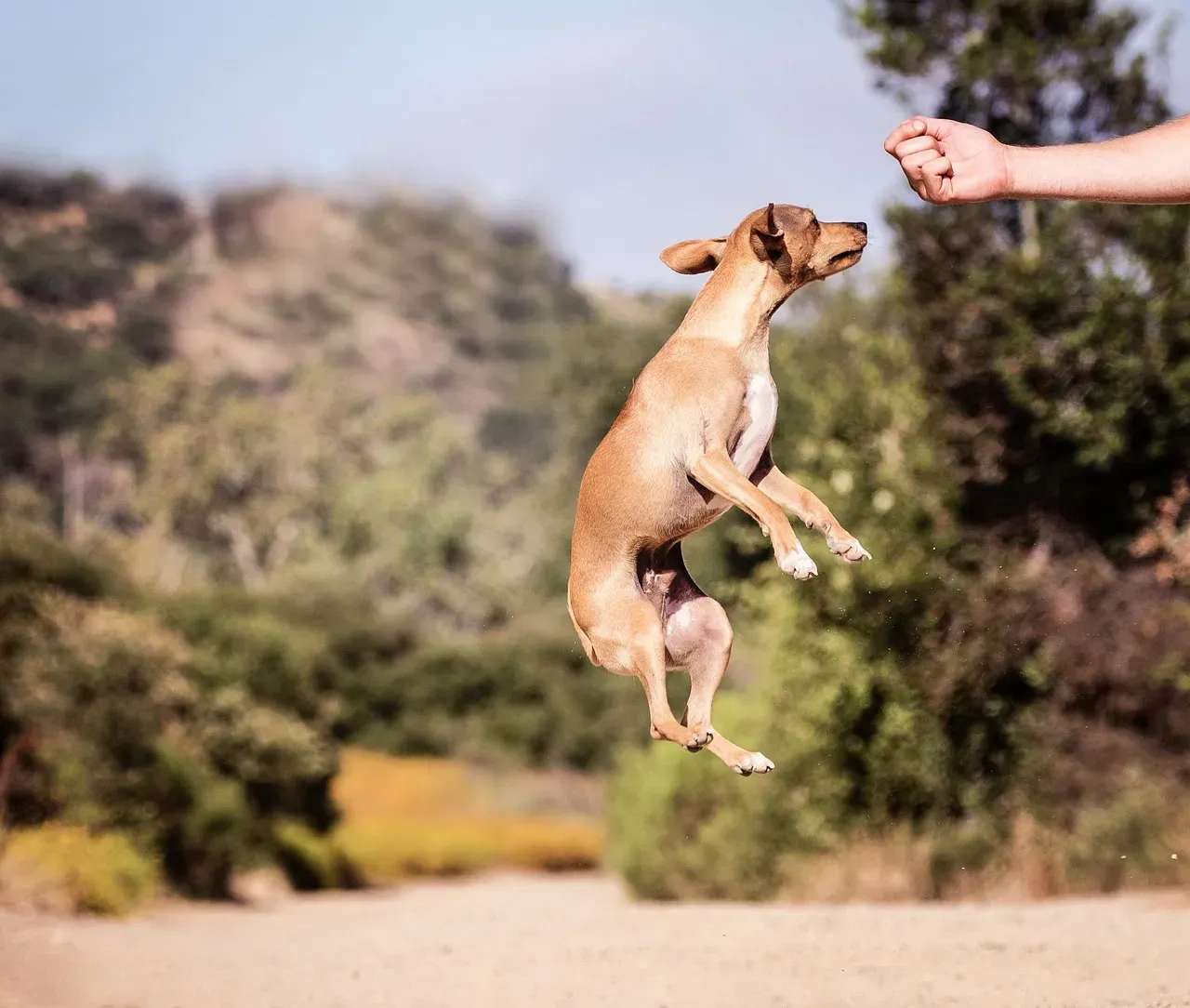
Long before your dog could reliably sit on command, there was a very first attempt – clumsy, probably a little chaotic, definitely full of treats. That moment mattered more than it seemed at the time, because it was the first proof to your dog that working with you led to something good.
Dogs build entire behavioral habits off those early wins. The first successful “sit” or “stay” becomes a kind of proof of concept in their mind: effort plus you equals reward. It’s the quiet beginning of every trick and skill that came after.
8. The Night You Held Them Through a Storm
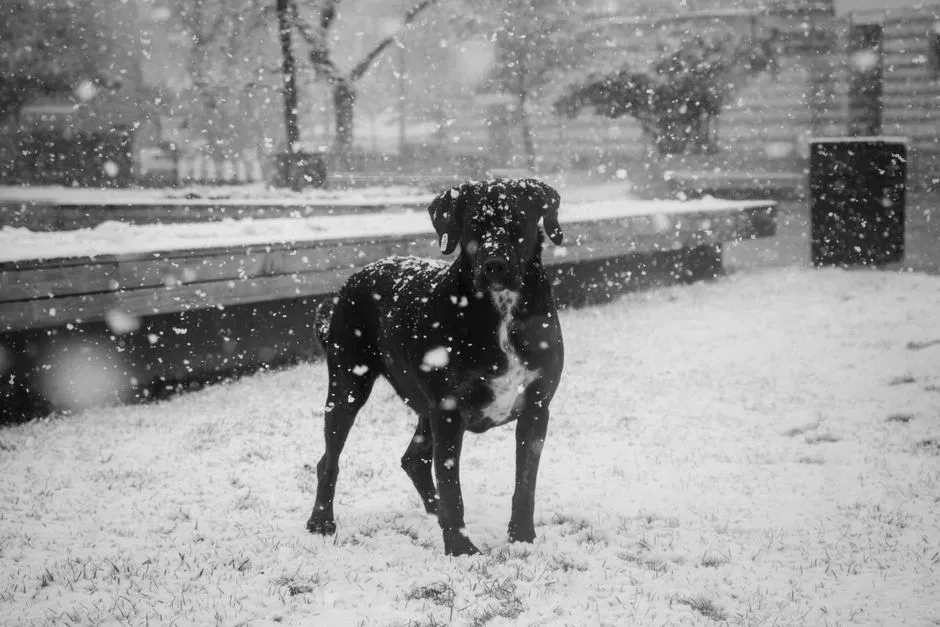
Thunder crashing, fireworks popping, your dog trembling against your leg – and you staying right there with them. Moments of real fear cut deep into memory, and the first time your dog learned that your presence could calm their racing heart, something shifted permanently between you.
Dogs don’t forget who showed up for them when they were scared.
Common veterinary behaviorist observation
That single night becomes a reference point they return to every time fear shows up again. It’s a big reason so many anxious dogs beeline straight for their person the second thunder rolls in, years after that very first storm.
7. The First Dog They Ever Met Under Your Watch
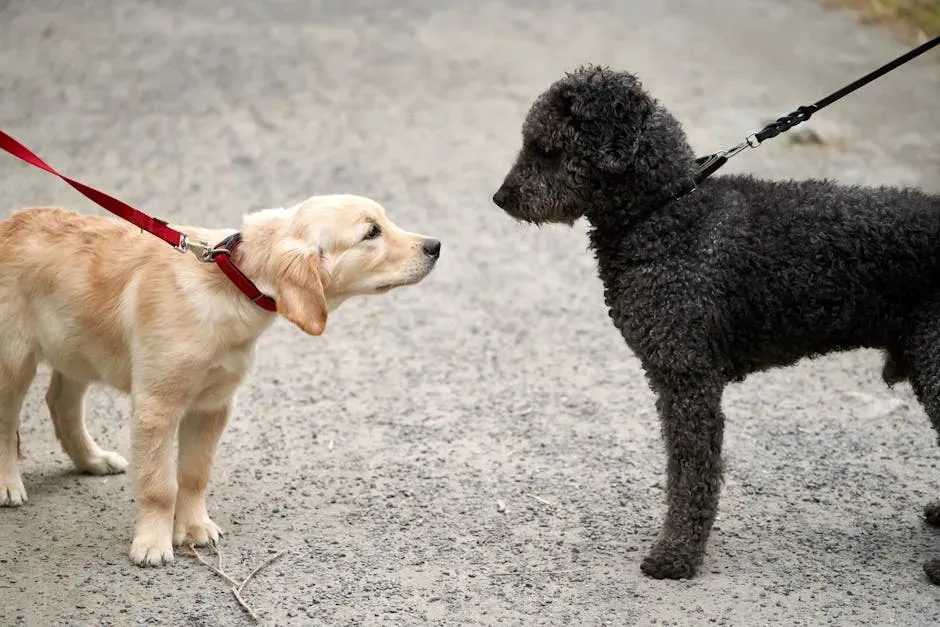
Every dog remembers their first real social test – the moment you introduced them to another dog and stood there hoping it would go well. That interaction taught them lessons about body language, boundaries, and whether other dogs meant fun or danger, lessons that shaped how they approach every dog park visit since.
A good first introduction, handled calmly by you, often produces a dog that genuinely enjoys other dogs for life. A rough or scary one can create hesitation that lingers for years. You may not remember which dog it was, but your dog almost certainly does.
6. The First Car Ride That Felt Like an Adventure – or a Threat
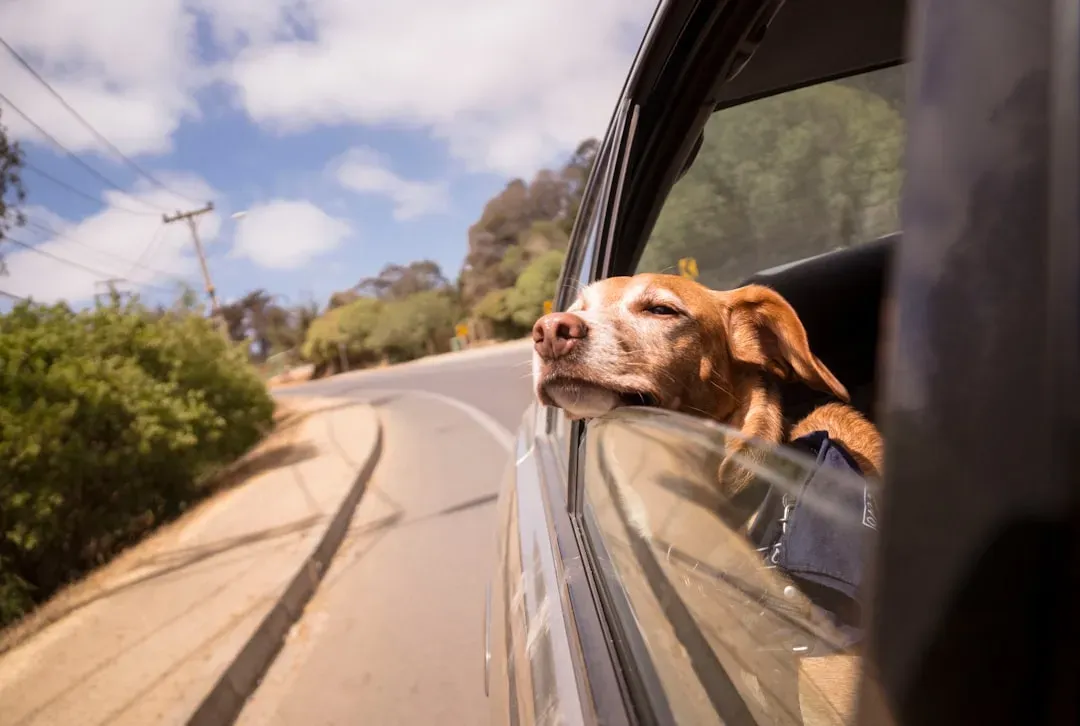
The rumble of the engine, the strange motion, the windows rushing by – a dog’s first car ride is either the beginning of a lifelong obsession with sticking their head out the window, or the start of genuine car anxiety. Which one depends heavily on how that very first trip felt, and whether it ended somewhere good.
If that first ride ended at the park instead of the vet, your dog likely built a positive association that made every future car door open feel like the start of something exciting. If it ended somewhere stressful, that memory can quietly shape their reaction to your car keys for years afterward.
Quick Compare
- Positive first ride: ends somewhere fun, like a park, and often builds lifelong excitement around the car.
- Negative first ride: ends at the vet or groomer, and can create hesitation or trembling near vehicles for years.
- Mixed early trips: a balance of fun and routine outings tends to produce the calmest, most adaptable travelers.
5. The First Time You Cried and They Noticed
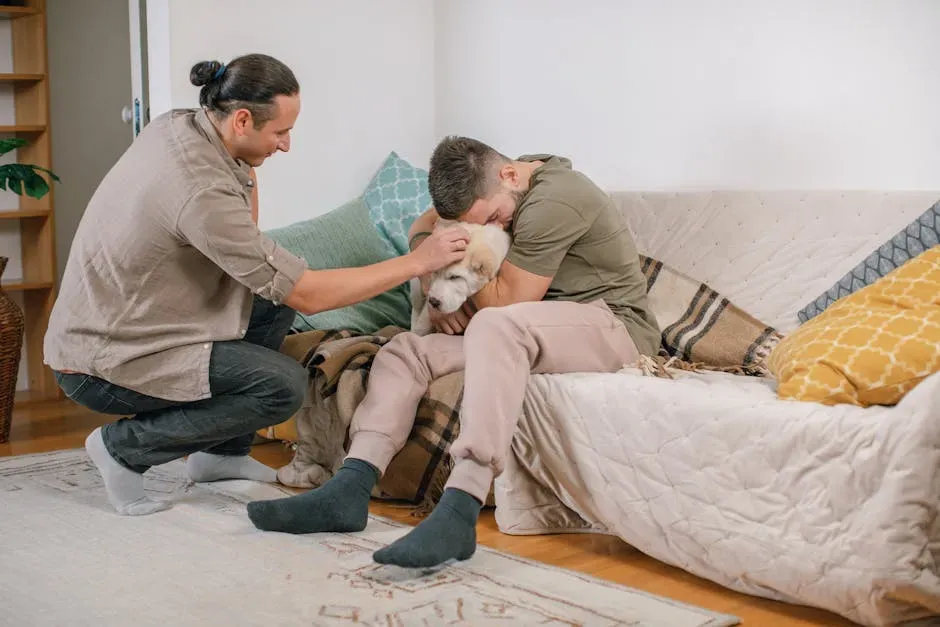
Dogs are shockingly good at reading human emotion, and the first time they watched you cry, something clicked. Many owners describe their dog suddenly pressing against them, licking their face, or refusing to leave their side during a hard moment – an instinctive response that seems to run deeper than simple confusion at a strange noise.
That moment becomes a reference point your dog carries forward. It’s part of why so many dogs seem to sense sadness before you’ve even said a word, quietly appearing at your feet the second your mood shifts. They remember that your tears once meant you needed them, and they’ve been watching for it ever since.
4. The Time They Got Hurt or Sick and You Stayed Close
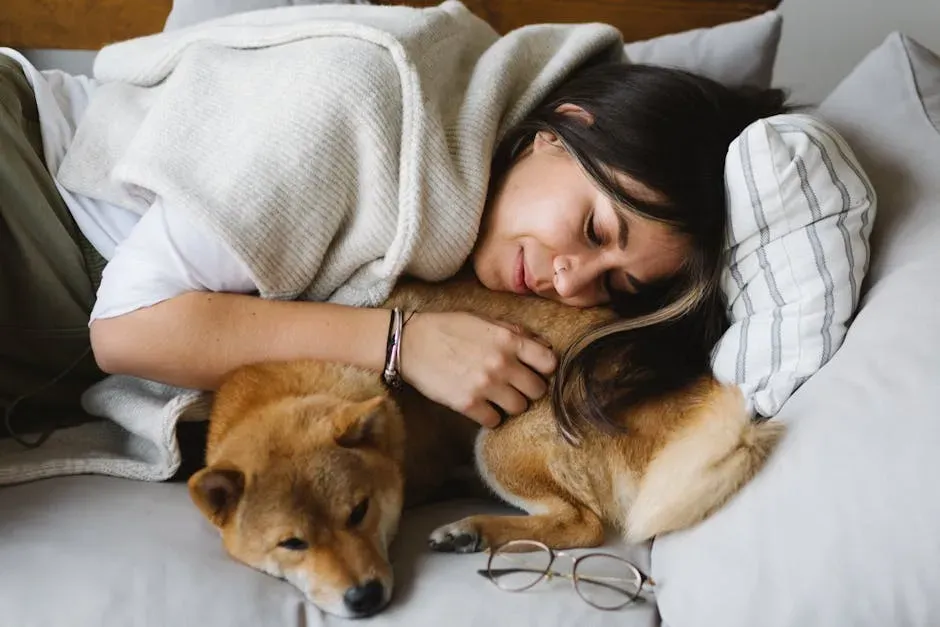
An injury, an illness, a scary trip to the emergency vet – these moments are frightening for a dog in a way that’s hard to overstate. But dogs also remember who stayed by their side through it, who kept their voice soft, who didn’t leave even when things felt uncertain.
This is often when the bond between dog and owner deepens the most. Vulnerability creates memory, and a dog who felt genuinely cared for during a scary health scare tends to lean into that person even harder afterward. It’s not just gratitude – it’s proof, stored away, that you’re safe to depend on.
3. The Day Everything Changed and You Moved

A new home means new smells, new sounds, and the disappearance of every familiar corner your dog had mapped out in their head. For a lot of dogs, a move is genuinely disorienting, and the first few days in a new space become their own distinct memory, separate from everything before it.
What made that transition survivable, almost always, was you. Familiar routines, familiar smells, a familiar voice in an unfamiliar place – that consistency is what your dog remembers most from moving day, even if the house itself faded from memory entirely.
2. The Silly Voice You Used Without Thinking
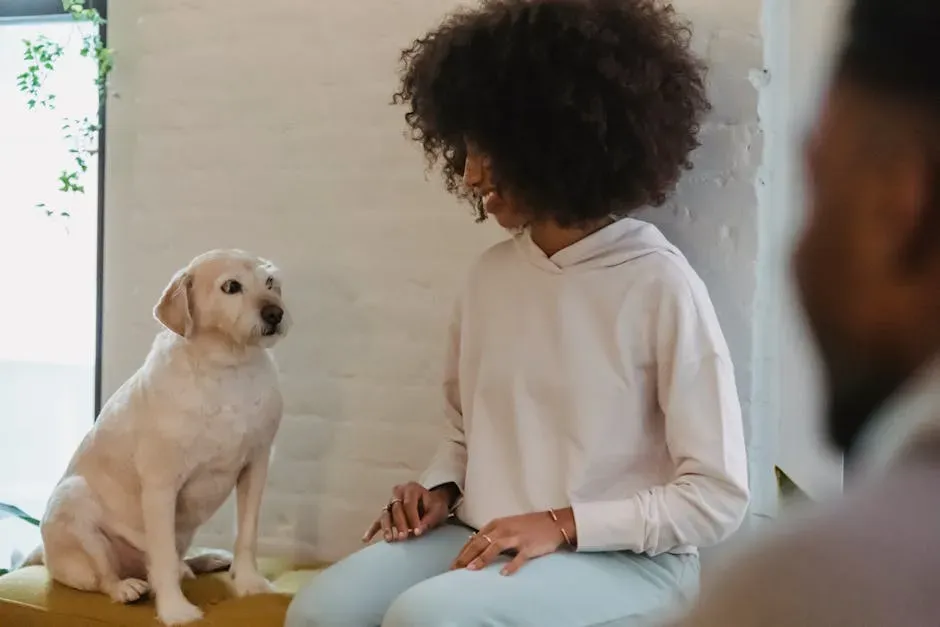
You probably don’t remember the first time you slipped into that ridiculous, high-pitched voice reserved only for your dog. But they do. Dogs respond strongly to tone, and that particular voice became linked in their memory to attention, affection, and the promise that good things were about to happen.
That silly voice isn’t nothing to them – it’s a signal they’ve learned to associate with you at your most relaxed and loving. It’s part of why they still come running the instant you use it, even decades of “normal” conversations later.
1. The Exact Look on Your Face They Remember Most

Of everything a dog stores away, researchers suggest facial expression may be one of the most powerful. Dogs are remarkably skilled at reading human faces, and somewhere in their memory is the specific look you wore during your happiest moments together – the wide smile, the softened eyes, the unmistakable expression of pure love.
That look becomes their gold standard. It’s what they’re chasing every time they do something silly to make you laugh, every time they nudge your hand for attention. You may have forgotten the exact moment that expression first appeared on your face. Your dog never did.
Why It Stands Out
- Dogs can reliably tell the difference between happy and angry human facial expressions, even in photos of strangers.
- Research suggests dogs process familiar faces differently than unfamiliar ones, similar to how they respond to other dogs.
- Tone of voice, posture, and facial expression often blend into one combined emotional “snapshot” stored in a dog’s memory.
What This Really Means
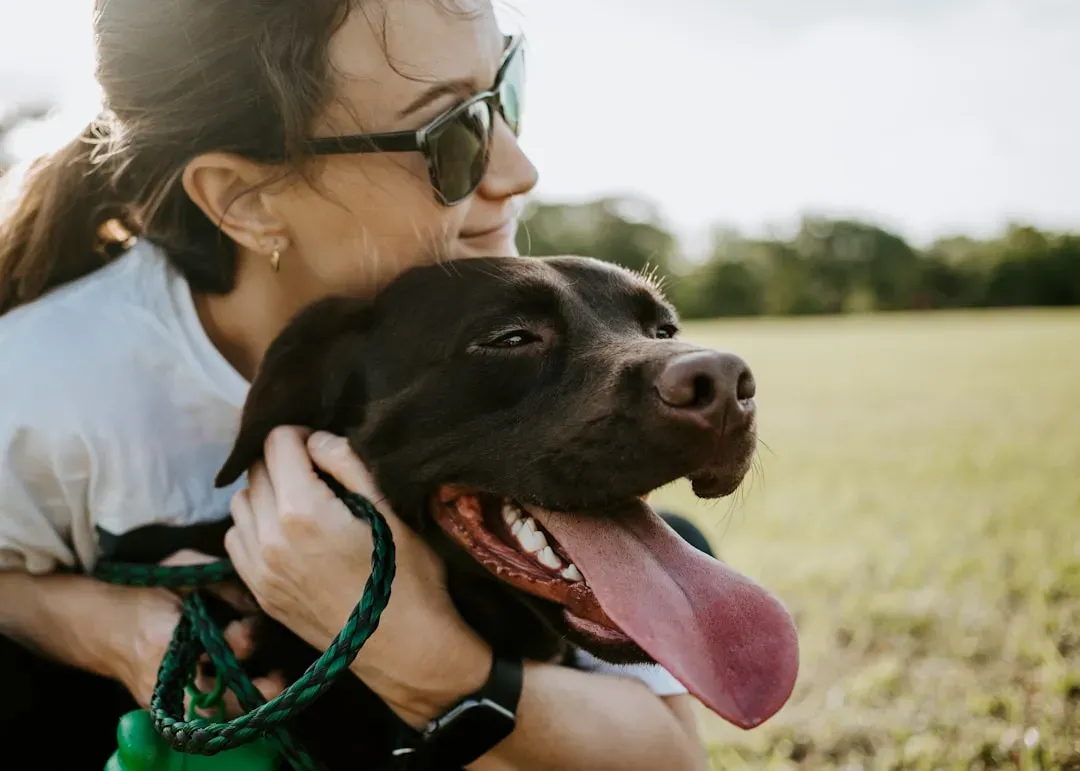
Here’s the part that stays with me: your dog isn’t just living in the present the way we assume. They’re quietly building a life-long emotional record of you, one that shapes how safe, loved, and understood they feel every single day. We spend so much energy trying to remember our dogs’ best moments in photos and videos, never realizing they’ve been keeping their own private archive of us the entire time.
If there’s one thing worth taking from this, it’s that the ordinary moments matter more than we give them credit for. Not the expensive toys or the perfect training schedule, but the silly voice, the calm hand during a storm, the choice to stay close when things got hard. Your dog isn’t grading you on grand gestures. They’re remembering how you made them feel, one small moment at a time, and that record never really fades.


