
12 Things About You Your Dog Would Never Forget in a Hundred Years
Somewhere along the way, we decided dogs were simple creatures – food, walks, naps, repeat, with no real memory tying it all together. That story is comforting. It’s also wrong.
Dogs don’t just live in the moment. They carry pieces of you around in their heads long after the moment has passed, filing away details most owners never even notice they’re giving off. What your dog actually remembers about you is stranger, deeper, and more touching than the “goldfish memory” myth ever gave them credit for – and once you see the full list, you’ll never look at that head-tilt the same way again.
12 – Your Scent
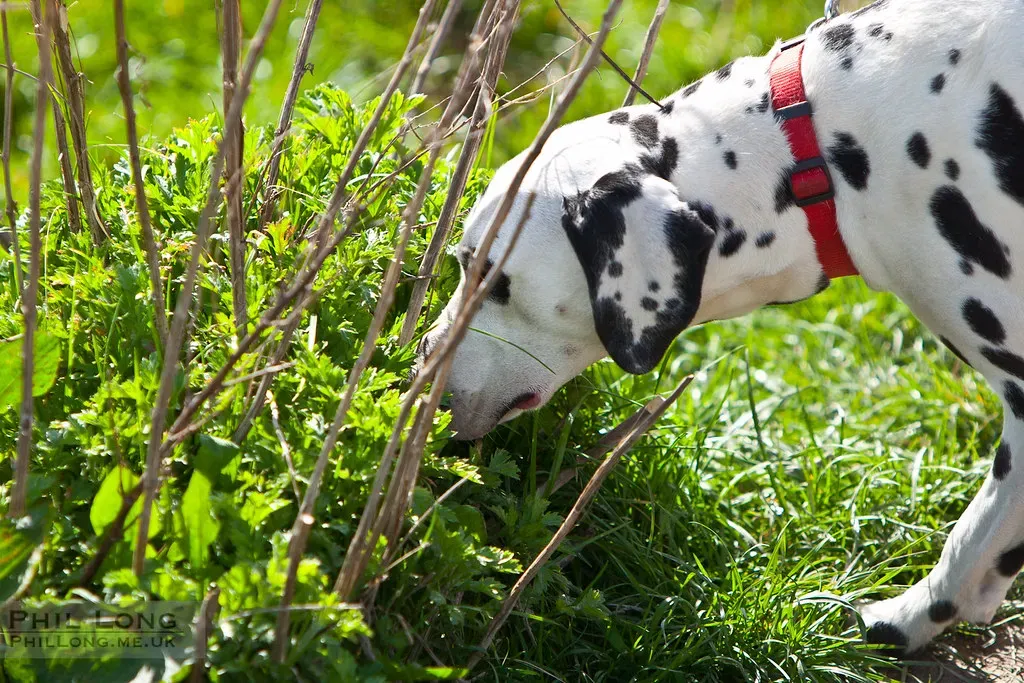
A dog’s nose isn’t just sharp, it’s practically a superpower. Your specific scent signature – sweat, skin, soap, the works – gets locked into their memory so completely that they can pick you out of a crowd of strangers without even needing to see your face.
That’s why a worn t-shirt left on the couch can turn into a dog’s favorite napping spot the second you leave the house. It isn’t random comfort-seeking. It’s your dog holding onto the one piece of you they can still access, nose pressed into the fabric like it’s the next best thing to you actually being there.
Fast Facts
- Dogs have up to roughly 300 million scent receptors, compared to about 6 million in humans.
- The brain region devoted to processing smell is proportionally far larger in dogs than in people.
- A dog’s nose can pick up on faint traces of scent left behind long after you’ve walked out of a room.
11 – Your Voice
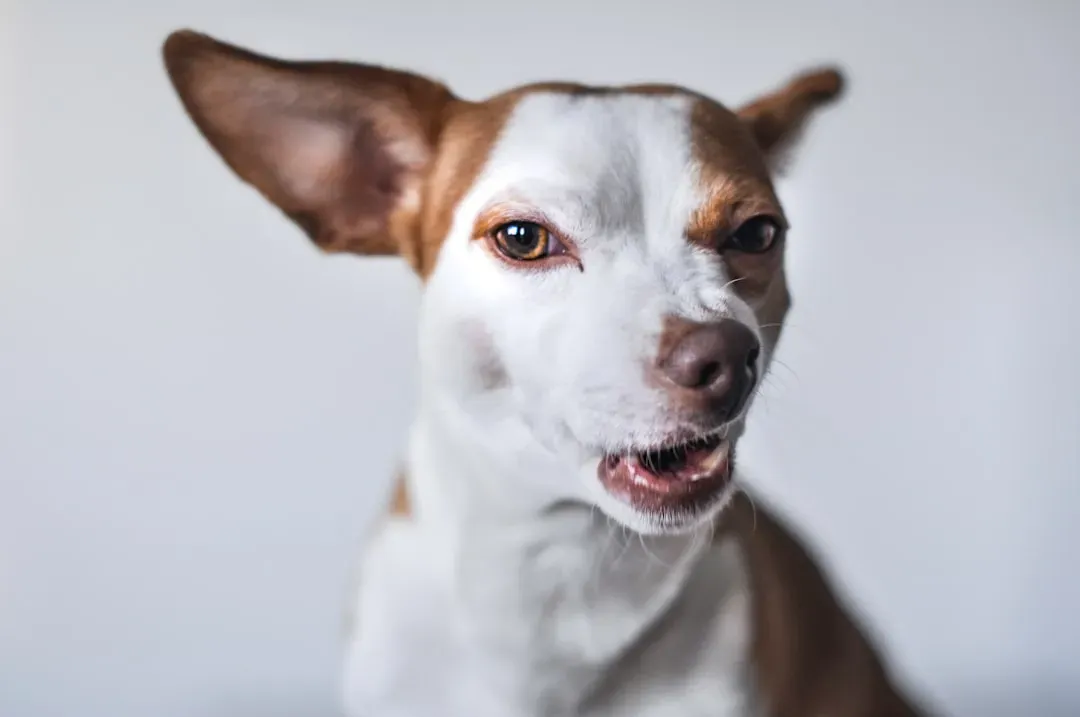
Long before your dog understands a single word you’re saying, they’ve already memorized how you sound. The pitch, the rhythm, the little rise in tone when you’re excited – all of it gets stored as a signal of safety.
That’s why a dog can be dead asleep in another room and still lift its head the instant your voice comes through the front door, even before the door actually opens. Studies back this up too: dogs consistently respond more warmly to their owner’s voice than to a stranger’s, even when the words themselves mean nothing.
10 – Your Face
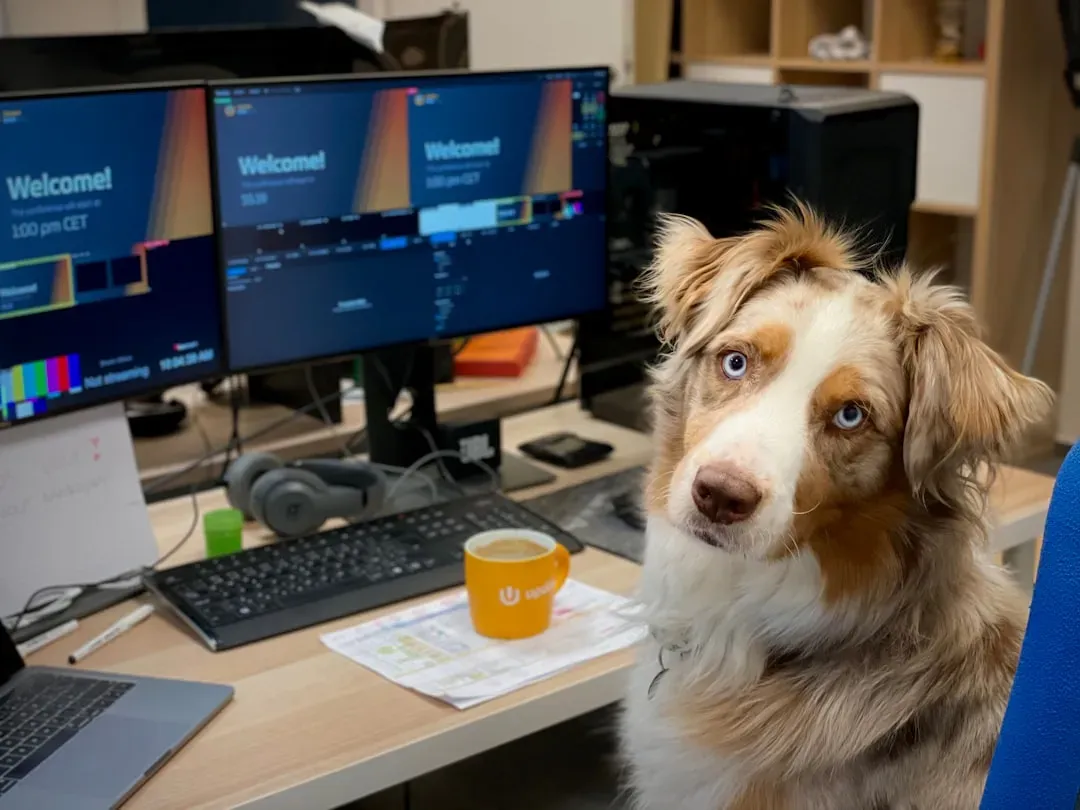
Dogs read faces the way we read text messages – constantly, and for meaning. They remember your face specifically, and they can pick you out from a lineup of strangers using visual memory alone.
This is also why covering your face, whether with a scarf, sunglasses, or a costume mask, can genuinely throw a dog off. Researchers have found that recognition drops noticeably when the face is obscured, which tells you just how much weight your dog puts on simply being able to see you.
9 – Your Daily Routine
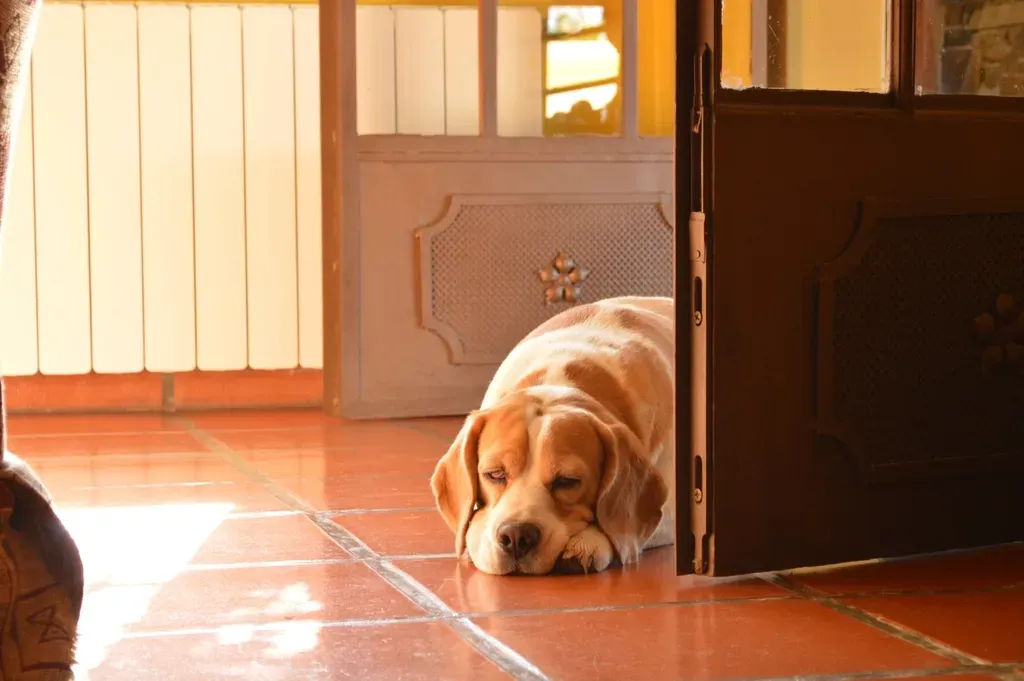
Dogs are creatures of pattern, and they memorize your schedule with an accuracy that borders on unsettling. The alarm clock, the coffee maker, the sound of your car in the driveway – all of it gets stitched into a mental timetable of you.
That’s why some dogs park themselves by the door minutes before you’re due home, with no obvious cue to explain it. They’ve simply learned your rhythm so well that any break in it – a late night, a schedule change – registers as something worth noticing.
Worth Knowing
- Dogs seem to lean on internal body clocks along with cues like light and sound to track how much time has passed.
- Many dogs react differently to a short errand than to a long day away, suggesting they gauge duration, not just absence.
- A break in routine, like a late homecoming, can show up as pacing, whining, or restlessness at the door.
8 – Your Emotional States
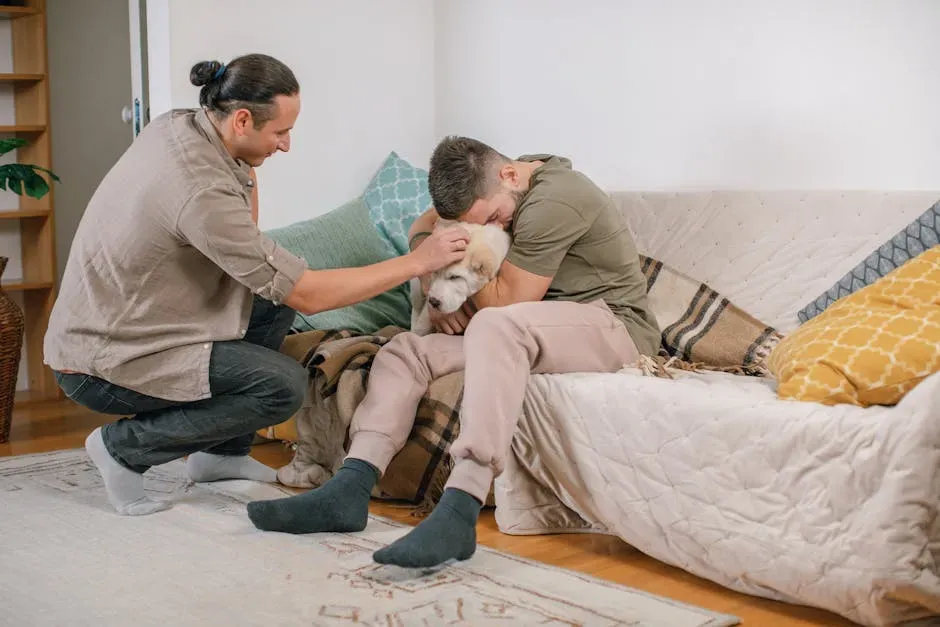
Your dog isn’t just watching what you do, they’re watching how you feel. Dogs remember your emotional patterns and often adjust their own behavior in response, softening around sadness or matching your energy when you’re thrilled.
This is why a dog will sometimes rest its head on your lap the moment you start crying, seemingly out of nowhere. They’re pulling from a memory bank of every time you’ve been upset before, and responding the way that’s comforted you in the past.
7 – Your Training Commands
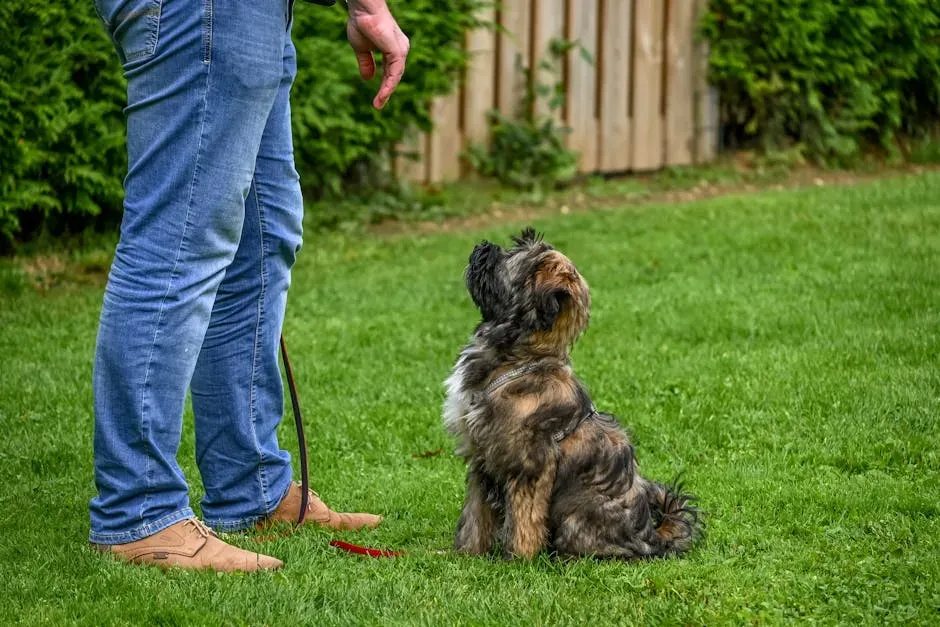
Commands you taught years ago don’t just vanish from a dog’s memory once the daily practice stops. Sit, stay, paw, roll over – these get filed away as long-term knowledge, not short-term tricks.
That’s why a dog can go months without performing a command and still nail it perfectly the first time you ask again. It’s a quiet but impressive reminder that their memory isn’t just emotional, it’s genuinely cognitive.
6 – Your Favorite Activities Together
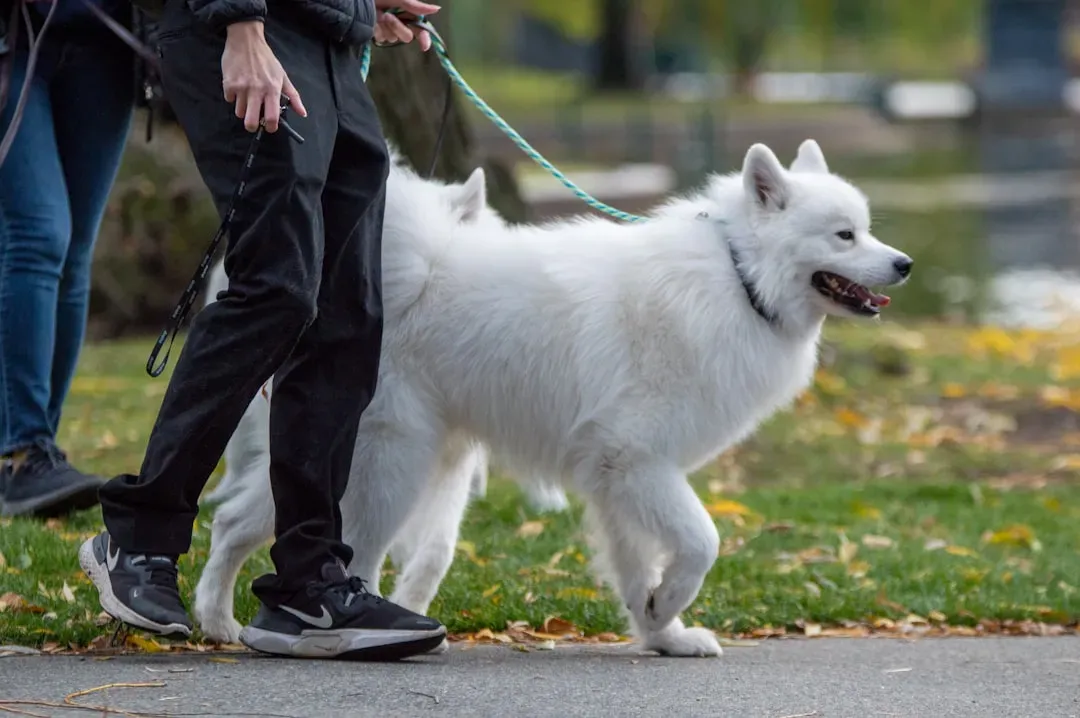
The walk, the game of fetch, the couch cuddle at the end of the day – dogs remember these shared rituals in vivid detail, down to the specific sounds and cues that signal they’re about to happen.
That’s why the jingle of a leash or the sound of sneakers on the floor can send a dog into an instant frenzy of excitement. They’re not reacting to the object itself. They’re reacting to the memory of everything that object has meant before.
Dogs are our link to paradise… to sit with a dog on a hillside on a glorious afternoon is to be back in Eden.
Milan Kundera
5 – Your Absence and Return
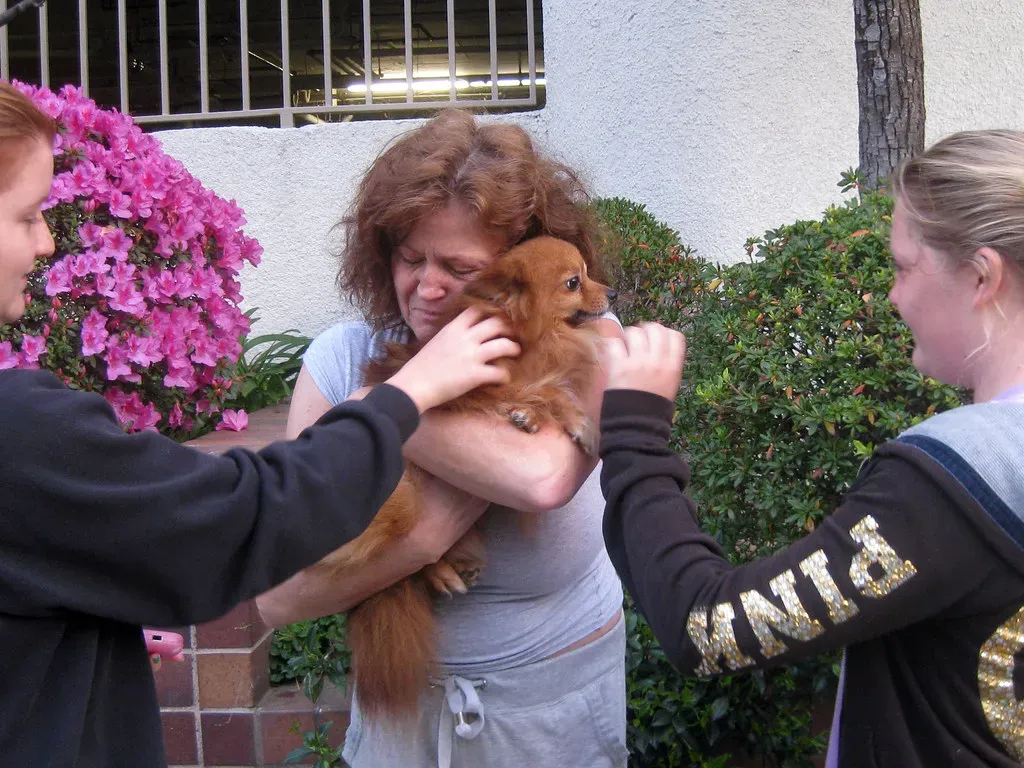
Dogs keep track of your comings and goings far more precisely than most owners assume. They register how long you’ve been gone, and that memory shapes exactly how they greet you when you walk back through the door.
A quick errand might earn a wagging tail. A long trip can trigger something closer to pure relief – spinning, whining, refusing to leave your side for an hour. That difference in reaction isn’t random. It’s memory doing its job.
4 – Your Reactions to Their Behavior
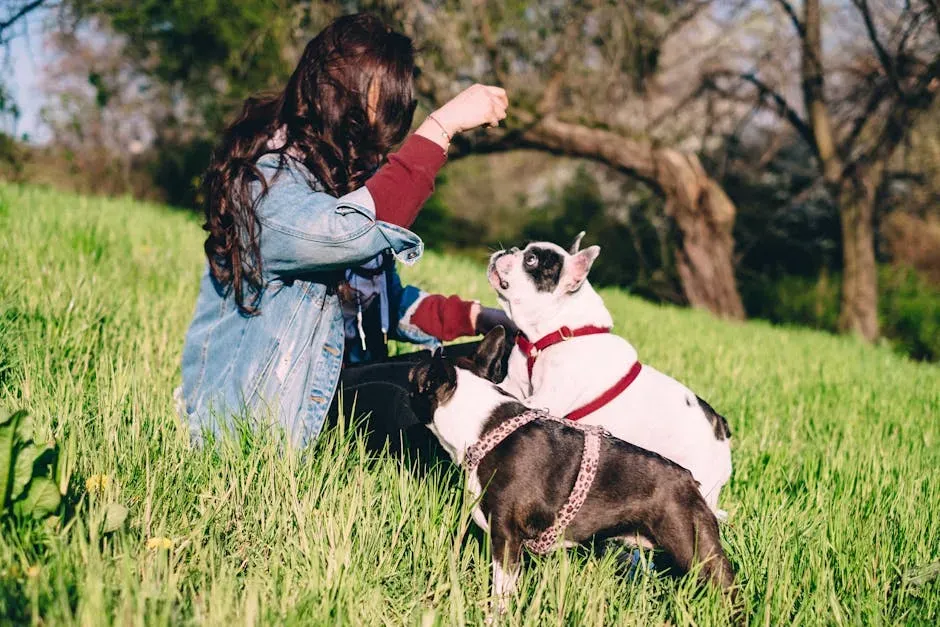
Every time you praise your dog or correct them, you’re adding to a running record they keep on how you respond to them. This memory quietly shapes their future choices, far more than most owners give them credit for.
A dog that’s been consistently rewarded for calm behavior around guests will remember that pattern and lean into it. One that’s been gently corrected for jumping learns, over time, what earns your approval and what doesn’t. Your reactions become their roadmap.
Why It Stands Out
- Consistent, positive responses tend to shape a dog’s long-term behavior more reliably than harsh corrections.
- Dogs can hold onto learned associations between an action and your reaction for years, not just days.
- This is part of why steady, predictable feedback matters more in training than sheer repetition alone.
3 – Your Friends and Family
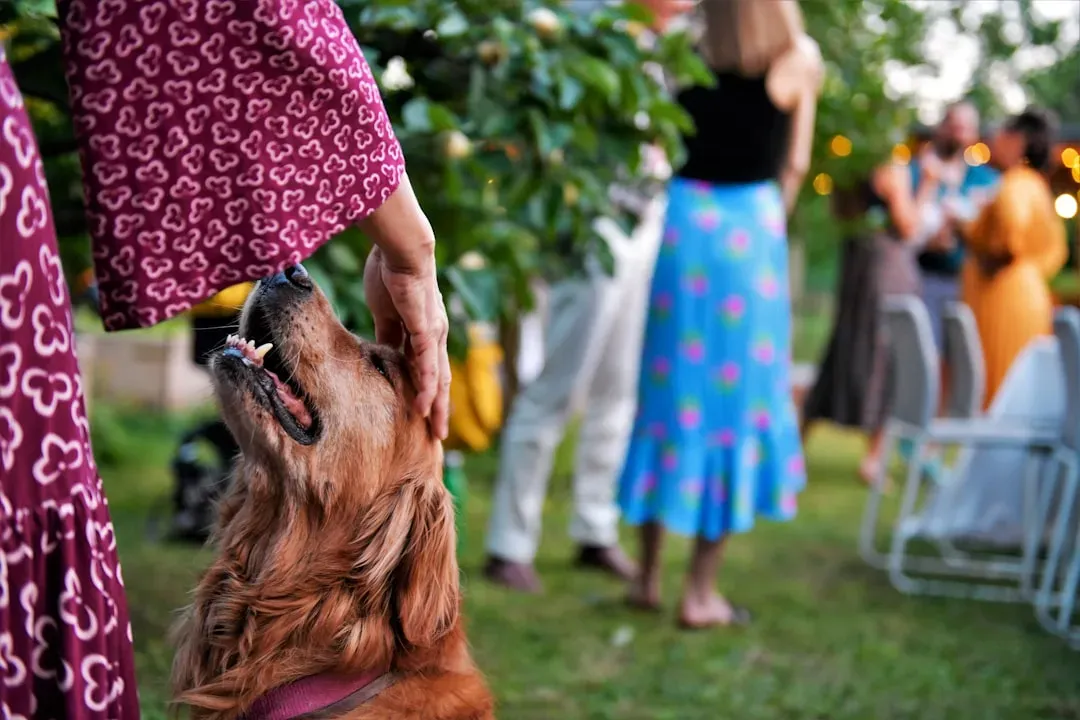
The people who matter to you tend to matter to your dog too. They remember the regulars – the sibling who visits every weekend, the friend who always brings treats – and store those faces as safe and familiar.
That’s why a dog can go wild with excitement for one specific guest while staying politely reserved with someone new. It’s not favoritism for the sake of it. It’s a memory of repeated positive experiences with that exact person.
2 – Your Unique Habits
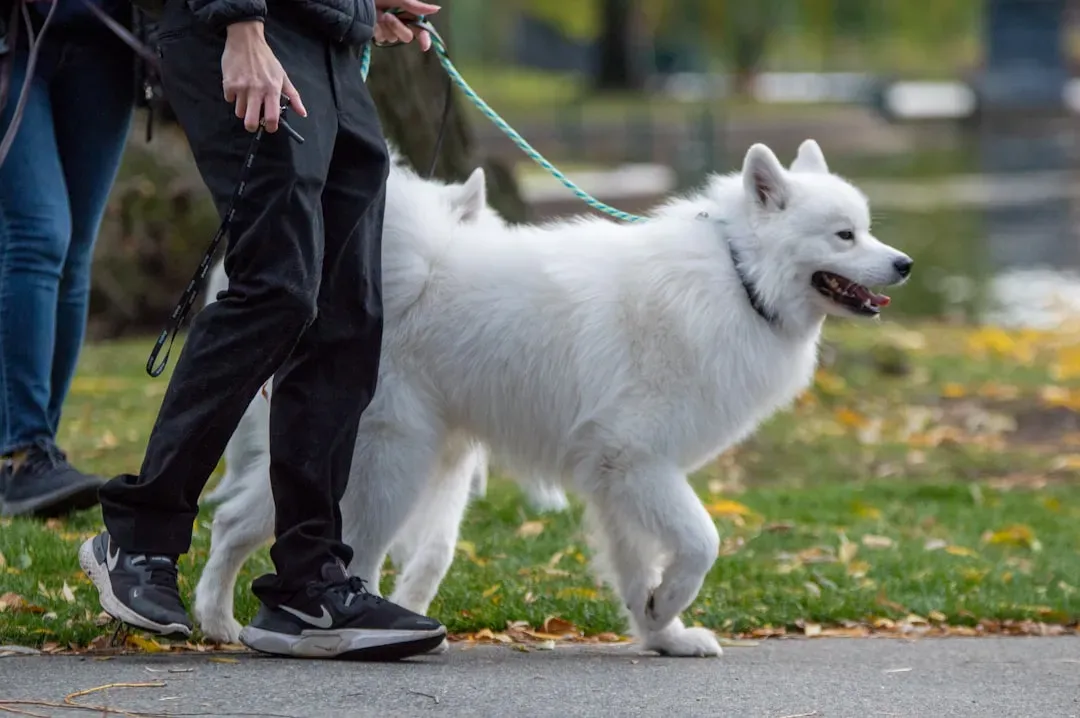
Dogs are quiet observers of your quirks, and they remember far more of your personal habits than you’d expect. The exact way you scoop their food, the specific phrase you use before a walk, your nighttime routine – it all gets noticed and stored.
This is why dogs often respond to your habits before you’ve even finished them, nudging the leash hook the second you reach for your shoes. They’ve mapped your patterns so closely that they can practically predict your next move.
At a Glance
- Small, repeated cues – like a specific drawer opening – can become tied to routines such as walks or mealtime.
- Anticipatory behavior, like heading to the door before you grab your keys, reflects pattern memory rather than coincidence.
- These learned associations often form early in a dog’s life and tend to stay reliable for years afterward.
1 – Your Love and Affection
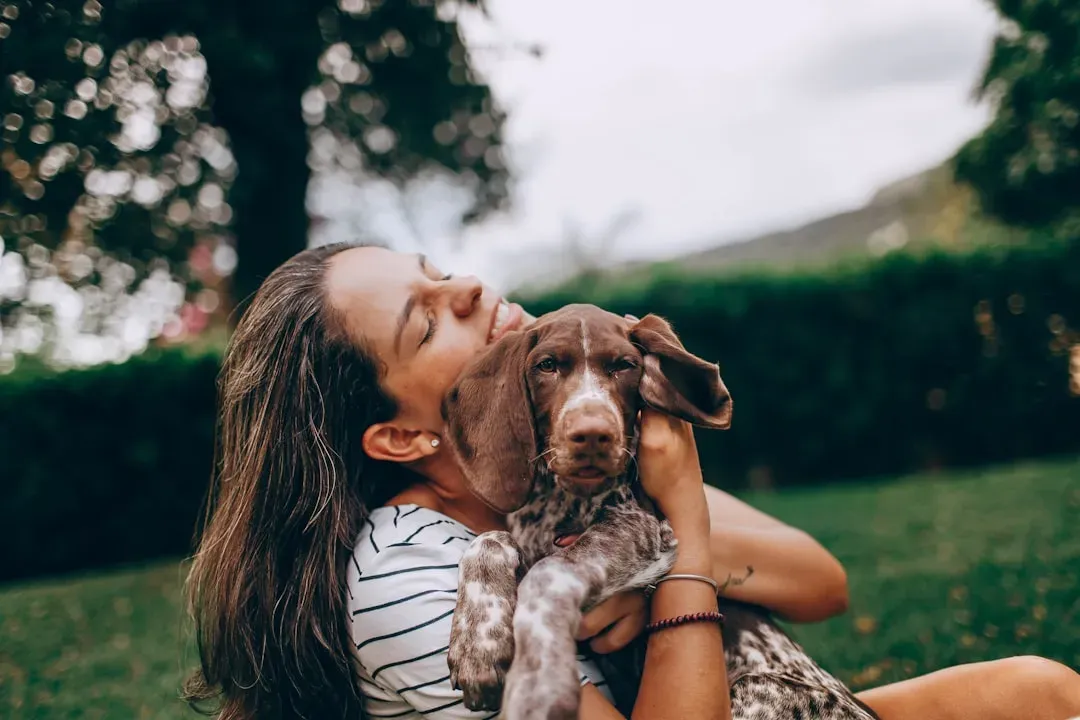
Above everything else on this list, the memory that matters most to a dog is how you’ve made them feel. They remember the comfort during thunderstorms, the belly rubs, the moments you sat with them simply because they needed you to.
This is the memory that outlasts all the others, the one that turns basic recognition into unwavering loyalty. Every other item on this list is built on top of this one. It’s the reason a dog’s love for you never seems to run out, no matter how much time passes.
The Bottom Line
The idea that dogs forget everything the moment it happens was never really about dogs. It was about giving ourselves permission to be a little less careful with them. That excuse doesn’t hold up anymore.
Your dog is quietly building a lifelong record of who you are, how you sound, how you feel, and how you’ve treated them – and that record shapes every tail wag, every worried glance, every joyful greeting at the door. If that’s not a reason to be a little more intentional with the moments you share, it’s hard to imagine what would be.