
Your dog isn’t just sad you’re gone. That stare at the door, the one that makes you feel like the world’s worst human every time you grab your keys, is actually a tangled mix of biology, memory, instinct, and emotion that most owners never fully understand.
Some of the reasons are sweet. Some are heartbreaking. And a couple of them might make you rethink everything you thought you knew about what’s actually going on inside your dog’s head the second that door clicks shut. Here are all 14, starting with the one most owners feel guilty about the second they read it.
14. Separation Anxiety: The Panic Behind the Stare
For a lot of dogs, watching the door isn’t quiet longing. It’s the visible edge of a full-blown panic response. Whining, pacing, scratching at the frame, even chewing through a doorstop, these are symptoms of a nervous system that genuinely believes something terrible is happening.
This isn’t drama for attention. It’s real distress, and it can worsen over time if it’s never addressed. The good news is that gradual desensitization, short practice departures, calm returns, positive associations with alone time, can rewire that panic into something closer to patience. But #13 shows a completely different side of this behavior.
Fast Facts
- Common signs include whining, howling, pacing, or destructive chewing near doors and windows.
- Some dogs show physical symptoms like drooling, panting, or trembling before you even leave.
- House accidents in an otherwise house-trained dog can signal anxiety, not disobedience.
- Symptoms often peak within the first half hour after you walk out the door.
13. Protective Instincts: Guarding the Only Exit
Some dogs don’t sit by the door because they’re sad. They sit there because, in their mind, someone has to watch the perimeter. This is especially common in breeds bred for guarding, and it comes from a place of duty, not despair.
Left unchecked, though, this instinct can spiral into constant vigilance and stress. A dog that never lets its guard down never really rests. Teaching them to trust that you’ve got things handled helps them stand down. Reason #12 flips the emotional tone entirely.
12. Anticipation of Your Return: The Internal Clock
Dogs read routines the way people read clocks. If you leave for work at 8 and return at 5, your dog often knows that rhythm better than you’d expect, and the door becomes the place where that countdown ends.
It’s a quiet kind of devotion, watching a door because they know, somehow, that you’re going to walk back through it. Still, that reliance needs balance so alone time doesn’t feel unbearable in between. What’s happening at #11 is far less sentimental.
11. Boredom: A Mind With Nowhere to Go
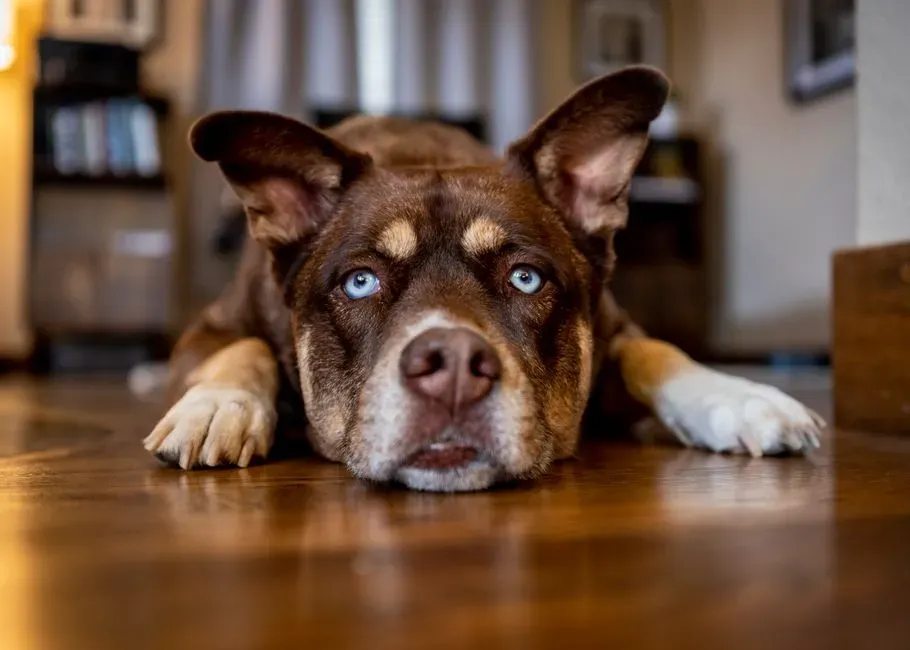
An understimulated dog will often find the closest source of drama in the house, and the door, with its smells, sounds, and shifting light, becomes that source. Watching it becomes a way to fill hours that otherwise feel empty.
Boredom doesn’t just look like laziness; it often looks like fixation. Puzzle toys, real exercise, and mental engagement can redirect that energy somewhere healthier. Reason #10 adds another layer entirely.
10. Territorial Behavior: Standing Watch Over Home Turf
Some dogs treat the door like a border checkpoint. Every unfamiliar footstep, bark, or shadow outside triggers an internal alarm, and the door becomes the frontline of their watch.
This territorial instinct can make dogs reactive to mail carriers, neighbors, or other animals passing by. Recognizing it as instinct rather than aggression helps owners respond with training instead of frustration. Reason #9 is a lot more lighthearted.
9. Waiting for a Walk: Door as a Promise
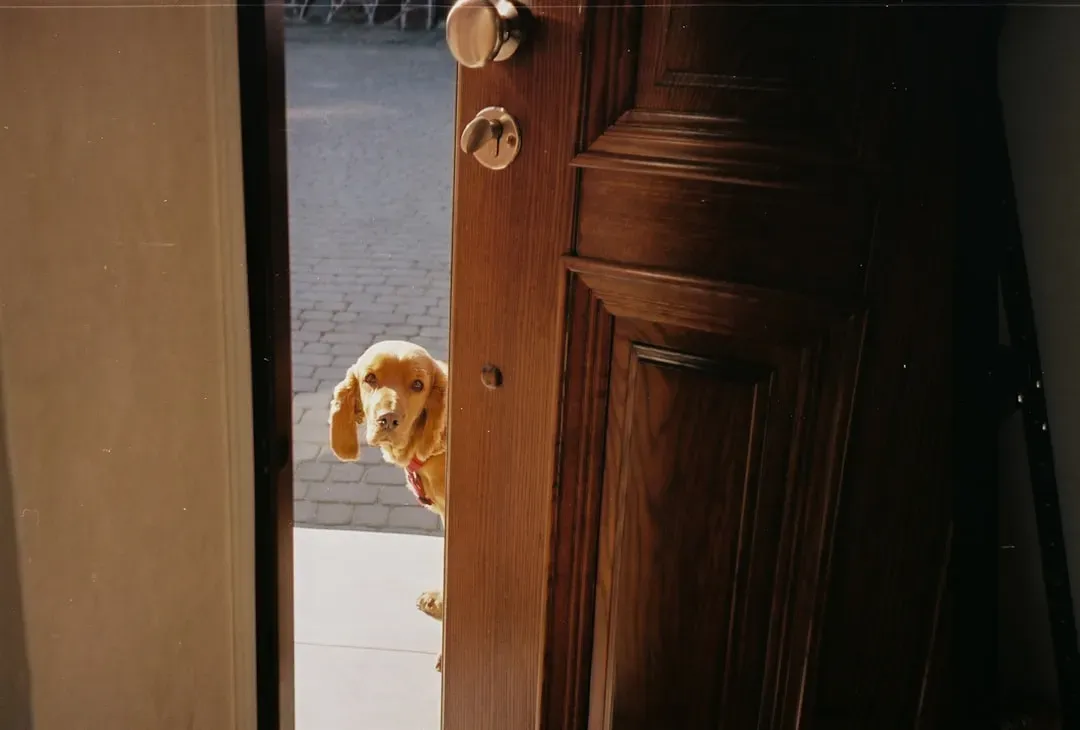
If the door has ever meant leash, fresh air, or a favorite park, your dog has filed that connection away permanently. Watching the door becomes a hopeful gesture, not a fearful one.
This is one of the more joyful reasons on this list, rooted in genuine excitement rather than distress. Keeping walk times consistent helps manage that anticipation. Reason #8 is something most owners have never even considered.
8. Sensory Overload: The World Leaking Through the Cracks
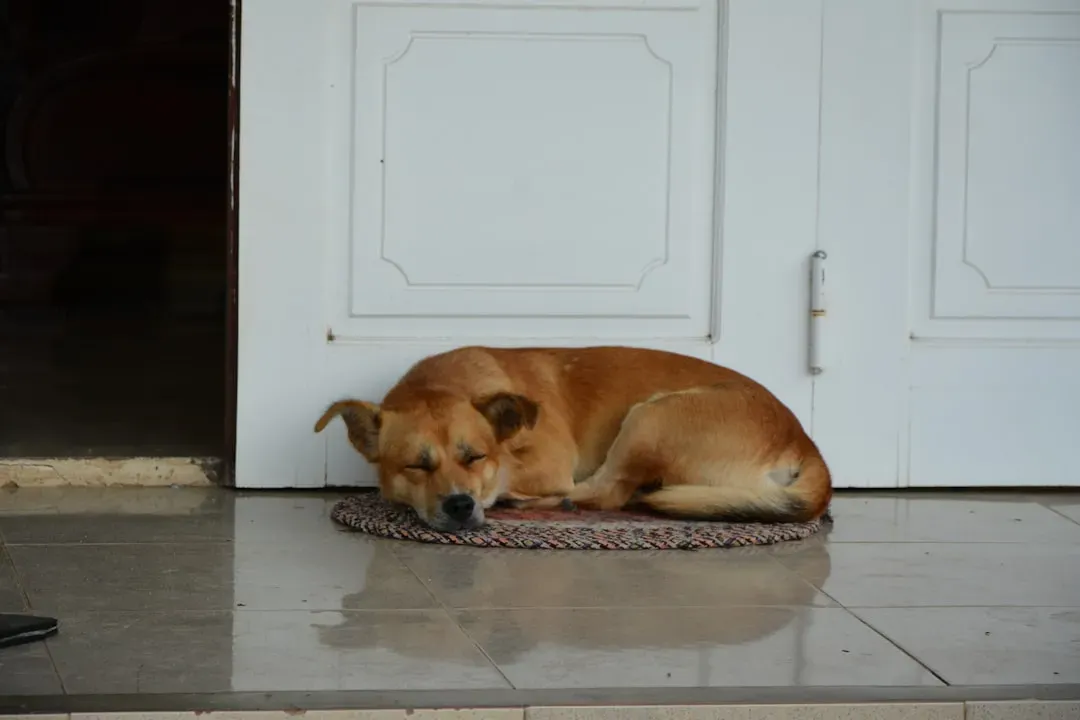
To a dog, a door isn’t just wood and a handle. It’s a filter for an entire universe of scent, sound, and movement drifting in from outside. Sitting there means front-row access to that sensory feed.
This is completely natural, but for some dogs it can tip into overstimulation, especially in high-traffic areas. Giving them a quieter retreat spot elsewhere in the home can balance things out. Reason #7 gets a little more manipulative.
Worth Knowing
- Dogs have up to 300 million scent receptors, compared to roughly 6 million in humans.
- Their hearing range extends well beyond ours, picking up sounds from surprising distances away.
- A closed door can’t block scent the way it blocks sight, so dogs sense through it constantly.
- This heightened sensory world is part of why doors feel like an information hub, not just an exit.
7. Attention-Seeking: A Learned Performance
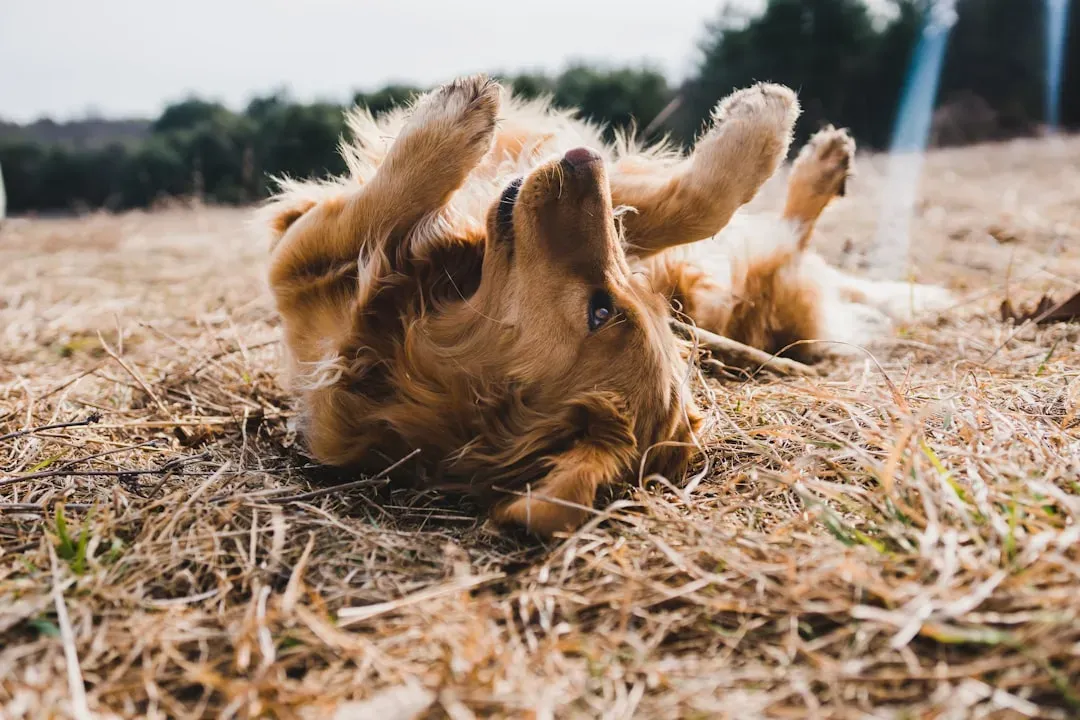
Dogs are sharp observers of cause and effect. If sitting by the door once earned a reaction, a look, a laugh, a treat, they may repeat it simply because it works, not because they’re anxious at all.
This one can be tricky to spot because it mimics genuine distress so convincingly. Watching for context, whether it happens only when you’re present, can help you tell performance from real panic. Reason #6 taps into something surprisingly human.
6. FOMO: The Fear of Missing the Fun
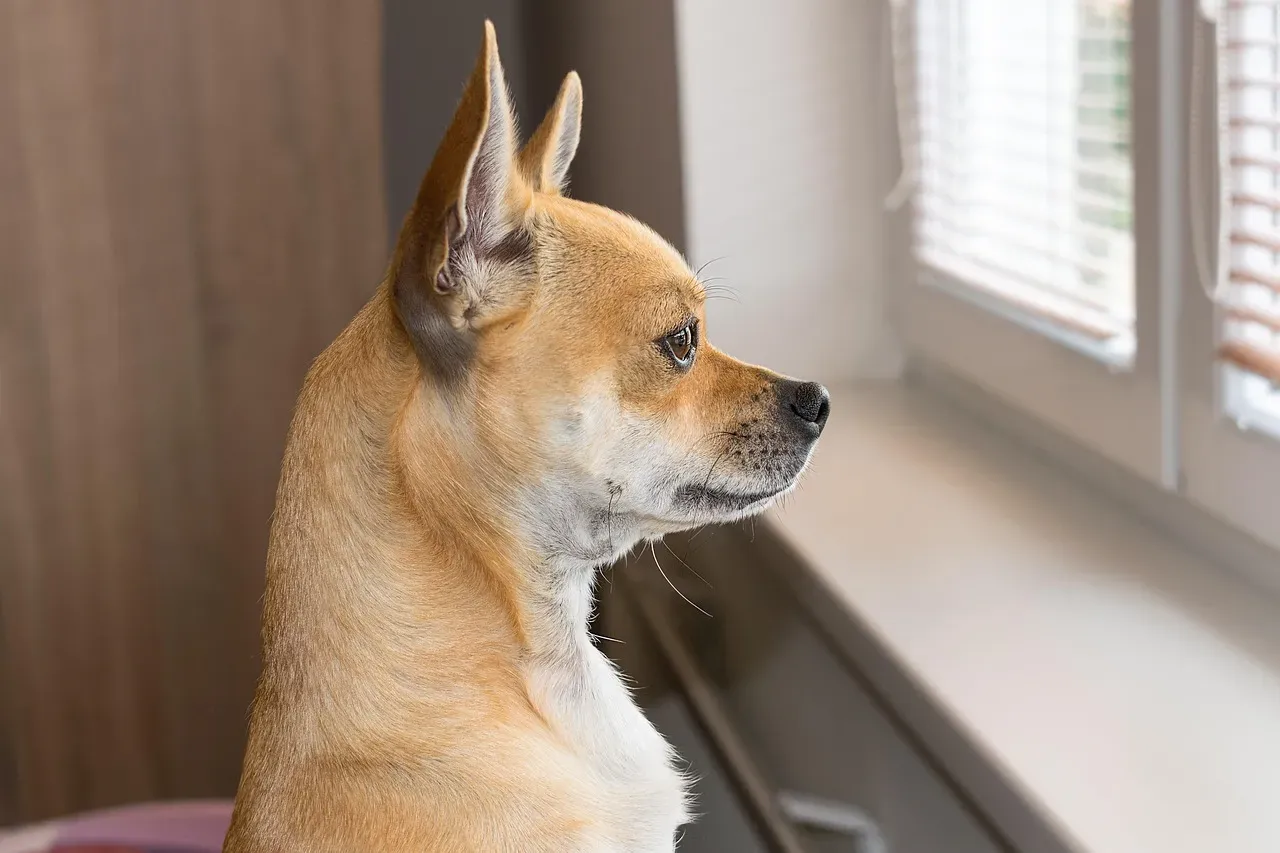
Dogs are pack animals, and the idea of being left out of whatever’s happening beyond that door can genuinely bother them. That watchful stare is sometimes less “I miss you” and more “please don’t leave without me.”
This social craving is deeply wired into their behavior and isn’t something to dismiss as clinginess. Giving them engagement while you’re away, a stuffed toy, background noise, a familiar scent, can soften the sting of being left behind. Reason #5 hits closer to routine than emotion.
5. The Departure Trigger: When the Door Becomes a Warning Sign
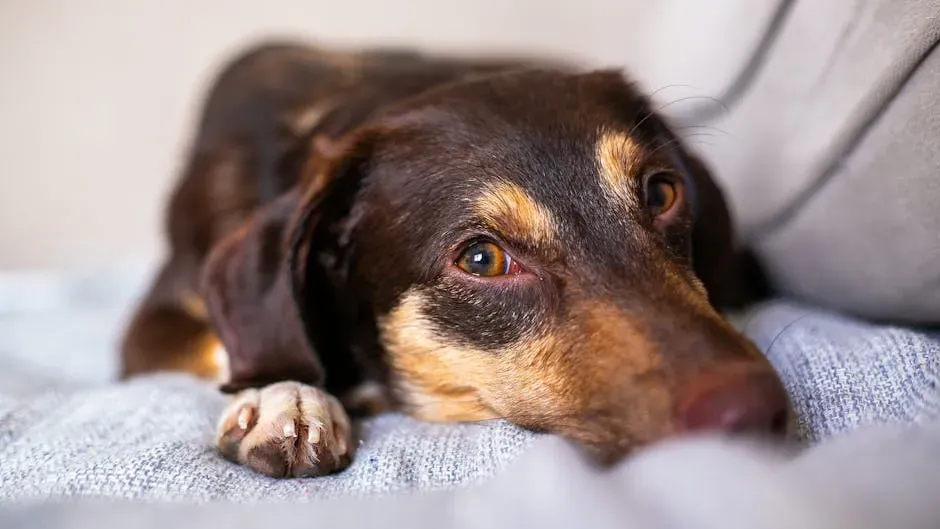
Dogs are pattern machines. If grabbing keys, putting on shoes, or approaching the door has always preceded you vanishing for hours, they start reacting to the door itself as an early warning system.
This anticipatory anxiety can build before you’ve even said goodbye. Slowly decoupling those cues from actual departures, jingling keys without leaving, for example, can quiet that anxious buildup over time. Reason #4 reveals something more emotionally complex.
4. Seeking Reassurance: Mirroring Your Own Nerves
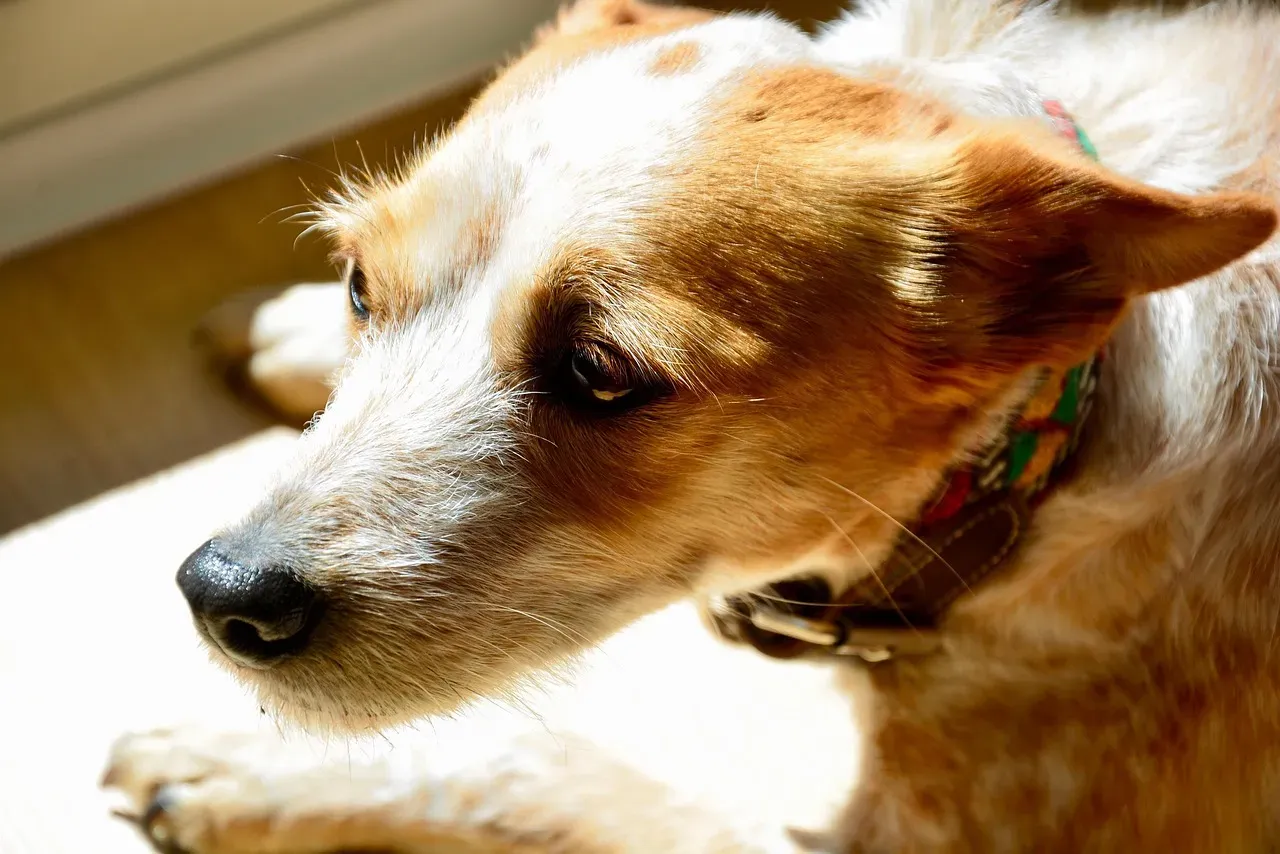
Dogs are remarkably good at reading human emotion, and if you feel guilty or anxious about leaving, they often absorb that energy right along with you. Watching the door can be their way of searching for comfort in an uncertain moment.
A tense goodbye can accidentally teach your dog that departures are something to fear. Calm, low-key exits, no dramatic farewells, no guilty apologies, help them stay grounded. Reason #3 is one most owners have completely overlooked.
At a Glance
- Dogs pick up on tone of voice, posture, and facial tension faster than most owners realize.
- A rushed, guilt-heavy goodbye can make departures feel like an event worth worrying about.
- Calm, low-key exits tend to produce calmer dogs within days, not months.
- Consistency in your own behavior is often the fastest fix for a dog’s door-watching habit.
3. Monitoring the Household: Staying Plugged Into the Pack
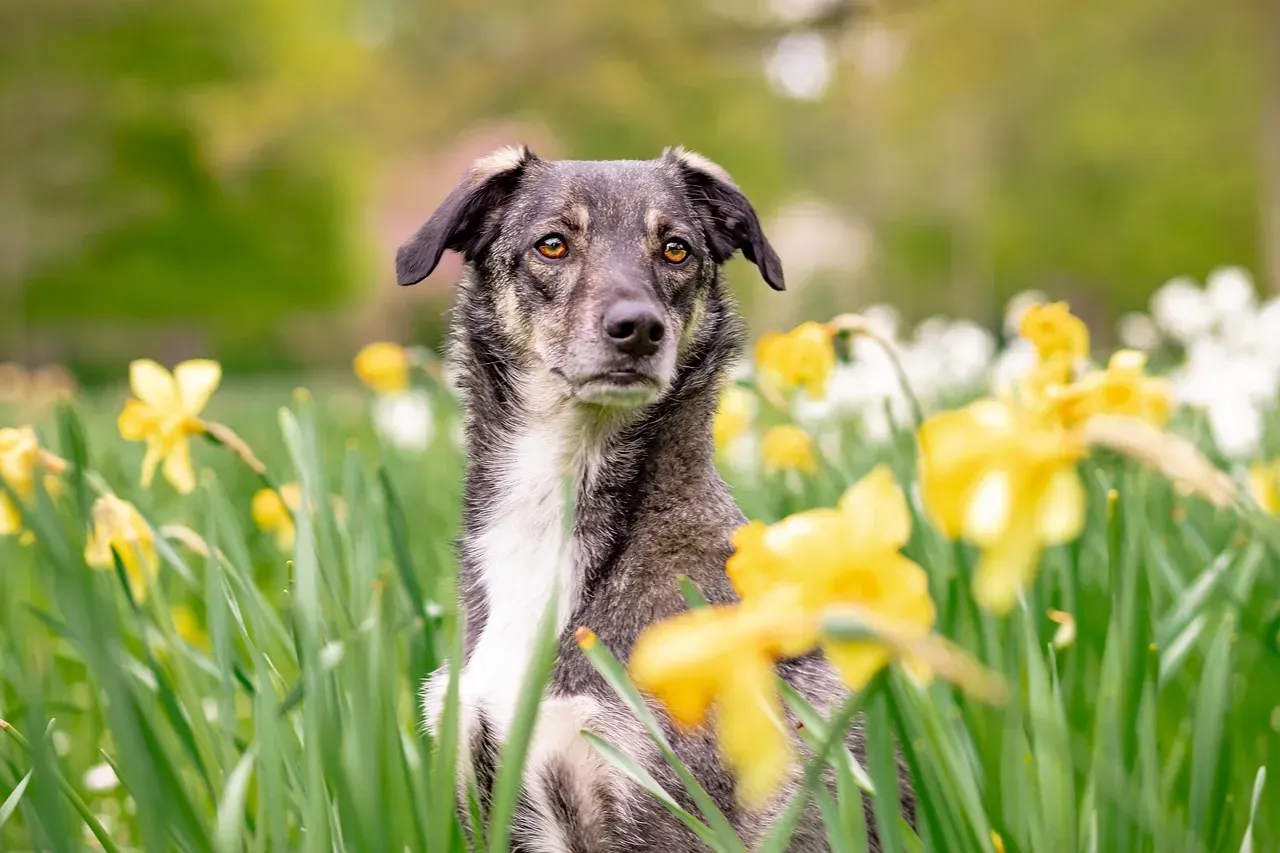
Some dogs post up by the door simply to keep tabs on the comings and goings of the household. It’s less about you leaving and more about staying connected to the rhythm of family life.
This behavior often shows up in multi-person households where someone is always arriving or departing. It’s a dog’s way of staying in the loop, not a symptom of distress. Reason #2 is one of the strangest on this entire list.
2. Temperature Regulation: Chasing the Draft
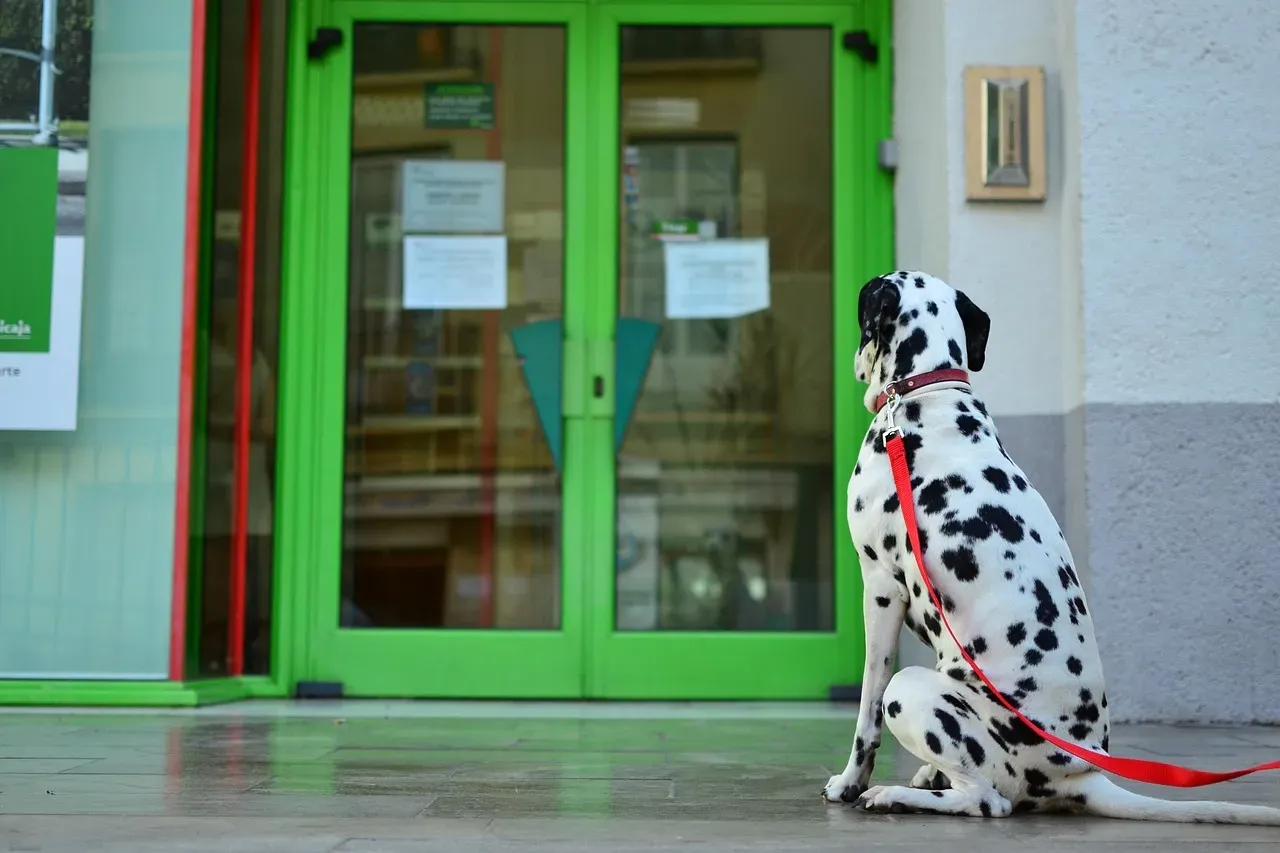
Sometimes the explanation has nothing to do with emotion at all. Doors, especially exterior ones, often leak cool air or sunlight, and dogs are quick to claim that exact spot as their personal comfort zone.
This is especially common in warmer climates or during summer months when the floor near an entryway is simply the coolest, breeziest real estate in the house. It’s a reminder that not every doorside vigil is about you, sometimes it’s just about comfort. And the final reason ties every single one of these together.
Why It Stands Out
- Exterior doors often sit right where warm indoor air meets cooler air, creating a natural draft.
- Tile and hardwood near entryways tend to stay cooler than carpeted rooms.
- In winter, that same spot can catch a sunbeam, flipping the appeal from cool to cozy.
- It’s one of the few reasons on this list that has nothing to do with emotion at all.
1. Pure Devotion: The Bond That Doesn’t Need an Explanation
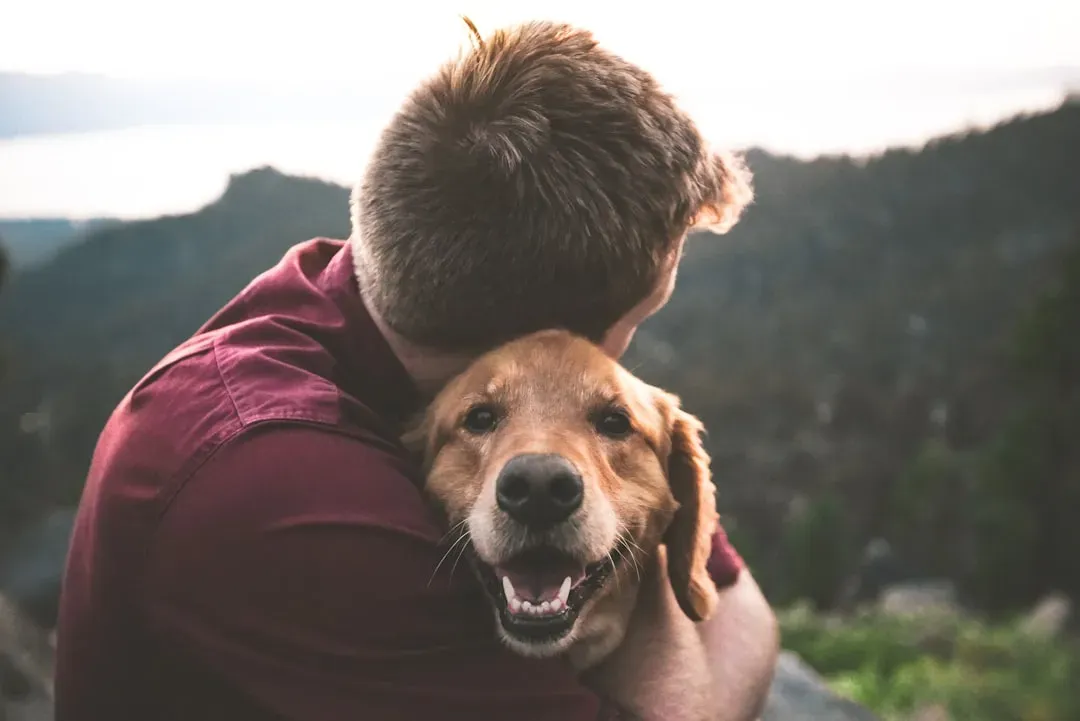
Strip away the anxiety, the instinct, and the routine, and there’s often something simpler underneath it all: your dog genuinely loves you and hates the feeling of you being gone. That stare at the door is sometimes nothing more complicated than loyalty in its purest, most uncalculated form.
It’s the same reason they greet you like you’ve been gone for a year, even if it’s only been ten minutes. No training manual fully explains that kind of attachment, and honestly, it might be the one reason on this list that doesn’t need fixing at all.
After going through all fourteen of these, one thing becomes clear: the door isn’t the point. You are. Some of these behaviors deserve real intervention, especially the anxiety-driven ones, because a dog stuck in constant panic isn’t living well, no matter how much it looks like love from the outside. But not every doorside vigil is a problem to solve. Sometimes it’s just a dog being exactly what dogs have always been, deeply, stubbornly, unreasonably devoted to the people who walk back through that door.


