
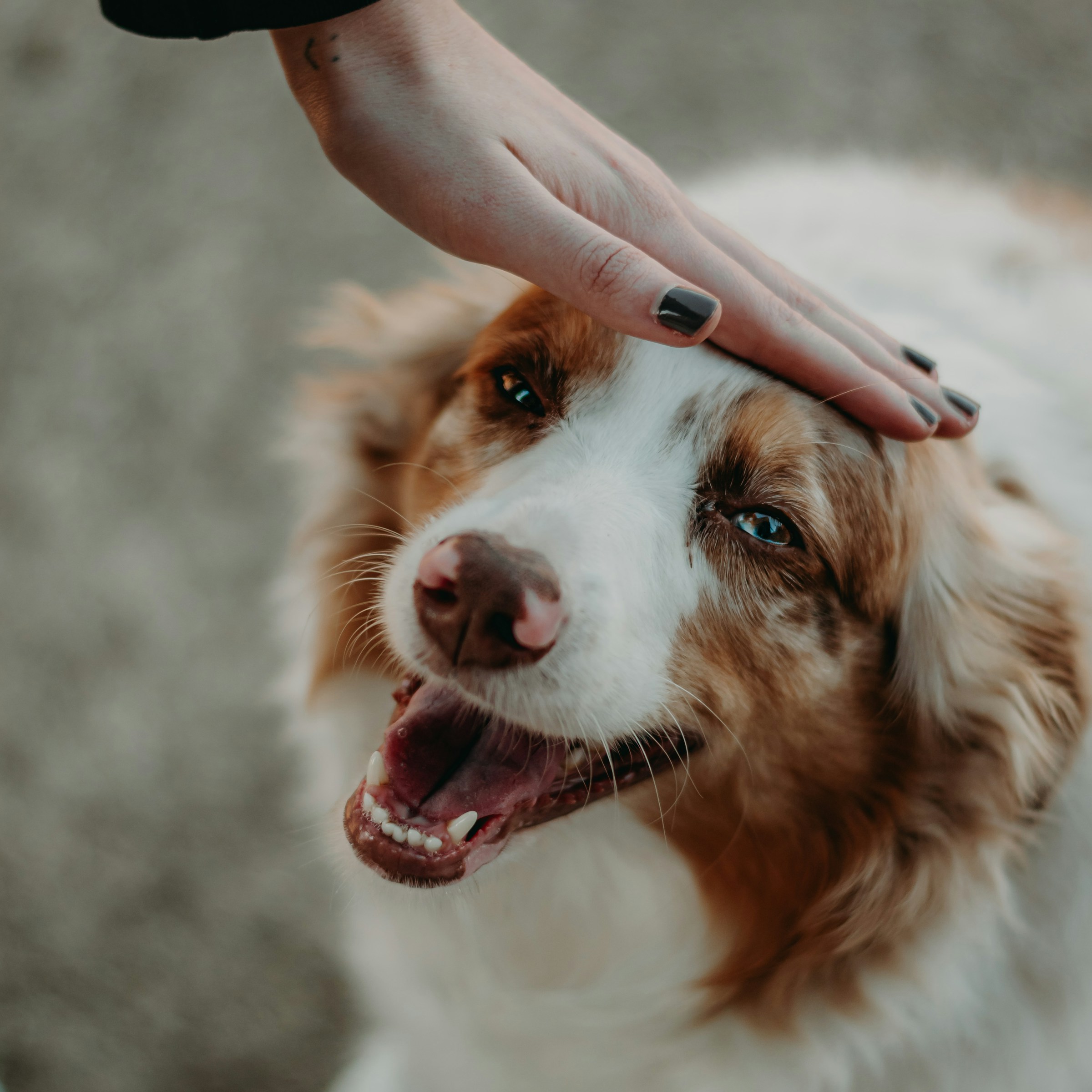
Ever noticed your dog letting out a low groan or gentle grumble when you’re giving them a good scratch behind the ears? It’s a sound that can be both endearing and puzzling. Is it a sign of sheer bliss, or could it be something else? Let’s dive into the world of canine vocalizations to decode what your furry friend is really telling you.
Understanding Canine Vocalizations
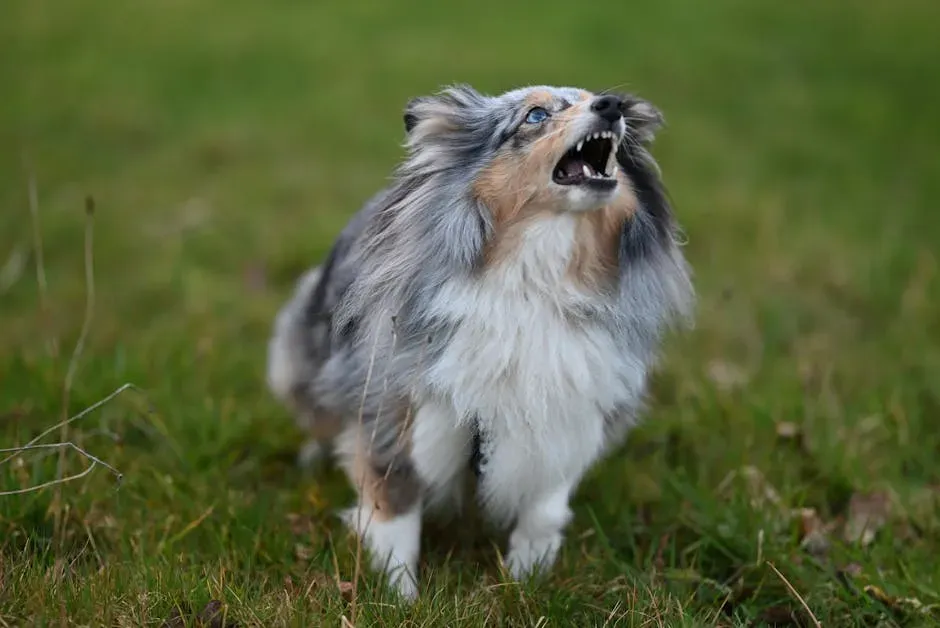
Dogs have a rich repertoire of sounds – barks, whines, growls, and yes, groans and grumbles. These vocalizations are their way of communicating with us and the world around them. While a bark might alert you to a stranger at the door, a groan during petting often carries a different message.
Groaning as a Sign of Contentment
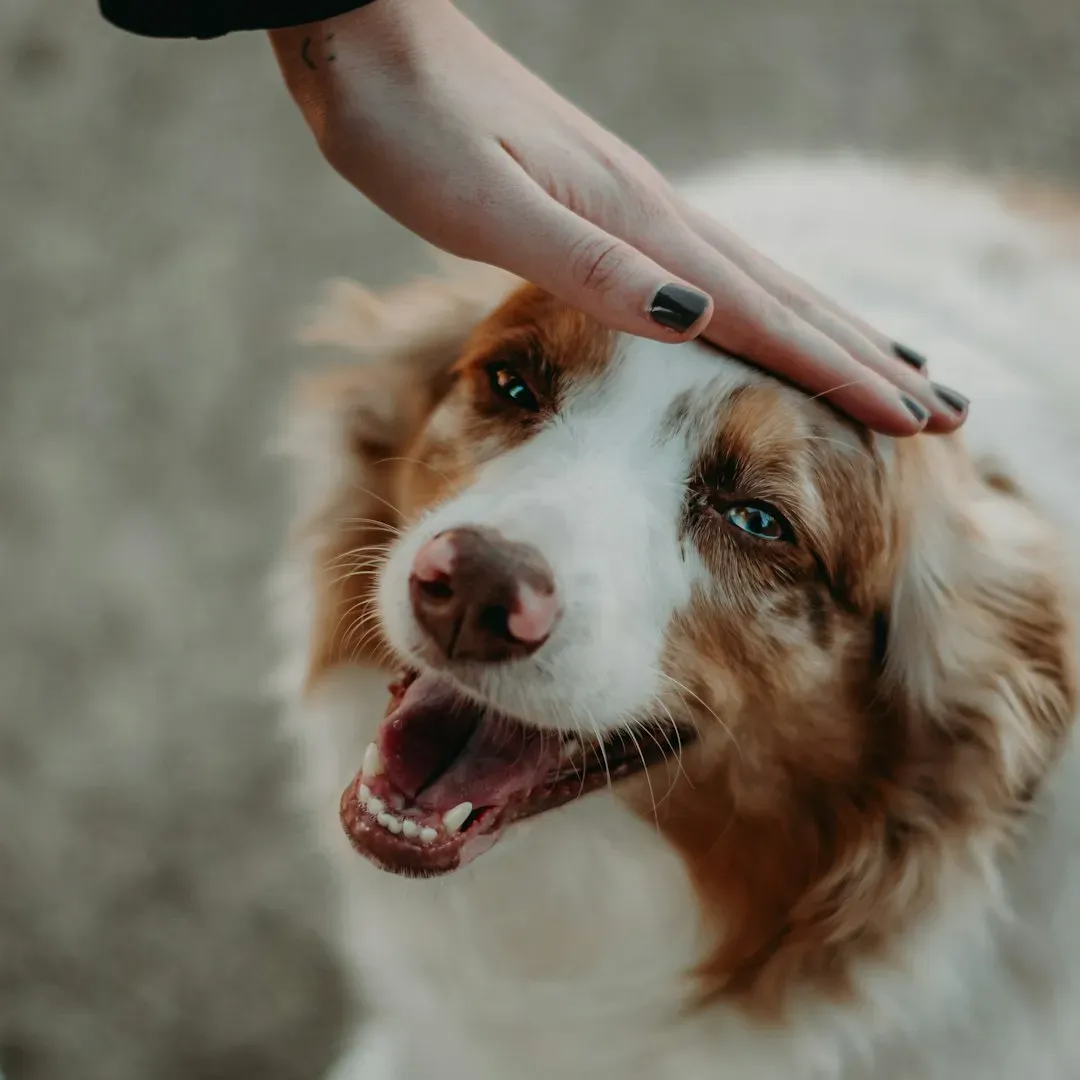
More often than not, when your dog emits a soft groan while being petted, it’s their way of expressing pleasure. Think of it as the canine equivalent of a human sigh of relief. This sound is typically accompanied by relaxed body language: a wagging tail, soft eyes, and a loose posture. It’s their way of saying, “Ah, that feels good!”
Distinguishing Between Groans and Growls
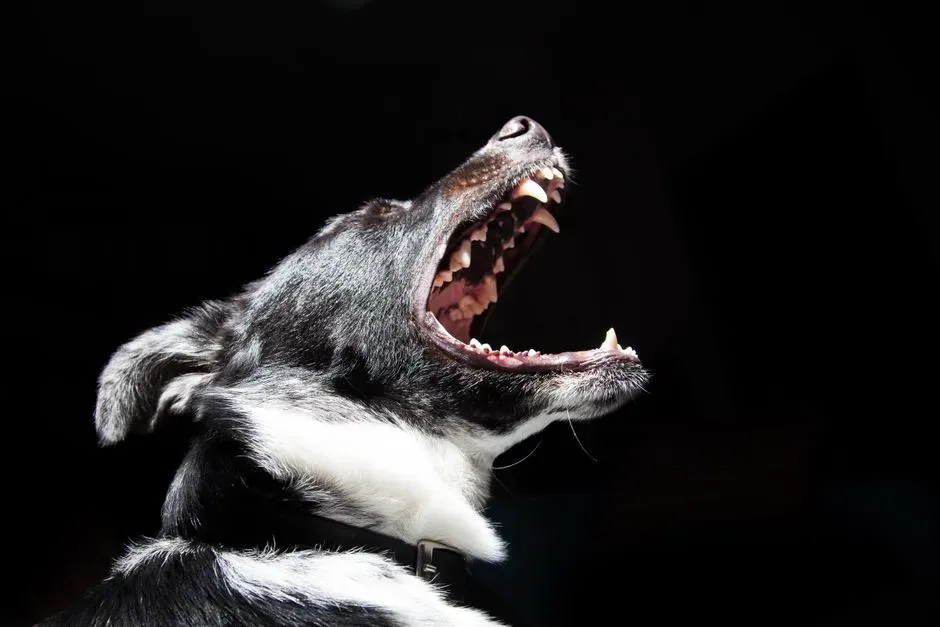
It’s crucial to differentiate between a contented groan and a warning growl. A growl is usually a sign of discomfort or a request for space. It might be accompanied by stiff body posture, bared teeth, or an intense stare. On the other hand, a groan of pleasure is softer and paired with relaxed body language. Understanding these cues ensures that you’re respecting your dog’s boundaries and comfort levels.
Breed and Individual Variations
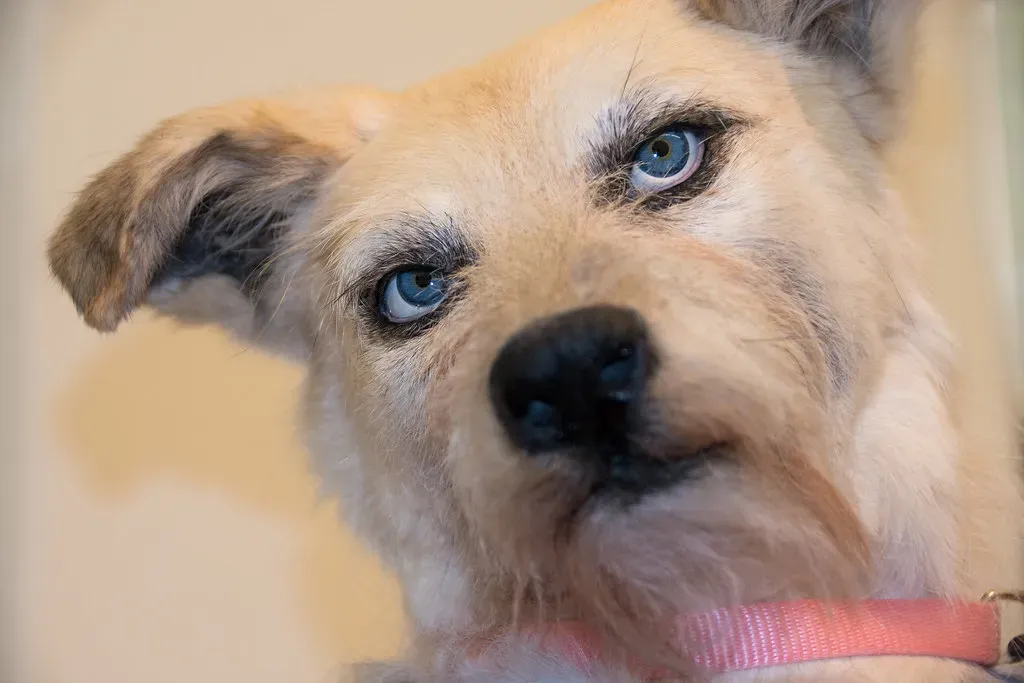
Just like humans, dogs have individual personalities. Some breeds are more vocal than others. For instance, brachycephalic breeds like Pugs and Bulldogs are known for their array of sounds, including grunts and groans. Recognizing your dog’s unique communication style helps in building a stronger bond.
When Groaning Indicates Discomfort
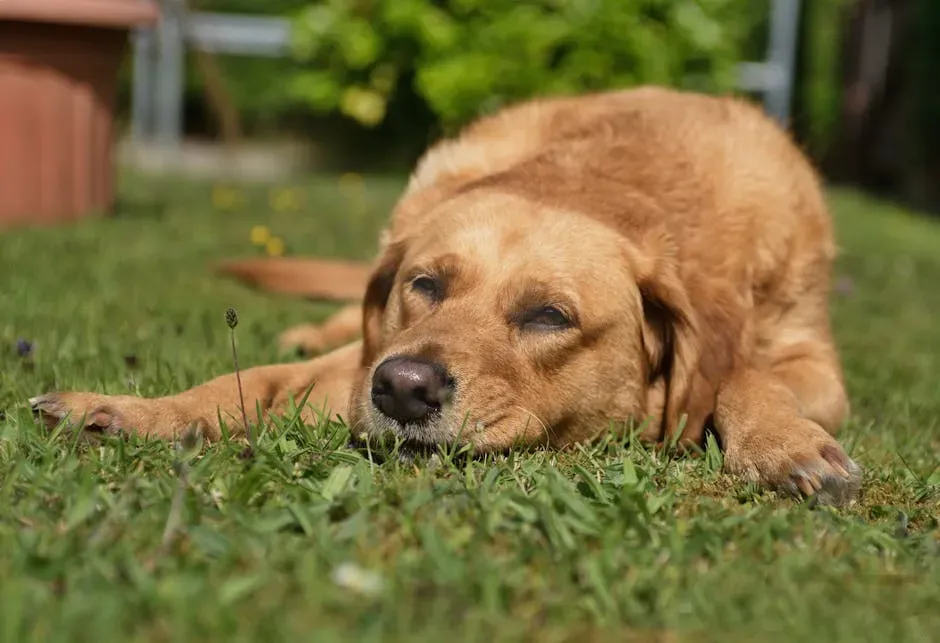
While groaning during petting is often a sign of contentment, it’s essential to be attentive. If the groan is accompanied by signs like flinching, pulling away, or a sudden change in behavior, it might indicate discomfort or pain. In such cases, it’s advisable to consult with a veterinarian to rule out any underlying health issues.
Encouraging Positive Interactions
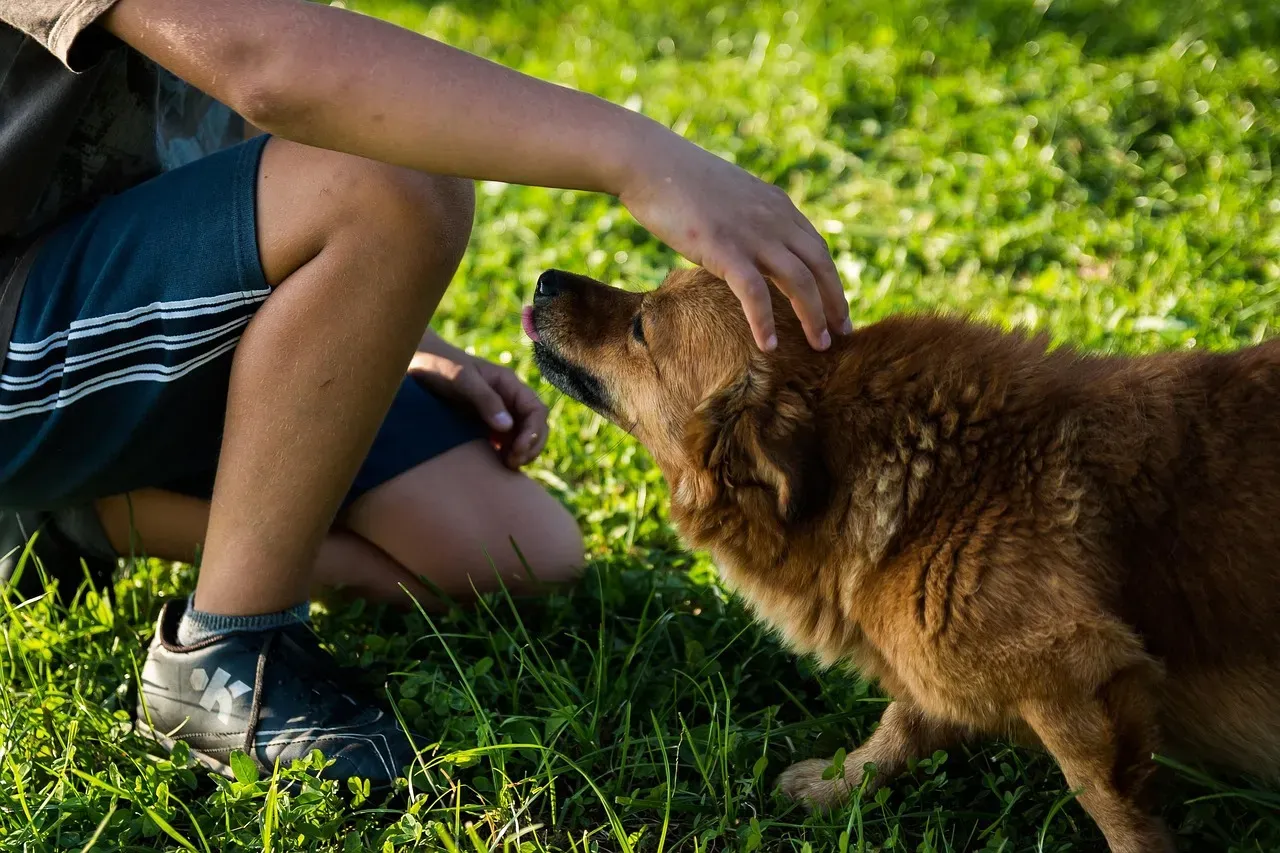
To ensure that your dog enjoys petting sessions:
– **Observe Their Preferences**: Some dogs love belly rubs, while others prefer a scratch behind the ears. Pay attention to where your dog likes to be petted.
– **Watch for Cues**: If your dog leans into your touch, it’s a good sign they’re enjoying it. If they move away or show signs of discomfort, give them space.
– **Create a Relaxing Environment**: Choose a quiet, comfortable spot for petting sessions to help your dog feel at ease.
Building a Stronger Bond Through Understanding
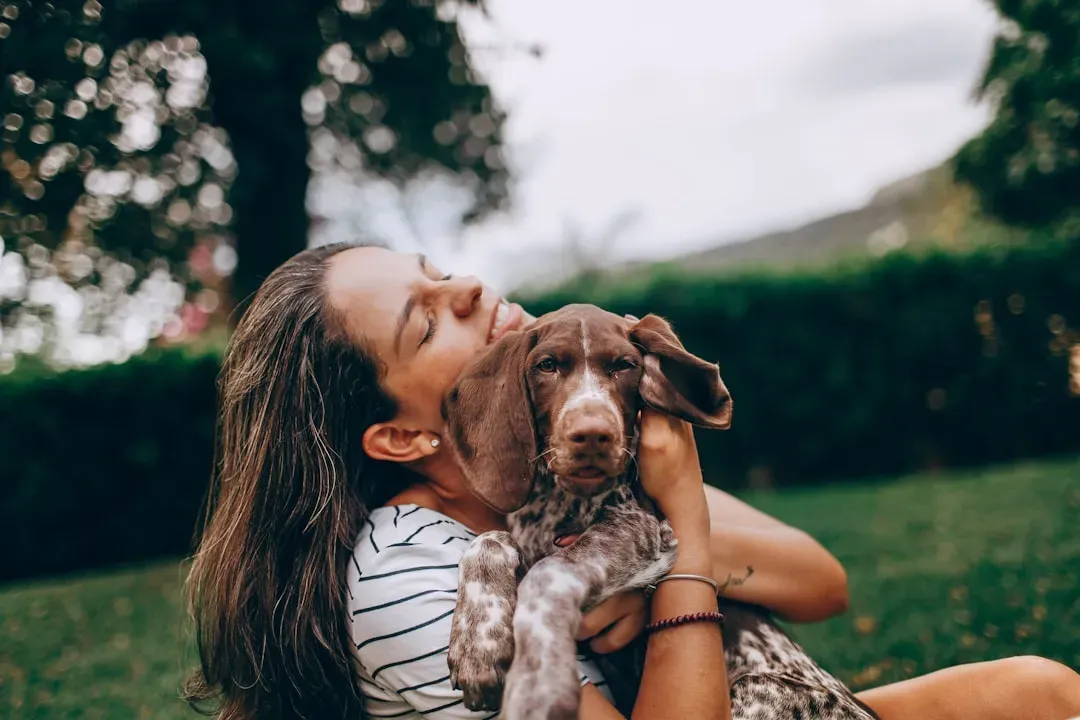
By tuning into your dog’s vocalizations and body language, you can enhance your relationship. Recognizing and respecting their signals fosters trust and ensures that both you and your furry friend enjoy your time together.
In conclusion, those groans and grumbles during petting are often your dog’s way of expressing joy and contentment. By paying attention to their cues and understanding their unique communication style, you can ensure that your interactions are both enjoyable and meaningful. So, the next time your dog lets out a happy groan during a cuddle session, take it as a compliment – you’re doing something right!


