
12 Things Your Dog Memorizes About You That You Have Never Once Thought to Notice
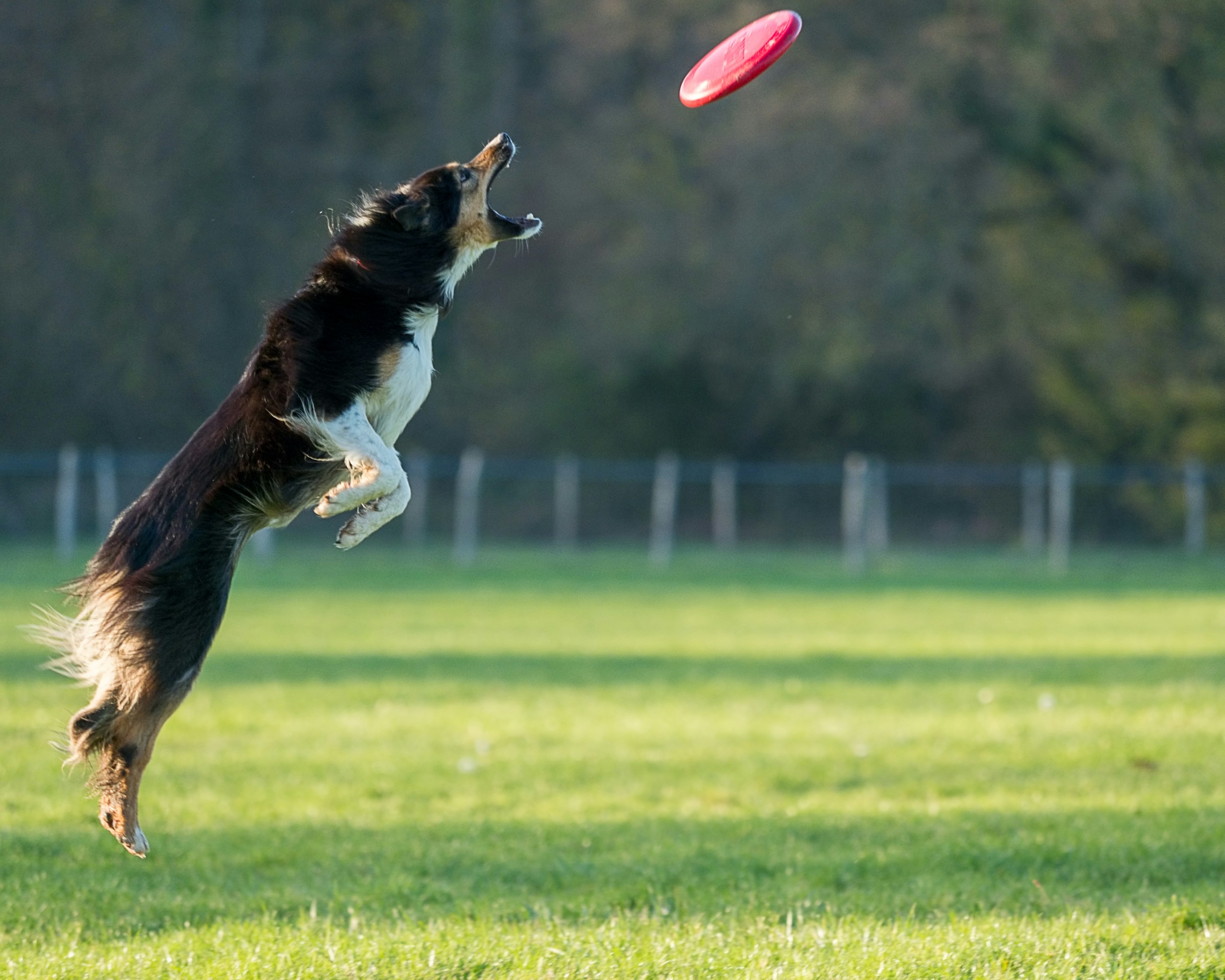
Dogs are more than just our loyal companions; they’re keen observers of our daily lives, picking up on nuances we often overlook. Their acute senses and emotional intelligence allow them to memorize a plethora of details about us, some of which might surprise you. Let’s delve into 12 things your dog remembers about you that you might never have considered.
Your Unique Scent
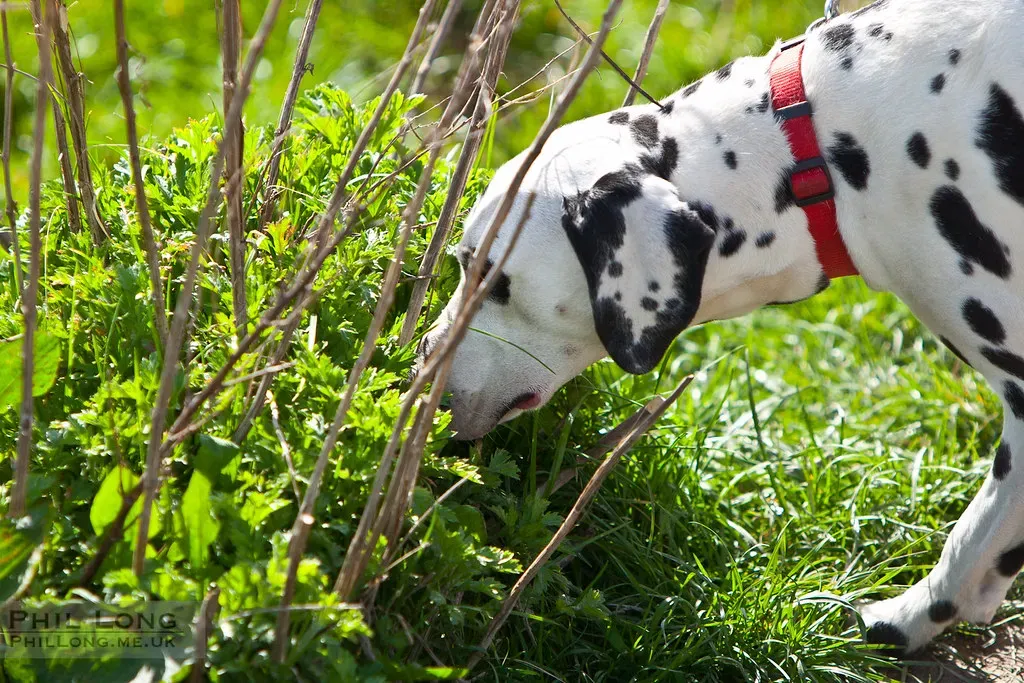
Your dog’s world is dominated by scent. With a sense of smell estimated to be tens of thousands of times more sensitive than ours, they can identify you by your unique aroma. Even if you’ve been away for an extended period, your dog can recognize and remember your scent, associating it with comfort and safety.
This olfactory memory is so strong that dogs can detect subtle changes in your scent, such as those caused by stress or illness. They might become more attentive or protective when they sense something is amiss, showcasing their deep connection to your well-being.
The Sound of Your Voice

Beyond commands and cues, your dog memorizes the tone, pitch, and rhythm of your voice. They can distinguish your voice from others, even in a crowded or noisy environment. This auditory recognition is a testament to the bond you share.
Interestingly, dogs can also pick up on the emotional undertones in your voice. They can sense when you’re happy, sad, or stressed, and their behavior often reflects their understanding of your emotional state.
Your Daily Routines

Dogs thrive on routine and quickly memorize your daily schedules. They know when it’s time for meals, walks, or when you usually return home. This internal clock helps them anticipate events, leading to behaviors like waiting by the door or bringing you their leash at the usual walk time.
Disruptions to these routines can cause anxiety or confusion in dogs. Maintaining consistency provides them with a sense of security and predictability.
Your Emotional States
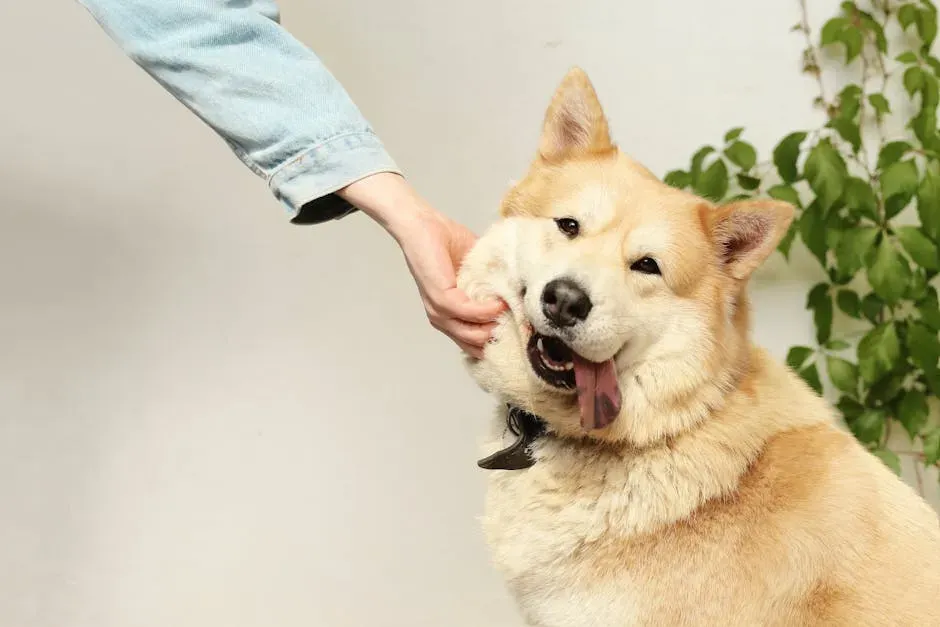
Dogs are adept at reading human emotions. They can sense when you’re happy, sad, anxious, or angry, often responding accordingly. This emotional attunement allows them to provide comfort during tough times or share in your joy during happy moments.
Their ability to pick up on subtle cues, such as body language and facial expressions, enables them to understand and react to your feelings, strengthening the bond you share.
Your Energy Levels
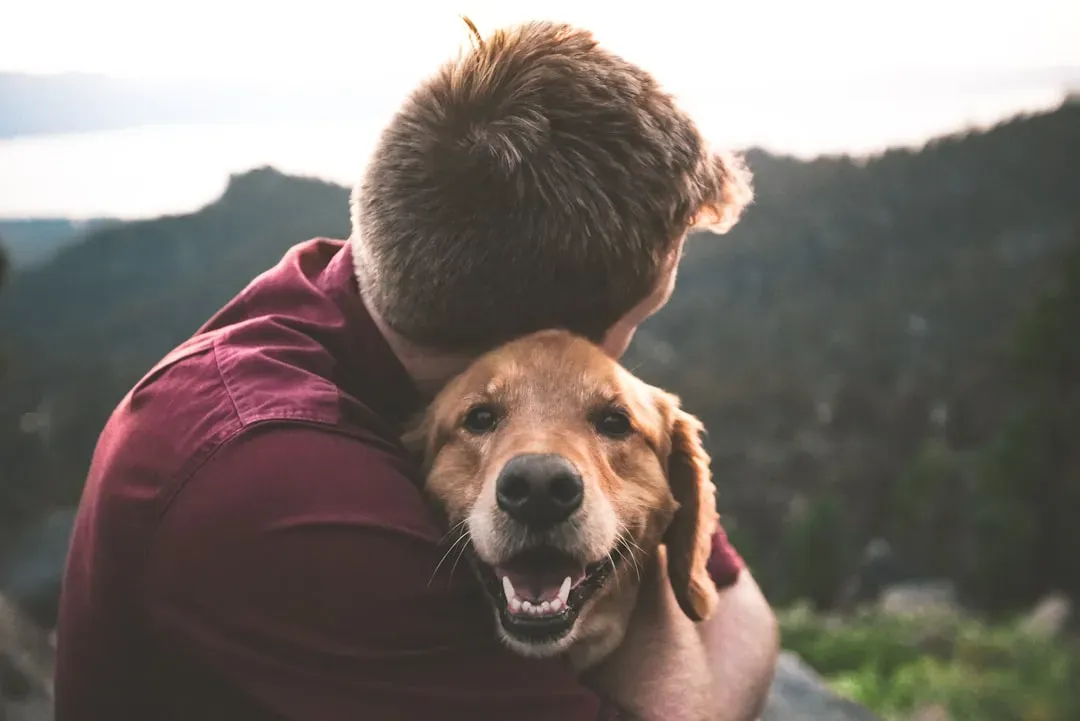
Your dog memorizes your typical energy levels and adjusts their behavior to match. On days when you’re energetic, they might be more playful and active. Conversely, if you’re feeling lethargic or unwell, they may become more subdued and stay close to offer companionship.
This synchronization showcases their adaptability and deep connection to your physical and emotional states.
Your Preferred Activities
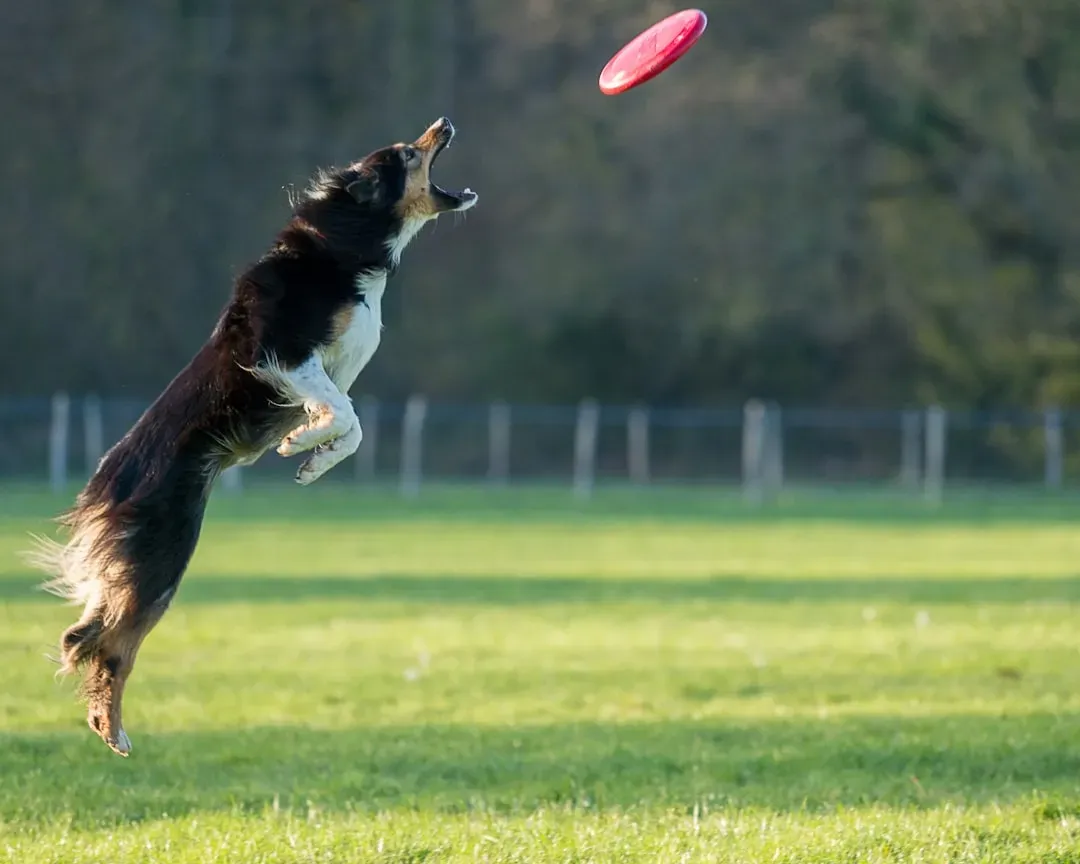
Dogs remember the activities you enjoy and often try to engage you in them. If you love playing fetch, your dog will likely bring you a ball. If you’re fond of hiking, they’ll get excited when they see you preparing for a trek.
This memory allows them to participate in shared activities, enhancing the bond and mutual enjoyment between you.
Your Reactions to Their Behavior
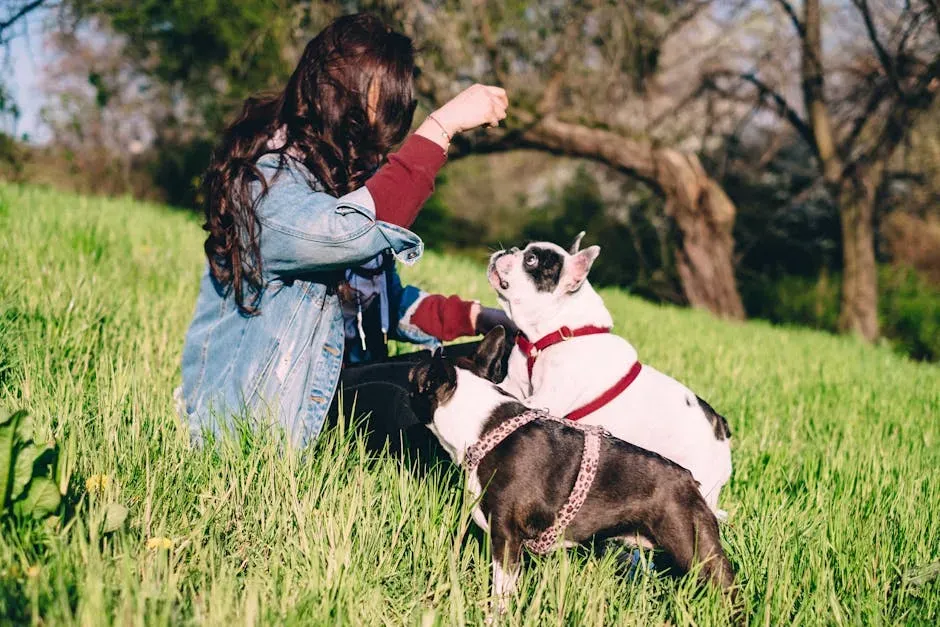
Dogs are keen observers of cause and effect. They remember how you react to their behaviors, whether it’s praise for sitting on command or a stern voice for jumping on guests. This memory helps them adjust their actions to align with your expectations.
Consistent responses from you aid in reinforcing desired behaviors and discouraging unwanted ones, making training more effective.
Your Friends and Family

Your dog memorizes the people you frequently interact with. They recognize regular visitors and can differentiate between friendly faces and strangers. This recognition helps them gauge how to react in various social situations.
Over time, they may develop their own relationships with your friends and family, showing excitement or affection towards familiar individuals.
Your Absence and Return Patterns

Dogs are attuned to your comings and goings. They remember the times you typically leave and return, often waiting by the door or window around those times. This anticipation is a testament to their strong attachment to you.
Extended absences can lead to anxiety or stress, highlighting the importance of gradual adjustments and providing comfort during changes in routine.
Your Health and Well-being
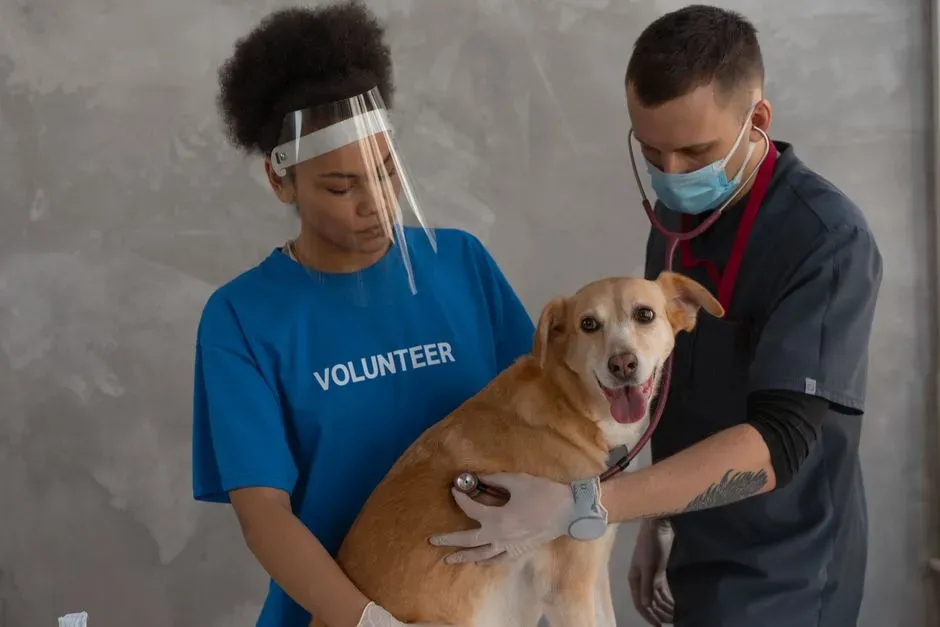
Dogs can detect changes in your health, sometimes even before you notice them. They might become more attentive if you’re unwell, staying close or exhibiting protective behaviors. This sensitivity is due to their ability to pick up on subtle changes in your scent, behavior, or energy levels.
Some dogs have even been trained to detect specific medical conditions, showcasing their remarkable sensory capabilities.
Your Training Cues and Commands
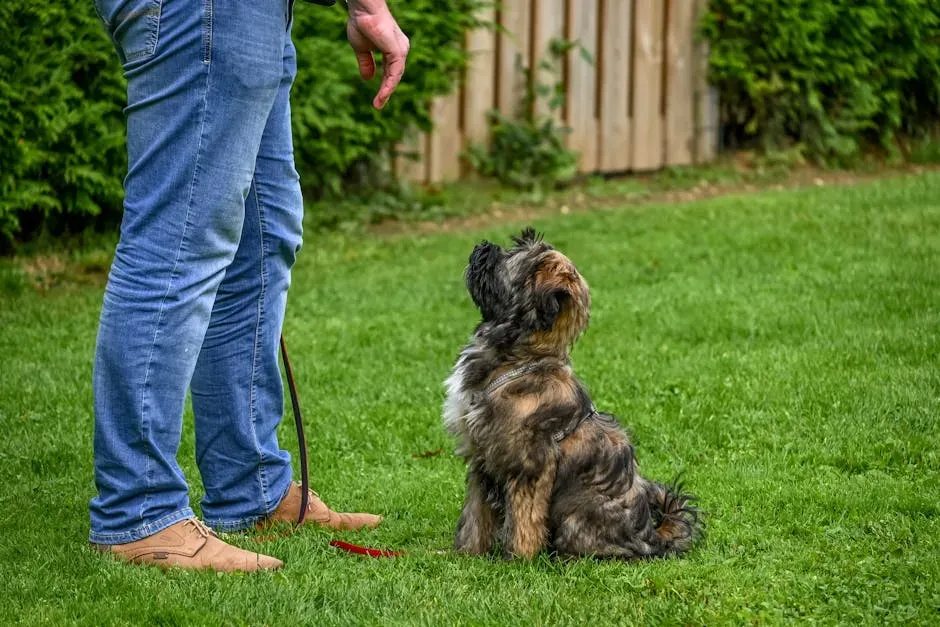
Beyond basic commands, dogs remember the specific ways you communicate with them. They recognize your gestures, tone, and even the context in which commands are given. This memory allows for seamless communication and understanding between you and your dog.
Consistency in training methods and cues reinforces this memory, leading to better responsiveness and behavior.
Your Affection and Love

Perhaps most importantly, dogs remember the love and affection you show them. They recall the times you’ve comforted them, played with them, and cared for them. This emotional memory forms the foundation of the deep bond you share.
Regular positive interactions strengthen this bond, leading to a happier and more secure dog.
In conclusion, your dog is constantly observing and memorizing details about you, many of which you might never have considered. �