
Canine Science Says Dogs Release Bonding Hormones Just by Looking Into Their Owners’ Eyes

Imagine this: you’re sitting on your couch, and your dog gazes into your eyes with that familiar, loving look. It’s a moment that warms your heart, but did you know there’s actual science behind this connection? Recent studies reveal that when dogs and their owners share eye contact, both experience a surge in oxytocin, the so-called “love hormone.” This fascinating discovery sheds light on the deep bond between humans and their canine companions.
The Science Behind the Gaze
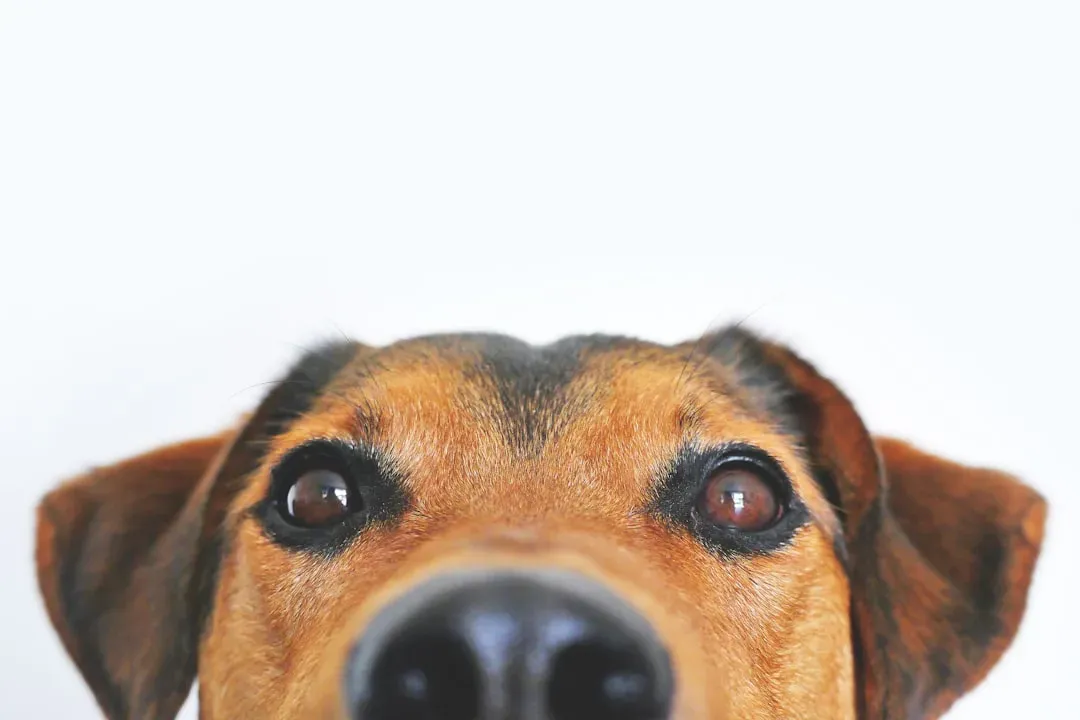
Oxytocin is a hormone associated with social bonding and trust. In humans, it’s released during intimate moments like hugging or breastfeeding. Intriguingly, research indicates that this hormone also plays a pivotal role in the human-dog relationship. When a dog looks into its owner’s eyes, it triggers an increase in oxytocin levels in both parties, reinforcing their emotional connection.
One study observed that owners who received prolonged gazes from their dogs experienced higher oxytocin levels compared to those with shorter gazes. This mutual gaze not only strengthens the bond but also promotes feelings of happiness and well-being in both humans and dogs.
Breed Differences in Eye Contact
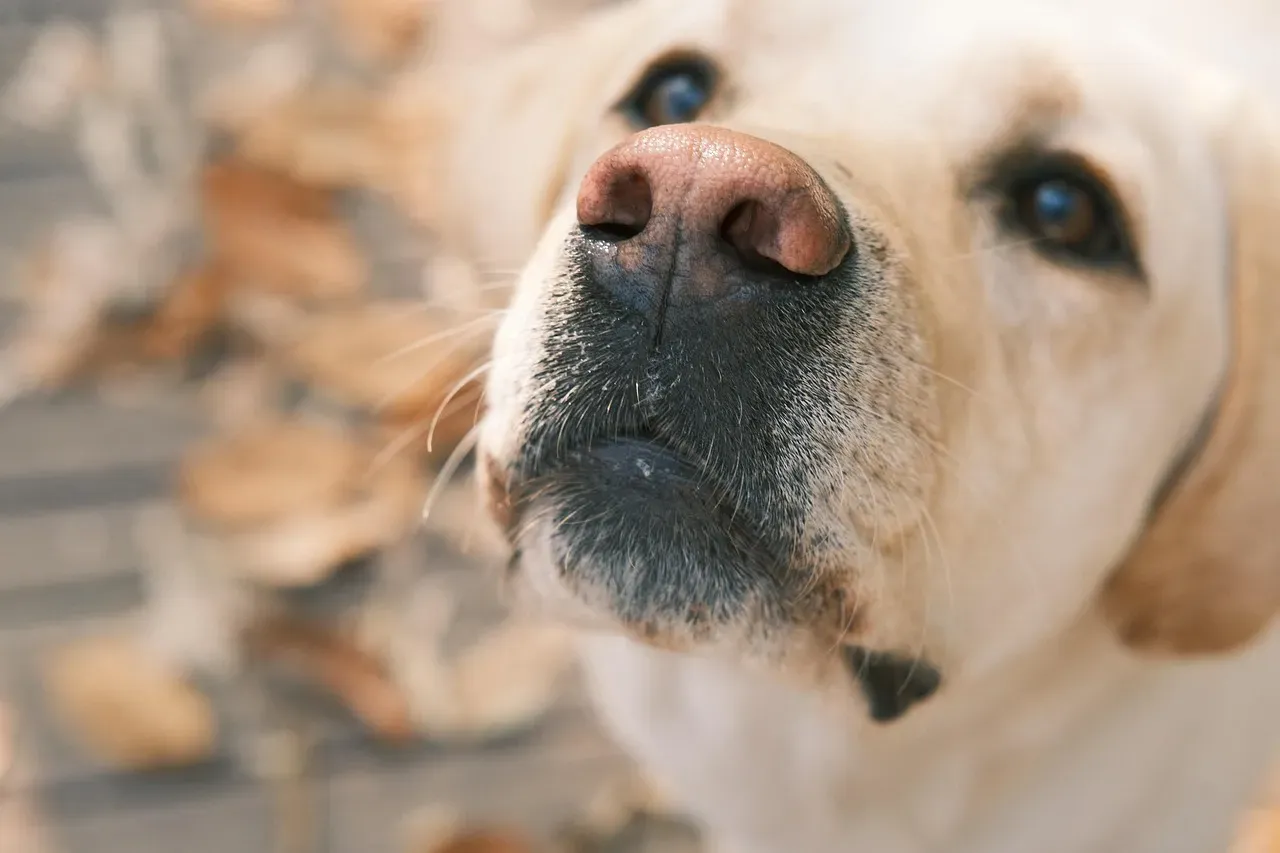
Not all dogs engage in eye contact the same way. Research suggests that certain breeds are more inclined to seek eye contact with humans. For instance, breeds that have been closely associated with humans for centuries, like Labrador Retrievers and Border Collies, tend to make more frequent eye contact. This behavior is less common in breeds that are genetically closer to wolves, such as the Shiba Inu.
These differences highlight how selective breeding has influenced canine behavior, emphasizing traits that enhance human-dog communication and bonding.
Eye Contact as a Communication Tool

Beyond bonding, eye contact serves as a vital communication tool between dogs and humans. Dogs often use their gaze to convey messages, whether it’s a desire for attention, food, or a walk. Recognizing and responding to these cues can strengthen the relationship and improve mutual understanding.
However, it’s essential to interpret eye contact within the context of the dog’s overall body language. While a soft gaze accompanied by a wagging tail indicates affection, a hard stare with a stiff posture might signal aggression or discomfort.
Training and Eye Contact

Incorporating eye contact into training routines can be highly effective. Teaching a dog to maintain eye contact on command can enhance focus and obedience. This practice not only aids in training but also reinforces the bond, as the mutual gaze continues to stimulate oxytocin release.
Simple exercises, like holding a treat near your face and rewarding your dog for looking at you, can encourage this behavior. Over time, this can lead to better communication and a more harmonious relationship.
Potential Therapeutic Applications
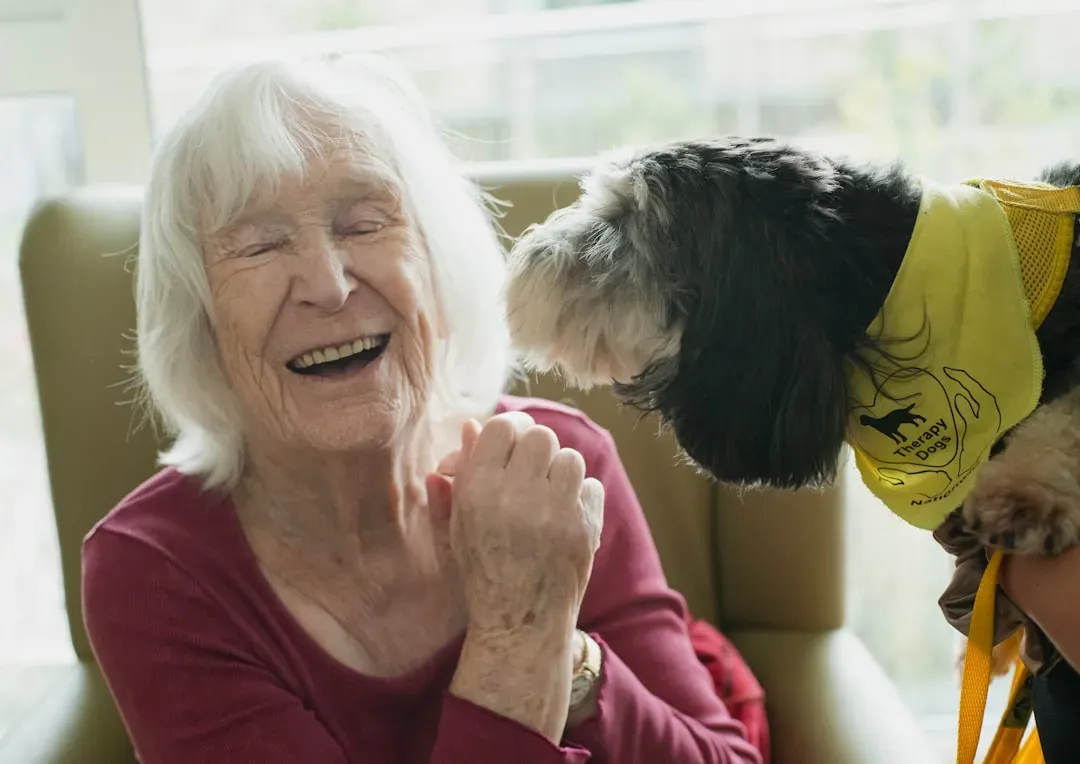
The understanding of the oxytocin-mediated bond between humans and dogs opens avenues for therapeutic applications. Therapy dogs, for instance, can provide emotional support by simply engaging in eye contact, offering comfort to individuals with anxiety or depression.
Moreover, this knowledge underscores the importance of considering the emotional well-being of both dogs and their owners, promoting practices that foster positive interactions and mutual support.
Limitations and Considerations
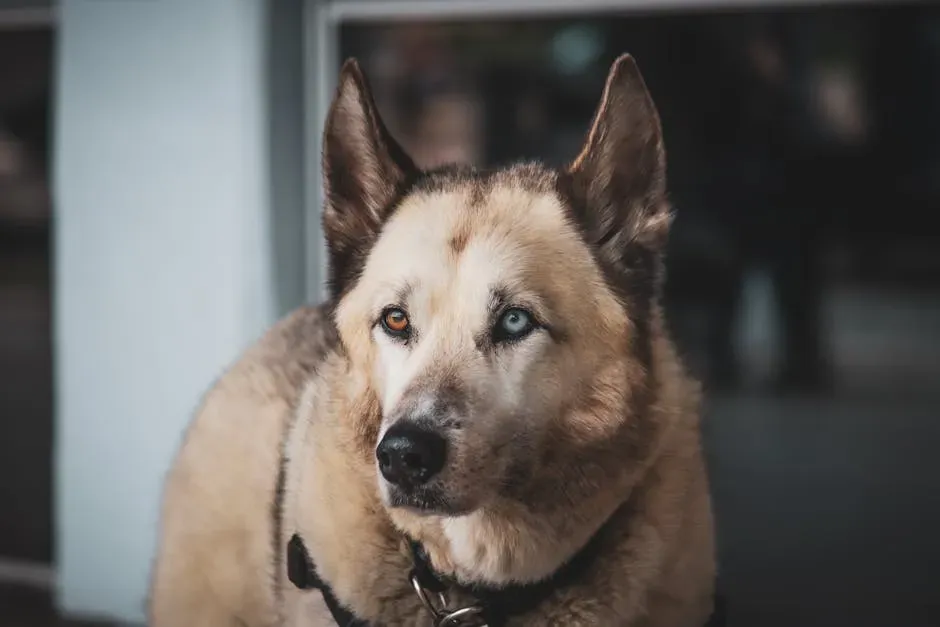
While the oxytocin loop offers a compelling explanation for the human-dog bond, it’s essential to recognize that individual differences exist. Factors such as a dog’s past experiences, temperament, and the owner’s behavior can influence the frequency and quality of eye contact.
Additionally, cultural differences in human behavior and interpretations of eye contact can affect interactions. Being attuned to these nuances ensures that the bond is nurtured in a way that respects both the dog’s and the owner’s comfort levels.
Conclusion

The simple act of sharing a gaze with your dog is more than just a heartwarming moment; it’s a biological mechanism that reinforces the deep bond between species. This mutual exchange of oxytocin not only enhances feelings of love and trust but also highlights the intricate ways in which humans and dogs have evolved to connect. So, the next time your furry friend looks into your eyes, remember that it’s not just affection – it’s science at work.
Isn’t it amazing how a simple look can mean so much?