Dogs communicate with us constantly through their body language, yet many of their signals are often misinterpreted by even the most attentive owners. Understanding these cues is crucial for strengthening the bond with your canine companion and ensuring their well-being. Here are 10 common body language signals that veterinarians say most owners misread entirely.
1. Tail Wagging: Not Always a Sign of Happiness
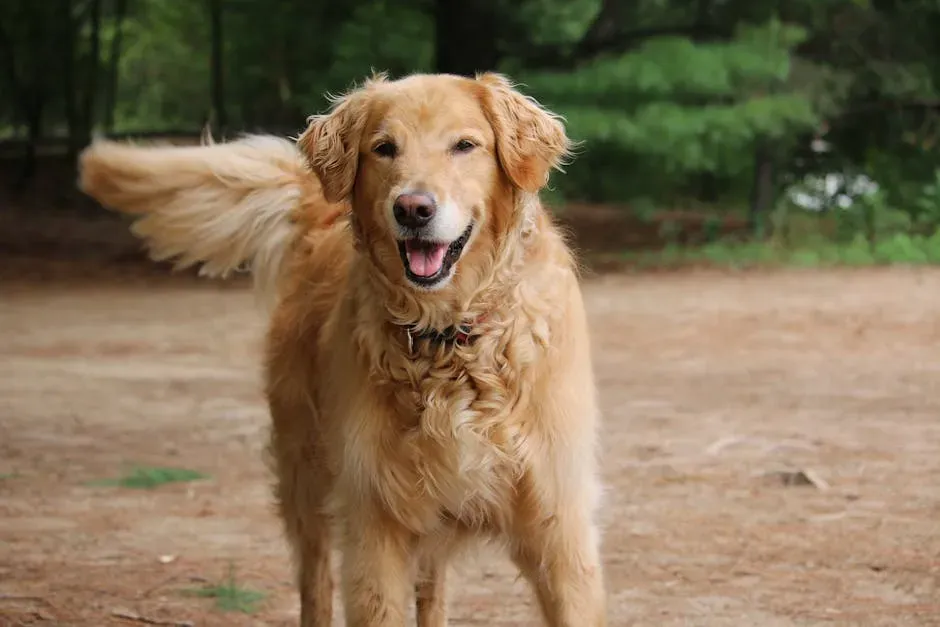
1. Tail Wagging: Not Always a Sign of Happiness (Image Credits: Pexels)It’s a common belief that a wagging tail signifies a happy dog. However, the reality is more nuanced. The position, speed, and stiffness of the tail wag can indicate a range of emotions. A high, stiff wag may signal alertness or agitation, while a low, slow wag can denote insecurity. A relaxed, wide wag at mid-height typically indicates a content and friendly dog. ([akc.org](https://www.akc.org/expert-advice/training/how-to-read-dog-body-language/?utm_source=openai))Understanding the context and accompanying body language is essential. For instance, a dog with a stiff body and a high wagging tail might be feeling threatened rather than joyful. Always consider the entire posture and environment to accurately interpret tail movements.
2. Yawning: More Than Just Tiredness
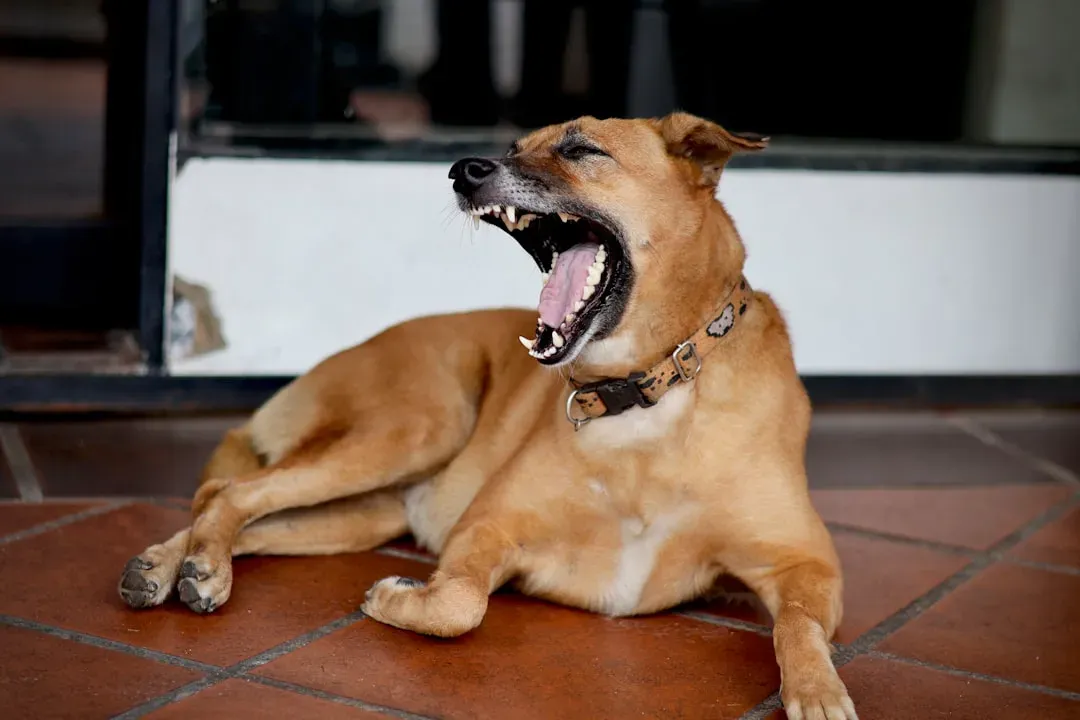
2. Yawning: More Than Just Tiredness (Image Credits: Unsplash)While yawning often indicates fatigue in humans, in dogs, it can be a sign of stress or discomfort. Dogs may yawn in tense situations as a calming signal to themselves or others. For example, a dog might yawn during a visit to the vet or when confronted with an unfamiliar environment. ([akc.org](https://www.akc.org/expert-advice/training/how-to-read-dog-body-language/?utm_source=openai))Recognizing stress-induced yawning can help owners intervene appropriately, providing comfort or removing the dog from the stressful situation. It’s a subtle cue that, when understood, can significantly enhance the dog’s well-being.
3. Lip Licking: A Sign of Anxiety
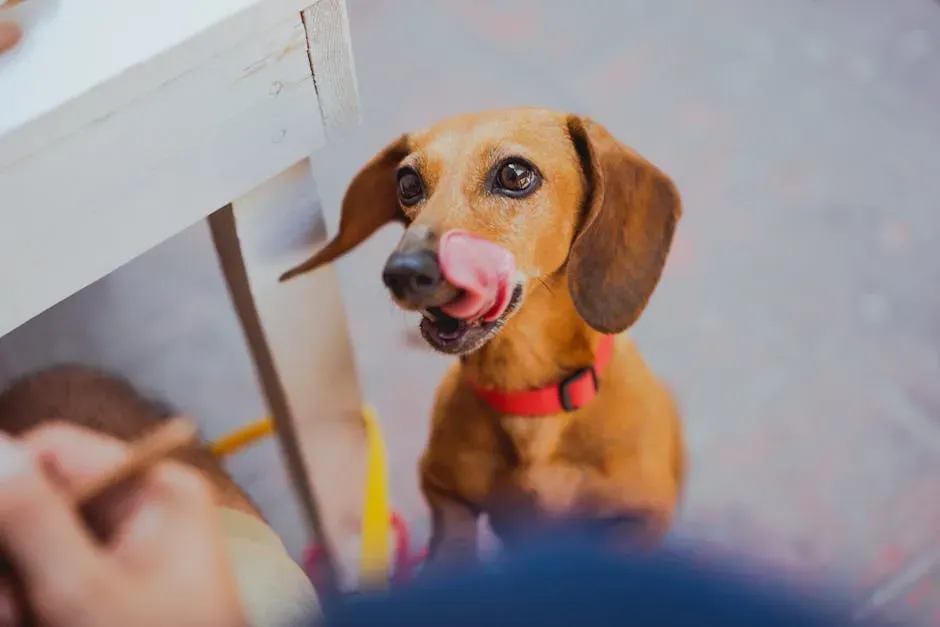
3. Lip Licking: A Sign of Anxiety (Image Credits: Pexels)Dogs often lick their lips when they’re feeling anxious or uncomfortable, not just after eating. This behavior serves as a calming signal, indicating that the dog is trying to de-escalate a situation. You might notice lip licking when a dog is approached by a stranger or during a tense interaction. ([akc.org](https://www.akc.org/expert-advice/training/how-to-read-dog-body-language/?utm_source=openai))Being aware of this signal allows owners to recognize when their dog is uneasy and take steps to alleviate the stress, such as giving the dog space or redirecting their attention.
4. Showing the Whites of the Eyes (“Whale Eye”)
4. Showing the Whites of the Eyes (“Whale Eye”) (Image Credits: Pixabay)When a dog turns its head away but keeps its eyes fixed on something, exposing the whites of their eyes, it’s known as “whale eye.” This is a clear indication of discomfort or anxiety. It often occurs when a dog feels threatened or is guarding a resource. ([akc.org](https://www.akc.org/expert-advice/training/how-to-read-dog-body-language/?utm_source=openai))Recognizing whale eye is crucial, as it can precede more aggressive behaviors. If you notice this signal, it’s best to give the dog space and avoid forcing interactions.
5. Freezing: A Precursor to Aggression
5. Freezing: A Precursor to Aggression (Image Credits: Unsplash)A dog that suddenly becomes very still is often assessing a situation and deciding how to respond. This freezing behavior can be a precursor to aggression if the dog feels threatened. It’s a critical warning sign that should not be ignored. ([webvet.com](https://www.webvet.com/dog-body-language/?utm_source=openai))If a dog freezes, it’s important to stop any interaction and give the dog time to relax. Pushing a dog in this state can lead to defensive actions, including biting.
6. Raised Hackles: Not Always Aggression
6. Raised Hackles: Not Always Aggression (Image Credits: Pexels)Piloerection, or raised hackles, indicates arousal but doesn’t necessarily mean aggression. Dogs can raise their hackles when they’re excited, nervous, or curious. It’s a physiological response to various stimuli. ([webvet.com](https://www.webvet.com/dog-body-language/?utm_source=openai))To interpret raised hackles accurately, observe the dog’s overall body language and the context. A relaxed posture with raised hackles might indicate excitement, while a stiff posture could suggest tension.
7. Turning Away: Seeking to Avoid Conflict
7. Turning Away: Seeking to Avoid Conflict (Image Credits: Unsplash)When a dog turns its head or body away from a person or another dog, it’s often a sign that they want to avoid conflict. This behavior is a calming signal indicating that the dog is uncomfortable and prefers to disengage. ([akc.org](https://www.akc.org/expert-advice/training/how-to-read-dog-body-language/?utm_source=openai))Respecting this signal by giving the dog space can prevent escalation and shows that you understand and respect their communication.
8. Panting Without Physical Exertion
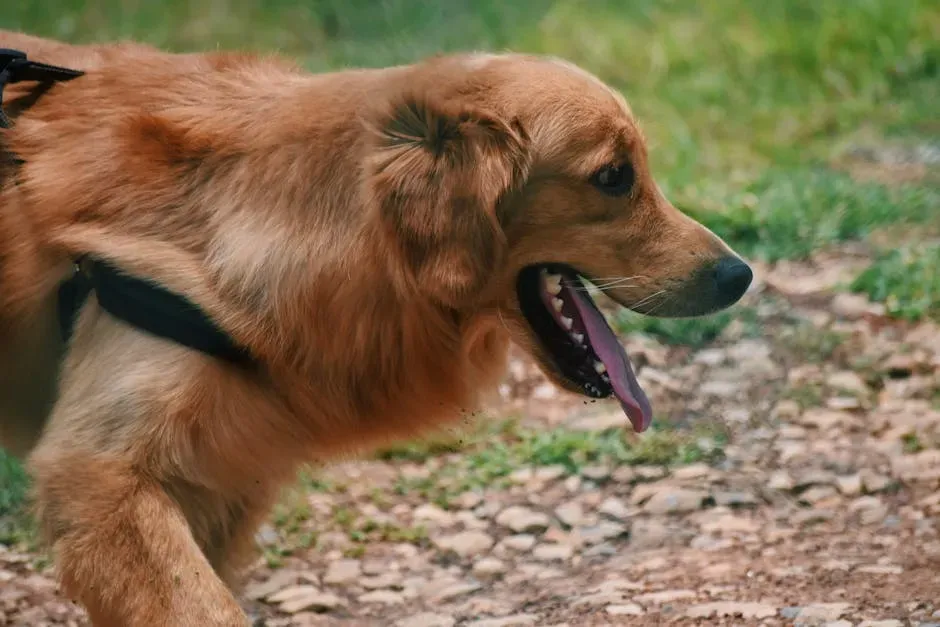
8. Panting Without Physical Exertion (Image Credits: Pexels)Panting is normal after exercise, but if a dog pants heavily without physical activity, it can be a sign of stress or anxiety. This type of panting is often accompanied by other stress signals like yawning or lip licking. ([webvet.com](https://www.webvet.com/dog-body-language/?utm_source=openai))Monitoring when and where this behavior occurs can help identify stressors in your dog’s environment, allowing you to address them appropriately.
9. Shaking Off When Not Wet
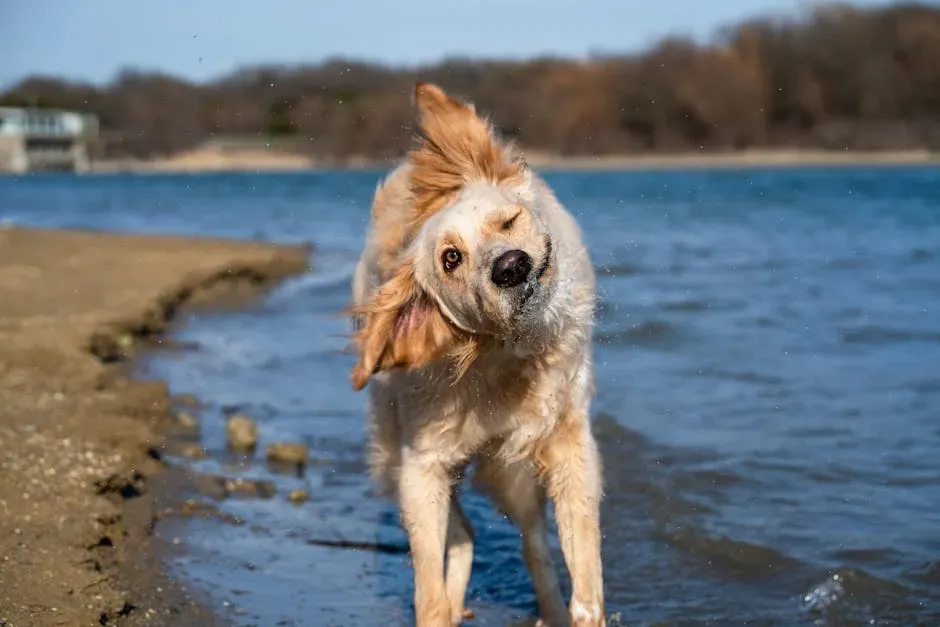
9. Shaking Off When Not Wet (Image Credits: Pexels)Dogs often shake their bodies as if drying off, even when they’re not wet. This “shake-off” is a way to release tension after a stressful event, such as an encounter with another dog or a visit to the vet. ([akc.org](https://www.akc.org/expert-advice/training/how-to-read-dog-body-language/?utm_source=openai))Recognizing this behavior as a stress release can help you understand your dog’s emotional state and provide support when needed.
10. Leaning Away During Petting
10. Leaning Away During Petting (Image Credits: Pexels)If a dog leans away or shifts their weight back when being petted, it’s a sign that they are uncomfortable with the interaction. This subtle cue is often overlooked but is important for respecting the dog’s boundaries. ([akc.org](https://www.akc.org/expert-advice/training/how-to-read-dog-body-language/?utm_source=openai))�