
The Real Reason Your Dog Sniffs the Air Right Before a Thunderstorm Has Nothing to Do With Weather and Everything to Do With an Ancient Warning System Still Hardwired in Their Brain
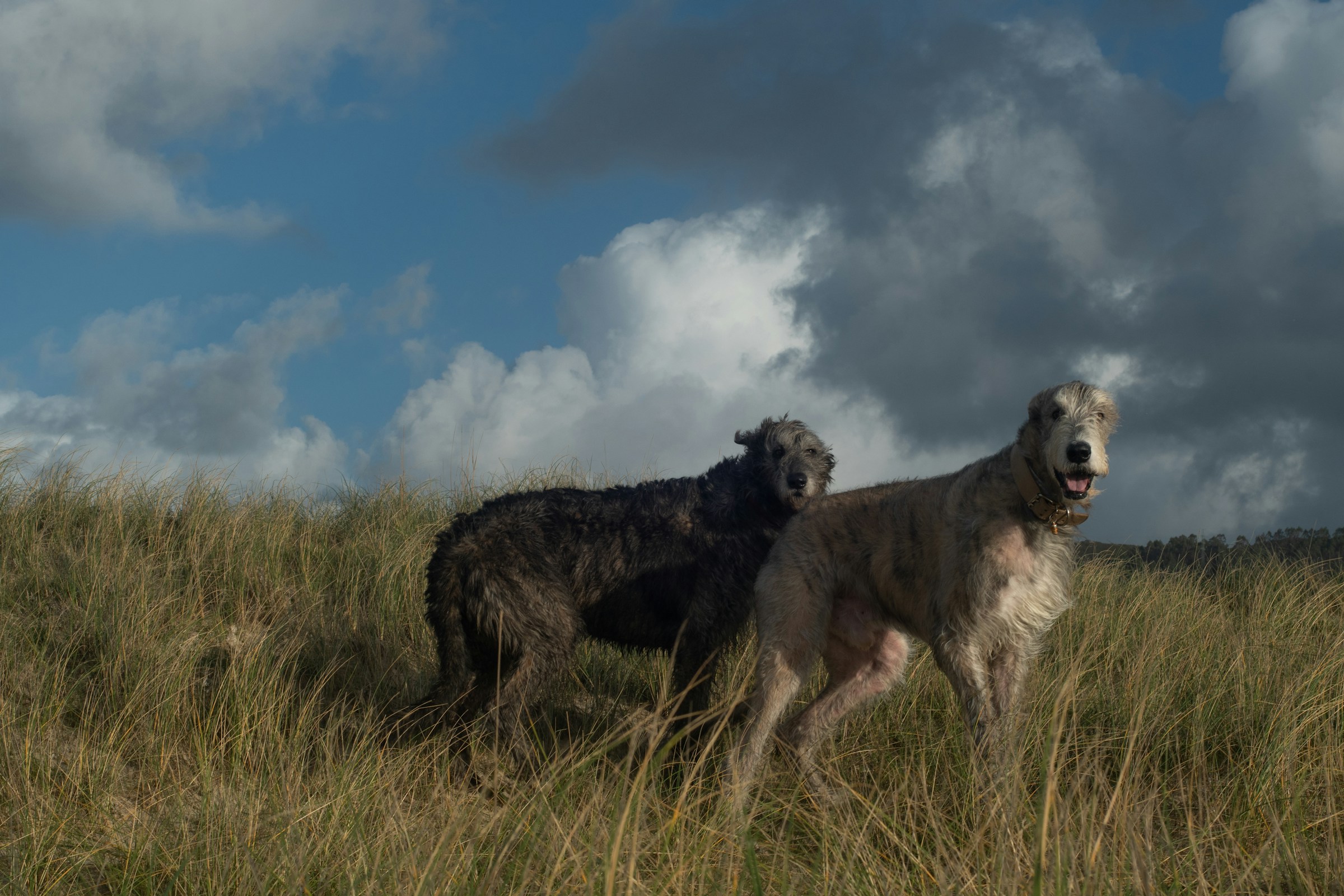
Ever noticed your dog pausing, nose lifted, sniffing the air just before a storm rolls in? It’s not just a quirky habit. This behavior taps into an ancient survival mechanism deeply embedded in their brains, a testament to their evolutionary past.
Dogs’ Extraordinary Sensory Perception

Dogs possess an olfactory system far superior to humans, with up to 300 million scent receptors compared to our mere 5 million. This heightened sense allows them to detect subtle changes in the environment that escape our notice.
Beyond smell, their acute hearing picks up low-frequency sounds, such as distant thunder, long before we can. This combination of senses equips them to perceive impending changes in their surroundings.
Detecting Atmospheric Changes
Before a thunderstorm, the atmosphere undergoes shifts in barometric pressure and humidity. Dogs are sensitive to these changes, often reacting to the drop in pressure that precedes a storm.
Additionally, the buildup of static electricity in the air can cause discomfort, prompting behaviors like air-sniffing as they attempt to understand and respond to these sensations.
Evolutionary Survival Instincts
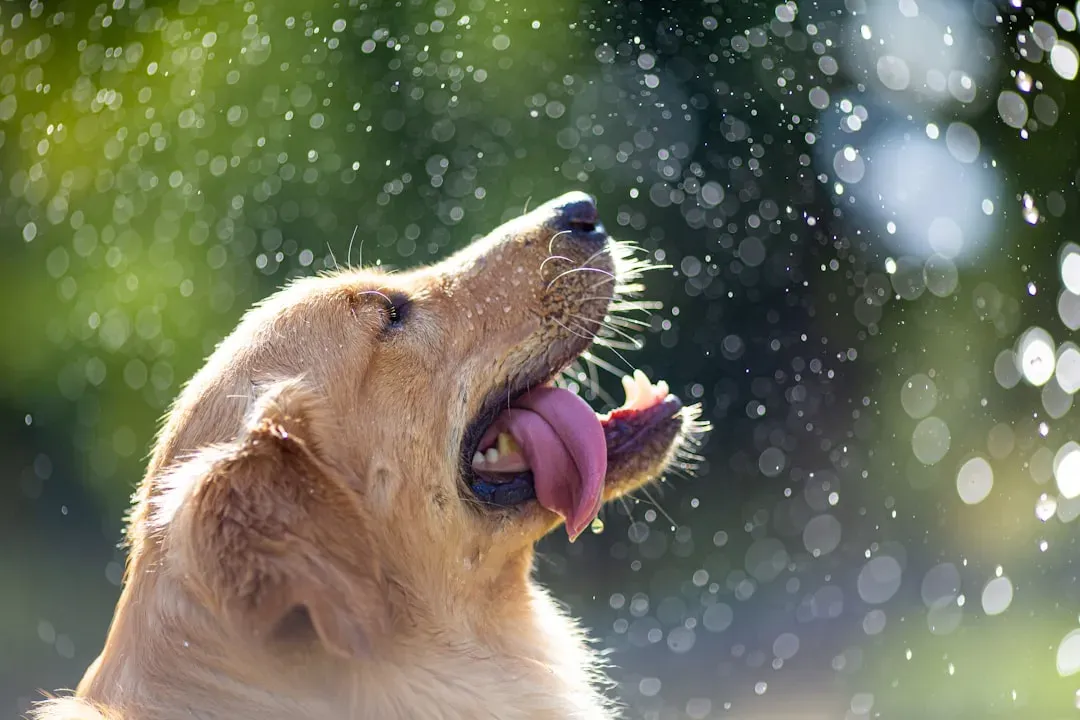
In the wild, detecting and reacting to environmental changes was crucial for survival. Early canines relied on their senses to anticipate and avoid dangers, such as storms or predators.
This ingrained behavior persists in domestic dogs today. When your dog sniffs the air before a storm, it’s an echo of ancestral instincts designed to keep them safe from potential threats.
Behavioral Indicators of Storm Anxiety
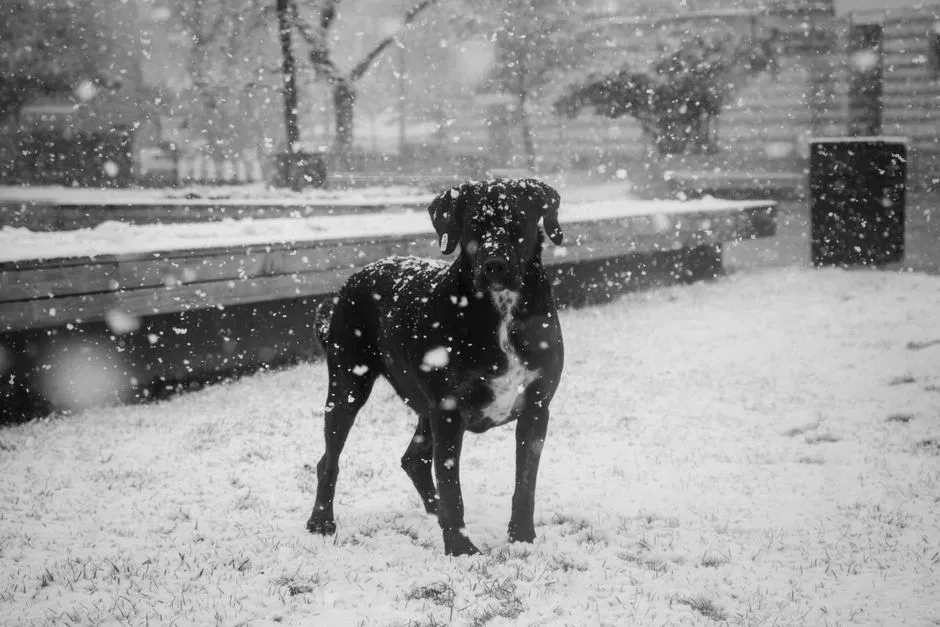
Air-sniffing is just one of many behaviors dogs exhibit in response to approaching storms. Others include pacing, whining, hiding, or seeking close contact with their owners.
Recognizing these signs can help you provide comfort and reassurance, mitigating their anxiety during turbulent weather.
Providing Comfort During Storms

Creating a safe space, such as a quiet room or a covered crate, can offer your dog a sense of security. Playing calming music or using white noise can also help mask the sounds of the storm.
Offering comfort items like favorite toys or blankets, and maintaining a calm demeanor yourself, can further ease their stress during storms.
Understanding and Supporting Your Dog
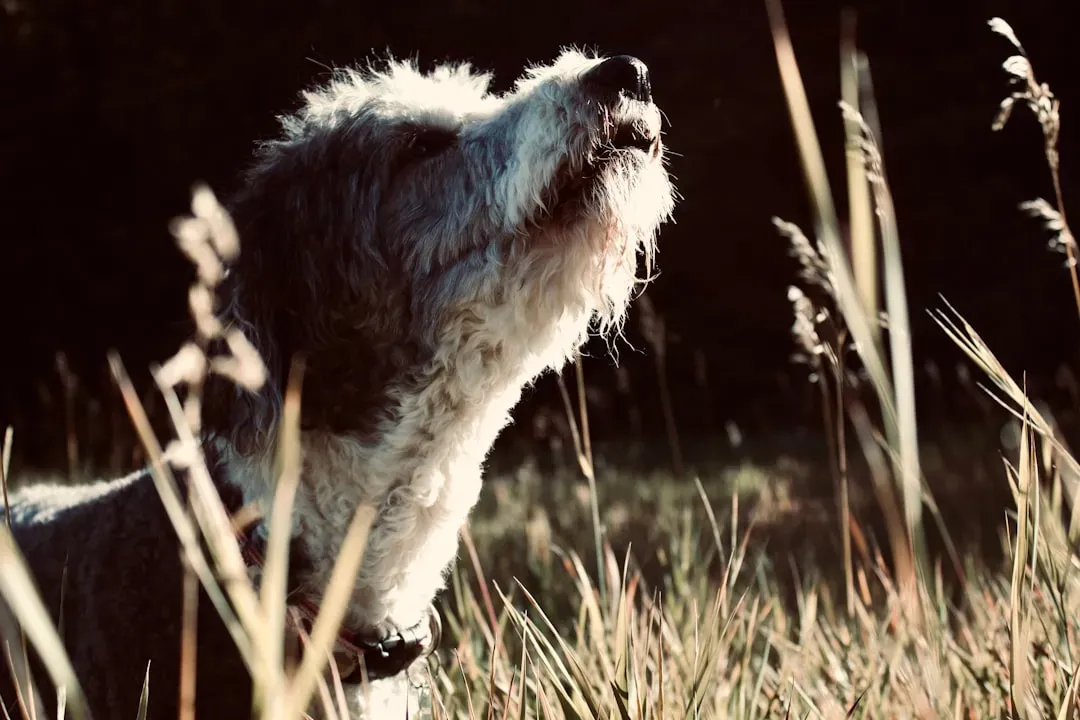
Recognizing that your dog’s air-sniffing before a storm is rooted in ancient survival instincts allows you to empathize with their experience. This understanding fosters a deeper bond and enables you to support them effectively.
By acknowledging and addressing their behaviors, you can help your dog navigate their natural responses to environmental changes, ensuring their comfort and well-being.
So, the next time your dog lifts their nose to the air before a storm, remember: it’s not just about the weather. It’s a glimpse into their ancestral past, a survival mechanism still at play in their modern lives.