
Studies show that dogs display separation distress behaviors that behaviorally mirror the attachment protests of human infants, backed by brain scans showing that an owner’s presence uniquely activates a dog’s neural reward pathways
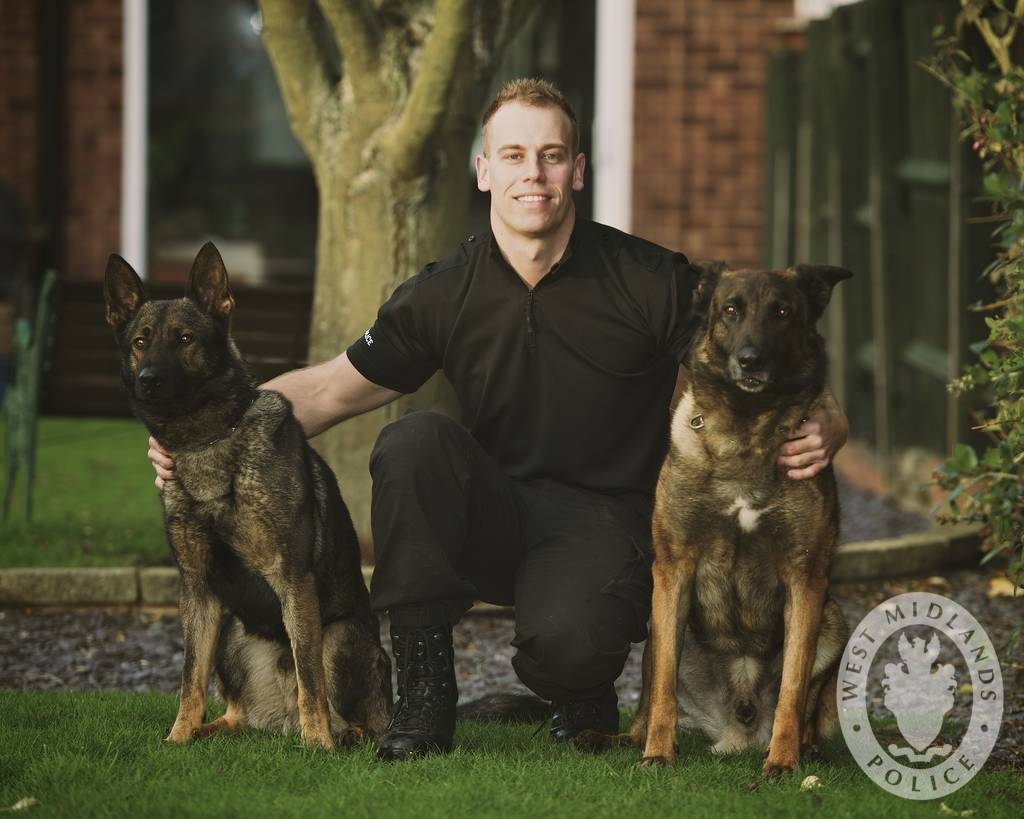
Ever wondered if your dog’s unwavering loyalty and distress during your absence are more than just instinctual behaviors? Recent scientific studies reveal that our canine companions exhibit attachment patterns strikingly similar to those of human infants, shedding light on the profound emotional bonds we share.
Canine Separation Distress: Echoes of Human Infant Attachment
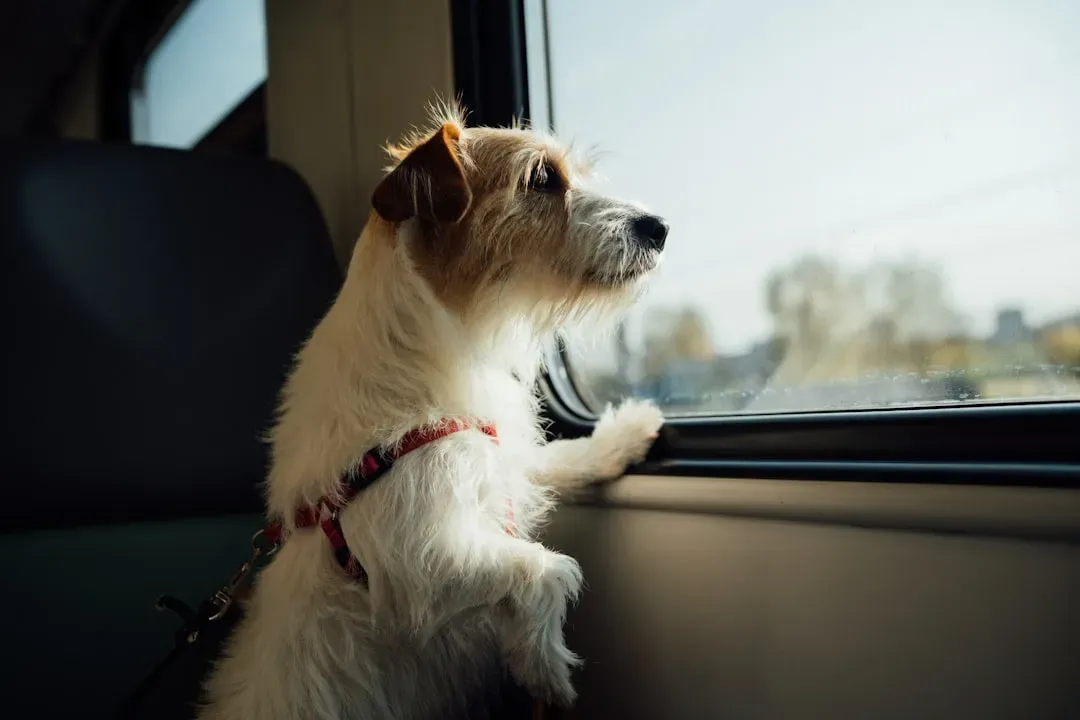
It’s heart-wrenching to hear your dog whimpering as you leave the house. This behavior isn’t mere mischief; it’s a manifestation of separation distress. Dogs, much like human infants, display attachment behaviors that include seeking proximity, exhibiting distress upon separation, and using their owner as a secure base for exploration. When left alone, many dogs exhibit signs such as whining, pacing, or destructive behavior, mirroring the protest behaviors seen in human infants separated from their caregivers.
Research has shown that approximately 40% of dogs exhibit some form of insecure attachment, leading to behaviors like excessive clinginess or apparent indifference. These patterns closely resemble the attachment styles observed in human children, suggesting a deep-rooted evolutionary connection between our species.
Brain Scans Reveal the Depth of Canine Affection
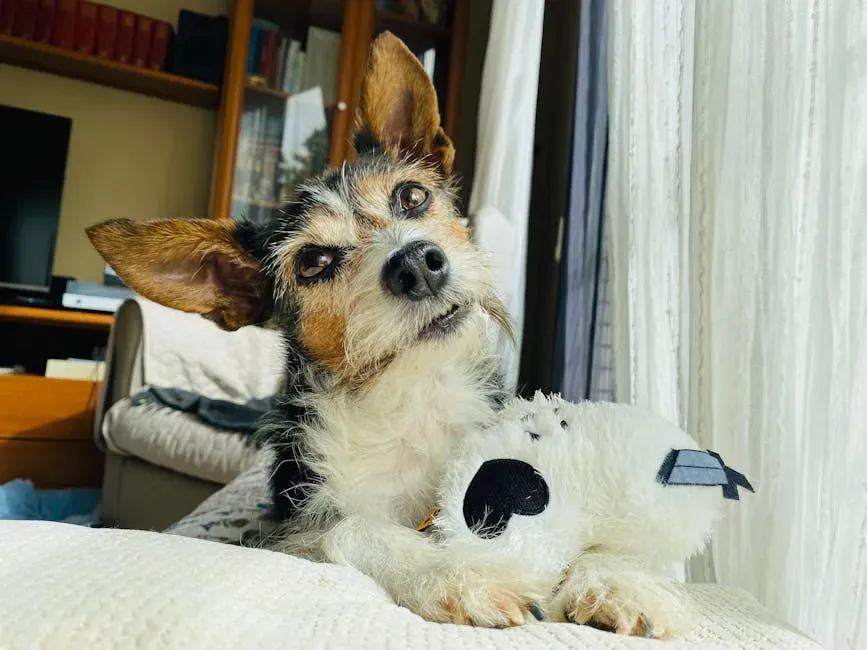
Delving deeper into the canine brain, functional Magnetic Resonance Imaging (fMRI) studies have provided compelling evidence of the emotional depth dogs feel towards their owners. When exposed to their owner’s scent, dogs’ caudate nucleus – a region associated with positive expectations – lights up significantly. This neural activation indicates that the mere presence or scent of their owner triggers feelings of pleasure and reward in dogs, akin to the joy humans experience when reunited with loved ones.
These findings underscore that dogs don’t just see us as providers of food or shelter; they genuinely cherish our companionship, experiencing emotions that parallel human affection.
The Secure Base Effect: Dogs Relying on Owners for Confidence
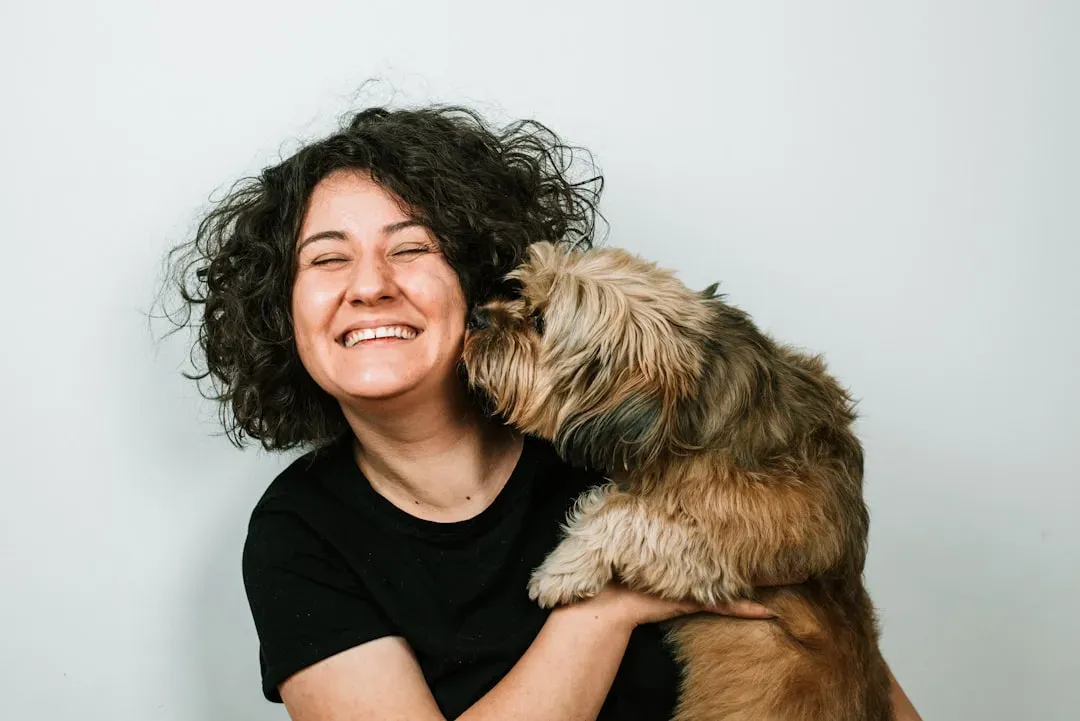
Imagine a toddler venturing into a new playground, frequently glancing back to ensure a parent’s presence. Similarly, dogs use their owners as a “secure base” when exploring unfamiliar environments. Studies have demonstrated that dogs are more confident and willing to engage with new surroundings when their owner is present, but they become hesitant or anxious when left alone.
This behavior highlights the trust and reliance dogs place in their human companions, emphasizing the depth of the bond that has developed over thousands of years of domestication.
Attachment Styles in Dogs: A Mirror to Human Relationships
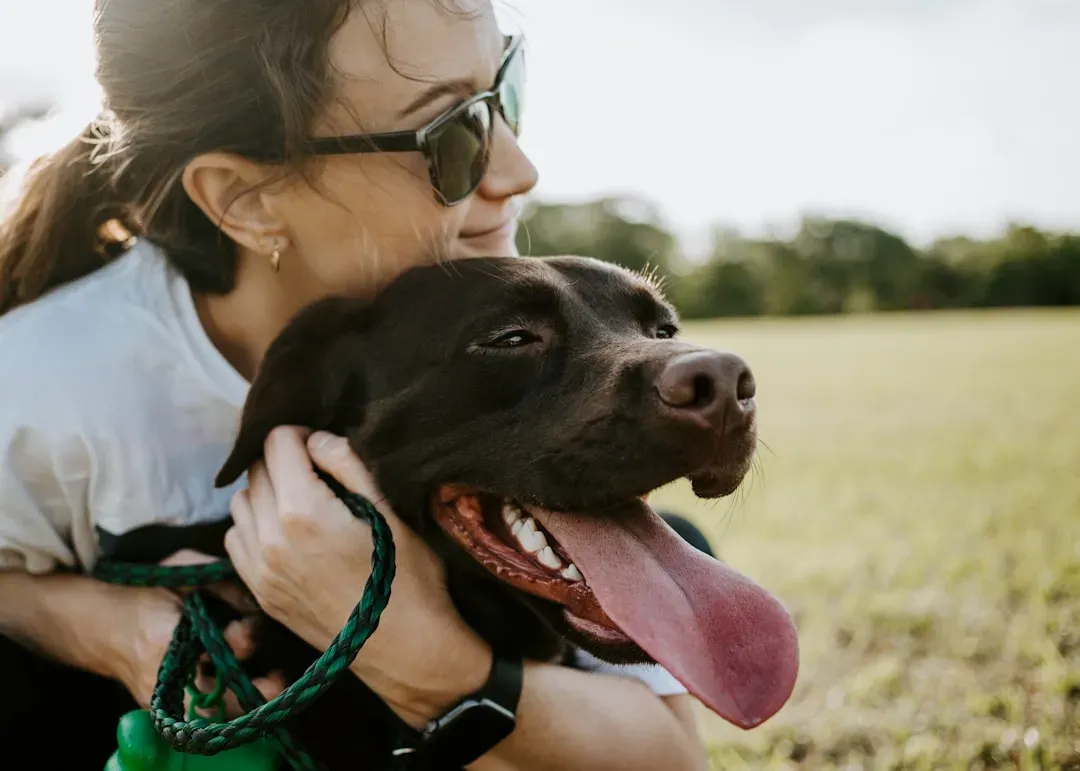
Just as humans exhibit various attachment styles – secure, anxious, avoidant – dogs too display similar patterns. Securely attached dogs feel comfortable exploring their environment, knowing their owner is a safe haven. In contrast, dogs with anxious attachment may become overly clingy, while avoidant dogs might seem indifferent to their owner’s presence.
Understanding these attachment styles is crucial for pet owners. Recognizing and addressing insecure attachment behaviors can lead to a more harmonious relationship and improved well-being for both the dog and the owner.
Separation Anxiety: More Than Just Missing You

Separation anxiety in dogs goes beyond the occasional whimper when you leave. It’s a serious condition where dogs experience intense distress during their owner’s absence, leading to behaviors like excessive barking, destructive tendencies, or even self-harm. This anxiety stems from the deep attachment bonds dogs form with their owners, making departures feel like significant losses.
Addressing separation anxiety requires patience and understanding. Gradual desensitization, providing engaging toys, and sometimes seeking professional help can alleviate the distress and foster a sense of security in the dog.
The Role of Early Experiences in Shaping Attachment
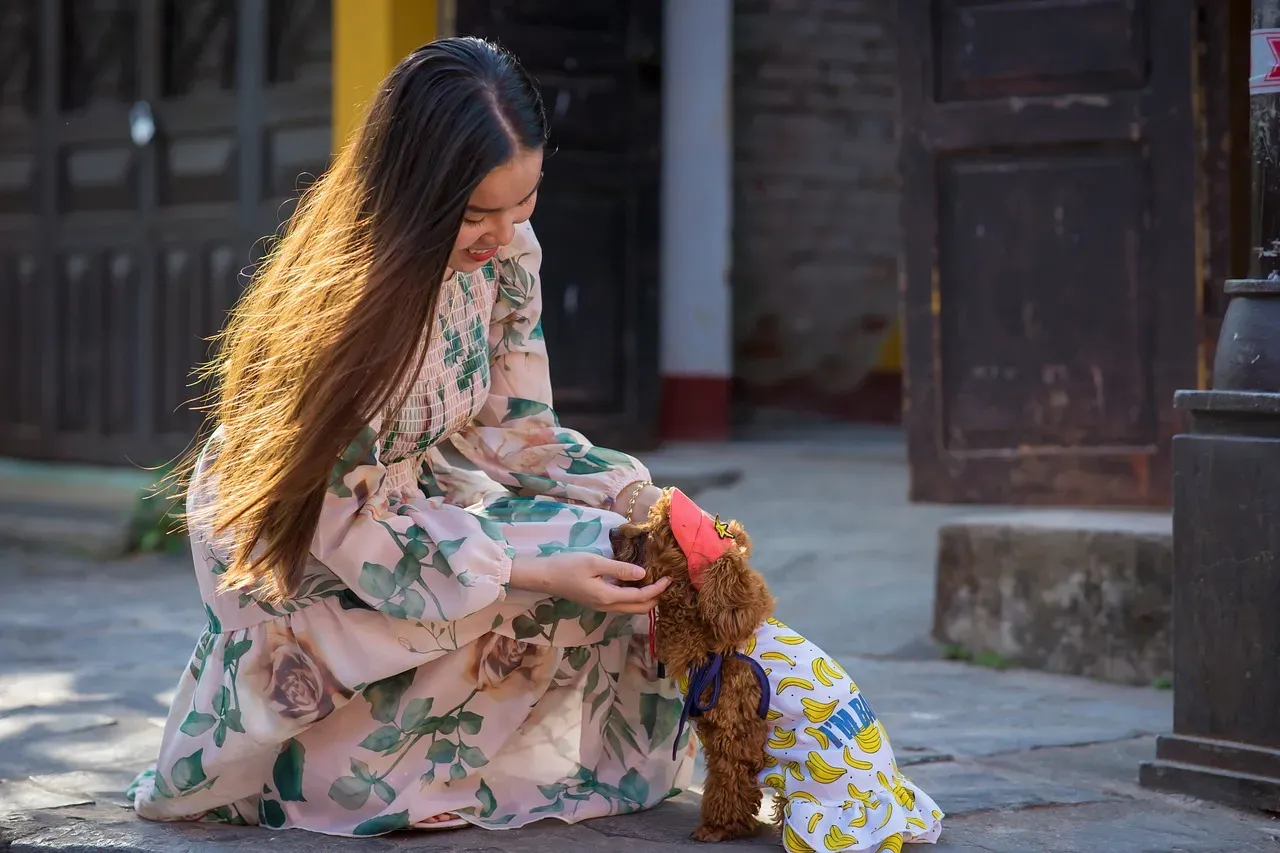
A dog’s early life experiences play a pivotal role in shaping its attachment style. Puppies that receive consistent, positive interactions with humans are more likely to develop secure attachments. Conversely, those exposed to neglect or inconsistent care may develop anxious or avoidant attachment patterns.
For prospective dog owners, this underscores the importance of early socialization and positive reinforcement to nurture a well-adjusted, securely attached canine companion.
Implications for Dog Owners: Nurturing a Healthy Bond
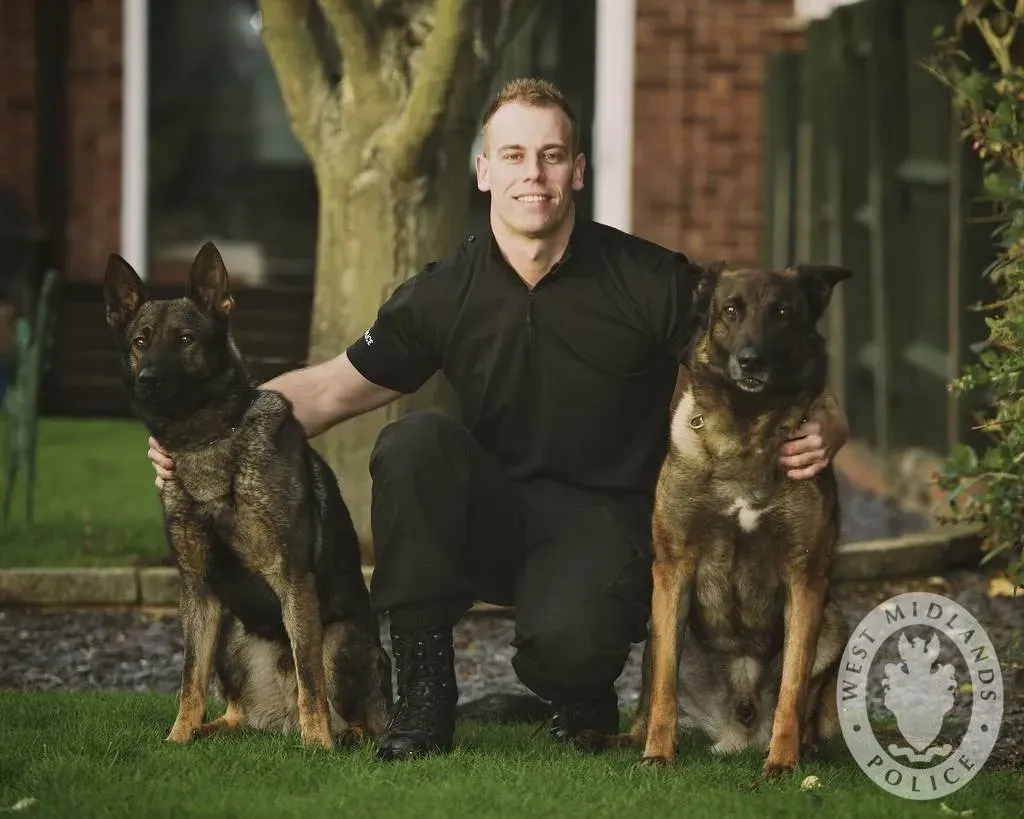
Understanding the depth of attachment dogs feel towards their owners carries significant implications. Recognizing signs of distress, providing consistent routines, and ensuring positive interactions can strengthen the bond and promote a sense of security in the dog.
Moreover, being attuned to a dog’s emotional needs and responding appropriately can prevent behavioral issues and enhance the mutual joy derived from the human-canine relationship.
Conclusion: A Bond Beyond Words
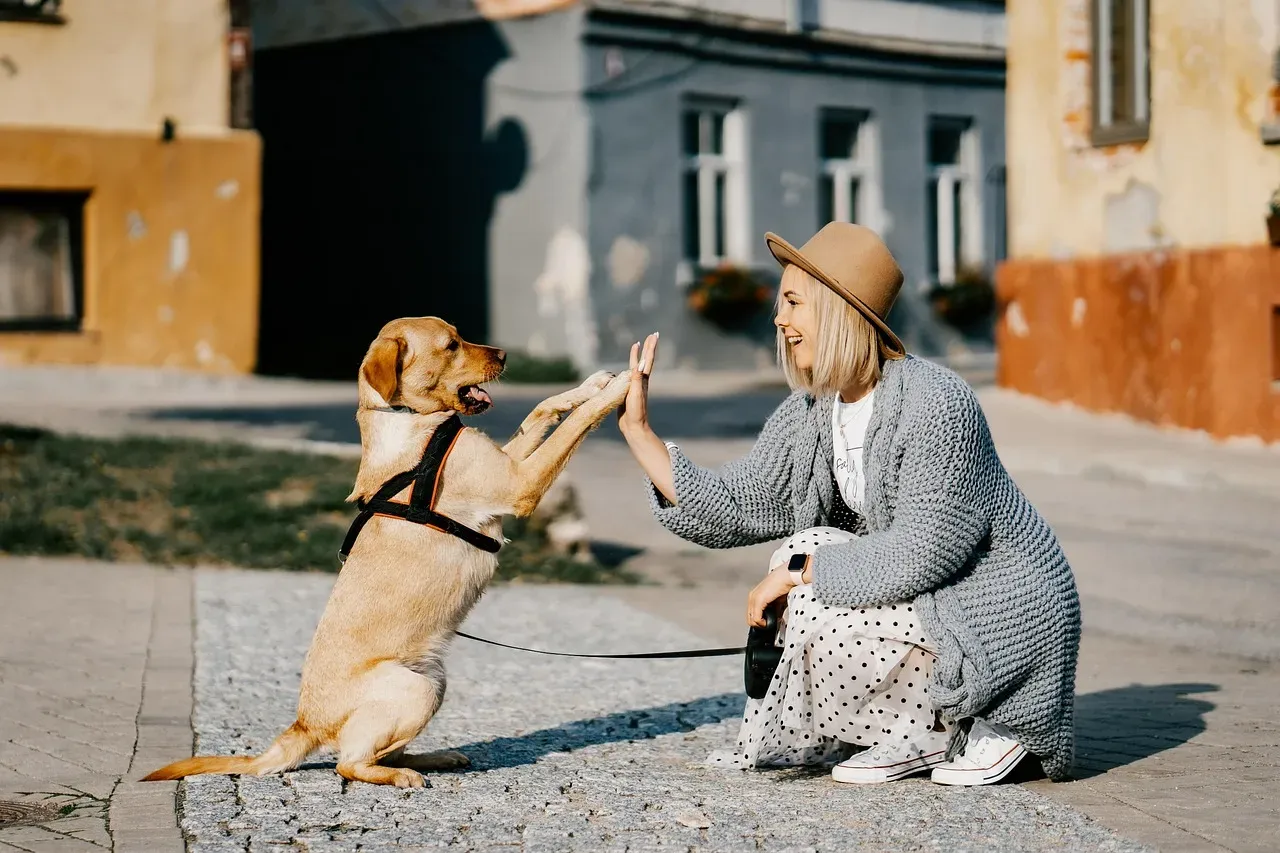
The parallels between canine and human attachment behaviors are both fascinating and heartwarming. They remind us that our dogs are not just pets; they are emotional beings capable of deep affection and reliance on us. As we continue to uncover the intricacies of the canine mind, one thing remains clear: the bond we share with our dogs is profound, rooted in mutual trust and love.
So, the next time your dog gazes at you with those soulful eyes or follows you from room to room, remember – it’s not just about companionship; it’s about a deep-seated connection that transcends species. Isn’t it incredible how much we have in common with our four-legged friends?