
7 Things Your Dog Does During Your Worst Nights That Most Owners Never Think to Notice
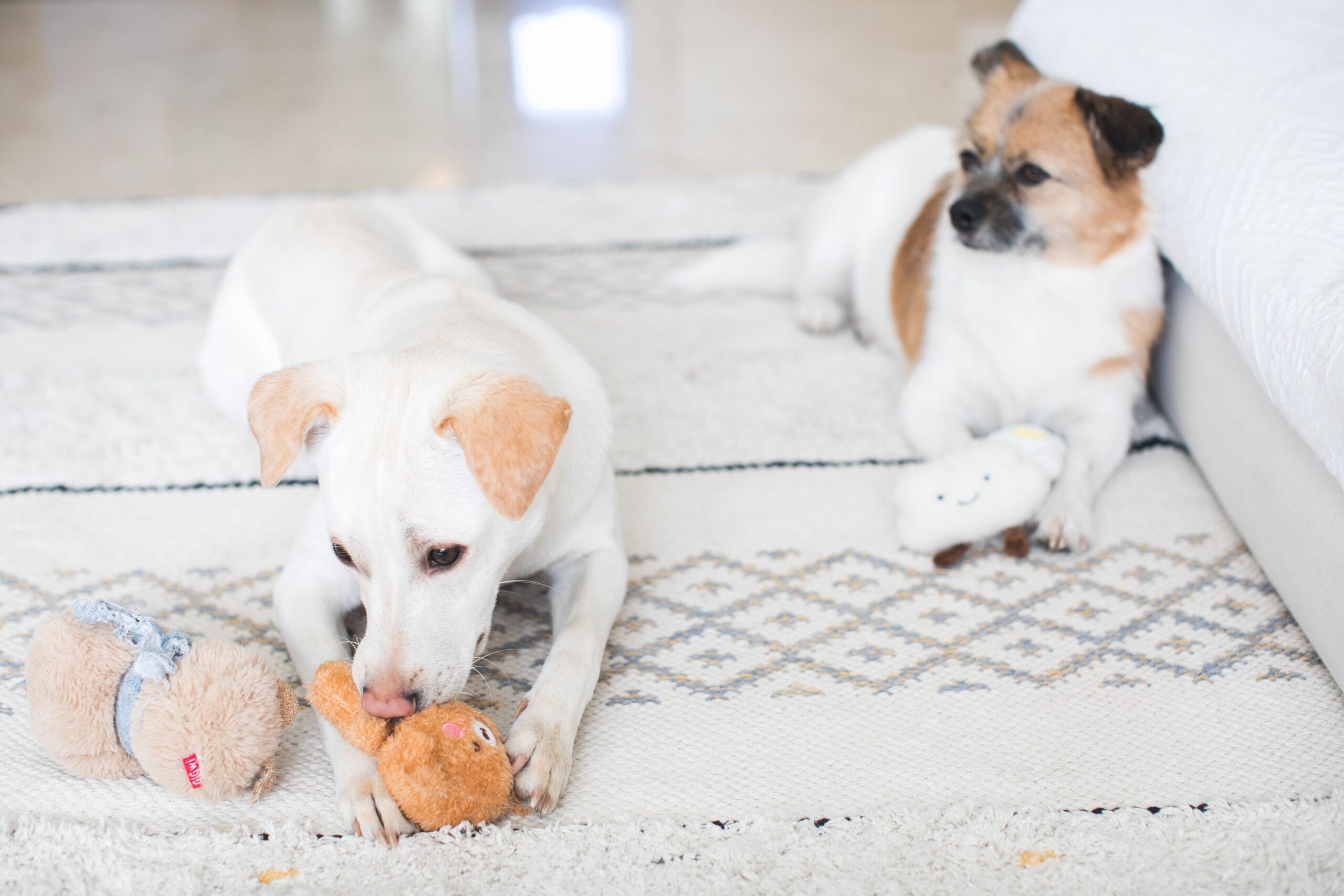
When you’re tossing and turning through a sleepless night, your loyal canine companion is often more attuned to your distress than you might realize. Dogs possess an uncanny ability to sense changes in their owners’ well-being, responding in subtle yet profound ways. Here are seven behaviors your dog exhibits during your toughest nights that often go unnoticed.
1. Staying Unusually Close
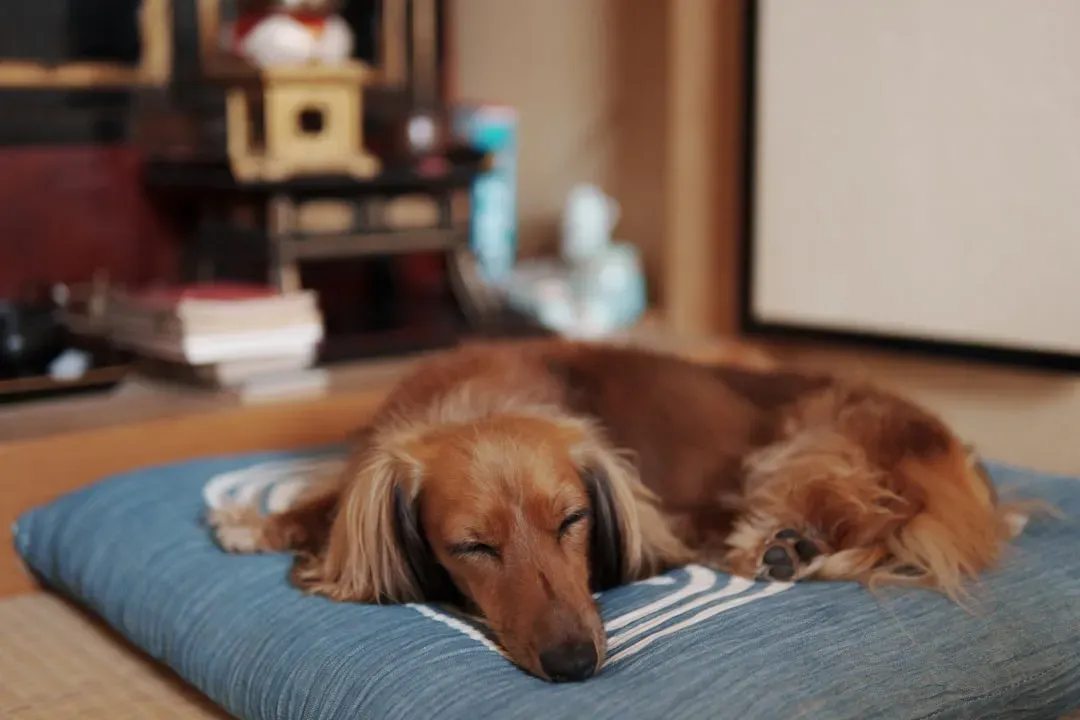
On nights when you’re restless or unwell, your dog may choose to sleep closer than usual, perhaps even pressing against you. This behavior stems from their instinct to provide comfort and protection. Dogs are highly sensitive to human emotions and physical states, and their proximity is a silent gesture of support.
This closeness isn’t just about seeking warmth; it’s a deliberate act of companionship. Your dog’s presence can have a calming effect, potentially lowering your stress levels and promoting a sense of security during difficult times.
2. Increased Vigilance

During your troubled nights, you might notice your dog being more alert, frequently checking on you or reacting to the slightest noises. This heightened vigilance is their way of ensuring your safety. Dogs have an innate protective instinct, and when they sense their owner is vulnerable, they become more watchful.
This behavior can manifest as your dog sitting upright, ears perked, and eyes scanning the environment. It’s their way of standing guard, ready to respond to any perceived threats while you’re in a weakened state.
3. Gentle Nudging or Licking
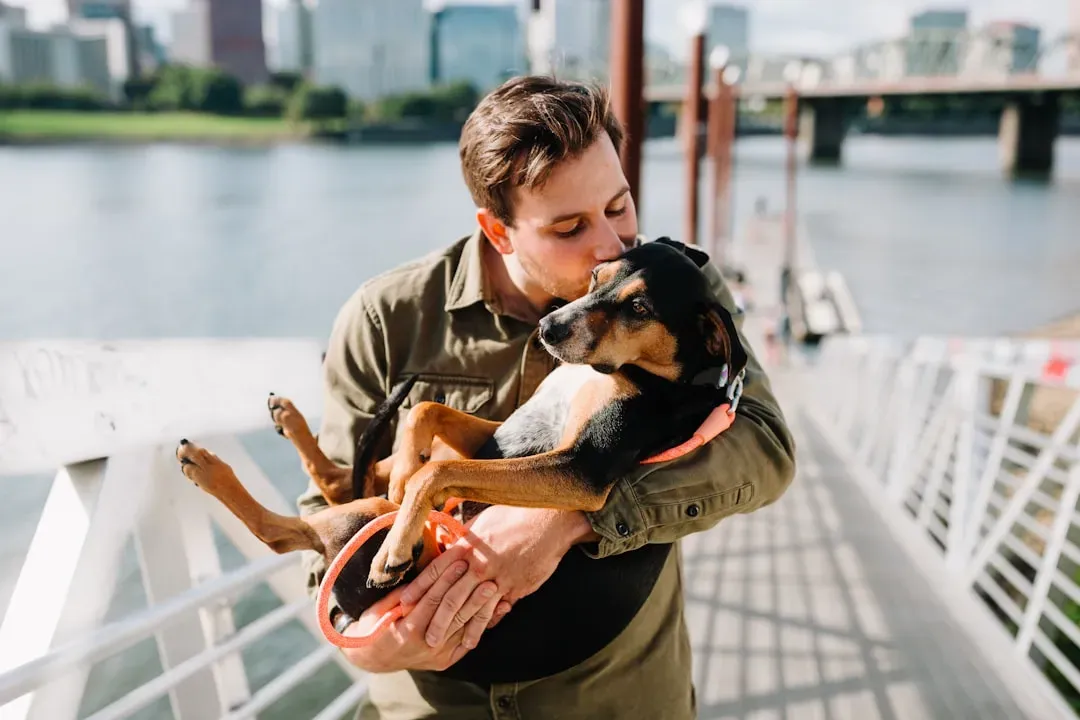
If you’re experiencing discomfort or distress, your dog might gently nudge you with their nose or offer soothing licks. These actions are their attempts to comfort you and draw your attention to their presence. Dogs often use physical touch to communicate and provide reassurance.
This behavior is akin to a friend offering a comforting hand on your shoulder. It’s a reminder that you’re not alone, and your dog is there to support you through your difficult night.
4. Mirroring Your Restlessness
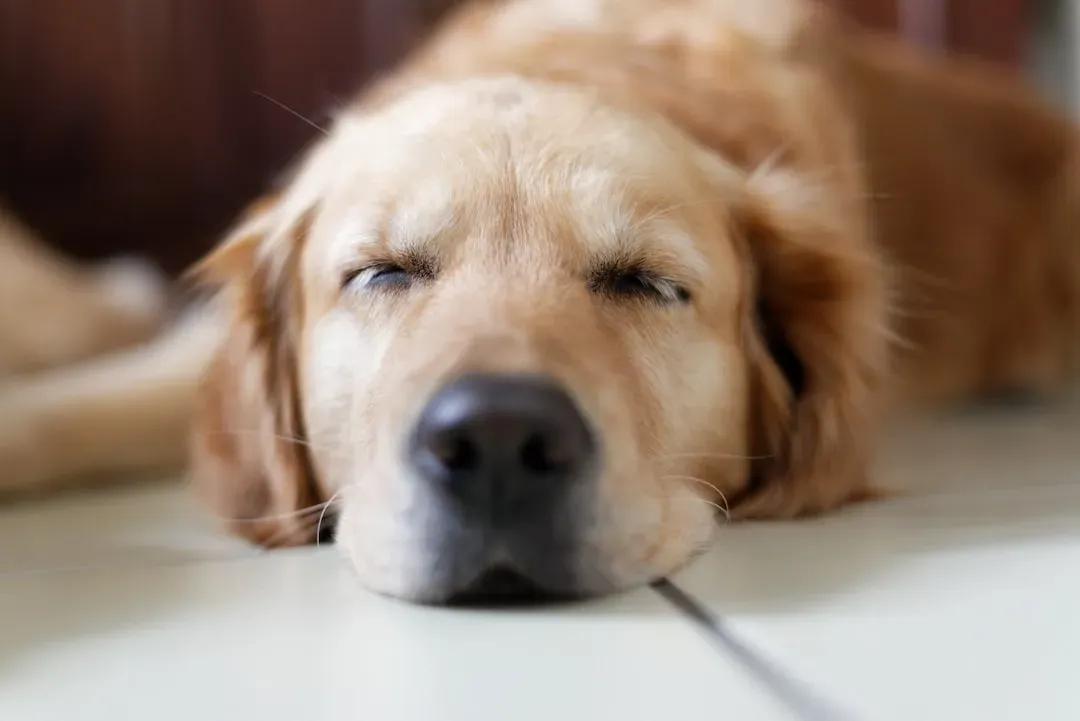
Dogs are incredibly empathetic creatures and may mirror your restlessness during the night. If you’re tossing and turning, your dog might also change positions frequently or seem unable to settle. This mirroring behavior reflects their deep bond with you and their sensitivity to your state.
By sharing in your restlessness, your dog is expressing solidarity. It’s their way of showing that they’re in tune with your feelings and are there to share in your experience, even if it means sacrificing their own comfort.
5. Bringing You Their Favorite Toy
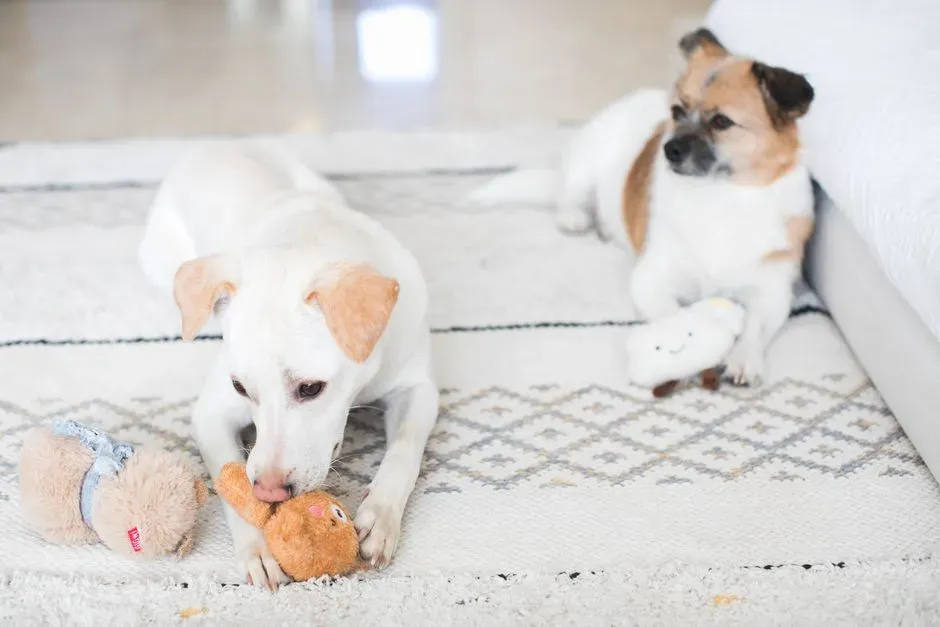
In an attempt to lift your spirits, your dog might bring you their favorite toy during a difficult night. This gesture is their way of offering comfort and distraction. Dogs often associate play with positive emotions and may believe that sharing their cherished toy will help alleviate your distress.
This behavior showcases your dog’s desire to engage with you and provide a source of joy, even when you’re not feeling your best. It’s a testament to their intuitive understanding of your emotions and their willingness to share what makes them happy.
6. Pacing or Whining
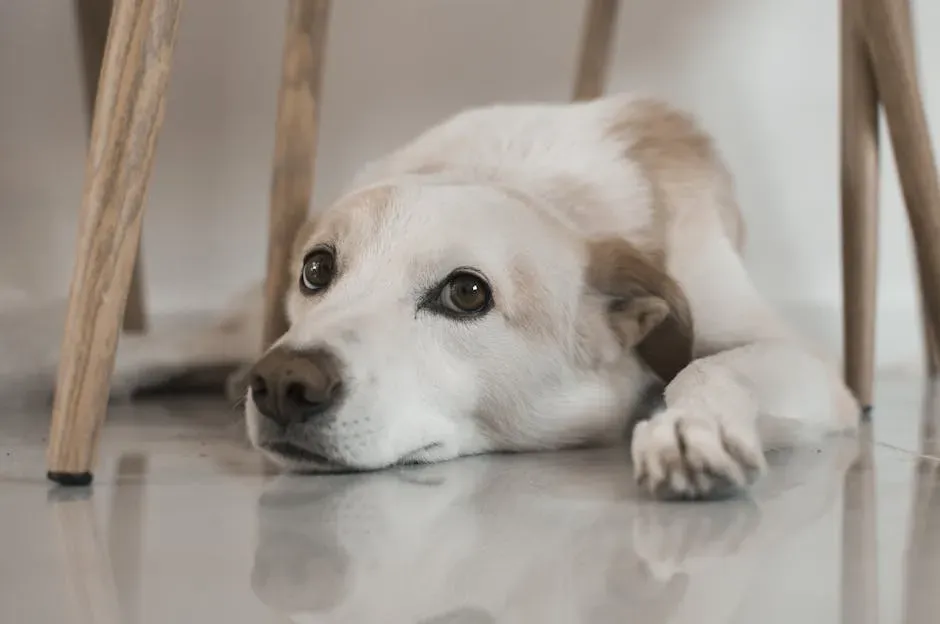
If your dog senses that something is amiss, they might exhibit signs of anxiety such as pacing or whining. This behavior indicates their concern for your well-being. Dogs are attuned to changes in their environment and in their owners, and when they detect distress, they may become unsettled themselves.
This restlessness is a reflection of their empathy. They’re expressing their unease about your discomfort and are seeking ways to help or alert you to their awareness of the situation.
7. Sleeping in a Protective Position
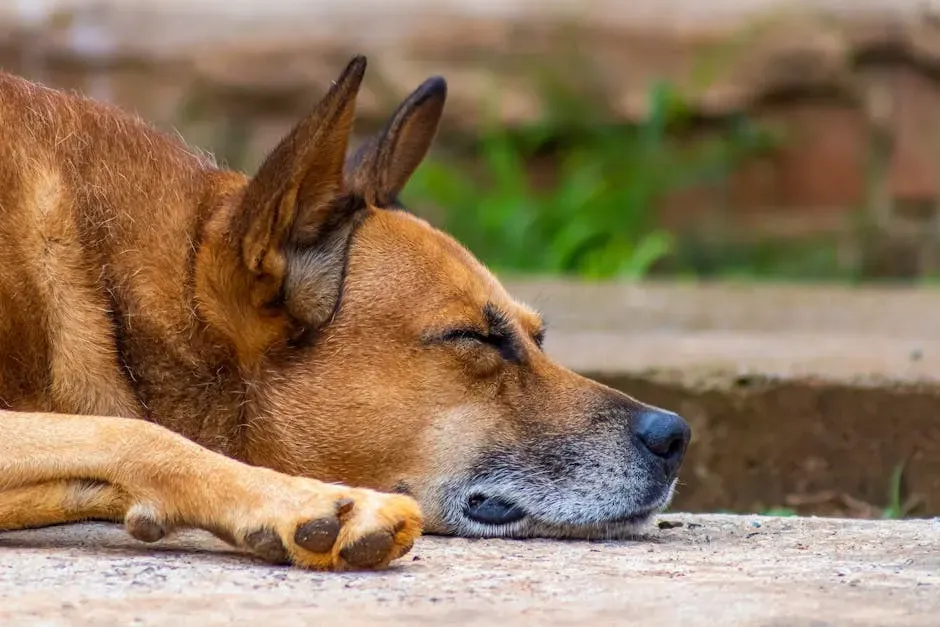
During your worst nights, your dog might choose to sleep facing the door or in a position that allows them to monitor the surroundings. This protective stance is their way of guarding you while you rest. Dogs have a natural instinct to protect their pack, and when they sense you’re vulnerable, they take on the role of a sentinel.
This behavior is a silent promise of protection. Your dog is positioning themselves to be the first line of defense against any potential threats, ensuring that you can sleep a little more soundly knowing they’re on watch.
In conclusion, our canine companions are more in tune with our emotions and physical states than we often give them credit for. Their behaviors during our most challenging nights are subtle yet profound expressions of their loyalty and love. Recognizing and appreciating these gestures can deepen the bond we share with our dogs. So, the next time you’re having a tough night, take a moment to notice the quiet ways your dog is there for you. After all, isn’t that what best friends are for?