
Ever wondered if your furry friend is trying to tell you something, but you’re just not getting the message? Dogs communicate constantly through their body language, yet many of their signals are misunderstood by even the most loving owners. Let’s dive into ten common canine cues that might not mean what you think.
The Misleading Tail Wag
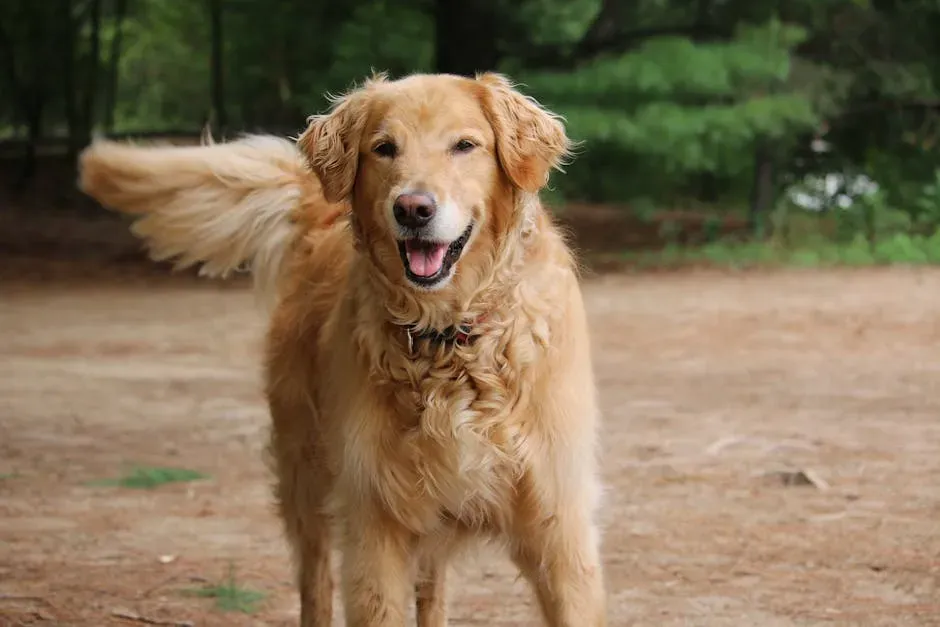
It’s a common belief that a wagging tail equals a happy dog. However, the reality is more nuanced. The position, speed, and stiffness of the wag can indicate a range of emotions. A high, stiff wag might signal alertness or agitation, while a low, slow wag could denote insecurity. Always consider the entire body language context before assuming your pup is simply joyful.
For instance, a dog with a rigid body and a high, slow wag may be feeling threatened or aggressive. Conversely, a relaxed body with a loose, mid-level wag typically indicates a content and friendly demeanor. Understanding these subtleties can prevent misinterpretations and promote better interactions.
Yawning Beyond Sleepiness
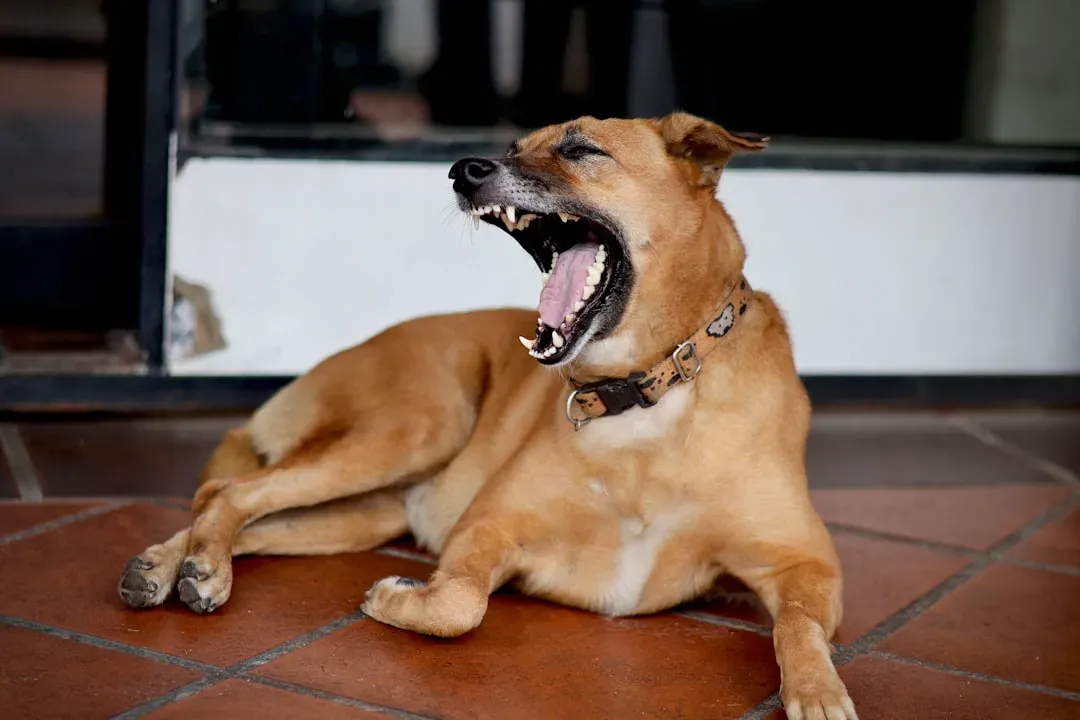
While yawning often signifies tiredness in humans, in dogs, it can be a sign of stress or discomfort. If your dog yawns during a tense situation, like a vet visit or a scolding, they’re likely trying to calm themselves or diffuse tension. This behavior, known as a “calming signal,” is a dog’s way of communicating unease.
Observing when and where your dog yawns can provide insights into their emotional state. If yawning occurs frequently in specific scenarios, it might be time to assess and modify those situations to reduce your dog’s stress levels.
Lip Licking and Nose Flicks
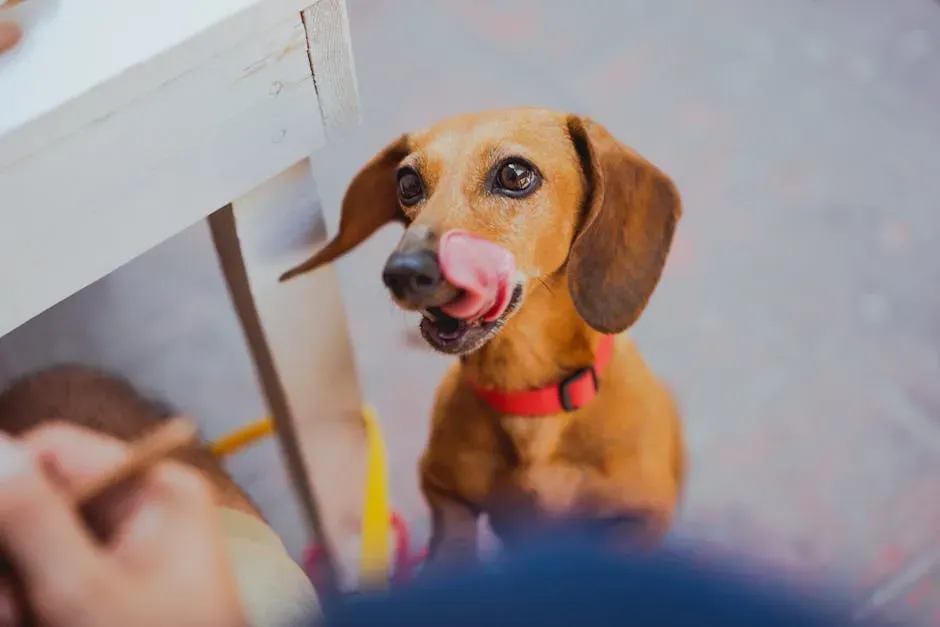
Dogs often lick their lips or flick their tongues out when they’re feeling anxious or uncertain. This subtle gesture is another calming signal, indicating that your dog is trying to soothe themselves or communicate discomfort. It’s not always about anticipating a tasty treat.
Pay attention to this behavior during interactions with new people or animals. If your dog exhibits frequent lip licking in these contexts, it may be a sign that they’re feeling overwhelmed and need space or reassurance.
The “Guilty” Look
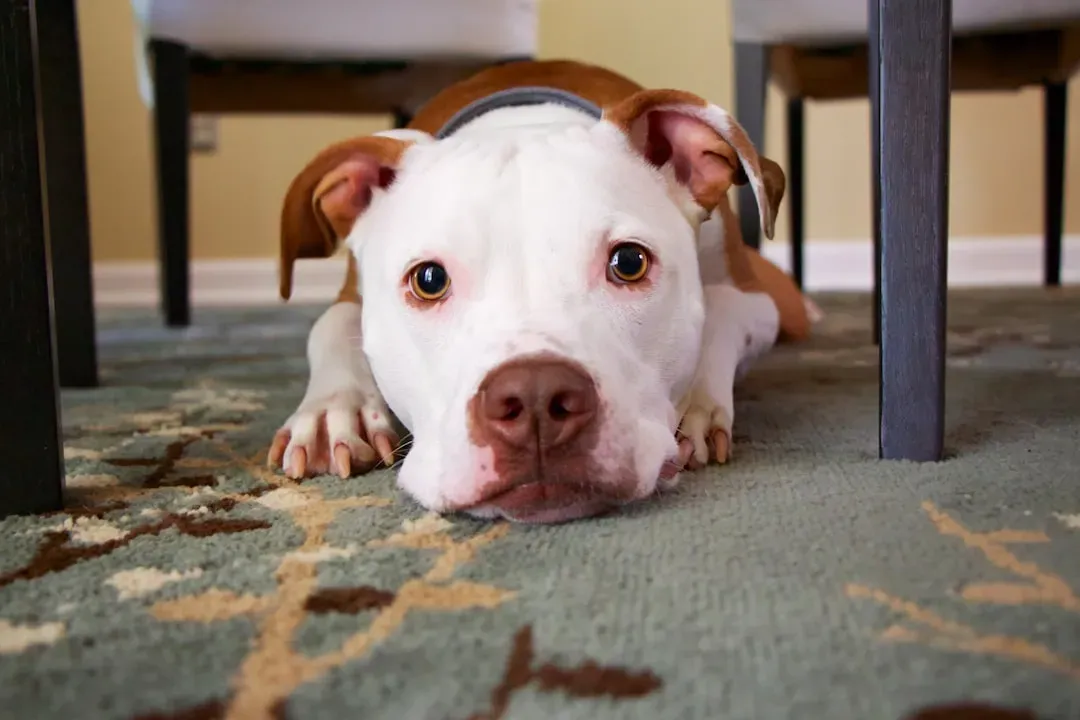
That hangdog expression after your pup has chewed up your favorite shoes? It’s not guilt. Dogs don’t experience guilt as humans do. Instead, they’re responding to your body language and tone of voice, displaying appeasement behaviors to avoid conflict.
Understanding this can change how you approach discipline. Rather than attributing human emotions to your dog, focus on positive reinforcement and clear communication to guide their behavior effectively.
Showing the Whites of Their Eyes (Whale Eye)
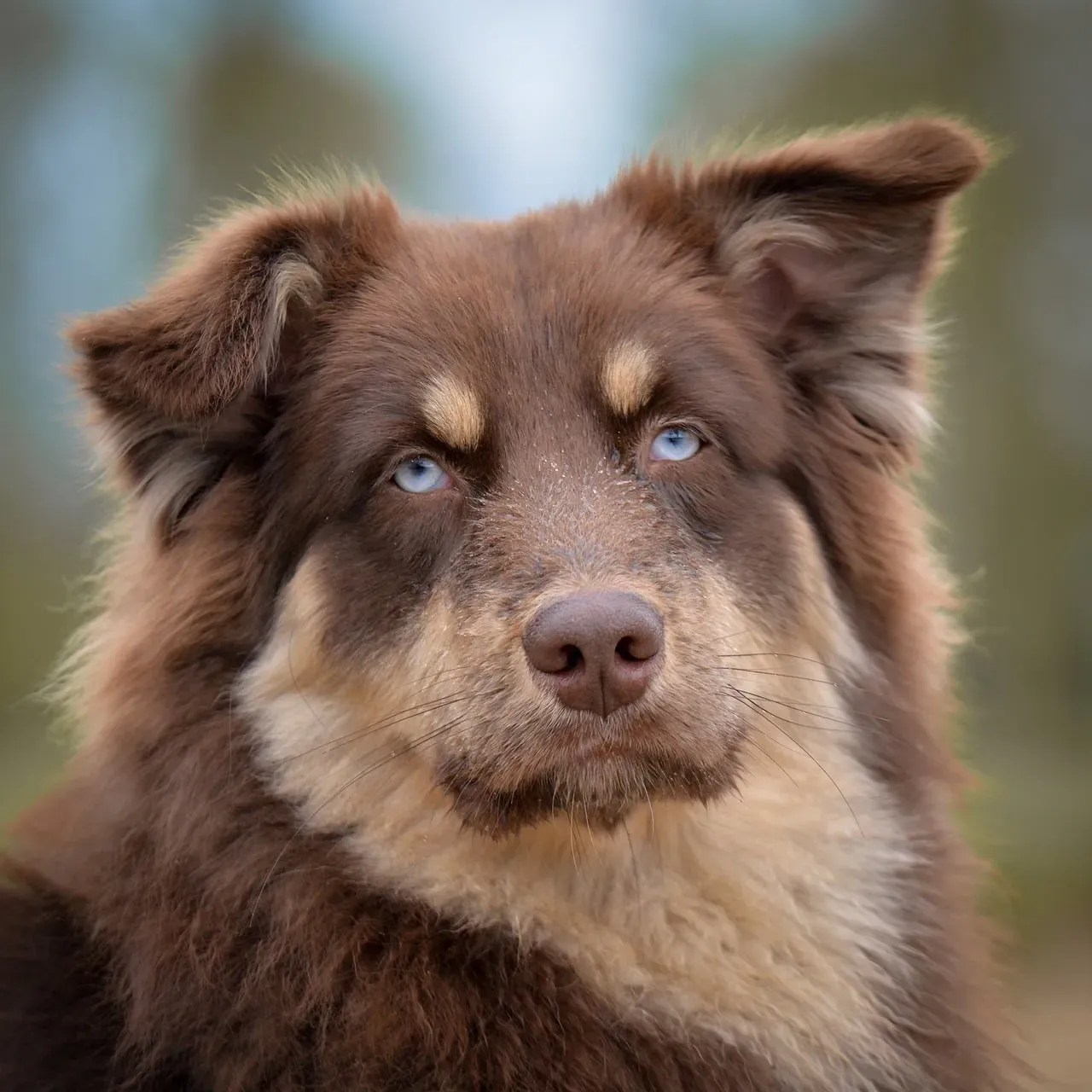
When a dog turns their head but keeps their eyes fixed on something, exposing the whites, it’s called “whale eye.” This is a clear sign of anxiety or discomfort. It’s often seen when a dog is guarding a resource or feels threatened.
Recognizing whale eye is crucial for preventing potential aggression. If you notice this in your dog, it’s best to give them space and assess the situation to identify and alleviate the source of their stress.
Freezing in Place
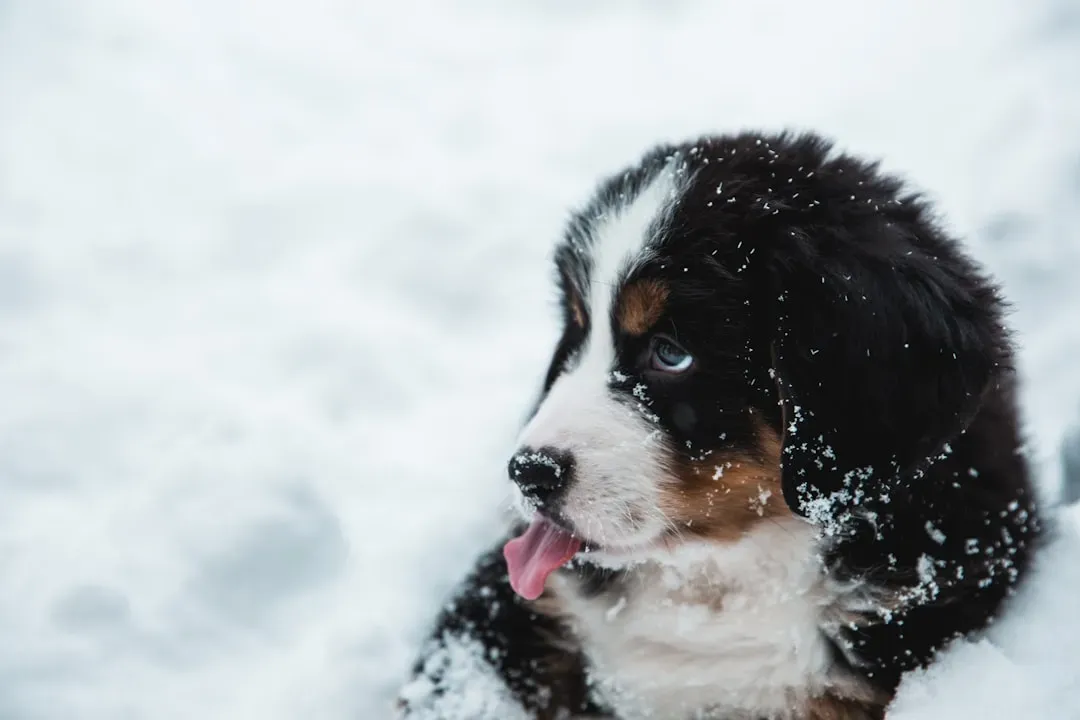
A sudden freeze, where your dog becomes completely still, is a serious warning sign. This behavior often precedes more aggressive actions like growling or biting. It’s a dog’s way of saying, “I’m uncomfortable, and I might need to defend myself.”
If your dog freezes during an interaction, it’s essential to stop what you’re doing and give them space. Pushing further can escalate the situation, leading to unwanted outcomes.
Raised Hackles
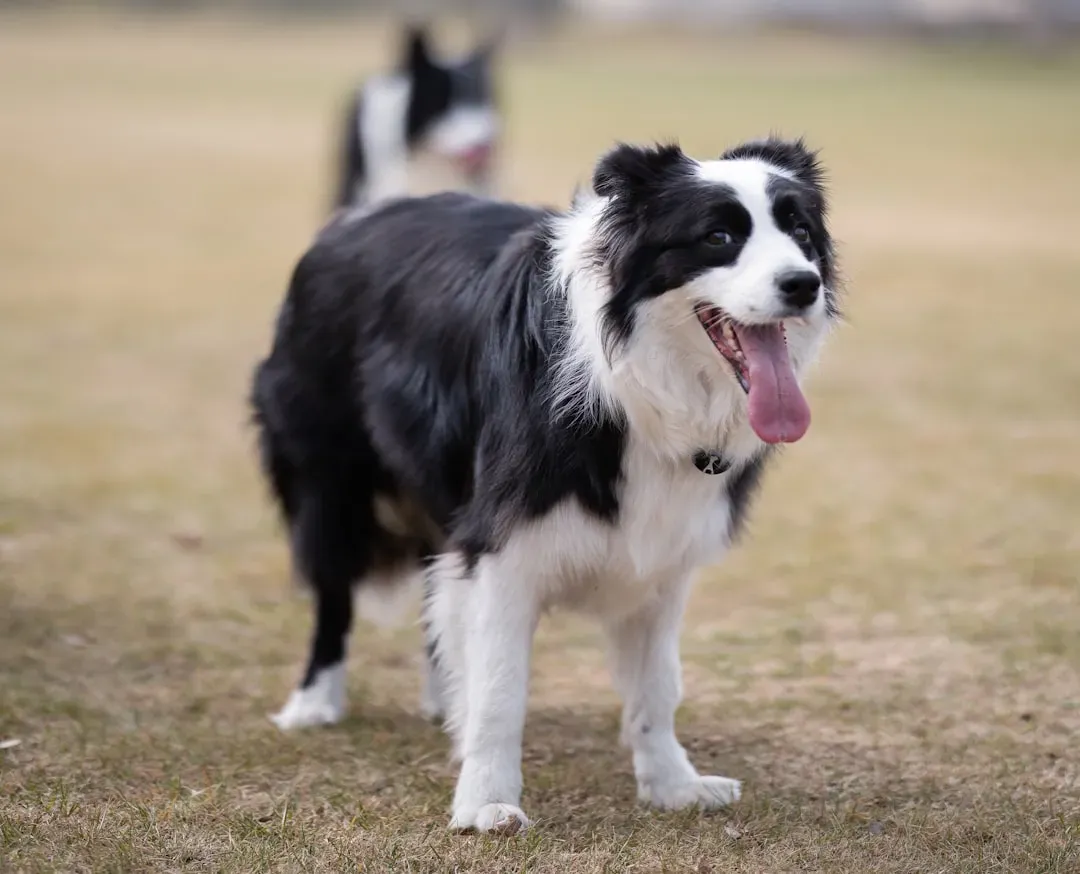
When the hair along a dog’s back stands up, known as piloerection or raised hackles, it’s a sign of arousal. This doesn’t always mean aggression; it can also indicate excitement, fear, or uncertainty. Context is key in interpreting this signal.
For example, a dog with raised hackles during play might be overly excited, while the same behavior during a tense encounter could signal fear or aggression. Observing the entire situation will help you understand your dog’s feelings.
Turning Away or Avoiding Eye Contact
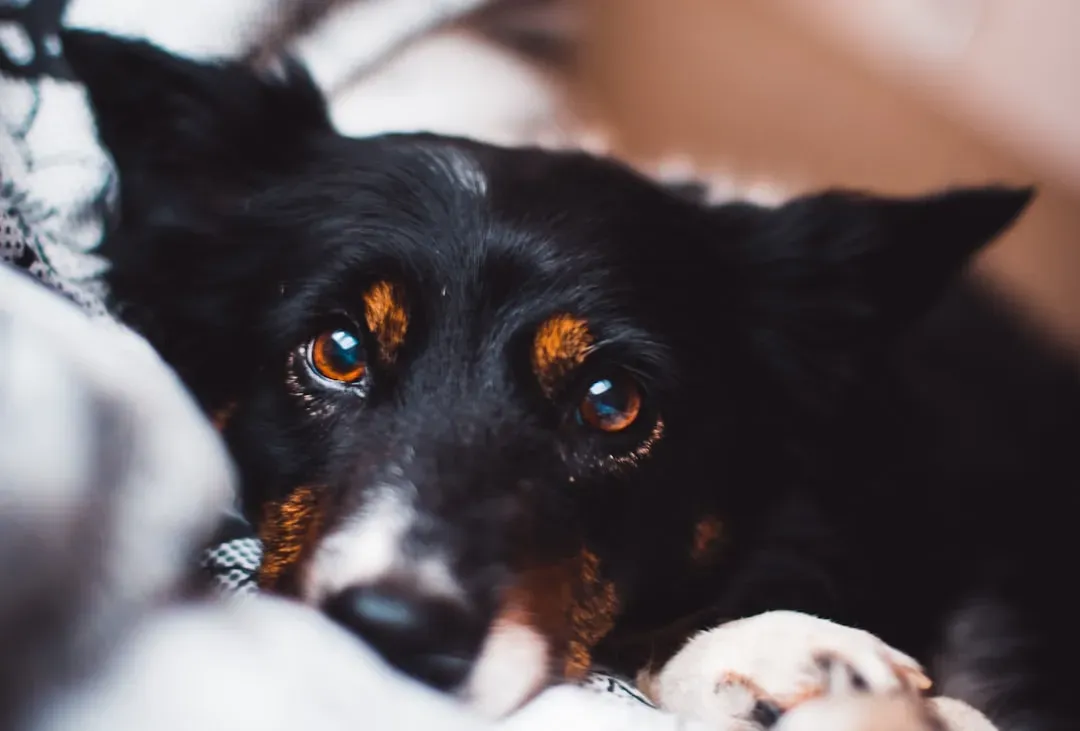
If your dog turns their head away or avoids eye contact, they’re likely trying to communicate discomfort or a desire to avoid conflict. This behavior is often overlooked but is a clear sign that your dog is feeling uneasy.
Respecting this signal by giving your dog space can prevent stress and build trust. Forcing interaction when your dog is trying to disengage can lead to increased anxiety or defensive behaviors.
Panting Without Physical Exertion
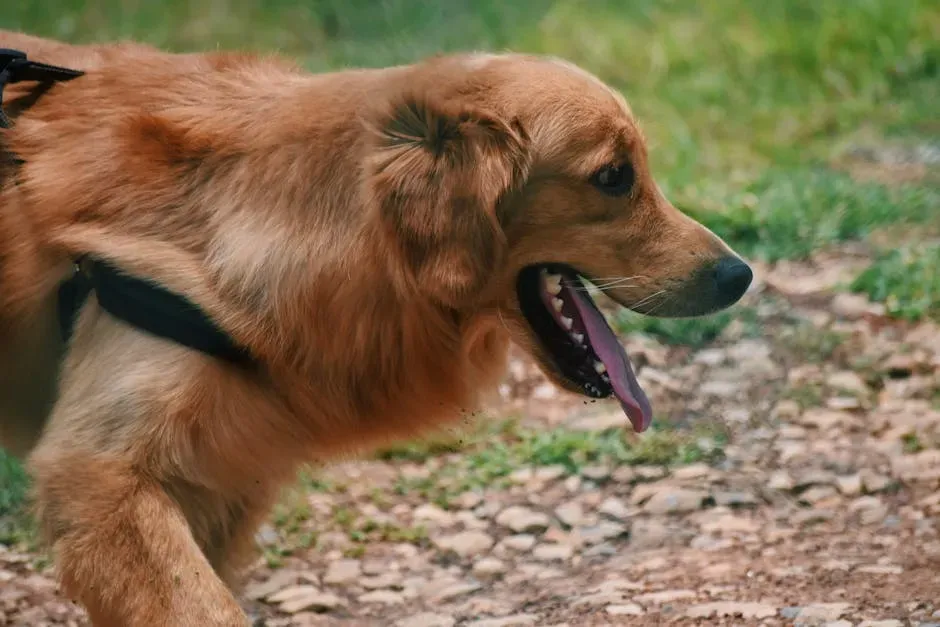
Panting is normal after exercise, but if your dog is panting heavily without physical activity, it could be a sign of stress or anxiety. This type of panting is often accompanied by other stress signals like yawning or lip licking.
Monitoring when and where this occurs can help identify stressors in your dog’s environment. Addressing these can improve your dog’s overall well-being and prevent stress-related behaviors.
Shaking Off When Not Wet
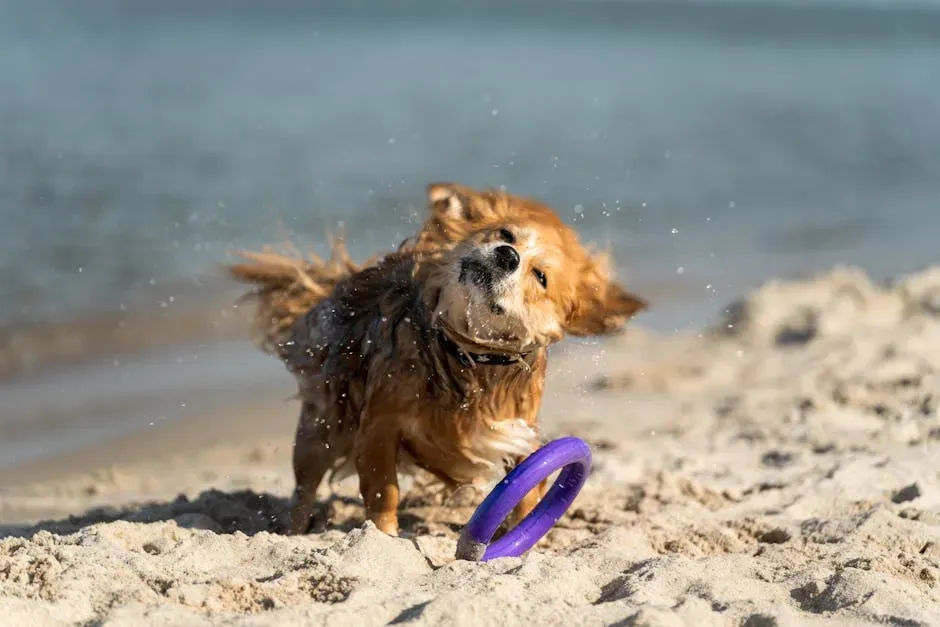
You’ve probably seen your dog shake their body as if they’re wet, even when they’re dry. This “shake off” is a way for dogs to release tension after a stressful or exciting event. It’s a reset button of sorts.
Recognizing this behavior can help you understand what situations your dog finds stressful. If you notice frequent shake-offs, consider modifying those situations to make your dog more comfortable.
Understanding your dog’s body language is like learning a new language. It requires observation, patience, and a willingness to see the world from their perspective. By paying attention to these signals, you can strengthen your bond and ensure your dog’s emotional well-being. So, next time your pup gives you a “look,” will you know what they’re really saying?


