Dogs are renowned for their unwavering loyalty and deep emotional connections with their human companions. However, some breeds form such intense bonds that separation can lead to profound distress, manifesting in physical symptoms. Understanding these breeds is crucial for potential owners to ensure they can meet their emotional needs.
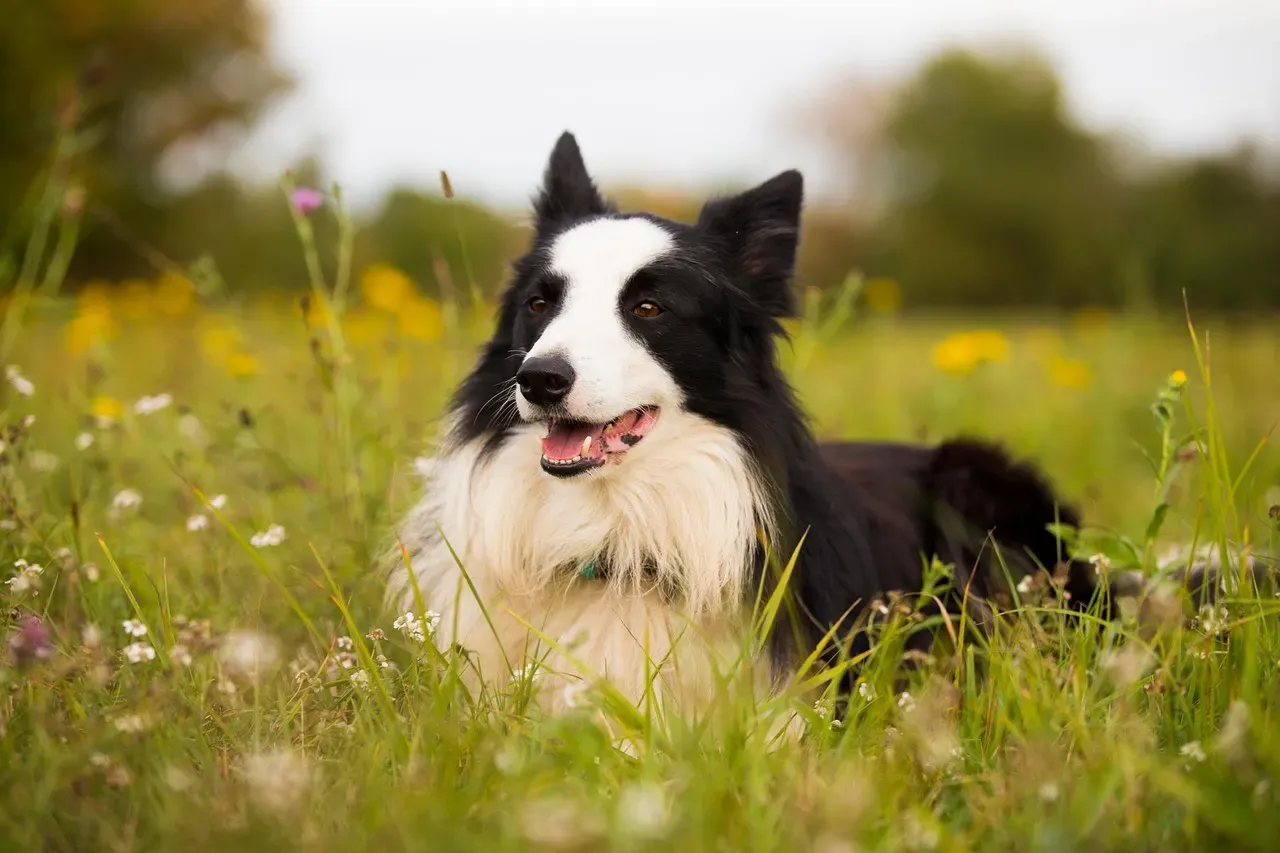
Border Collie
Border Collie (Image Credits: Pixabay)Border Collies are celebrated for their intelligence and boundless energy. Originally bred for herding, they thrive on close interaction with their handlers. This deep-seated need for companionship means that prolonged separation can lead to anxiety, resulting in behaviors like pacing, excessive barking, or destructive tendencies.Their acute sensitivity to their environment makes them particularly susceptible to stress when left alone. Physical manifestations can include loss of appetite and restlessness. Ensuring they have ample mental stimulation and regular exercise can help mitigate these symptoms.
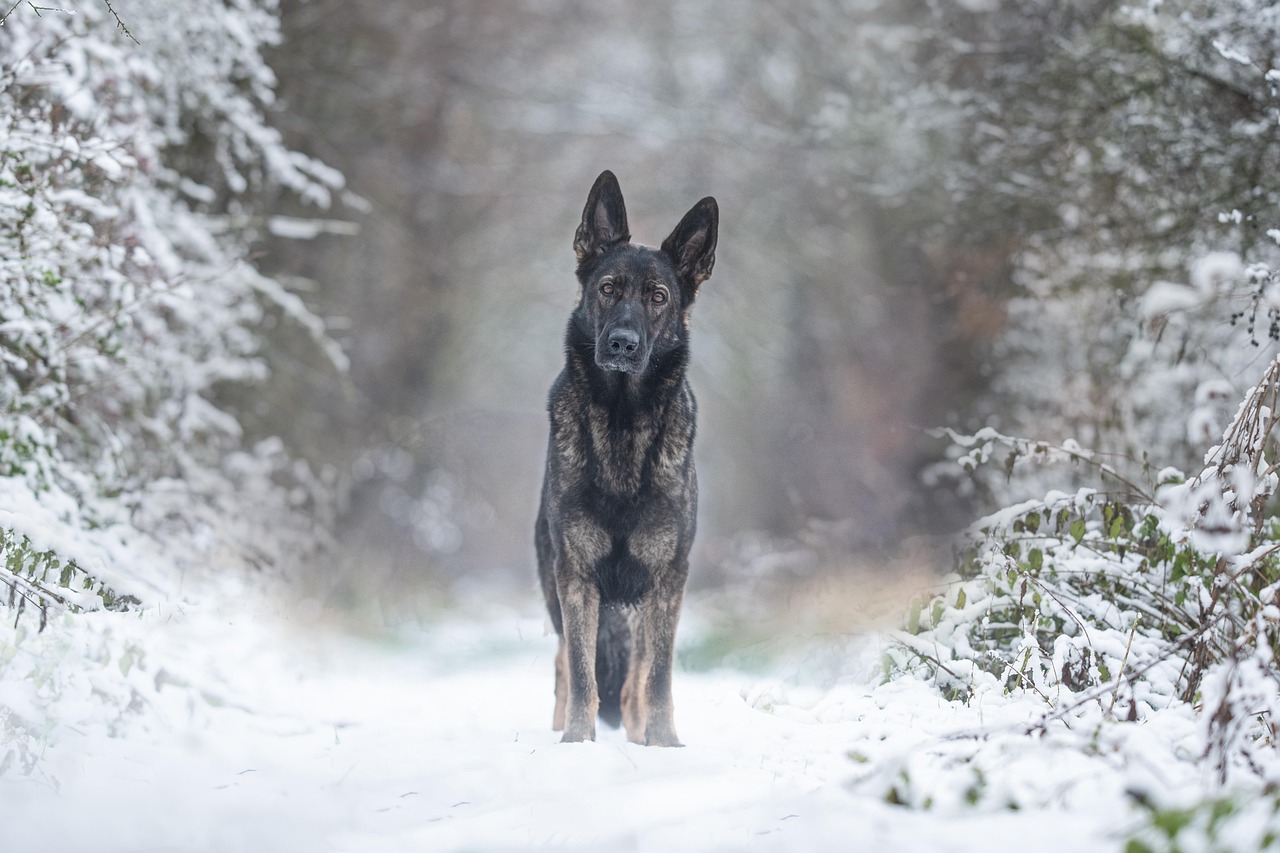
German Shepherd
German Shepherd (Image Credits: Pixabay)German Shepherds are known for their loyalty and protective nature. They form strong attachments to their families, often shadowing their owners throughout the day. When separated, they can experience significant anxiety, leading to behaviors such as chewing, digging, or attempting to escape.This breed’s high intelligence and sensitivity mean they pick up on subtle changes in their environment, making them more prone to stress-related behaviors. Physical signs of their distress can include trembling, excessive drooling, and even self-inflicted injuries from attempts to reunite with their owners.
Vizsla
Vizsla (Image Credits: Pexels)Often referred to as “Velcro dogs,” Vizslas are renowned for their desire to be close to their human companions. This Hungarian breed was developed for hunting alongside humans, fostering an intense bond. When left alone, they can become highly anxious, leading to destructive behaviors and vocalizations.Their need for constant companionship means that even short periods of separation can result in physical symptoms like panting, pacing, and in severe cases, self-harm. Providing them with consistent routines and companionship can help alleviate these issues.
Chihuahua
Chihuahua (Image Credits: Unsplash)Despite their small size, Chihuahuas possess a large capacity for attachment. They often form a strong bond with a single person, becoming deeply attached. When separated from their chosen individual, they can exhibit signs of distress such as excessive barking, trembling, and in some cases, refusal to eat.Their diminutive stature doesn’t diminish the intensity of their emotions. Physical manifestations of their anxiety can include gastrointestinal issues and restlessness. Ensuring they have gradual exposure to alone time and positive reinforcement can help manage their separation anxiety.
Australian Shepherd
Australian Shepherd (Image Credits: Pexels)Australian Shepherds are energetic and intelligent dogs that thrive on human interaction. Bred for herding, they have a strong work ethic and a desire to be involved in family activities. When left alone, they can become anxious, leading to behaviors like chewing, digging, and excessive barking.Their sensitivity to their environment means they can quickly become stressed when routines change or when left without mental stimulation. Physical symptoms of their anxiety can include restlessness, panting, and in severe cases, self-inflicted injuries. Providing them with regular exercise and mental challenges can help reduce these behaviors.
Jack Russell Terrier
Jack Russell Terrier (Image Credits: Pexels)Jack Russell Terriers are known for their high energy levels and intelligence. They form strong bonds with their families and can become anxious when left alone. This anxiety often manifests in destructive behaviors such as chewing and digging.Their need for constant stimulation means that without adequate exercise and mental engagement, they can develop separation anxiety. Physical signs of their distress can include restlessness, excessive barking, and attempts to escape. Ensuring they have a structured routine and plenty of activities can help manage their anxiety.
Bichon Frise
Bichon Frise (Image Credits: Pixabay)Bichon Frises are affectionate and social dogs that thrive on human companionship. They are known for their cheerful disposition and love of attention. When left alone, they can experience separation anxiety, leading to behaviors like barking, chewing, and house soiling.Their strong attachment to their owners means that even short periods of separation can cause distress. Physical symptoms of their anxiety can include restlessness, loss of appetite, and in some cases, self-inflicted injuries. Providing them with consistent routines and gradual exposure to alone time can help alleviate these issues.Understanding the emotional needs of these breeds is essential for potential owners. Their intense bonds mean they require dedicated time, attention, and training to ensure their well-being. If you’re considering bringing one of these breeds into your home, be prepared to invest in their emotional health as much as their physical care. After all, isn’t the depth of their love what draws us to them in the first place?