
Canine Psychology Says Dingoes Form Family Bonds That Last Long After Their Pups Mature
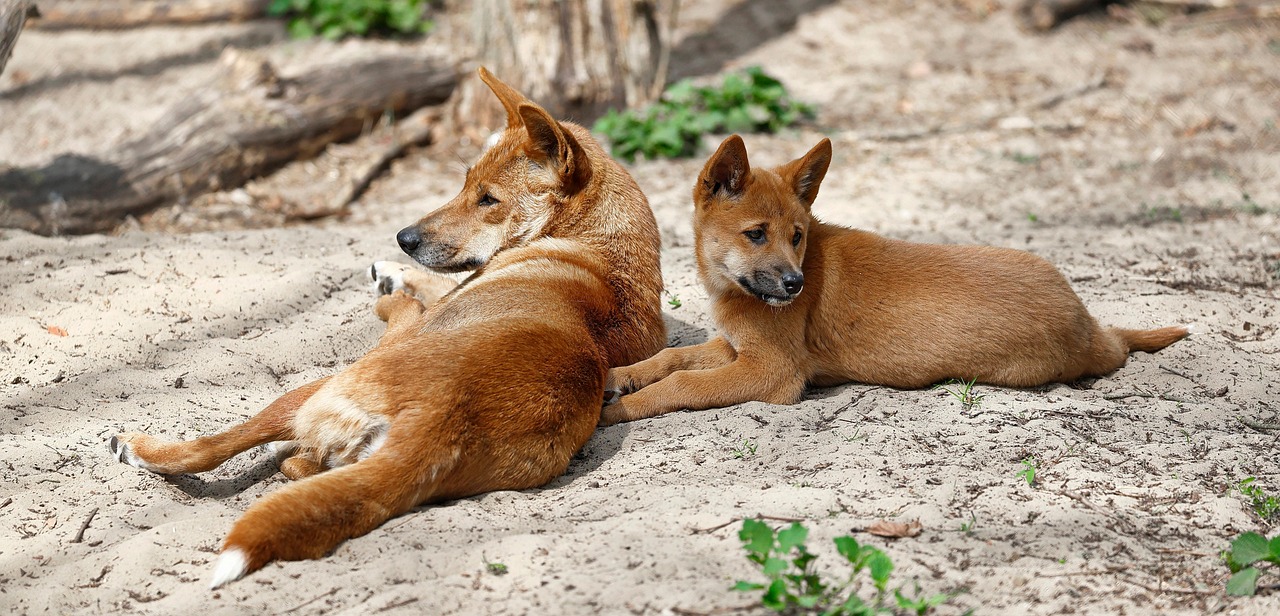
Dingoes, Australia’s iconic wild canines, exhibit a fascinating social structure that challenges common perceptions of animal family dynamics. Unlike many species where offspring disperse upon reaching maturity, dingoes maintain enduring family bonds that persist well beyond the juvenile stage. This unique behavior offers profound insights into canine psychology and the evolutionary advantages of prolonged familial connections.
The Alpha Pair: Lifelong Partners
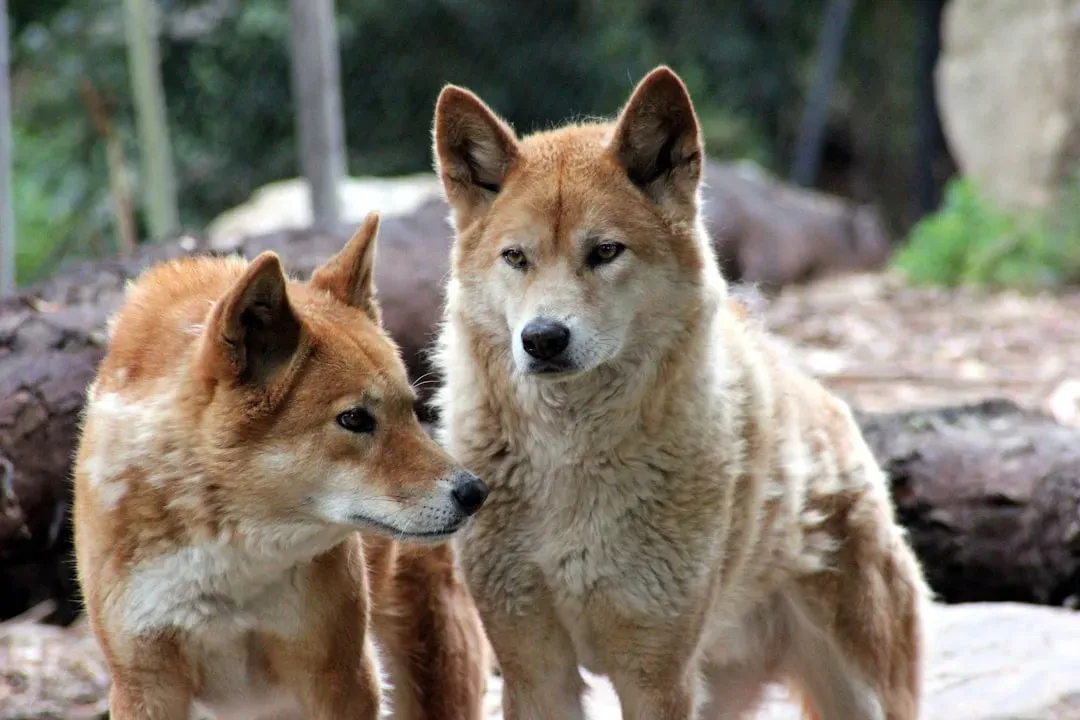
At the heart of a dingo pack is the alpha pair – a dominant male and female who typically mate for life. This enduring partnership forms the foundation of the pack’s social structure, ensuring stability and cohesion. The alpha pair’s bond is not merely reproductive; it encompasses cooperative hunting, territory defense, and the joint rearing of offspring.
This lifelong monogamy is relatively rare among canines and underscores the importance of strong pair bonds in dingo society. By maintaining a stable partnership, the alpha pair can effectively lead the pack, coordinate group activities, and pass on their genes to successive generations.
Extended Family Units: Beyond Immediate Offspring
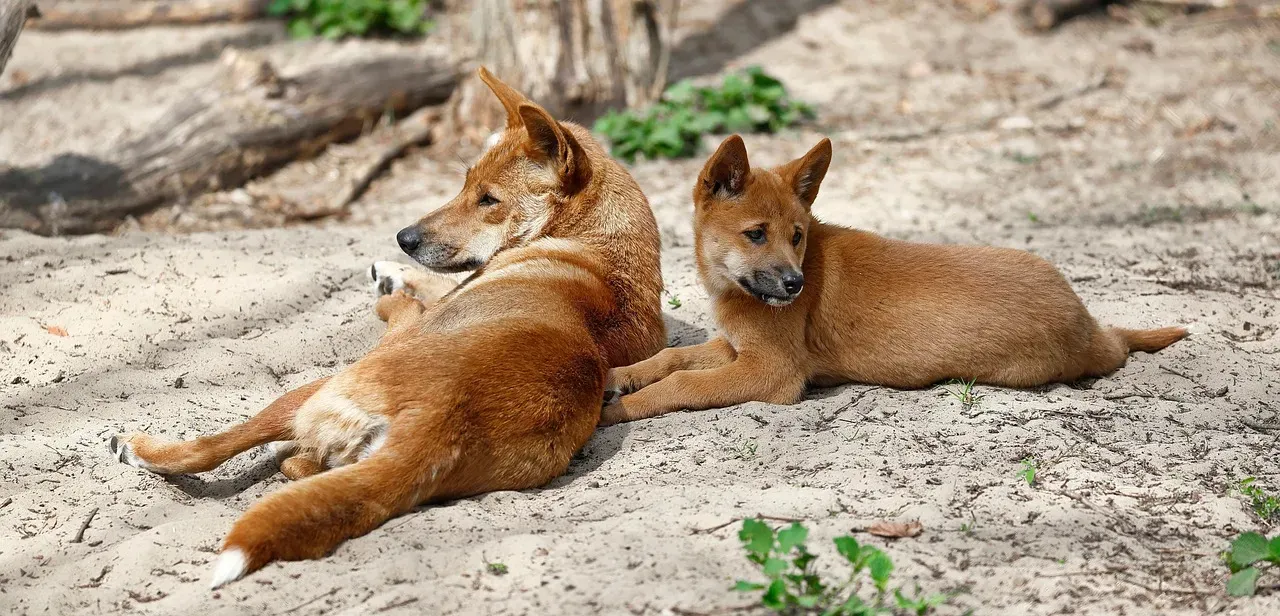
Dingo packs often consist of the alpha pair, their current year’s pups, and offspring from previous years. This multi-generational structure fosters a rich social environment where older siblings assist in raising younger ones, a behavior known as alloparenting. Such cooperation enhances the survival rates of the pups and strengthens the pack’s unity.
The presence of mature offspring within the pack also provides additional support in hunting and territorial defense. This extended family model ensures that knowledge and skills are passed down through generations, contributing to the pack’s overall success and adaptability.
Delayed Dispersal: The Choice to Stay
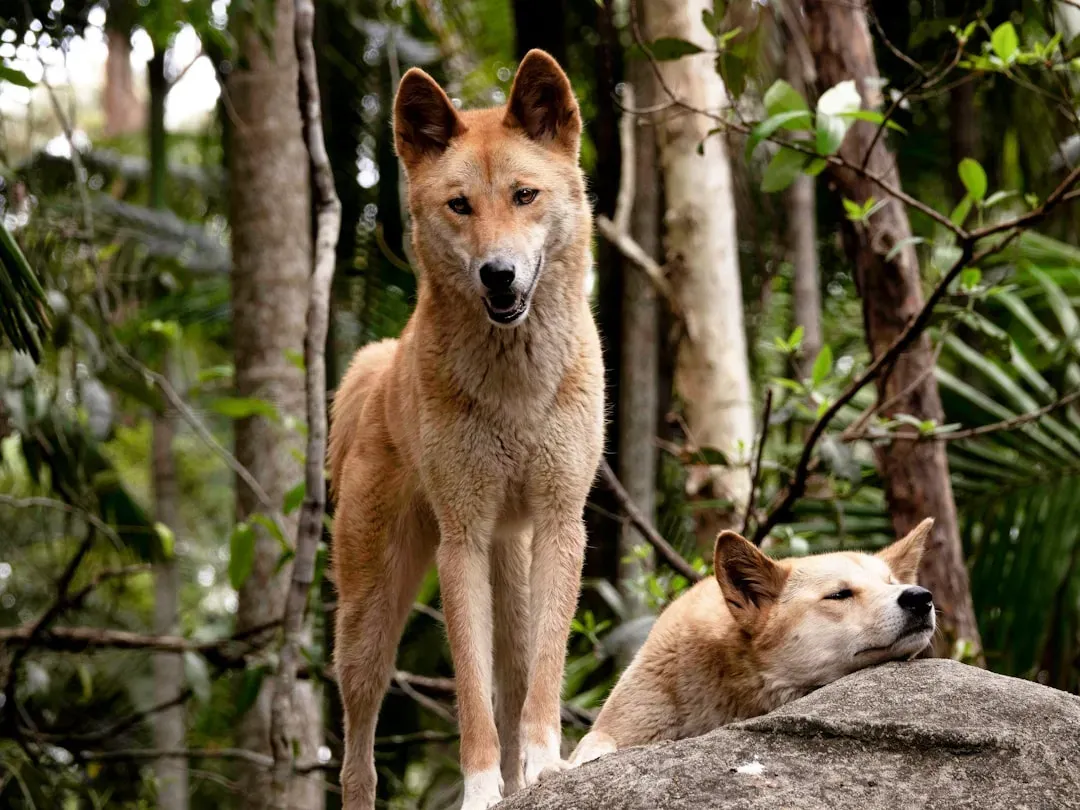
While many animal species encourage their young to disperse upon reaching maturity, dingoes exhibit a more flexible approach. Offspring may choose to remain with the natal pack for several years, contributing to group activities and benefiting from the safety and resources the pack provides.
This delayed dispersal allows young dingoes to gain valuable experience and skills under the guidance of seasoned pack members. It also ensures that the pack maintains a robust and capable membership, ready to face environmental challenges collectively.
Cooperative Hunting: Strength in Numbers
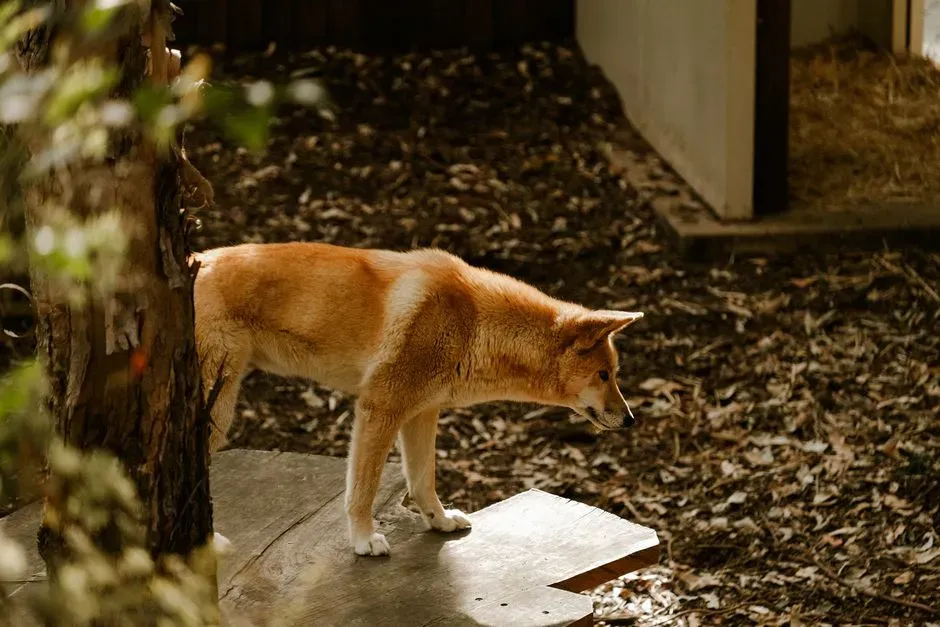
The enduring family bonds among dingoes facilitate cooperative hunting strategies. By working together, pack members can tackle larger prey and more effectively exploit available resources. This collaboration not only increases hunting success but also reinforces social ties within the group.
Cooperative hunting requires communication, coordination, and trust – qualities that are nurtured through prolonged familial associations. The shared experiences of hunting further solidify the bonds between pack members, creating a cohesive and efficient unit.
Territorial Defense: United We Stand
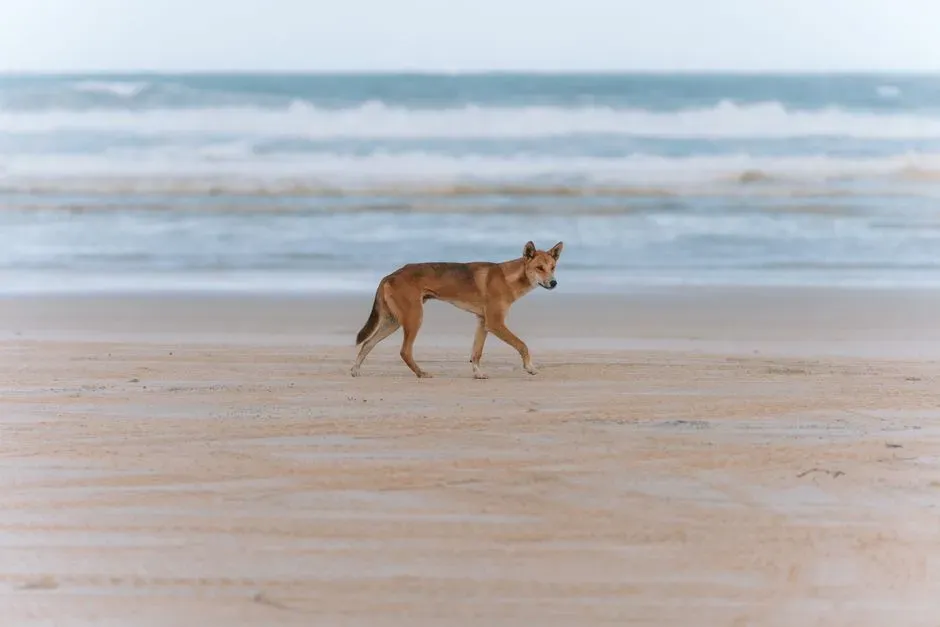
Maintaining and defending a territory is crucial for a dingo pack’s survival. The presence of mature offspring within the pack bolsters its ability to protect its domain from intruders. A larger, well-coordinated group can more effectively patrol boundaries, deter rival packs, and secure vital resources.
This collective defense strategy underscores the evolutionary advantage of prolonged family bonds. By keeping offspring within the pack, dingoes enhance their territorial integrity and ensure a stable environment for raising future generations.
Social Learning: Passing Down Traditions
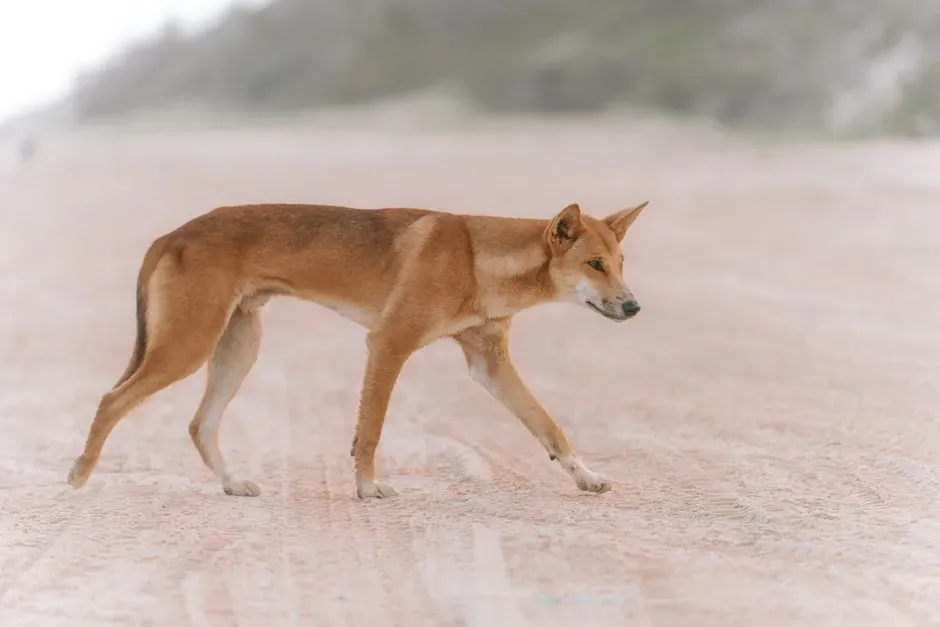
The extended family structure of dingo packs provides a rich environment for social learning. Younger members observe and imitate the behaviors of their elders, acquiring essential survival skills such as hunting techniques, navigation, and social etiquette.
This transmission of knowledge ensures that cultural practices and adaptations are preserved within the pack. It also allows for the incorporation of new strategies as experienced members encounter and adapt to changing environments.
Emotional Bonds: More Than Instinct
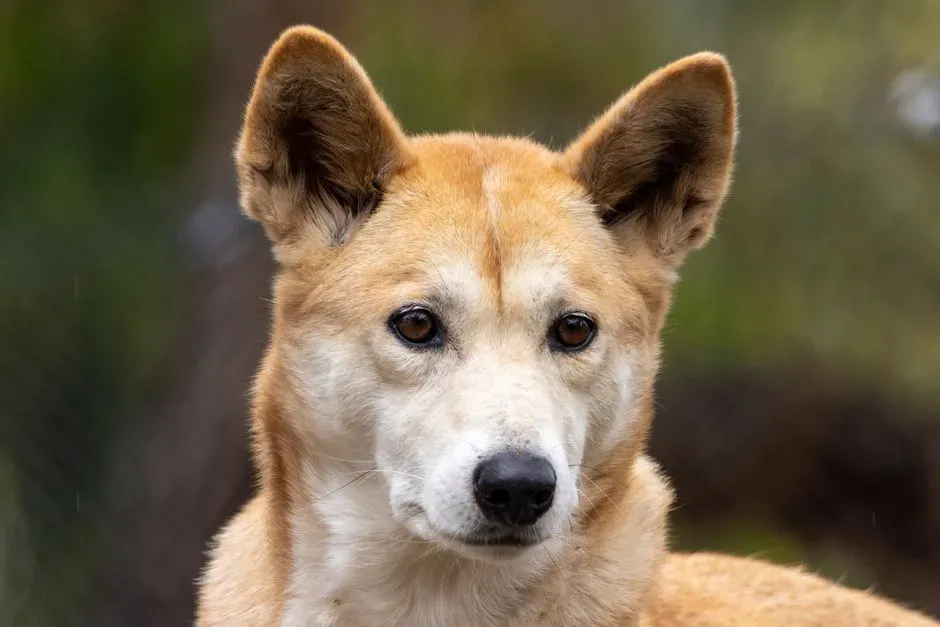
The enduring family ties among dingoes suggest a depth of emotional connection that transcends mere instinctual behavior. Observations indicate that pack members exhibit affection, playfulness, and even grief, highlighting the complex emotional lives of these animals.
These emotional bonds contribute to the pack’s resilience and cohesion. They foster a supportive social environment where individuals are motivated to care for one another, enhancing the overall well-being and success of the group.
In conclusion, the enduring family bonds observed in dingo packs offer a compelling glimpse into the complexities of canine social structures. These lasting connections provide numerous advantages, from cooperative hunting and territorial defense to social learning and emotional support. Understanding these dynamics not only enriches our knowledge of dingoes but also challenges us to reconsider the depth of social and emotional lives in the animal kingdom. Isn’t it remarkable how these wild canines mirror aspects of our own familial relationships?