
15 Things Veterinarians Wish Dog Owners Would Stop Doing to Their Pets Without Realizing the Damage
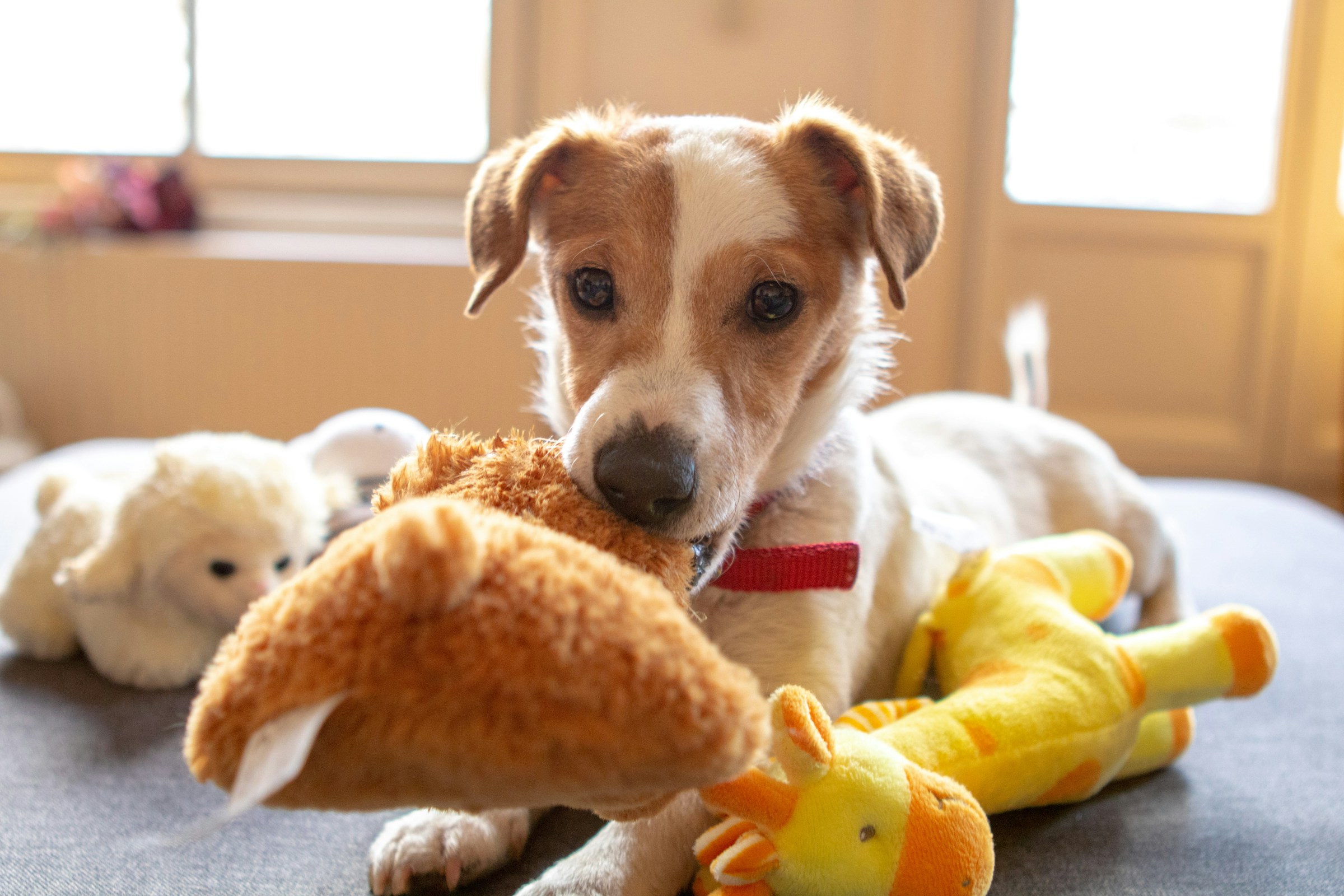
As devoted dog owners, we strive to provide the best care for our furry companions. However, even with the best intentions, certain common practices can inadvertently harm our pets. Veterinarians frequently observe these missteps and wish to shed light on them to promote healthier, happier lives for dogs.
1. Feeding Table Scraps
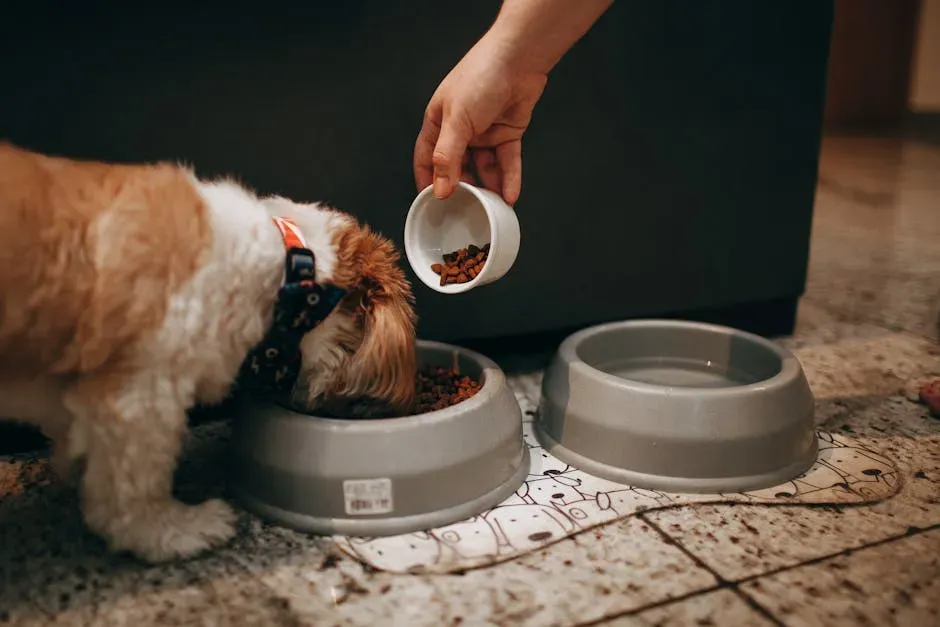
Sharing your meal with your dog might seem like an act of love, but it can lead to serious health issues. Human foods often contain ingredients that are toxic to dogs, such as onions, garlic, and certain artificial sweeteners. Additionally, feeding table scraps can contribute to obesity and digestive problems.
To keep your dog safe, stick to a balanced diet formulated specifically for canines. If you want to treat your pet, opt for dog-friendly snacks and always consult your veterinarian before introducing new foods.
2. Skipping Regular Veterinary Check-Ups
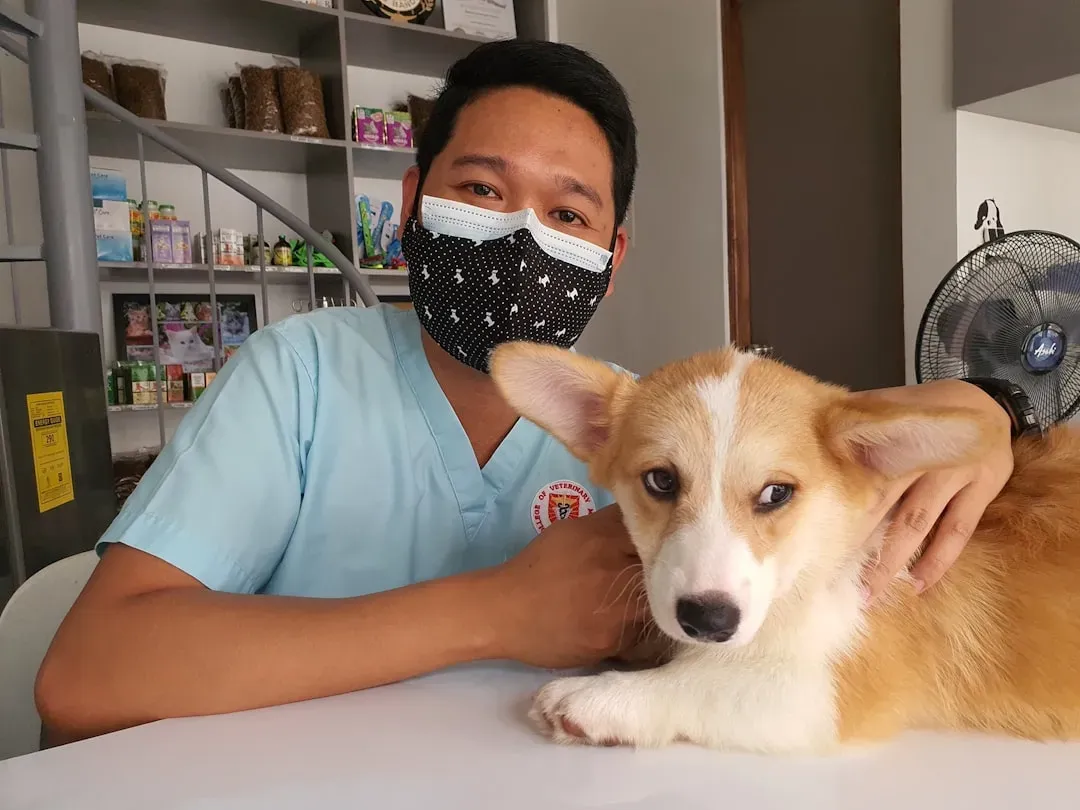
Many dog owners assume that if their pet appears healthy, there’s no need for a vet visit. However, regular check-ups are crucial for early detection of potential health issues that may not yet be visible.
Annual or bi-annual veterinary visits allow for routine screenings, vaccinations, and discussions about your dog’s overall well-being. Preventative care is key to ensuring a long, healthy life for your pet.
3. Neglecting Dental Health
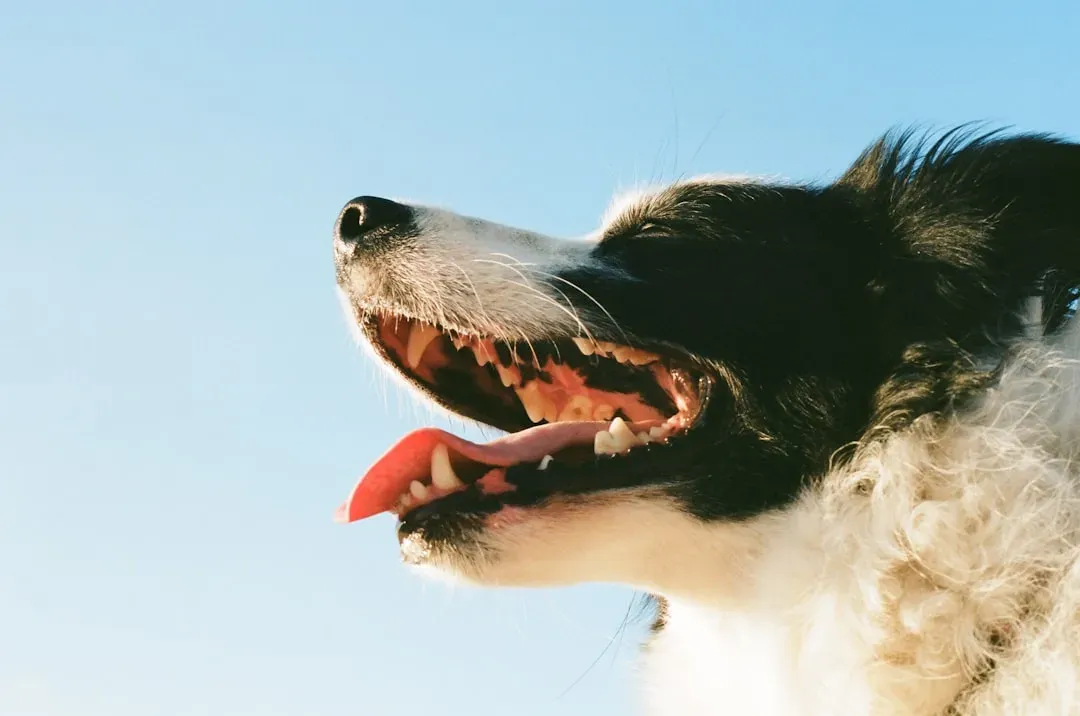
Dental care is often overlooked, yet it’s vital for your dog’s overall health. Poor oral hygiene can lead to periodontal disease, which can cause pain, tooth loss, and even affect internal organs.
Incorporate regular teeth brushing into your dog’s routine and provide dental chews approved by veterinarians. Professional cleanings may also be necessary to maintain optimal oral health.
4. Using Retractable Leashes
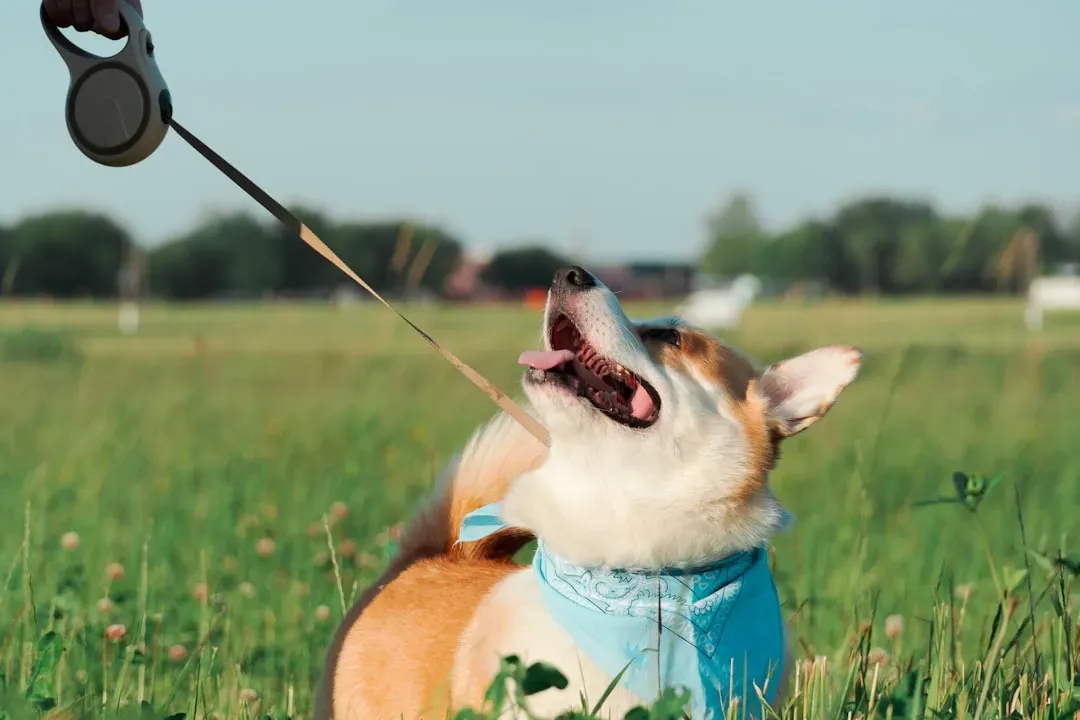
While retractable leashes offer dogs more freedom, they can be dangerous. They provide less control, increasing the risk of accidents, and the thin cord can cause injuries to both dogs and humans if it snaps or entangles.
Opt for standard, fixed-length leashes to maintain better control during walks. This ensures safety for your dog and those around you.
5. Overlooking Parasite Prevention
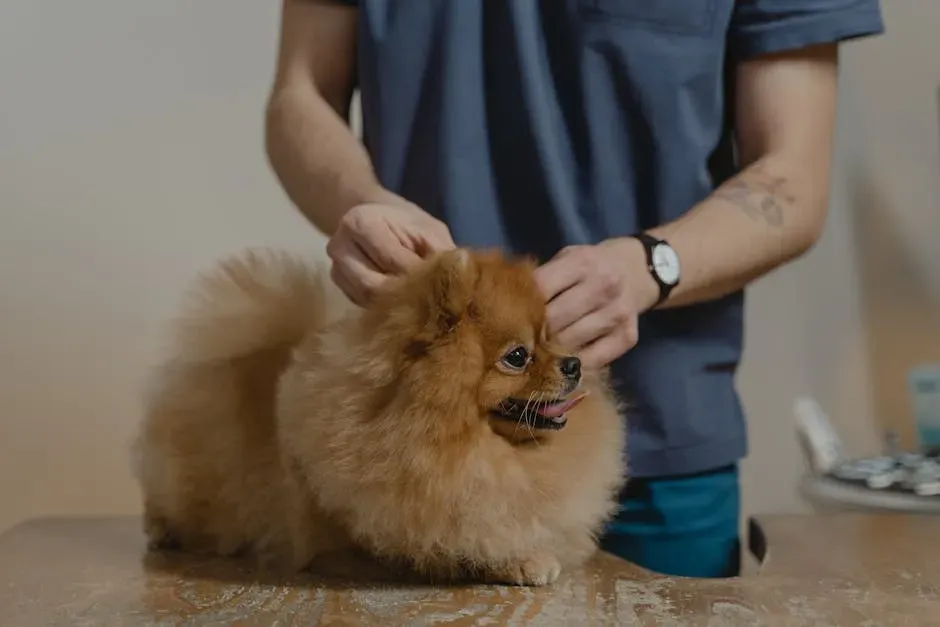
Skipping regular parasite prevention can expose your dog to fleas, ticks, and heartworms, leading to serious health complications. Some owners may not realize the year-round necessity of these preventatives.
Consult your veterinarian to establish a consistent parasite prevention plan tailored to your dog’s needs and the prevalent risks in your area.
6. Allowing Off-Leash Play in Unsecured Areas

Letting your dog roam off-leash in unfenced areas can lead to accidents, encounters with aggressive animals, or getting lost. Even well-trained dogs can be unpredictable in unfamiliar environments.
Always use a leash unless in a designated, secure off-leash area. This practice protects your dog and provides peace of mind.
7. Inconsistent Training and Discipline
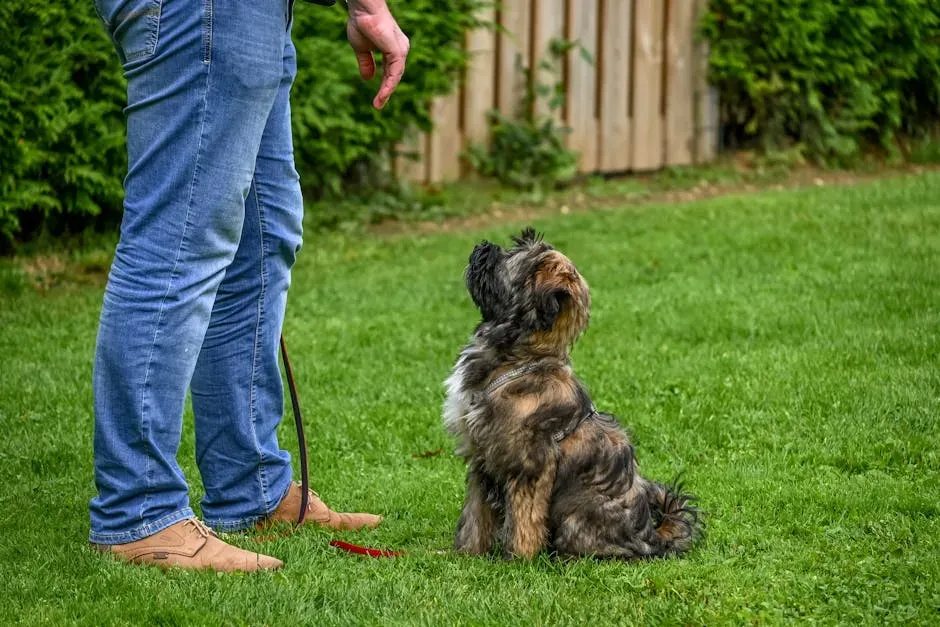
Inconsistency in training can confuse your dog and lead to behavioral issues. For example, allowing your dog on the couch sometimes but not others sends mixed signals.
Establish clear, consistent rules and reinforce them with positive reinforcement techniques. Consistency helps your dog understand expectations and fosters a well-behaved companion.
8. Ignoring Signs of Anxiety or Stress
Dogs communicate discomfort through subtle signs like excessive licking, yawning, or avoidance behaviors. Ignoring these can lead to chronic stress and associated health problems.
Pay attention to your dog’s body language and consult a veterinarian or professional trainer if you notice signs of anxiety. Addressing stressors promptly can improve your dog’s quality of life.
9. Leaving Dogs in Hot Cars
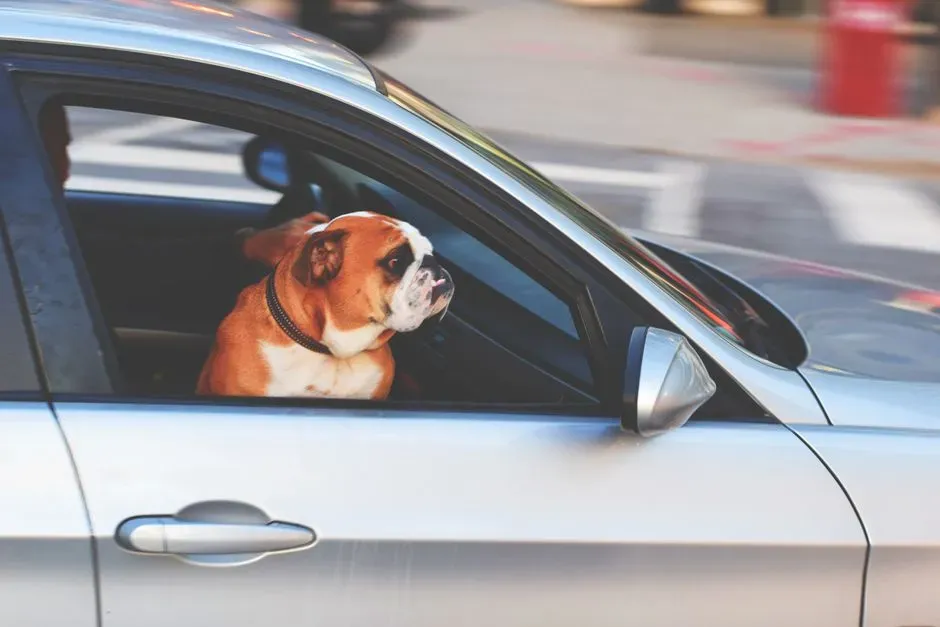
Even on mild days, the temperature inside a parked car can rise rapidly, leading to heatstroke or death. Some owners underestimate how quickly this can happen.
Never leave your dog unattended in a vehicle, regardless of the outside temperature. If you can’t bring your dog with you, it’s safer to leave them at home.
10. Using Human Medications Without Veterinary Guidance
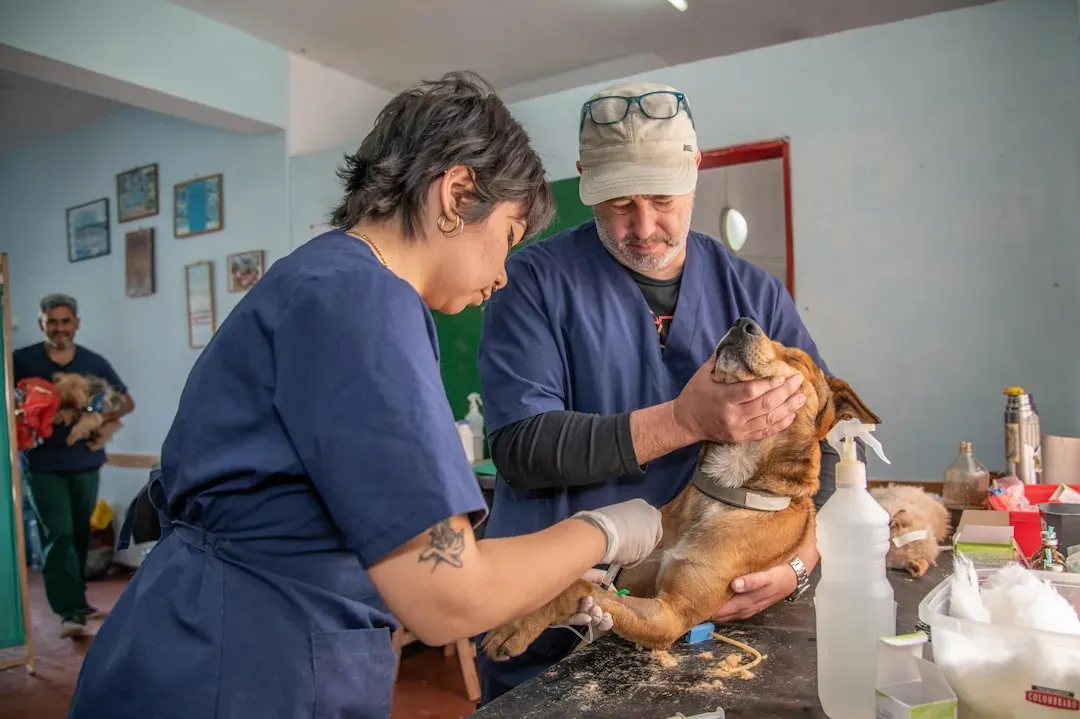
Administering human medications to dogs without veterinary approval can be dangerous. Many human drugs are toxic to dogs and can cause severe reactions.
Always consult your veterinarian before giving your dog any medication. They can provide safe alternatives and appropriate dosages.
11. Neglecting Proper Identification
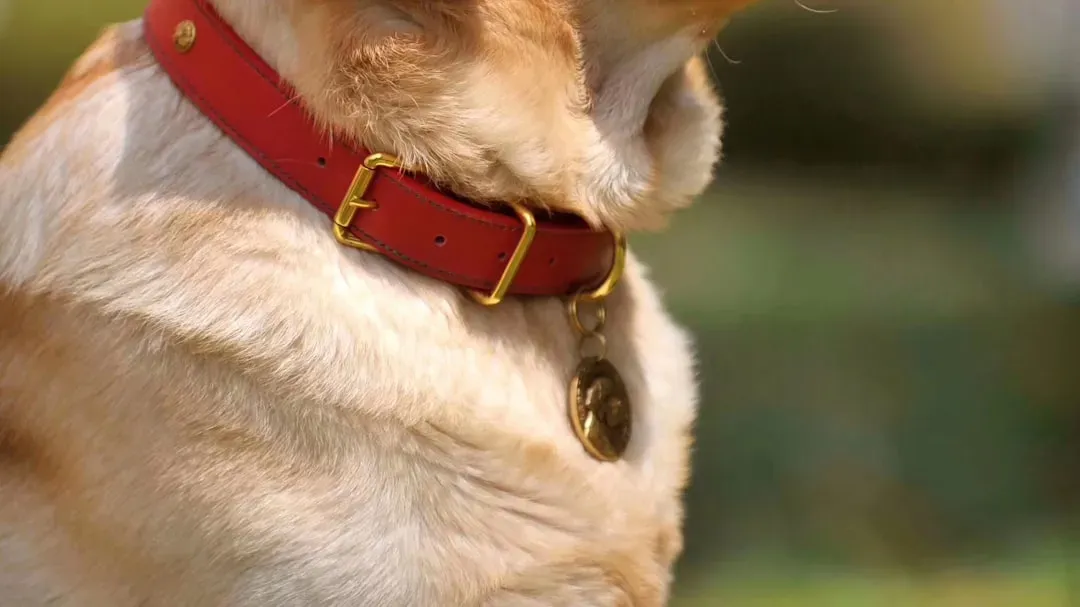
Failing to provide proper identification, such as a collar with tags and a microchip, increases the risk of losing your dog permanently if they escape or get lost.
Ensure your dog wears a collar with up-to-date contact information and consider microchipping as a reliable form of identification.
12. Overfeeding and Lack of Portion Control

Overfeeding, even with healthy food, can lead to obesity, which is associated with numerous health issues like diabetes and joint problems.
Measure your dog’s food portions according to their size, age, and activity level. Consult your veterinarian for guidance on appropriate feeding practices.
13. Skipping Socialization Opportunities

Lack of proper socialization can result in fearfulness or aggression towards other dogs and people. Some owners may not realize the importance of exposing their dogs to various environments and situations.
Introduce your dog to different people, animals, and settings gradually and positively. Early and ongoing socialization helps develop a well-adjusted and confident dog.
14. Using Inappropriate Chew Toys
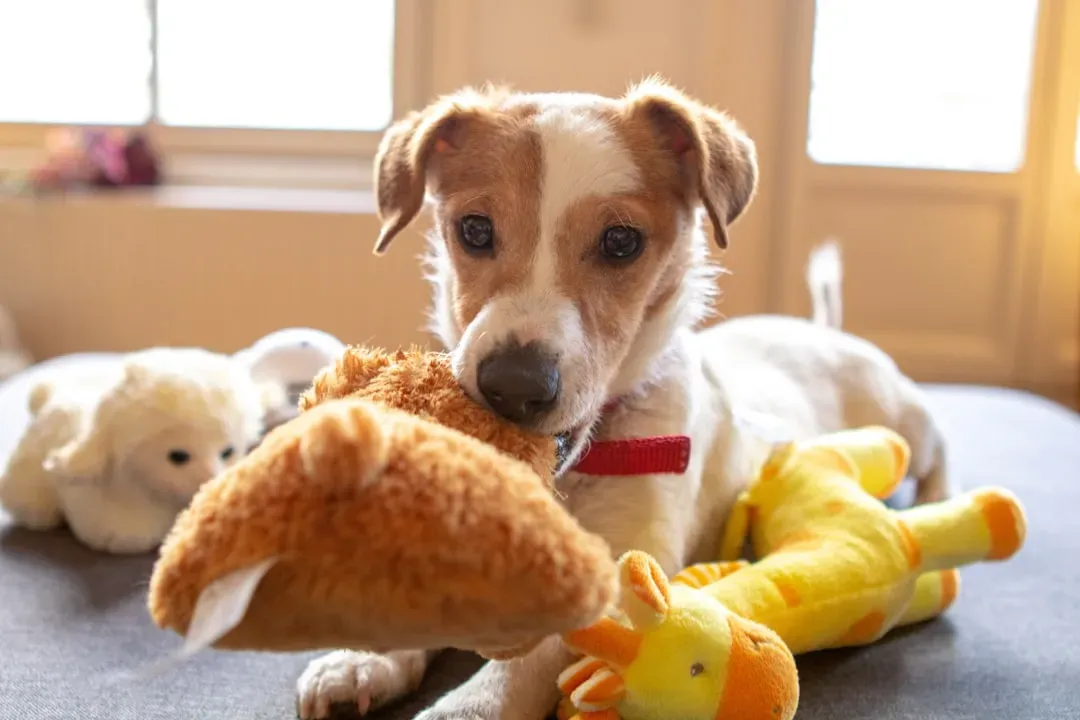
Providing hard objects like bones or antlers for chewing can lead to dental fractures or gastrointestinal obstructions. Some owners may not be aware of the risks associated with certain chew items.
Choose chew toys that are safe and appropriate for your dog’s size and chewing habits. Look for products specifically designed to promote dental health without risking injury.
15. Delaying Spaying or Neutering
Postponing or avoiding spaying or neutering can lead to unwanted litters and increase the risk of certain health issues, such as reproductive cancers.
Discuss the optimal timing for spaying or neutering with your veterinarian. This procedure offers health benefits and helps control the pet population.
In conclusion, while our intentions as dog owners are rooted in love and care, it’s essential to be aware of practices that may inadvertently harm our pets. By recognizing and correcting these common mistakes, we can ensure our dogs lead healthier, happier lives. After all, isn’t that what every pet parent strives for?