
10 Signs Your Dog Has Entered the Stage of Life Where Every Day Is a Gift – And Doesn’t Know It
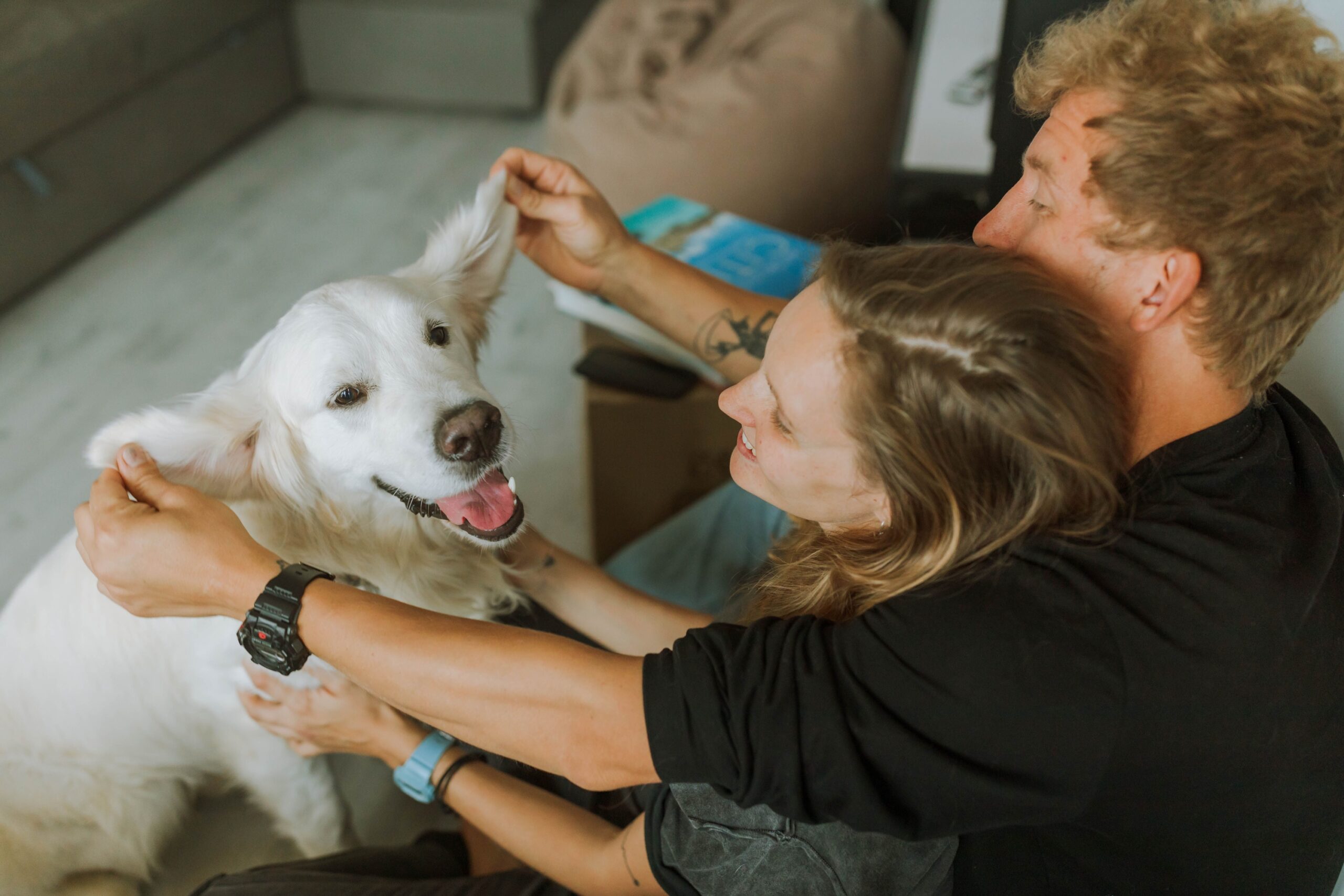
As our beloved canine companions age, they often exhibit subtle changes that can be easy to overlook. Recognizing these signs early can help us provide the care and comfort they need in their golden years. Here are ten indicators that your dog has entered a stage where every day is precious, even if they remain blissfully unaware.
1. Slower Movements and Stiffness
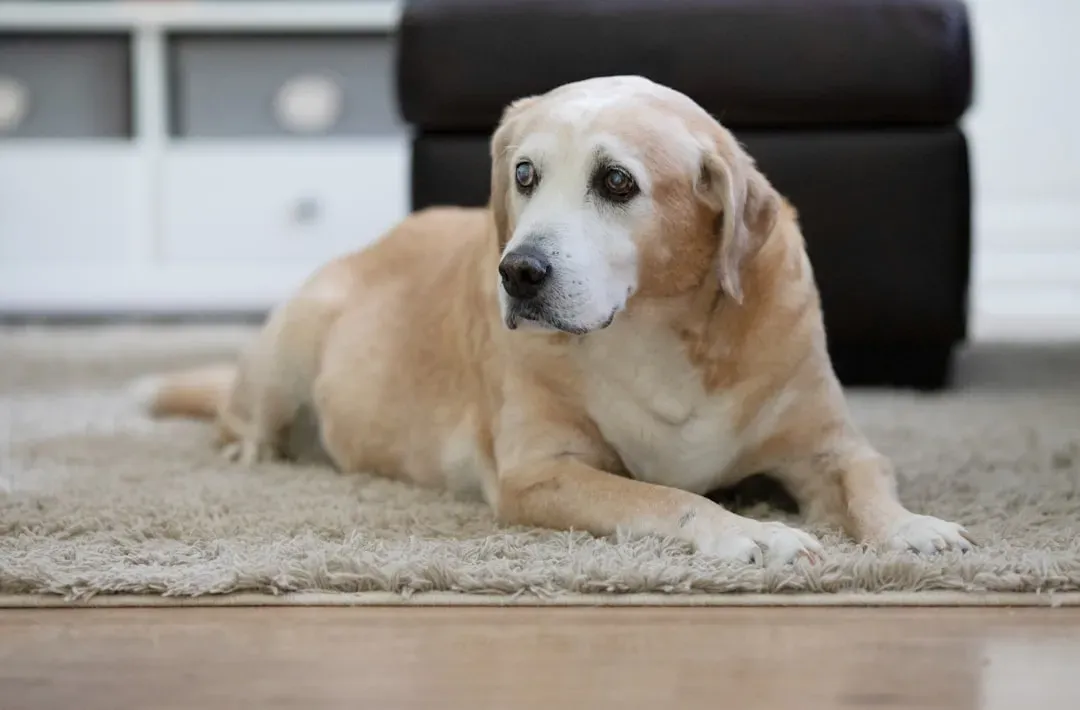
You might notice your dog taking longer to rise from their bed or hesitating before climbing stairs. This gradual slowdown is often due to joint discomfort or arthritis, common in aging dogs.
Regular, gentle exercise and orthopedic bedding can alleviate some of this discomfort. Consulting with your veterinarian about supplements or medications can also make a significant difference in their mobility.
2. Graying Fur Around the Muzzle
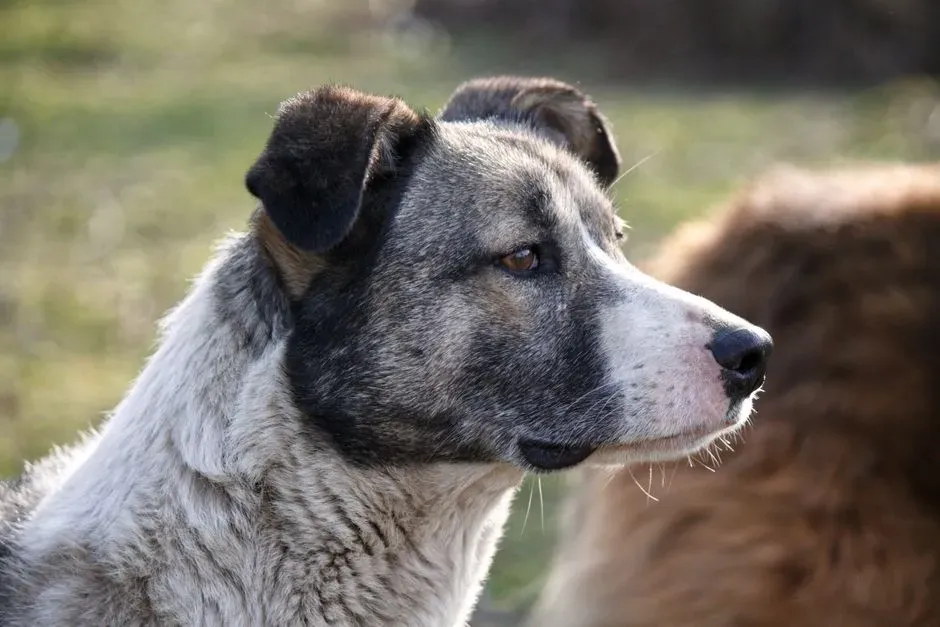
A telltale sign of aging in dogs is the appearance of gray or white hairs, especially around the muzzle and eyes. This natural change adds a distinguished look to your furry friend.
While this graying is typically harmless, it’s a visible reminder to monitor other age-related changes and ensure regular health check-ups.
3. Decreased Interest in Play
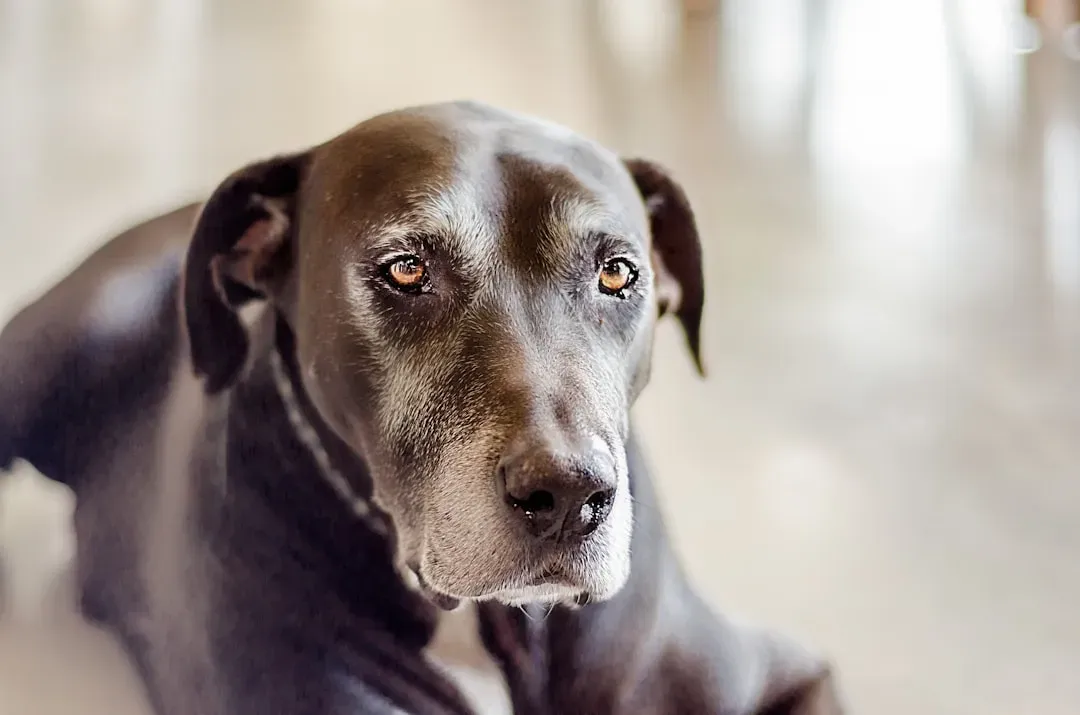
If your once playful pup now shows less enthusiasm for fetch or tug-of-war, it could be a sign of aging. Reduced energy levels or discomfort might make them less inclined to engage in vigorous activities.
Introducing low-impact games or shorter play sessions can keep them mentally stimulated without overexertion.
4. Changes in Sleep Patterns
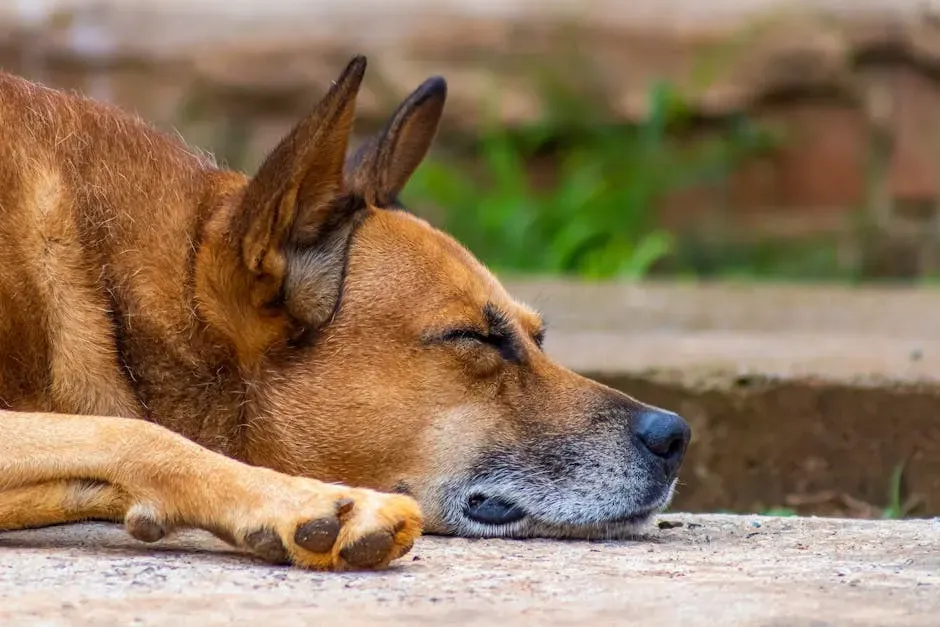
Older dogs often sleep more during the day and may become restless at night. This shift can be due to cognitive changes or discomfort.
Creating a comfortable sleeping environment and maintaining a consistent routine can help regulate their sleep. If disturbances persist, consult your vet for guidance.
5. Cloudy Eyes or Vision Impairment
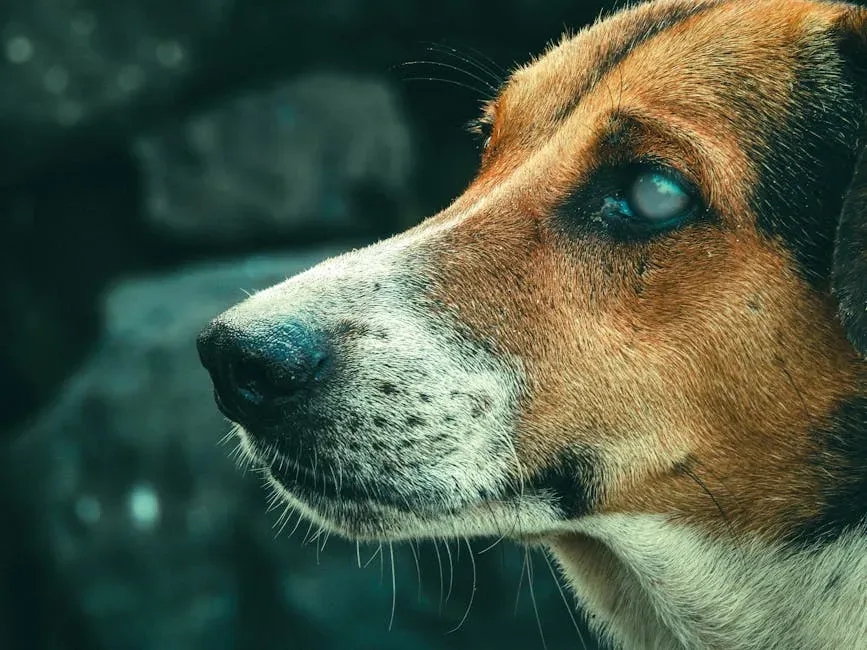
Aging can lead to cloudiness in a dog’s eyes, potentially affecting their vision. You might notice them bumping into furniture or being hesitant in unfamiliar environments.
Regular eye check-ups can detect issues like cataracts early. Simple home adjustments, like keeping pathways clear, can assist a visually impaired dog.
6. Hearing Loss
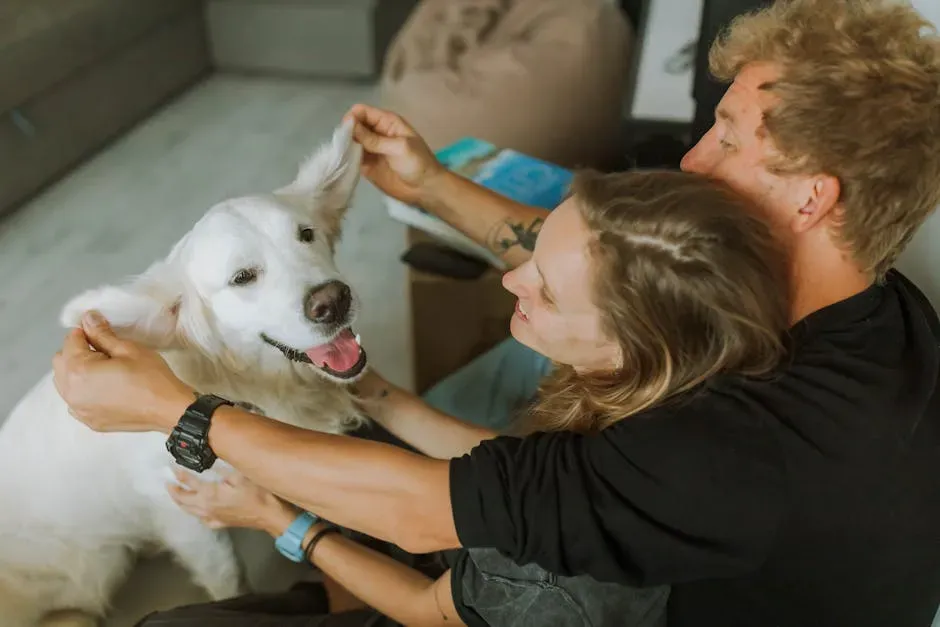
If your dog no longer responds to their name or is startled easily, they might be experiencing hearing loss. This change can be gradual and may go unnoticed initially.
Using visual cues or vibrations can help communicate with a hearing-impaired dog. Patience and understanding are key during this transition.
7. Weight Fluctuations
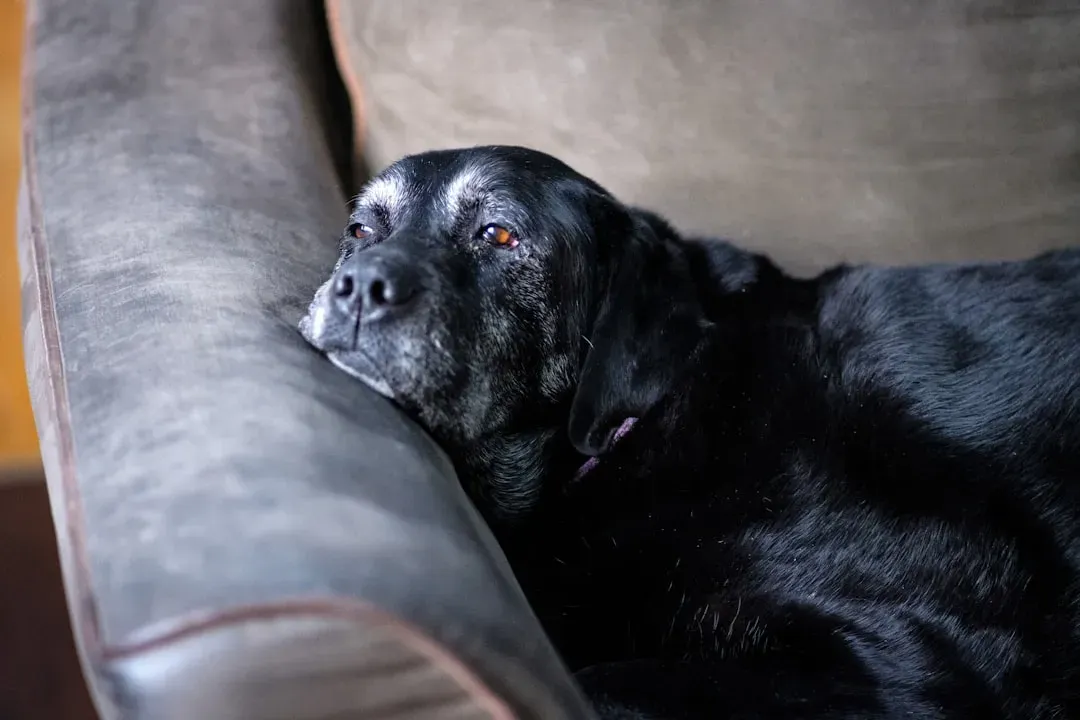
Unexplained weight gain or loss can be indicative of metabolic changes or underlying health issues in senior dogs.
Monitoring their diet and ensuring they receive appropriate nutrition is essential. Regular vet visits can help address any concerns promptly.
8. Increased Anxiety or Irritability
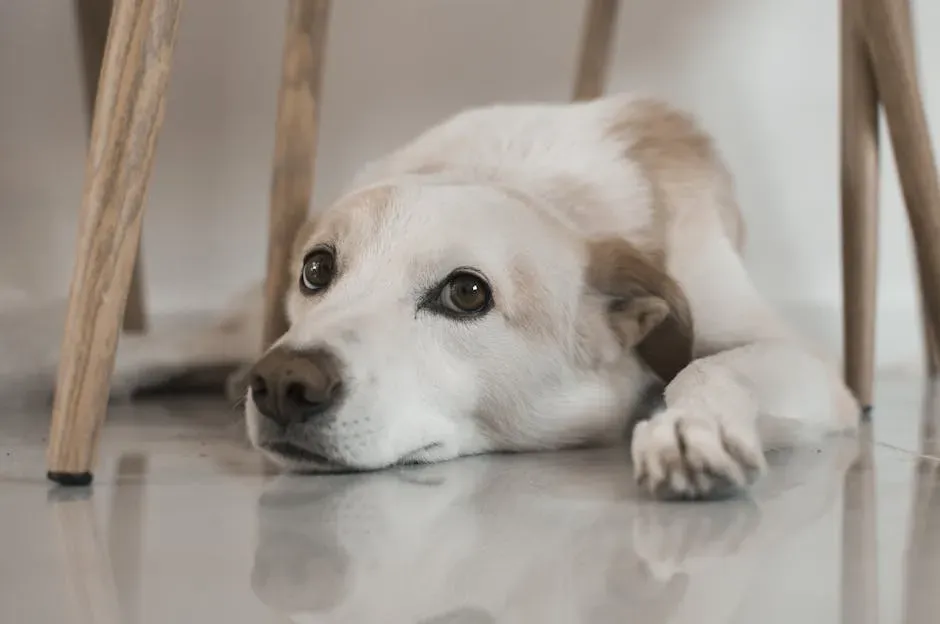
Behavioral changes, such as increased clinginess, anxiety, or irritability, can occur as dogs age. These shifts might be due to cognitive decline or sensory impairments.
Providing a calm environment and considering supplements or medications can help manage these behavioral changes.
9. Dental Issues and Bad Breath
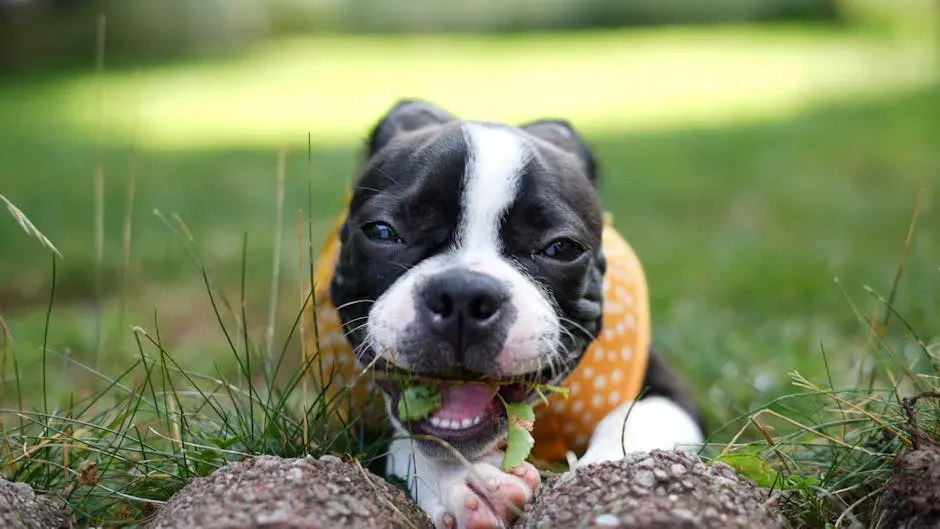
Foul breath or difficulty eating can signal dental problems, which are common in older dogs.
Regular dental check-ups and cleanings can prevent discomfort and more severe health issues. Incorporating dental chews or toys can also promote oral health.
10. Incontinence or House Soiling
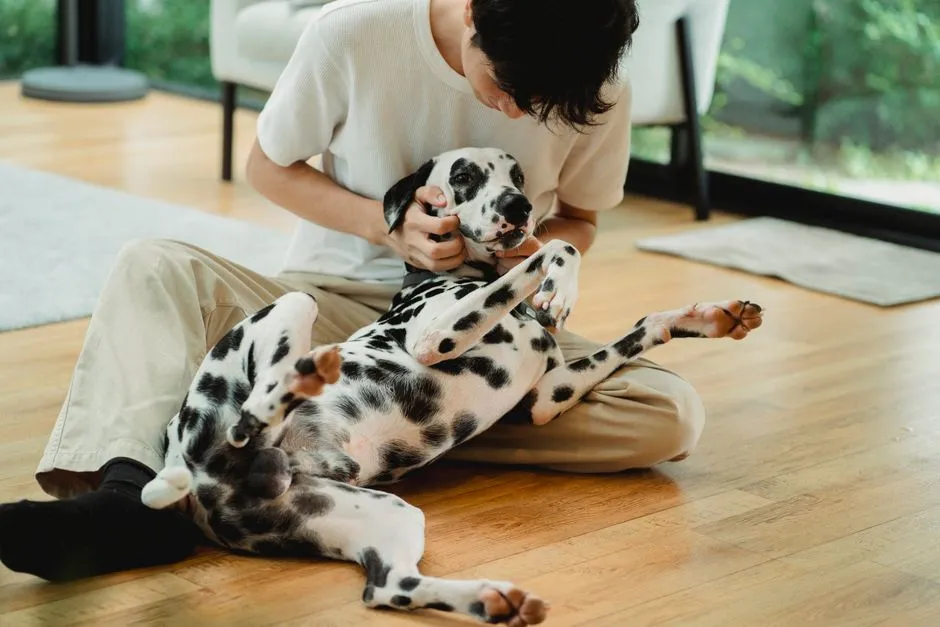
Accidents in the house or difficulty controlling bladder and bowel movements can be signs of aging.
Understanding and patience are crucial. Consulting with your veterinarian can help determine if there’s an underlying medical issue and discuss management strategies.
Recognizing these signs allows us to cherish each day with our aging companions and ensure their comfort and happiness. After all, while they may not realize they’re getting older, our love and care can make all the difference in their golden years.