
7 Things Your Dog Silently Judges You For Every Single Day (Number 4 Breaks Their Trust)
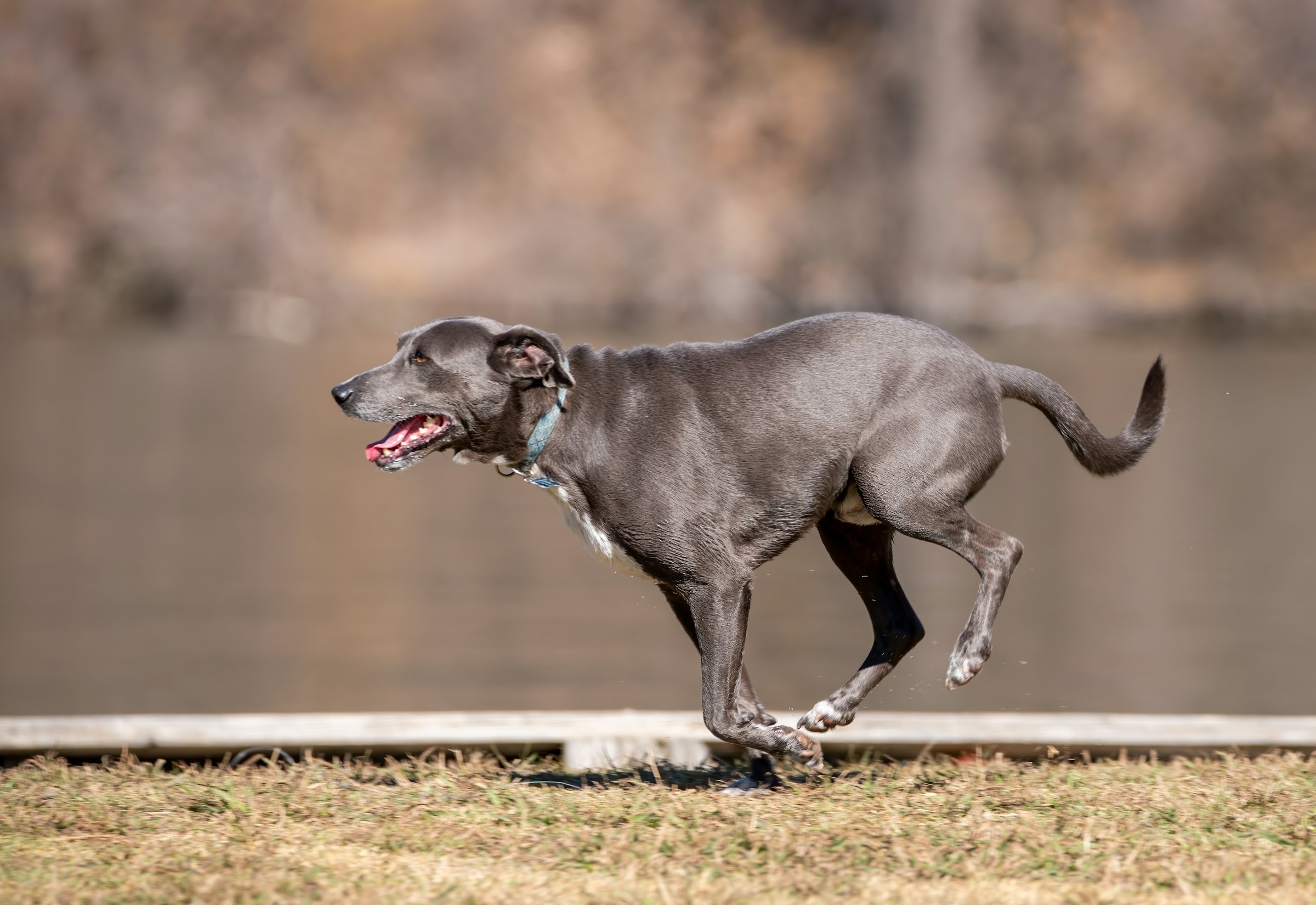
Dogs are our loyal companions, always by our side through thick and thin. But have you ever wondered what goes on in their minds as they observe our daily behaviors? While they may not voice their opinions, our furry friends are constantly assessing our actions. Here are seven things your dog silently judges you for every single day.
1. Inconsistent Rules and Boundaries
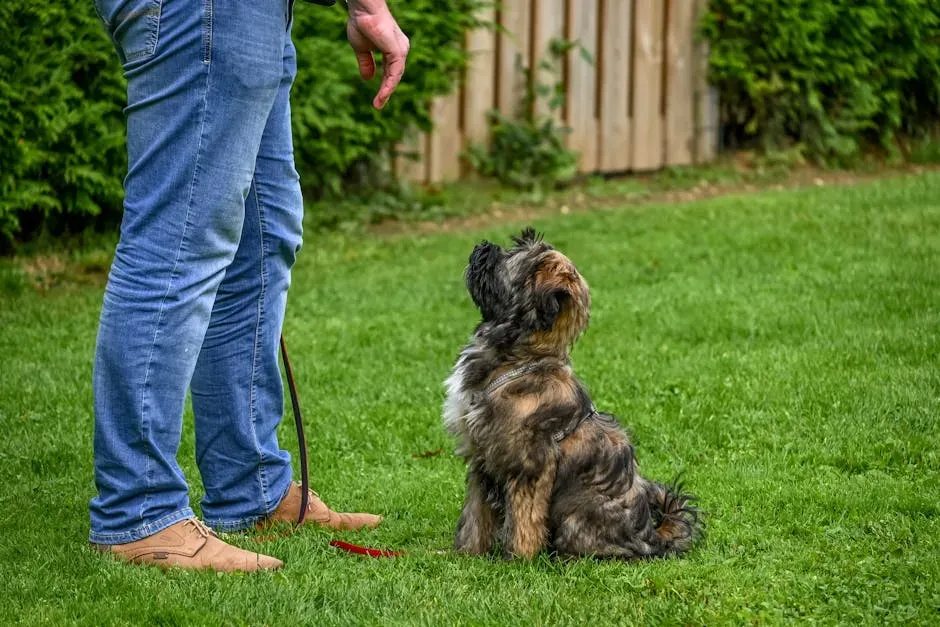
Dogs thrive on routine and clear expectations. When you allow them on the couch one day and scold them for it the next, it creates confusion. This inconsistency can lead to anxiety and behavioral issues, as your dog struggles to understand what’s acceptable.
Establishing and maintaining consistent rules helps your dog feel secure. When they know what to expect, they can relax and trust in your guidance, leading to a happier and more obedient companion.
2. Neglecting Their Exercise Needs
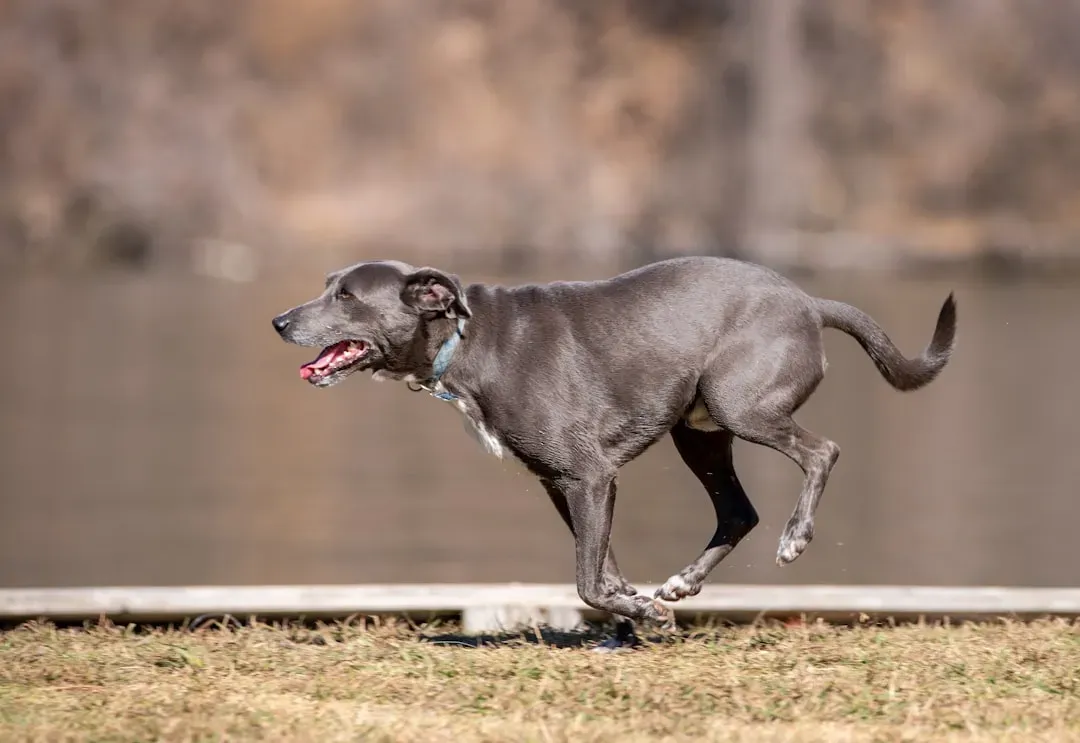
Skipping daily walks or playtime might seem harmless, but your dog notices. Regular exercise is crucial for their physical health and mental well-being. Without it, they can become bored, restless, and even destructive.
Ensuring your dog gets adequate exercise not only keeps them fit but also strengthens your bond. It’s a time for them to explore, socialize, and expend energy, leading to a more content and well-behaved pet.
3. Ignoring Their Communication Cues

Dogs communicate through body language, vocalizations, and behaviors. When they signal discomfort, fear, or the need for attention, and you overlook these cues, it can lead to frustration and a sense of neglect.
Being attentive to your dog’s signals fosters mutual understanding. Responding appropriately to their needs and emotions shows respect and deepens the trust between you and your furry friend.
4. Using Harsh Discipline Methods
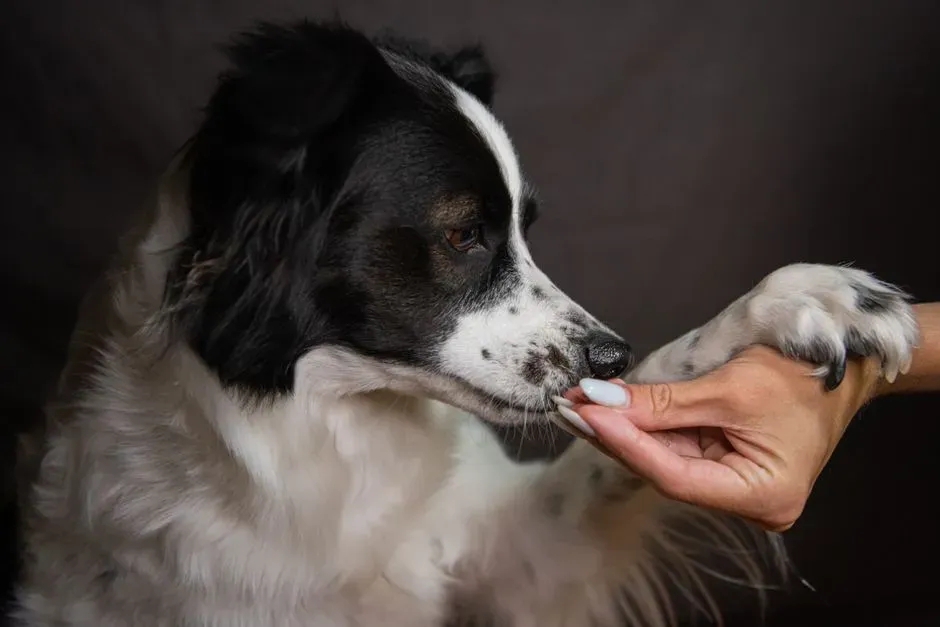
Resorting to yelling, hitting, or other forms of harsh punishment can severely damage your dog’s trust. Such methods instill fear rather than understanding, leading to anxiety and potential aggression.
Positive reinforcement, like rewarding good behavior with treats or praise, is far more effective. It encourages your dog to repeat desired behaviors and maintains a loving, trusting relationship.
5. Leaving Them Alone for Extended Periods

Dogs are social animals that crave companionship. Regularly leaving them alone for long hours can lead to feelings of isolation and anxiety. They may develop separation anxiety, resulting in destructive behaviors or excessive barking.
If your schedule requires you to be away often, consider arranging for a pet sitter, dog walker, or even doggy daycare. Ensuring your dog has social interaction and mental stimulation during the day keeps them happy and well-adjusted.
6. Overlooking Their Grooming Needs

Neglecting regular grooming can lead to discomfort and health issues for your dog. Matted fur, overgrown nails, and dental problems are not only painful but can also affect their overall well-being.
Regular grooming sessions are essential. They not only keep your dog looking their best but also provide an opportunity to check for any health concerns, ensuring they remain comfortable and healthy.
7. Forcing Unwanted Interactions
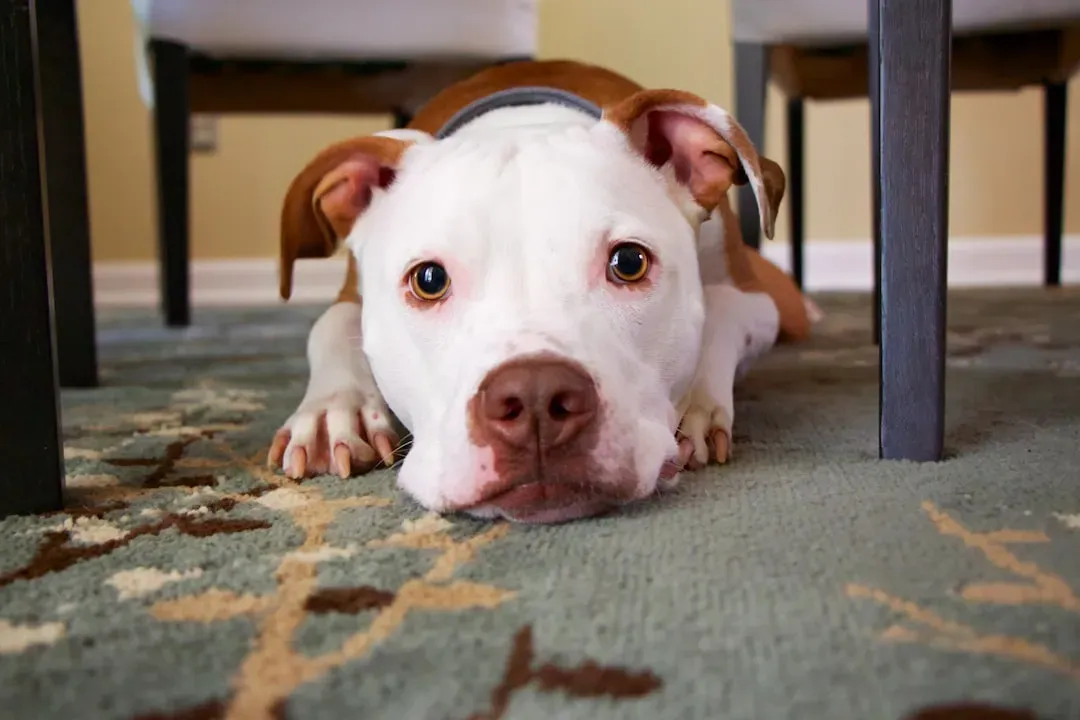
While you might enjoy hugging or dressing up your dog, they may not share the same enthusiasm. Forcing them into situations they’re uncomfortable with can cause stress and erode trust.
It’s important to respect your dog’s boundaries. Pay attention to their body language and avoid pushing them into interactions they clearly dislike. This respect reinforces their trust in you and ensures they feel safe in your presence.
Conclusion
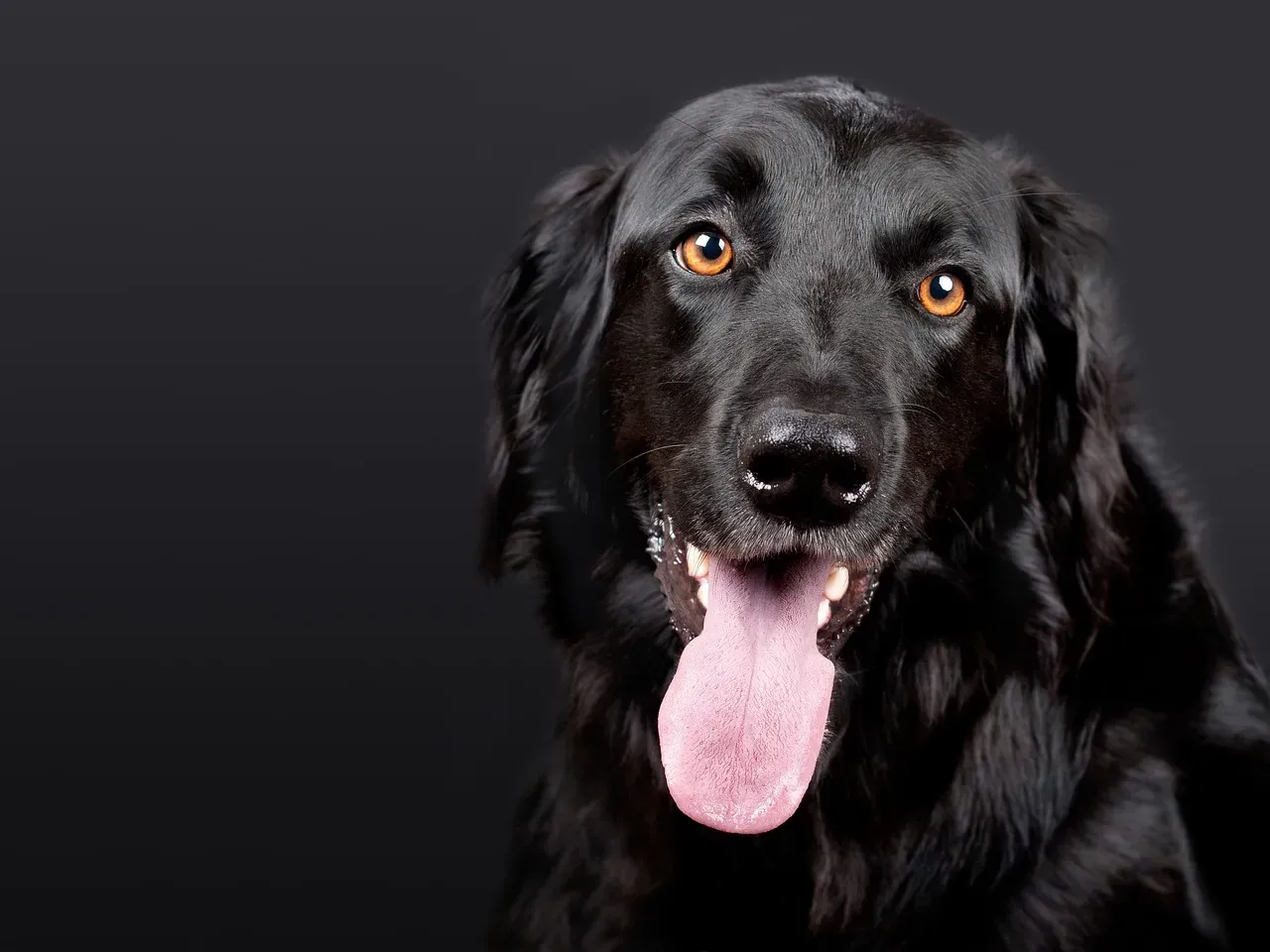
Our dogs may not speak our language, but they’re always observing and interpreting our actions. By being mindful of these seven behaviors, we can ensure we’re not inadvertently causing them stress or discomfort. After all, a happy dog makes for a happy home. So, which of these habits will you work on changing today?