
7 Dog Breeds That Can Smell Cancer – And Have Already Alerted Their Owners Years Before a Diagnosis
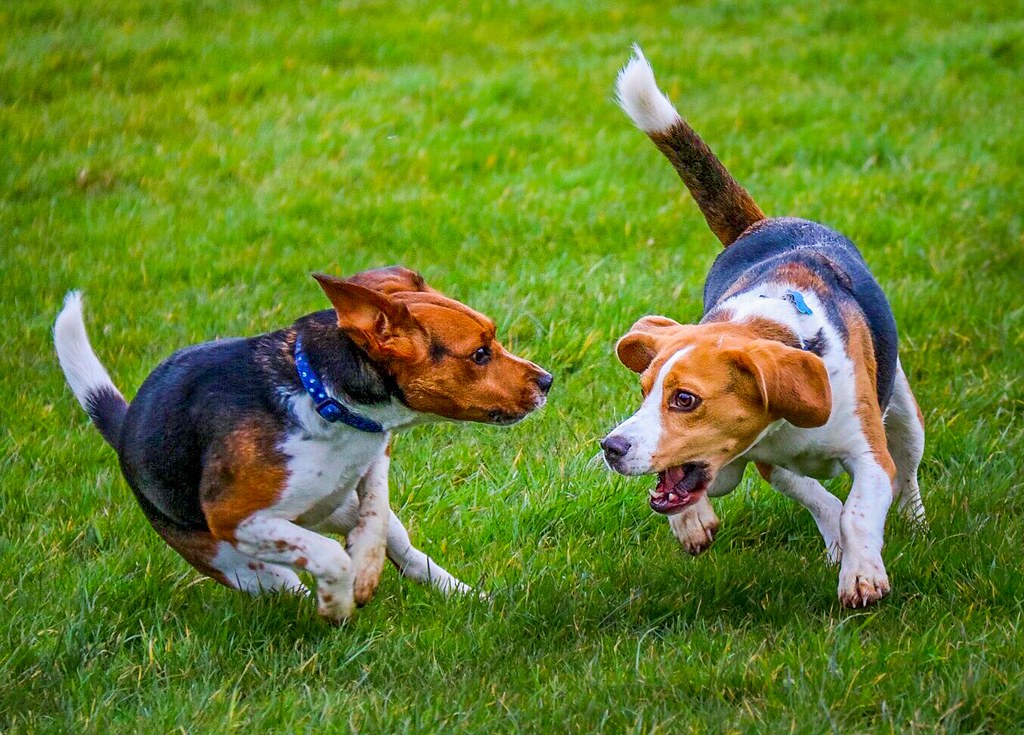
Imagine your loyal canine companion not just as a source of joy and companionship, but as a lifesaver with an extraordinary ability to detect cancer long before any medical diagnosis. It’s not just a heartwarming tale; it’s a reality for many dog owners whose pets have sniffed out cancerous changes, sometimes years ahead of clinical detection. Let’s delve into seven remarkable dog breeds known for their cancer-detecting prowess.
Bloodhound

Renowned for their unparalleled olfactory capabilities, Bloodhounds possess up to 300 million scent receptors, making their sense of smell one of the most acute among canines. This breed’s exceptional tracking skills have been harnessed in various fields, from search and rescue missions to forensic investigations.
In the realm of medical detection, Bloodhounds have demonstrated a remarkable ability to identify specific volatile organic compounds associated with cancerous cells. Their keen noses can detect these subtle chemical changes in human breath, urine, and sweat, often alerting their owners to health issues long before conventional medical tests can.
German Shepherd
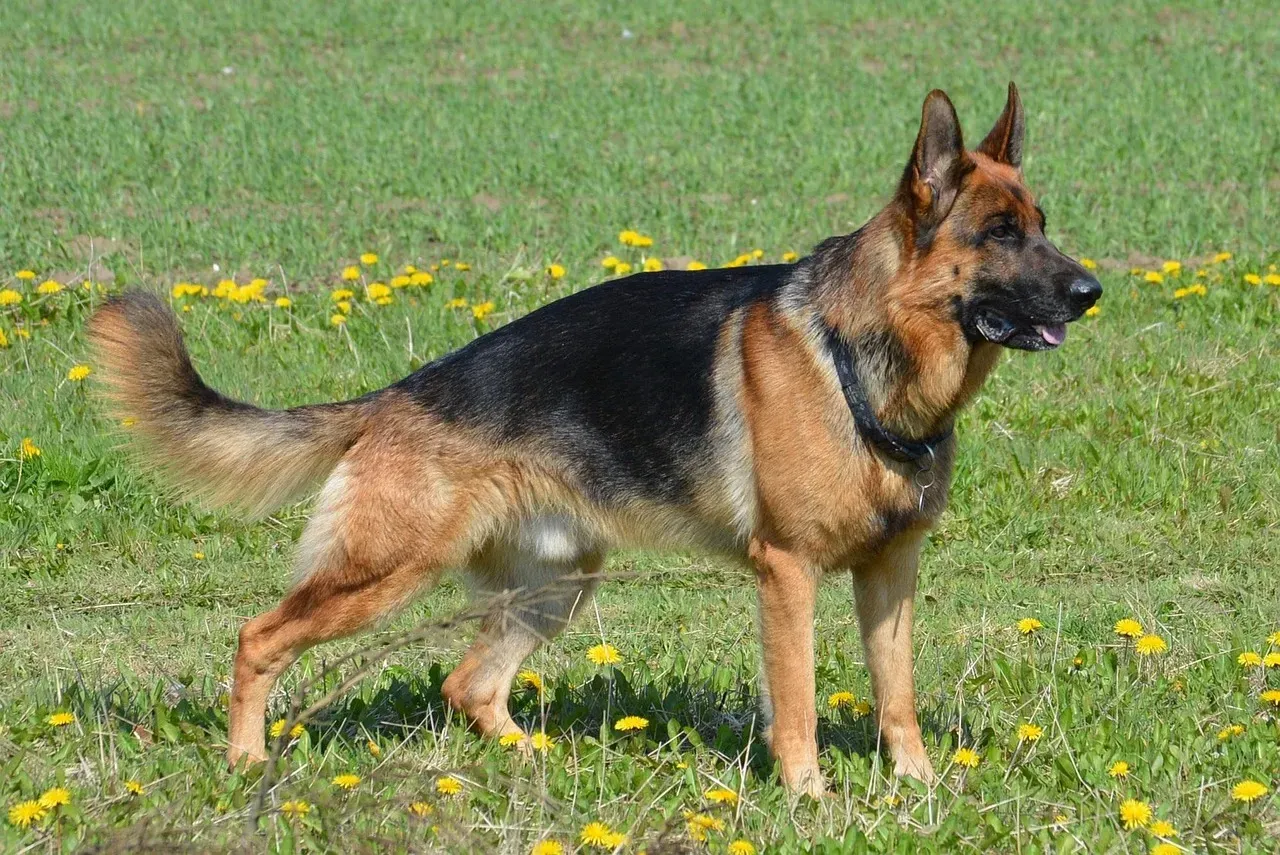
German Shepherds are celebrated for their intelligence, versatility, and strong work ethic. These attributes make them excellent candidates for specialized training, including medical detection tasks. Their keen sense of smell, combined with their eagerness to work, allows them to excel in identifying various scents linked to human diseases.
In medical detection programs, German Shepherds have been trained to recognize the unique odor signatures produced by cancer cells. Their ability to detect these scents in breath or bodily fluids has led to early warnings for their owners, prompting timely medical consultations and interventions.
Beagle
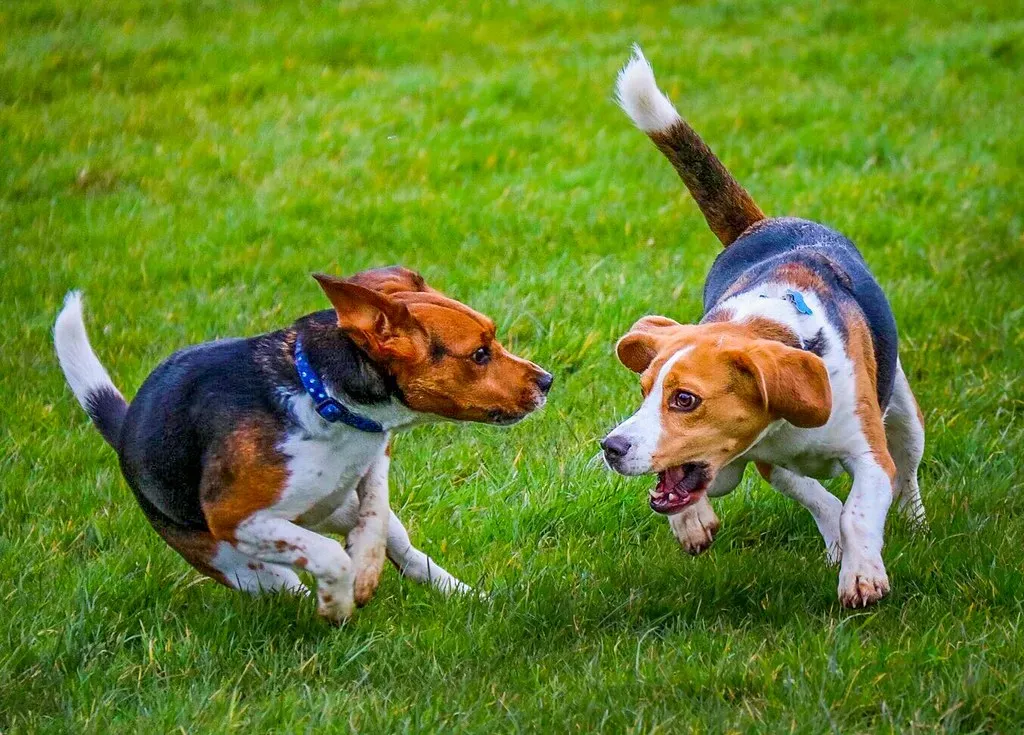
Beagles, with their compact size and friendly demeanor, are often underestimated. However, their olfactory abilities are nothing short of impressive. Originally bred for hunting due to their keen noses, Beagles have transitioned these skills into the medical field, particularly in disease detection.
Studies have shown that Beagles can be trained to detect specific cancer-related odors with high accuracy. Their persistent and curious nature drives them to investigate unusual scents, leading to instances where they’ve alerted their owners to undiagnosed health issues, including various forms of cancer.
Labrador Retriever
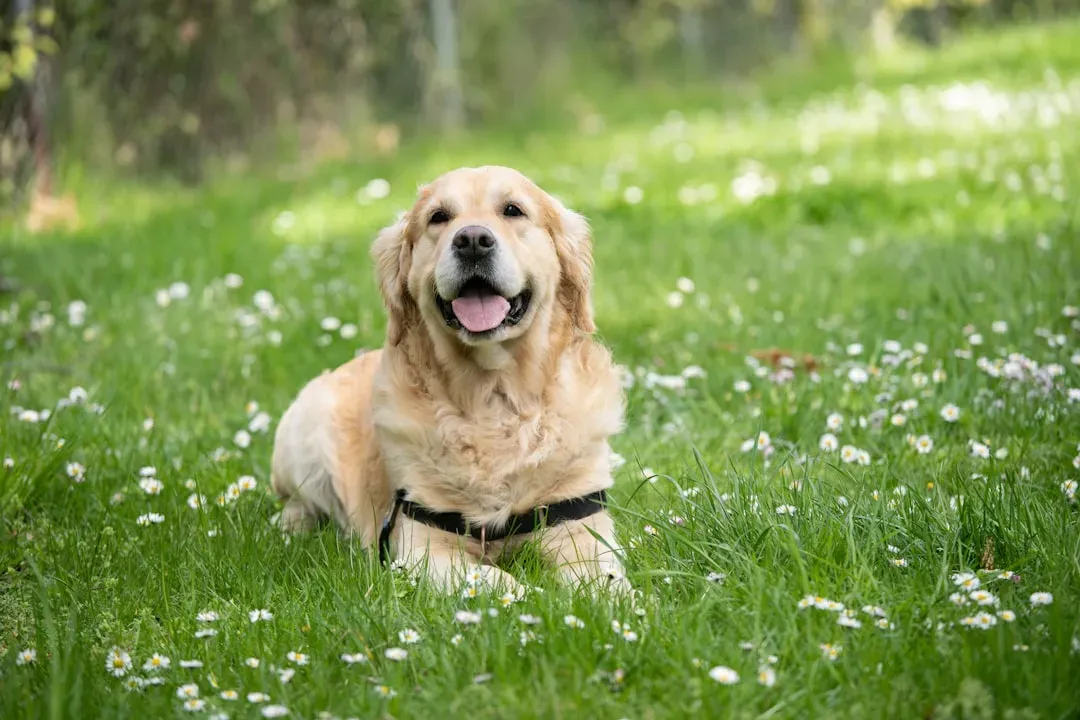
Labrador Retrievers are not only beloved family pets but also highly skilled working dogs. Their intelligence, trainability, and acute sense of smell make them ideal candidates for roles in detection and assistance. Labs have been employed in various detection tasks, from narcotics to medical conditions.
In the context of cancer detection, Labradors have been trained to identify the scent of cancer cells in breath and urine samples. Their ability to detect these subtle changes has led to early diagnoses, offering their owners a crucial head start in treatment and management.
Boxer
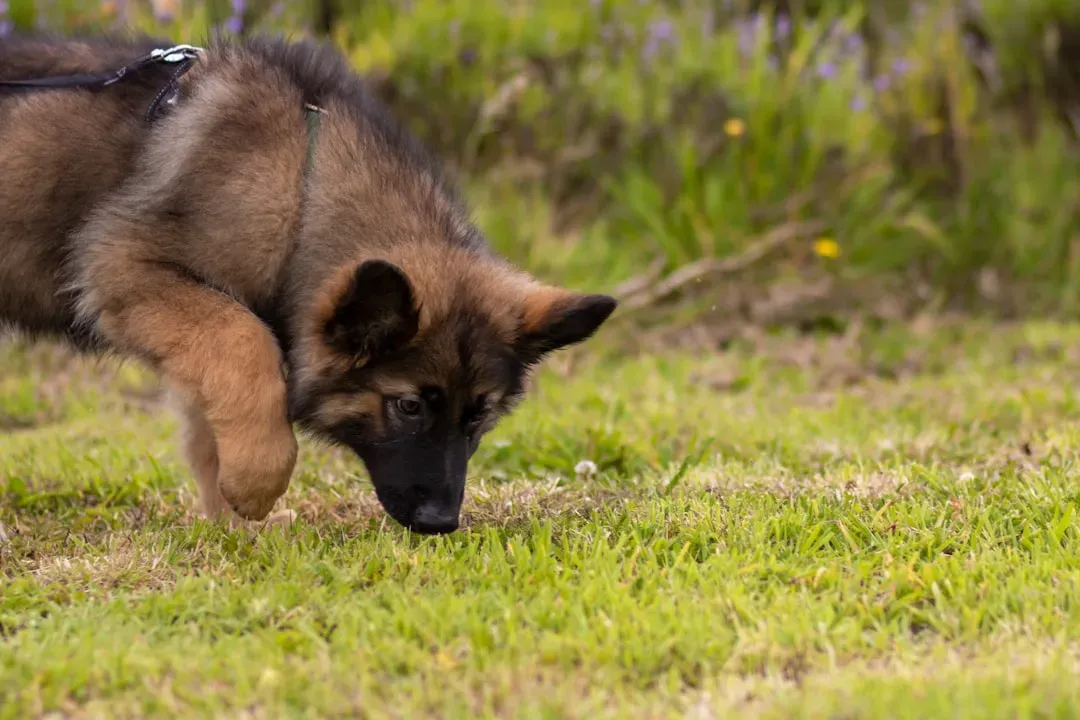
Boxers are known for their boundless energy and strong bond with their human companions. Beyond their playful nature, they possess a keen sense of smell that has been utilized in medical detection. Their alertness and responsiveness make them attentive to changes in their environment and their owners.
There have been accounts of Boxers persistently sniffing or nudging specific areas on their owners’ bodies, leading to the discovery of underlying health issues, including cancerous growths. Their intuitive behavior, combined with their olfactory capabilities, underscores their potential in early disease detection.
Australian Shepherd
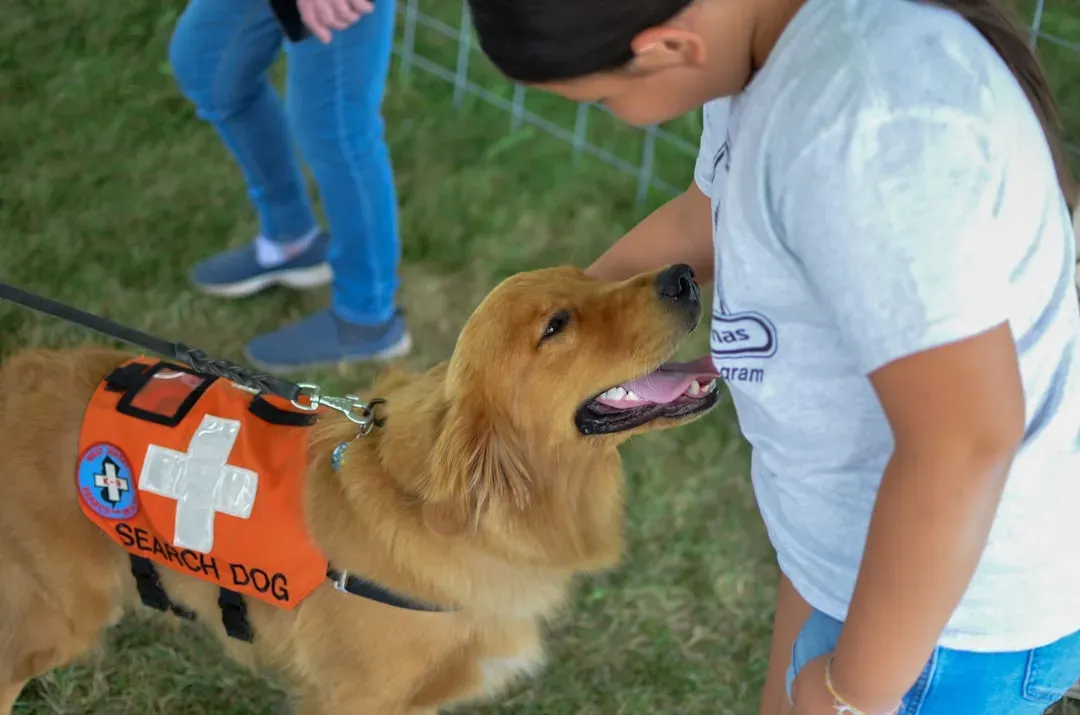
Australian Shepherds are highly intelligent and energetic dogs, often excelling in tasks that require problem-solving and keen observation. Their strong work drive and sensitivity to their surroundings make them adept at detecting subtle changes in their environment and their human companions.
In medical detection scenarios, Australian Shepherds have been trained to identify the unique scents associated with cancer cells. Their ability to detect these odors in breath or bodily fluids has led to early warnings and subsequent medical evaluations, highlighting their role in proactive health monitoring.
Dachshund
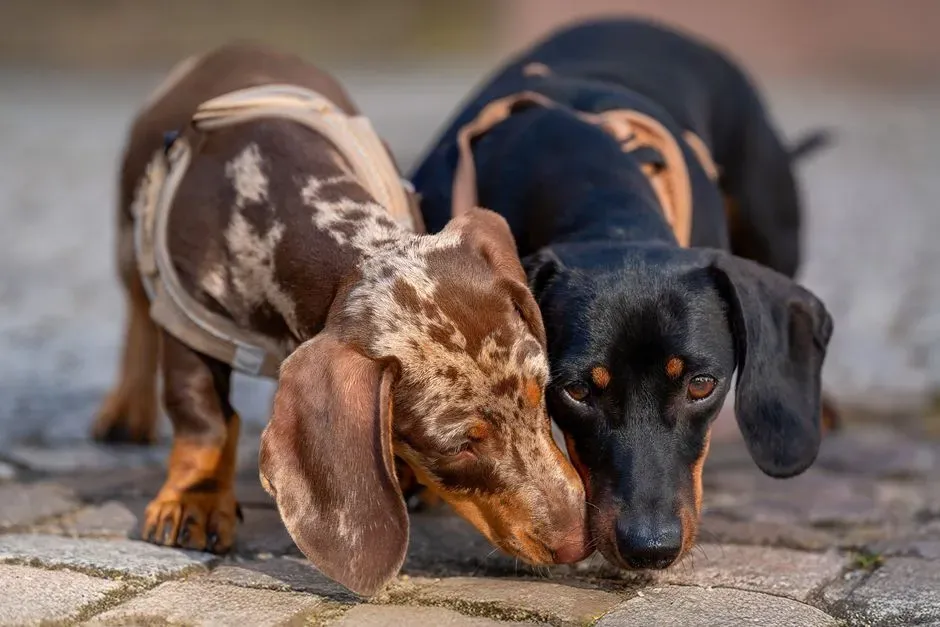
Despite their small stature, Dachshunds possess a powerful sense of smell, originally honed for hunting small game. Their determination and persistence are notable traits that contribute to their effectiveness in scent detection tasks.
There have been instances where Dachshunds have exhibited unusual behavior, such as incessantly sniffing or licking a particular area on their owner’s body. These actions have sometimes led to the discovery of cancerous tumors, showcasing the breed’s potential in alerting owners to health anomalies.
In conclusion, the remarkable ability of certain dog breeds to detect cancer through their acute sense of smell is a testament to the deep bond between humans and their canine companions. While not a substitute for medical screenings, these dogs have provided invaluable early warnings, often years before a formal diagnosis. Their contributions highlight the potential for integrating trained detection dogs into healthcare practices, offering a non-invasive and timely approach to disease detection. Could your furry friend be more than just a companion, perhaps even a lifesaver?