
Research Confirms That Dogs Who Live With a Single Owner Form Measurably Stronger Attachment Bonds Than Dogs in Multi-Person Households – Because Their Social Focus Is Undivided
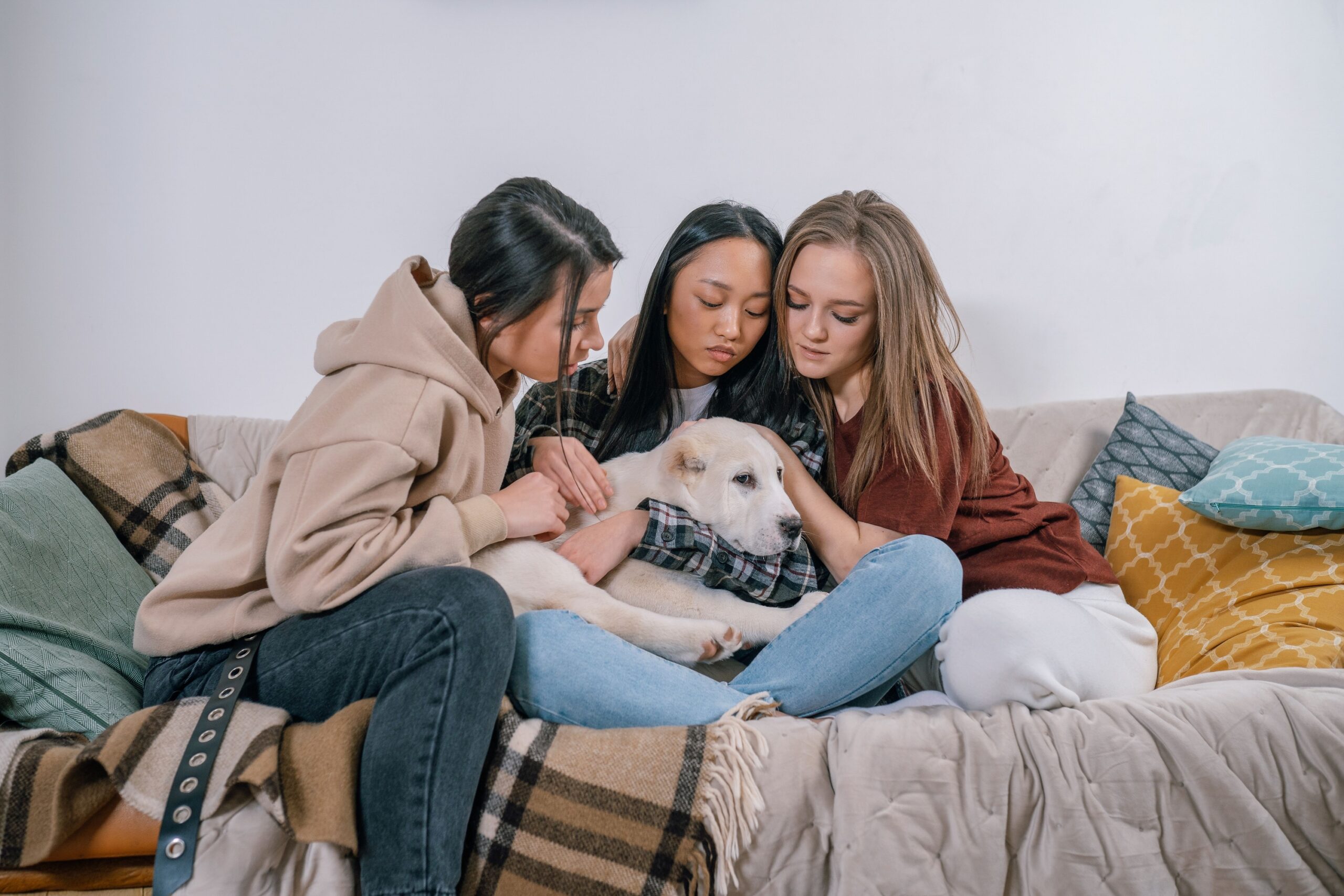
Have you ever wondered why your dog seems to follow you everywhere, gazing at you with those adoring eyes? Recent studies reveal that the depth of this bond might be influenced by the number of people in your household. Let’s delve into the fascinating world of canine attachment and discover how living arrangements shape the unique relationships between dogs and their human companions.
The Singular Focus of Dogs in Single-Owner Homes

In households where a dog has just one human companion, the attachment bond tends to be notably strong. This is largely because the dog’s social interactions are centered around a single individual, allowing for a deep and undivided connection. The consistency in care, attention, and daily routines fosters a secure attachment, making the dog more attuned to their owner’s emotions and behaviors.
Such exclusive bonds often result in dogs exhibiting heightened sensitivity to their owner’s moods and commands. They become adept at reading subtle cues, leading to a harmonious relationship where the dog and owner are in sync. This deep connection can also enhance the dog’s sense of security, reducing anxiety and promoting overall well-being.
Attachment Dynamics in Multi-Person Households

In contrast, dogs residing in multi-person households navigate a more complex social environment. With multiple individuals providing care and attention, the dog’s attachment is distributed among several people. This can lead to a more generalized bond, where the dog may not exhibit the same level of attachment intensity as seen in single-owner scenarios.
However, this doesn’t imply a lack of affection or loyalty. Dogs in such settings often develop unique relationships with each household member, appreciating the diverse interactions and experiences each person offers. This variety can enrich the dog’s social skills and adaptability, making them well-rounded companions.
Research Insights on Canine Attachment

Studies have delved into the nuances of canine attachment, shedding light on how dogs form bonds with their human caregivers. Research indicates that dogs can form relationships of comparable qualities with both humans and other dogs, and that these relationships vary along multiple components across different partners. ([nature.com](https://www.nature.com/articles/s41598-019-40164-x?utm_source=openai))
Another study highlighted that dogs living in multi-member families often show a stronger bond towards a specific member, typically the one who manages the dog’s care, such as walking and feeding. ([dogbehavior.it](https://dogbehavior.it/dogbehavior/article/view/90?utm_source=openai))
The Role of Consistency in Strengthening Bonds

Consistency plays a pivotal role in the formation and strength of attachment bonds. In single-owner households, the uniformity in routines, training methods, and daily interactions provides a stable environment for the dog. This predictability fosters trust and deepens the bond between the dog and owner.
In multi-person households, varying routines and interactions can sometimes lead to confusion for the dog. However, when household members coordinate their caregiving approaches and maintain consistent routines, dogs can still develop strong attachments, albeit in a more distributed manner.
Implications for Dog Owners

Understanding the dynamics of canine attachment can guide owners in nurturing a healthy relationship with their dogs. For single owners, being aware of the intense bond can help in addressing separation anxiety issues, ensuring the dog feels secure even when alone.
In multi-person households, it’s beneficial to establish consistent caregiving routines and ensure all members engage positively with the dog. This collaborative approach can help in building a balanced attachment, where the dog feels connected to each member without confusion or stress.
Conclusion
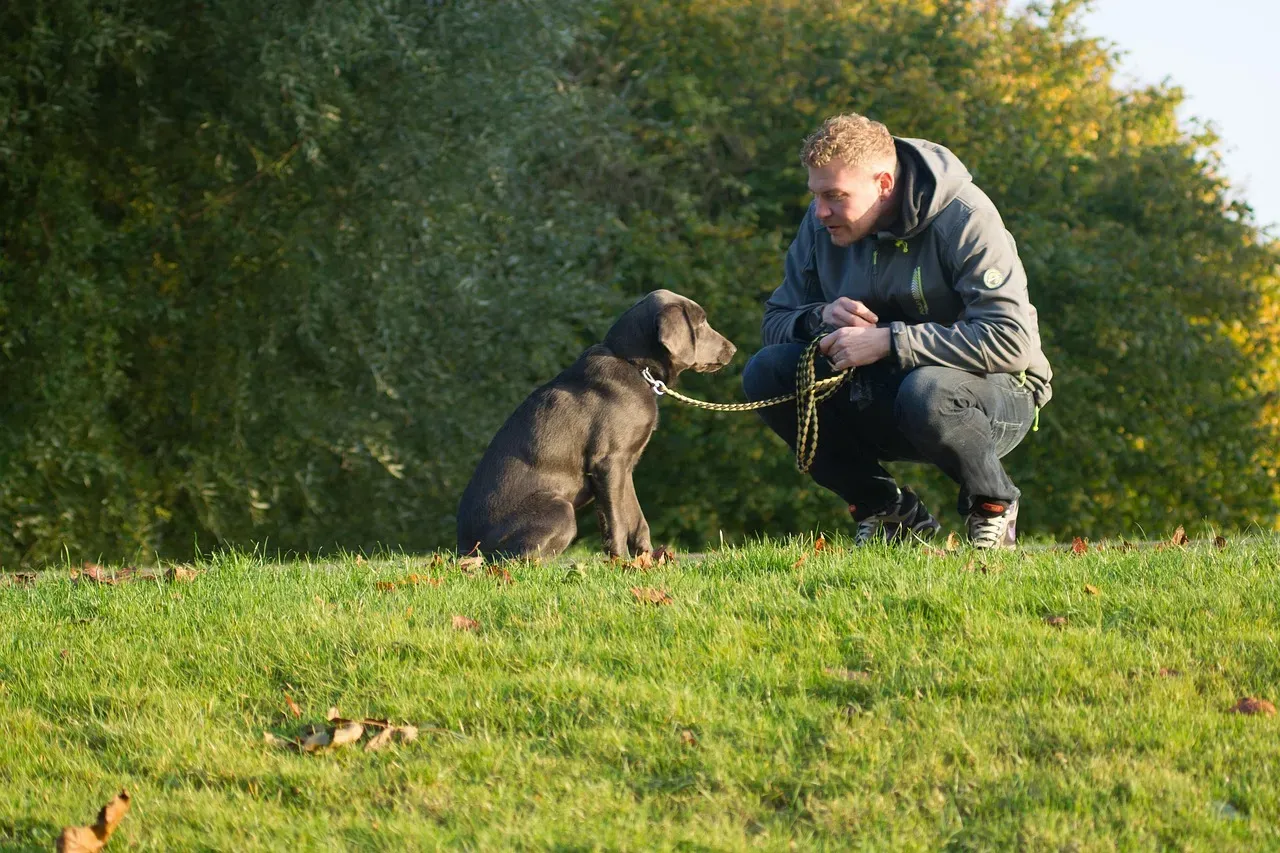
The bond between dogs and their human companions is a testament to the deep interspecies connection we’ve cultivated over millennia. While single-owner households often foster intense, undivided attachments due to consistent interactions, multi-person households offer a rich tapestry of relationships that can enhance a dog’s social adaptability. Regardless of the household structure, understanding and nurturing these bonds can lead to a fulfilling and harmonious relationship with our canine friends. So, whether you’re the sole caregiver or part of a bustling family, how will you deepen your connection with your furry companion today?