
15 Reasons the Elderly Dog at the Shelter That Nobody Wants Is the One Most Worth Taking Home
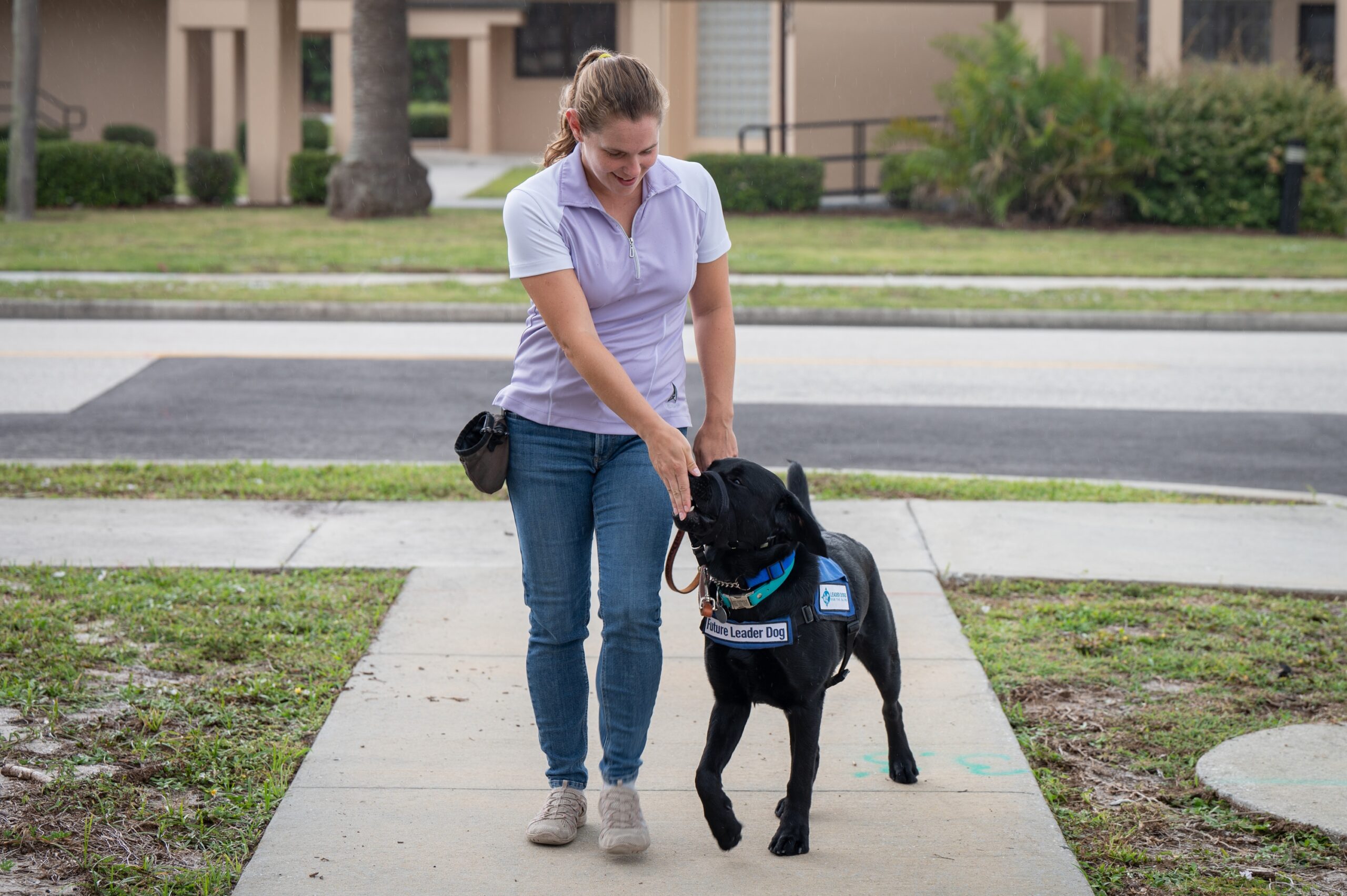
When you walk into a shelter, it’s easy to be drawn to the playful puppies and young dogs eagerly wagging their tails. But have you ever noticed the quiet, gray-muzzled dog sitting patiently in the corner? That senior dog, often overlooked, might just be the perfect companion you’ve been searching for. Here’s why giving an elderly dog a chance can be one of the most rewarding decisions you’ll ever make.
1. They Come with Life Experience

Senior dogs have been around the block a few times. They’ve seen the world, experienced different environments, and have a wealth of life experience. This often translates to a calm demeanor and an understanding of household routines. Unlike puppies, who require constant supervision and training, older dogs often know the ropes, making the transition into your home smoother.
Moreover, their past experiences can make them more adaptable. They’ve likely encountered various situations, making them less reactive and more composed in new environments. This adaptability can be a boon for families with varying schedules or those who enjoy traveling.
2. What You See Is What You Get

With a senior dog, there are no surprises. Their size, temperament, and personality are fully developed, allowing you to choose a pet that truly fits your lifestyle. This predictability can be a relief, especially for first-time dog owners or those with specific needs.
Additionally, many shelters provide detailed histories of senior dogs, giving insights into their likes, dislikes, and any quirks they might have. This transparency ensures that you can make an informed decision, leading to a harmonious relationship.
3. They’re Often Already Trained
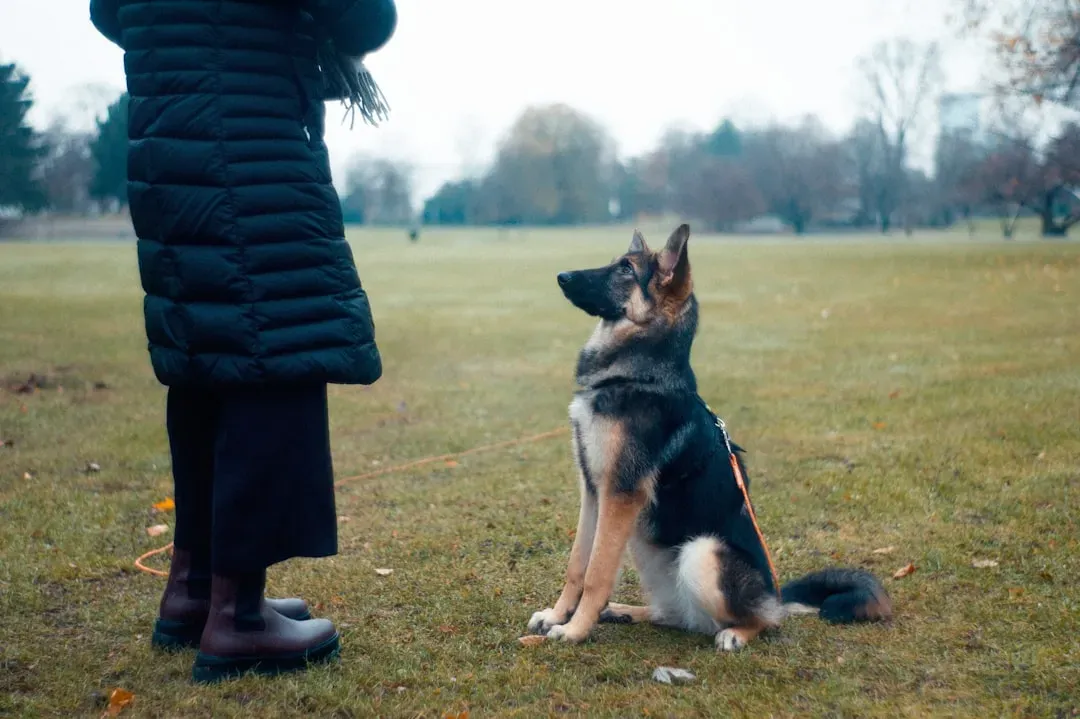
Many older dogs have received basic training, understanding commands like “sit,” “stay,” and “come.” This means less time spent on training and more time enjoying each other’s company. Their previous experiences often make them more receptive to learning new commands or routines.
Furthermore, their established habits can be a boon. For instance, a senior dog might already be accustomed to walking on a leash without pulling, making daily walks more enjoyable and less of a chore.
4. Lower Energy Levels Suit Many Lifestyles

Not everyone has the time or energy to keep up with a hyperactive puppy. Senior dogs are typically more relaxed, content with shorter walks and more downtime. This makes them ideal companions for those with a more laid-back lifestyle or limited mobility.
Their calm nature also means they’re less likely to engage in destructive behaviors out of boredom. Instead of chewing on furniture or digging up the yard, they’re more inclined to nap by your side or enjoy a leisurely stroll.
5. They Form Deep Bonds

There’s something profoundly touching about the gratitude a senior dog shows when given a second chance. They often form deep, immediate bonds with their adopters, sensing the kindness extended to them. This bond can be incredibly fulfilling, offering a unique companionship that’s hard to match.
Their life experiences often make them more attuned to human emotions. They can sense when you’re feeling down and offer comfort, making them excellent emotional support companions.
6. They’re Less Destructive

Puppies are notorious for their mischievous antics – chewing shoes, digging holes, and having accidents indoors. Senior dogs, having outgrown these phases, are generally more well-behaved, leading to fewer household disruptions.
This maturity means you won’t have to constantly monitor them or puppy-proof your home. Instead, you can trust them to behave appropriately, giving you peace of mind.
7. They Need You the Most

Senior dogs are often the last to be adopted and the first to be euthanized in overcrowded shelters. By choosing to adopt an older dog, you’re truly saving a life and providing them with the love and comfort they deserve in their golden years.
This act of kindness not only benefits the dog but also brings a sense of fulfillment and purpose to the adopter. Knowing you’ve made a tangible difference in a dog’s life is a reward in itself.
8. They Can Still Learn New Tricks
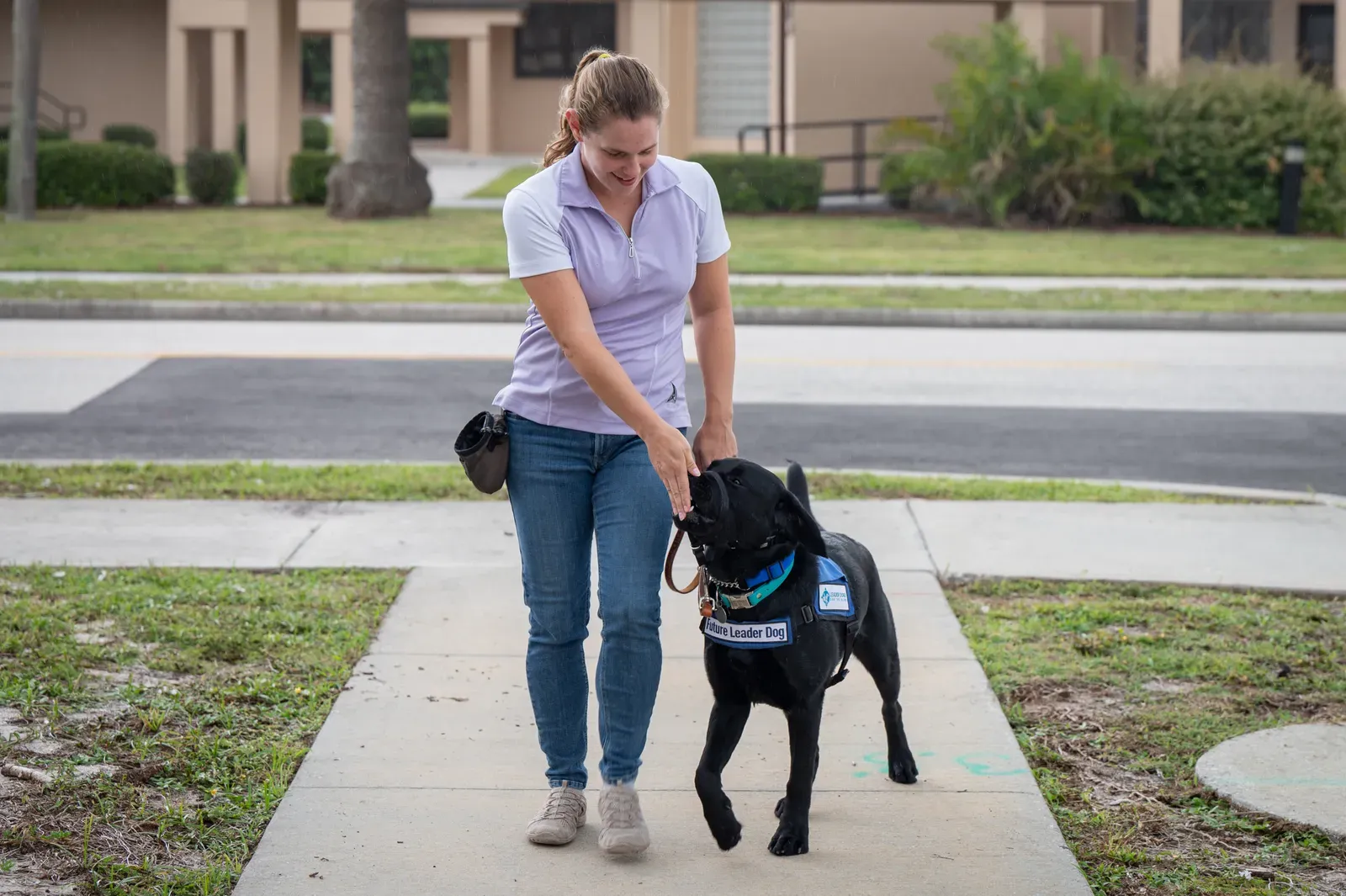
The saying “you can’t teach an old dog new tricks” is a myth. Senior dogs are perfectly capable of learning new commands and routines. Their maturity often makes them more focused and eager to please, making training sessions enjoyable and productive.
In fact, their previous training can serve as a foundation, allowing them to pick up new commands more quickly than a puppy starting from scratch.
9. They’re Grateful Companions
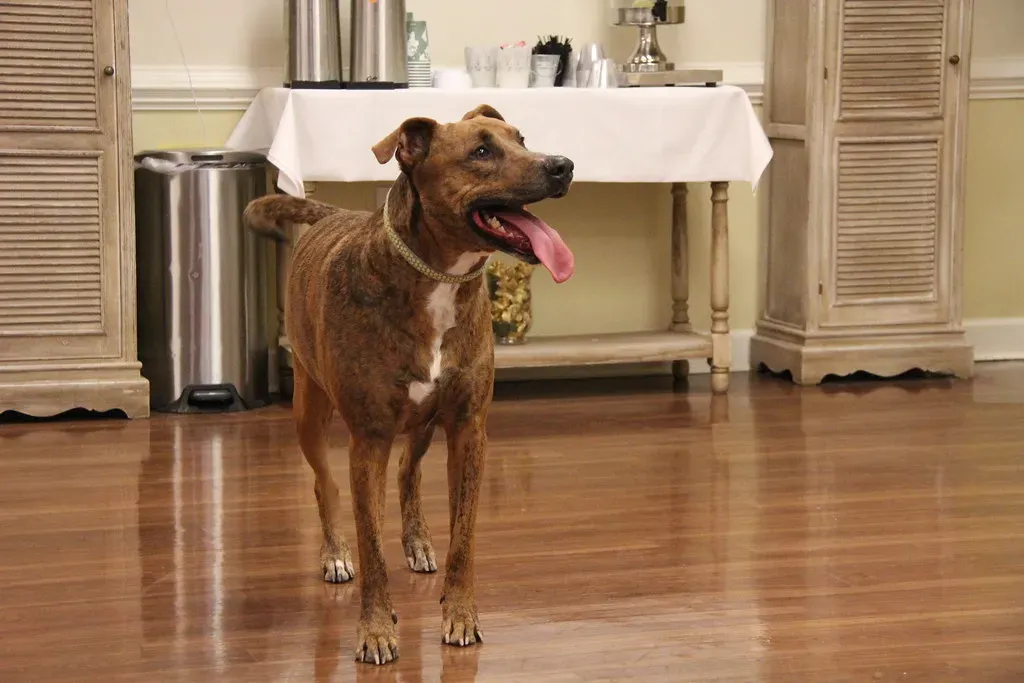
Many adopters of senior dogs report a profound sense of gratitude from their new companions. It’s as if they understand they’ve been given a second chance and show their appreciation through unwavering loyalty and affection.
This gratitude often manifests in small, heartwarming ways – like a gentle nuzzle, a wagging tail when you enter the room, or simply resting their head on your lap.
10. They Fit Well into Existing Households

Senior dogs often have experience living with other pets and can integrate more seamlessly into homes with existing animals. Their calm demeanor can have a soothing effect on younger pets, promoting harmony in multi-pet households.
Their understanding of social cues and boundaries means they’re less likely to engage in territorial disputes or aggressive behaviors, making the transition smoother for everyone involved.
11. They Require Less Supervision
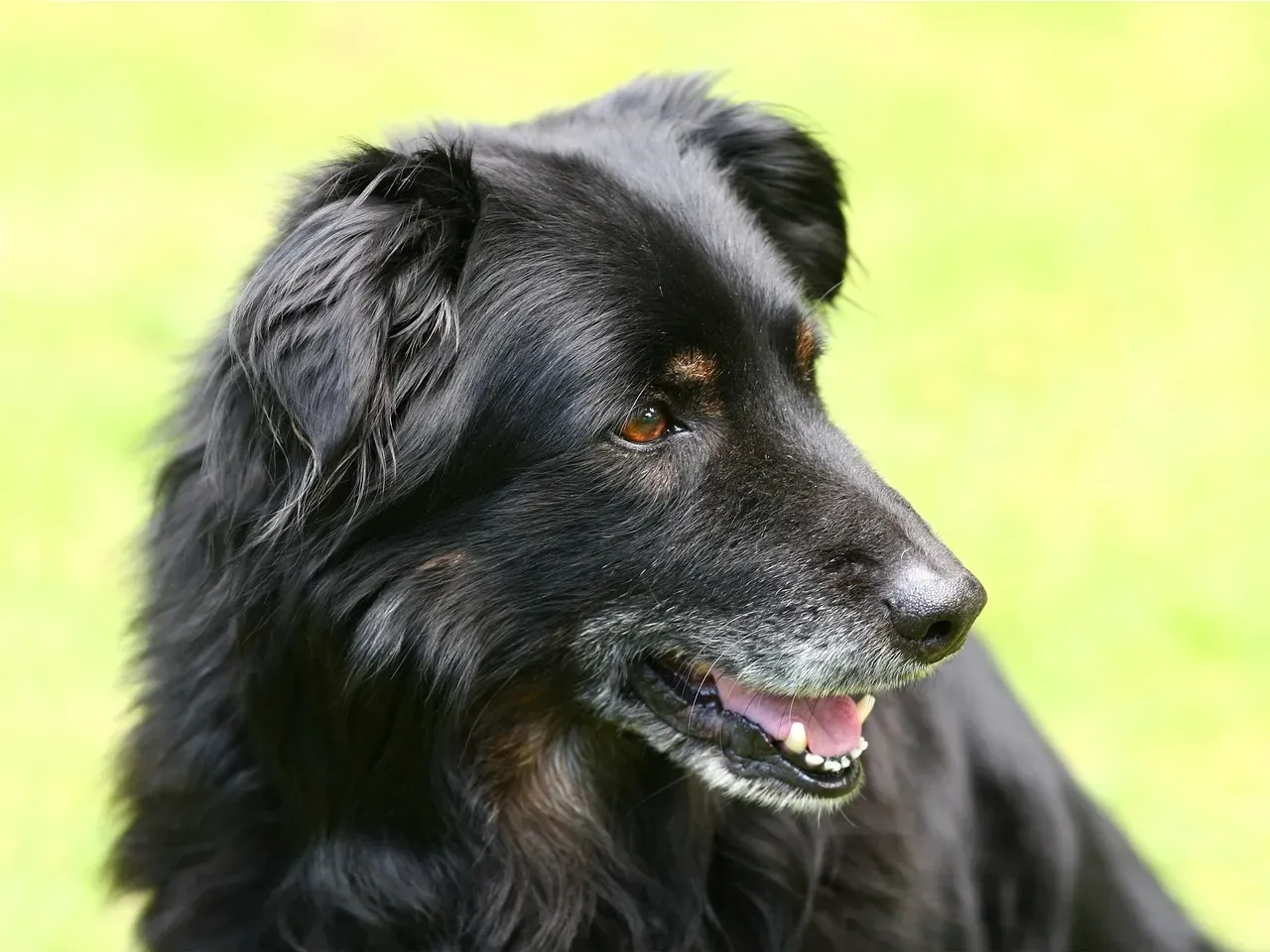
Unlike puppies that need constant attention, senior dogs are more independent. They can be left alone for reasonable periods without the risk of them getting into mischief, making them suitable for working individuals or families with busy schedules.
This independence doesn’t mean they don’t enjoy companionship; they simply don’t require the constant oversight that younger dogs do, allowing for a more balanced relationship.
12. They Have Established Temperaments

With a senior dog, you know their temperament from the get-go. This allows you to choose a dog whose personality aligns with yours, ensuring a harmonious relationship. Whether you’re looking for a couch potato or an active companion, there’s a senior dog out there for you.
This clarity eliminates the guesswork often associated with adopting younger dogs, where personalities can change as they mature.
13. They Often Come with Medical Histories
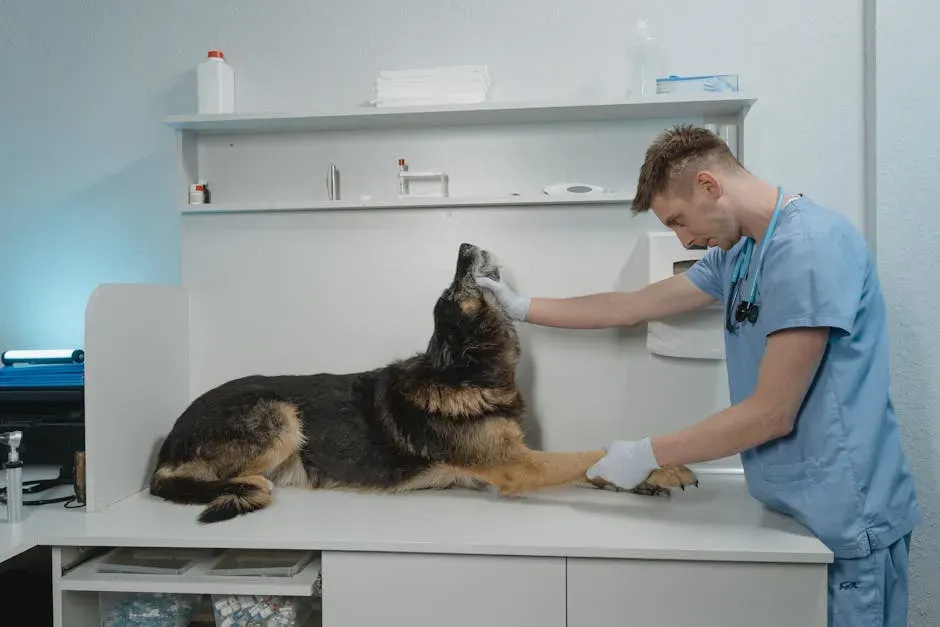
Many senior dogs come with detailed medical histories, allowing you to be fully informed about their health status. This transparency enables you to provide the best care possible and anticipate any future needs.
Being aware of their medical background means you can take proactive steps to manage any existing conditions, ensuring they remain comfortable and healthy.
14. They Appreciate the Little Things

Senior dogs often have a deep appreciation for the simple joys in life – a soft bed, a gentle pat, or a leisurely walk. Their contentment with the basics can be a refreshing reminder to slow down and enjoy the moment.
This mindfulness can have a positive impact on your own well-being, encouraging you to find joy in the simple pleasures of life.
15. They Make Every Moment Count

While it’s true that senior dogs may have fewer years ahead of them, they make every moment count. The time you spend together is filled with gratitude, love, and companionship, making the experience incredibly rewarding.
Knowing that you’re providing them with comfort and love in their final years adds a profound depth to the relationship, making every day together special.
In conclusion, adopting a senior dog isn’t just an