
Research Shows Dogs Who Stare Softly at Their Owners Are Not Being Demanding – They Are Triggering a Hormonal Bonding Loop That Domestication Built Into Them Over Thousands of Years
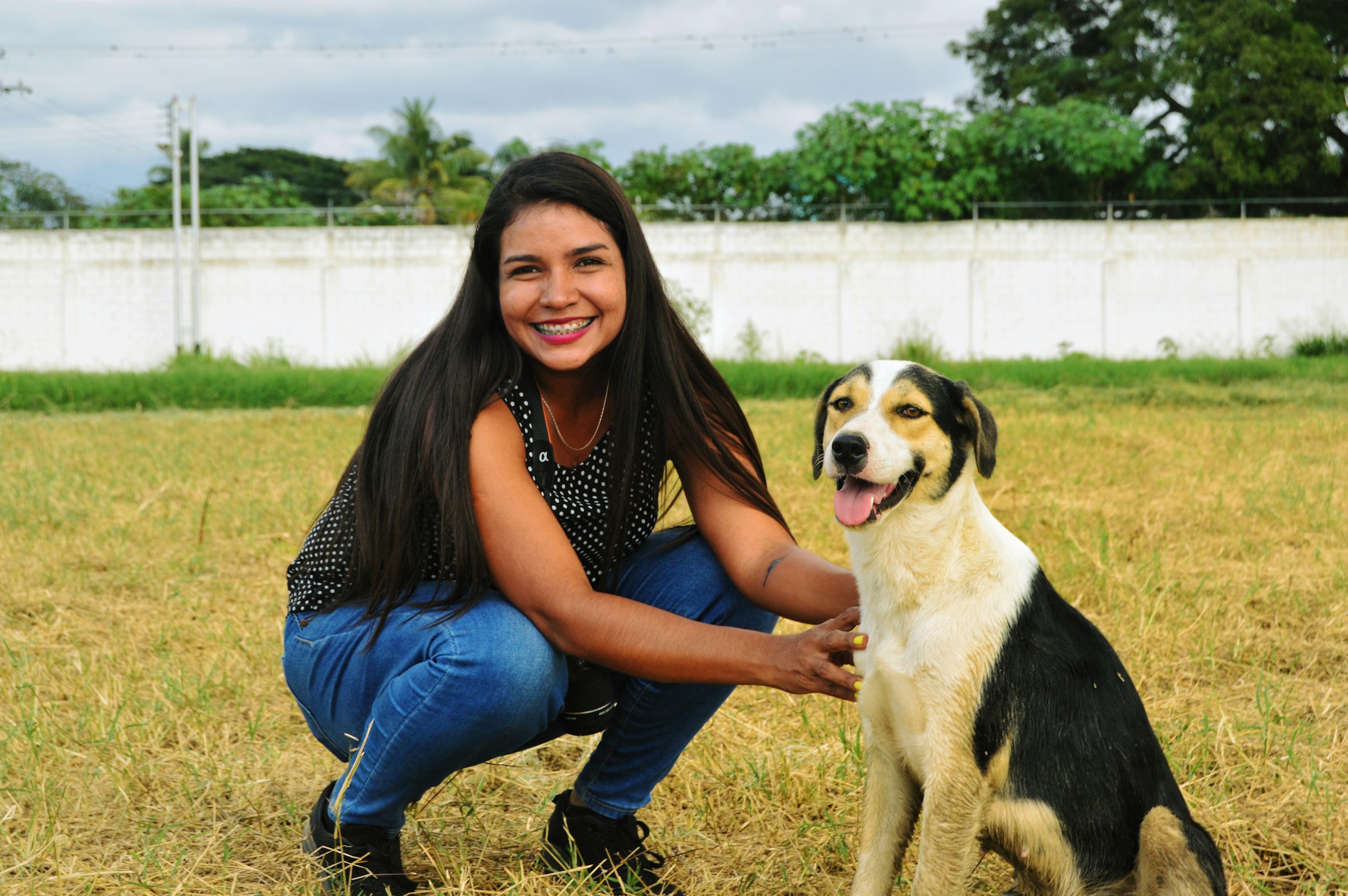
Ever noticed your dog gazing at you with those soulful eyes and wondered what it means? Far from being a mere plea for treats, this behavior taps into a deep-seated bonding mechanism that has evolved over millennia.
The Science Behind the Gaze
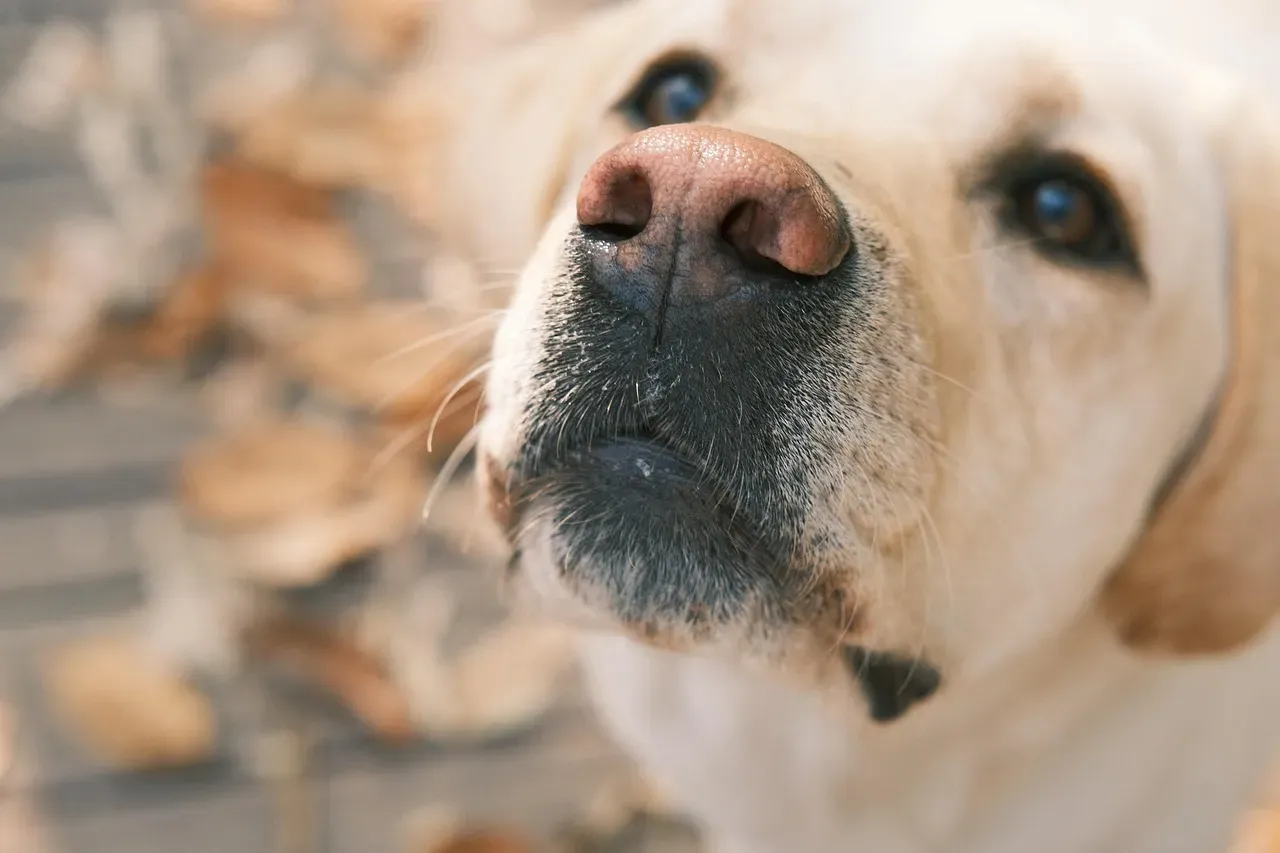
When your dog looks into your eyes, it’s not just a simple act of attention. Research indicates that this mutual gaze triggers the release of oxytocin, often dubbed the “love hormone,” in both you and your canine companion. This biochemical response fosters a sense of connection and trust, akin to the bond between a mother and her infant.
Studies have shown that during these shared moments of eye contact, both dogs and their owners experience a significant increase in oxytocin levels. This hormonal surge enhances feelings of affection and strengthens the emotional bond between the two.
Domestication and Evolutionary Adaptation
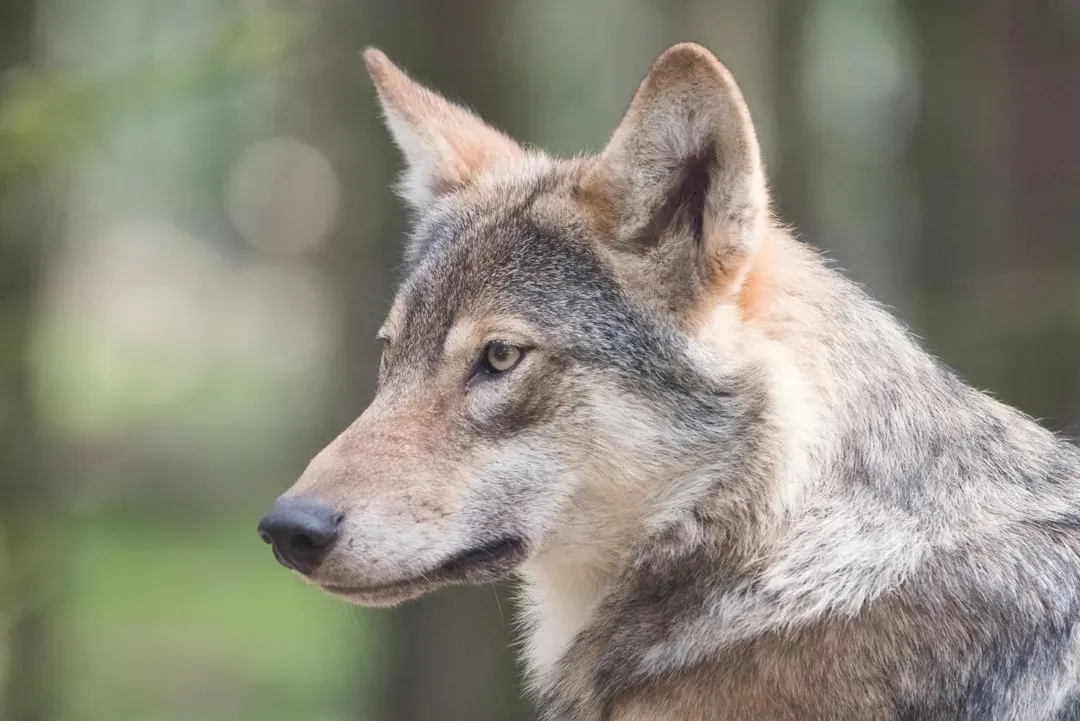
Thousands of years ago, wolves began their journey toward domestication, gradually evolving into the dogs we cherish today. One pivotal adaptation was their ability to engage in prolonged eye contact with humans, a behavior not commonly observed in their wild ancestors.
This evolution suggests that early dogs who could effectively use eye contact to communicate and bond with humans had a survival advantage. Over generations, this trait became more pronounced, leading to the deep, mutual understanding we share with dogs today.
Comparing Canine and Human Bonds

The oxytocin-driven bonding mechanism observed between dogs and humans mirrors the attachment processes seen in human relationships. Just as a mother and child strengthen their bond through mutual gaze, dogs and their owners reinforce their connection in a similar manner.
This parallel underscores the profound depth of the human-dog relationship, highlighting that our furry friends are more than just pets – they’re family.
Beyond the Gaze: Other Bonding Behaviors
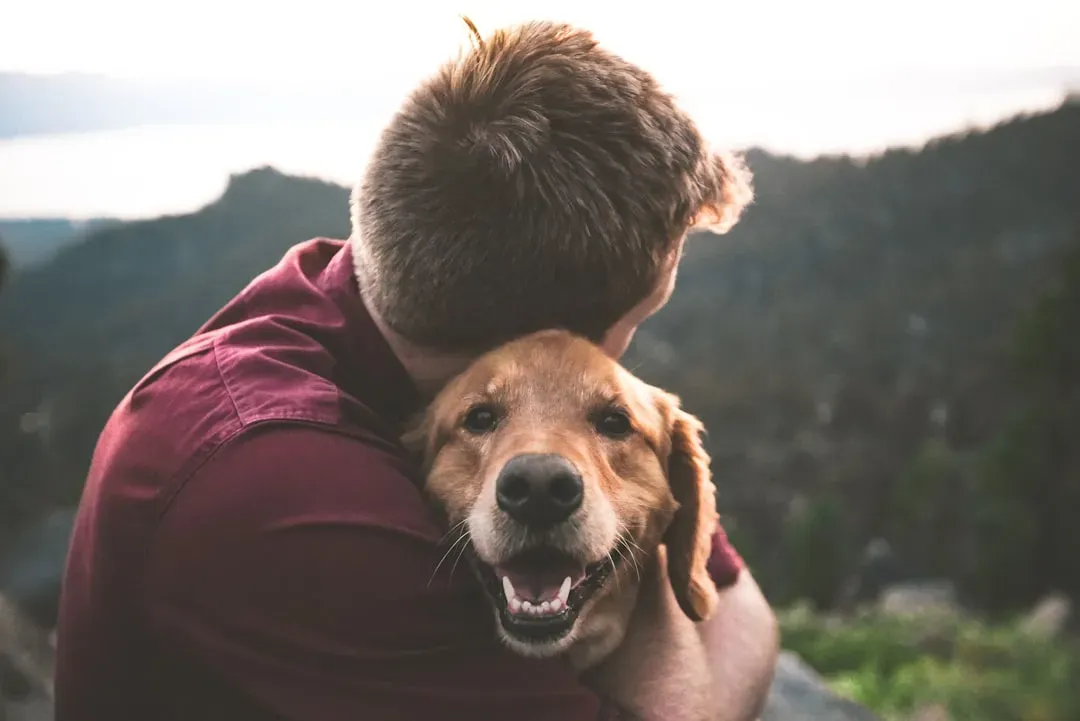
While eye contact plays a significant role, it’s not the only behavior that strengthens the bond between dogs and humans. Activities such as petting, playing, and even talking to your dog can also elevate oxytocin levels, further enhancing the connection.
Engaging in these shared experiences creates a positive feedback loop, where both parties feel more connected and valued, reinforcing the bond over time.
Individual Differences in Bonding
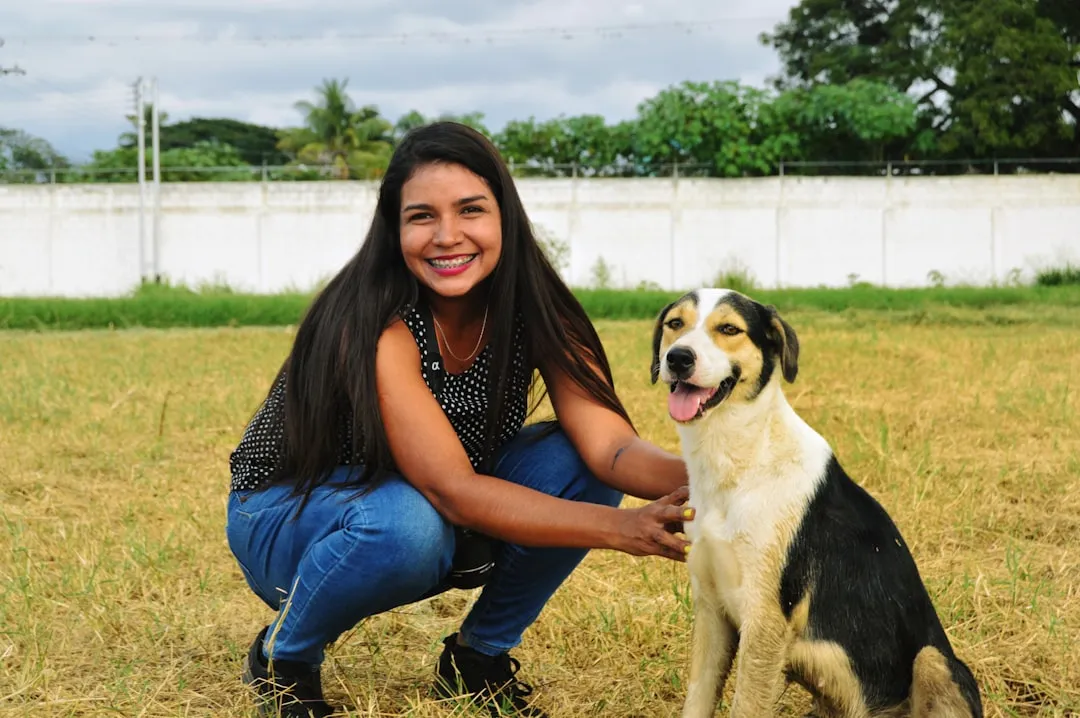
It’s essential to recognize that not all dogs exhibit the same level of eye contact or bonding behaviors. Factors such as breed, upbringing, and individual personality can influence how a dog interacts with its owner.
Understanding and respecting these differences ensures that the bond develops naturally, without forcing behaviors that might be uncomfortable for the dog.
Practical Implications for Dog Owners
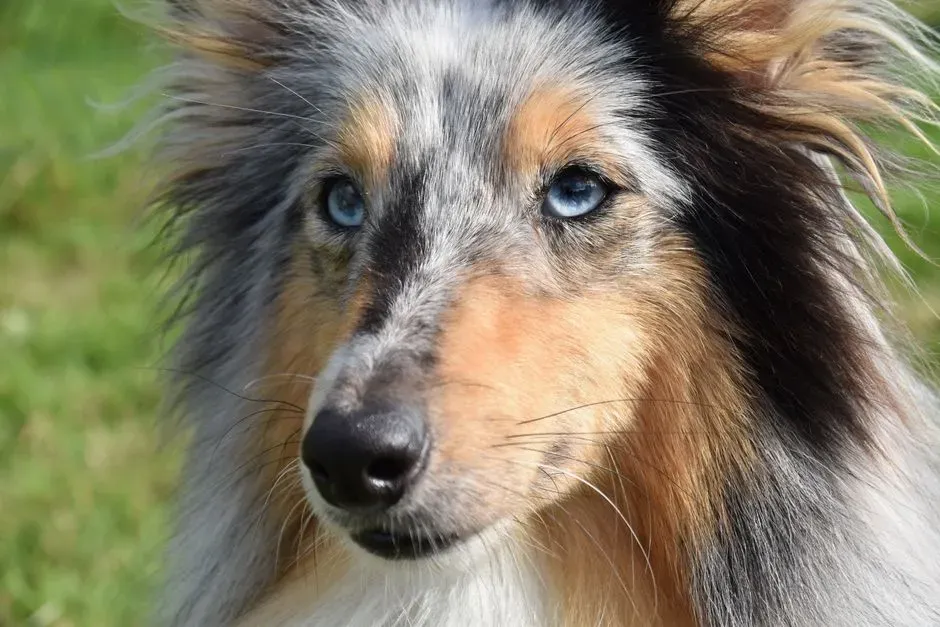
Recognizing the significance of mutual gaze and other bonding behaviors can enhance the relationship you share with your dog. By being attentive to these moments and responding positively, you can foster a deeper connection.
Simple actions like maintaining eye contact during interactions, engaging in regular play, and providing affectionate touch can make a substantial difference in strengthening your bond.
Conclusion

In essence, when your dog gazes softly into your eyes, it’s not a mere act of seeking attention or treats. It’s a profound, evolutionary behavior designed to strengthen the bond between you. This mutual gaze taps into ancient mechanisms that have been fine-tuned over thousands of years, highlighting the deep connection we share with our canine companions.
So, the next time you catch your dog looking at you with those loving eyes, remember: it’s not just a look – it’s a bridge to a bond that has stood the test of time.