
9 Dog Breeds That Fall Apart Emotionally When Their Owner Raises Their Voice – Even Just Once

Imagine the heartache of seeing your beloved dog cower or tremble after a single raised voice. For some breeds, even a momentary lapse into loudness can shatter their emotional well-being. Let’s explore nine dog breeds that are particularly sensitive to raised voices and how this impacts their behavior and health.
Border Collie
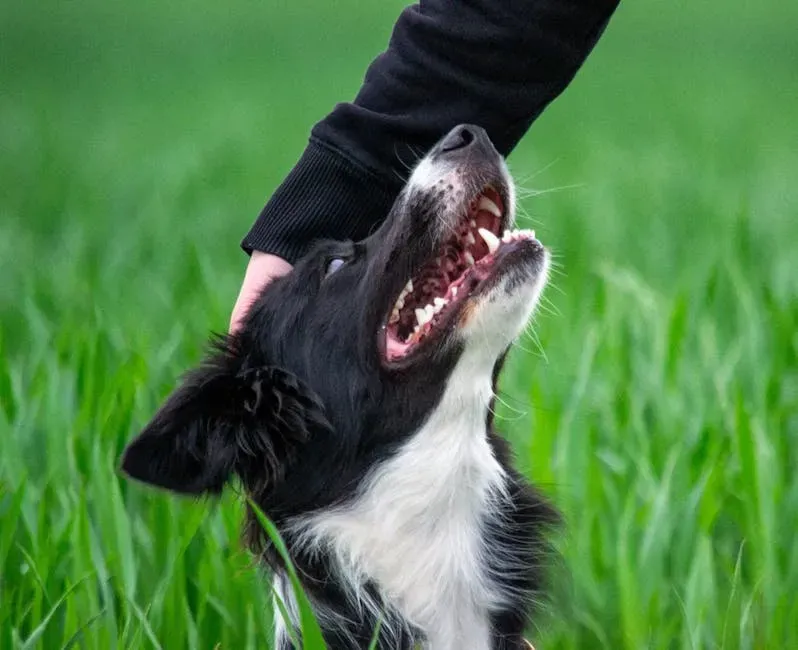
Border Collies are renowned for their intelligence and acute sensitivity to their environment. This heightened awareness makes them exceptionally responsive to their owner’s tone of voice. A raised voice can cause them to become anxious or withdrawn, as they interpret loudness as a sign of displeasure or danger.
Their strong desire to please means that harsh tones can lead to stress and confusion. Maintaining a calm and positive communication style is crucial to keep a Border Collie emotionally balanced and confident.
Greyhound
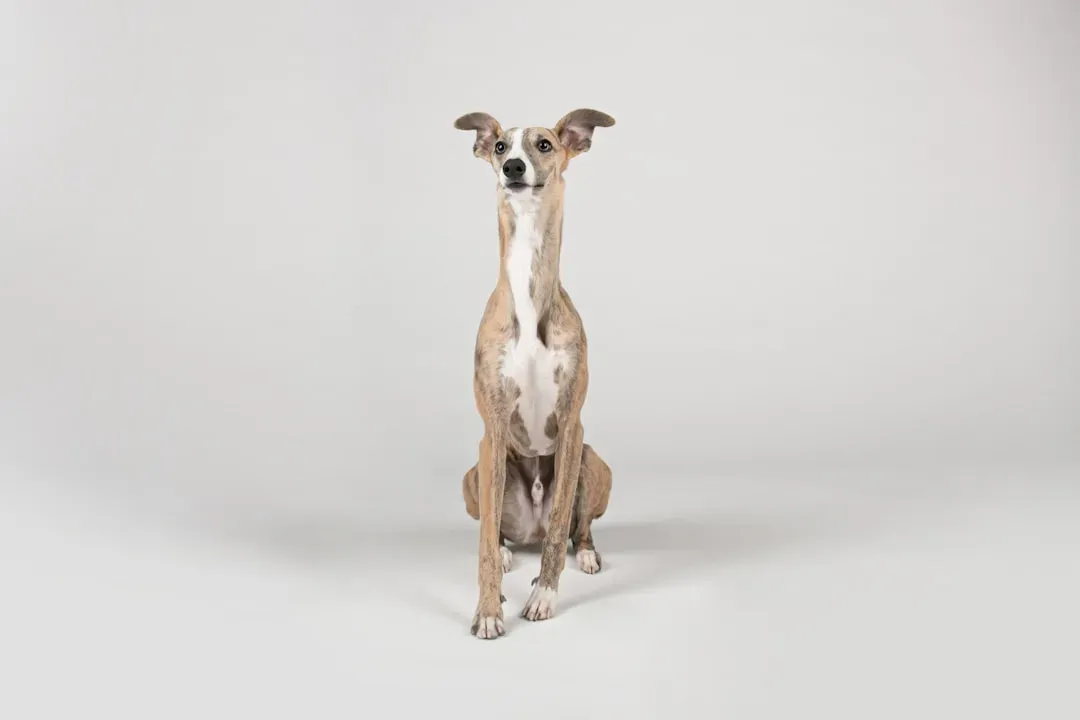
Despite their history as racing dogs, Greyhounds possess a gentle and sensitive nature. They are highly attuned to their owner’s emotions and can be deeply affected by raised voices. Loud or harsh tones can lead to nervousness and a tendency to retreat from interaction.
Greyhounds thrive in serene environments where communication is gentle and consistent. Sudden loudness can disrupt their sense of security, emphasizing the need for a calm approach to training and daily interactions.
Chihuahua

Chihuahuas may have a bold exterior, but they are emotionally delicate. Their small size contributes to a heightened sensitivity to their surroundings, including the tone of their owner’s voice. A raised voice can make them feel threatened, leading to shaking or defensive behaviors.
To foster a trusting relationship with a Chihuahua, it’s important to use soft, reassuring tones. This approach helps them feel safe and reduces the likelihood of anxiety-induced behaviors.
Shih Tzu

Shih Tzus are affectionate companions with a strong desire for harmony. They are sensitive to the emotional climate of their home and can become distressed by loud voices. Raised tones can lead to anxiety, causing them to hide or become withdrawn.
Creating a peaceful environment with gentle communication is essential for a Shih Tzu’s emotional well-being. Consistent, positive interactions help them feel secure and loved.
Cavalier King Charles Spaniel

Cavalier King Charles Spaniels are known for their affectionate and gentle disposition. They are highly sensitive to their owner’s emotions and can be easily upset by raised voices. Loud tones can cause them to become anxious or fearful, affecting their overall happiness.
Maintaining a calm and loving communication style is vital for this breed. Positive reinforcement and gentle guidance help them thrive emotionally.
Whippet
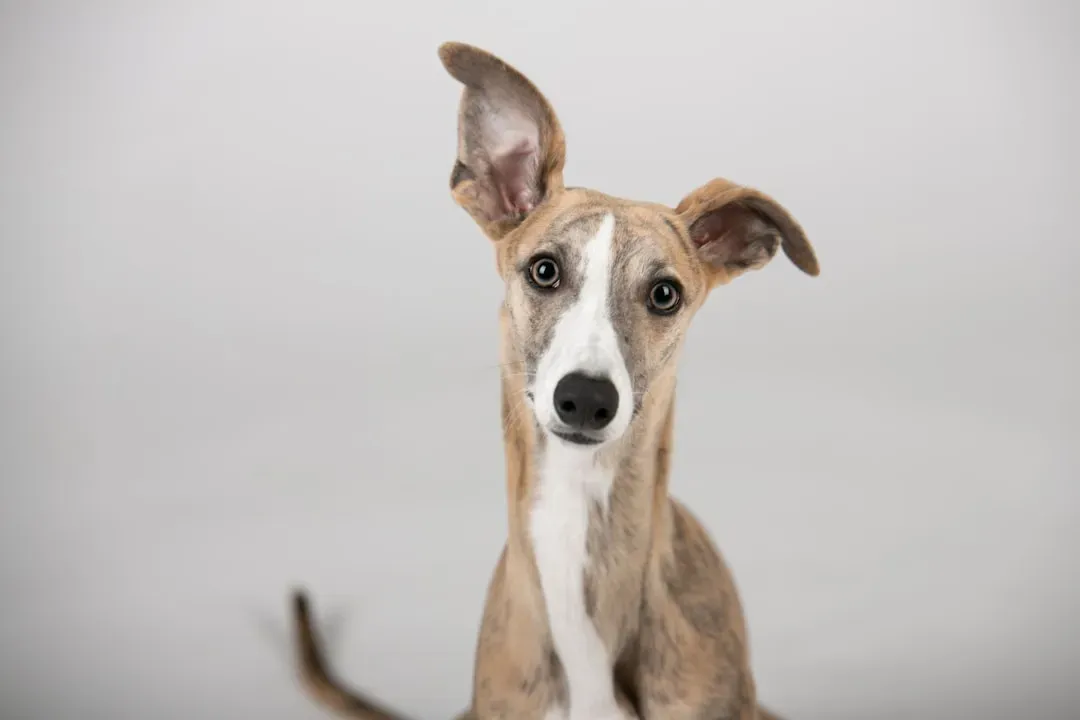
Whippets are gentle and reserved dogs that prefer quiet environments. They are sensitive to loud noises and raised voices, which can lead to stress and withdrawal. Their delicate nature makes them prone to anxiety when exposed to harsh tones.
Providing a calm and predictable environment with soft-spoken communication helps Whippets feel secure and content. This approach minimizes stress and supports their emotional health.
Bichon Frise

Bichon Frises are cheerful and loving dogs that do not cope well with stress. Loud environments and raised voices can make them anxious or withdrawn. They thrive on gentle interactions and can become distressed by harsh tones.
To ensure a Bichon Frise’s emotional well-being, it’s important to maintain a calm and nurturing environment. Positive reinforcement and soft communication foster a trusting and happy relationship.
Cocker Spaniel

Cocker Spaniels are affectionate and people-pleasing dogs with an emotionally delicate nature. They can become anxious or fearful in response to raised voices, leading to behavioral issues. Their sensitivity makes them prone to stress in chaotic environments.
Using gentle communication and positive reinforcement helps Cocker Spaniels feel secure and confident. A calm approach to training and daily interactions supports their emotional health.
Maltese

Maltese dogs are tiny and tender-hearted, easily overwhelmed by noise and fast-paced households. Raised voices can cause them to become anxious or withdrawn, affecting their overall well-being. They are sensitive to their owner’s tone and can quickly pick up on stress in the environment.
Creating a peaceful and predictable environment with gentle communication helps Maltese dogs feel safe and loved. Consistent, positive interactions support their emotional stability.
Conclusion

Understanding the emotional sensitivity of these breeds highlights the importance of mindful communication. A single raised voice can have a lasting impact on their well-being, leading to anxiety and behavioral issues. By fostering a calm and positive environment, we can ensure our sensitive canine companions feel secure and cherished. After all, isn’t a peaceful and loving relationship what we all strive for with our furry friends?