
Animal Studies Say That Wolves Raised by Humans Don’t Show the Chemical Response to Eye Contact That Domestic Dogs Do – Proving This Bond Was Shaped by Domestication, Not Just Familiarity

Imagine gazing into your dog’s eyes and feeling an unspoken connection, a silent conversation that transcends words. This profound bond isn’t just a product of shared time or mutual affection; it’s deeply rooted in the very process that transformed wild wolves into our loyal companions. Recent studies reveal that wolves, even when raised by humans, don’t experience the same chemical response to eye contact that domestic dogs do, highlighting the pivotal role of domestication in forging this unique interspecies relationship.
The Oxytocin Loop: A Chemical Bond Between Humans and Dogs
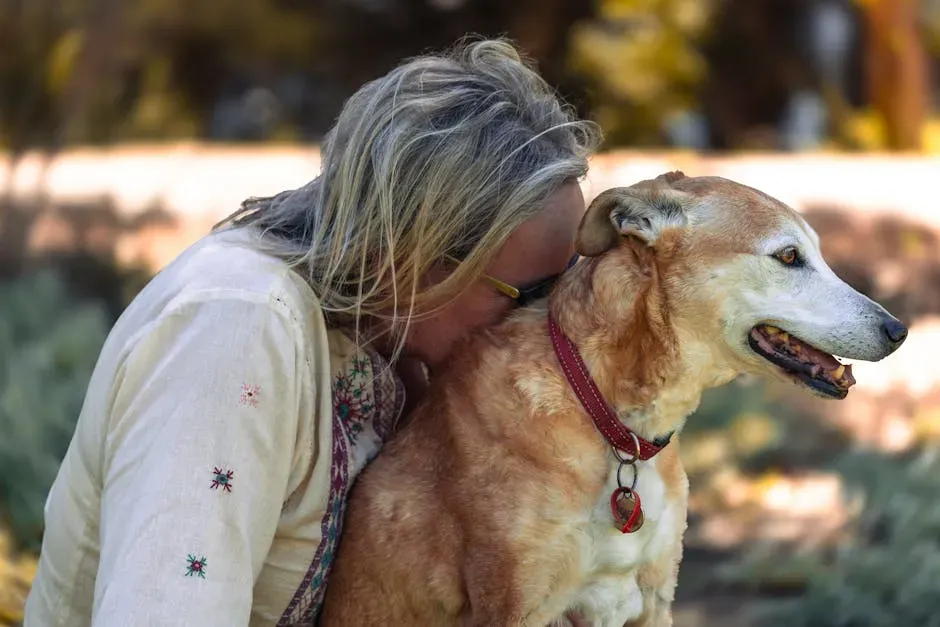
When you lock eyes with your dog, something remarkable happens: both of your bodies release oxytocin, often dubbed the “love hormone.” This chemical surge fosters feelings of trust and bonding, similar to the connection between a mother and her child. It’s a mutual reinforcement that strengthens the human-dog relationship, making our furry friends not just pets, but family.
In contrast, wolves, even those hand-reared by humans, don’t exhibit this oxytocin response during eye contact. Studies have shown that while wolves can form attachments to their human caregivers, the absence of this chemical feedback loop suggests that the deep emotional bond we share with dogs is a direct result of domestication, not merely familiarity or upbringing.
Eye Contact: A Window into Domestication
Eye contact plays a crucial role in communication and bonding among humans and dogs. Domestic dogs are naturally inclined to seek out and maintain eye contact with humans, using it as a tool to convey emotions, seek guidance, or express affection. This behavior is so ingrained that it occurs even without specific training.
Wolves, however, display a starkly different pattern. Research indicates that wolves raised by humans are less likely to initiate or maintain eye contact. When they do, it’s often brief and lacks the warmth observed in dogs. This suggests that the propensity for sustained eye contact is a trait that emerged through the domestication process, enhancing the cooperative and communicative abilities of dogs with humans.
Dingoes: The Middle Ground in Canine Evolution
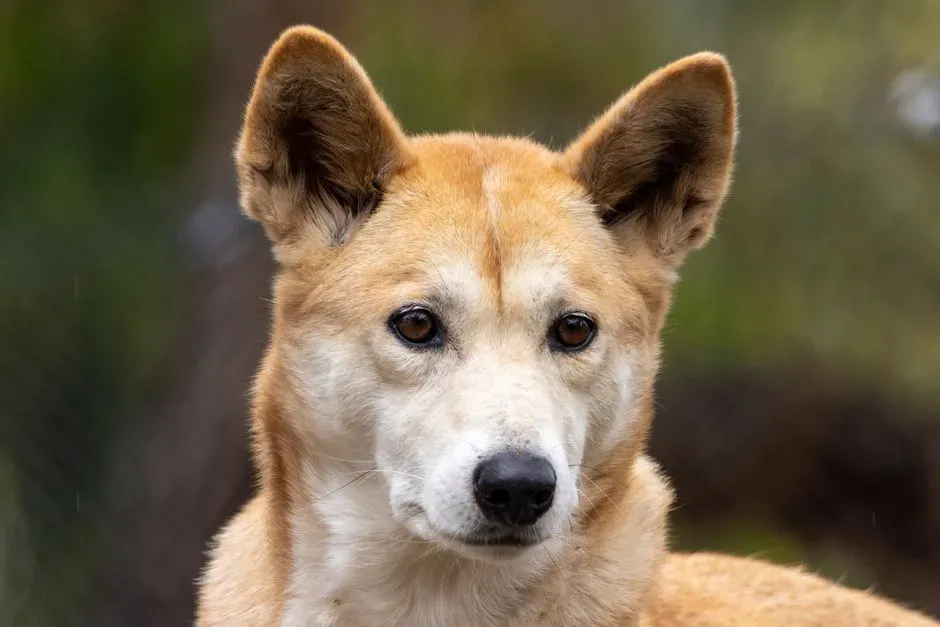
Australian dingoes offer a fascinating glimpse into the stages of domestication. Neither fully wild like wolves nor entirely domesticated like dogs, dingoes exhibit behaviors that fall somewhere in between. Studies have found that dingoes are more likely to make eye contact with familiar humans than wolves are, but these interactions are shorter and less frequent compared to domestic dogs.
This intermediate behavior in dingoes suggests that the inclination to engage in eye contact with humans began early in the domestication process. However, the depth and duration of these interactions, along with the associated chemical bonding mechanisms, likely developed further as dogs became more integrated into human societies.
Communication Differences: Dogs vs. Wolves
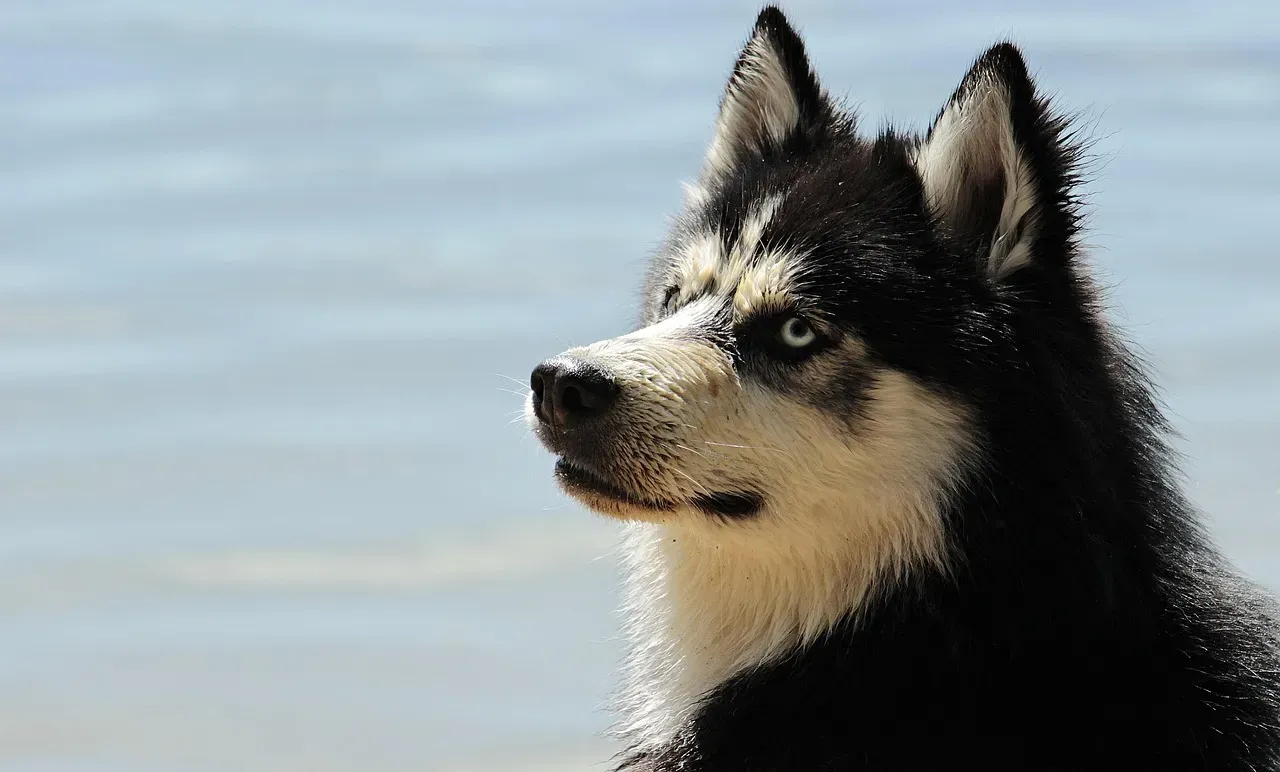
Beyond eye contact, domestic dogs have evolved a suite of communicative behaviors that facilitate interaction with humans. They are adept at reading human gestures, following pointing cues, and responding to vocal commands. These abilities make dogs exceptional companions and working animals, capable of understanding and anticipating human needs.
Wolves, even when raised in human environments, do not exhibit the same level of responsiveness to human communicative cues. Their interactions are more independent, and they are less inclined to seek human assistance or direction. This divergence underscores the impact of domestication in enhancing dogs’ communicative skills and their attunement to human behavior.
The Role of Domestication in Emotional Bonding
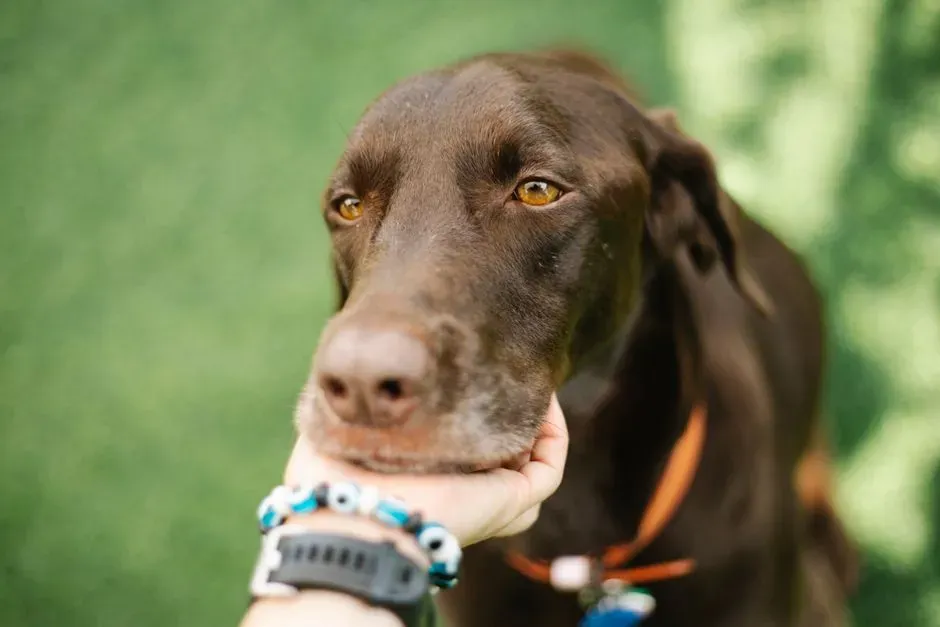
The process of domestication has not only altered dogs’ physical traits but also their emotional and social behaviors. The development of the oxytocin-mediated bonding mechanism through eye contact is a prime example of how domestication has shaped dogs to be more attuned to human emotions and social cues.
This evolutionary adaptation has enabled dogs to integrate seamlessly into human families, providing companionship, assistance, and emotional support. The absence of this mechanism in wolves, despite human rearing, highlights that such deep emotional bonds are a product of selective pressures during domestication rather than mere exposure or familiarity.
Implications for Human-Canine Relationships

Understanding the biological and evolutionary foundations of the human-dog bond enriches our appreciation of these loyal companions. It sheds light on why dogs are uniquely suited to be by our sides, offering not just companionship but a profound emotional connection that is rare among other species.
This knowledge also informs how we interact with and care for dogs, emphasizing the importance of social engagement, eye contact, and mutual communication in nurturing a healthy and fulfilling relationship with our canine friends.
Conclusion: The Unique Bond Forged by Domestication
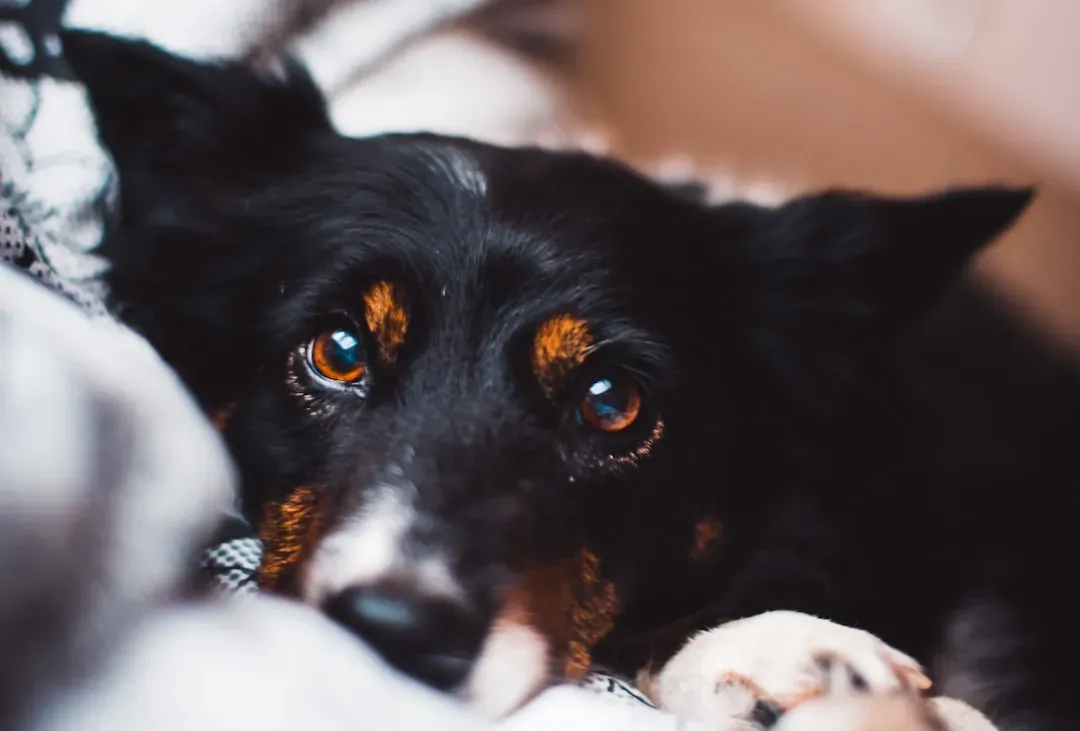
The special connection we share with dogs is not merely a byproduct of time spent together or shared experiences. It’s a relationship deeply embedded in our shared evolutionary history, sculpted by the process of domestication. The absence of the oxytocin response to eye contact in wolves raised by humans serves as a compelling testament to this fact. It reminds us that the loyal gaze of a dog is not just a sign of affection but a window into thousands of years of co-evolution, a bond that has been carefully crafted through generations to bring humans and dogs together in a partnership unlike any other.
So, the next time your dog looks into your eyes, remember: it’s not just a look; it’s a legacy of love and mutual understanding that has stood the test of time.