
7 Things Your Dog Does in the Week Before They Cross the Rainbow Bridge That Most Owners Only Recognize Too Late

The final days with our beloved canine companions are precious, yet often filled with subtle signs that many owners overlook until it’s too late. Recognizing these behaviors can provide an opportunity to offer comfort and make informed decisions during this tender time.
1. Seeking Solitude More Than Usual

Dogs are inherently social creatures, thriving on interaction and companionship. However, as they approach the end of their lives, many dogs exhibit a marked preference for solitude. They might retreat to quiet corners, under furniture, or secluded areas of the yard, distancing themselves from family activities. This behavior isn’t a reflection of their feelings towards their owners but rather an instinctual response to their declining health.
Understanding this shift is crucial. While it’s natural to feel hurt or concerned, respecting their need for space can provide them with the comfort they seek. Offering a quiet, cozy spot away from household hustle can be a compassionate way to support them during this time.
2. Decreased Interest in Food and Water

A noticeable decline in appetite and thirst is a common sign that a dog’s body is preparing for the end. They may turn away from meals they once devoured or show disinterest in drinking water. This change can be distressing for owners who associate feeding with nurturing and care.
It’s essential to recognize that forcing food or water can cause discomfort. Instead, offering small amounts of their favorite treats or moistening their mouth with a damp cloth can provide relief. Consulting with a veterinarian can also offer guidance on how to keep them comfortable without causing undue stress.
3. Uncharacteristic Restlessness or Agitation

In the days leading up to their passing, some dogs may exhibit restlessness or agitation. They might pace, have difficulty settling, or seem unable to find a comfortable position. This behavior can stem from discomfort, anxiety, or confusion as their body undergoes changes.
Providing a calm environment can help alleviate some of this restlessness. Soft bedding, gentle petting, and a quiet atmosphere can offer solace. If the agitation persists, seeking advice from a veterinarian about potential pain management options is advisable.
4. Changes in Breathing Patterns
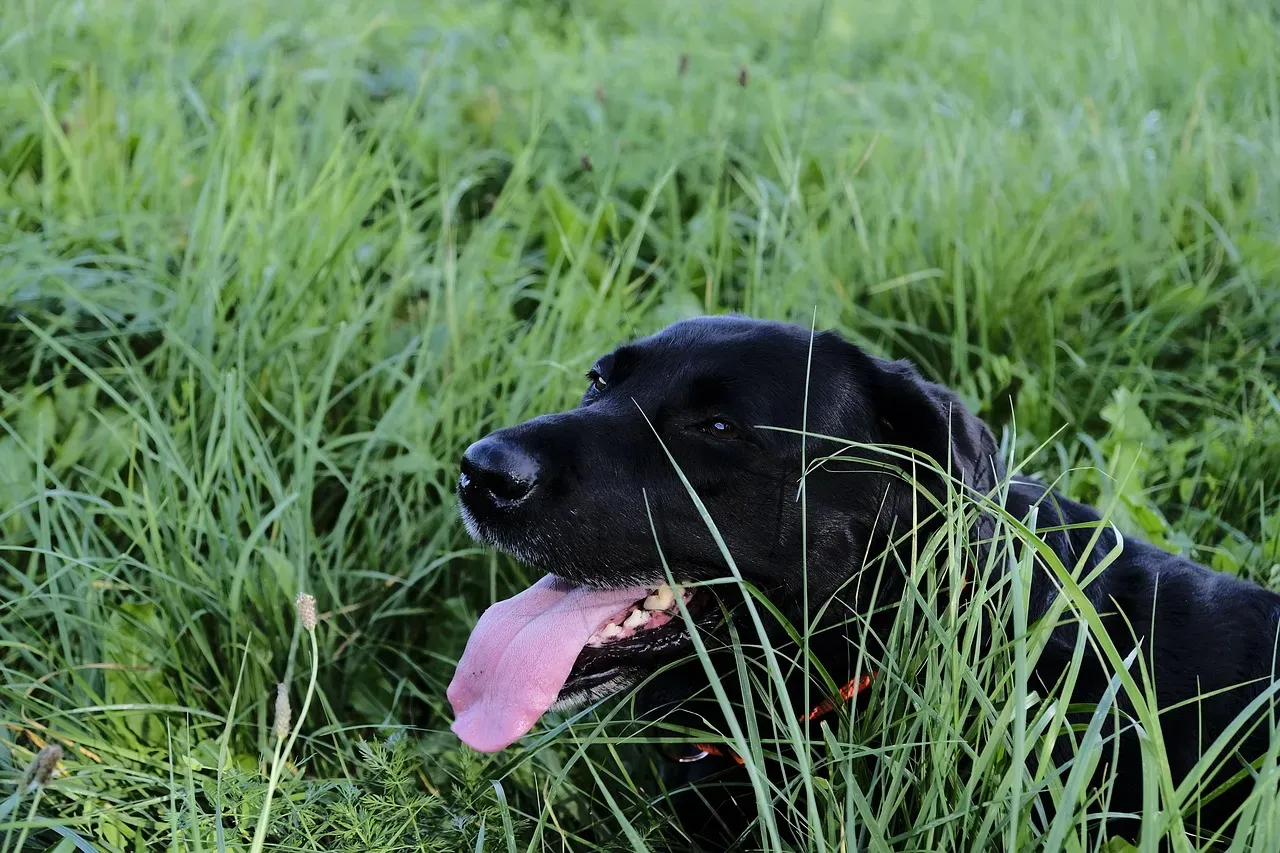
Altered breathing is a significant indicator that a dog is nearing the end of life. You might observe shallow breaths, irregular breathing, or extended pauses between breaths. These changes can be unsettling to witness but are a natural part of the dying process.
Maintaining a peaceful environment is vital. Avoiding loud noises and keeping the room at a comfortable temperature can help ease their breathing. If breathing becomes labored or they appear in distress, consulting with a veterinarian can provide options to ensure their comfort.
5. Loss of Interest in Favorite Activities

A dog nearing the end of life often loses interest in activities they once enjoyed. Walks, playtime, or even greeting family members at the door may no longer elicit a response. This withdrawal is not a sign of depression but rather an indication of their declining energy and comfort levels.
Honoring their pace and preferences during this time is essential. Offering gentle companionship without pushing them to engage can provide the emotional support they need. Remember, your presence alone can be a great source of comfort.
6. Incontinence and Loss of House Training

As a dog’s body weakens, they may lose control over their bladder and bowels, leading to accidents indoors. This can be distressing for both the dog and the owner, especially if the dog was previously well-trained.
Approaching this situation with patience and understanding is crucial. Using absorbent pads, maintaining a regular schedule for bathroom breaks, and keeping their living area clean can help manage this issue. It’s important to remember that this loss of control is involuntary and not a behavioral issue.
7. Unusual Vocalizations or Sounds

Some dogs may begin to vocalize more in their final days, emitting whines, whimpers, or other sounds that are out of character. These vocalizations can be expressions of discomfort, confusion, or a need for attention.
Responding with gentle reassurance can help soothe them. Speaking in a calm, soft voice and offering gentle petting can provide comfort. If the vocalizations are persistent or indicate pain, consulting with a veterinarian about pain management options is recommended.
Conclusion

Recognizing these signs in the final days of your dog’s life allows you to provide the compassion and care they deserve. It’s a profound responsibility to ensure their comfort and dignity as they transition. By being attentive and responsive to these behaviors, you can make their final moments as peaceful as possible. After all, isn’t that the least we can do for our loyal friends who have given us a lifetime of unconditional love?