
13 Ways Your Dog Tries to Apologise That Most Owners Completely Miss
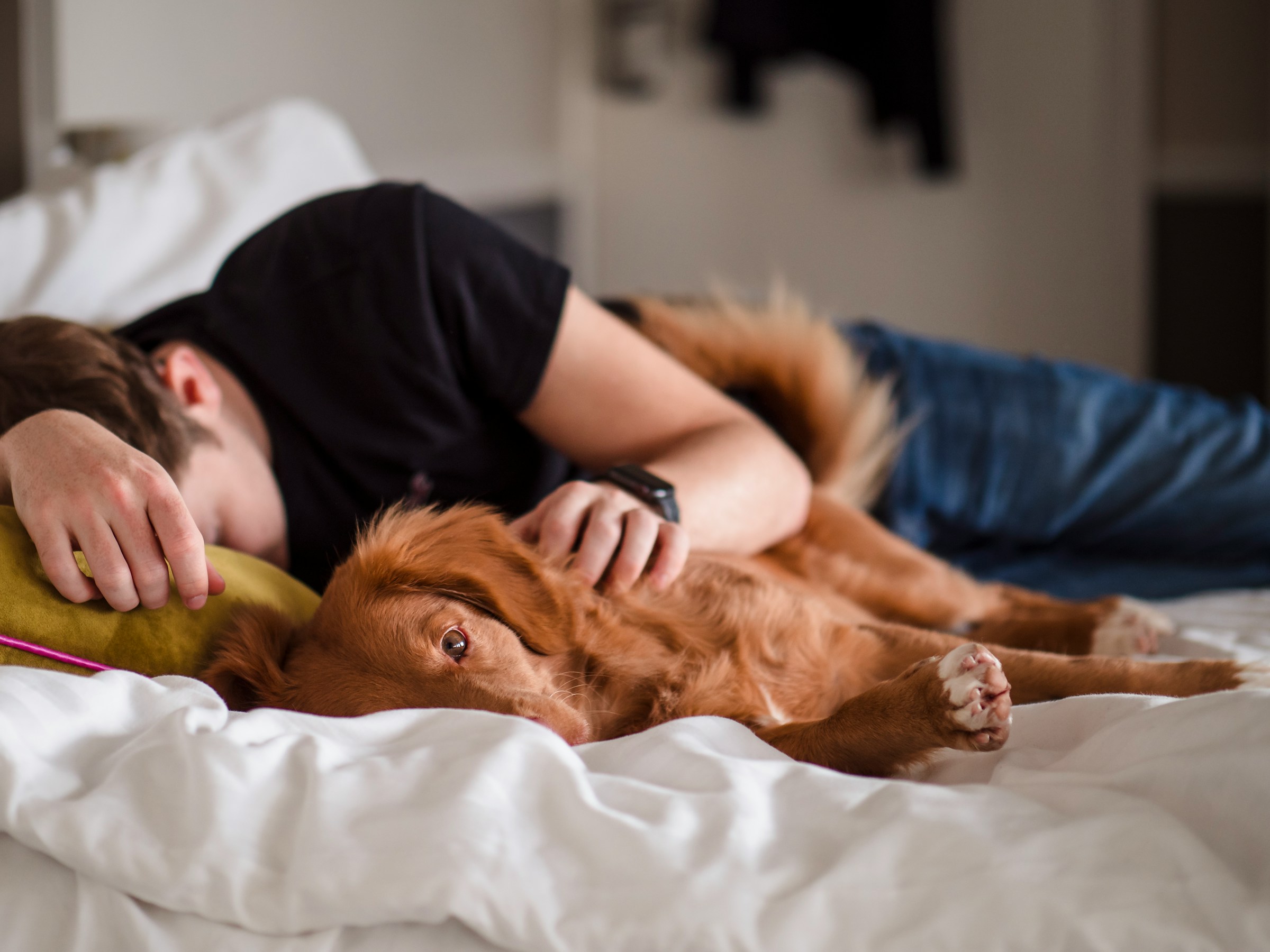
Ever caught your dog giving you those big, soulful eyes after they’ve chewed up your favorite shoes? While it might seem like they’re saying “I’m sorry,” the truth is, dogs communicate remorse in ways we often overlook. Understanding these subtle signals can deepen the bond between you and your furry friend.
1. Avoiding Eye Contact
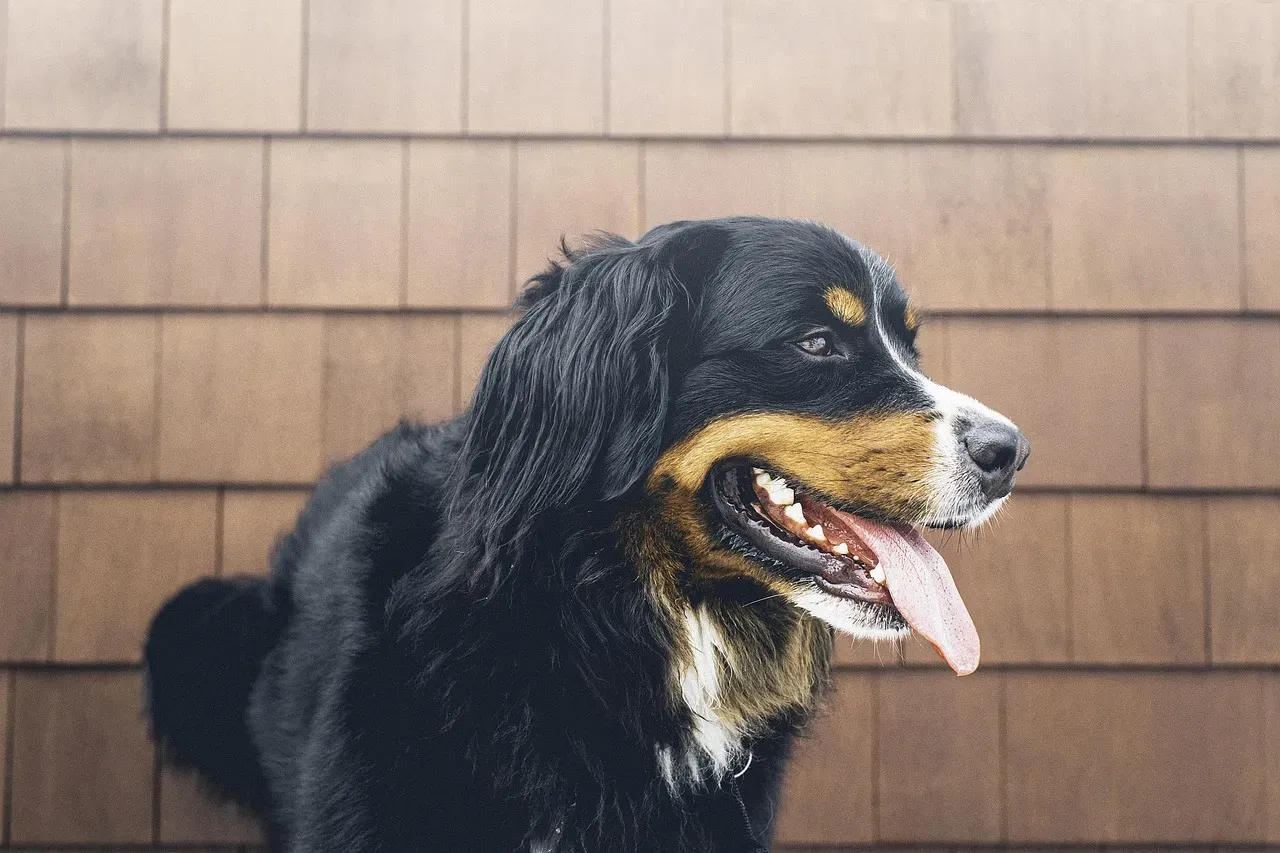
When your dog turns their gaze away after a mishap, it’s not defiance – it’s an appeasement gesture. In the canine world, direct eye contact can be perceived as a challenge. By looking away, your dog is signaling submission and a desire to avoid conflict. This behavior is their way of diffusing tension and showing they mean no harm.
2. Tucking Their Tail
A tail tucked between the legs is a classic sign of submission. This posture makes the dog appear smaller and less threatening, indicating they recognize your displeasure. It’s a non-verbal way of saying, “I acknowledge my mistake and seek your forgiveness.” This behavior is deeply ingrained from their ancestral pack dynamics.
3. Lowering Their Ears
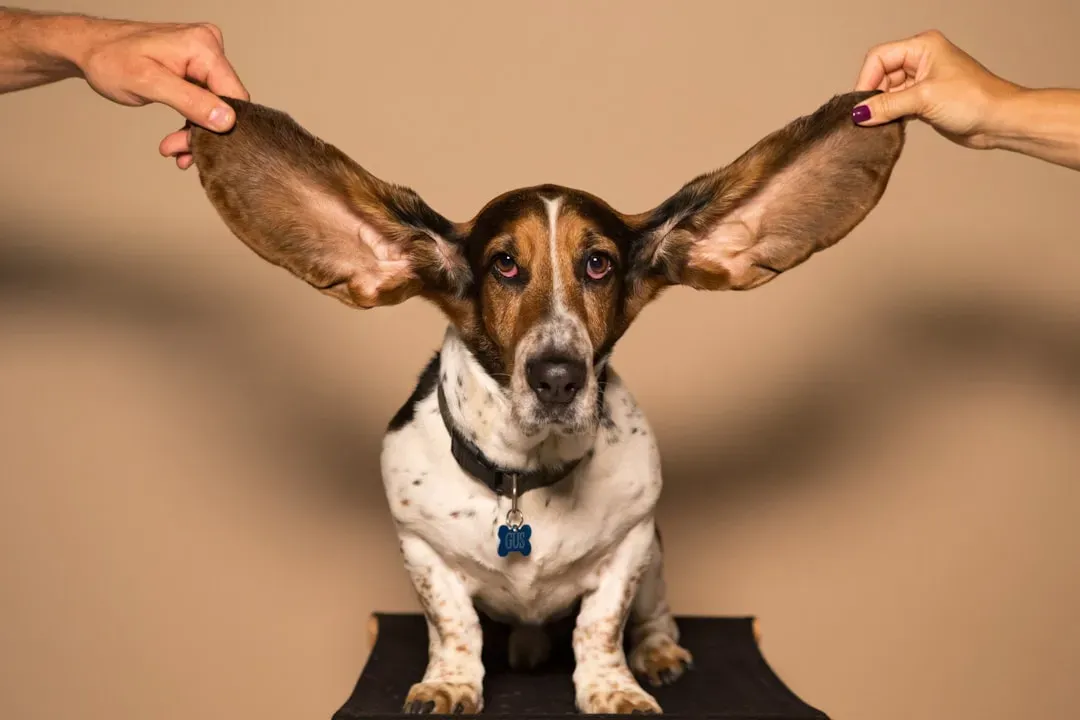
Flattened ears pressed back against the head are another submissive signal. This action shows your dog is feeling anxious and is trying to appease you. It’s their way of demonstrating they are not a threat and are seeking reconciliation. Recognizing this can help you respond with reassurance.
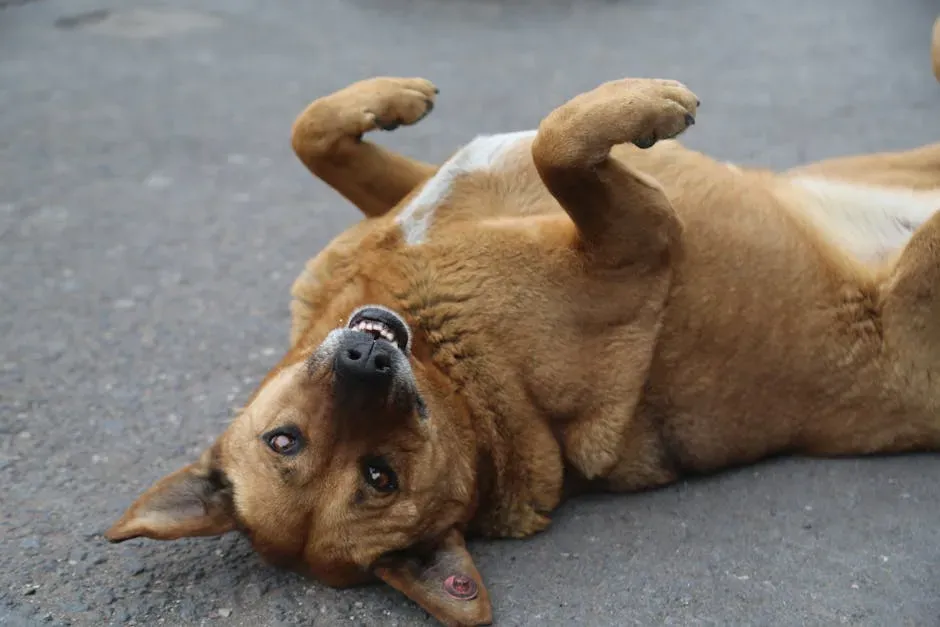
4. Rolling Over to Expose Their Belly
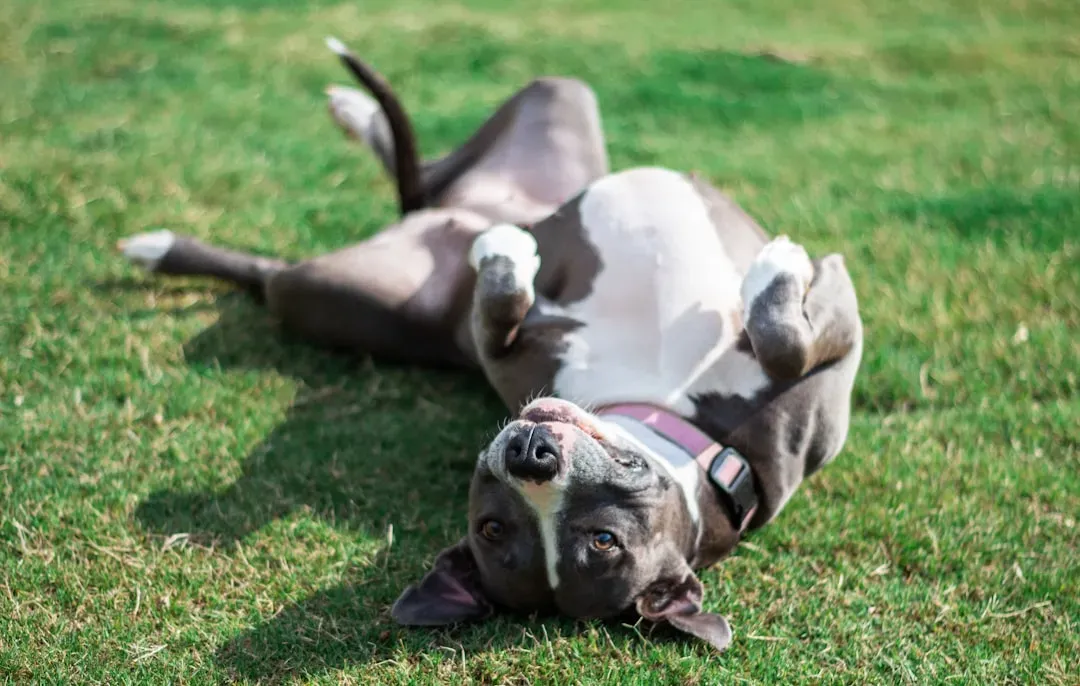
When a dog rolls onto their back, exposing their belly, it’s a vulnerable position that signifies trust and submission. This behavior is an invitation for peace, indicating they want to make amends. It’s their way of showing they trust you and are seeking your approval. Responding with gentle affection can reinforce this trust.
5. Licking Their Lips
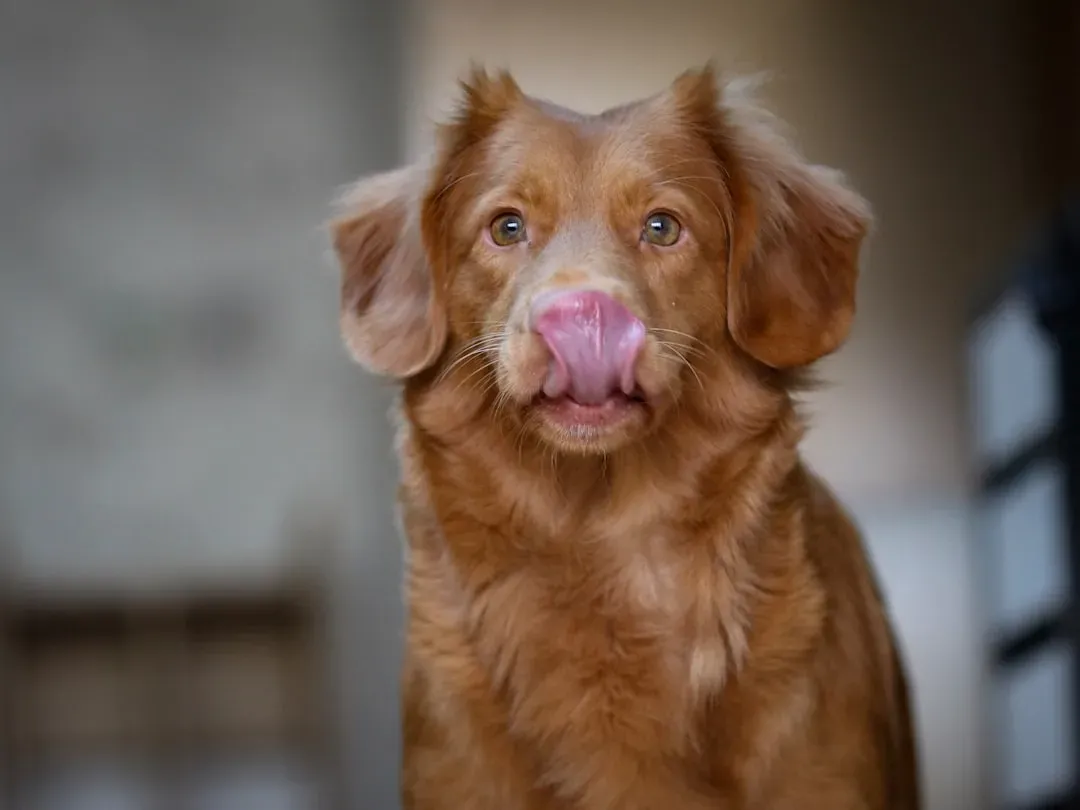
Lip licking, especially when there’s no food involved, is a calming signal. It’s a dog’s way of reducing tension and showing they are not a threat. This subtle gesture is often overlooked but is a clear sign of their desire to appease. Being aware of this can help you understand their emotional state.
6. Yawning
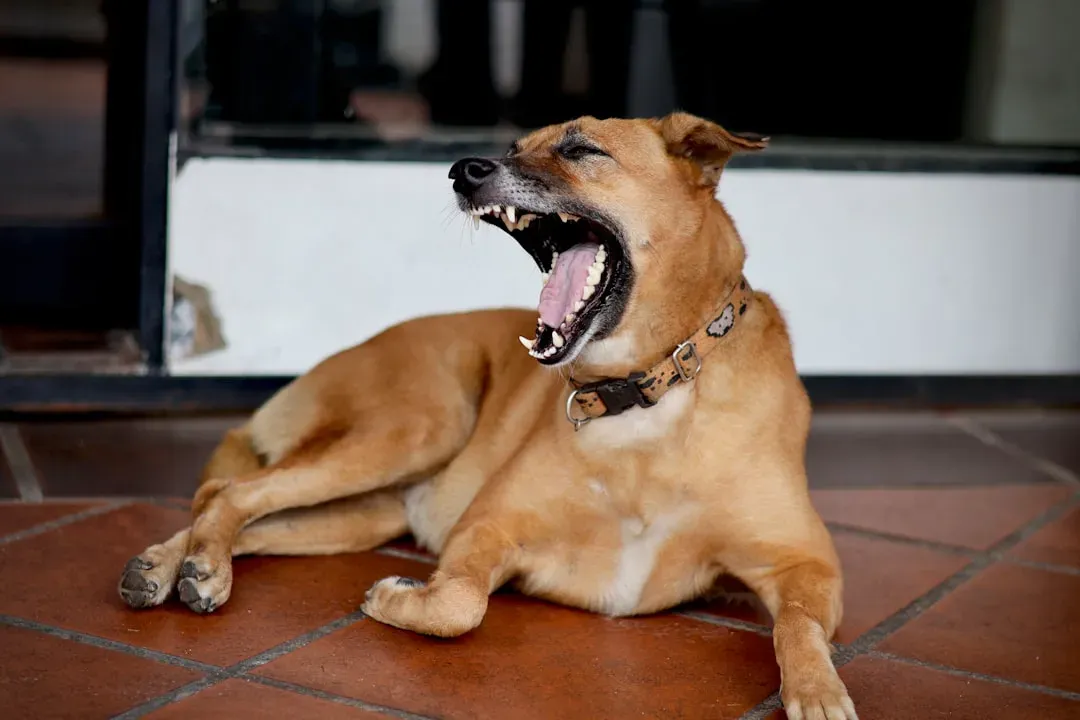
Similar to lip licking, yawning in dogs can be a sign of stress or discomfort. It’s a way for them to calm themselves and the situation. If your dog yawns after being scolded, it’s likely an attempt to diffuse tension. Recognizing this can help you approach them with patience.
7. Paw Lifting
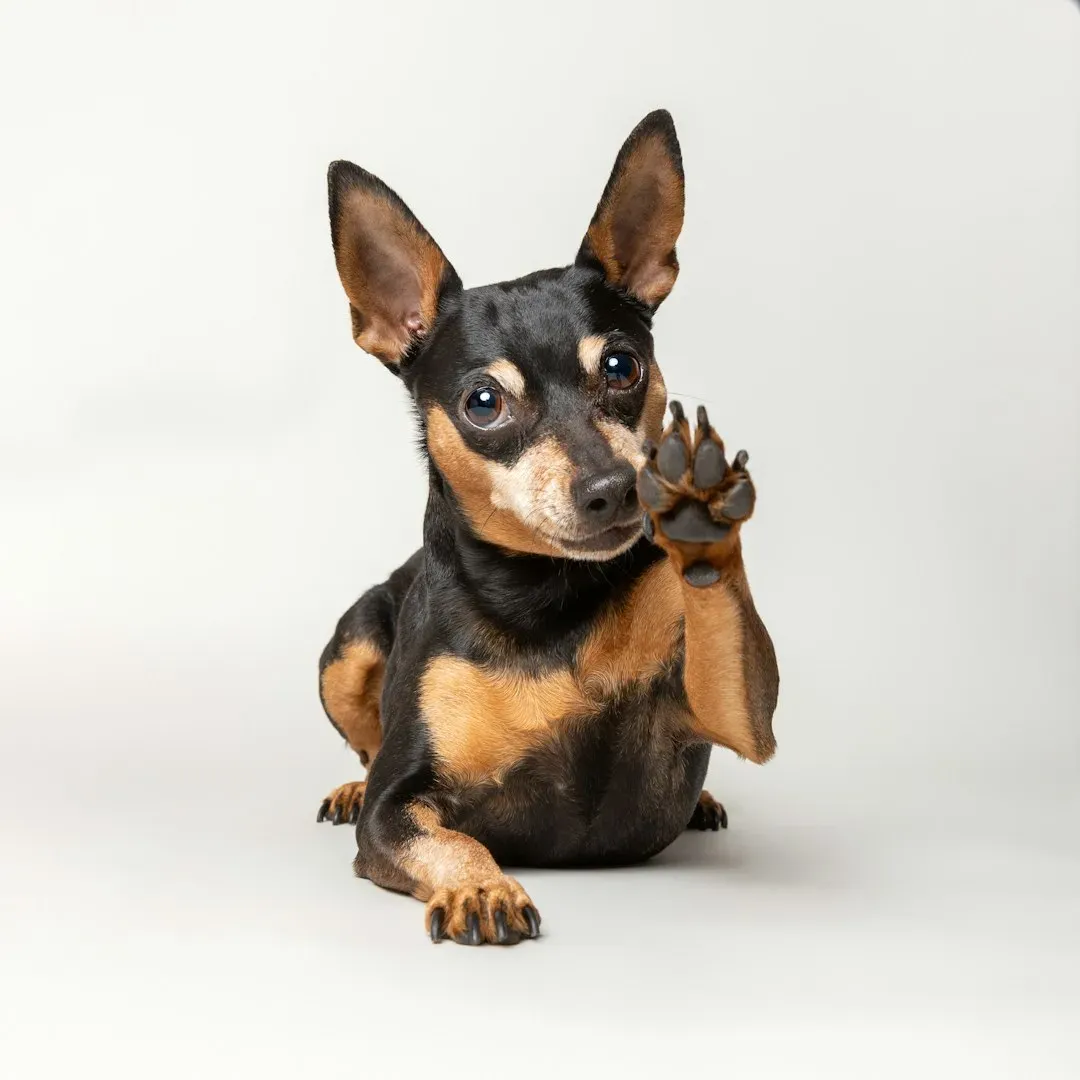
A raised paw can indicate uncertainty or submission. It’s a subtle gesture that shows your dog is trying to communicate their remorse and seek reassurance. This behavior is often seen in puppies but can continue into adulthood. Responding with calmness can help them feel secure.
8. Slow, Submissive Approach
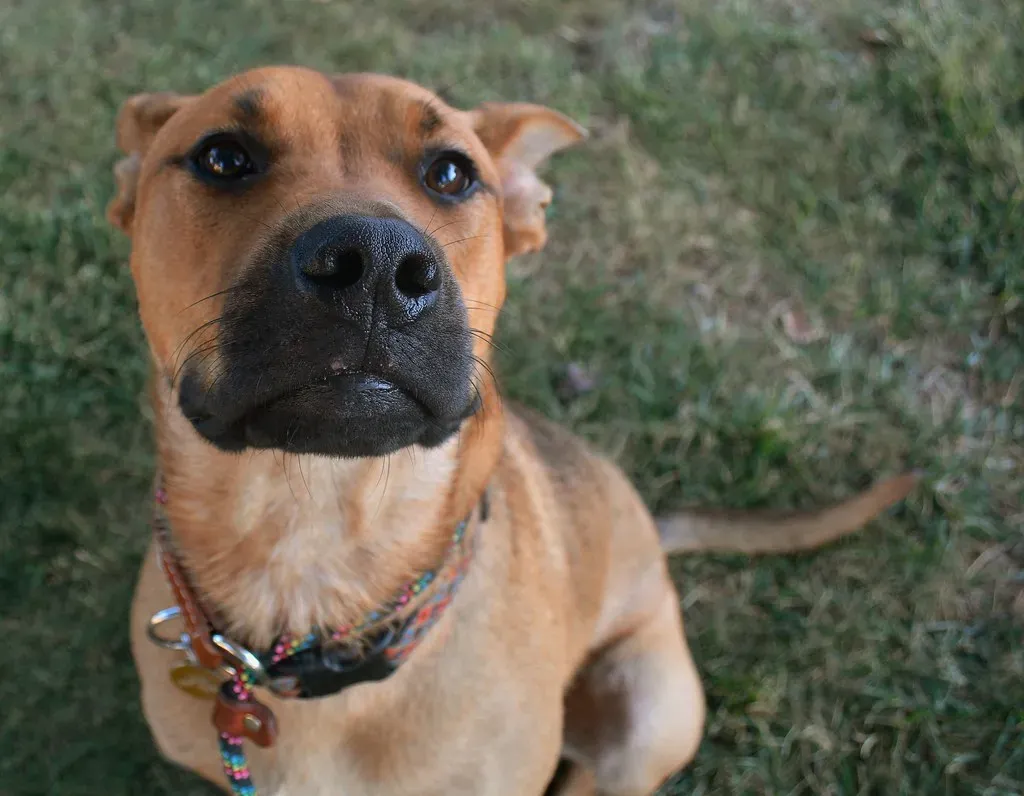
If your dog approaches you slowly with a lowered head and body, they’re showing submission. This cautious approach is their way of seeking forgiveness and trying to make amends. It’s important to respond with kindness to reinforce positive behavior. This can strengthen your bond and build trust.
9. Bringing You a “Gift”
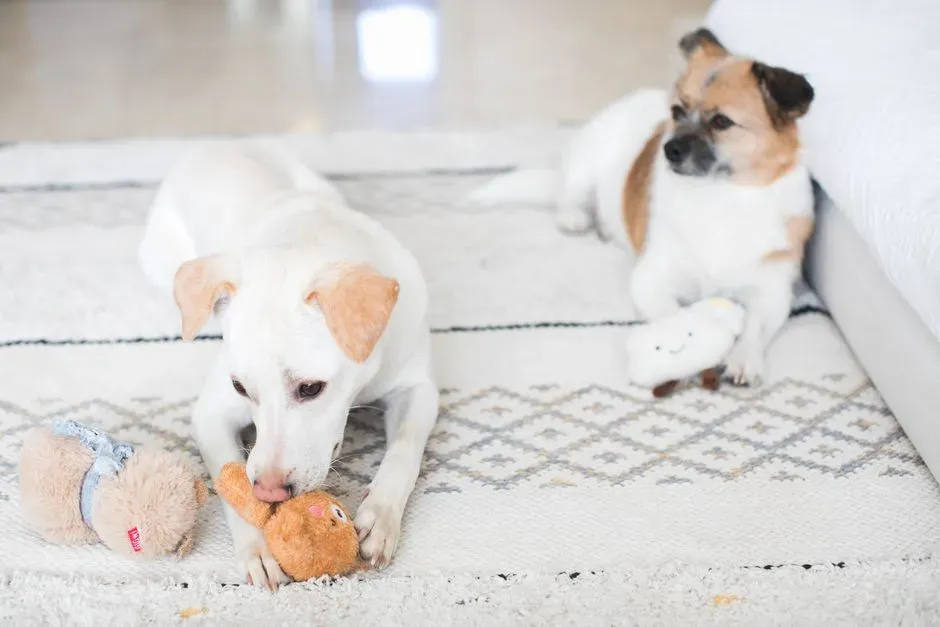
Some dogs may bring you a toy or object as a peace offering. This behavior is their way of trying to please you and make up for their mistake. It’s a gesture of goodwill and an attempt to restore harmony. Acknowledging this can encourage positive interactions.
10. Sitting or Lying Down Near You
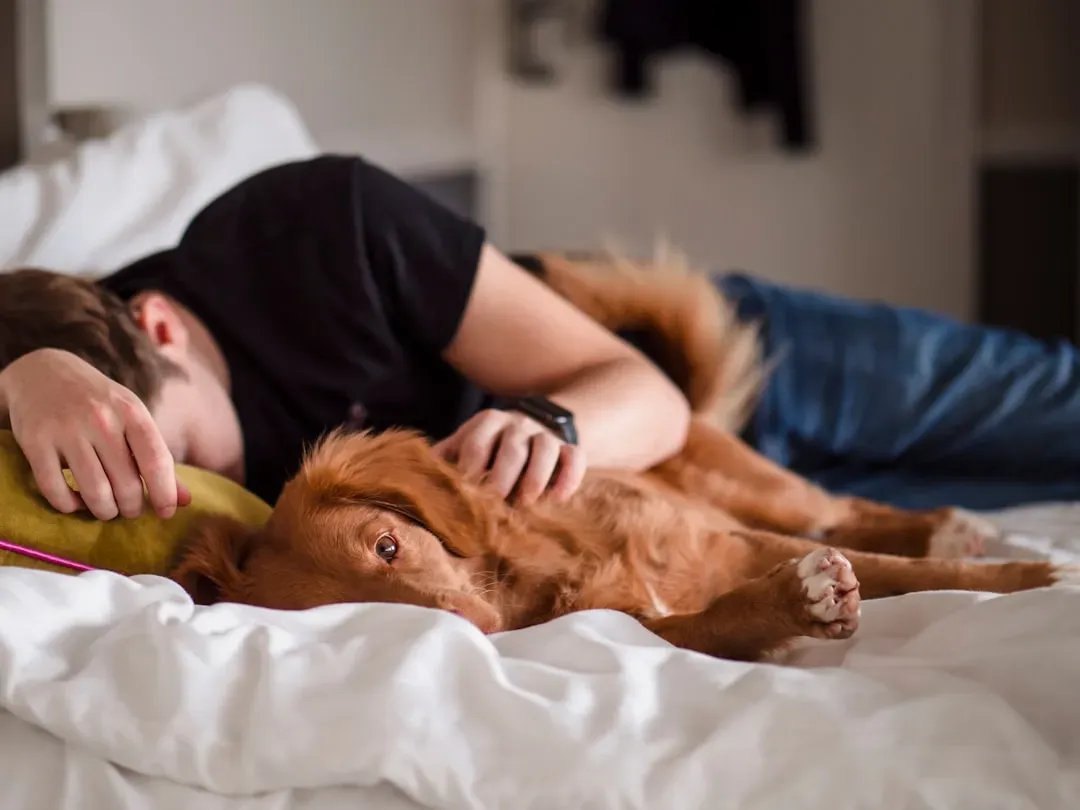
After a misstep, your dog might choose to sit or lie down close to you, seeking proximity as a way to reconnect. This behavior indicates they value your companionship and are seeking comfort. It’s their way of showing they want to be close and mend any rift. Offering gentle petting can reassure them.
11. Wagging Tail Low and Slow
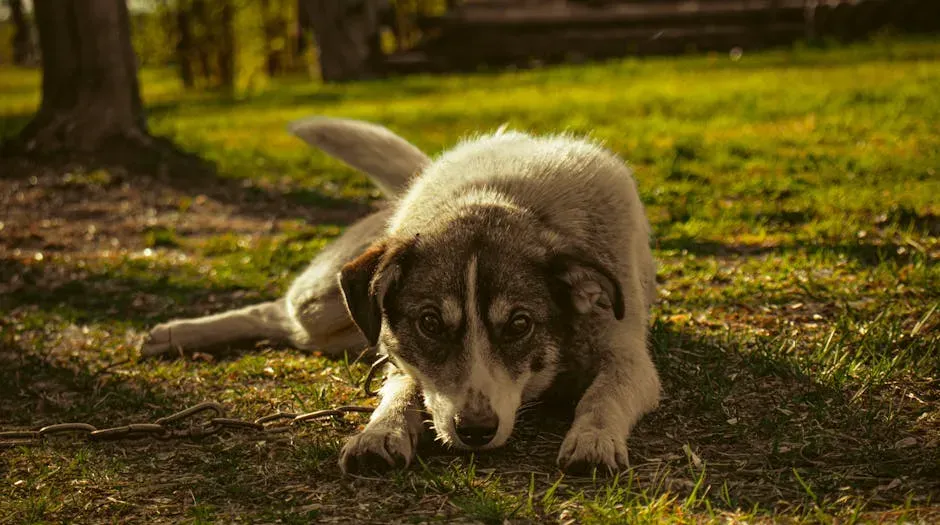
A low, slow wagging tail can indicate submission and a desire to appease. Unlike the high, fast wag of excitement, this subdued wag is a peace offering. It’s a subtle way of saying, “I want to make things right.” Recognizing this can help you respond appropriately.
12. Avoiding You Temporarily
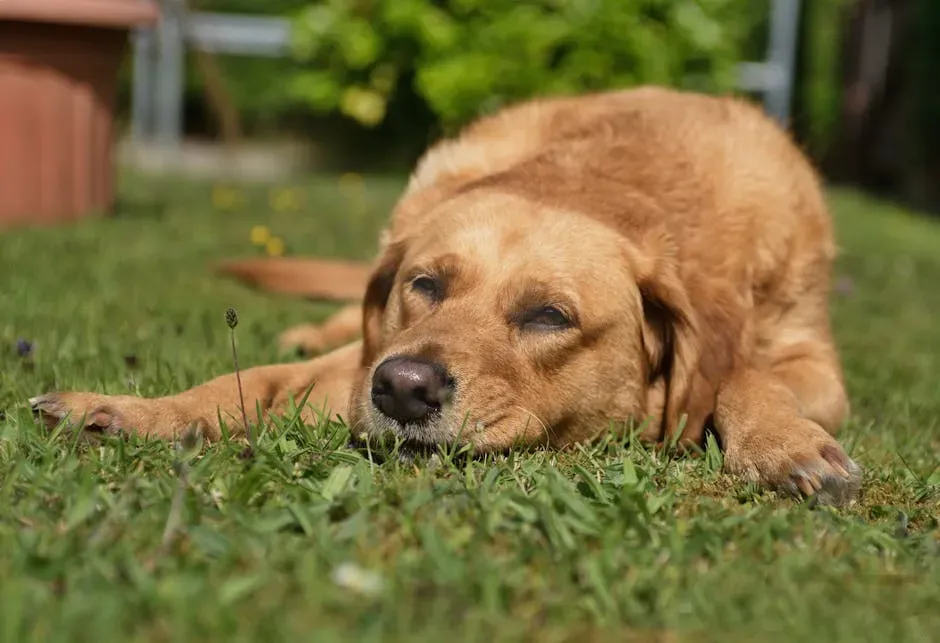
Sometimes, a dog may choose to give you space after they’ve done something wrong. This behavior is not about ignoring you but is a way for them to avoid conflict and allow tensions to ease. It’s their way of giving you time to cool down. Understanding this can prevent misinterpretation.
13. Mimicking Your Movements
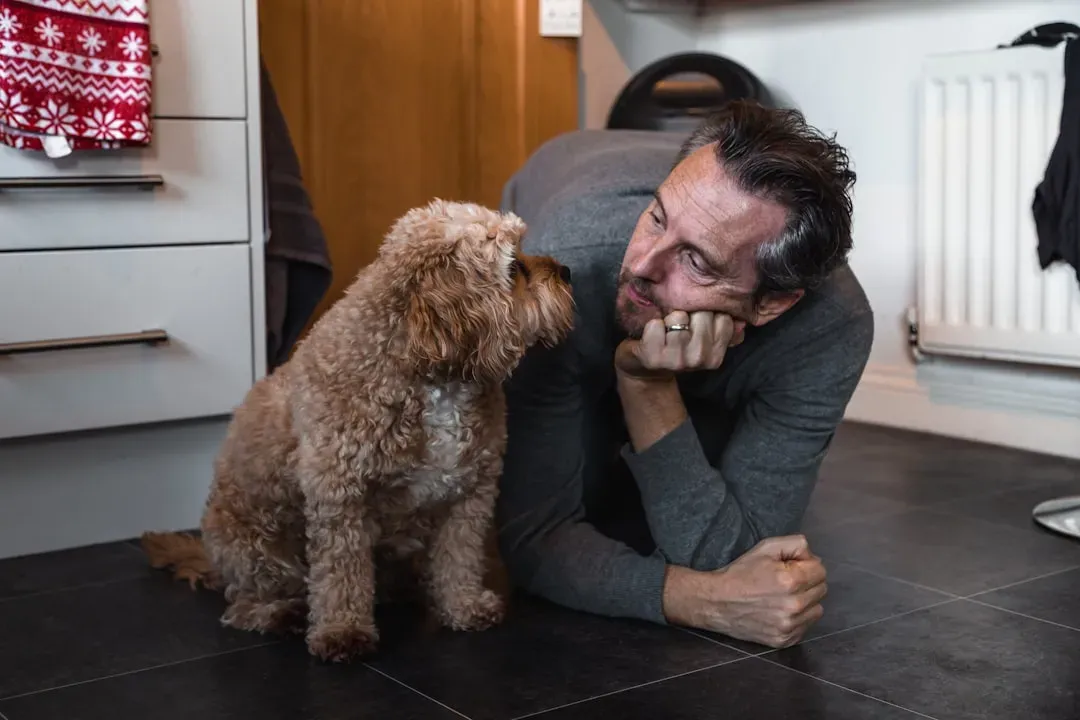
Dogs often mirror their owners’ behaviors as a bonding mechanism. If your dog starts to mimic your actions after a disagreement, it’s a sign they’re trying to reconnect and align with you. This behavior is a subtle way of showing they are attuned to you. Engaging with them can reinforce this connection.
Understanding these subtle cues can transform your relationship with your dog. By recognizing and responding to their unique ways of expressing remorse, you foster a deeper bond built on trust and empathy. So, next time your pup gives you those “guilty” eyes, remember – they’re communicating in the best way they know how. Are you ready to listen?