
10 Dog Breeds That Fall Apart When Left Alone and 6 That Actually Prefer Solitude
Ever wondered why some dogs seem to handle alone time with ease, while others turn your absence into a full-blown crisis? The answer often lies in their breed’s history and temperament. Let’s explore ten breeds that struggle with solitude and six that surprisingly embrace it.
1. Border Collie
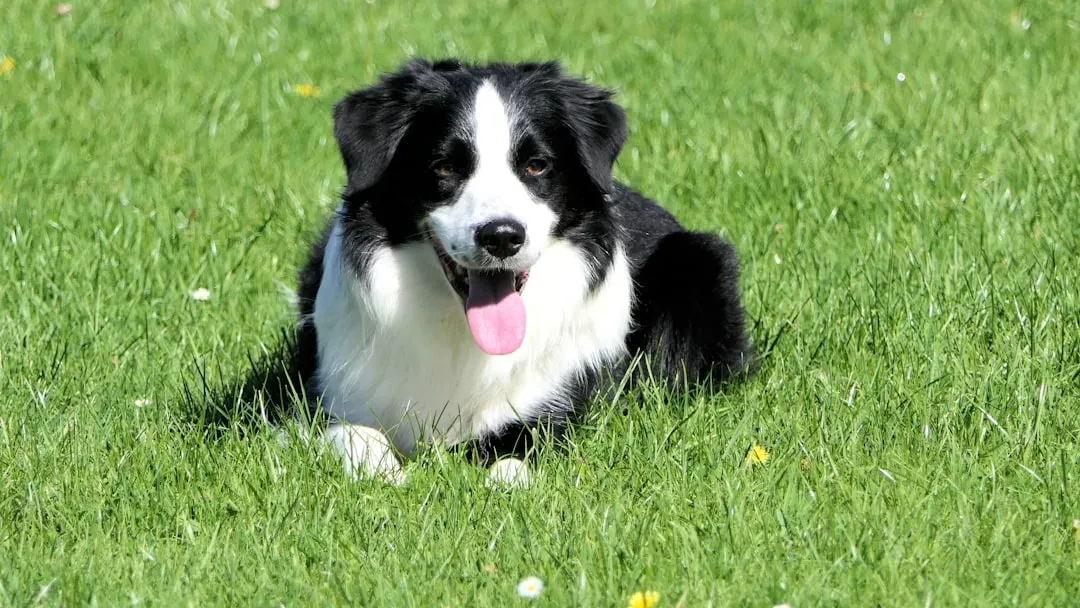
Border Collies are renowned for their intelligence and boundless energy. Originally bred for herding, they thrive on constant activity and human interaction. When left alone, their sharp minds and high energy can lead to destructive behaviors as they attempt to entertain themselves. Without sufficient mental and physical stimulation, they may resort to chewing furniture or excessive barking.
2. German Shepherd
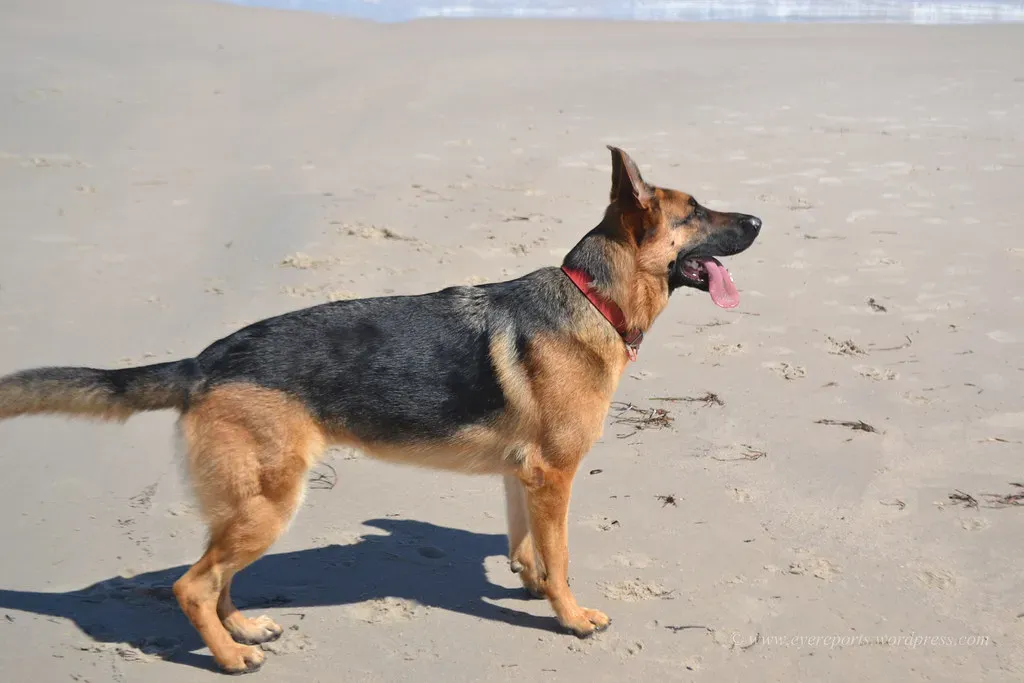
German Shepherds are loyal and protective, forming deep bonds with their families. This strong attachment makes them prone to separation anxiety. When left alone, they may exhibit behaviors like pacing, whining, or attempting to escape. Their need for companionship and purpose means they don’t fare well in solitude.
3. Vizsla

Often referred to as “Velcro dogs,” Vizslas are known for their affectionate nature and desire to be close to their owners. This breed thrives on human interaction and can become anxious when left alone. Signs of their distress may include destructive chewing, barking, or even attempts to follow their owners.
4. Labrador Retriever
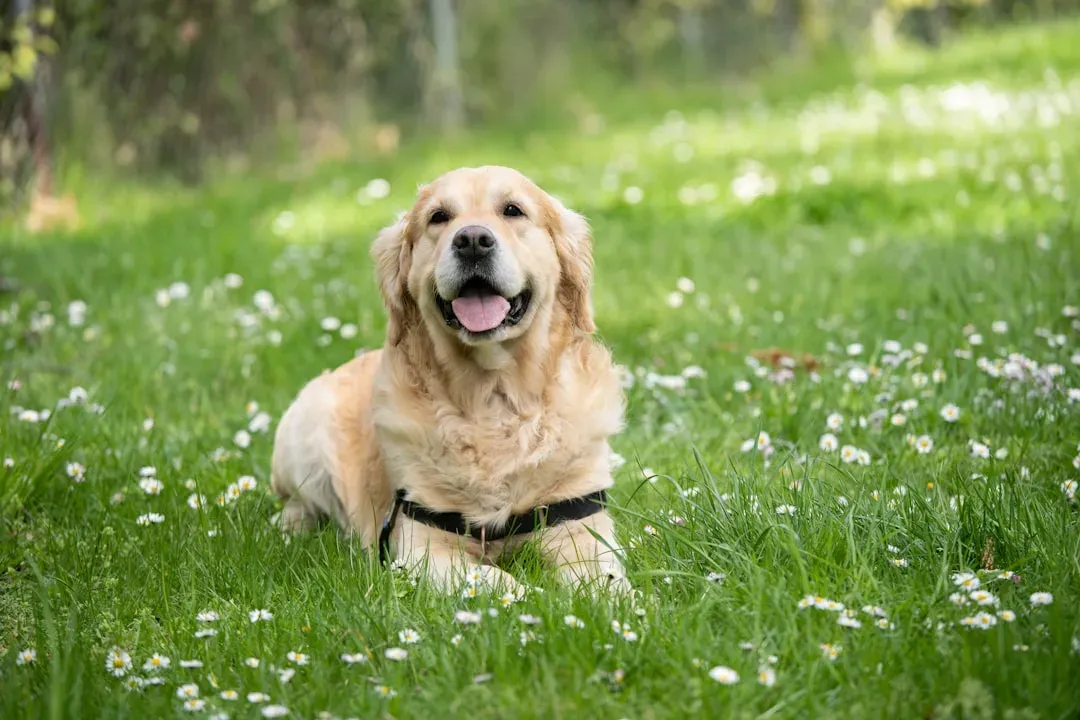
Labradors are friendly and social dogs that enjoy being part of family activities. Their sociable nature makes them susceptible to separation anxiety. When left alone, they might resort to chewing, digging, or barking to cope with their loneliness. Regular companionship and engagement are essential for their well-being.
5. Cavalier King Charles Spaniel

Bred as companion dogs, Cavaliers have a strong desire to be with their humans. They can become distressed when left alone, leading to behaviors like excessive barking or house soiling. Their affectionate nature means they thrive best in environments where they’re seldom left alone.
6. Australian Shepherd
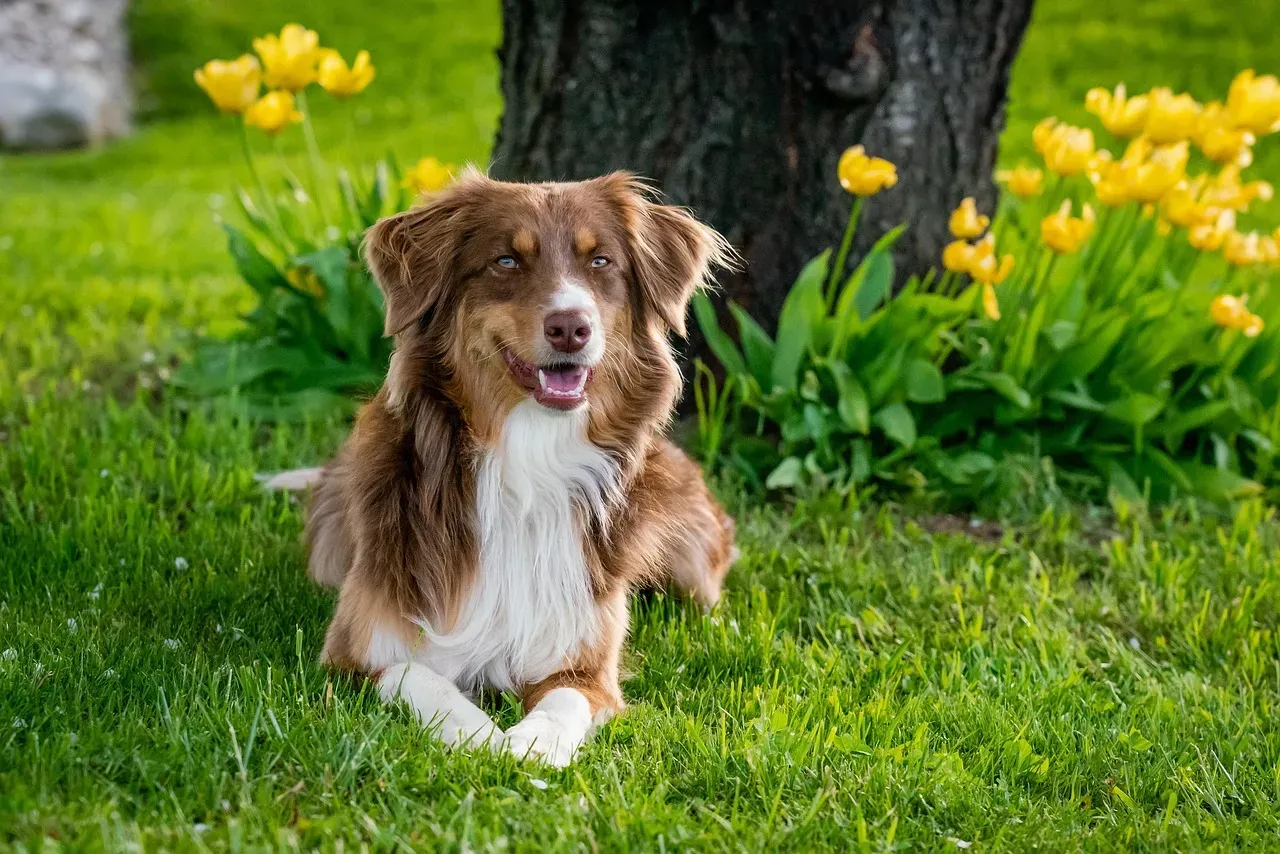
Australian Shepherds are energetic and intelligent, requiring regular mental and physical stimulation. Without it, they can become anxious and destructive when left alone. Their herding instincts also make them prone to trying to “herd” other pets or even children in the household.
7. Bichon Frise
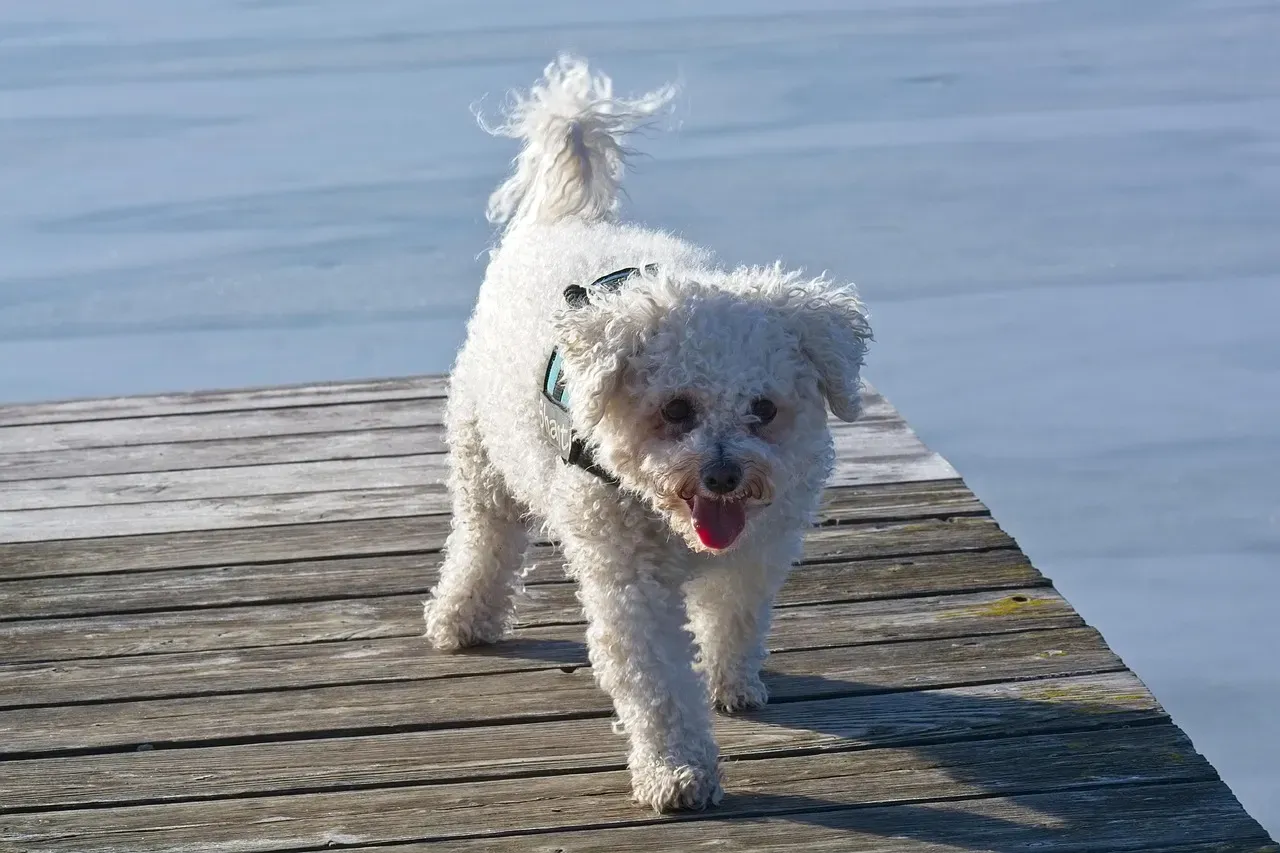
Bichon Frises are cheerful and affectionate, often forming close bonds with their families. This attachment can lead to separation anxiety when they’re left alone. They may express their distress through barking, chewing, or other destructive behaviors.
8. Jack Russell Terrier

Jack Russells are energetic and intelligent, always on the lookout for something to do. When left alone without adequate stimulation, they can become bored and anxious, leading to behaviors like digging, barking, or chewing. Their high energy levels require regular outlets to prevent such issues.
9. Toy Poodle
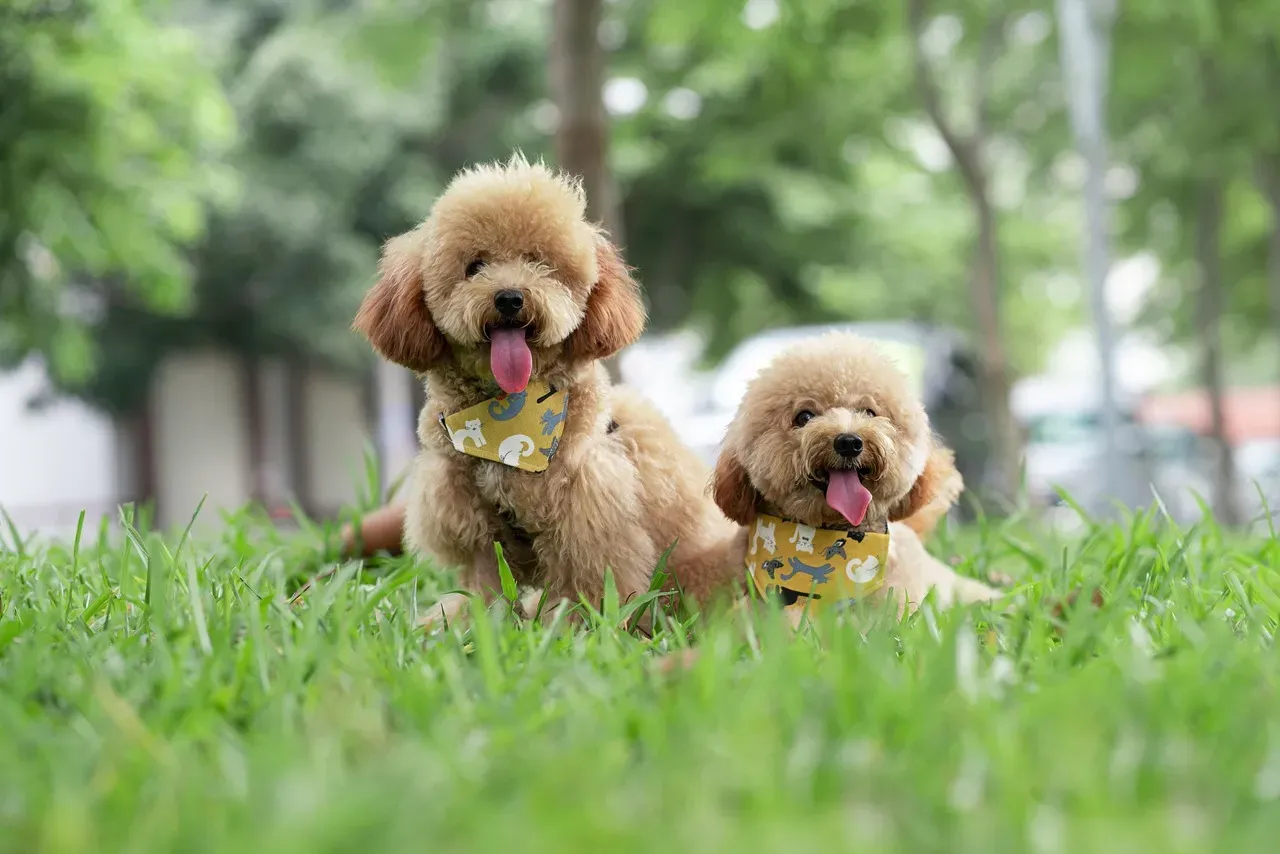
Toy Poodles are known for their intelligence and affectionate nature. They form strong bonds with their owners and can become anxious when left alone. Signs of their distress may include excessive barking, whining, or destructive behaviors.
10. Chihuahua
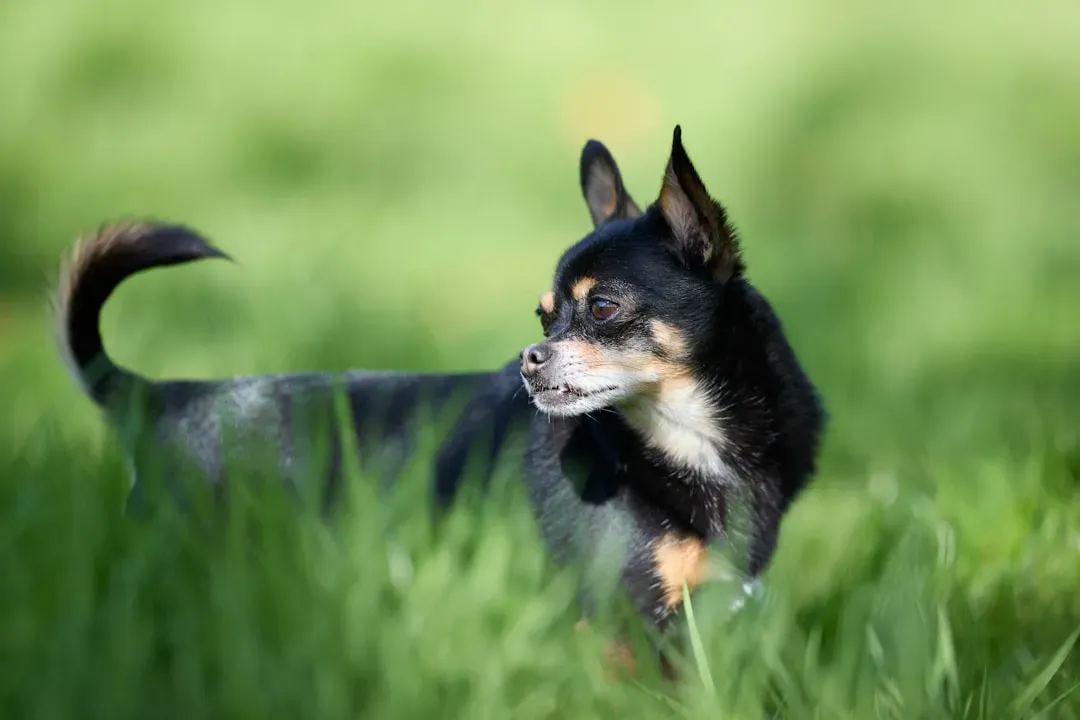
Despite their small size, Chihuahuas have big personalities and form strong attachments to their owners. They can become anxious when left alone, leading to behaviors like barking, whining, or even attempts to escape. Their need for companionship makes them less suited to being left alone for extended periods.
1. Basset Hound
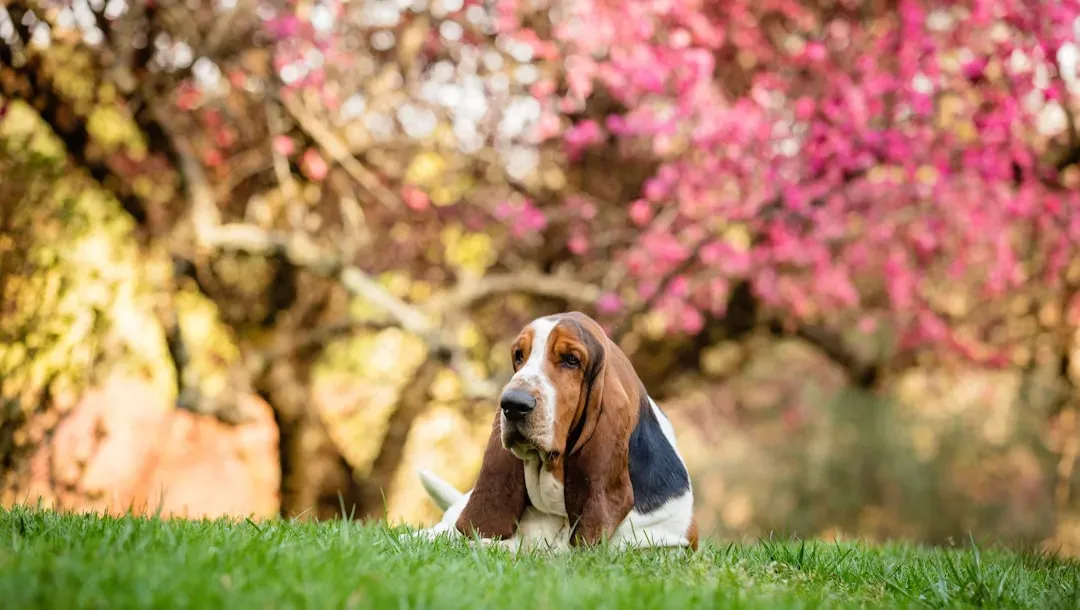
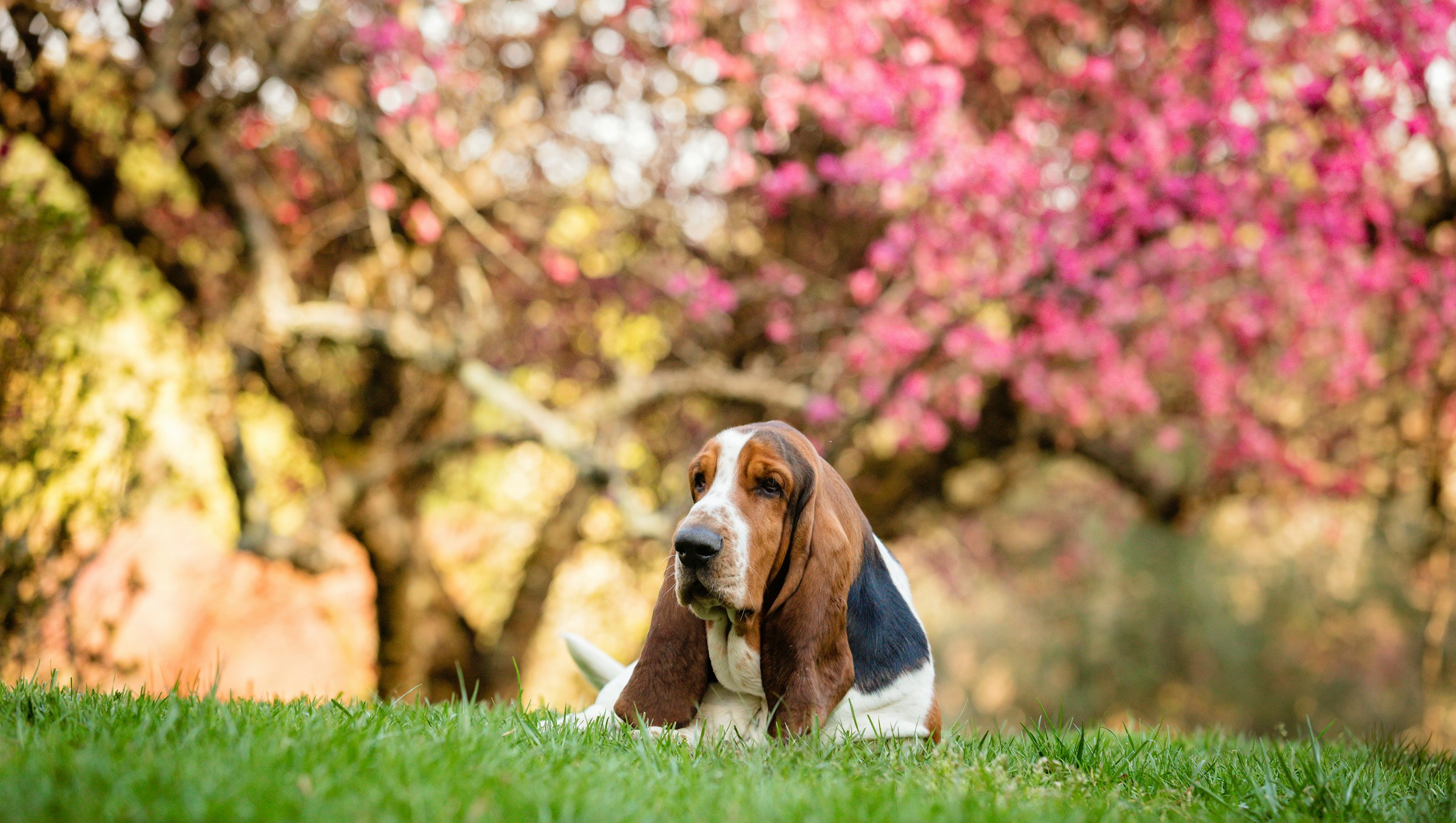
Basset Hounds are known for their laid-back and independent nature. They enjoy lounging and can handle being alone for longer periods without becoming anxious. Their low energy levels mean they’re content to nap while their owners are away.
2. Shiba Inu
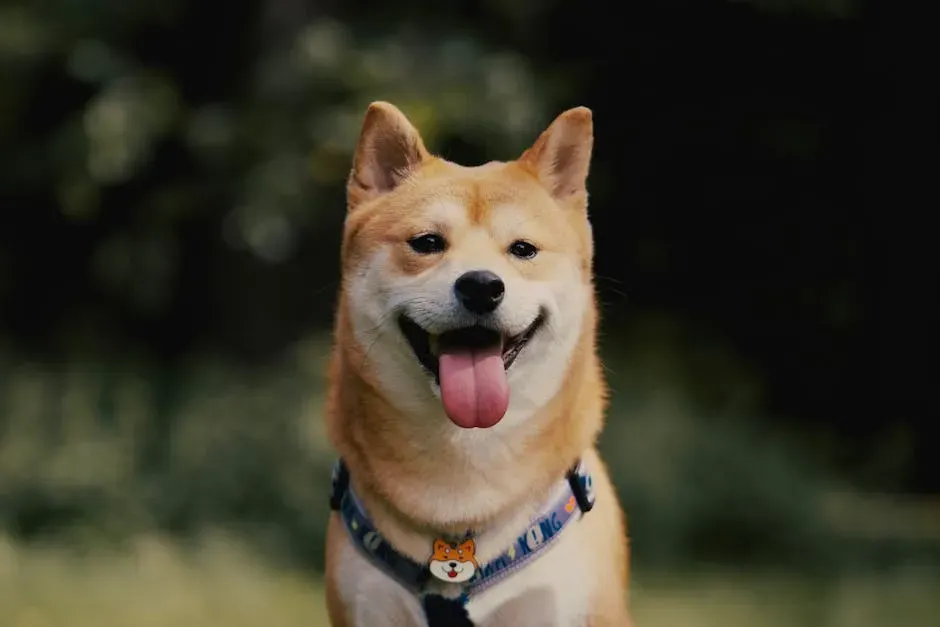
Shiba Inus are independent and self-sufficient dogs. They don’t require constant attention and can entertain themselves when left alone. Their aloof nature means they’re less likely to develop separation anxiety compared to more dependent breeds.
3. Chow Chow
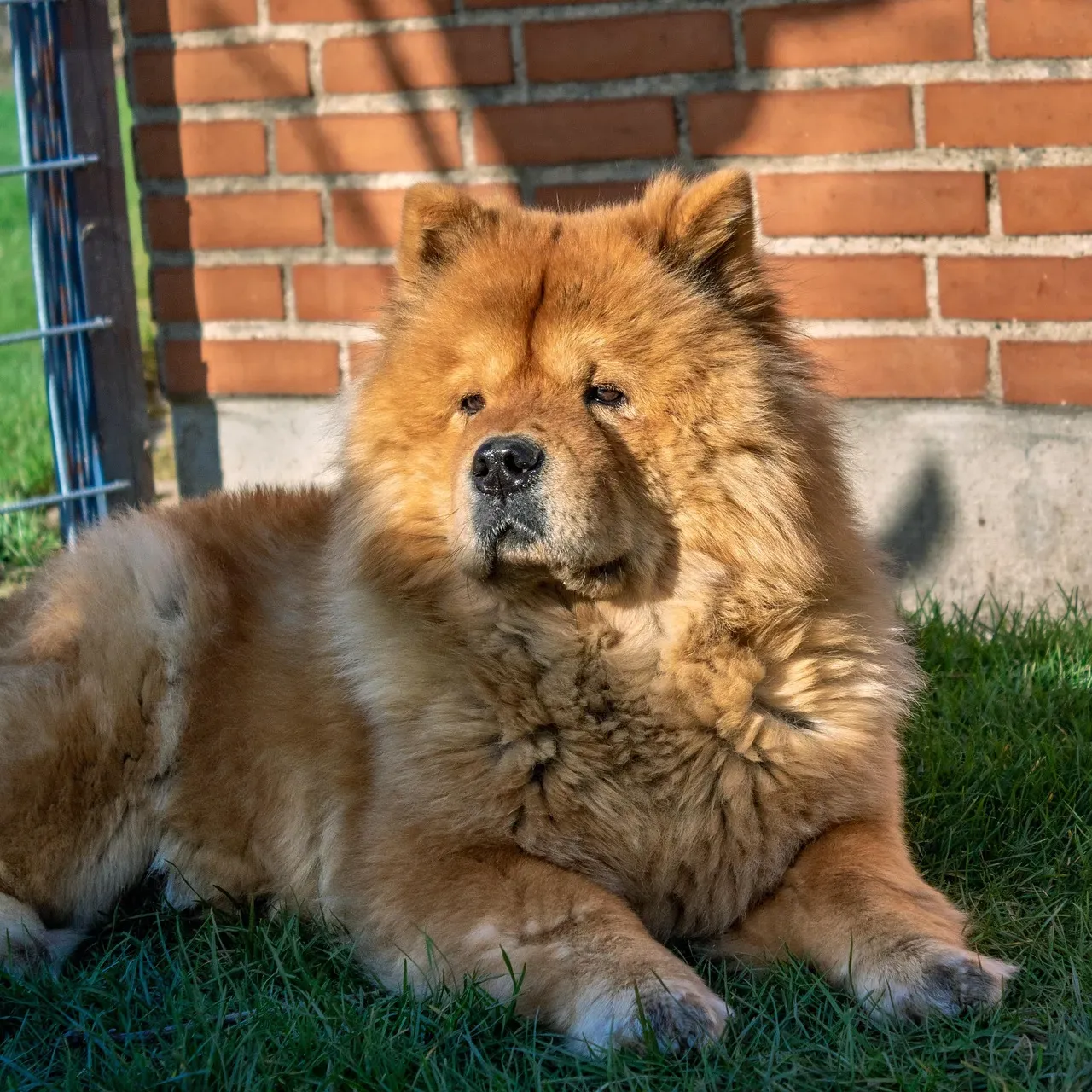
Chow Chows are known for their aloof and independent temperament. They don’t crave constant human interaction and are content spending time alone. Their reserved nature makes them well-suited to owners who have busy schedules.
4. Shar Pei

Shar Peis are calm and independent dogs. They don’t require constant companionship and can handle being left alone without becoming anxious. Their laid-back nature makes them suitable for owners who can’t always be at home.
5. Greyhound
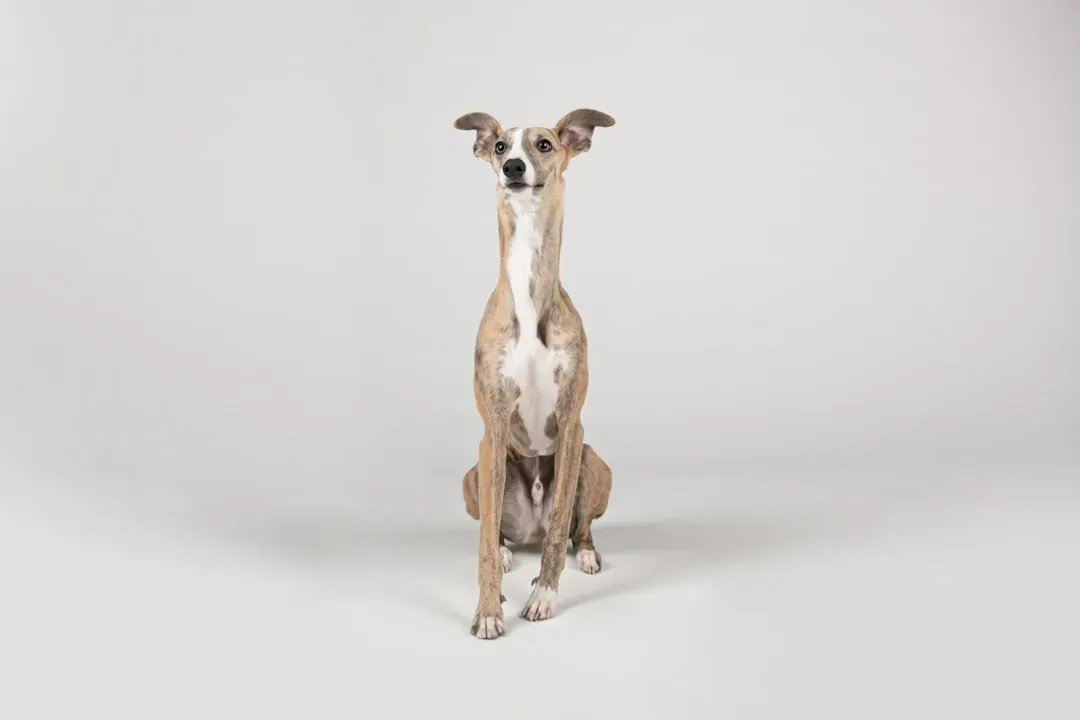
Despite their reputation as racing dogs, Greyhounds are known as “couch potatoes.” They enjoy lounging and can handle being alone for longer periods without becoming anxious. Their calm demeanor makes them well-suited to a more solitary lifestyle.
6. Lhasa Apso
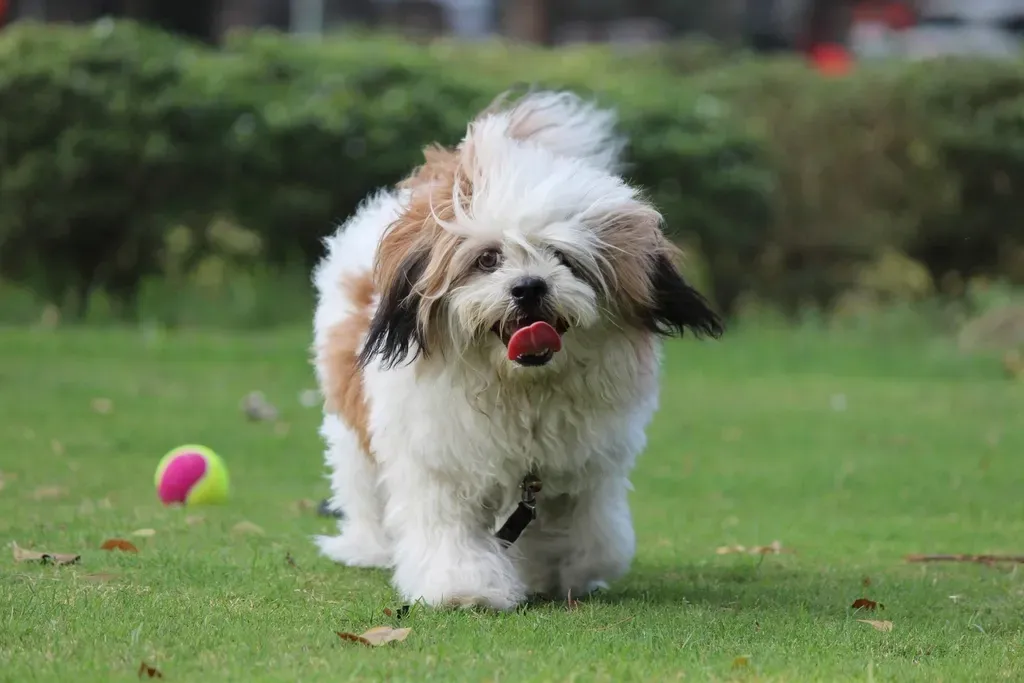
Lhasa Apsos are independent and self-reliant dogs. They don’t require constant attention and can entertain themselves when left alone. Their aloof nature means they’re less likely to develop separation anxiety compared to more dependent breeds.
Understanding a dog’s breed tendencies can be crucial in ensuring their well-being, especially when it comes to time spent alone. While individual personalities vary, being aware of these general traits can help potential dog owners make informed decisions. After all, isn’t it better to choose a companion whose needs