
The 14 Tiny Habits That Reveal a Dog Adores Its Person
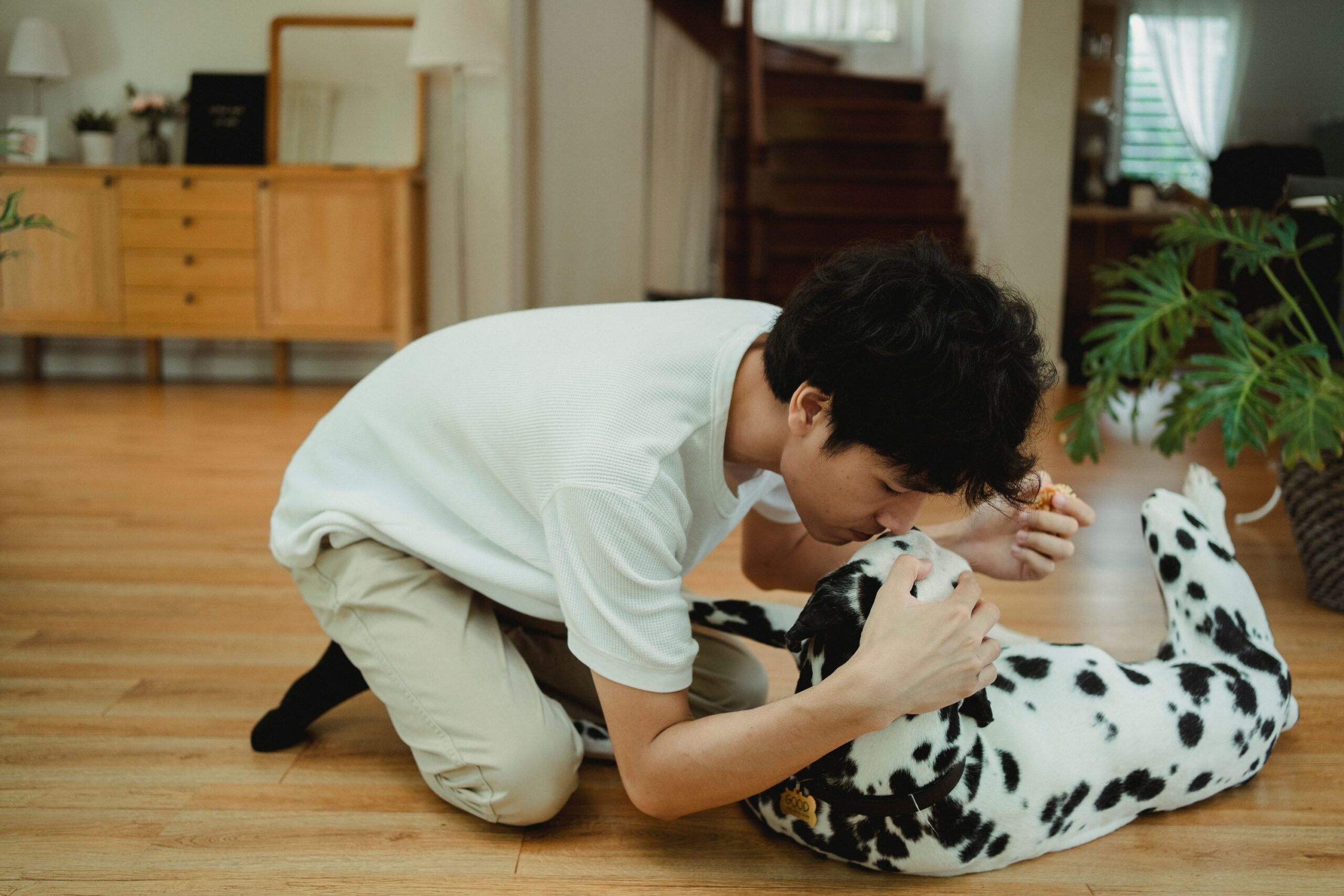
Everyone assumes the tail wag is the whole story. The frantic spin at the door, the joyful bark when your key hits the lock, the full-body wiggle when you walk in the room – these are the obvious tells, the ones any stranger could clock in five seconds. But dog behaviorists say the real proof of devotion is quieter than that, buried in habits so small most owners walk right past them without ever noticing.
Some of these habits look strange, even a little rude, if you don’t know what they mean – a dog burying its face in your dirty laundry, or locking eyes with you and slowly going half-lidded like it’s drifting off mid-conversation. Once you learn to spot them, you’ll never look at your dog the same way again. Here are the 14 tiny, unmistakable signs that your dog isn’t just living alongside you – it’s quietly, completely devoted to you.
#14 – They Always Know Where You Are
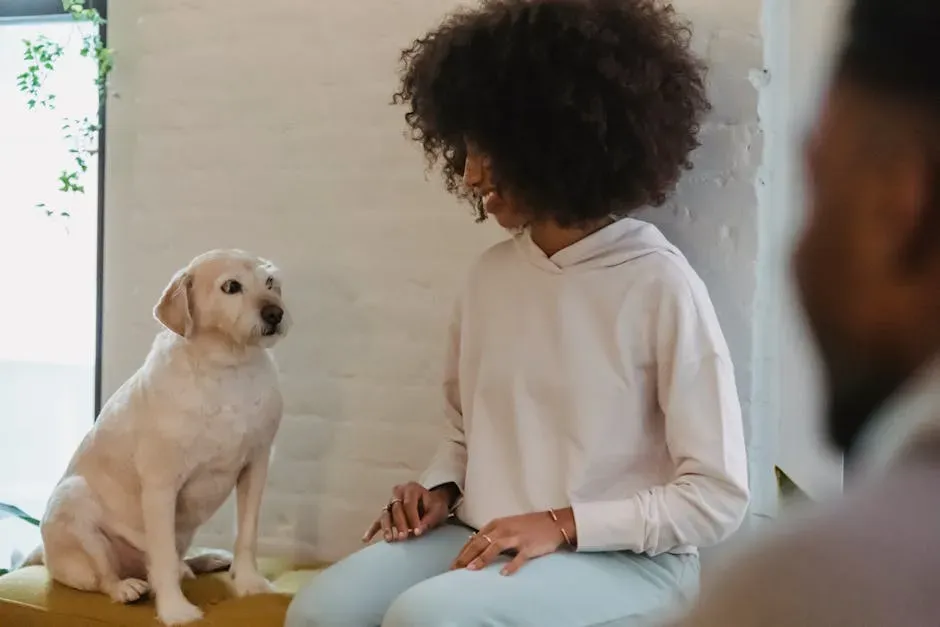
If your dog constantly “checks in” on you throughout the day, that’s not clinginess – it’s devotion running on autopilot. Dogs who adore their person build an unconscious mental map of where that human is at all times. You’ll catch them poking their head into the bathroom mid-shower, or lifting their head off a warm nap the second you walk past.
They might not trail you step for step, but they’ll regularly scan the room just to confirm you’re still there. That quiet tracking is a leftover survival instinct: in dog language, keeping tabs on you means you matter. People love to dismiss this as “needy,” but behaviorally, it’s one of the highest compliments a dog can pay – you’re their anchor in a chaotic world.
#13 – They Sleep Where You Smell the Most
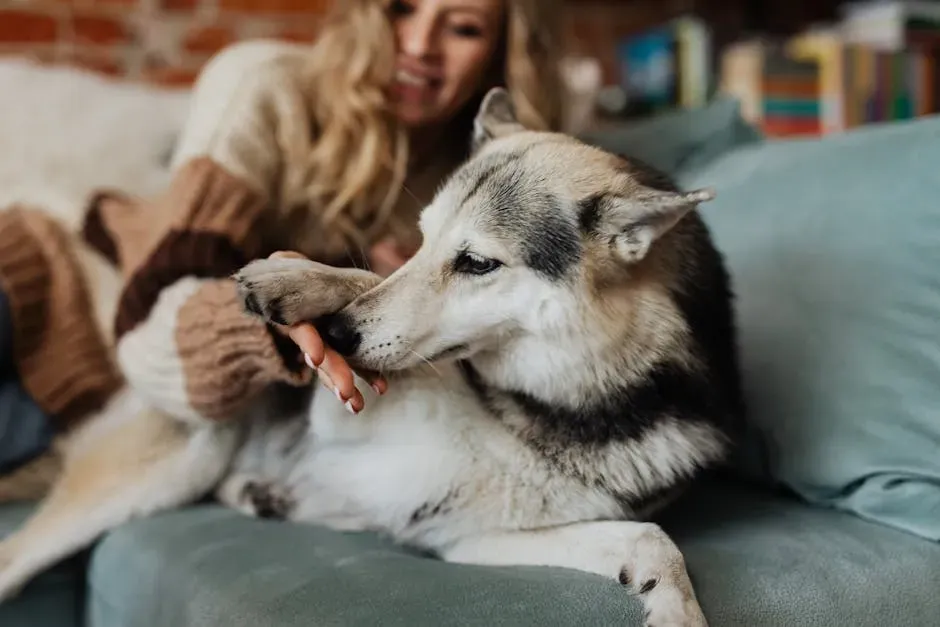
A dog that truly loves its person will often abandon the comfiest spot in the house for the one that smells most like you. Your dirty laundry pile, your pillow, the exact dent in the couch where you always sit – if your dog keeps choosing those over a plush, orthopedic dog bed, it’s not defiance. It’s devotion with a nose attached.
Your scent is soothing to them, almost rewarding on a chemical level. Researchers have found that a dog’s brain lights up when it catches its favorite human’s smell, in a way that mirrors how our own brains respond to someone we love. So when your dog curls up in the bed you just left, or shoves its whole face into your hoodie, it’s using scent as a lifeline to stay close to you even when you’re gone.
Fast Facts
- Dogs have up to 300 million scent receptors, compared to roughly 6 million in humans
- Scent memory can last for years, letting a dog recognize your smell long after you’ve left a room
- A familiar owner’s scent can measurably ease a dog’s stress response, even when the owner isn’t present
#12 – They Give You Soft, Blinky Eye Contact
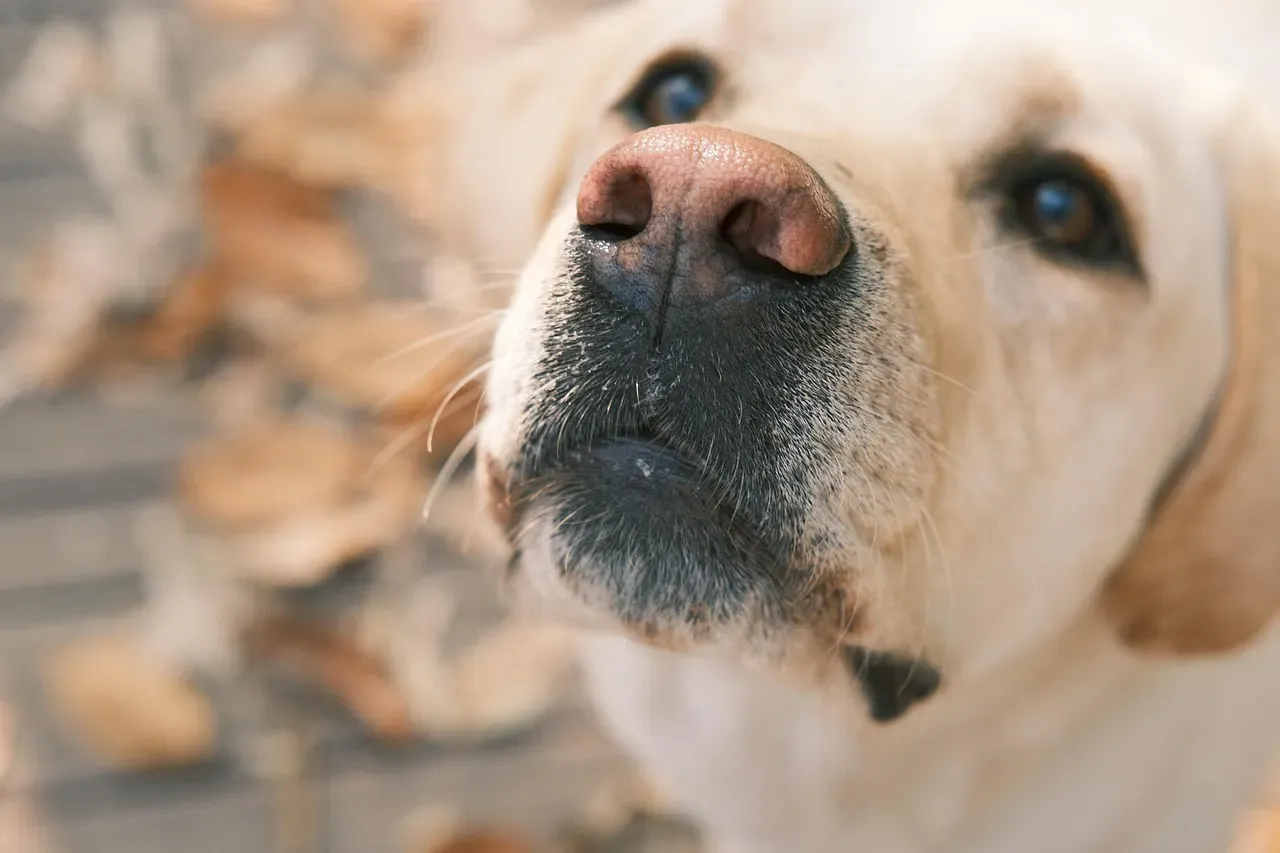
Most people assume staring is always a challenge or a threat in dog language. Context changes everything. When a dog adores you, you’ll see a very specific kind of gaze – eyes soft, sometimes half-lidded, blinking slowly while they look right at your face. It’s not a dominance stare. It’s the closest thing a dog has to a gentle smile.
Researchers believe mutual, relaxed eye contact between dogs and humans can raise oxytocin, the same “bonding hormone” tied to the connection between parents and children. If your dog sits facing you, casually locks eyes, then blinks slowly or sighs, that’s a dog telling you it feels safe enough to be vulnerable in front of you.
Dogs are extraordinary in their capacity for love.
Clive Wynne, canine behavior researcher
#11 – They Lean Their Whole Weight Against You
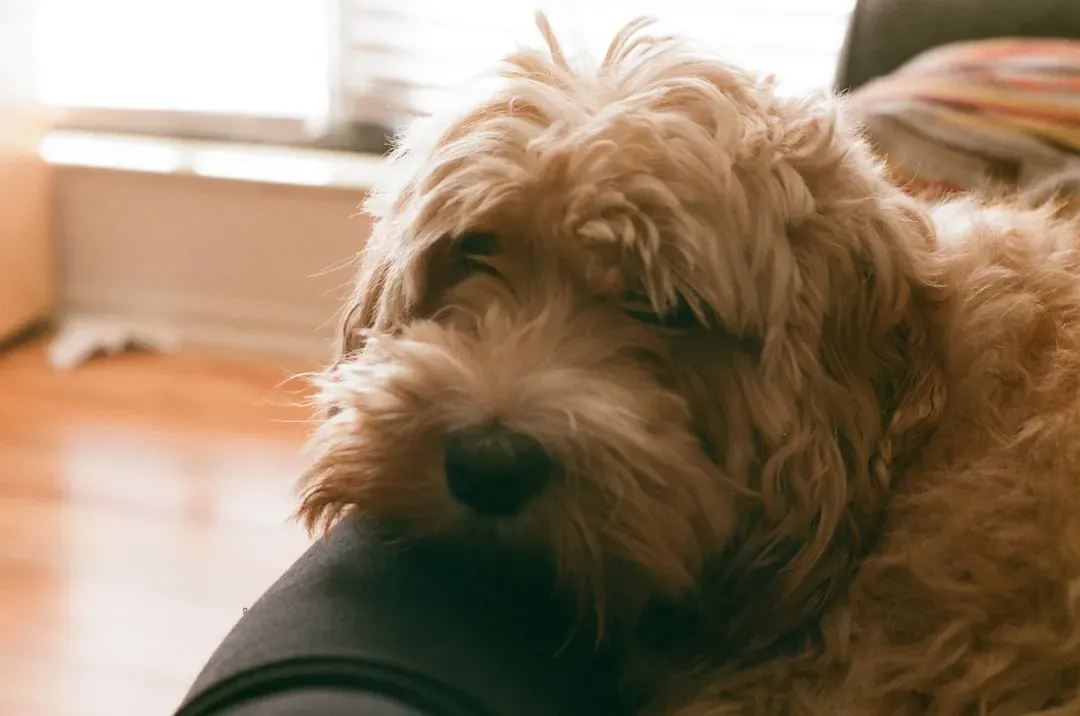
The full-body lean is never an accident – it’s a statement. You’re on the couch and your dog backs up, then lets their entire weight settle against your leg or side. Or you’re standing in the kitchen and they quietly press their shoulder into your calf. This isn’t just attention-seeking. It’s physical trust, plain and simple.
In the dog world, leaning is a way to seek comfort and signal closeness, not unlike how a small child presses into a parent’s leg in a crowded room. Some trainers argue it’s occasionally just a balance habit – fair enough. But if your dog relaxes, sighs, and stays calm while touching you, that’s affection. They’re literally using you as home base.
#10 – They Bring You Their “Treasures” (Even the Gross Ones)
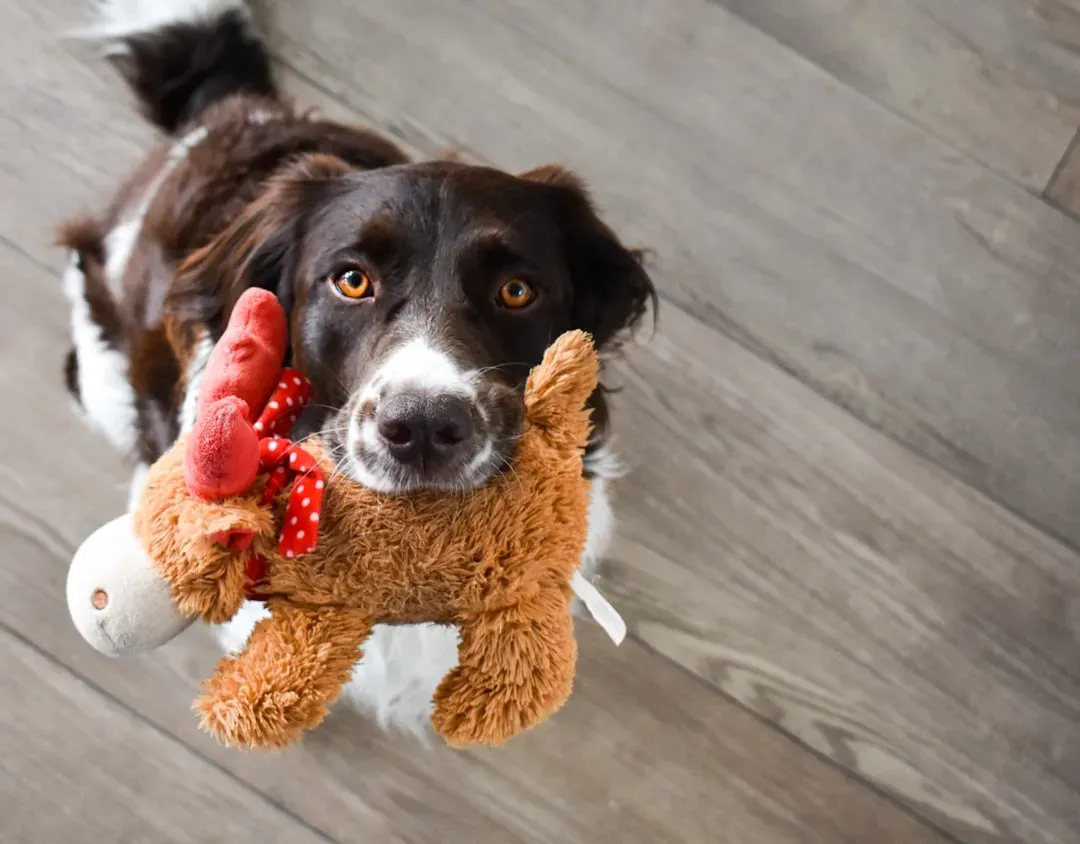
If your dog proudly drops a slobbery toy, a mystery sock, or some questionable yard “find” right at your feet, that’s not random. Dogs don’t hand over valued objects to just anyone. A dog that repeatedly brings you their favorite toy, insists you hold the item while they chew it, or drops things in your lap and stares expectantly, is trying to pull you into their world of play and possessions.
- Brings you their favorite toy unprompted
- Insists you hold the item while they chew it
- Places objects in your lap and just stares
Yes, sometimes it’s a blatant demand for fetch. But watch for the moments they don’t push for a game – when they simply set something down near you and lie beside it instead. That quiet gesture basically translates to, “What’s mine is ours now.” Owners often misread this as annoying. It’s actually one of the clearest “you’re my person” signals a dog has.
#9 – They Listen to You Even When Others Call
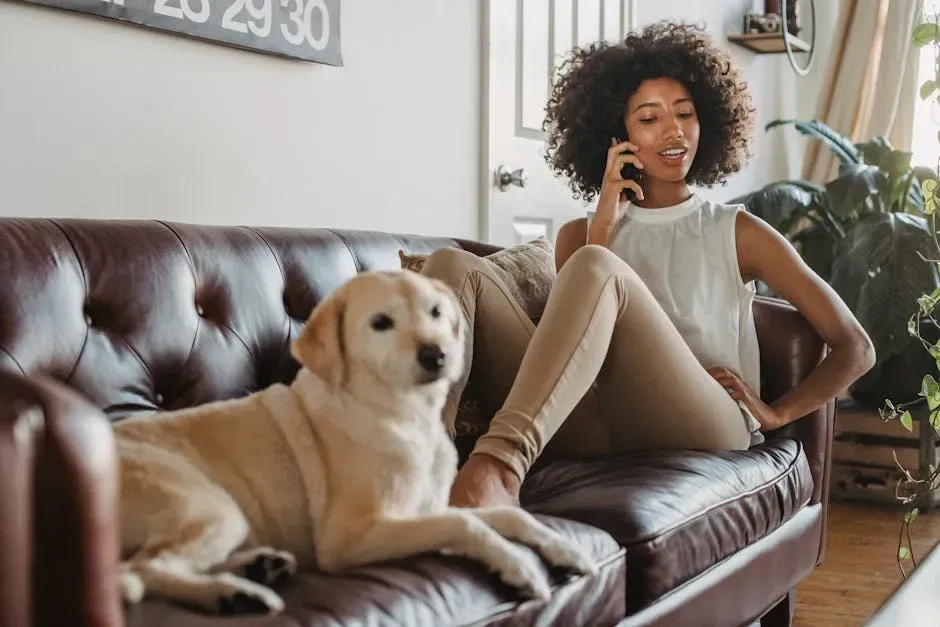
Attachment shows up loudest when there’s a choice involved. If multiple people in the house call your dog at the same time, and your dog consistently looks to you first, comes to you faster, or treats you as the checkpoint before greeting anyone else, that’s not coincidence – you’ve been chosen.
A dog that adores its person will often prioritize that person’s voice, gestures, and emotional cues over anyone else’s, even when someone else is holding treats. It doesn’t mean they dislike the rest of the family; it just means you’re their emotional home screen. You’ll catch it in smaller moments too – following you out of a room instead of staying with the crowd, or settling near your chair at a gathering instead of drifting toward whoever’s loudest.
Quick Compare
- The chosen human: dog looks first, comes fastest, follows out of the room
- Everyone else: friendly greeting, but no urgency to check in or stay close
- The tell: treats and toys from others rarely outrank your voice
#8 – They Mirror Your Moods, for Better or Worse
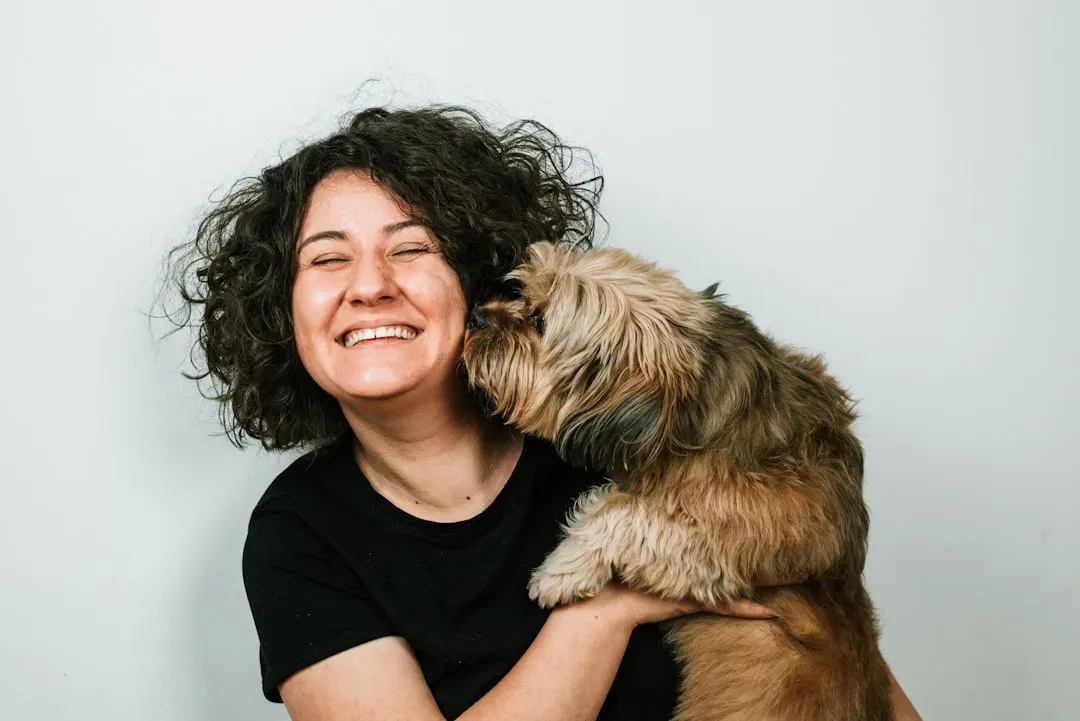
Emotionally bonded dogs act like little barometers for how you’re feeling. Have you noticed your dog goes unusually calm when you’re sick or sad, or gets more animated the second your energy picks up? That’s not a coincidence – it’s attunement.
Studies suggest dogs read human emotional cues through posture, tone, and facial expression, and many genuinely adjust their own behavior to match their favorite person’s state. Sometimes this backfires – an anxious owner can end up with an anxious dog. But the fact that your dog’s whole energy shifts in response to yours is a hint that they’re not just living beside you. They’re wired into you.
#7 – They Show You Their Belly, Then Just Stay There
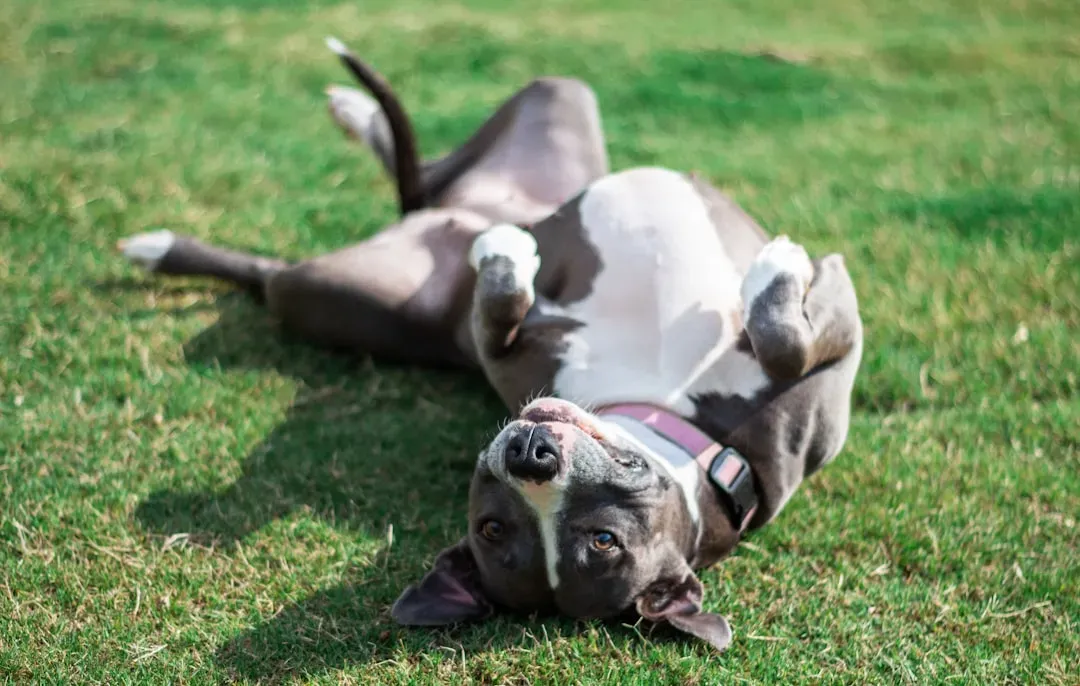
Not every belly roll is affection – some are appeasement or stress, plain and simple. The difference is easy to spot once you know what to look for. A dog who truly trusts you will roll onto their back near you, stay loose and wiggly, keep their mouth soft or slightly open, and then just hang out there, inviting touch instead of bracing for it.
- Rolls onto their back near you, unprompted
- Stays loose and wiggly, not stiff
- Keeps their mouth soft or slightly open
Exposing the belly – home to every vital organ a dog has – while fully relaxed is a massive trust gesture. If your dog chooses this vulnerable posture right next to you, especially during quiet moments like watching TV or winding down before bed, they’re telling you something specific: “I feel safe with you in my most exposed state.” It’s less about begging for rubs and more about dropping their guard completely.
#6 – They Follow You Into the Most Boring Rooms in the House
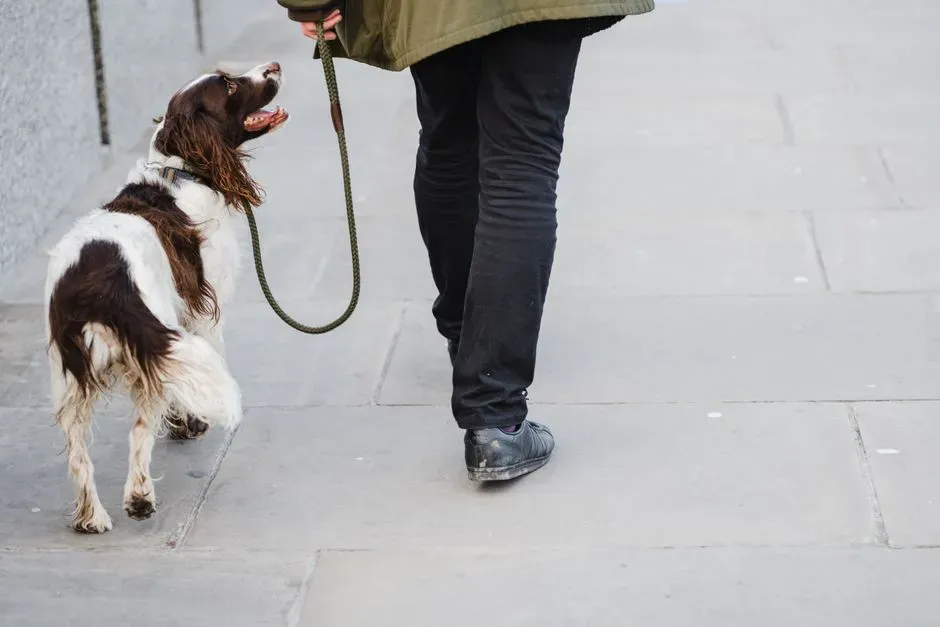
The real loyalty test isn’t the kitchen or the front door – it’s the bathroom, the laundry room, the awkward hallway pit stop. Excitement-based following is easy to explain away: food, walks, visitors. But a dog that trails you into the bathroom, the closet, or the garage when absolutely nothing fun is happening is making a quiet statement – your presence alone is the reward.
In attachment terms, they’re using you as a secure base; they simply feel better when they can see or smell you, even if nothing else is going on. Some people write this off as annoying “velcro dog” behavior, but it’s often a sign of deep attachment. Extreme panic when you’re out of sight can point to separation anxiety, which deserves real support – but the quiet, content shadowing? That’s just love with four legs.
#5 – They Relax Faster the Moment You Touch Them
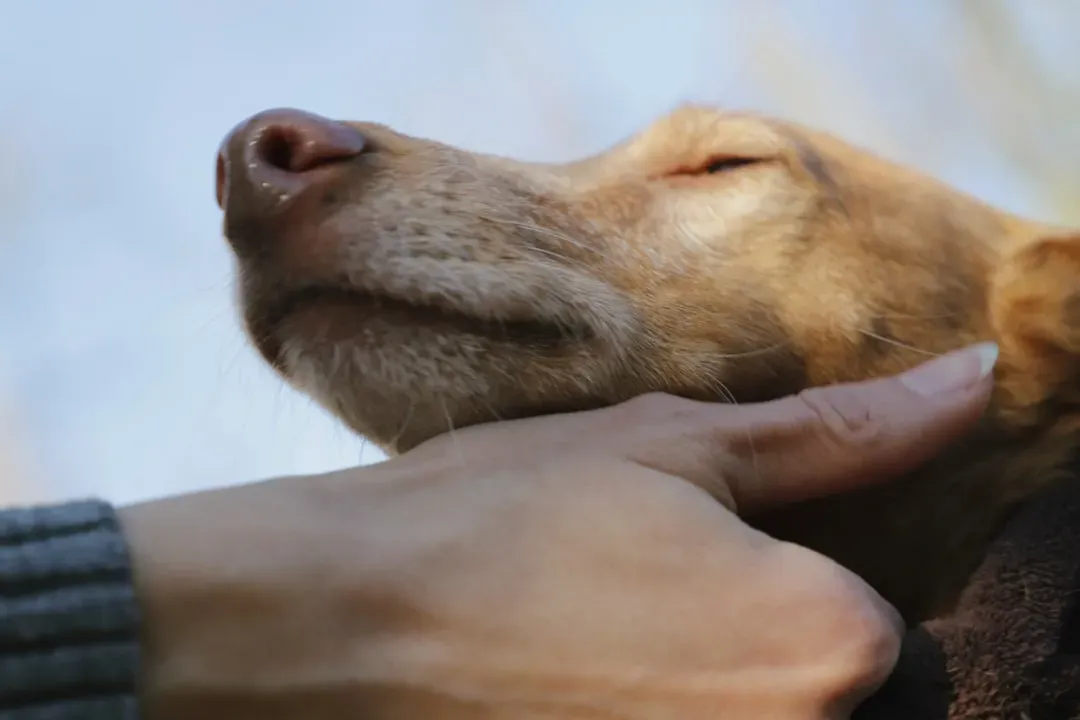
Watch your dog’s body language the instant you step in during a stressful moment. If a sudden noise startles them, or they’re nervous in a new place, or anxious at the vet, and you put a hand on their chest and speak in a calm, familiar voice – and they visibly soften, breathing slower, tension melting, maybe letting out a deep sigh – that’s powerful evidence.
It shows your presence and your touch are literally regulating their nervous system in real time. You’re not just tolerated; you’re their safe signal. Dogs who adore their person often glance back at them in uncertain moments and adjust their own reaction based on what they see. Over time it becomes a loop: you calm them, which deepens their trust, which makes your calming presence even more effective the next time.
At a Glance
- A calm, familiar voice can slow a startled dog’s breathing within seconds
- Gentle chest or shoulder contact often works faster than words alone
- Repeated calming moments build lasting safety, not just a one-off fix
#4 – They’re Careful With Your Hands and Face
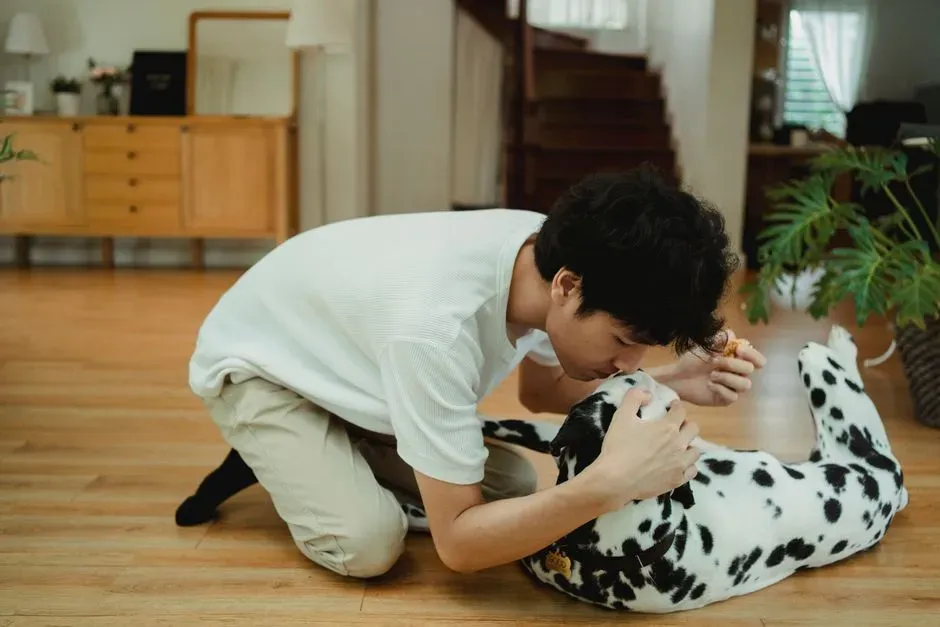
A dog’s mouth is powerful enough to do real damage, so how they choose to use it around you says a lot. Deeply attached dogs often show surprising restraint during physical play – mouthing your hand without applying real pressure, nibbling your sleeve but never breaking skin, nudging your face gently and stopping the second you pull back.
This kind of control isn’t accidental. It’s learned care. Puppies can absolutely be land sharks, and training plays a role – but the adult dog who could easily hurt you and consistently chooses not to is showing something close to respect. They treat you like something fragile and valuable, even in the middle of rough play, and most owners never stop to realize how meaningful that self-control actually is.
#3 – They Greet You Like You’re Home, Not Just Dinner
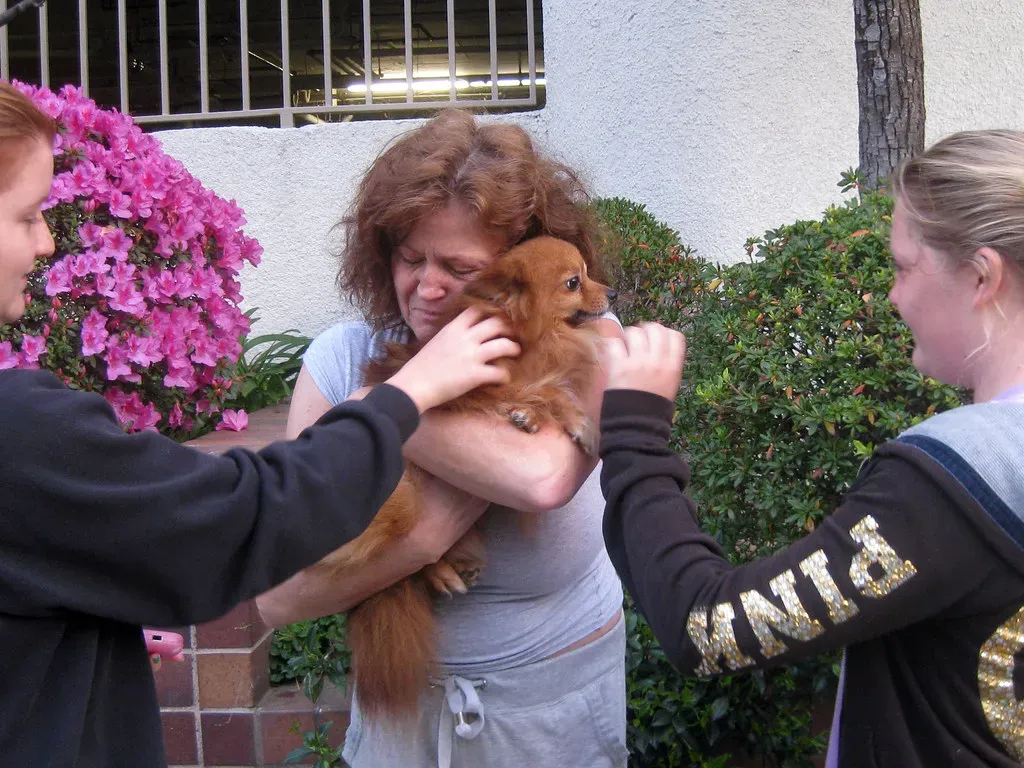
The reunion tells the real story. Everyone knows the over-the-top door greeting, but the details matter more than the volume. Dogs who truly adore their person don’t just wag their tail – they wiggle their entire rear end, grab a toy immediately, let out soft whines or happy little grumbles, and then, after the initial frenzy, actually settle down near you instead of wandering off.
That last part is the giveaway: after the excitement fades, they decompress in your presence rather than moving on to the next thing. It’s less “where’s my dinner” and more “my world just got right again.” If leaving for five minutes gets you nearly the same reaction as leaving for the whole day, that’s a little over the top – but it’s also proof your presence carries real emotional weight for them.
#2 – They Choose You When They’re Not Feeling Great
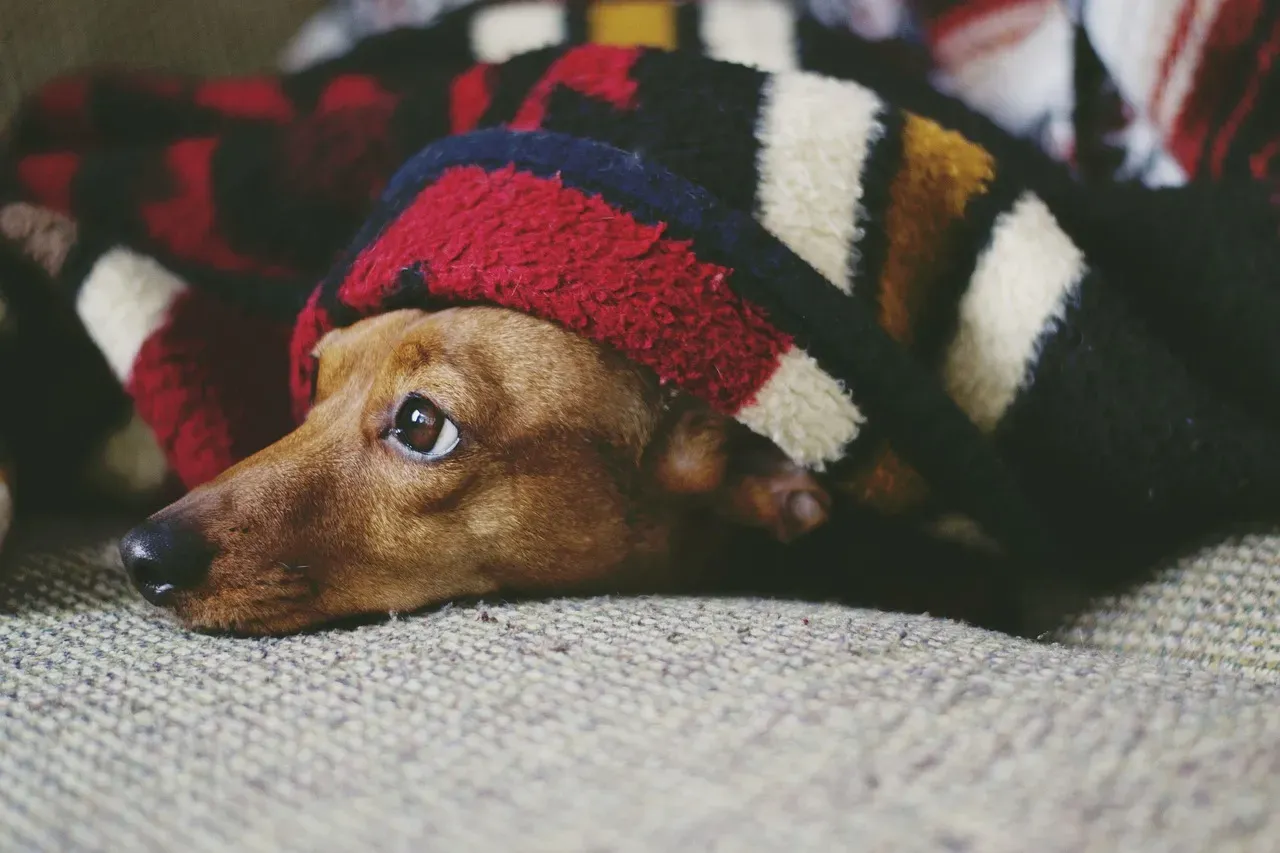
Love shows up most clearly when a dog isn’t performing for anyone. If your dog seeks you out specifically when they’re tired, under the weather, scared of a storm, or rattled after a bad encounter with another dog – and they quietly lie against you, hide under your legs, or press into your side – that’s attachment with nothing to gain.
In a vulnerable state, they go straight to their safest person, no tricks or treats involved. It’s strikingly similar to how a scared child instinctively finds a parent in a crowd. Some people assume a dog hiding during a storm just wants to be left alone, but most are actually searching for the one human they trust most, even if they don’t quite know how to ask for it. When they finally settle after making contact with you, that’s the signal that matters.
Worth Knowing
- Noise-related fear, like storm anxiety, is one of the most common stress triggers in dogs
- Seeking a trusted person during fear is a coping strategy, not weakness
- A dog that settles after reaching you is showing that contact – not distance – eases their stress
#1 – They Rearrange Their Whole Life Just to Be Near You
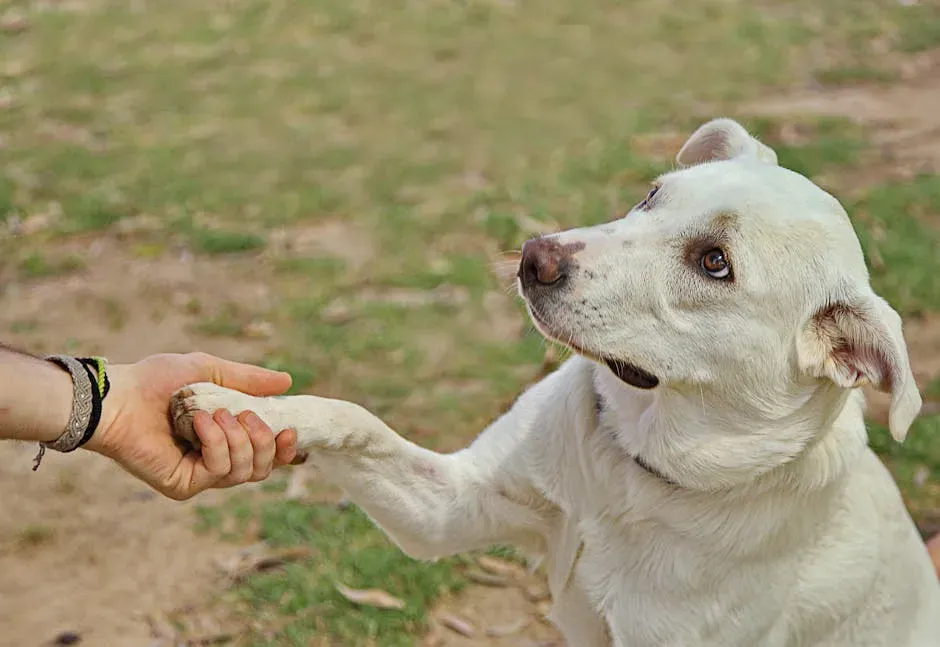
This is the quietest, most convincing evidence a dog adores you: they reshape their entire routine around your presence. Maybe your dog leaves a warm, sunny window to lie on the hard floor beside your desk, switches their sleeping spot the moment you change bedrooms, or delays eating just to follow you into another room first.
- Leaves a sunny window to lie on the hard floor by your desk
- Changes their sleeping spot when you switch bedrooms
- Delays eating or playing just to follow you
- Wakes up and does a room-by-room search until they find you
These aren’t random quirks. They’re small, repeated decisions that put proximity to you above comfort, food, or habit – and dogs are creatures of habit above almost anything else. When they willingly bend those habits just to stay close, that’s about as close as a dog gets to saying, out loud, “you’re my priority.” People will keep arguing dogs only “love” us for resources, but patterns like this are hard to explain away with a food bowl.
The Bottom Line
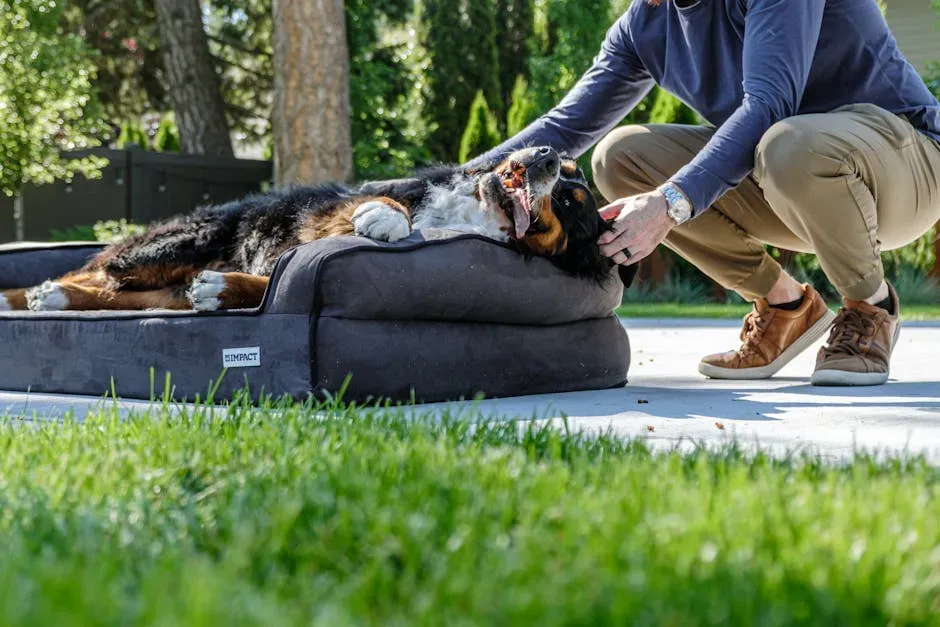
A dog’s love isn’t loud. It’s not really in the big, dramatic homecoming moments at all – it’s hidden in dozens of tiny choices made every single day. The casual check-ins, the boring-room shadowing, the soft blinking eyes, the way they exhale the second you put a hand on them. Add it all up and it points to one thing: you’re their anchor, their comfort, and in more ways than most owners realize, their entire emotional universe.
People love to debate whether dogs “really” love us or just use us for food, and honestly, that argument feels like someone trying too hard to sound smart. An animal that rearranges its habits around you, seeks you out specifically when it’s scared, hands over its favorite possessions, and exposes its most vulnerable posture right next to you isn’t running a transaction. That’s love, spoken in a language older than words – and if you’ve made it this far without checking your dog for at least three of these, go look. They’re probably already doing one right now.