
Is Your Rescue Dog Finally Happy? 13 Signs It Feels Safe at Last
Most people think a rescue dog is “fixed” the moment it stops trembling in the corner or hiding behind the couch. That’s the comforting myth. The uncomfortable truth, according to trainers and vets who work with trauma dogs every day, is that a dog can look completely calm on the outside while its nervous system is still braced for the next disaster.
Real safety shows up later, in small, almost invisible moments most owners scroll right past. It’s in how your dog sleeps, how fast they shake off a slammed door, even in the exact second they stop tracking your every move around the house. If you’ve ever quietly wondered whether your rescue actually trusts you yet, or if you’re just the safest stop they’ve made so far, keep reading. These are the 13 signs behaviorists actually look for.
#13 – They Finally Sleep Deeply (and in Ridiculous Positions)
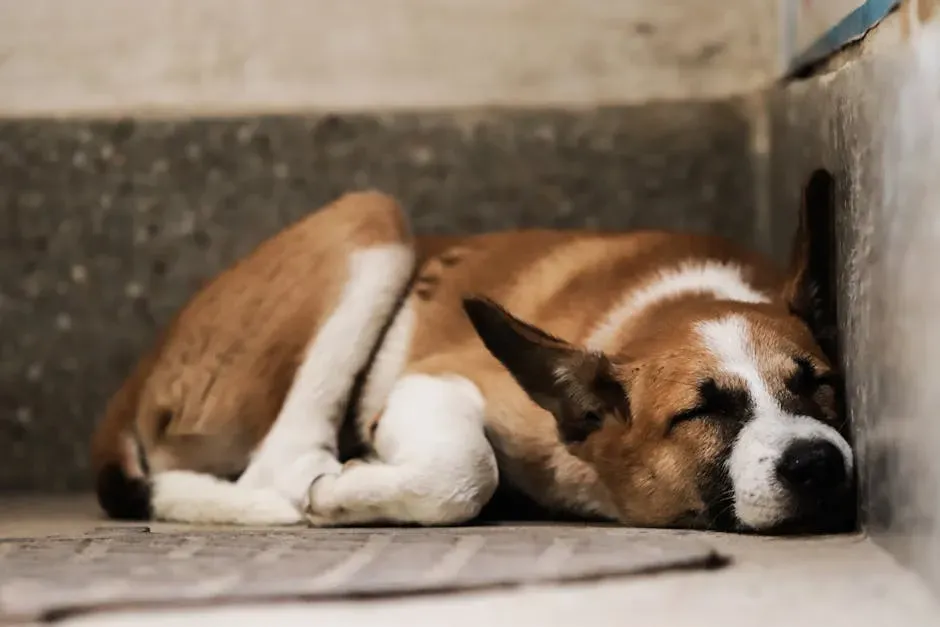
One of the first real “green flags” isn’t a wagging tail – it’s sleep. A dog that feels unsafe doesn’t truly relax; they catnap, startle at every sound, and often insist on sleeping where they can watch every doorway. When your rescue starts flopping on their side, legs sprawled, or even upside down with their belly exposed, that’s a nervous system signing a peace treaty.
You might also notice longer stretches of uninterrupted sleep, gentle snoring, or soft twitching paws during dreams instead of jerky, panicked movements. Many guardians report the first “dead roach” position – flat on the back, paws in the air – as the exact moment they knew their dog finally trusted the home. It looks silly. It’s actually a serious milestone.
At a Glance
- Loose, sprawled body instead of a tight, defensive curl
- Longer, uninterrupted naps instead of frequent waking
- Soft snoring or gentle paw twitches during dream sleep
- Sleeping in open spaces, not just guarded corners
#12 – They Choose to Be Near You, Not Just Follow You
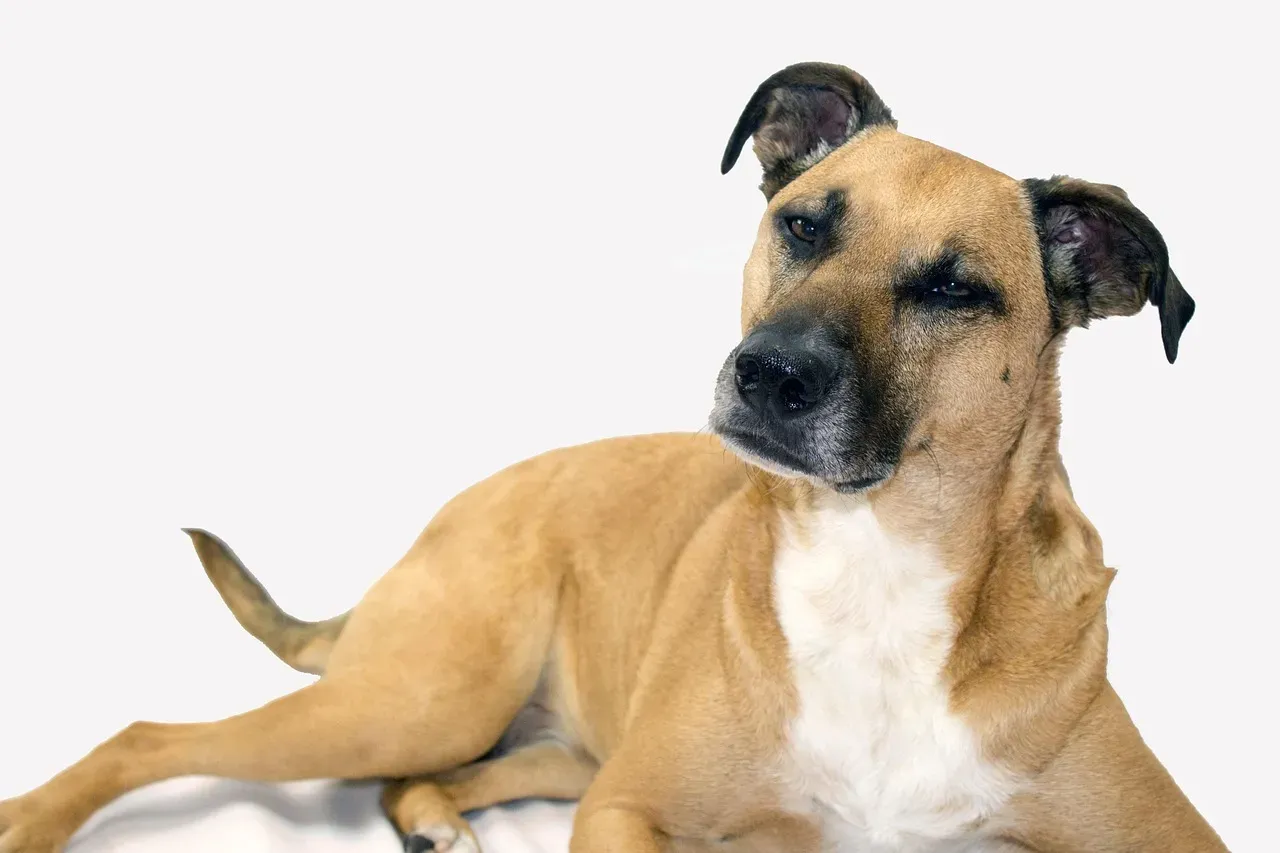
At first, many rescue dogs shadow you from room to room out of anxiety, not love. They’re afraid you’ll disappear, or that something bad will happen the second they aren’t glued to you. The quiet shift happens when they start choosing proximity instead of running surveillance.
Instead of pacing at your heels, they settle nearby – on the couch, on a bed in your office, or just in the same room – with soft eyes and a loose body. A dog that feels safe can let you walk to the bathroom without scratching at the door. They lift their head to check where you are, then go right back to their nap. That “oh, you’re still here, cool” attitude is emotional security in action.
#11 – Their Tail Language Completely Changes
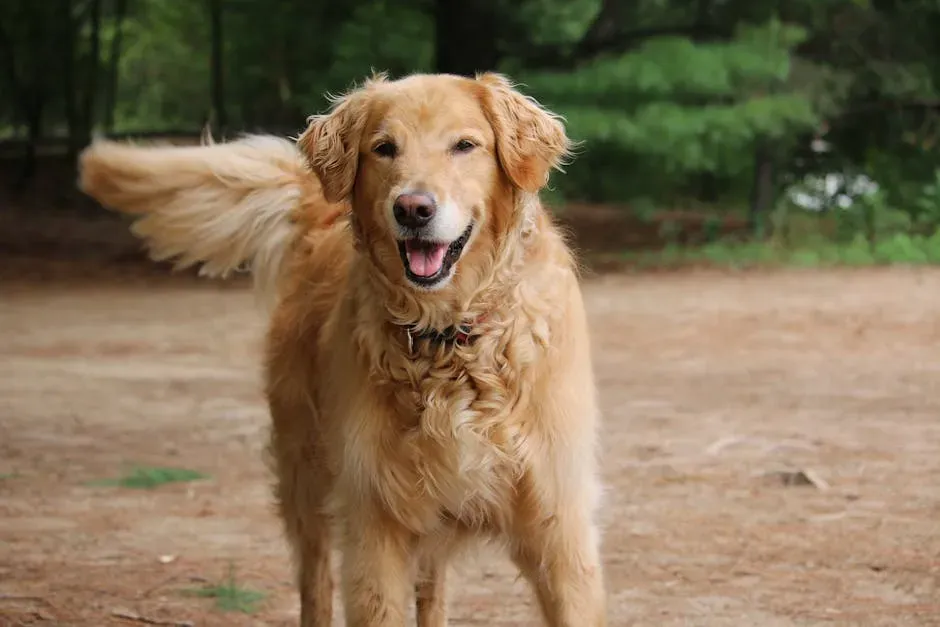
Everyone talks about wagging tails, but not all wags mean happy. A stiff, high, fast wag can actually signal tension or over-arousal, especially in a dog still figuring you out. What you want to see is the loose, full-body wag: tail swinging at mid-height or lower, often taking the hips along with it.
You may also catch softer “half wags” when you glance their way, as if they’re quietly checking in. Another huge sign is a tail that actually returns to neutral instead of staying permanently tucked. Some trauma dogs take months to untuck their tails, so the day it relaxes and sways naturally while they explore is a bigger deal than it looks.
#10 – They Start Eating Like a Normal Dog (Not a Survivor)
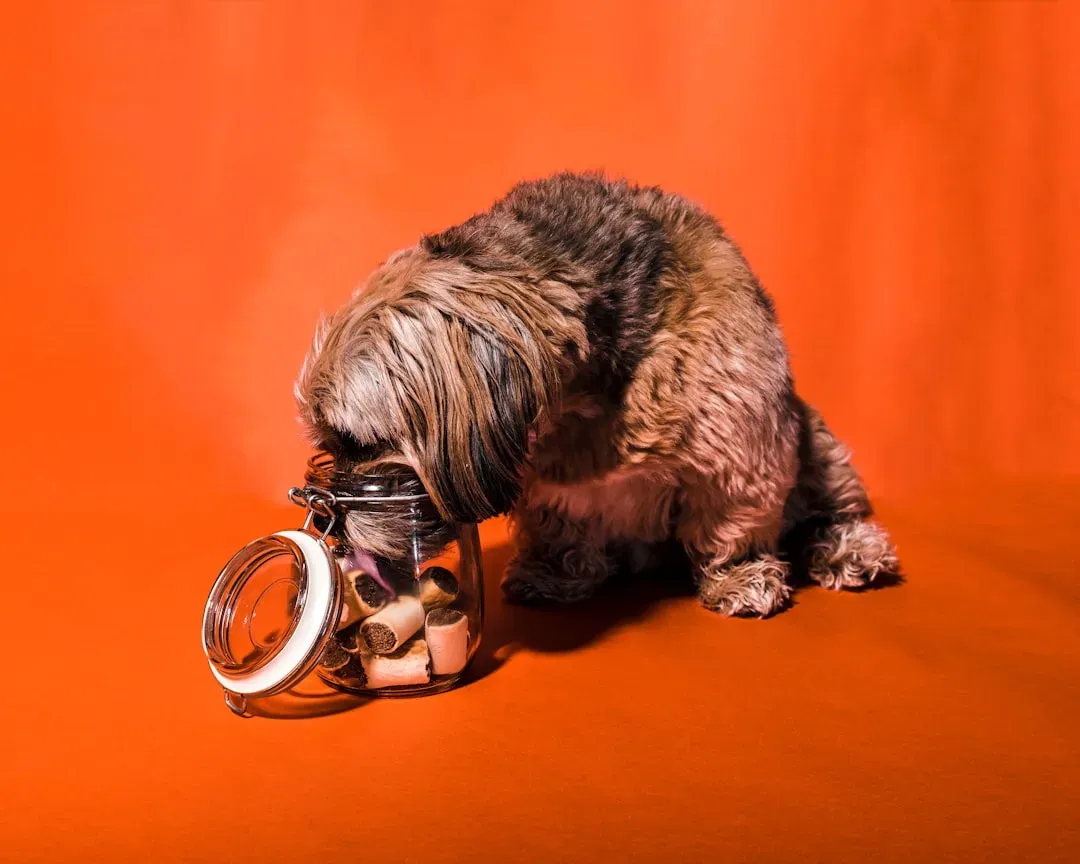
Food tells the truth. Many rescue dogs either inhale meals like the bowl might vanish, or barely eat because stress shuts down their appetite. Neither is a sign of true emotional safety. When a rescue dog finally feels secure, their eating patterns normalize: they approach the bowl calmly, chew instead of swallowing whole, and walk away when they’re full.
You might notice they stop guarding the bowl or growling if you walk by. Some will even leave kibble and come back later, a behavior that’s almost impossible for a dog who still believes every meal could be their last. Treats change too – instead of snatching and retreating, they gently take food from your hand and stay close.
#9 – Play Finally Appears (and It’s Goofy, Not Desperate)
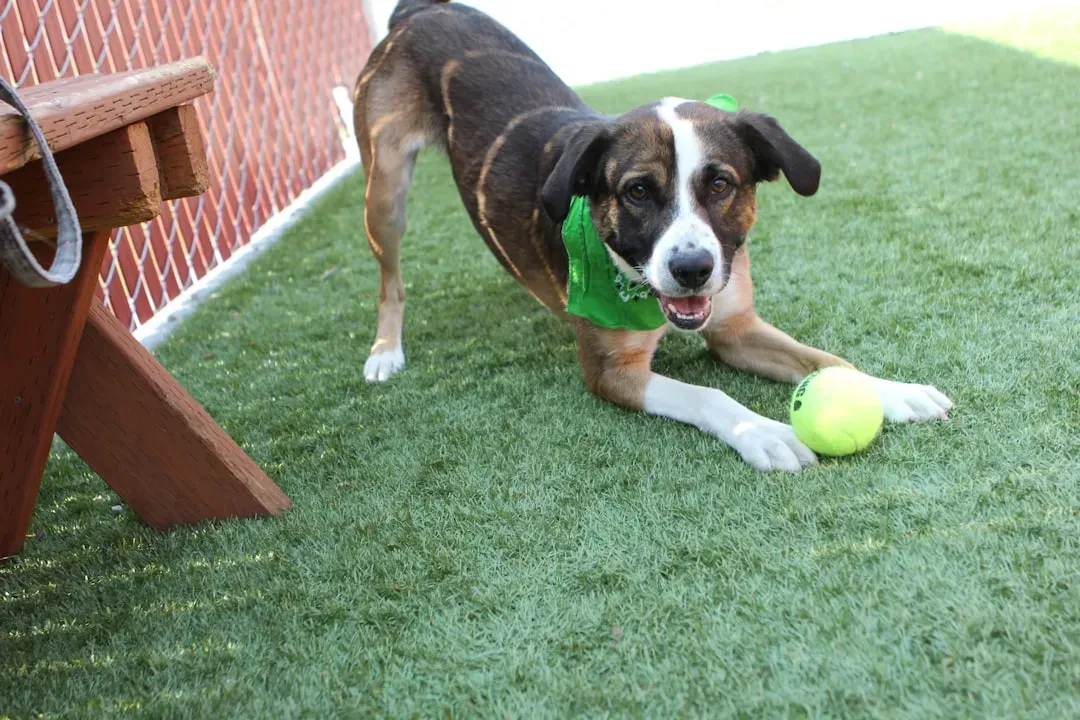
A lot of people misread play. A wildly zooming dog isn’t always happy; sometimes it’s stress relief wearing a happier costume. What you’re actually looking for is loose, bouncy, back-and-forth play with a clear off switch. Play bows, shaking toys, inviting you into games, then flopping down relaxed afterward – that’s emotional safety peeking through.
Even more telling is when they start experimenting: tossing a toy in the air, spinning for no reason, inventing their own weird little games. Play is one of the first things to disappear when an animal doesn’t feel safe. When it comes back, it’s never an accident – it means they finally have energy to spare that isn’t spent scanning for danger.
#8 – Their Body Softens: Ears, Eyes, Mouth, Everything
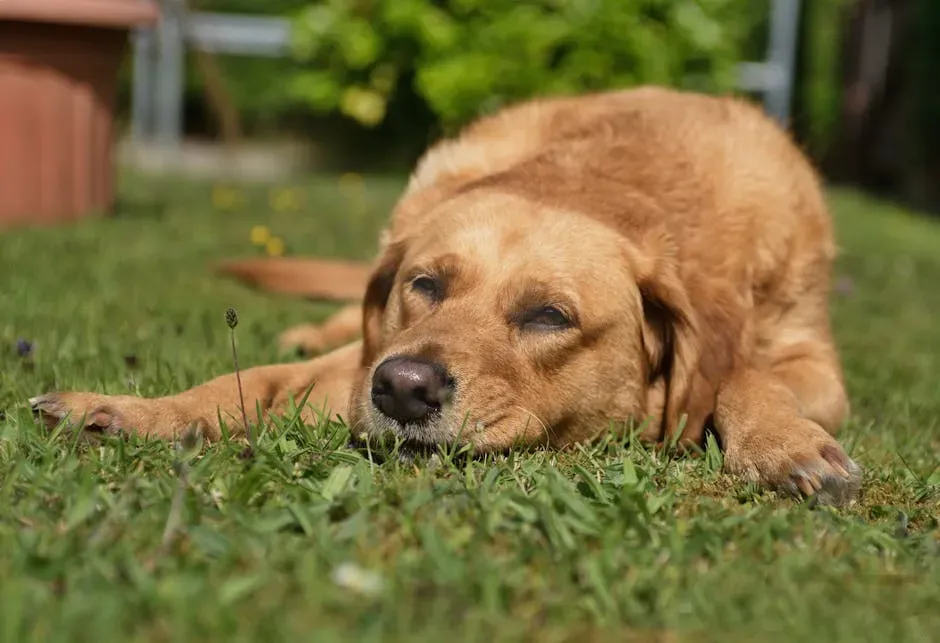
You can fake obedience, but you can’t fake muscle tension. Watch your dog when they’re just hanging out. Are the ears pinned or darting? Are the eyes wide with a lot of white showing? Is the mouth clamped shut? Over time, a safe dog’s whole body visibly softens – ears rest naturally, eyes go almond-shaped and sleepy, the mouth hangs slightly open with a loose tongue.
Some guardians notice the sighs first: those long, dramatic exhalations followed by a deeper settle into the couch. That’s not just cute, it’s the body downshifting out of hyper-vigilance. You might even catch your dog stretching more, shaking off tension after a startle, then calmly getting back to whatever they were doing. Softness is the opposite of survival stiffness.
#7 – They Show Curiosity Instead of Constant Caution

Fearful rescues move through the world like everything is a potential threat. They freeze, stare, or avoid new objects, people, and sounds entirely. Safety flips that script into curiosity. A dog that feels secure approaches new things with interest instead of panic – sniffing, tilting their head, pawing something twice just to check.
You may notice this on walks: instead of dragging you home, they start investigating bushes and lampposts like any other nose-driven dog. In the house, they might suddenly discover the joy of window-watching or explore rooms they used to avoid completely. Curiosity says, “I believe this world can be interesting, not just dangerous.”
Worth Knowing
- Sniffing new objects instead of freezing or backing away
- Exploring previously “off-limits” rooms or furniture
- Pausing to investigate a sound instead of bolting
- Watching the world from a window instead of hiding from it
#6 – They Can Tolerate (and Even Enjoy) Gentle Touch
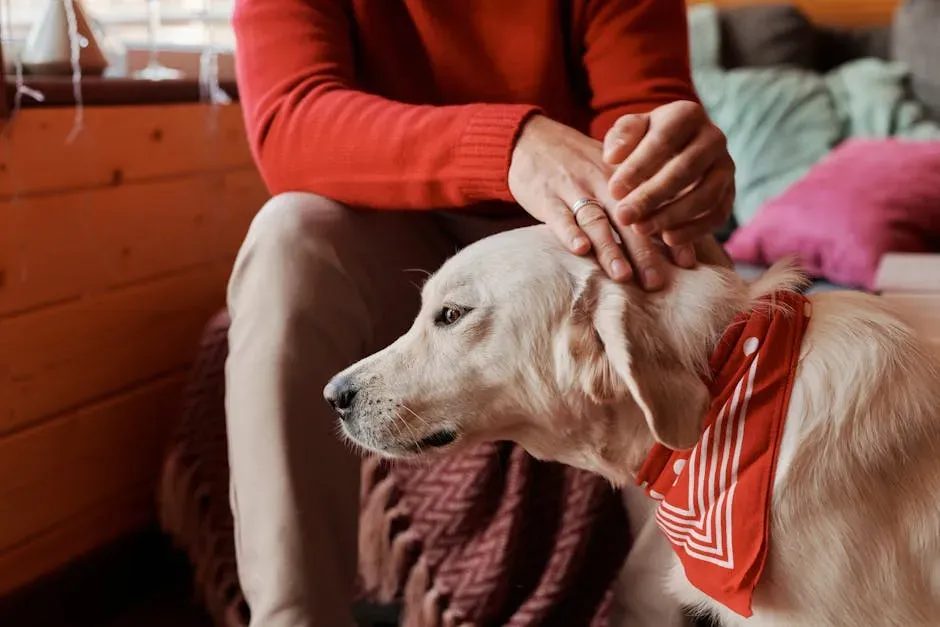
Plenty of rescues flinch at hands, stiffen when hugged, or tolerate petting like it’s a medical procedure. Real safety shows up when touch turns soothing instead of suspicious – when your dog leans into your hand, nudges you for more, or angles themselves so you find their favorite scratch spot without being asked.
Watch for the micro-signals: a soft blink when you scratch their chest, a slow tail wag when you rub their ears, a relaxed sigh when you stroke along their spine. Some dogs will even present their back or butt like, “right here, thanks.” On the deeper end, a dog that willingly curls against your side has decided your touch is a safe place, not a threat to manage.
#5 – They Start Ignoring You (In the Best Possible Way)
This one starts arguments, but it’s true: a dog that can safely ignore you is often more secure than one glued to your every move. Hyper-vigilant rescues track everything you do, just in case. The dog who stays asleep when you stand up, or walks to the kitchen without them panicking? That’s trust, not neglect.
You’ll see it in small ways – they stay in their bed while you pace on a work call, they don’t bolt upright at every noise, they don’t treat your absence from the room like a crisis. They might lazily glance over, decide “not important,” and go back to chewing a toy. For many trauma dogs, the ability to mentally tune you out is actual, measurable progress. They no longer believe disaster is one step away.
#4 – They Can Recover After Being Startled
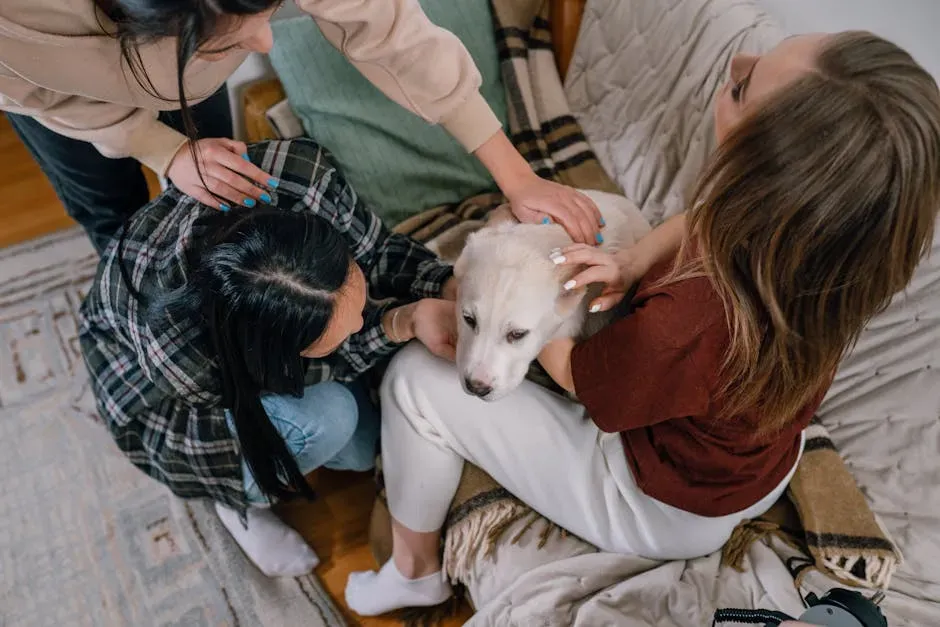
A truly unsafe dog doesn’t just get scared, they stay scared. A door slam or a dropped pan can send them spiraling for hours. One underrated sign your rescue feels safe is how quickly they bounce back after a scare – startle, pause, maybe a step back, then a shake-off and straight back to normal life.
This “recovery curve” is a big deal in behavior science. It means your dog’s nervous system now has a home base of safety to return to. Instead of spiraling, they check in with a glance or a quick sniff, then trot back to your side. Many trainers consider this more important than whether a dog ever startles at all, because every animal does. The real question is whether they can regulate again.
Quick Compare
- Before: a slammed door triggers hours of pacing or hiding
- Now: a slammed door triggers a startle, a shake-off, then normal life resumes
- Before: every loud noise resets the fear clock
- Now: one glance at you is enough to confirm “we’re fine”
#3 – They Show You Their Real Personality (Quirks and All)
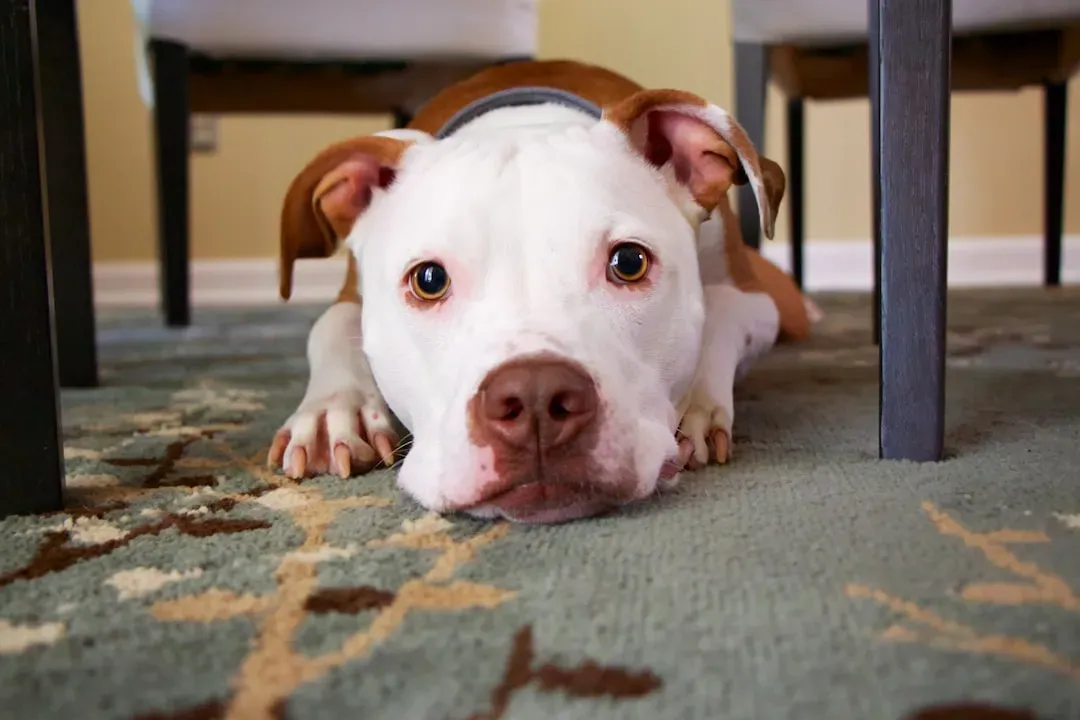
Early on, many rescue dogs look “perfect”: quiet, polite, almost invisible. People brag, “she never barks,” not realizing that shut-down can look a lot like well-behaved. As safety grows, the mask drops, and that’s when the real dog finally shows up.
Suddenly the “silent angel” has opinions. They zoom, they grumble, they talk back with funny little woo-woos, they hog the couch, they play-growl at toys. Some owners mislabel this phase as “getting naughty,” when it’s actually a huge emotional win. They might trot over and paw you when dinner is late, or drag their favorite toy onto your lap with zero subtlety. That personality, whatever shape it takes, is proof they’re no longer just surviving.
#2 – They Trust Your Guidance in Scary Moments
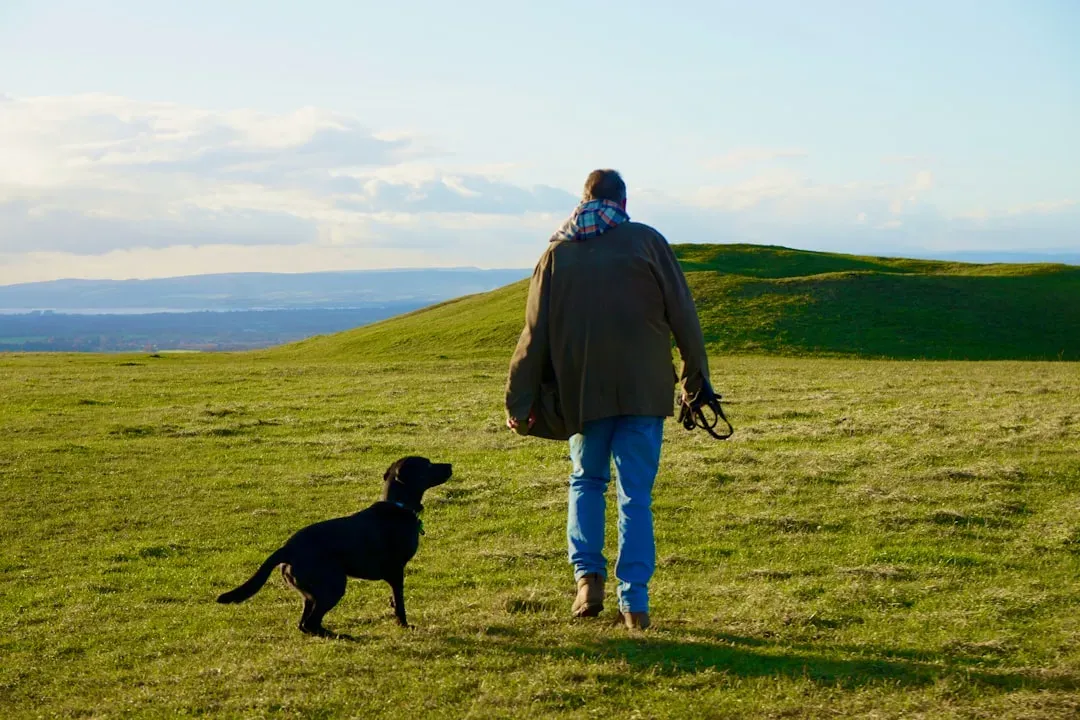
One of the most advanced signs of safety isn’t what your dog does when things are easy – it’s what they do when things are hard. When your rescue dog looks to you for information instead of spiraling on their own, you’ve crossed into true partnership.
In practice, that might look like hearing a scary sound, glancing at your face, and waiting. Or being unsure about a new person, then relaxing the second you calmly greet them. Trainers call this “checking in,” and it’s a sign they see you as a secure base. They don’t automatically assume the worst anymore – they borrow your calm instead. For an animal who may have learned that humans equal danger, that mental flip is enormous.
#1 – They Choose You When They Have Other Options
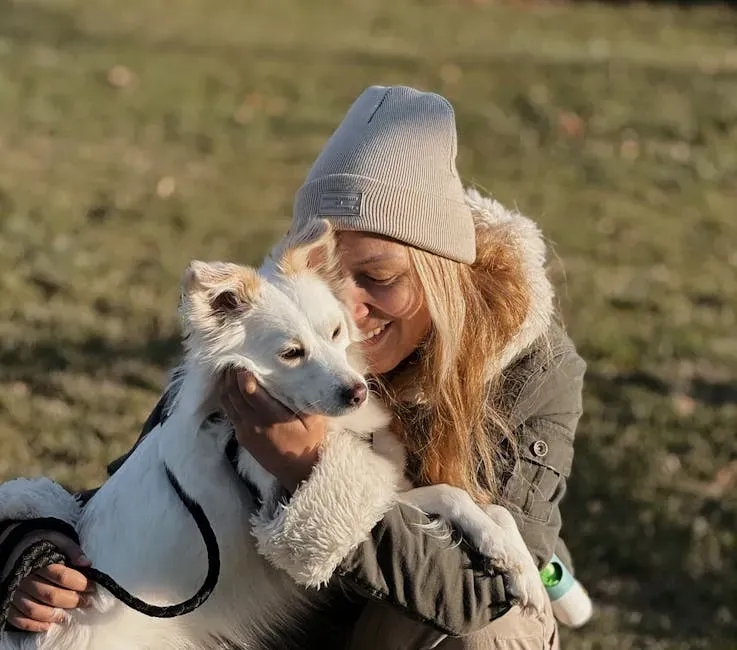
Here’s the real truth most people don’t want to hear: your rescue isn’t fully settled until, given other options, they still choose you. Not because you’re holding the leash or the treat pouch, but because you’ve quietly become their emotional home.
You see it in the in-between moments. At the dog park, they trot back to you for a check-in before racing off again. In a room full of people, they eventually curl up by your feet. Thunderstorm? They seek your side. Vet waiting room? They lean into your legs. That’s not just attachment, that’s safety anchored specifically to you.
Why It Stands Out
- They return to check in during off-leash play instead of wandering off
- They settle near your feet in crowded, unfamiliar spaces
- They lean into you during storms, vet visits, or other stressful moments
- They pick your side over a stranger’s attention, even when curious
Until one has loved an animal, a part of one’s soul remains unawakened.
Anatole France
The Bottom Line
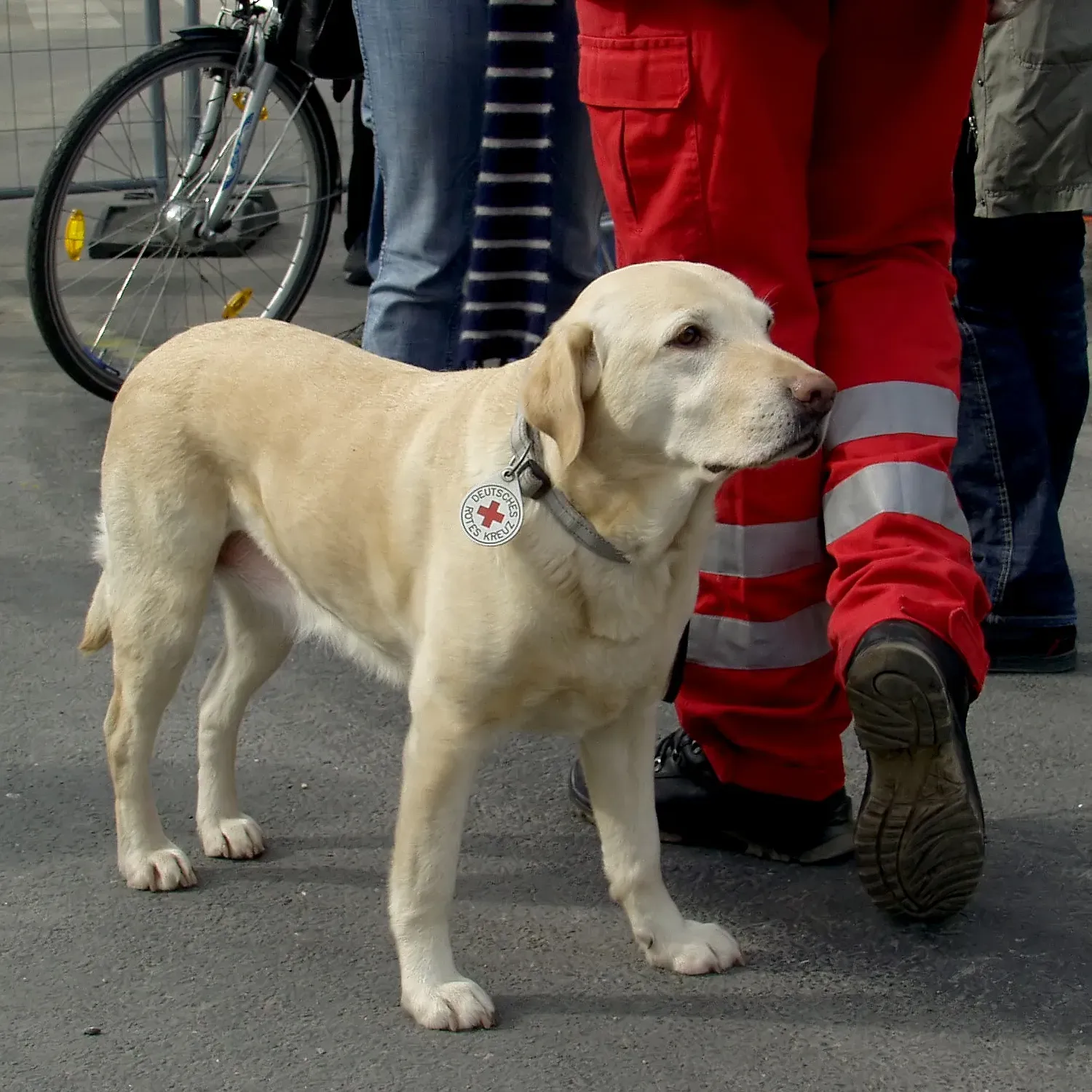
A “happy” rescue dog isn’t just one that stopped crying in the crate or learned to sit for treats. It’s a dog whose body, habits, and choices are quietly telling you, “I finally believe I’m safe.” Deep sleep, goofy play, real curiosity, and the freedom to ignore you without fear are not small wins. They’re nervous-system milestones most owners never get taught to look for.
People love to brag about instant bonding, but real trust usually takes months, sometimes years, and that’s completely normal. The right question was never “is my dog perfect yet?” It’s “can they finally be themselves in this house?” If you’re seeing even a few of these signs, you’re doing something right. If you’re not seeing them yet, the harder question is whether you’re willing to keep adjusting for your dog instead of quietly waiting for them to adjust for you.