
15 Things That Help an Anxious Dog Finally Feel Secure Again
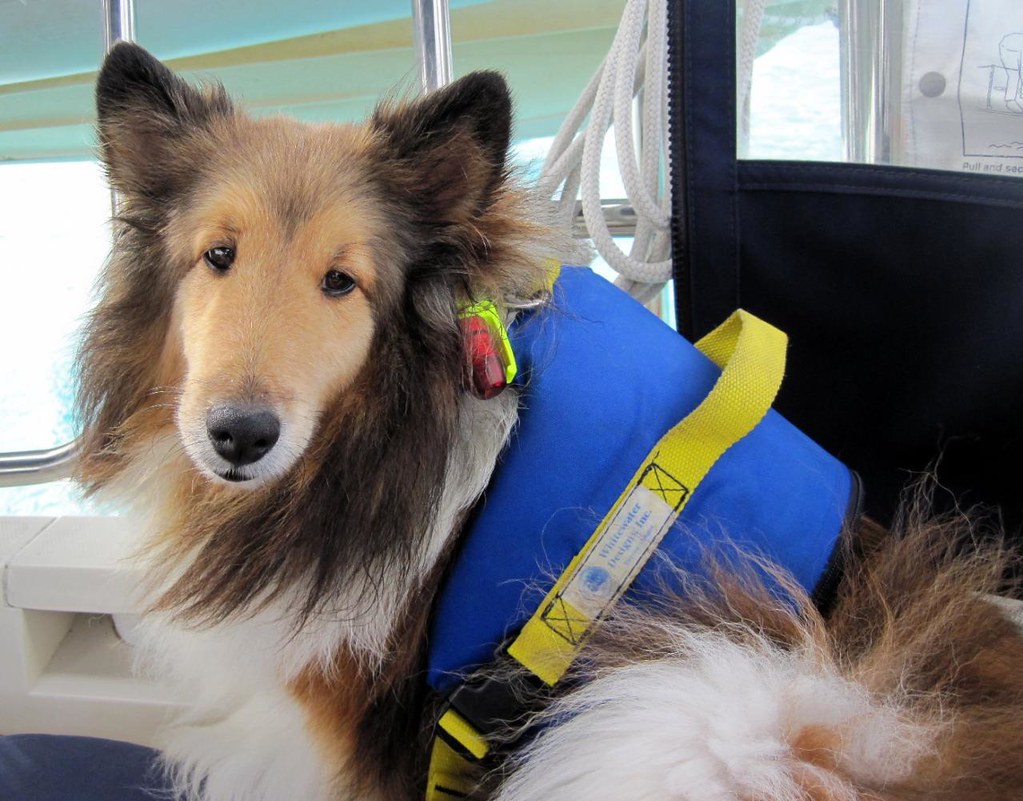
Most people think a soft bed and a handful of treats are all it takes to calm an anxious dog down. But talk to any trainer or behaviorist long enough, and you’ll hear the same quiet heartbreak: dogs who are adored, well-fed, and living in picture-perfect homes are still pacing at 2 a.m., panting for no reason, shaking at the sound of a car door.
The comfort isn’t the problem. What’s missing is something most owners never get told about – the specific structure, training, and tiny environmental shifts that actually rewire a nervous system stuck on high alert. Once those pieces click into place, a dog who used to flinch at every noise can genuinely exhale. Here’s what trainers, vets, and owners who’ve lived through it say actually works.
#1 – A Predictable Daily Routine (Not Just “More Love”)
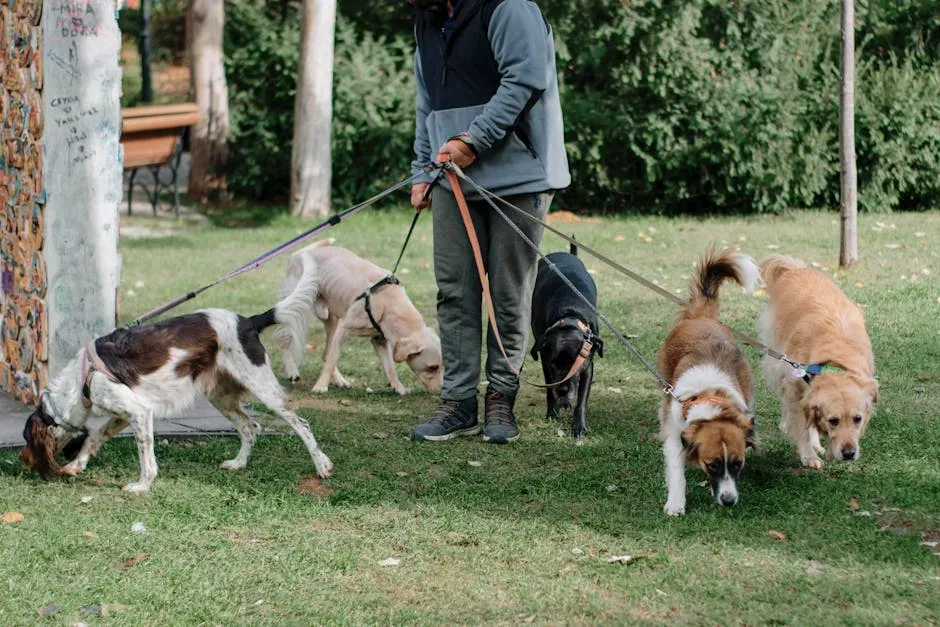
Anxious dogs don’t crave surprises. They crave certainty. A consistent schedule – same wake-up time, same walk window, same feeding times, same bedtime – tells their nervous system, “Nothing bad is coming.” That message matters more than an extra round of cuddles ever could.
Dogs relax when they can predict what happens next, because routine quietly lowers their baseline stress. Anchor the day with a morning potty walk at roughly the same time, scheduled play and training, and quiet wind-down periods. Without that rhythm, every sound in the house starts to feel like a threat.
#2 – A True “Safe Zone,” Not Just a Cute Dog Bed
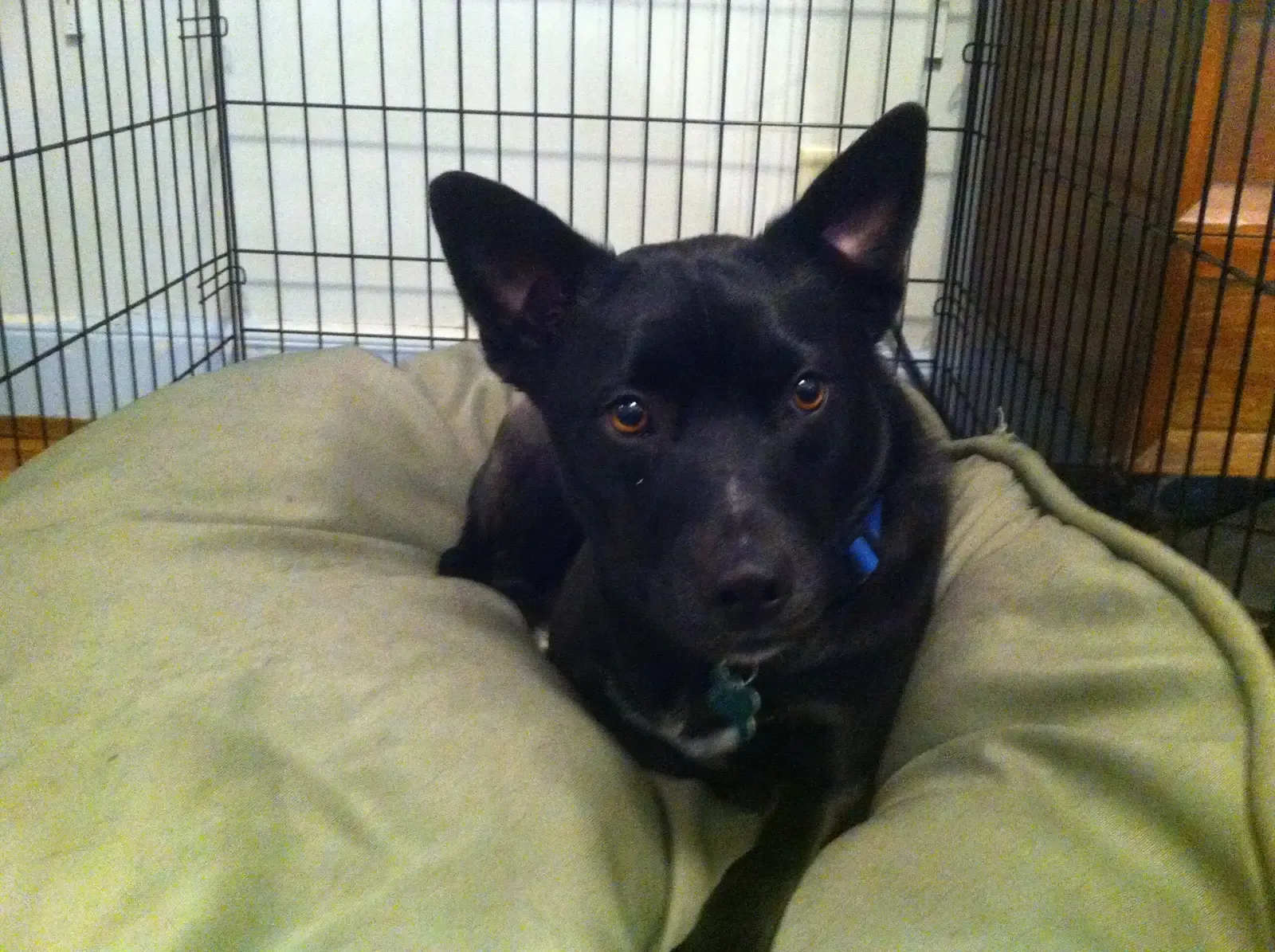
Tossing a bed in the middle of a noisy living room and calling it a “safe space” doesn’t fool an anxious dog for a second. What they actually need is a protected, den-like corner where nothing scary ever happens – low traffic, away from windows, doors, and kids running past.
This has to be the one place where nobody reaches in for a surprise hug and no TV suddenly blares. Set it up with a covered crate or high-sided bed, a blanket or worn T-shirt that smells like you, and maybe a fan or white-noise machine to soften outside sounds. No nail trims here, no scolding, ever. Over time, their brain files that exact spot under “safe,” no thinking required.
Fast Facts
- Pick a low-traffic corner away from doors, windows, and foot traffic
- A covered crate or high-sided bed mimics a den for extra security
- A worn shirt or blanket carrying your scent adds instant reassurance
- No nail trims, scolding, or surprise hugs ever happen in this spot
- A fan or white-noise machine muffles startling outside sounds
#3 – Training Calm on Cue (Instead of Just Saying “It’s Okay”)
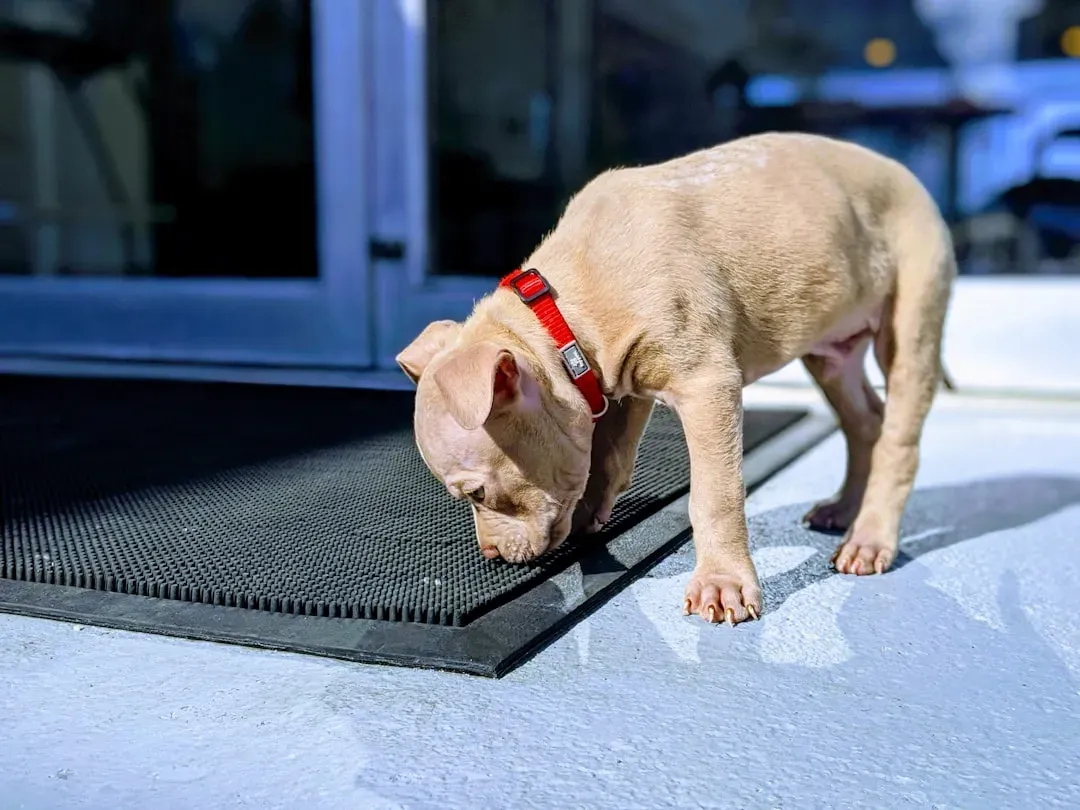
Telling a shaking dog “it’s okay” doesn’t teach them anything – it’s just noise to a brain that’s already flooded. What actually helps is a trained relaxation cue, a specific behavior the dog knows how to physically do that pulls them out of panic mode.
Many behaviorists teach “Place” or “Settle” on a mat, rewarding any calm behavior there – sit, down, even just resting their head on their paws – then slowly adding tiny distractions while still paying for calmness. Eventually, that mat becomes a portable safety signal. “Place” stops meaning “go lie down” and starts meaning “you have a job, and the job is to breathe.”
#4 – Consistent Rules (Because “Sometimes” Is Scary)
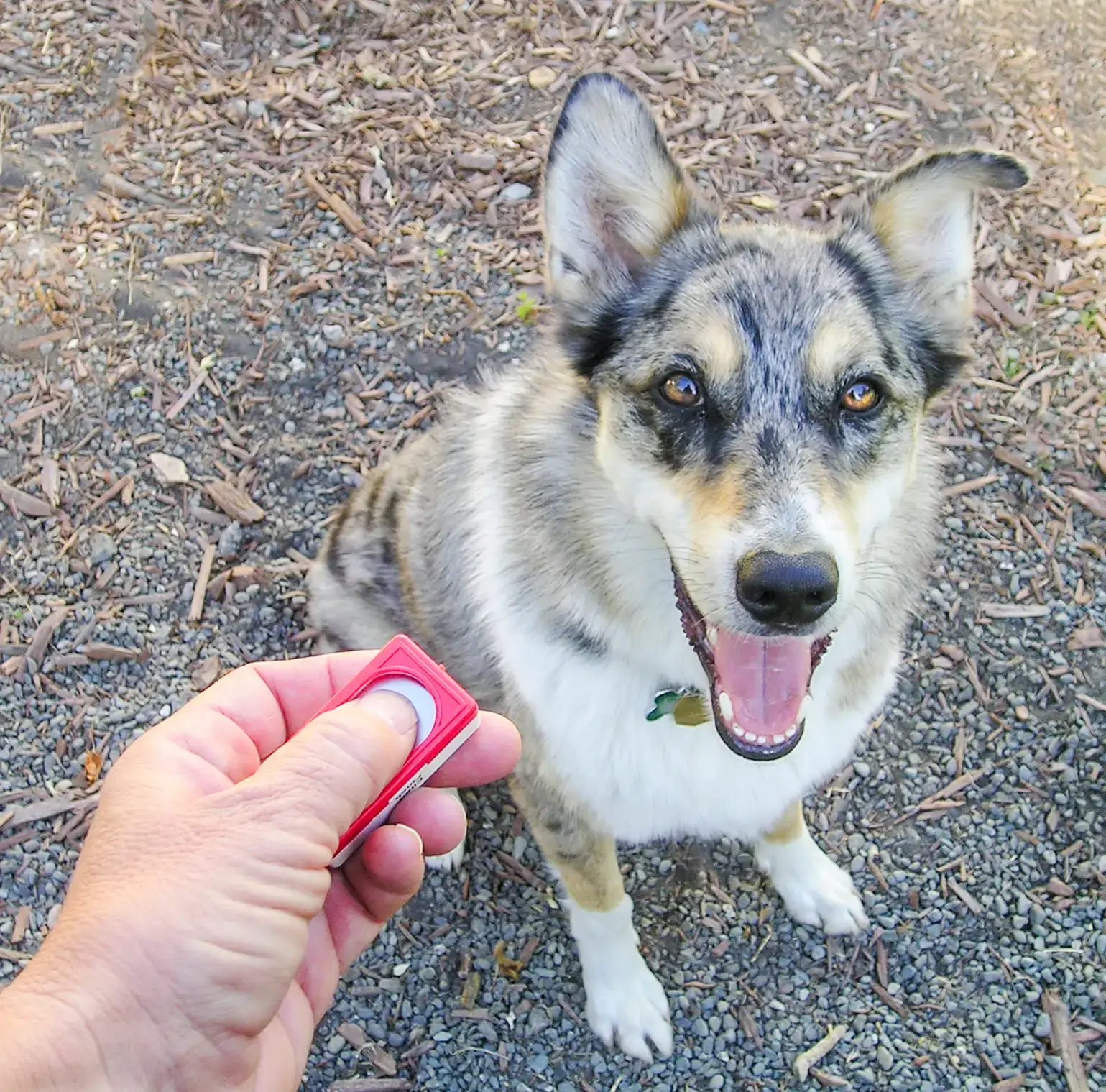
A lot of owners think flexible rules are kinder – the couch is fine sometimes, barking gets ignored sometimes and punished other times. To an anxious dog, that’s not flexibility. That’s chaos they can’t predict.
Inconsistent rules make humans unpredictable, and unpredictable humans are stressful to live with. Pick simple, boring, unchanging rules: either the couch is allowed or it isn’t, no “only if you’re clean” exceptions. Jumping on guests gets the same response every time. When your dog can accurately guess what you’ll do, their brain finally gets to stand down from high alert.
#5 – Proper Exercise That Matches Their Brain, Not Just Their Legs
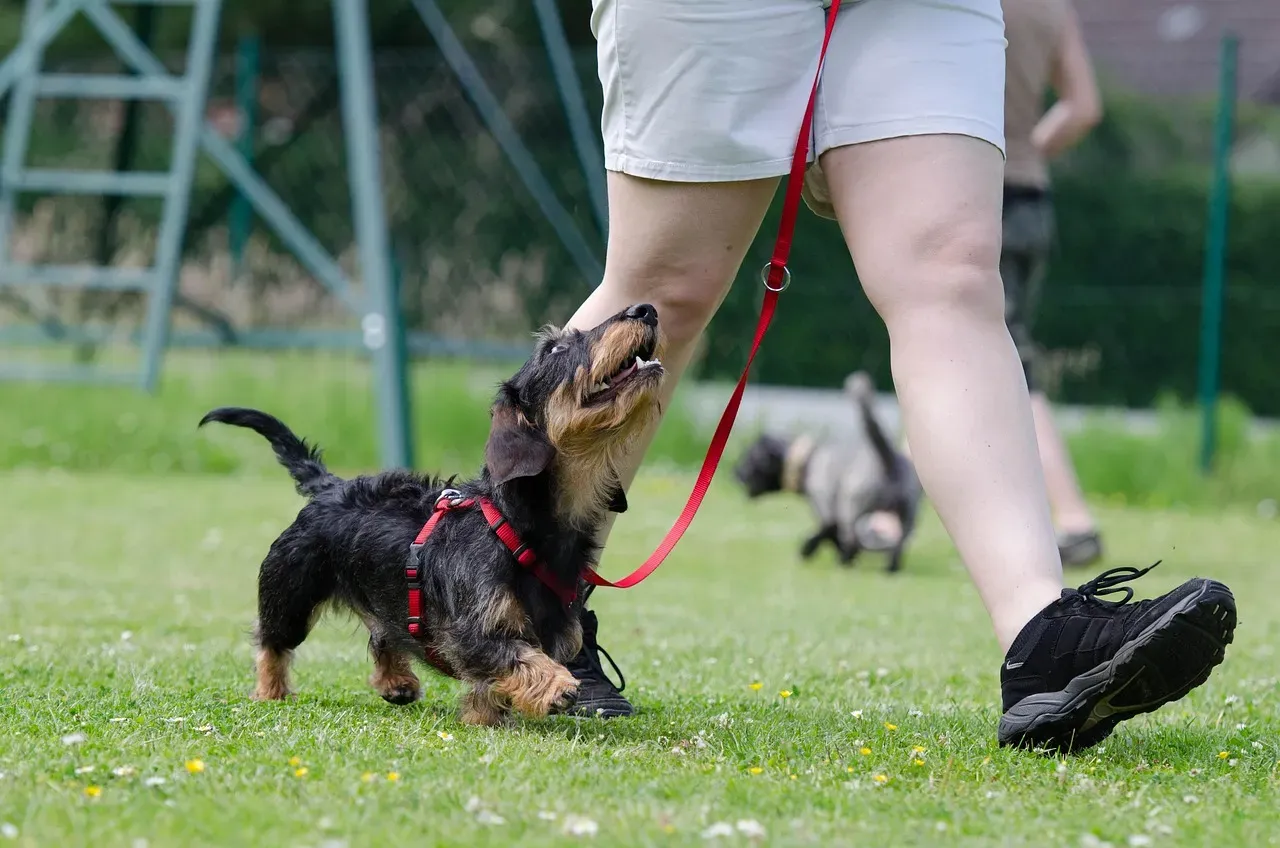
“Just tire them out” is some of the worst advice floating around for anxious dogs. Over-exercising a stressed brain doesn’t produce a calm dog – it produces a fitter, faster, still-panicky one.
What actually helps is a mix of physical and mental work: two or three moderate walks with sniff breaks, ten to fifteen minutes of scattered training throughout the day, and puzzle feeders instead of a plain bowl. When the body and the brain are both genuinely satisfied, anxiety simply has less room to take over. Meanwhile, the dog who gets endless fetch until they collapse often ends up exactly what trainers dread: a marathon athlete who’s still terrified of thunder.
#6 – Giving Them Permission to Sniff (Yes, Really)
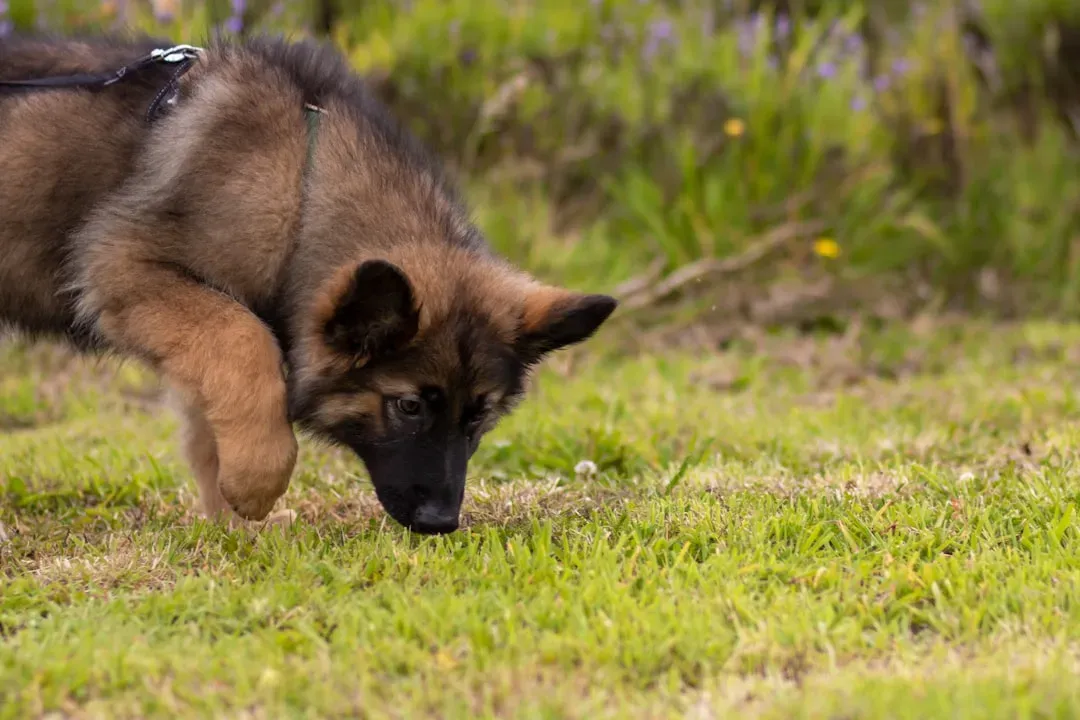
Owners rush walks constantly, and anxious dogs pay for it. Sniffing isn’t a stall tactic – it’s closer to therapy. Processing scent has been shown to lower a dog’s heart rate and help them make sense of their environment.
A slow “sniff walk,” where your dog gets to explore at their own pace, is one of the cheapest and fastest ways to dial anxiety down. Build in sniff zones with a cue like “go sniff,” then let them linger at the bush, the hydrant, the mailbox post without hurrying them along. It’s not zero structure – you still cue them to move on – but giving their nose a job lets them feel like they have some control over their world. And a dog who feels in control is a dog who startles less.
Worth Knowing
- Sniffing taps into the brain’s calming, parasympathetic response
- A slow, scent-focused walk can be more mentally tiring than a fast-paced jog
- Letting dogs linger at scent posts builds a sense of control over their world
- A simple cue like “go sniff” keeps the freedom structured, not chaotic
#7 – Teaching Independence at Home (Not 24/7 Velcro)
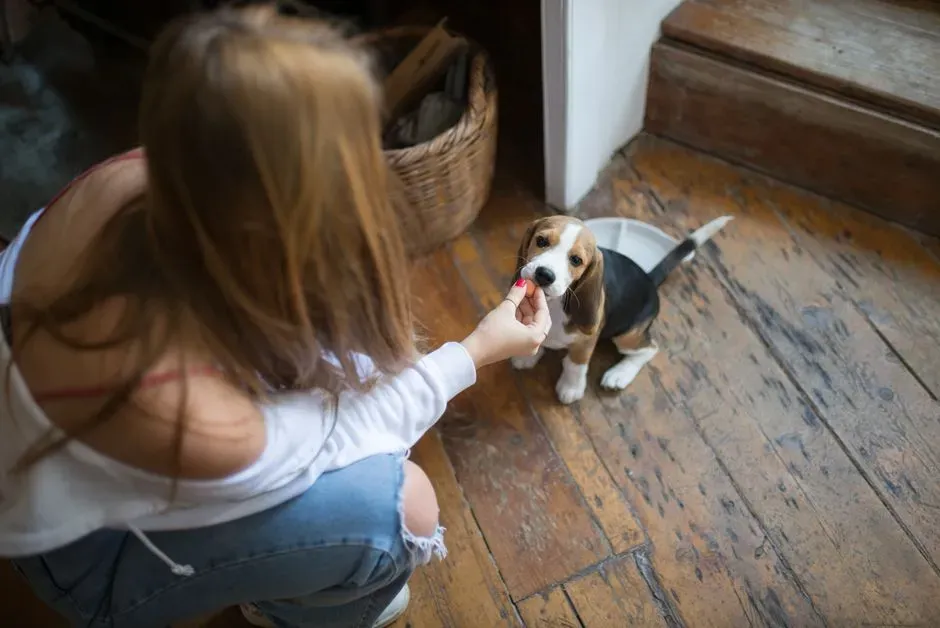
Plenty of anxious dogs get accidentally turned into Velcro dogs – never alone for a second, then falling apart the moment their human leaves the room. It feels loving in the moment, but it quietly backfires.
Teaching a dog they’re okay in another room for short stretches builds real security, not fake calm that collapses the second you’re gone. Start with you simply not engaging while in the same room – no eye contact, no talking – then work up to brief separations with a baby gate or closed door, always returning before panic sets in. Reward the small wins: resting on a bed across the room, choosing to lie down without you. This isn’t cold. It’s proof, repeated enough times, that they survive the mini goodbyes.
#8 – Sound Desensitization (Done Slowly, Not on Full Blast)
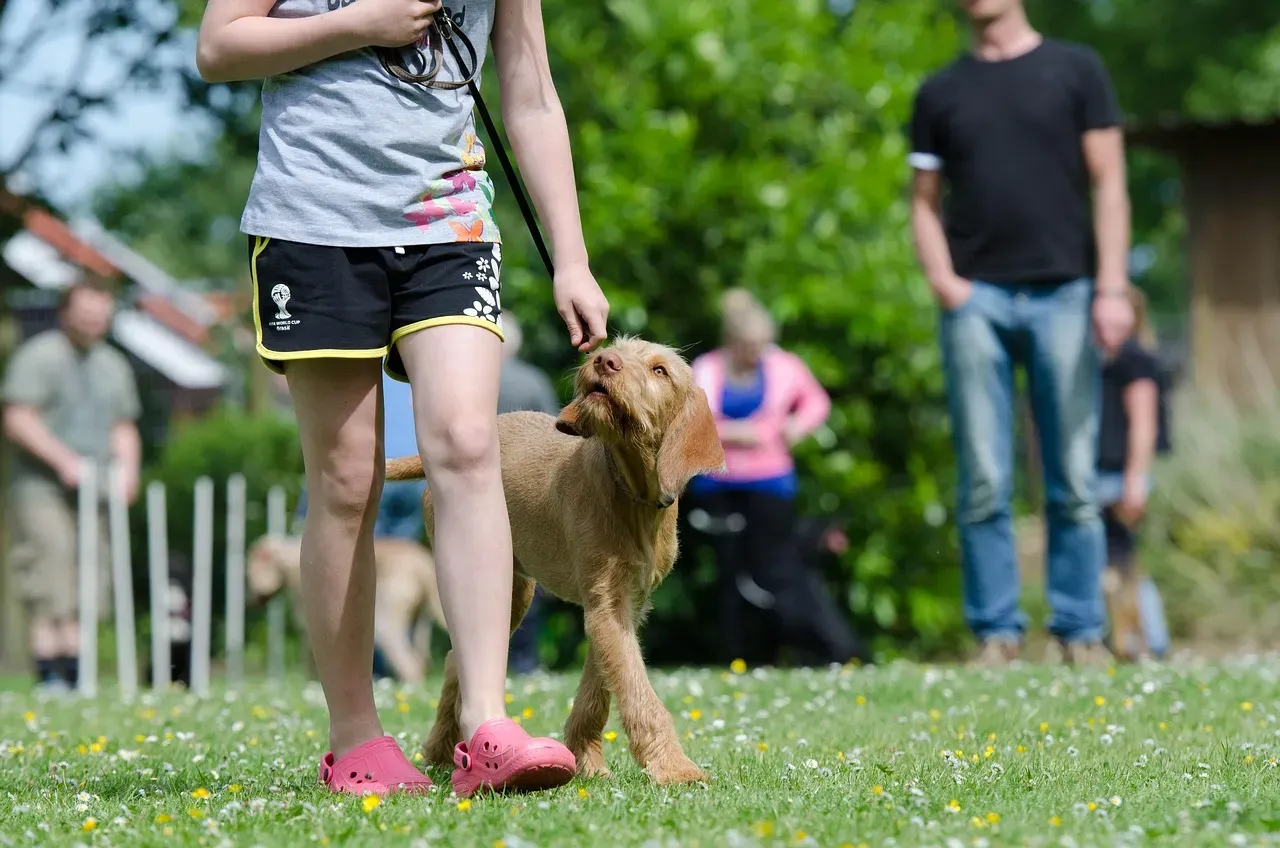
Fireworks, thunderstorms, garbage trucks – for a noise-sensitive dog, the world is basically a horror movie on shuffle. Most owners either avoid the sounds entirely or flood the dog with them “to get it over with.” Both approaches usually make things worse.
The method that actually works is painfully slow: play the sound at a whisper-quiet volume paired with something good, and inch the volume up over weeks, not minutes. Use high-quality recordings of thunder, fireworks, or city noise, paired with treats or a favorite chew. If your dog startles or shuts down, the volume was already too high – the goal is “barely noticed,” not “face your fears.” Slowly, the brain learns a new rule: this sound means nothing bad happens.
#9 – Calming Chews, Pheromones, and Supplements (Used Smartly)
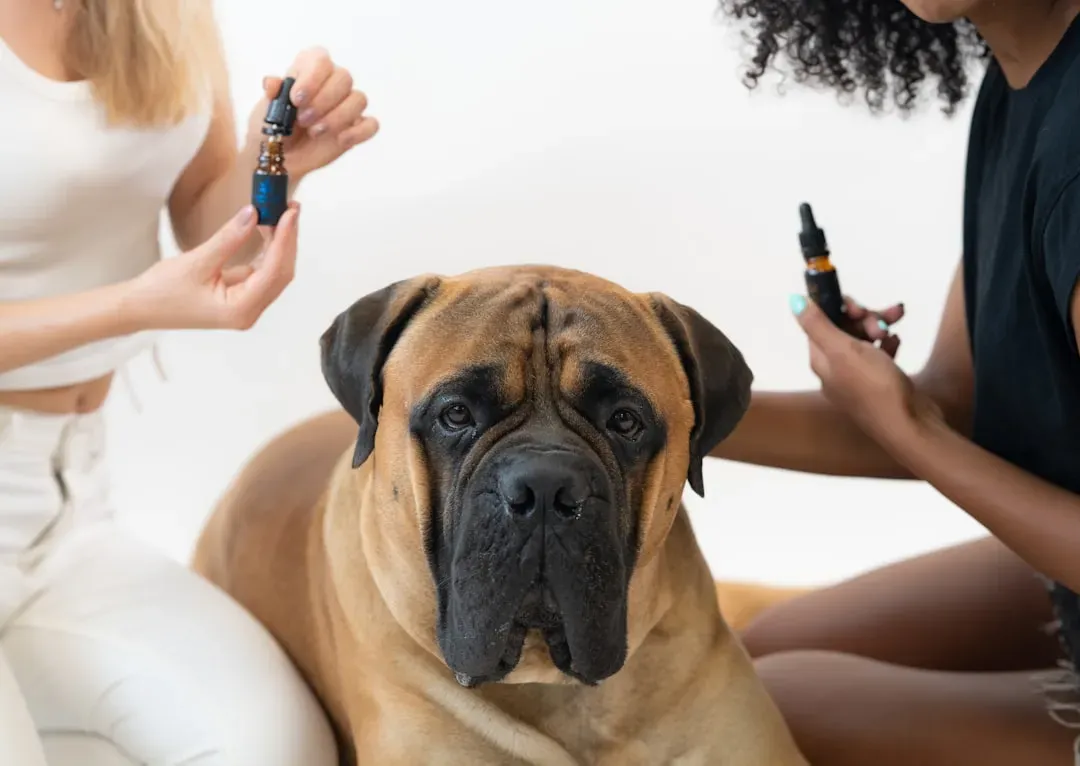
Some people write off every calming aid as a scam. Others expect a single chew to fix months of fear. The truth sits in between. Evidence-backed tools – certain calming chews, pheromone diffusers, vet-approved supplements – can genuinely take the edge off, but only alongside actual training and environmental changes, not instead of them.
Common options include supplements with L-theanine or alpha-casozepine, and dog-appeasing pheromone (DAP) diffusers or collars. Every dog’s chemistry is different – what melts one dog into a puddle might do absolutely nothing for another. Always loop your vet in, especially if other medications are involved. Used right, these tools can make the difference between a training session your dog can actually absorb and one that’s wasted on a brain too flooded to learn.
Quick Compare
- Pheromone diffusers: passive, plug-in, best for calming an entire room or home
- Calming chews (L-theanine): faster-acting, useful right before a known trigger
- Supplements (alpha-casozepine): daily use, cumulative benefit that builds over weeks
- All three work best as a support tool, never a replacement for training
#10 – High-Value Chews and Lick Mats During Stressful Moments
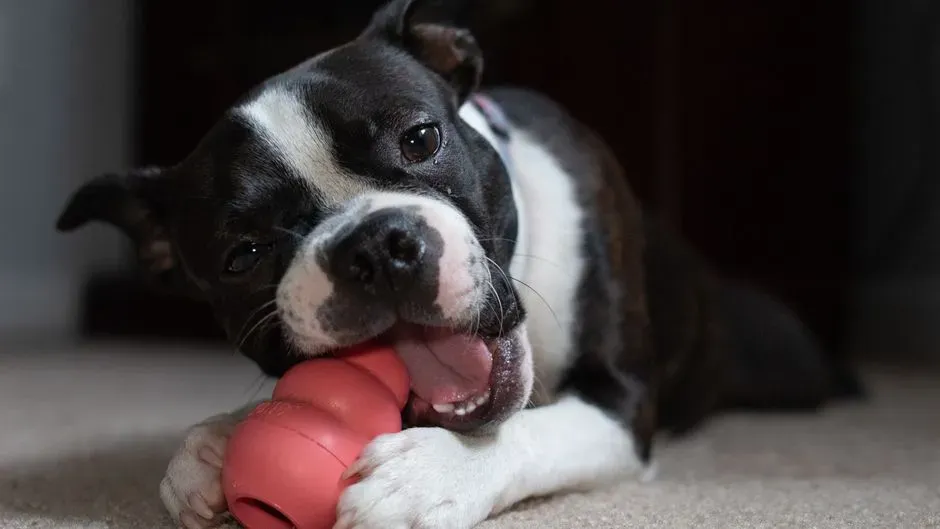
Chewing and licking aren’t just “keeping busy” behaviors – they’re genuine self-soothing tools that trigger calming chemicals in the brain. A long-lasting chew or a stuffed Kong can turn a scary moment into something that starts to resemble snack time, and for some dogs, that reframe changes everything.
Try a frozen Kong stuffed with wet food during thunderstorms, a lick mat with peanut butter when guests show up, or a safe chew on trash day when the truck rumbles by. One important rule: the scary thing has to stay mild enough that your dog will still eat. If they refuse the food, the trigger is too intense and needs to be dialed back. Done consistently, “uh-oh, storm” eventually becomes “oh, this is when the good stuff comes out.”
#11 – Body Language Literacy (Your Superpower as an Owner)
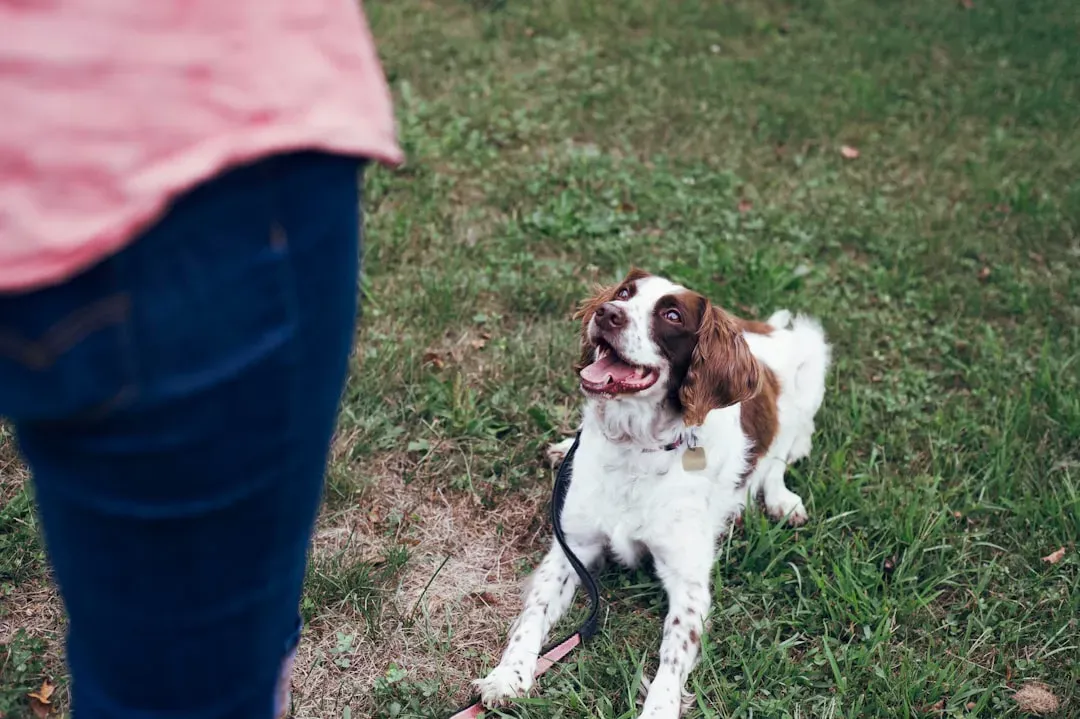
Most people miss the early whispers of anxiety completely and only react once the dog is trembling or barking – by which point the dog is already overwhelmed. Learning the subtle signals – lip licking, yawning, whale eye, paw lifting, pacing, pinned ears – lets you step in before the meltdown even starts.
The moment you spot those early signs, increase distance from whatever’s triggering them, offer a known cue like “Place” with a high-value reward, or simply shorten the exposure instead of pushing for “just one more minute.” Some trainers half-joke that every owner should spend an hour watching body-language videos before buying another toy. They’re not really joking – reading these signals is what turns you from a random human into your dog’s actual safe person.
#12 – The Right Equipment: Harness, Leash, and Tags That Don’t Fail
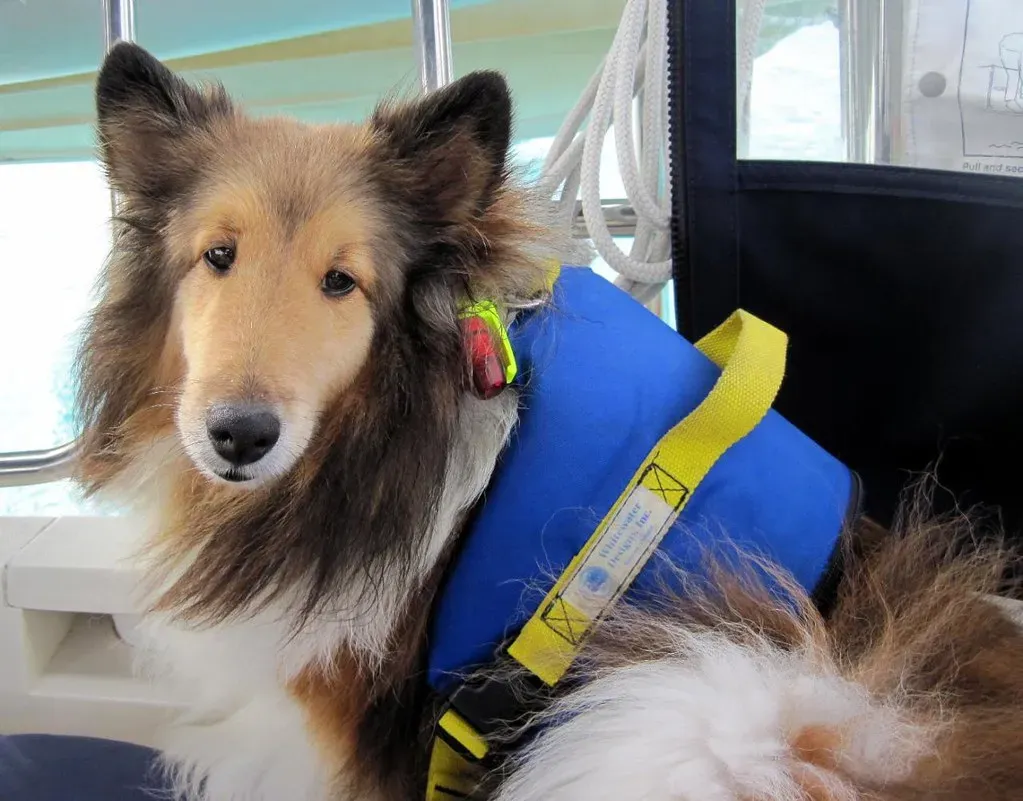
This one gets people fired up. Some insist “it’s never the gear, it’s always the training,” right up until an anxious dog slips its collar mid-panic and vanishes down the street. A secure, well-fitted harness or martingale collar can be the literal difference between a startle and a lost dog.
Feeling physically secure also seems to help some dogs feel emotionally steadier, too. Go with a snug, escape-proof harness for flight-risk dogs, a standard four-to-six-foot leash instead of a retractable, and always-current ID tags plus microchip info, because anxious dogs bolt fast and far. The gear won’t fix the anxiety itself. But it buys you the safety to actually train without living in fear that one bad moment ends in a missing dog.
At a Glance
- Escape-proof harness for dogs prone to bolting or slipping collars
- Standard 4-to-6-foot leash instead of a retractable one
- Martingale collar as a secondary backup, never the primary point of control
- Always-current ID tags plus registered microchip info
#13 – Saying “No” to Dog Parks (and Choosing Controlled Socialization Instead)
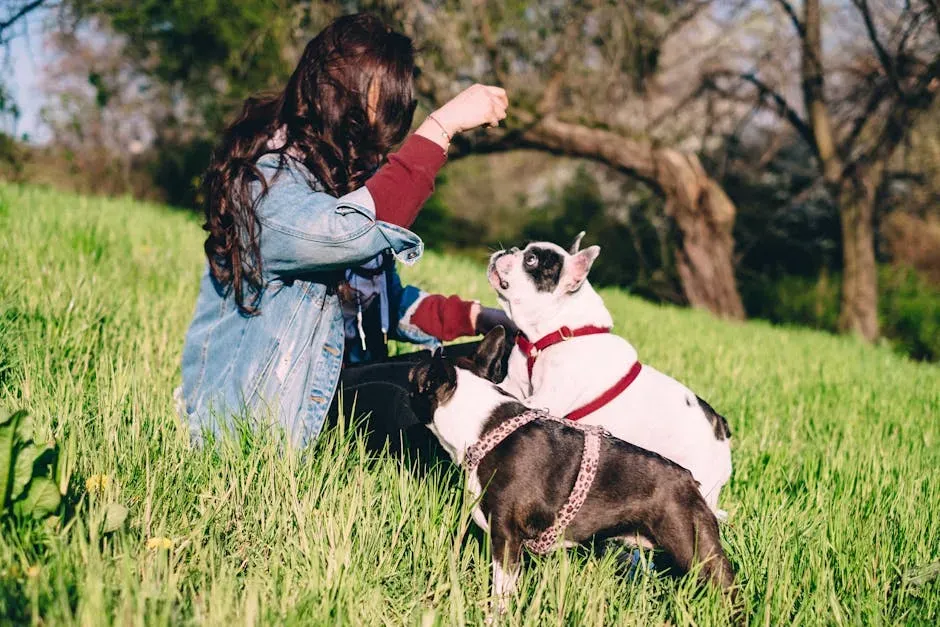
Dog parks are a hot-button topic for a reason. Some dogs genuinely thrive there. But for many anxious dogs, that fenced-in chaos is overwhelming, unpredictable, and frankly terrifying – and shy dogs who get bullied or chased there can end up with social fear that’s hard-wired for years.
Quiet, one-on-one time with a stable, familiar dog rebuilds confidence far more reliably than a free-for-all ever could. Try parallel walks with one calm dog, short on-leash greetings that end without a forced “go play,” or supervised off-leash time with dogs you already trust. It might annoy the “every dog loves the dog park” crowd, but plenty of behaviorists say anxious dogs should skip them entirely. Protecting your dog’s mental state matters more than fitting in at the fence.
#14 – Working With a Qualified Behavior Professional (Not Just Random Online Tips)
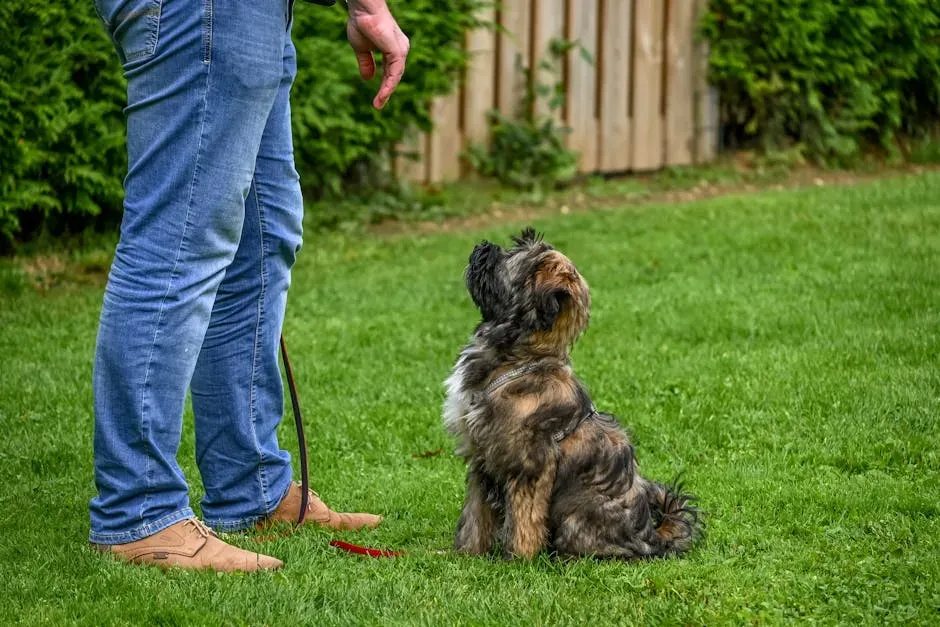
“Dog trainer” is an unregulated title in most places, which means literally anyone can print a business card and call themselves an expert. For an anxious dog, that’s a real risk – harsh methods or outdated dominance-based advice can turn a manageable fear into something explosive.
A certified behavior consultant or veterinary behaviorist can build a plan around your dog’s actual brain, not a generic checklist pulled off the internet. Look for real credentials like CDBC, CAAB, or a vet behaviorist title, force-free and evidence-based methods, and a focus on fear and anxiety rather than basic obedience. Yes, it costs more than scrolling for free tips. But five random quick-fix hacks that don’t work often end up costing just as much money, plus a far more stressed dog. The right expert can compress years of trial and error into a matter of months.
#15 – Vet Support and Medication When Needed (Not a “Last Resort” Failure)
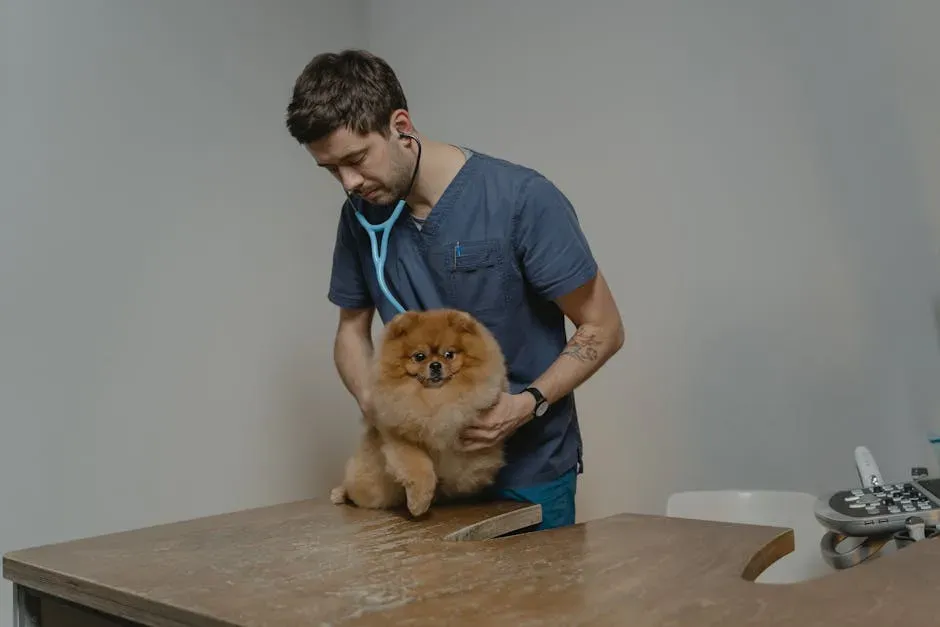
Here’s the hill worth dying on: medication is not a moral failure. Some dogs are born with nervous systems wired for panic, or carry trauma that makes ordinary life feel like a war zone. For them, training alone is like being told to learn to swim while you’re actively drowning.
The careful, vet-guided use of anti-anxiety medication can bring a dog’s panic down to a level where learning is finally possible in the first place. Think of it like noise-cancelling headphones for the brain, not a personality eraser – sometimes temporary, sometimes long-term, but always in service of quality of life. Facebook comment sections love to type “just train your dog better,” but the people actually living with severely anxious dogs know better. Sometimes brain chemistry needs help, exactly like it does in people, and that honesty is what finally gives some dogs a real shot at feeling safe.
The Bottom Line
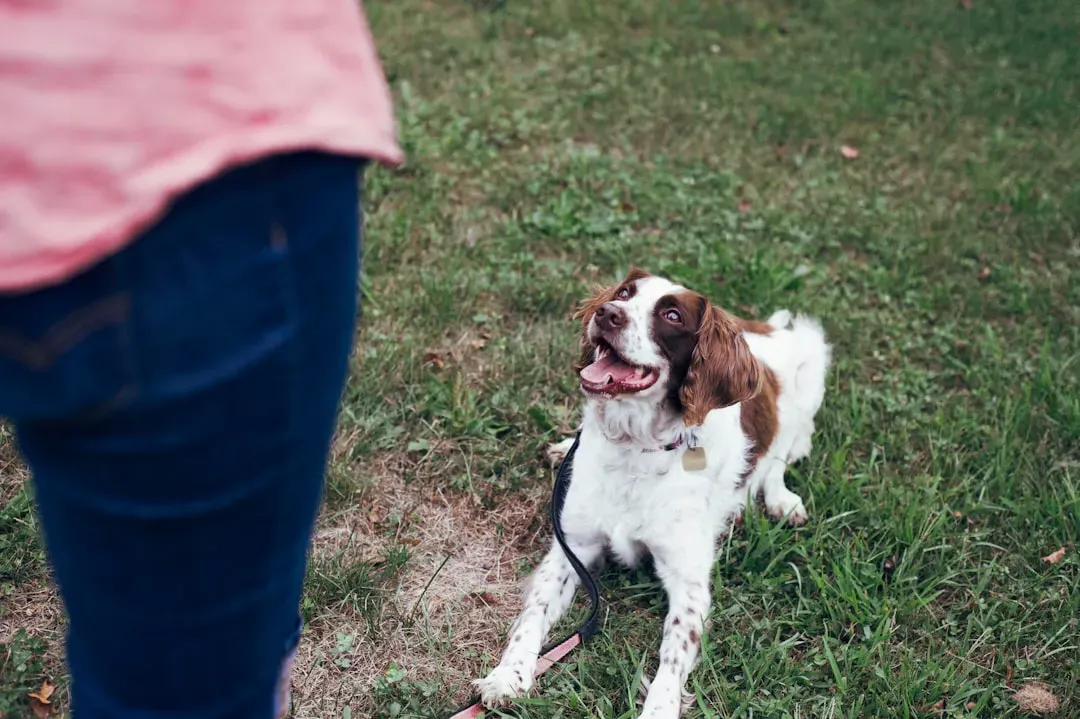
An anxious dog doesn’t heal because you love them harder. They heal when that love gets translated into structure, safety, and choices backed by actual science – predictable routines, clear rules, real safe zones, controlled exposure, and, yes, sometimes professional help and medication.
The uncomfortable truth is that a lot of what people do “because they care” – constant coddling, chaotic dog park trips, rules that change depending on their mood – quietly keeps the anxiety stuck in place. Helping an anxious dog feel secure again takes something braver than affection: it takes ignoring the bad advice, skipping whatever looks best on Instagram, and doing what actually works for the dog in front of you, even when someone in the comments disagrees.
Which of these 15 things do you swear by – and which one do you think most owners still get completely wrong?