
14 Small Ways Your Dog Chooses You Again Every Single Morning
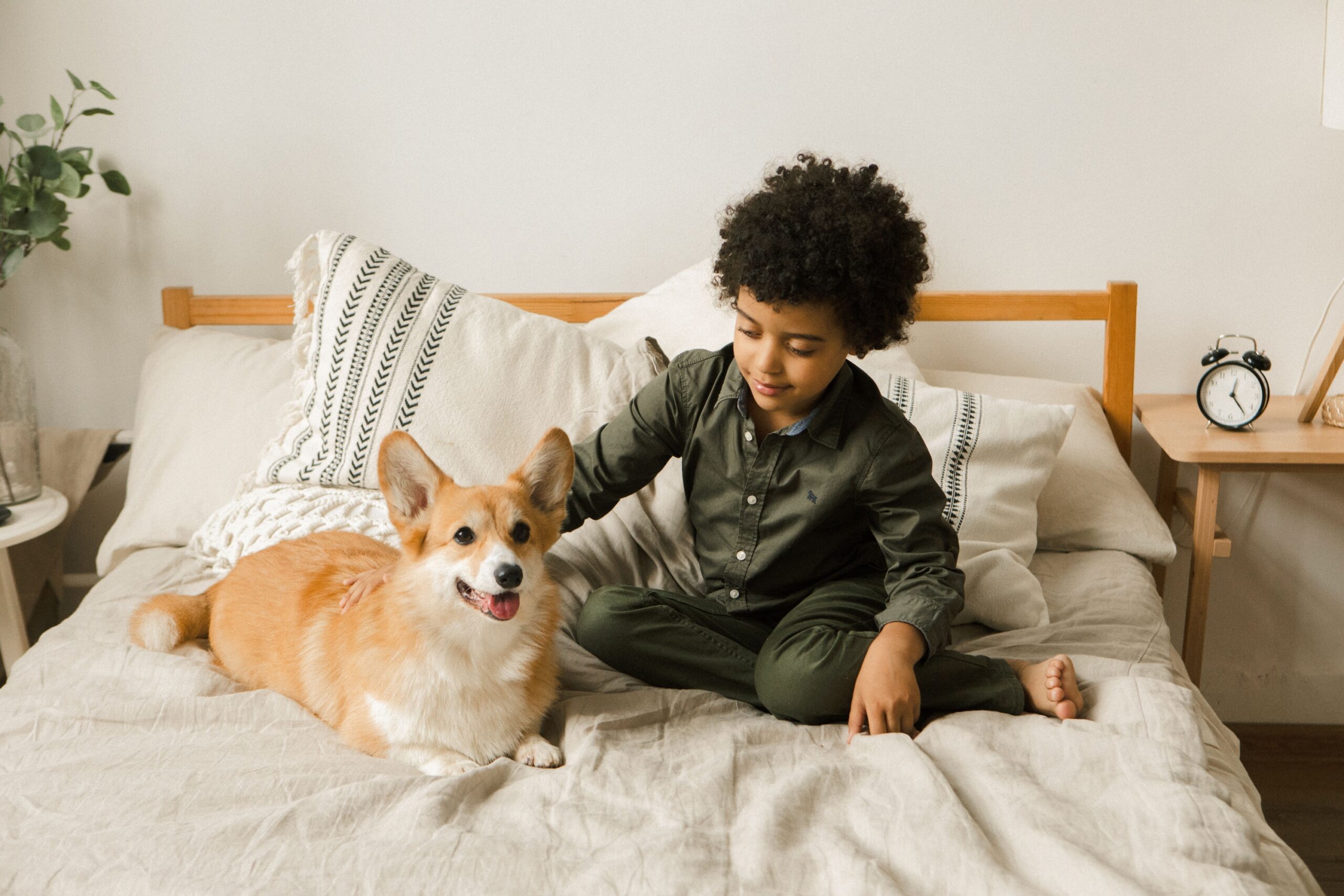
Most people think bonding with a dog happens during the big, showy moments – training classes, long hikes, a basket of expensive toys in the corner. Dog behaviorists quietly disagree. They say the real proof shows up before you’ve even had coffee, in the tiny, repeatable choices your dog makes about you every single morning.
Those “little nothings” – the stretch, the blink, the trot down the hallway just to find you – are actually their loudest love letters. None of it is random. Each one is a deliberate micro-decision that says, “I pick you. Again.” Here’s what fourteen of those quiet morning choices are really telling you, starting with the one most owners dismiss without a second thought.
#14 – The Way They Look for You First Thing
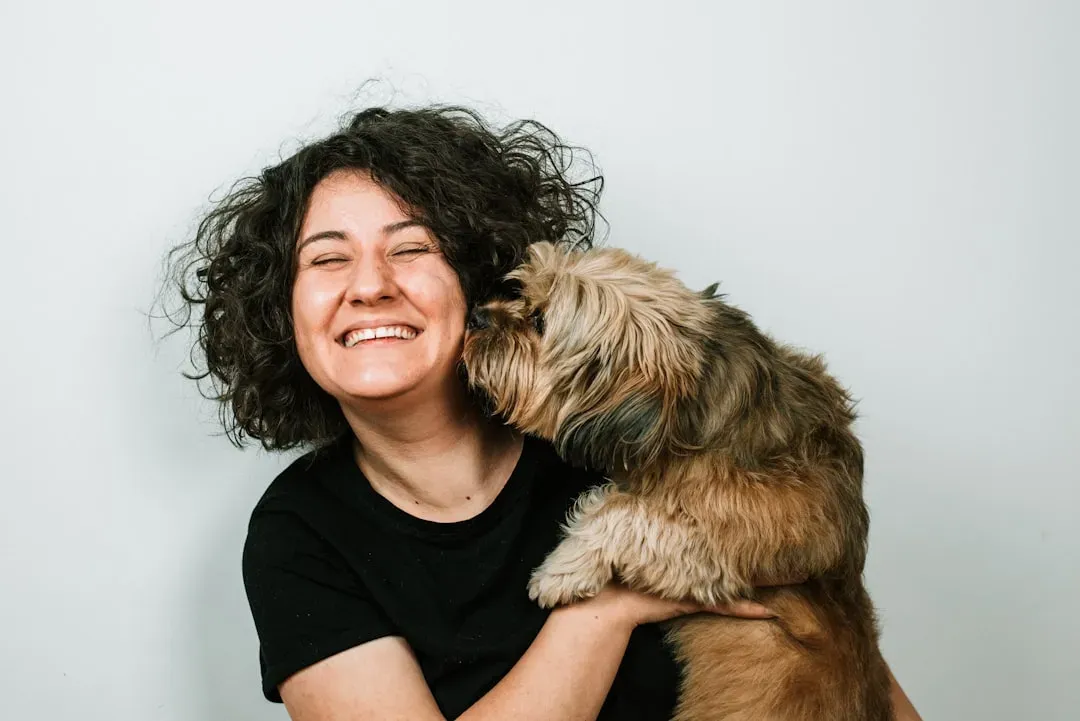
That moment your dog wakes up and immediately scans for you is not random; it’s attachment behavior in action. If your dog’s first move is to check, “Where’s my human?” they’re literally choosing you as their emotional starting point for the day. Dogs are creatures of habit, and that habit tells you exactly who they consider “home.”
You’ll notice this most when you’re not where you “should” be. Maybe you woke up early and slipped off to the kitchen. Your dog wakes, doesn’t see you, and comes trotting out with bed-head fur and sleepy eyes, actively hunting you down. That little trot is them saying, “Okay, day can begin now – I’ve located my person.” Some people brush this off as neediness. It’s actually quiet loyalty.
#13 – The Slow Blink and Soft Morning Eye Contact
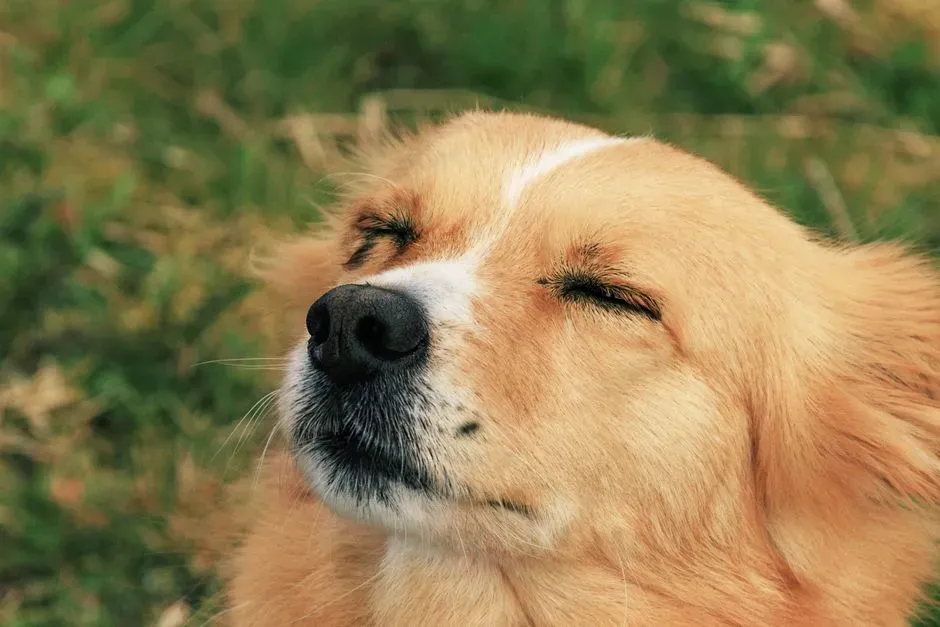
Everyone talks about cats doing the slow blink of trust, but dogs have their own version. When your dog looks at you with relaxed eyes, maybe squinting a little, and holds that gaze without any tension, they’re bathing you in oxytocin – the same hormone that bonds mothers to babies. Research on mutual gazing between dogs and humans has shown it can spike oxytocin in both of you at once, which is a little wild to think about at 6 a.m.
Watch what happens in that sleepy morning window. You say their name and they give you that soft eye contact, maybe with a small tail thump against the bed or floor. No jumping, no barking – just quiet acknowledgment: “Yup, it’s you. Good.” Many owners miss it because it isn’t dramatic, but behaviorists love it. Calm morning eye contact is a relationship check-in that says, “I feel safe enough to start my day right here, with you.”
Fast Facts
- Mutual eye contact between dogs and owners has been linked to oxytocin increases in both species.
- Oxytocin is the same hormone associated with parent-infant bonding in humans.
- Relaxed, squinty eyes in dogs typically signal comfort, not drowsiness.
- A soft tail thump without a full wag often means calm contentment rather than excitement.
#12 – The Stretch and Sigh When They Know You’re There
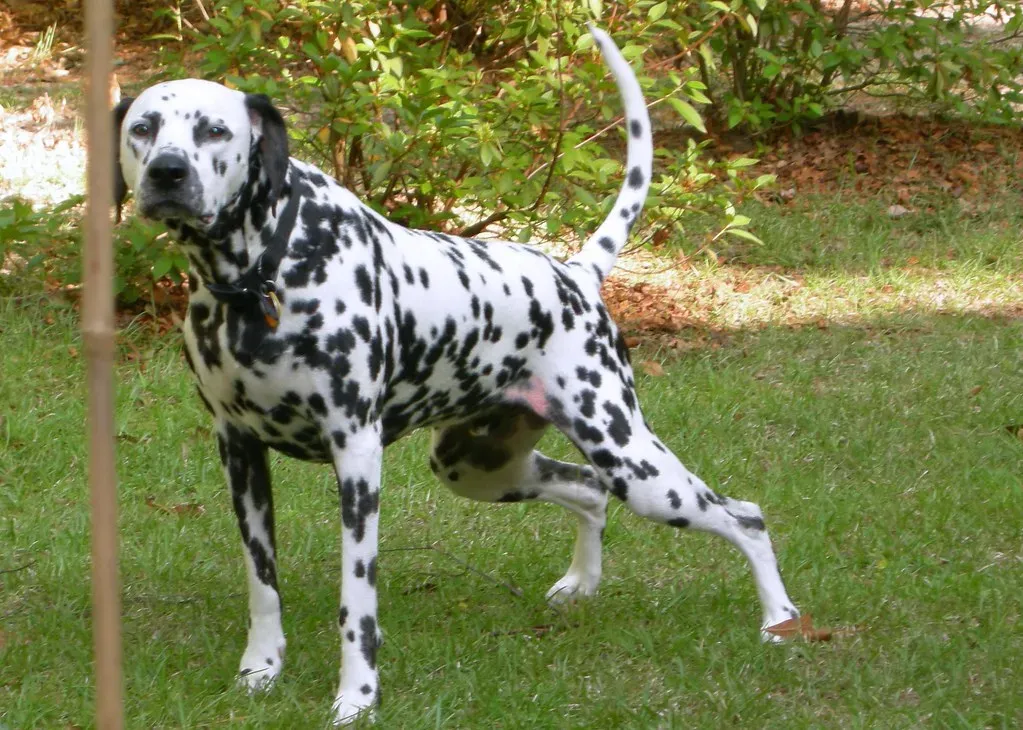
That long, exaggerated stretch your dog does the second they see you in the morning is more than just working out the kinks. Dogs often perform what’s called a “greeting stretch” – front legs out, rear end in the air, maybe a little tail wag – a hybrid between a yoga pose and a full-body “good to see you” bow. Pair that with a deep, satisfied sigh once you’re close, and you’re watching their body announce, “Okay. My world is intact.”
Compare how they stretch when they wake up and you’re gone versus when you’re right there. If the stretch gets bigger, wigglier, or turns into a goofy little play-bow the moment they spot you, they’re not just waking up – they’re re-choosing you. That sigh afterward is nervous system regulation in real time. You’re the predictable constant that lets their whole body relax, and some trainers use exactly that sigh as proof a dog is settled and secure at home.
#11 – Who They Physically Check In With First
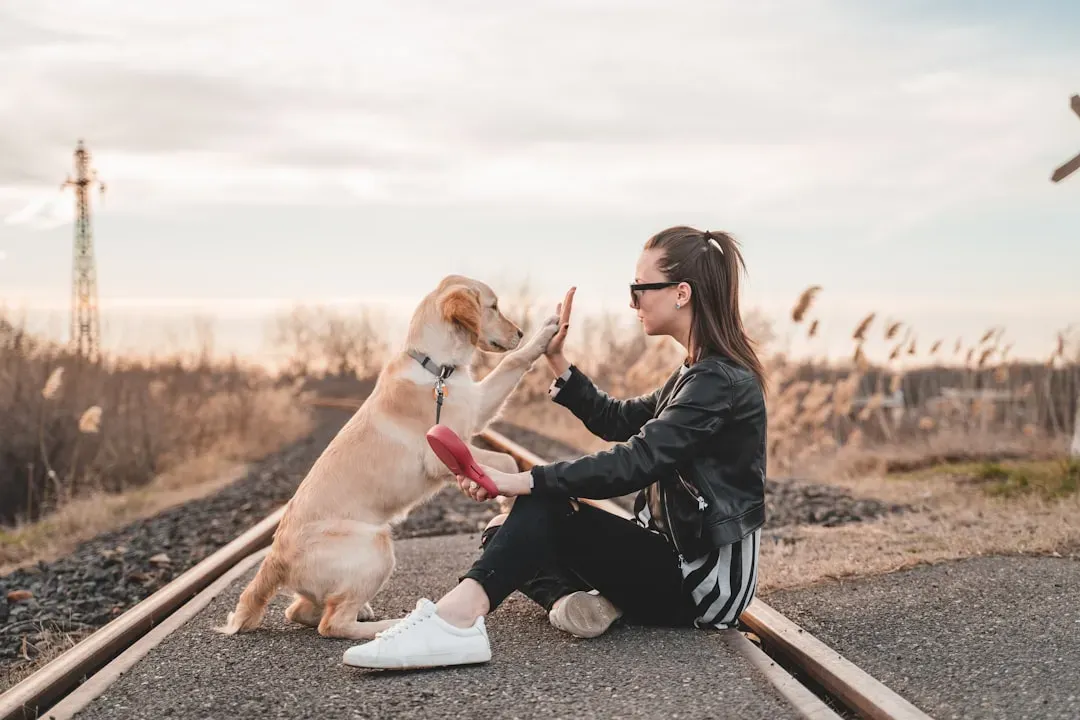
Watch the sequence: they jump off the bed, yawning, trot down the hall – and who do they bump, nose, or lean on first? That “first contact” of the day is a big tell. If your dog gravitates straight toward you out of everyone in the house, rubbing their head against your leg or pressing their side into your calf, they’re choosing you as their anchor. In a multi-person home, this is basically their daily vote for favorite.
Some people get oddly offended when the dog runs to one person over another, but from a dog’s point of view it’s simple logic. They choose the human who makes them feel safest and most predictable. That physical check-in isn’t just affection – it’s a morning safety scan that says, “If I can feel this person, I’m okay.” There are homes where the dog checks the kids first, and that’s perfectly fine, but if it’s always you, your bond is the spine of their whole world.
#10 – The Way They Match Their Morning Pace to Yours
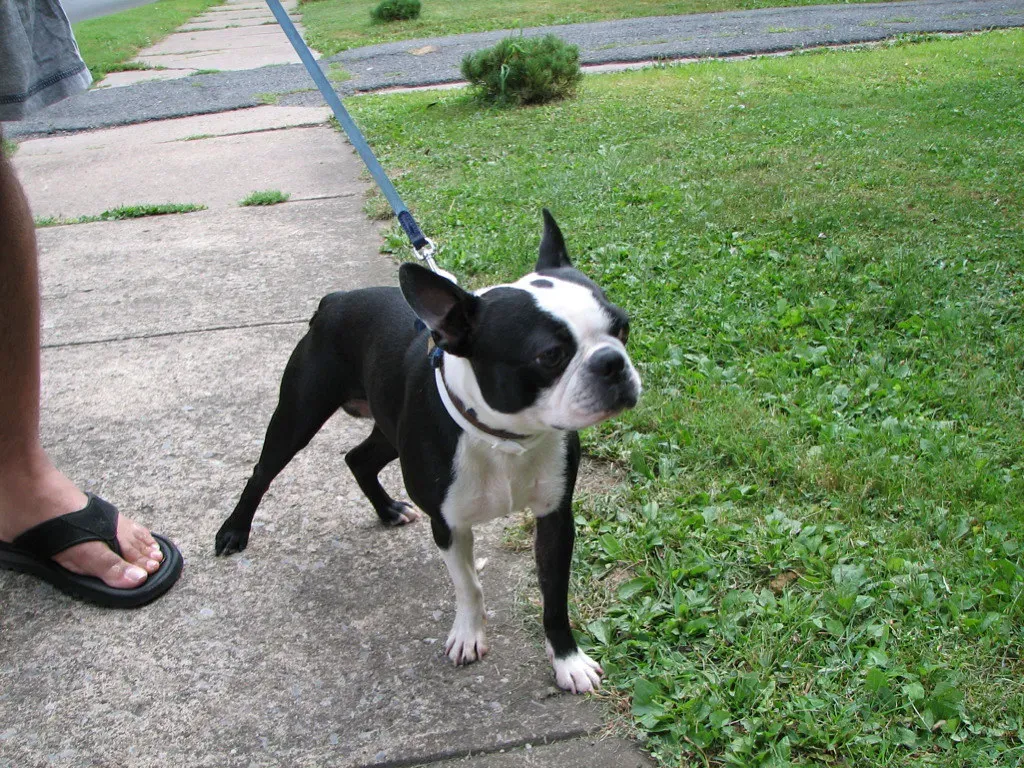
Here’s one almost nobody notices: pace-matching. If you’re groggy and slow and your dog hangs back, walking calmly beside you instead of bulldozing you for attention, they’re actively regulating themselves around your energy. That’s not just good manners. That’s awareness – a choice to sync with you instead of running their own agenda through the house.
On the flip side, if you’re a bounce-out-of-bed person and your dog mirrors that with prancing and spinning and full-body wags, that’s alignment too. It’s less about them being “hyper” and more about them saying, “I’m with you – let’s do this at your speed.” Dogs that drag their owners out of bed no matter the mood are following instinct more than relationship. Dogs that adjust their morning to your vibe are treating you like a partner, not a vending machine.
#9 – The First “Offer” They Bring You
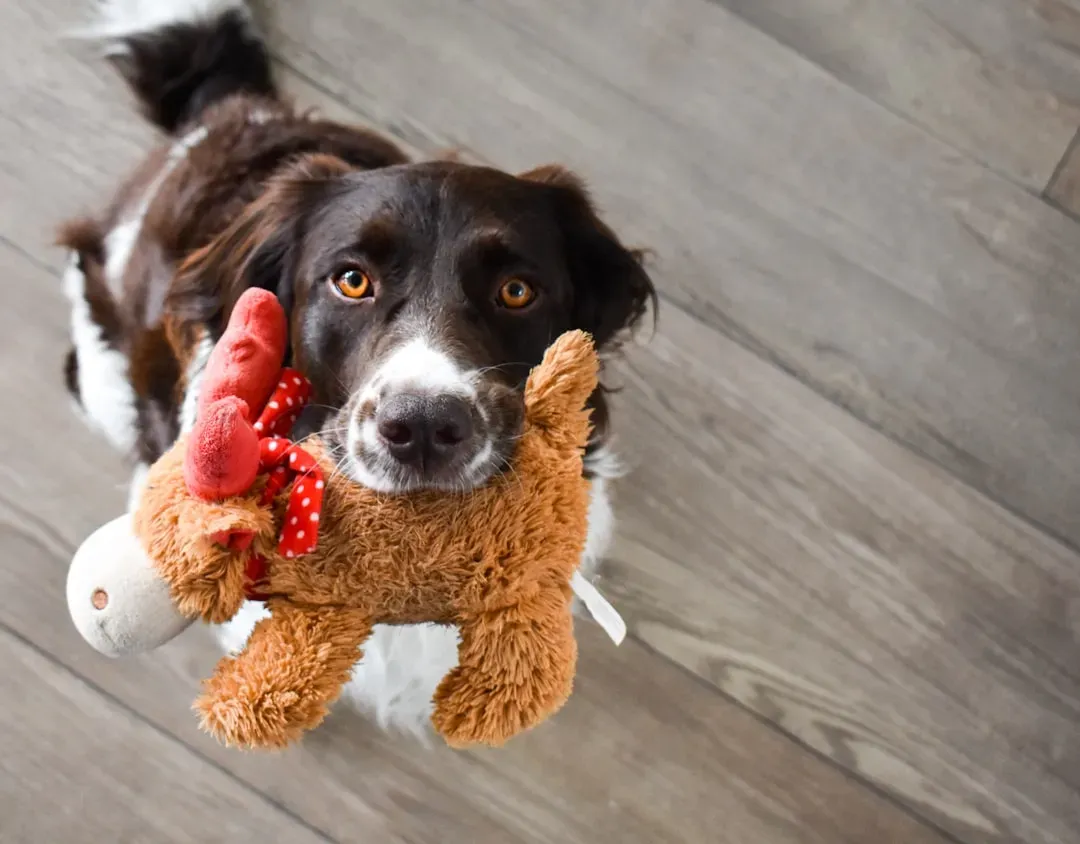
Some dogs bring a toy. Others trot in with a sock, a slipper, or – let’s be honest – a piece of questionable trash they’re extremely proud of. It looks silly, but behaviorally it’s fascinating. That first “offering” of the day is often your dog saying, “I want to start my morning by doing something with you.”
Even when the item is annoying, the motivation is almost always social, not malicious. They could easily go chew it alone in a corner. Instead, they parade it in front of you like a trophy. Many trainers see this as soft resource sharing – your dog inviting you into their version of play or work. Decline it too often and dogs sometimes stop asking. Accept it, even briefly, and they learn something simple: “My human says yes to me in the morning.”
Why It Stands Out
- Dogs could easily chew or guard an item alone but choose to bring it to you first.
- The behavior is rooted in social sharing, not attention-seeking or mischief.
- Consistently ignoring the “offer” can reduce how often a dog initiates it.
- Even a brief acknowledgment reinforces the ritual for the next morning.
#8 – Where They Position Themselves While You Get Ready
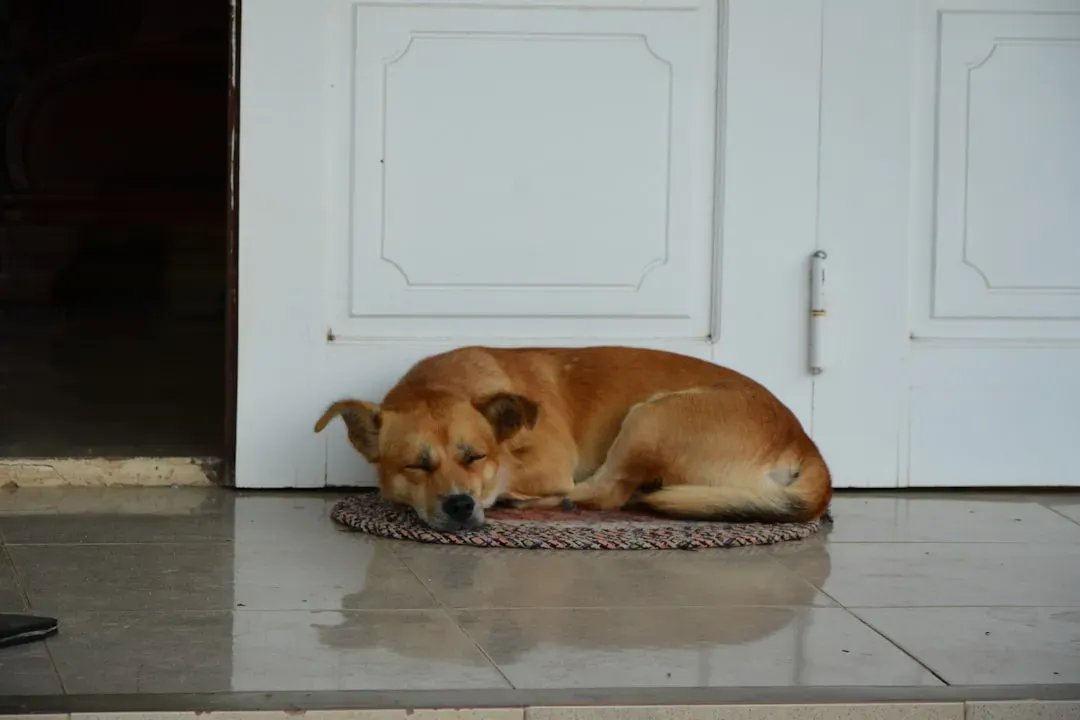
This one’s so common we stop seeing it. You brush your teeth, make coffee, scroll your phone. Where’s your dog? Under the table. On the bath mat. In the doorway, positioned so they can watch both you and the hallway at once. Where they choose to park themselves is a live map of their priorities.
If they consistently pick a spot where they can monitor you, even if it isn’t the comfiest bed in the house, that’s attachment in action – what behaviorists call proximity-seeking. Some dogs choose thresholds and doorways specifically because they offer a clear line of sight: “If I lie here, I can relax but still keep track of my human.” People joke their dog is a “furry shadow,” but a shadow doesn’t choose what to follow. Most mornings, they choose you.
#7 – Who They Follow When the Leash Comes Out
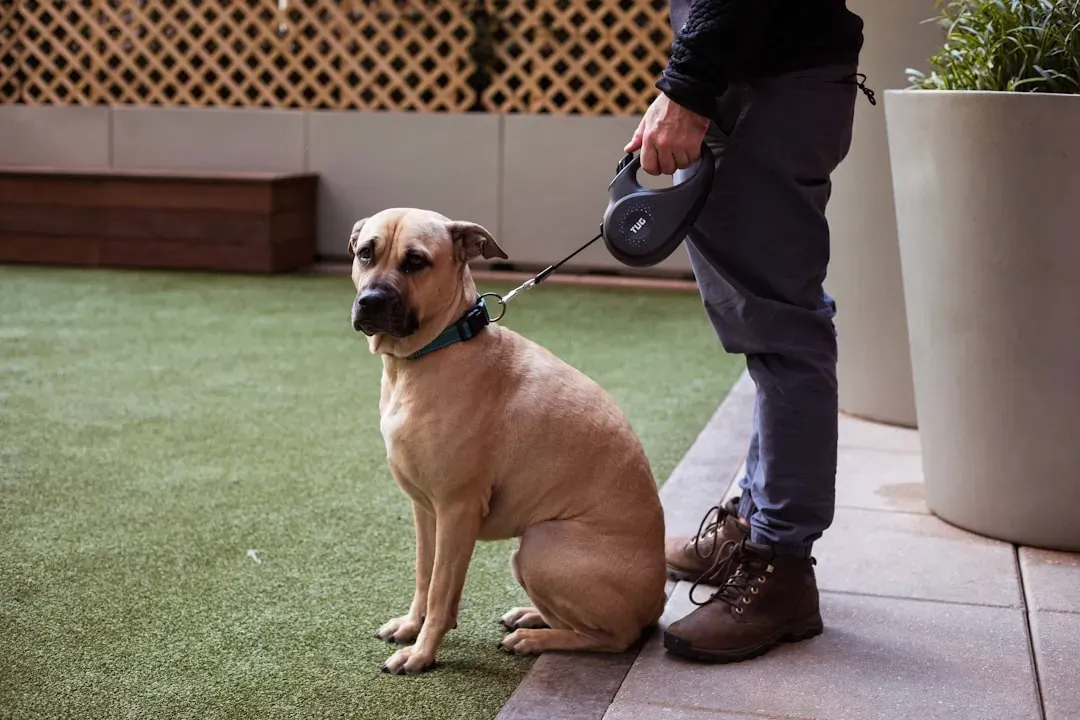
Morning walks are easy to misread. Sure, your dog loves going outside. But who they follow the second the leash appears says a lot. If there are multiple people home and your dog consistently orients to you the moment they hear the jingle – making eye contact, waiting for you to move, hovering by your side – they’re not just excited about the walk. They’re excited about walking with you specifically.
Even in single-person homes, you can see the choice play out. Do they bolt for the door the second you stand up, or do they check your face first, waiting for your cue? That pause is them treating you like a partner, not an obstacle between them and the outside world. Dogs who walk cooperatively beside you, glancing up for reassurance, have essentially decided, “I’d rather do this with you than drag you.”
#6 – The Way They React When Your Alarm Goes Off
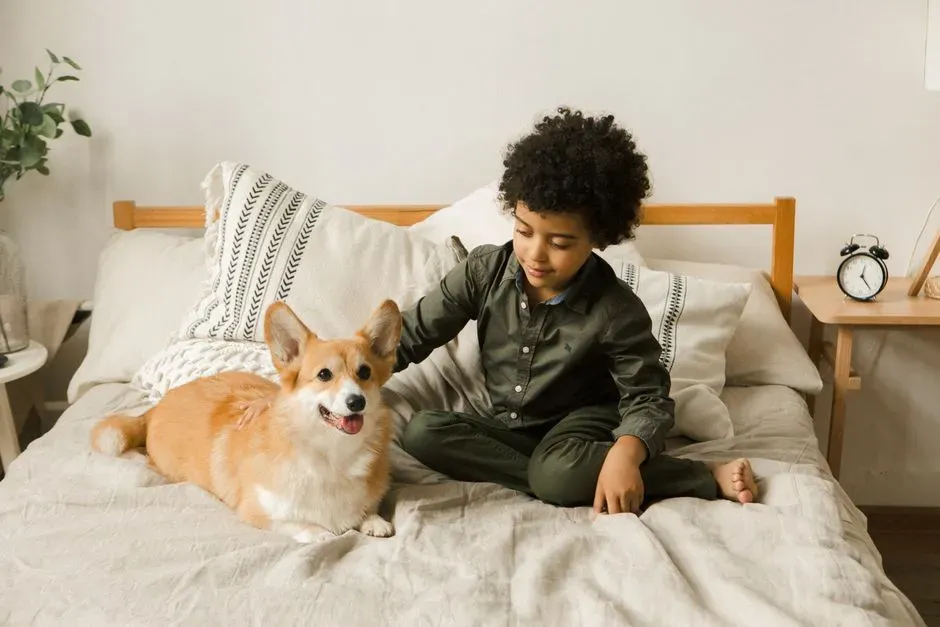
Your alarm is a strange, artificial sound in your dog’s world, and yet some dogs learn to anticipate it – stirring before it even rings, ears already perked, watching you. When it finally hits, notice their response. Do they bolt off uninterested, or do they immediately look at you, wag, maybe nudge your hand? Dogs who link your alarm to “human is waking up, time to reconnect” are choosing to make that moment social, not just noisy.
If they nose your hand, rest their head on your chest, or stretch across you with a happy grunt, they’re tying that sound directly to affection. Some dogs even become their own little alarm clocks, waking you moments before the beep. It’s annoying, sure, but it’s also telling – they’ve learned your schedule and quietly decided their job is to start the day together.
At a Glance
- Some dogs stir and perk their ears before an alarm even sounds.
- A nudge or head-rest right after the alarm often signals reconnection, not annoyance.
- Rolling over and ignoring the alarm doesn’t mean neglect – the sound just isn’t linked to you yet.
- Dogs that wake you moments early have essentially learned your schedule.
#5 – How They Handle Delayed Attention
Here’s where a lot of owners misjudge their dogs. You wake up but don’t engage right away – maybe you’re on your phone or answering an email. Does your dog explode into barking and pawing, or do they quietly wait, reposition closer, offer a gentle nudge, and then settle? A dog that can respectfully hover near you while you wake up is showing trust and patience, not apathy.
They’ve figured out your pattern: you will choose them, just maybe not at the exact second they’d prefer. So they stay close and wait instead of melting down. That’s emotional regulation anchored in your predictability. Some of the most securely attached dogs aren’t the ones constantly demanding attention – they’re the ones lying at your feet, half awake, tail tapping every time you move, confident that your attention is coming.
#4 – The Tiny “Check-Ins” During Your Morning Chaos
Morning is often peak chaos – kids, keys, coffee, deadlines. In the middle of that mess, look for the micro check-ins. Your dog walks past and gives a quick nose tap to your leg, a one-second glance, a brief tail wag before moving on. These are not random collisions; they’re mini attachment pings. Like a quiet, “Still good? Still together? Okay, cool.”
Trainers call these spontaneous check-ins a sign of a dog who’s genuinely oriented to their human. They’re not glued to you, but they’re not off in their own separate universe either. They could easily ignore you in favor of the backyard or that one window they love. Instead, they weave you into their circuit – each brush-by is a small vote to keep you in their awareness, even with everything else going on.
#3 – Whether They Eat Before or After Checking on You
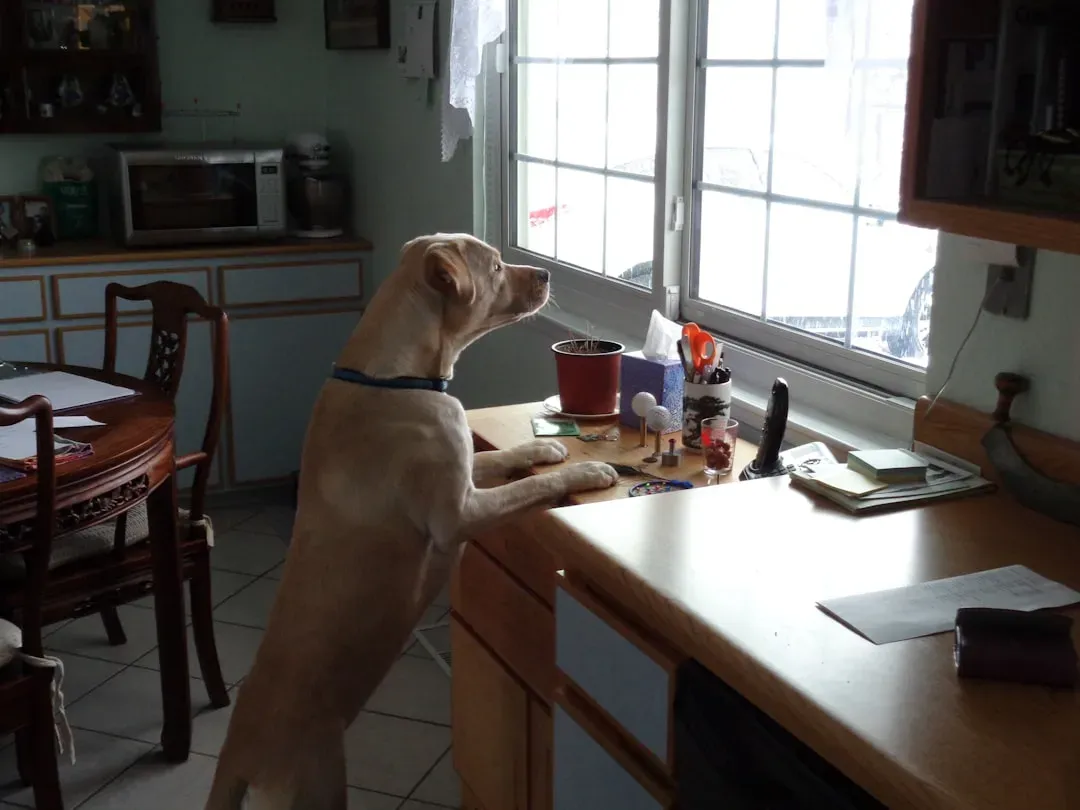
Food is a big deal in the animal world, which is exactly why the sequence around breakfast is so revealing. If your dog could sprint straight to the bowl but instead detours to you first – looking at you, wagging, maybe soliciting a quick scratch – they’re briefly prioritizing connection over food. That doesn’t mean they don’t care about eating. It means you’re in their decision tree.
Some dogs even wait to start eating until you’re in the room, hovering at the bowl, sniffing it, then glancing back at you as if asking permission. Critics call this “over-attachment,” but many behaviorists see it as normal social feeding – in the wild, dogs and their ancestors eat in the presence of their group. Your dog linking breakfast to “where’s my human?” makes you part of their most basic routine. They don’t have to do that. They just prefer it.
#2 – The Morning “Grooming” They Reserve Just for You
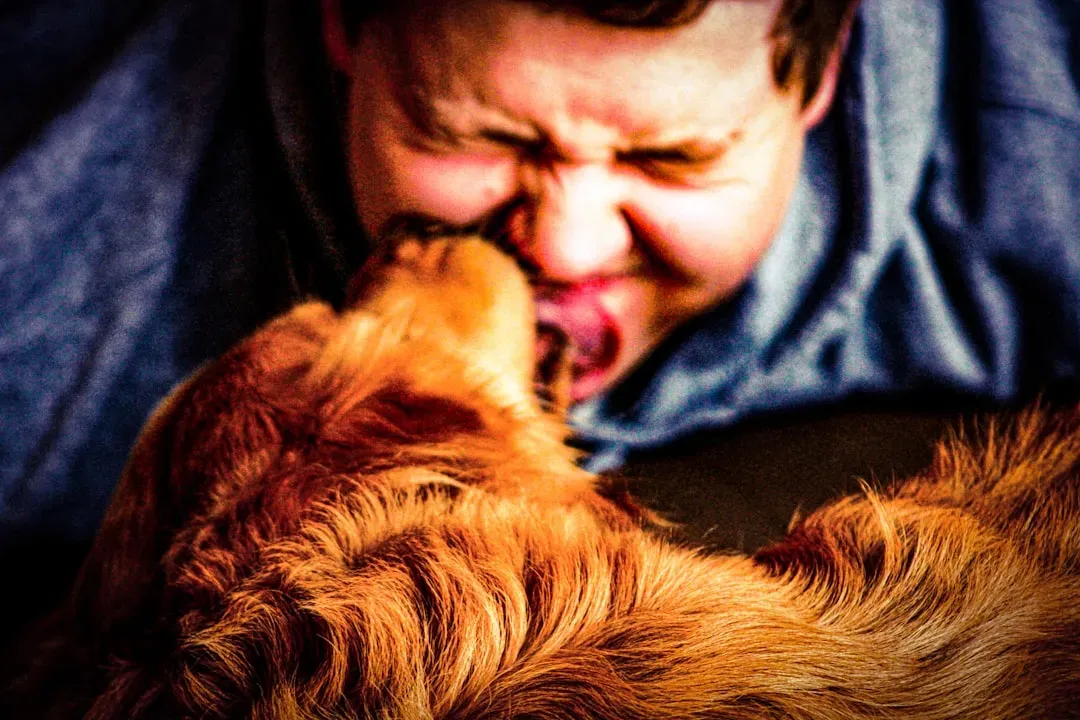
Licks get dismissed as “gross kisses,” but context matters. If your dog is a morning face-licker, hand-licker, or hair-sniffer, there’s usually more going on than random slobber. Dogs use their tongues and noses to gather information and reinforce bonds. When they wake up and decide, “First, I need to check your breath, your hair, your hands,” they’re renewing your scent profile as theirs. It’s half investigation, half affection.
Notice that many dogs don’t lick everyone this way. They might greet guests politely, but the full “let me mop your face with my tongue” routine is often reserved for their one primary person. It’s a bit much, sure, but it’s targeted – a mix of grooming, stress relief, and bonding rolled into one slightly damp ritual. You’re allowed to set boundaries, but recognize what it actually is: your dog choosing intimate contact with you at the very start of their day.
Worth Knowing
- Dogs rely heavily on scent and taste to gather information about their environment.
- Licking a favorite person’s face or hands can double as bonding and mild stress relief.
- Many dogs reserve this full “grooming” ritual for one primary person rather than every houseguest.
- Setting boundaries around licking doesn’t cancel the affection behind it.
#1 – The Simple Decision to Stay Near You When They Don’t Have To
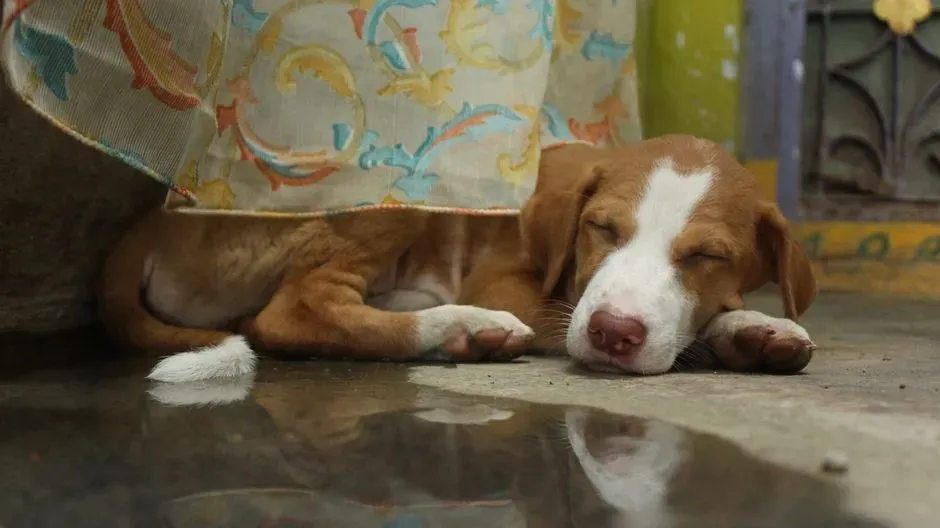
Strip away the toys, the food, the leashes, the alarms. The clearest sign your dog chooses you each morning isn’t dramatic at all – it’s their decision to simply be where you are when there’s no obvious payoff. When they could go back to bed, stare out the window, or roam the yard, but instead curl up at your feet or nap in the doorway while you get ready, that’s pure voluntary proximity.
This is what attachment researchers actually care about most: not tricks, not loyalty stories, but where an animal chooses to spend its unstructured time. Your dog is a sentient creature with preferences, and every dawn they quietly re-answer the question, “Where do I want to be?” If the honest answer, day after day, is “somewhere next to this messy, half-awake human,” then you don’t just own a dog. Your dog is actively choosing you back, in the most ordinary, extraordinary way possible.
The Bottom Line
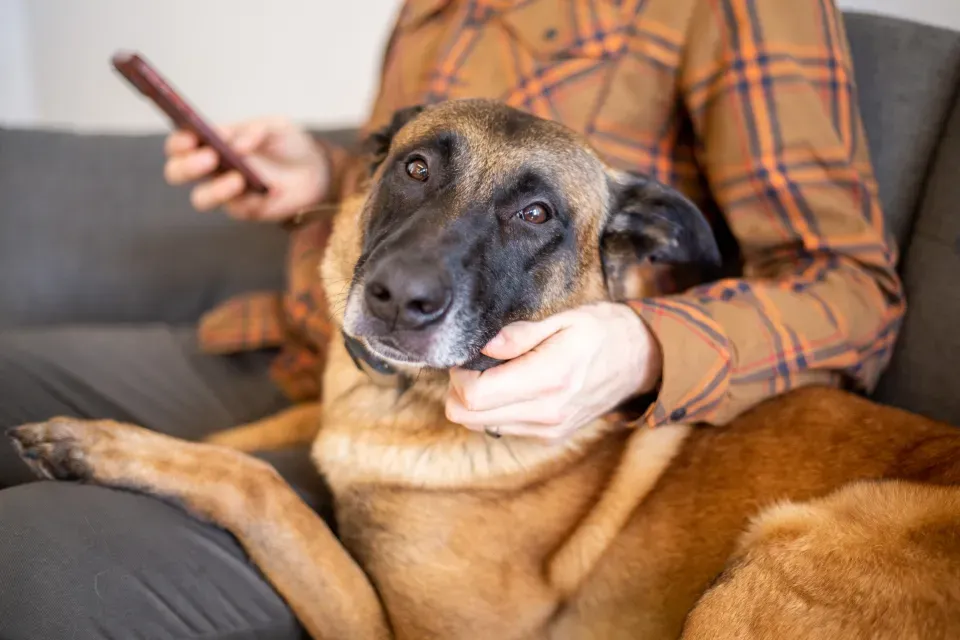
Zoom out and these fourteen tiny behaviors paint a pretty blunt picture: your dog doesn’t choose you once, back when you signed the adoption papers. They choose you over and over, in dozens of small, boring, beautiful micro-decisions before you’ve even had breakfast.
Most people chase grand gestures – the viral reunion videos, the dramatic rescue stories – while missing the quiet stuff entirely: the soft blink, the half-asleep sigh when they feel you next to them, the detour past your leg before they touch their food.
Dogs are not our whole life, but they make our lives whole.
Roger Caras
Are some of these behaviors instinctive? Sure. But instinct doesn’t explain who they orbit, whose schedule they quietly sync to, or whose presence turns morning chaos into “okay, we’re good now.” That’s relationship, plain and simple.
And honestly, if we judged human partners by the same standard – showing up, staying close, choosing connection over convenience, every single day without being asked – a lot of people wouldn’t measure up. So look at your dog tomorrow morning. Whichever one of these fourteen things you catch them doing, know exactly what it means: they’ve been choosing you all along.