
13 Signs Your Dog Is Quietly Trying to Comfort You Right Now
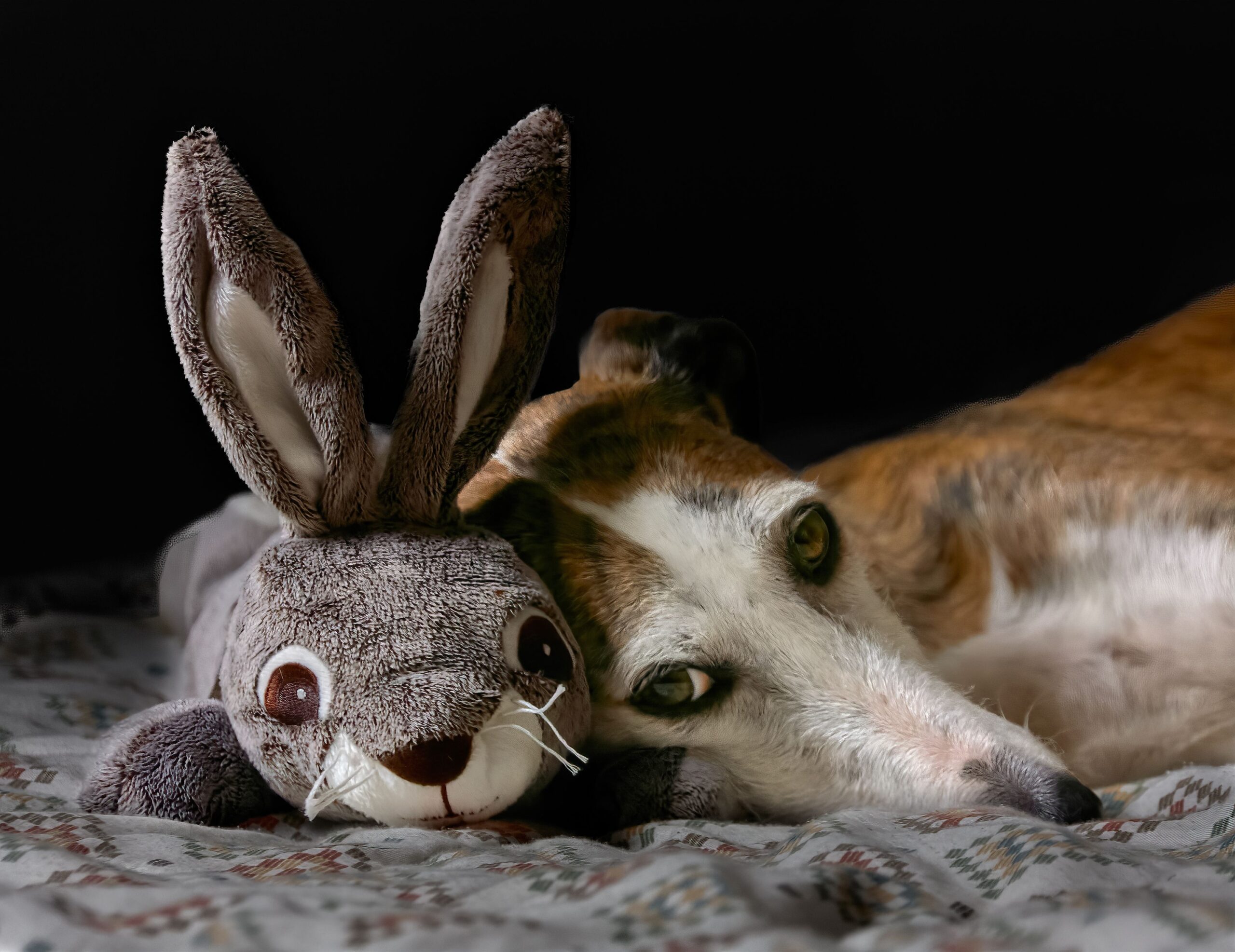
Ever had a rough day, flopped on the couch, and suddenly your dog is right there, staring at you like you just broke their heart? It can feel almost supernatural how they seem to know when something is off. The truth is, dogs are constantly reading us through our scent, body language, and tone of voice, and many of their “weird” behaviors are actually their way of saying, in the only language they have, that they’re there for you.
Once you recognize these subtle signs, it’s almost impossible not to see them. The quiet head resting on your knee, the way they follow you from room to room, even that awkward toy they drop in your lap – it all starts to look different. Let’s walk through the small but powerful ways your dog might be trying to comfort you right now, even if you’ve never noticed it before.
#1: They Lean Their Full Weight Against You
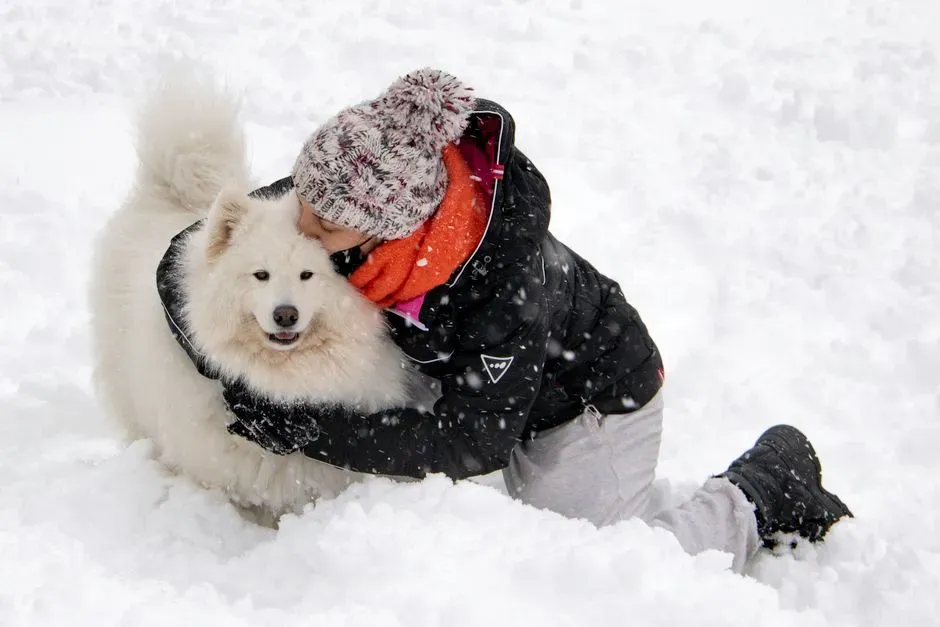
That heavy, slightly inconvenient dog lean is often a canine hug in disguise. When your dog presses their body against your leg on the couch or stands close enough that you feel their whole weight, they’re not just being clingy – they’re seeking contact and offering it at the same time. Many dogs learn that physical closeness calms both of you, so they lean in when your energy feels low or unsettled.
I’ve had days where my own dog turned into a furry weighted blanket, glued to my side in a way that made it impossible to ignore how present she was. It felt like she was quietly saying, “You’re not alone, I’ve got you.” If your dog leans in more than usual when you’re sad, anxious, or tired, that’s often their way of grounding you with their presence.
#2: They Gently Rest Their Head on You

Few things feel as disarming as a dog laying their head on your knee, chest, or even your foot. That soft, deliberate head rest is a classic comfort signal: they’re choosing you as their safe place and offering themselves as a soft place for your emotions to land. It’s quiet, it’s subtle, and it’s incredibly tender when you really pay attention to it.
Sometimes, dogs who don’t usually ask for cuddle time will suddenly seek out this head contact when they sense your mood has shifted. It’s almost like they’re saying, “I don’t have words, but I’m here.” When that heavy little head shows up out of nowhere, it’s worth pausing whatever you’re doing and just letting the moment happen.
#3: They Follow You From Room to Room

If your dog turns into a fuzzy shadow whenever you’re stressed or upset, that’s rarely an accident. Dogs are incredibly sensitive to changes in our routines and emotions, and many respond by going into quiet “monitor mode.” They trail behind you, park themselves in doorways, or lie down just close enough to keep you in sight, like a personal emotional bodyguard.
This following behavior can sometimes be dismissed as clinginess, but in emotionally charged moments, it’s often more intentional. Your dog might be checking that you’re okay, ready to offer closeness if you need it. Think of it as their way of keeping watch, the same way a friend might sit near you in silence just so you’re not alone in the room.
#4: They Bring You Their Favorite Toy or Object
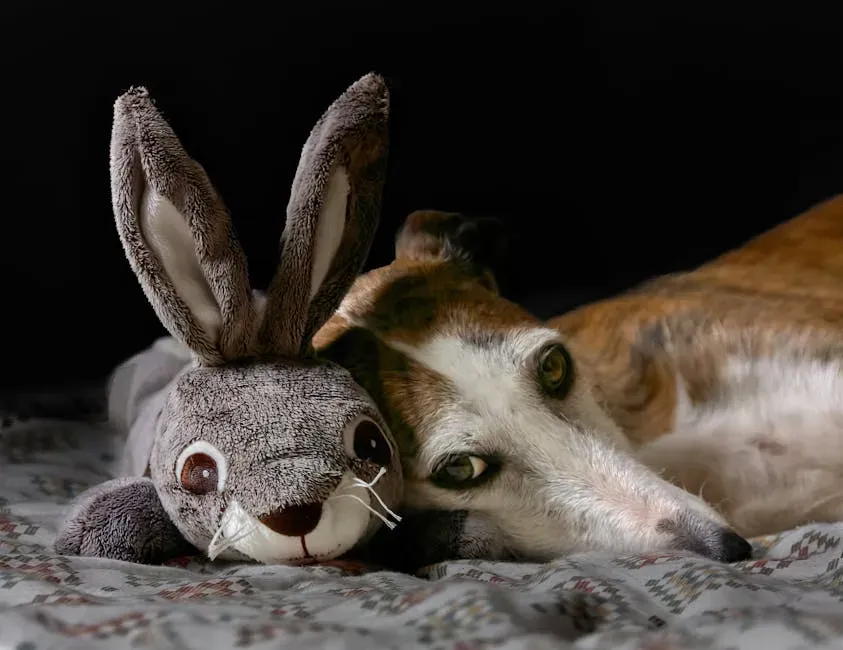
Dogs learn quickly that play changes your energy – you laugh, your voice brightens, your body moves differently. So when they sense you’re low, they may instinctively reach for what has worked in the past. It’s their version of saying, “This helps me when I’m down, maybe it’ll help you too.” It’s clumsy, sweet, and surprisingly thoughtful in its own dog logic.
#5: They Lick Your Hands, Face, or Tears

That sudden burst of kisses when you’re upset is not just random affection. Licking is a natural soothing behavior in dogs – they use it with puppies, with other dogs, and with you. When they lick your hands, cheeks, or even your tears, they’re often responding to the change in your scent and the tension in your body, trying to calm the situation in the only way they know how.
While it can feel a bit overwhelming when you’re already emotional, this behavior often comes from genuine concern and arousal. Your dog registers that something is wrong and may try to snap you out of it or comfort you, much like a friend handing you tissues and patting your back at the same time. If you can, take it as a slightly messy love letter.
#6: They Stay Extra Still and Quiet Beside You
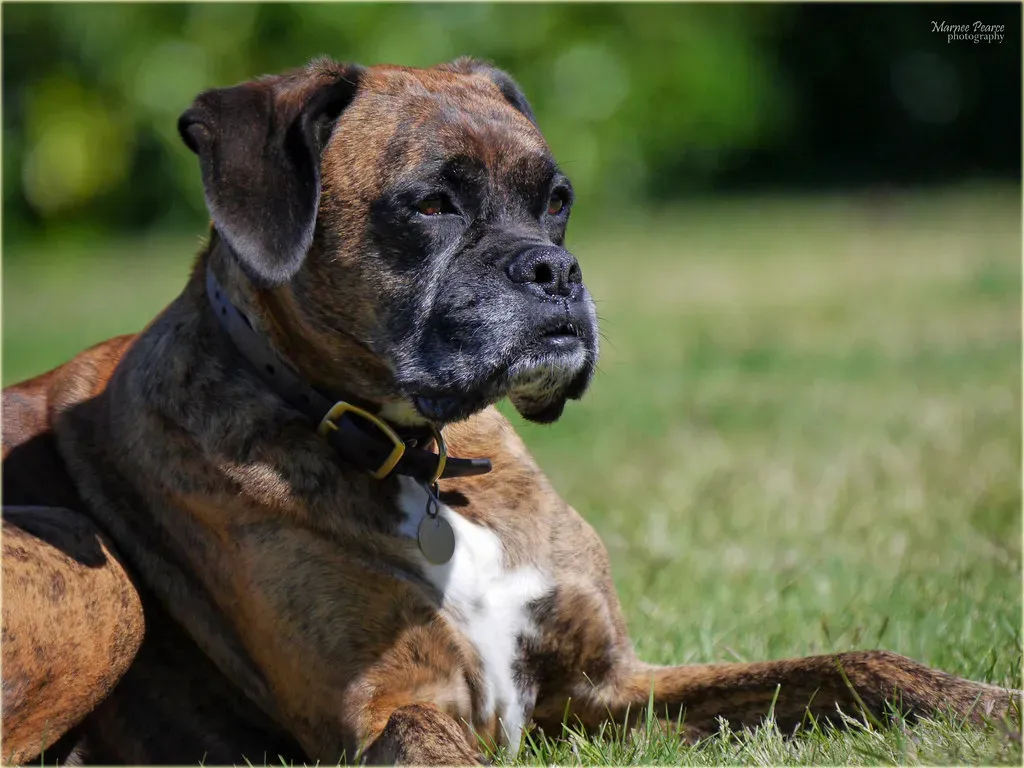
Not every dog responds to your emotions with licking or nudging. Some do something even more striking: they go still. If your normally energetic dog suddenly lies next to you in complete calm, matching your mood, that quiet presence can be a very deliberate form of support. They’re choosing to settle when they might otherwise be bouncing around.
It’s almost like they’re mirroring the energy in the room, but softening it. Their breathing slows, their body relaxes, and they simply exist next to you without needing anything. This kind of stillness can be incredibly grounding, like having a living, breathing anchor beside you when everything in your head feels stormy.
#7: They Make Soft Eye Contact and Watch You Closely
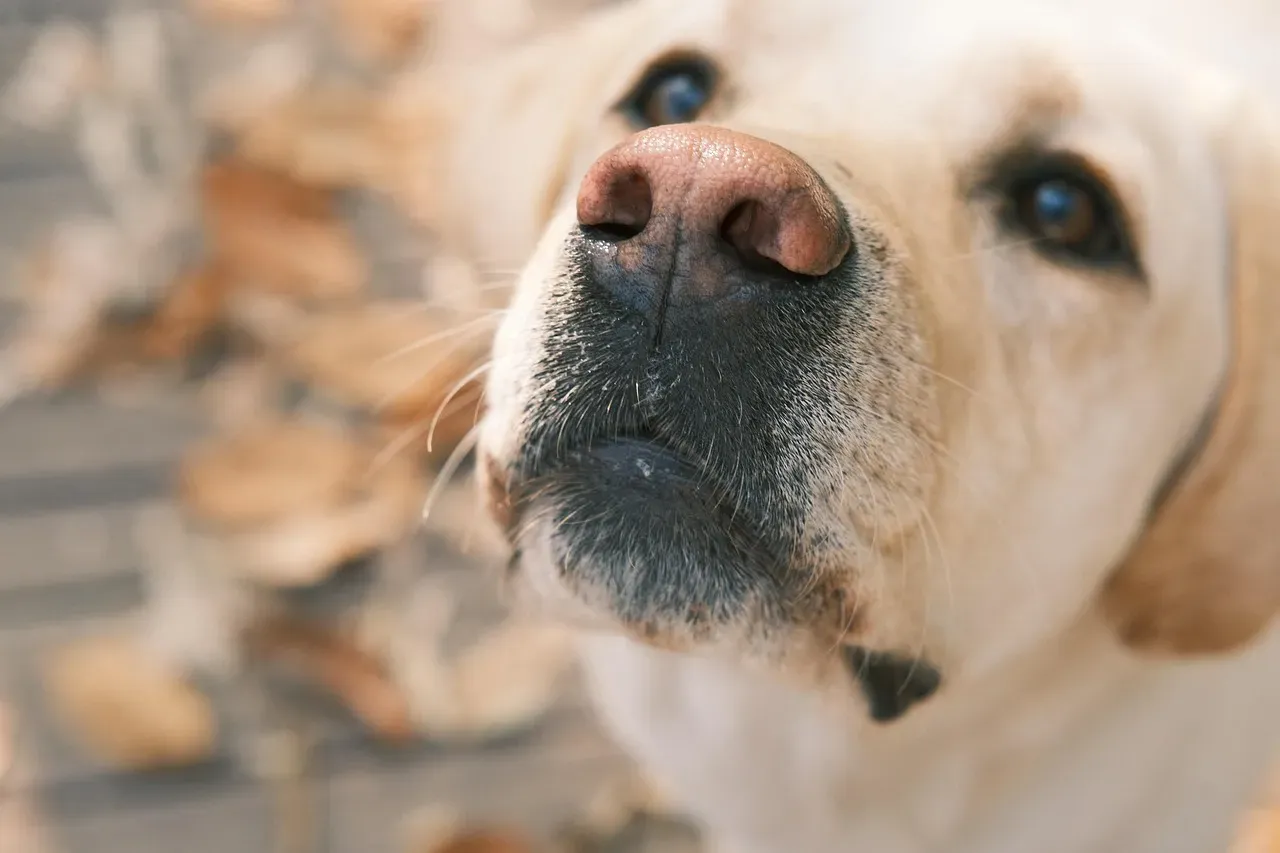
There’s a huge difference between a hard, staring dog and that soft, searching gaze your dog gives you when something is off. When your dog sits nearby and calmly watches your face, especially tilting their head or blinking slowly, they may be trying to read what you’re feeling and how they should respond. Dogs are experts at scanning our expressions for clues.
That gentle eye contact releases bonding hormones in both of you, which is one reason it can feel almost emotional when your dog looks at you that way. It’s as if they’re checking in: “Are you okay? Do you need me?” When you look back and acknowledge them, even with a small smile or a quiet word, you’re completing that emotional loop they started.
#8: They Climb Into Your Lap or Curl Up Against Your Chest
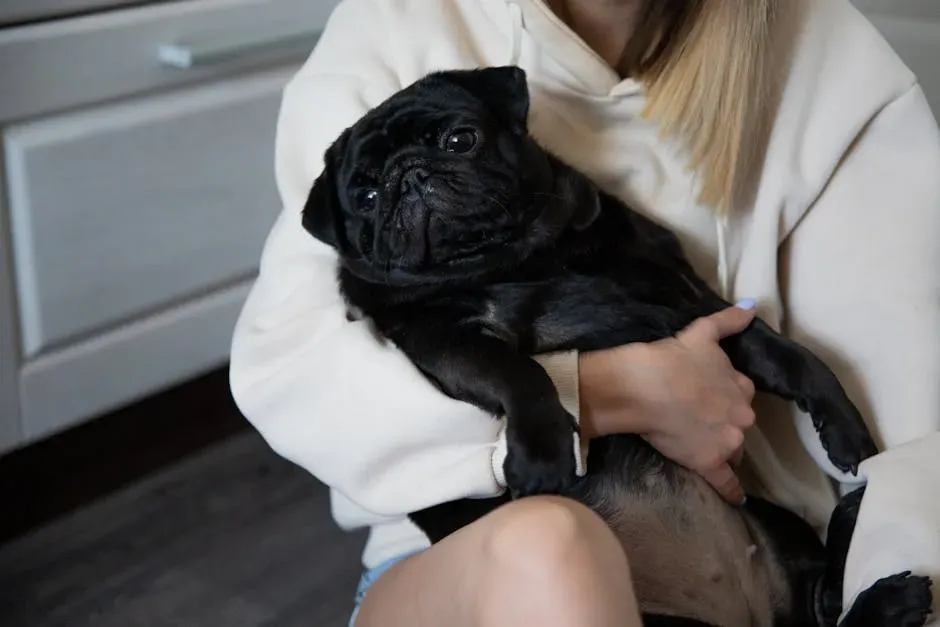
Even big dogs who have no business being lap dogs will sometimes awkwardly climb on top of you when you’re upset. It can be comical, but it’s also incredibly telling. Pressing their body onto your lap or chest is one of the closest, most vulnerable positions they can take, and many dogs choose it instinctively when they sense distress.
In a way, they’re turning themselves into living comfort objects, like a warm, breathing pillow with a heartbeat. That weight, warmth, and rhythmic breathing against your body can be surprisingly calming, like your own built-in emotional support animal. If your dog suddenly decides that you are the best place to sit when you’re not okay, that’s a loud, loving attempt to comfort you.
#9: They Interrupt You When You’re Spiraling
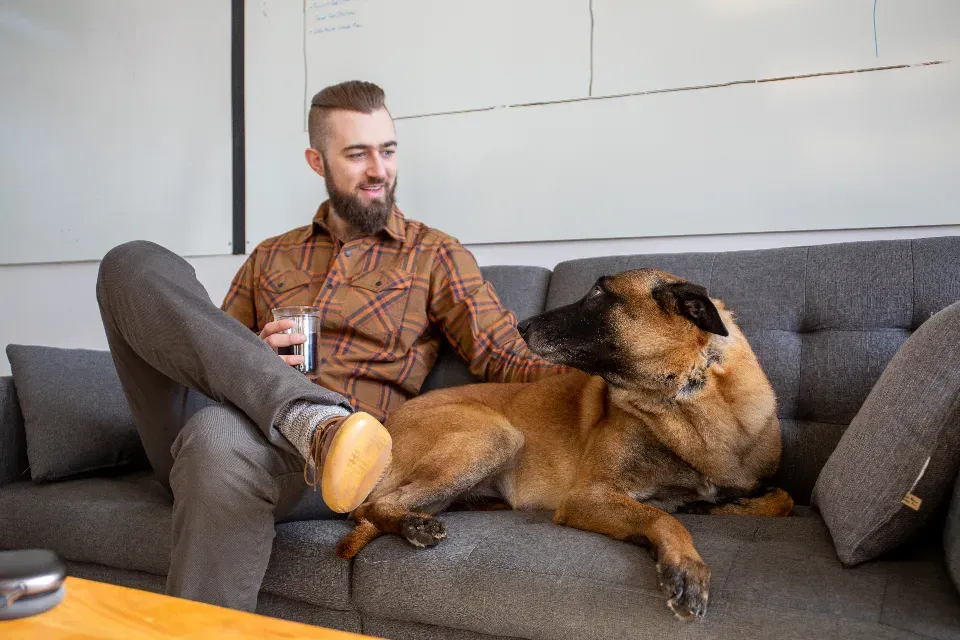
Ever notice your dog suddenly nudge you, bark softly, or paw at you when you’re pacing, crying, or speaking in a tense, rapid voice? Dogs often respond to high emotional arousal by stepping in, sometimes almost rudely. They might push their head under your hand, insist you pet them, or do something silly right in your space, forcing your attention to shift.
It can feel annoying in the moment, but very often they’re trying to break the intensity of the situation. They sense the rising stress and go, in their own way, “Hey, hey, come back to me. Right here.” That interruption can act like a reset button, pulling you out of a mental spiral and back into the simple, grounding reality of touch and presence.
#10: They Sleep Closer to You Than Usual
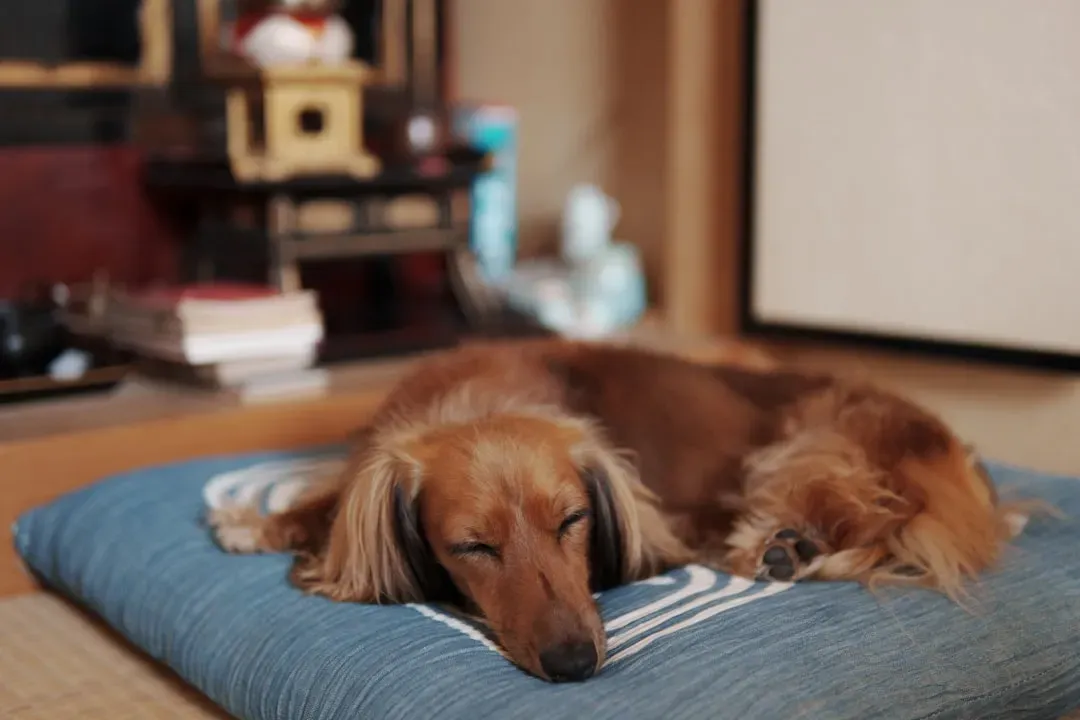
Dogs are creatures of habit, especially when it comes to sleeping spots. So when your dog abandons their usual bed or favorite corner to sleep right up against you, or even at your feet, it’s worth noticing. This sudden need to be near your sleeping body can be a sign that they’re on emotional guard duty, wanting to stay connected through the night.
That closeness is not just about warmth; it’s about security, for both of you. Your scent, your breathing, and your heartbeat are cues they use to feel safe, and when they sense you are not okay, they may double down on staying close. It’s as if they’re saying, “If anything happens, I’ll be right here.” That might sound dramatic, but to a dog, that closeness really does matter.
#11: They Mirror Your Movements and Posture

Sometimes the signs are so subtle you barely notice them. You sit on the floor, and a moment later your dog shifts down from the couch to lie beside you. You curl up on one side, and they curl in the same direction. This mirroring behavior is a social bonding tool animals use, and in dogs, it often shows up when they’re tuned in to you emotionally.
When you’re sad or anxious, having a creature quietly match your posture can feel weirdly soothing, almost like you’re in sync without saying a word. From the dog’s perspective, it’s a way of reducing distance and aligning their world with yours. It’s their silent version of saying, “I’m with you in this, however you’re feeling right now.”
#12: They Become More Alert Around Strangers or Noises
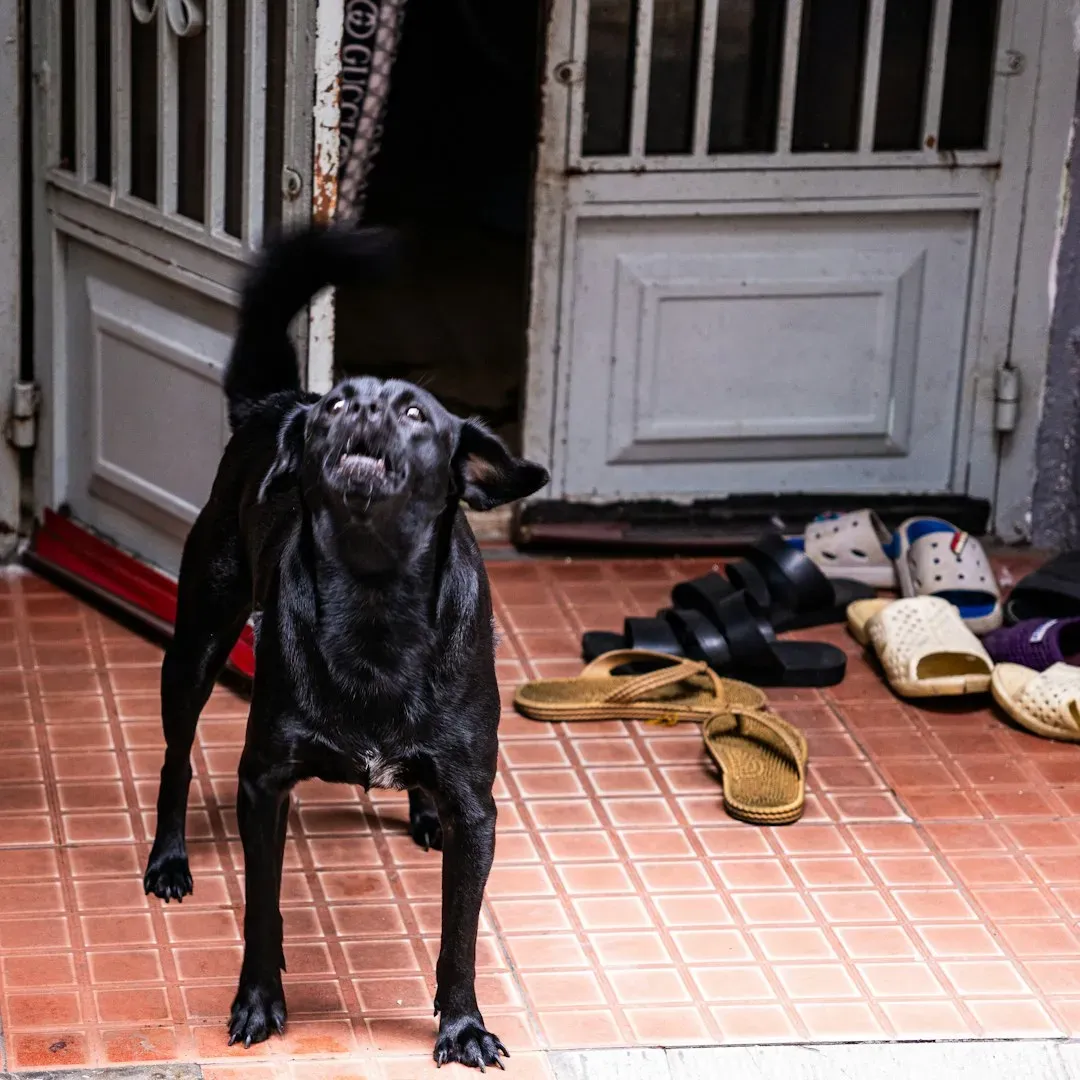
On days when you’re struggling, you might notice your dog seems a bit more on edge with the outside world. They may bark more quickly at noises in the hallway, position themselves between you and the door, or be slower to approach unfamiliar people. This heightened alertness can be their way of guarding you when they sense you’re not at your strongest.
Dogs pick up on our vulnerability, and many respond by slipping into a protective role. They might stand a little closer when someone new comes into the room or glance back at you more often on walks. They’re not just reacting to the environment; they’re factoring your emotional state into how seriously they take potential threats, real or imagined.
#13: They Check In, Then Walk Away – But Stay Close
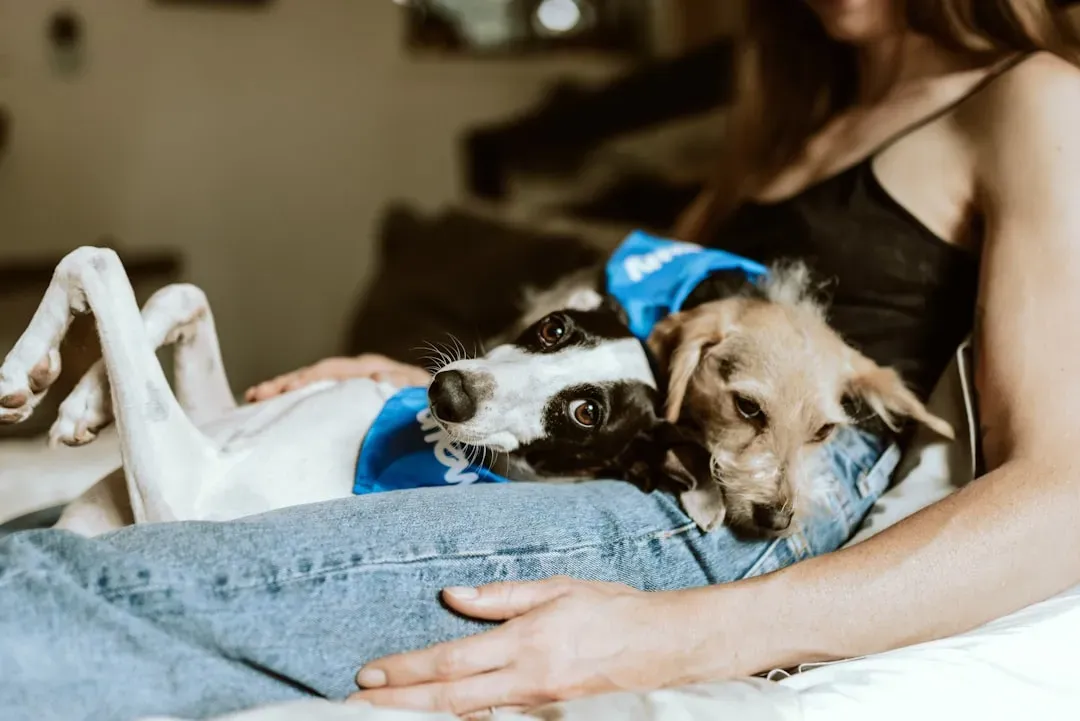
Not every dog is a constant cuddler, and that’s okay. Some will quietly pad over when you’re upset, give a brief nudge, sniff your face or hands, and then settle a few feet away. It can look indifferent if you miss the nuance, but that quick check-in followed by nearby presence is often a respectful kind of comfort, especially from more independent dogs.
They’re saying, in their own space-respecting way, “I see you. I know something’s off. I’ll be right over here if you need me.” For dogs who don’t love being smothered or held, this is a big gesture. They’re offering what they can while still being themselves, and that balance is part of what makes their quiet loyalty so powerful.
Conclusion: Your Dog Might Be Saying More Than You Think
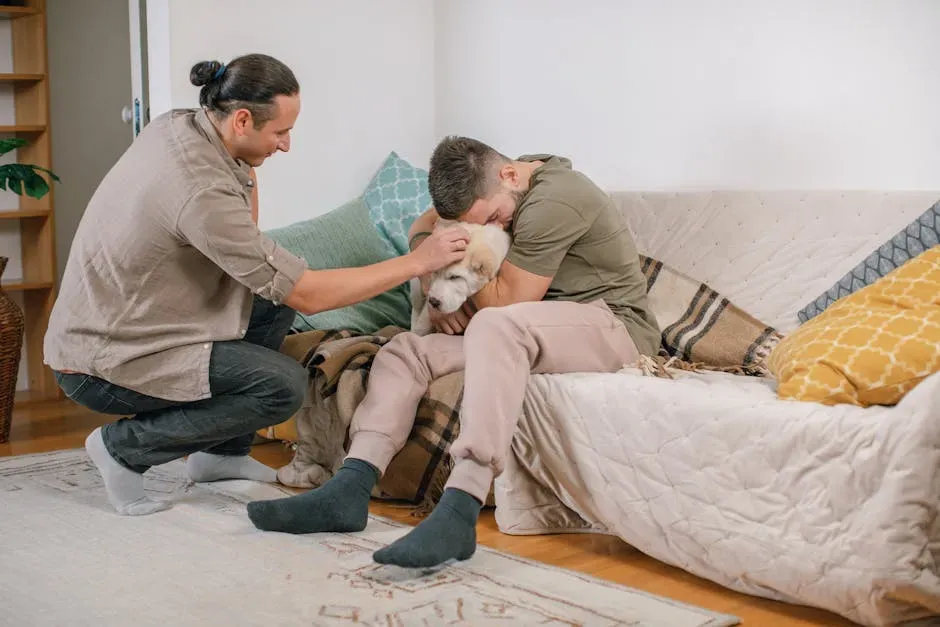
The more you learn to read these small signs, the harder it becomes to see your dog as “just a pet.” They’re constantly scanning your mood and routine, adjusting their own behavior in ways that, frankly, put a lot of humans to shame. Some dogs comfort you loudly, climbing into your lap and showering you with kisses. Others do it softly, by leaning against your leg, lying at your feet, or simply choosing to be in the same room when you are not okay.
I’ll be honest: once I started noticing these patterns in my own dog, it changed how I moved through bad days. Instead of brushing her off as clingy or needy, I started treating those nudges and leans as what they were – attempts to help, in the only language she has. Your dog might not understand the details of your stress, but they feel the weight of it, and they’re often trying harder than you realize to carry a bit of it with you. Next time they quietly slide closer when your world feels loud, will you let yourself lean back into them too?