
15 First-Time Moments That Prove Your Rescue Dog Is Healing
Most people think rescue dogs heal in one big cinematic moment – the collar comes off, the fear melts away, and suddenly you’ve got a golden retriever commercial. That’s not how it actually works. Real healing shows up in almost invisible fragments: a pause before eating, a wag that finally reaches the hips, a body that finally goes limp on the living room floor instead of staying braced by the door.
Miss these tiny cues and you might convince yourself nothing is changing, even while your dog is quietly rewriting years of fear one flinch-free moment at a time. Here are the 15 first-time moments behavior experts say actually – and a few of them will hit harder than you expect.
#15 – The First Time They Eat Calmly Instead of Gulping
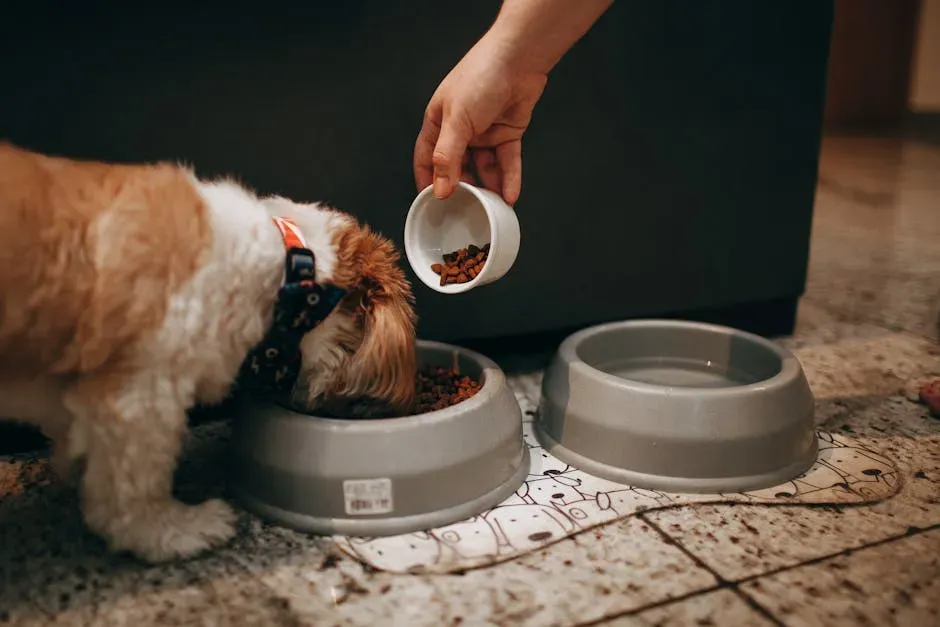
When a rescue dog finally eats like the food isn’t about to disappear, something big has shifted. That frantic gulping, hovering, or guarding around the bowl is usually about survival mode, not bad manners. You might notice one day they pause to sniff, wander off mid-meal, or leave a few pieces of kibble behind.
That’s not pickiness – that’s a nervous system deciding it’s finally safe to relax. Dogs that have gone hungry often inhale anything edible, so this quiet, unhurried eating is a subtle but massive win. When your dog stops guarding the bowl with their whole body and can eat calmly while you move around nearby, that’s trust playing out in real time.
#14 – The First Tail Wag That Isn’t Just Nervous
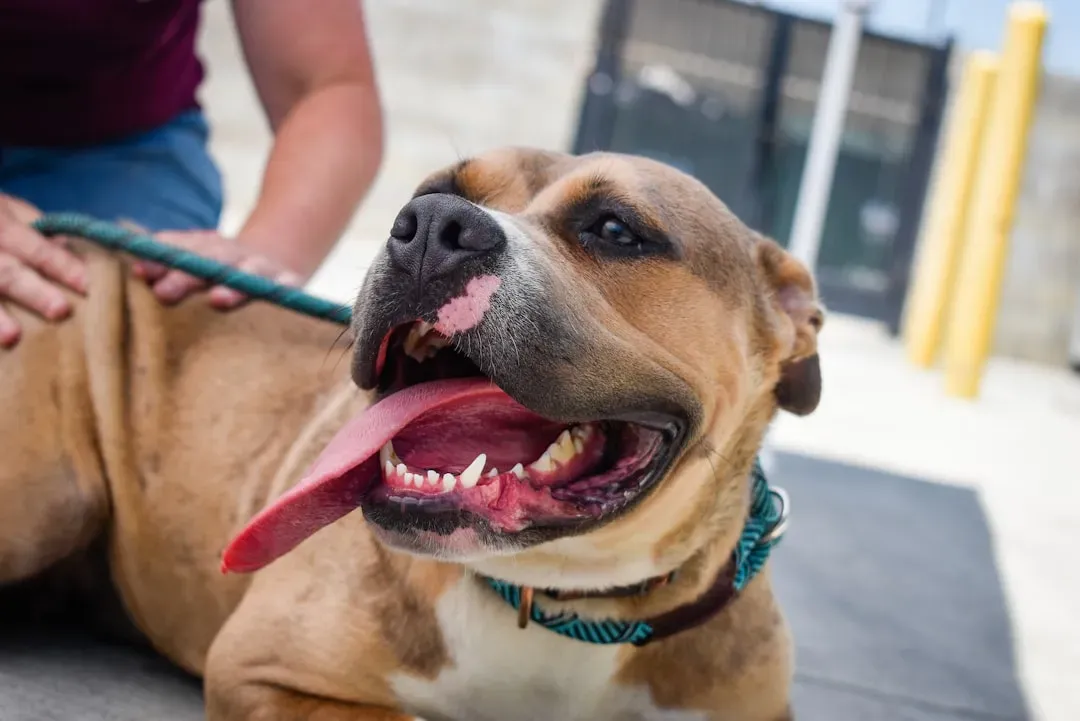
Not every wag means happy, and most people completely miss that. A stiff, low wag can actually signal anxiety. But that loose, whole-body swish? That’s your rescue dog finally believing something good is happening.
At first, rescued dogs often hold their tails low or tucked, even around kind people. Then one day something cracks the armor – a goofy voice, a favorite toy, the jingle of your keys – and their tail lifts while their hips wiggle. Experts often describe the tail as an extension of the spine and the emotional brain, so when it loosens up, the dog’s whole nervous system usually has too. It’s the canine version of a real smile.
Fast Facts
- A stiff, high, fast wag often signals arousal or alertness, not friendliness.
- A low, tucked wag usually points to fear or submission.
- A loose, wide, whole-body wag is the clearest sign of genuine relaxation and joy.
- Some researchers have found dogs tend to wag more to the right when feeling positive, and more to the left when feeling anxious.
#13 – The First Time They Choose to Approach You on Their Own
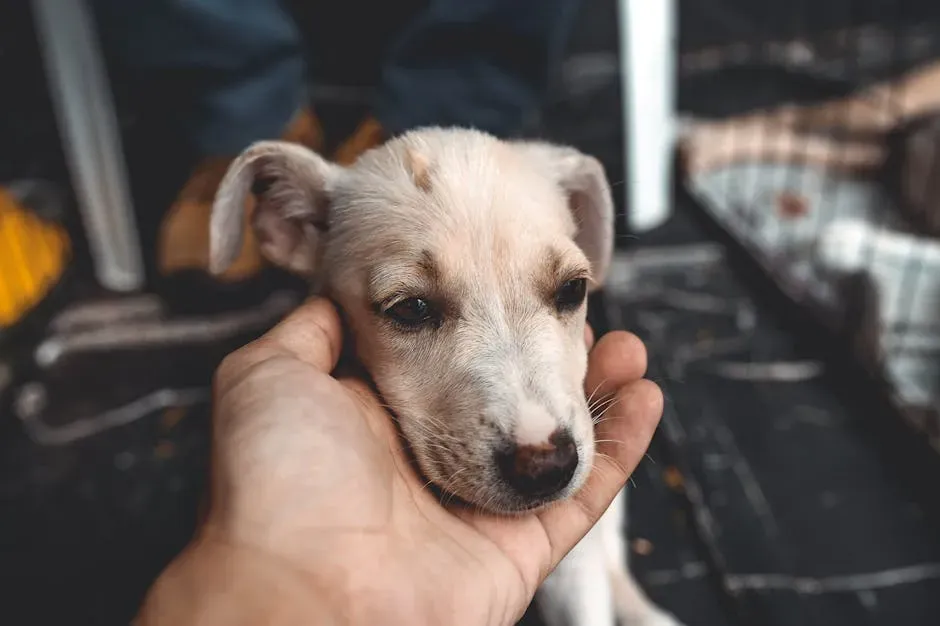
You can’t bribe this moment. You can offer treats, toys, cozy beds – but the first time a fearful rescue dog approaches you without being called, lured, or cornered is huge. It’s their choice, not your training, that proves real trust.
Maybe you’re on the couch and feel a tiny nose touch your arm, or you wake up and they’ve crept closer in the night. A lot of owners underestimate this because it looks so small and soft. But for a dog with a rough past, walking toward a human instead of away from one is as big as a public speech for someone terrified of crowds – and it means you’ve stopped being just their caretaker and started becoming their safe place.
#12 – The First Deep, Snoring Nap in the Middle of the Room
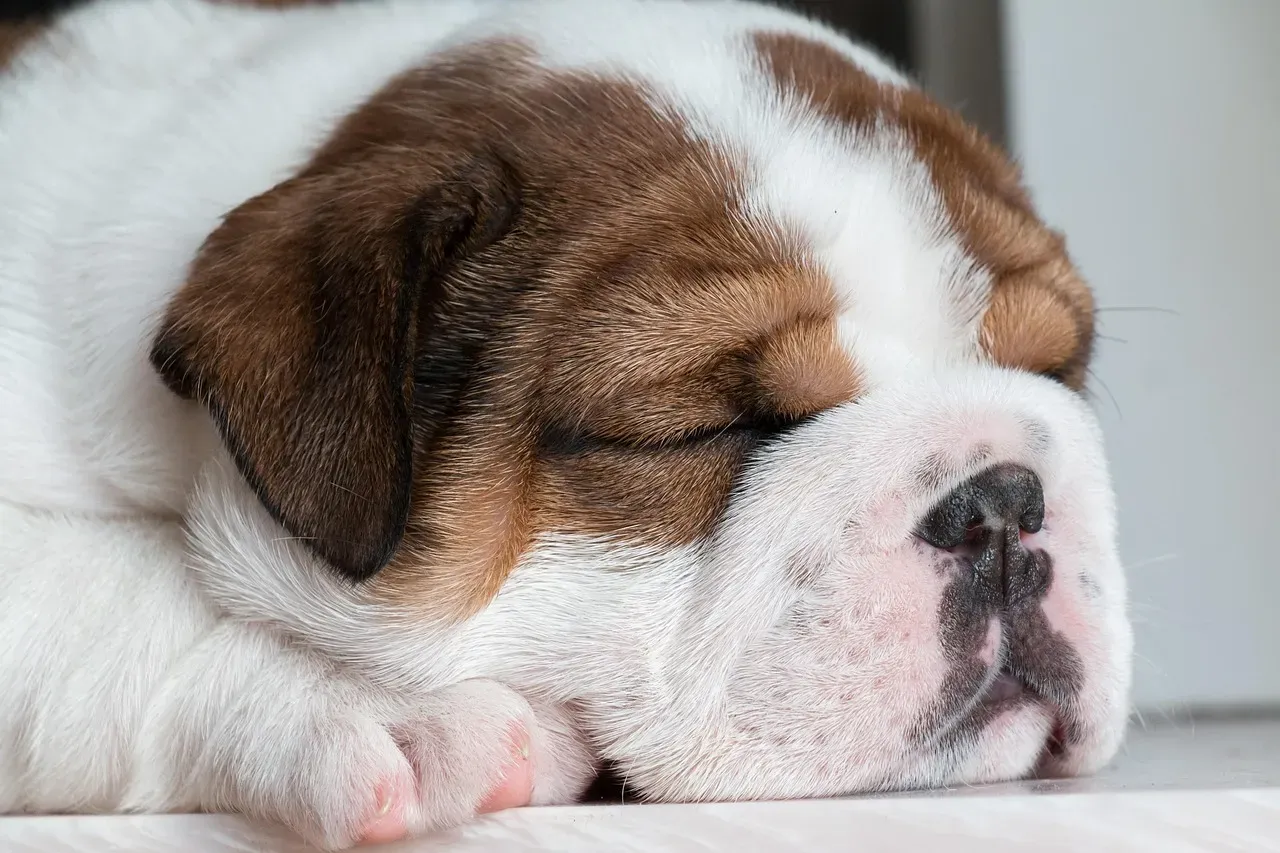
Dogs that don’t feel safe don’t sleep deeply – they monitor. They curl tight, face the door, and twitch their ears at every noise. When your rescue dog finally sprawls out, snores, and completely checks out in the middle of the room, that’s a biological announcement: “I trust you to watch my back.”
Watch the body language – loose muscles, an open mouth, paws twitching mid-dream. That shift from hyper-vigilance to a full-body flop means your dog’s nervous system has moved from fight-or-flight into rest-and-digest. For a lot of traumatized dogs, sleep used to be when they were most vulnerable, so relaxing enough to pass out around humans is enormous.
#11 – The First Time They Take a Treat Gently
Early on, rescue dogs often snatch food like it might vanish, or refuse it altogether. Both are stress behaviors. That first gentle nibble from your fingers, where they actually slow down and use their lips carefully, is a nearly invisible milestone that screams “I’m not in survival mode anymore.”
You’ll feel the difference – their mouth softens, their eyes lose that wide, panicked look, and they focus on you instead of the exit. If your dog used to bolt after grabbing a treat, pay attention the day they stay right in front of you, chewing calmly. It’s small, but dogs that learn to take treats gently often become the same dogs who later tolerate grooming, petting, and vet handling with far less fear.
#10 – The First Time They Follow You from Room to Room
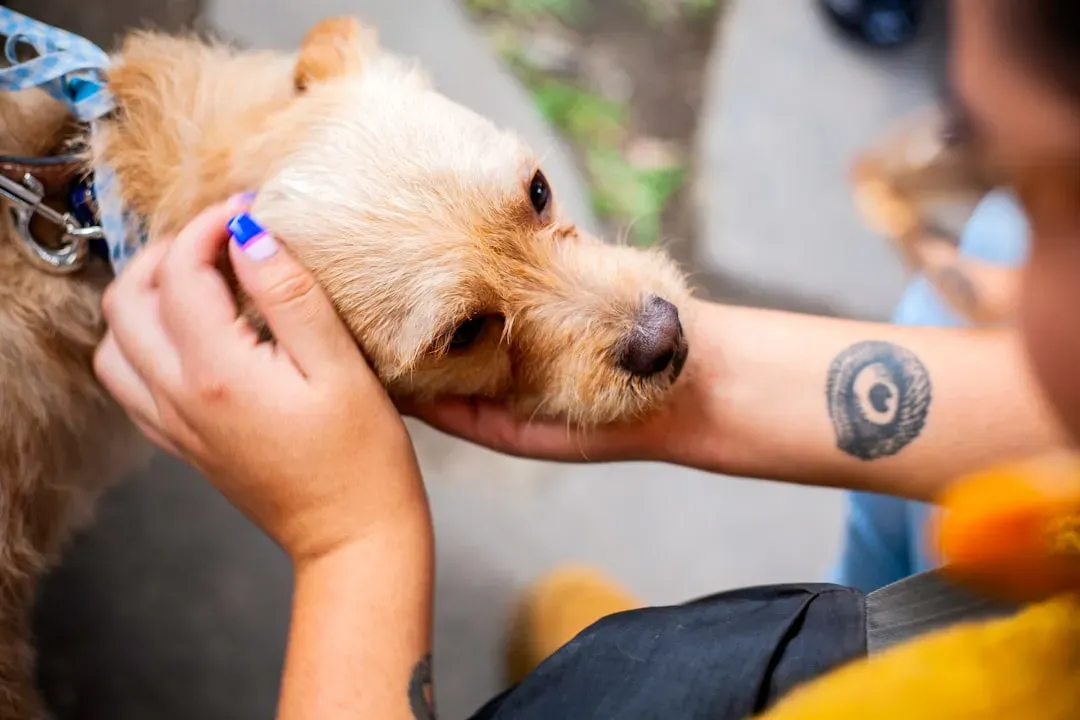
Clinginess gets a bad reputation, but for a lot of rescue dogs, shadowing you is proof of healing, not a flaw. A scared dog hides. A dog that feels safe chooses connection, even when they have other options.
Bathroom? They’re there. Laundry room? There too. You stand up from the couch and hear the jingle of tags right behind you. This isn’t separation anxiety – it’s curiosity finally outranking fear, the dog saying, “Where you go, good things happen.” So while some people joke that their dog is “obsessed” with them, the quiet truth is that for a lot of rescues, that obsession is their heart finally unfreezing.
#9 – The First Play Bow or Zoomies Attack
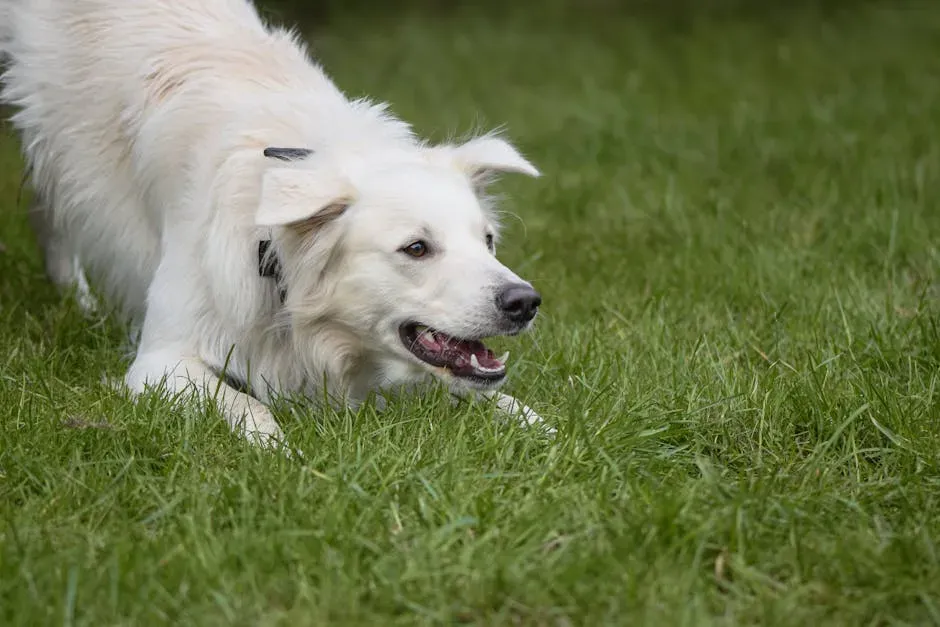
Dogs don’t play when they think they’re in danger. That goofy front-legs-down, butt-in-the-air stretch – the play bow – is dog language for “this is safe and fun, let’s be ridiculous.” The first time your rescue does that with you or another dog, they’re not just moving their body, they’re rewriting their story.
Sometimes it starts small: a hesitant pounce at a toy, a half-hearted chase in the yard. Then one day the zoomies arrive – full-speed laps around the house, ears back, eyes bright, no fear anywhere in sight. Play is a luxury behavior; it only shows up once basic emotional needs are being met, so that sudden burst of silly chaos is often the first time your dog has felt safe enough to be messy, loud, and completely free.
Why It Stands Out
- Play only appears once basic survival needs feel met, making it one of the last behaviors to return.
- A play bow is a clear invitation signal, not a random movement.
- Zoomies often follow a release of pent-up stress or excitement.
- Dogs that play with other dogs are practicing social skills many missed as puppies.
#8 – The First Time They Don’t Flinch at a Sudden Noise
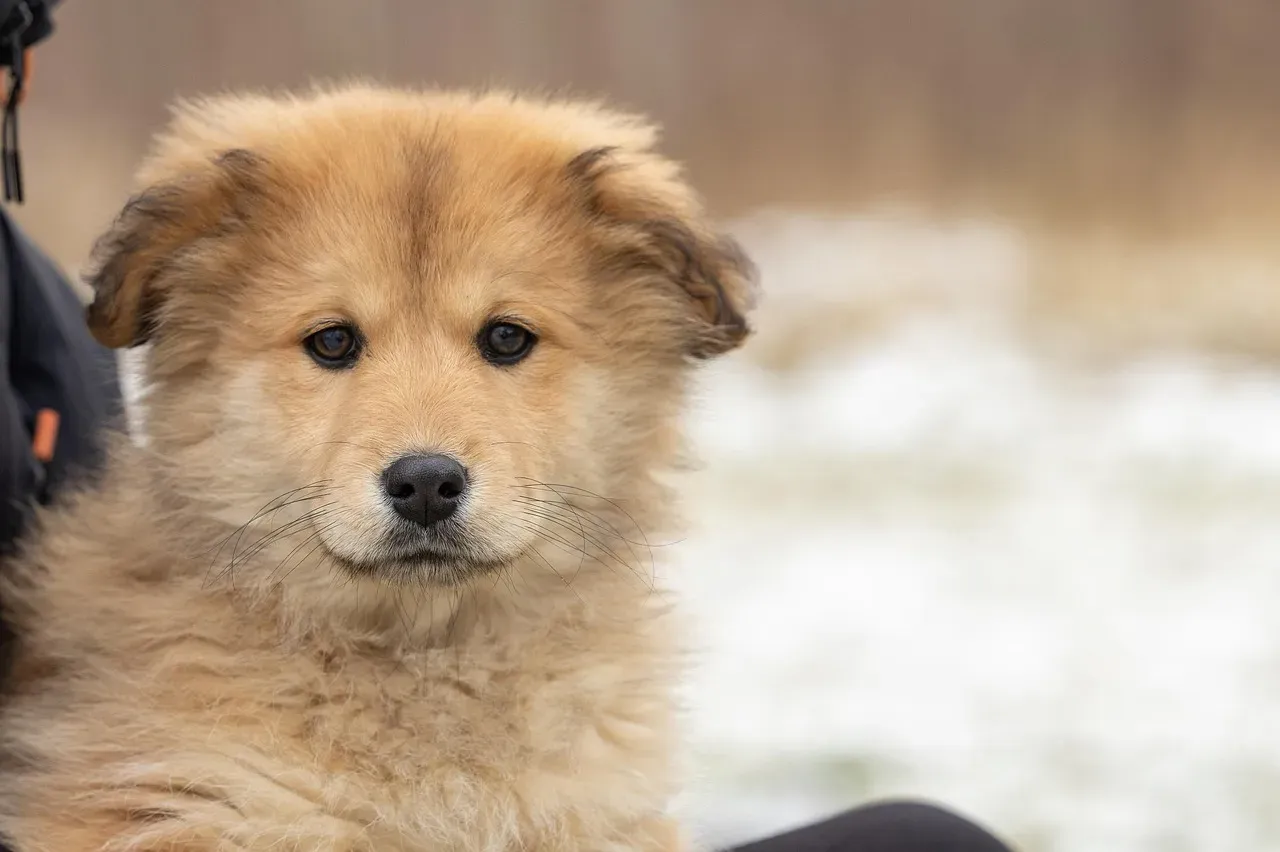
Slamming doors, dropped pans, raised voices – if your rescue dog hits the deck or bolts every time, that’s not stubbornness. That’s a nervous system stuck on high alert. The day you notice they don’t react to a loud sound, that’s a nervous system starting to believe the world isn’t always about to attack.
It might sneak up on you. The neighbor’s car backfires and you brace for the panic – but it doesn’t come. Your dog just lifts their head, blinks, and goes back to chewing a toy. Some owners miss this milestone entirely because “nothing happened,” but in trauma recovery, nothing happening is the whole victory.
#7 – The First Time They Accept Gentle Touch Where They Once Pulled Away
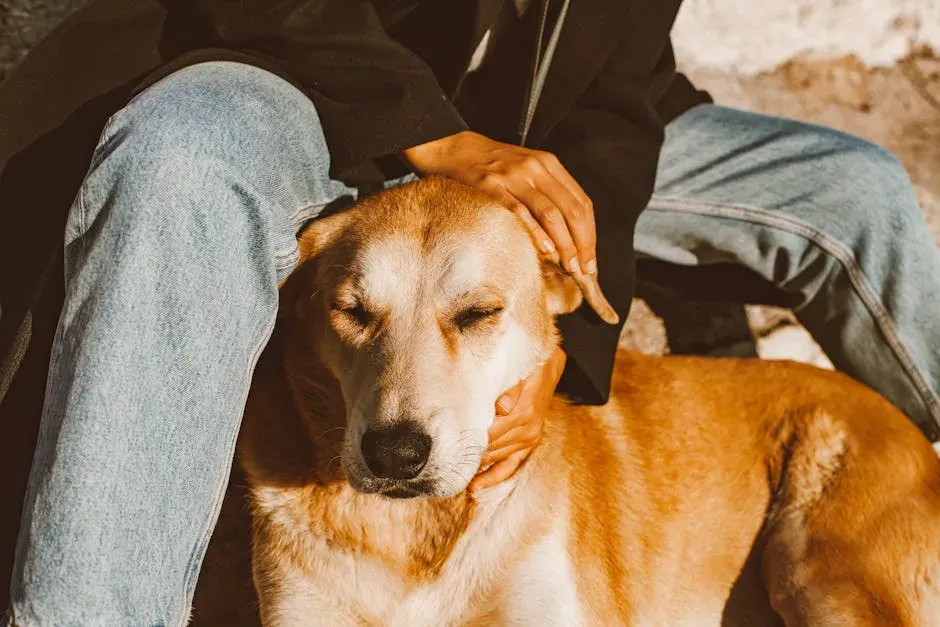
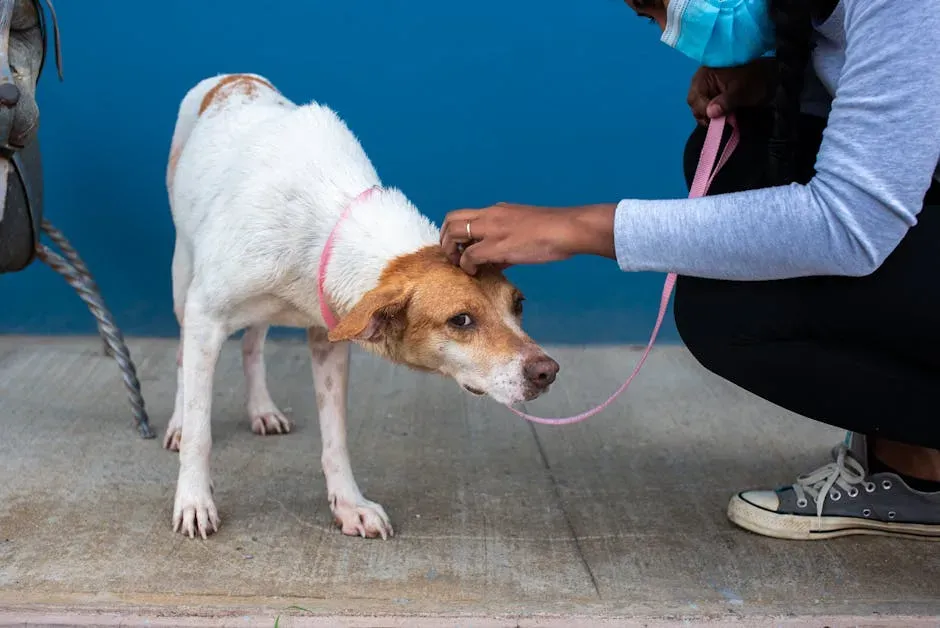
Head pats, ear rubs, touching paws – these can be huge triggers for dogs with bad histories. So when your rescue starts leaning into your hand instead of dodging it, that’s not just “cuddly personality.” That’s proof they no longer expect pain.
Maybe they once yanked their paw back every time you tried to trim nails or check pads, and now they let you rest your fingers there and actually relax. Or the dog that used to duck away from a hand near their head now shoves their skull under your palm and sighs. When a dog asks for touch – nudging your hand, leaning against your legs, rolling closer – they’re saying, “You’ve never hurt me, so I’ll risk being vulnerable.” That’s emotional safety in its purest form.
#6 – The First Time They Investigate Something New Instead of Freezing
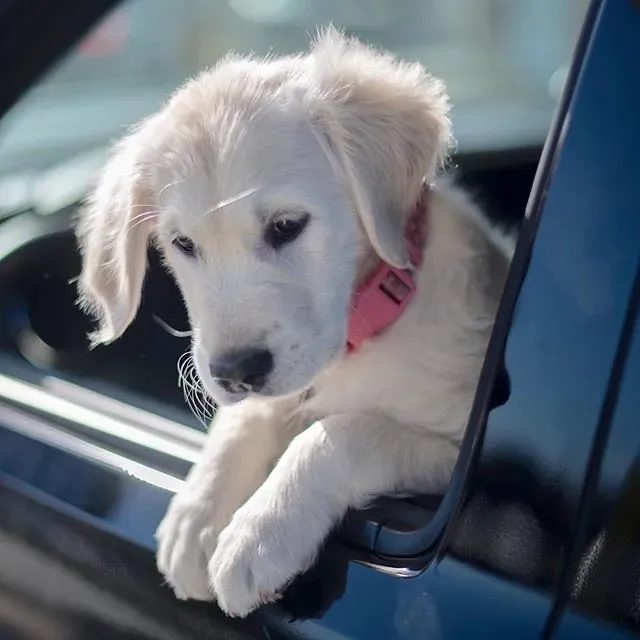
New objects used to be terrifying – a box on the floor, a vacuum parked in the hallway, a stranger in a hat. Early on, your rescue might freeze, stare, or retreat. The first time they cautiously walk up, sniff, and maybe paw at the “scary thing,” you’re watching courage form in real time.
Curiosity is the opposite of shutdown – when fear dominates, exploration disappears completely. This is why enrichment like snuffle mats and puzzle toys is such a big deal in rescue circles: it literally gives dogs low-stakes practice at feeling safe while they experiment. The smarter move when this happens is to quietly celebrate it, letting them sniff the box and tossing a treat nearby, showing them that investigating new things leads to good outcomes.
Worth Knowing
- Snuffle mats and slow feeders turn mealtime into low-stakes confidence practice.
- Puzzle toys reward curiosity, reinforcing that exploring pays off.
- Short, positive exposure to new objects works better than forcing interaction.
- Letting a dog approach at their own pace builds trust faster than coaxing them closer.
#5 – The First Time They Greet You at the Door with Genuine Excitement
In the beginning, some rescue dogs barely move when you come home, or they bark from a distance with zero joy in their body. That Hollywood-style reunion you imagined takes time to earn. So when it finally happens – the wiggling body, the happy whines, the scramble to reach you – you’re not just being welcomed, you’re being claimed.
Notice the details: do they bring a toy, dance in circles, hold their tail loose and high instead of stiff and wary? These are the hallmarks of secure attachment. With a previously shut-down dog, that first over-the-top, joyful welcome is gold – pure emotional honesty that says, “You left, and you still came back. That’s life-changing.”
#4 – The First Time They Show Mild “Missing You” Without Melting Down
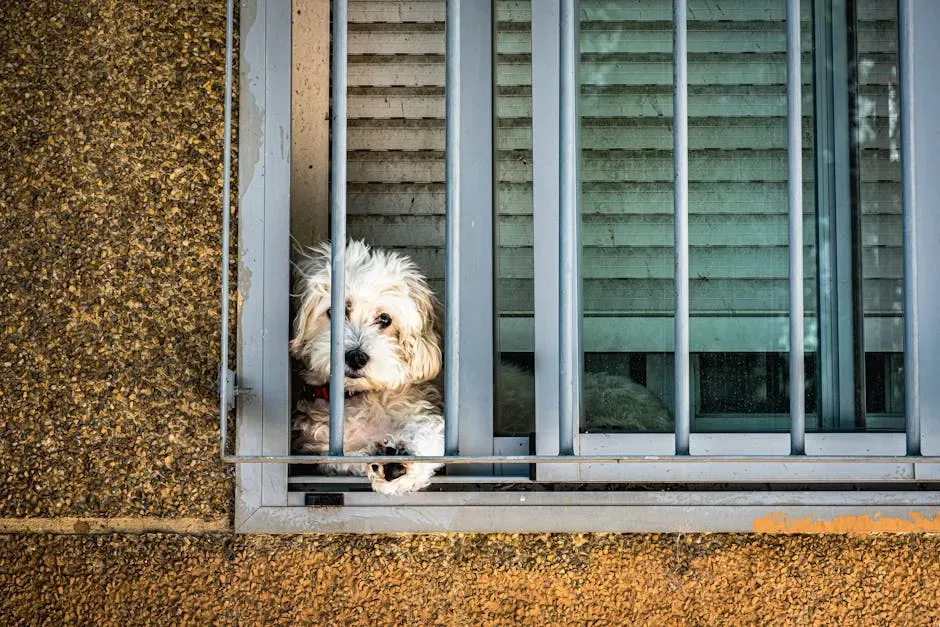
Separation anxiety gets overdiagnosed on the internet, but here’s the interesting part: some dogs with traumatic pasts don’t show any missing-you behavior at first – they simply shut down instead. So the first time your dog whines a little when you leave, then settles, or happily zooms toward you when you return, that’s attachment, not pathology.
- They watch you put on your shoes but don’t panic.
- They linger by the door after you leave, then go lie down.
- They’re extra snuggly for a few minutes when you come back.
Behavior experts often look for exactly this middle ground – the dog that notices your absence but can self-soothe. It means your presence matters now, which is an enormous upgrade from believing people are unpredictable and disposable.
#3 – The First Time They Engage with a Toy Like It’s the Best Thing Ever
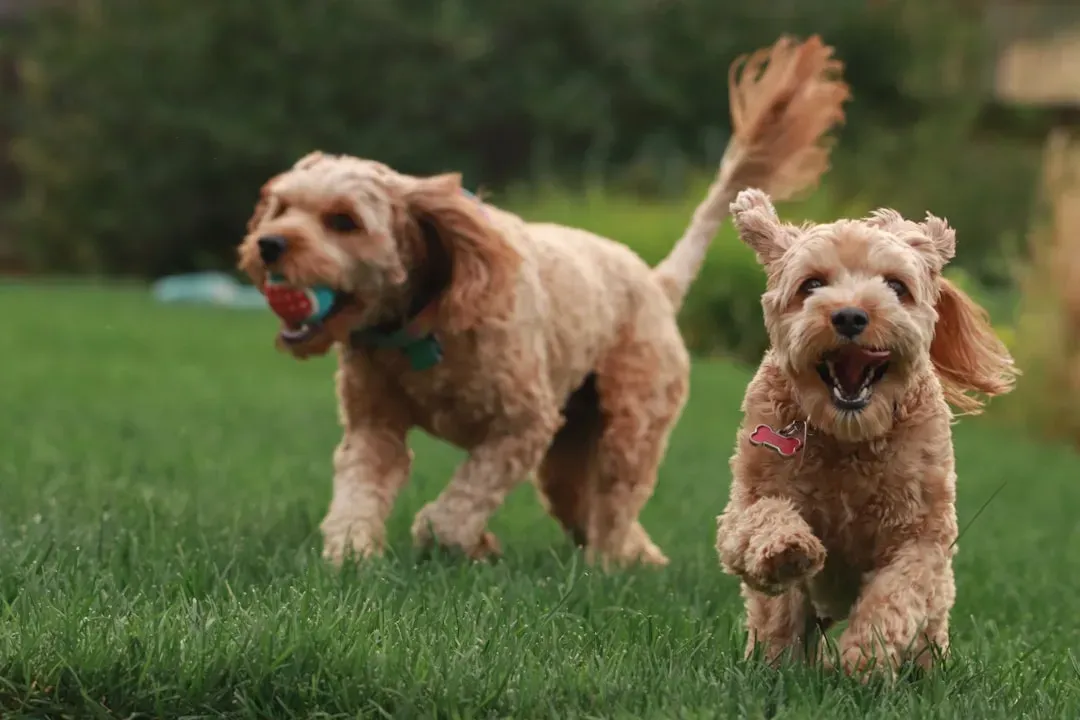
A lot of first-time adopters are shocked when their rescue has zero idea what to do with toys. Balls get ignored, squeakers get side-eyed, tug ropes look downright terrifying. So when your dog finally grabs a toy and shakes it, chews it, or parades it around victorious, you’re watching joy come online for the first time.
- A tentative chew on a plush toy.
- A sudden chase after a ball, even if they never bring it back.
- That moment they squeak a toy, jump back startled, then pounce on it again in delight.
Play with objects is a luxury behavior – it usually appears once a dog has enough emotional bandwidth left over after just surviving the day. Anyone who’s lived with a shut-down rescue knows toys can sit untouched for months, so when your dog finally starts to play, they’re learning that this new life includes pleasure, not just safety.
#2 – The First Time They Show You Their Belly (And Actually Relax)
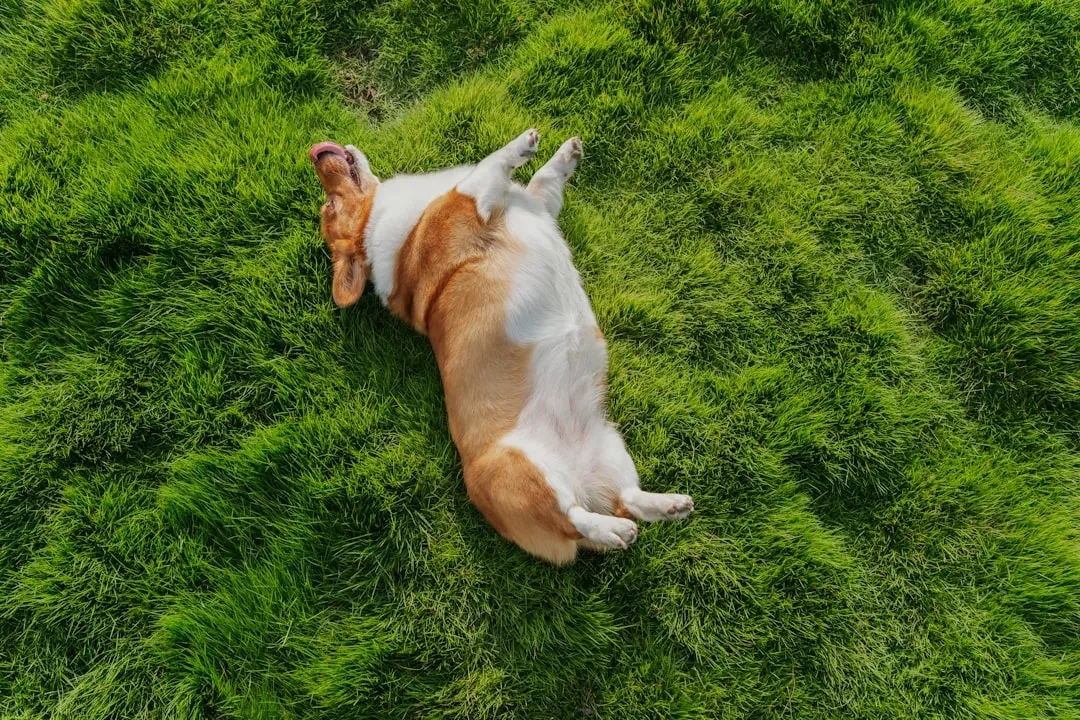
Belly-up isn’t always a sign of trust – sometimes it’s appeasement. But when a rescue dog flops over near you, stretches out, and truly relaxes, that’s a different story entirely. A soft, loose, snoring belly-expose is one of the clearest signs your dog feels genuinely safe.
- Are they near you by choice, not cornered?
- Is the mouth soft and slightly open, not tense?
- Are they actually falling asleep like that, or at least staying there calmly?
Many dogs with trauma histories guard their underside fiercely – exposing vital organs is vulnerability 101. So when your dog chooses to sleep on their back in the middle of the living room, they’re not performing for you, they’re surrendering to comfort. If they offer you their belly for rubs and melt into your hands, that’s a trust fall in canine form.
#1 – The First Time They Look You in the Eyes with Soft, Steady Contact
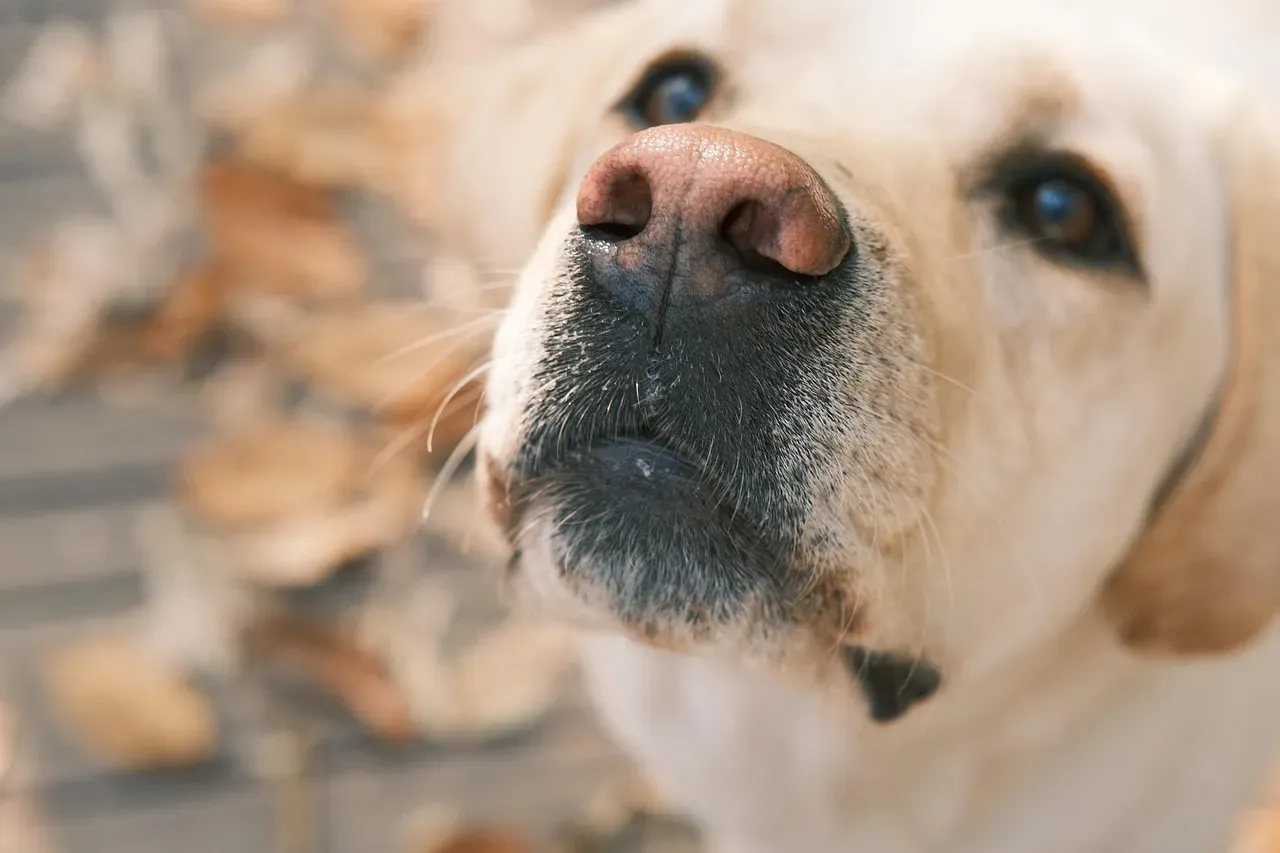
Eye contact is where everything comes together. Early on, many rescue dogs avoid your gaze entirely or give quick, darting looks, because in dog language a hard stare can read as threatening. That soft, lingering eye contact, often followed by a slow blink or sigh, is the emotional mic drop: “You are my person now.”
This isn’t a training trick like “watch me.” This is unscripted – maybe you’re sitting on the floor and your dog lifts their head, meets your eyes, and just stays there, face relaxed, ears soft, tail giving a quiet thump. Behavior pros often call this “soft eyes,” one of the strongest indicators of trust there is. In that moment your dog isn’t scanning for danger or bracing for the next bad thing – they’re simply with you, and for a creature built to read humans for survival, that’s the loudest sign of healing there is.
At a Glance
- Avoidant gaze: quick look-away, often paired with a lowered head.
- Darting eyes: rapid, scanning glances tied to hypervigilance.
- Hard stare: fixed and tense – can signal discomfort or warning.
- Soft eyes: relaxed lids, slow blinks, steady contact – a clear sign of trust.
The Bottom Line
The truth most people don’t want to hear is this: healing a rescue dog isn’t about dramatic before-and-after photos. It’s about a hundred tiny, easily missed firsts that quietly add up to a different life – a gentle mouth, a silly zoomie, a casual nap in the middle of the room.
Some will argue you’re overthinking it, but anyone who has lived with a shut-down or fearful dog knows these moments are everything. They’re not spoiling a dog; they’re scaffolding trust one brick at a time. If your rescue hasn’t hit all of these yet, it doesn’t mean you’re failing – it means the story isn’t finished.
Which “first” have you seen that proved your dog was finally healing – and did we miss one that belongs on this list?