
Your Dog Isn’t Being Needy – 13 Signs It Simply Feels Safest Beside You
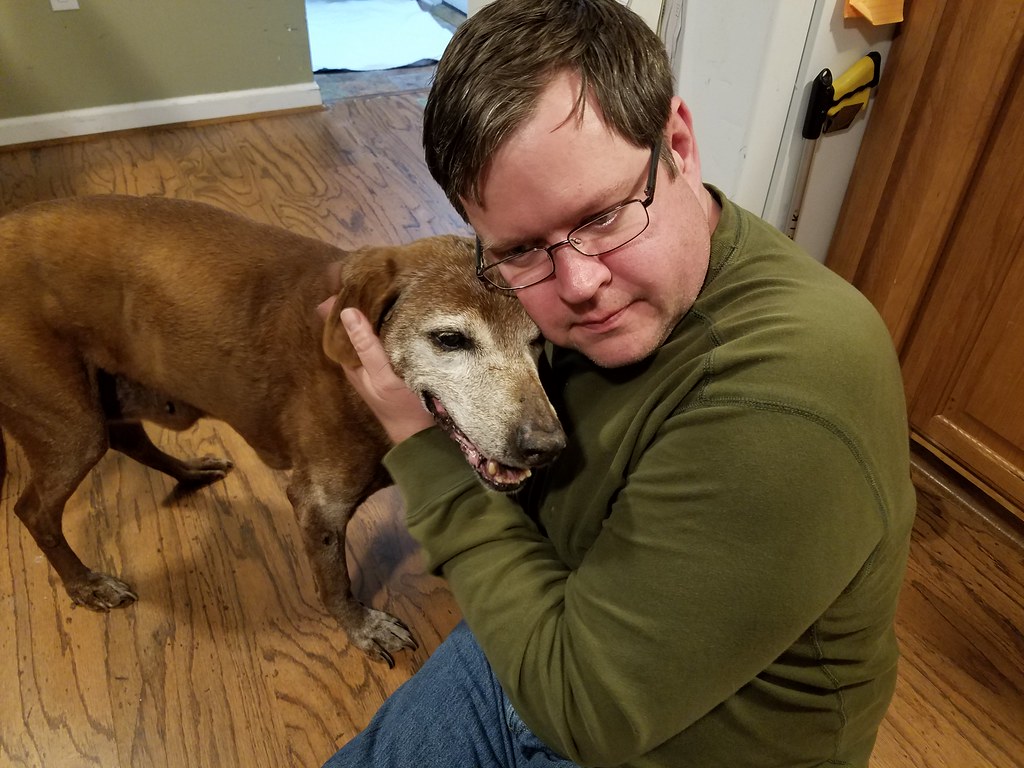
Most people think a “clingy” dog is a problem to fix. Trainers slap on labels like separation anxiety or “Velcro dog,” as if your pup is somehow broken. But a growing number of behavior experts say something wildly different: many of these dogs aren’t needy at all. They’re simply choosing the safest place in their entire world – and that place is you.
Once you learn to spot the subtle signs of a calm, regulated, securely attached dog, “clinginess” stops looking like a flaw and starts looking like the biggest compliment a living creature can give you. Here are the 13 signs canine behavior experts say prove your dog isn’t broken – it’s just found its person.
#1 – It Sleeps Better Only When You’re Nearby
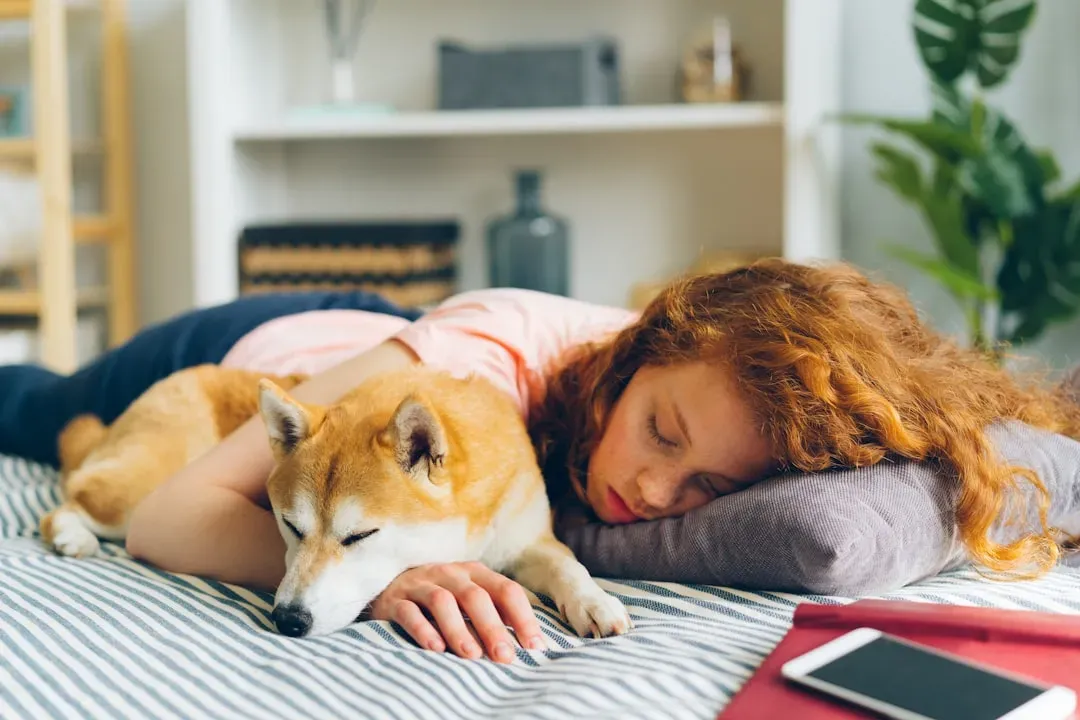
Your dog crashes hardest on the couch or in bed, then suddenly “can’t sleep” the second you wander off? That’s not drama. That’s a nervous system finally powering down.
Dogs only fully relax where they feel least responsible for keeping watch, and that’s usually right beside their person. If your pup positions itself so it can feel your movement – touching your leg, pressed against your back, curled at your feet – it’s outsourcing safety to you like a toddler who finally lets go and naps.
- Slow, steady breathing when touching you.
- Heavy, floppy body instead of twitchy, ready-to-run muscles.
Fast Facts
- Adult dogs sleep an average of 12 to 14 hours a day, with puppies and seniors often needing even more.
- Dogs cycle through light and deep sleep stages just like people, and reaching deep sleep faster is a sign of low stress.
- A loose, splayed-out sleeping posture – belly exposed, legs relaxed – is one of the clearest physical signs of trust a dog can show.
Those aren’t signs of dependence; they’re signs of trust. A dog too anxious to sleep away from you isn’t being spoiled – it’s telling you that you’re its safest place on earth. Sign #2 is even sneakier, and most owners miss it completely.
#2 – It Follows You Calmly, Not Frantically
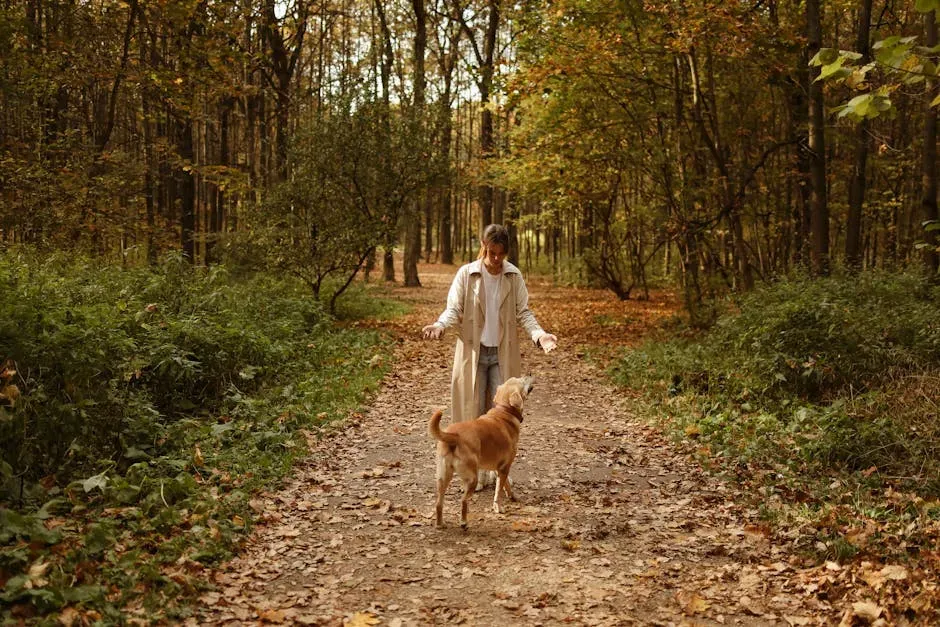
Everyone jokes about the “bathroom bodyguard,” but look closely at how your dog follows. A dog that pads behind you at a relaxed pace, tail neutral, mouth slightly open, eyes soft, isn’t panicking. It’s shadowing its safe base.
Most people don’t realize the difference between a dog that can’t let its human out of sight and one that simply prefers not to. Choosing to stay near without whining, pawing, or pacing isn’t neediness – it’s secure attachment in motion.
- Your dog can pause to sniff or detour, then voluntarily returns to you.
- It rests again as soon as you stop moving.
That means your presence regulates it. You’re essentially its emotional Wi-Fi signal – everything works better when it’s connected, but it doesn’t crash the second you step out of range. What happens in new environments takes this even further.
#3 – It Uses You as a Safe Touch Point in New Places
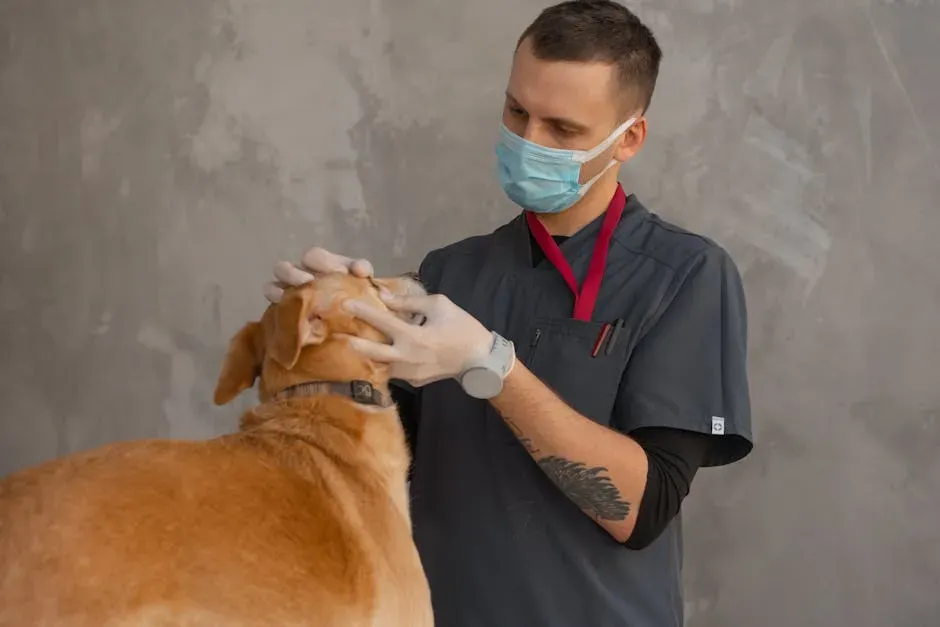
Watch your dog at the vet, on a patio, or at a friend’s house. Does it explore a little, then come back to lean on your leg, bump your hand, or wedge itself between your feet before heading out again? That’s textbook secure-base behavior.
Confident dogs in uncertain environments “check in” with their person the same way a kid glances back on the playground. It’s not fear-based clinginess – it’s smart emotional regulation happening in real time.
- Quick eye contact, then a nose touch or lean.
- A visible softening in posture once it makes contact.
Instead of forcing “independence” by pushing the dog away, good trainers now encourage these check-ins because they help a dog feel brave enough to explore. The irony? The more we honor this habit, the less anxious and more independent most dogs become over time.
#4 – It Settles Faster When It Can Touch You
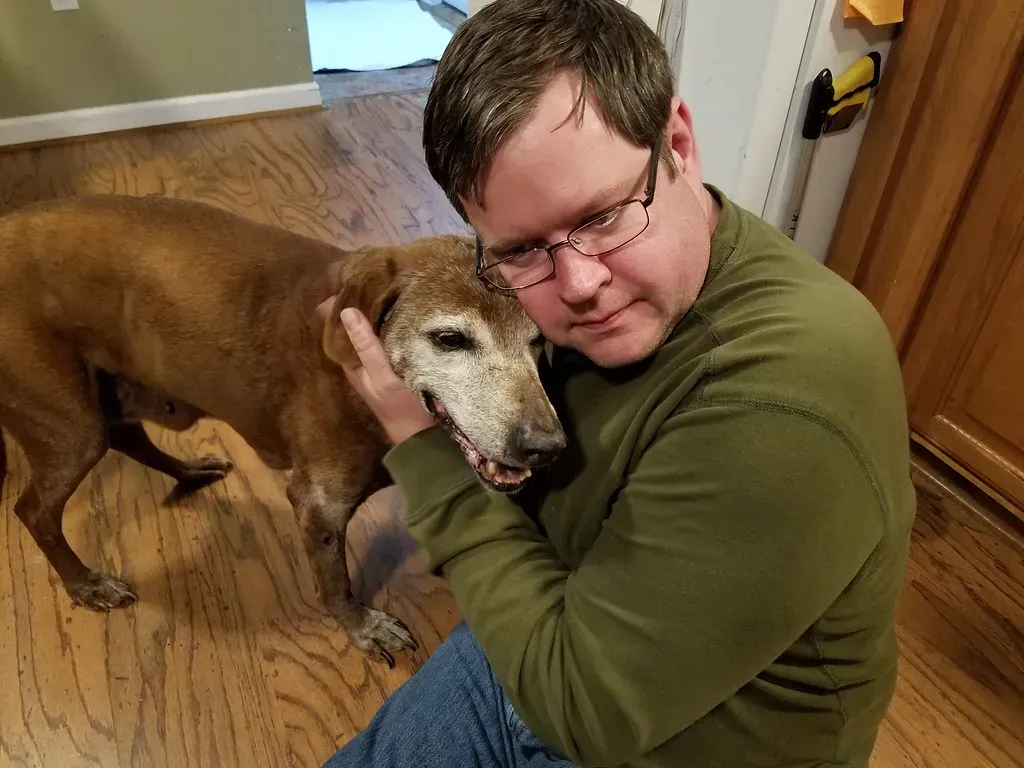
If your dog paces, barks, or startles easily on its own but goes quiet and still the moment its body makes contact with yours, you’re watching nervous-system science happen in front of you.
Physical contact literally lowers stress hormones in both dogs and humans. Your dog isn’t “addicted” to you – it has learned that proximity to you equals safety, predictability, and fewer surprises.
- The tail slows.
- The eyes blink more.
- The body weight drops into the floor or your side.
Quick Compare
- Secure attachment: Calms within minutes once you step away, and explores confidently the moment you return.
- Separation anxiety: Nonstop barking, howling, destructive chewing, or attempts to escape when left alone.
- Secure attachment: Seeks touch to settle, then can rest quietly nearby without needing constant contact.
- Separation anxiety: Physical touch rarely resolves the panic, and pacing or drooling continues regardless.
Trainers who still insist on “no couch, no bed, no touching” across the board often miss this nuance. For many dogs, the rule shouldn’t be “never touch” – it should be “touch on invitation, as a tool for calm.” That shift alone reframes your “clingy” dog as one that simply knows where its off-switch lives.
#5 – It Watches the Room but Keeps Its Back to You
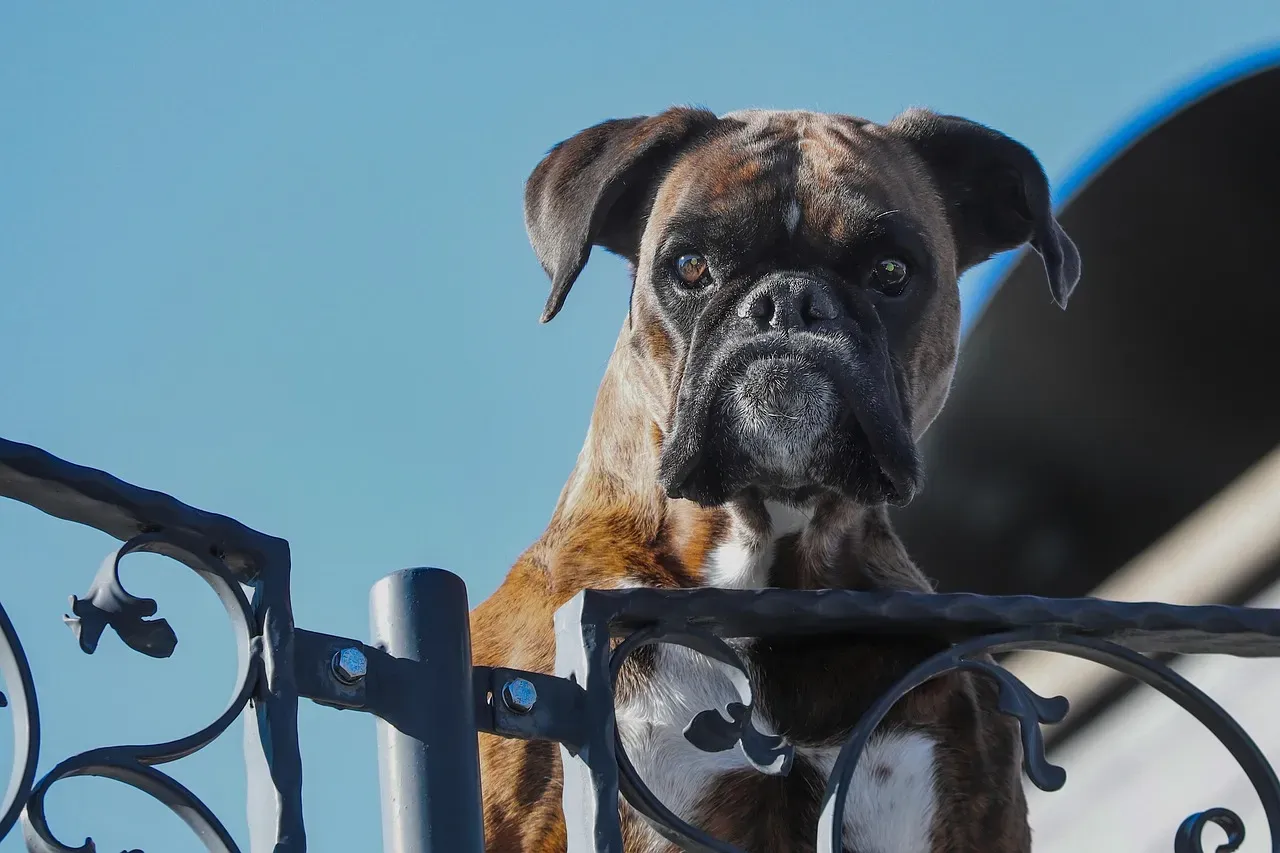
Here’s a subtle one most owners miss entirely: your dog positions its body against you, but its face points out toward the room, the hallway, the door. That’s not a baby hiding behind your legs. That’s a guard leaning on a wall it trusts.
Dogs that feel truly safe beside you will often take on the job of scanning the environment while using your presence as backup. Look for the details.
- Back or side pressed against you.
- Ears gently tracking sounds, but muscles not rigid.
- Quick glances back at you for confirmation, not reassurance.
This is partnership, not dependence. Your dog has basically said, “I’ll keep an eye on things; you keep me grounded.” People who label this as “overprotective” are usually ignoring how loose and balanced the body language really is.
#6 – It Chooses You Over Food or Toys (Without Panic)
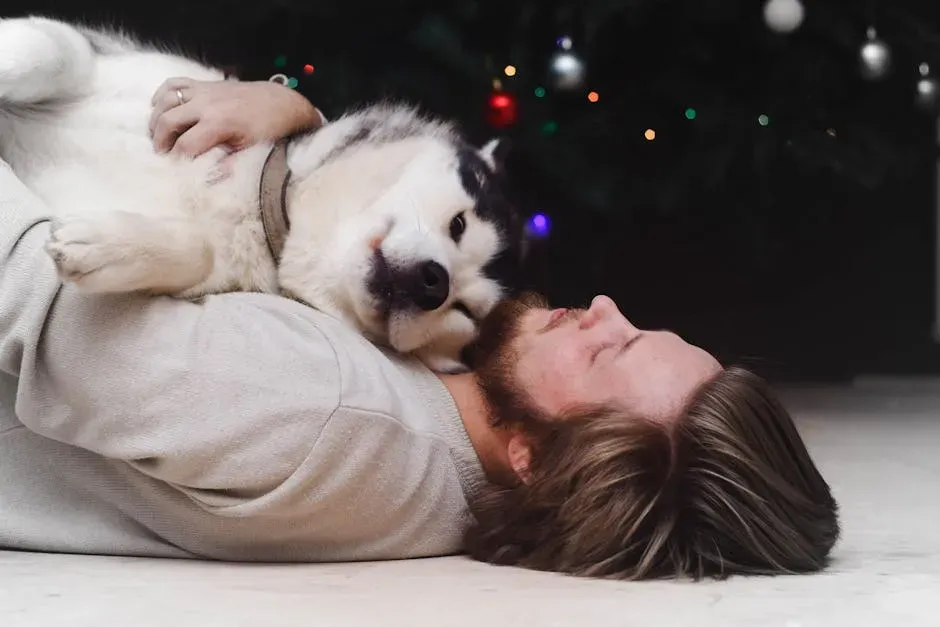
The internet loves to say, “If your dog chooses you over food, you’ve done everything right.” That’s oversimplified, but there’s a grain of truth buried in it.
When your dog calmly abandons a toy, a chewie, even a full food bowl to come sit by you or follow you into another room, it’s prioritizing social safety over resources – and doing it without stress. That’s not obsession. That’s a secure value choice.
- No frantic whining if you walk away.
- No wild scramble to grab the food and drag it with them.
Your dog seems to say, “I’d rather hang out where my world makes sense.” Food motivates survival; you represent emotional survival. That’s a massive compliment, not a red flag – and it’s a sign that training built on relationship will always outperform a bag of treats.
#7 – It Listens Best When It’s Physically Close
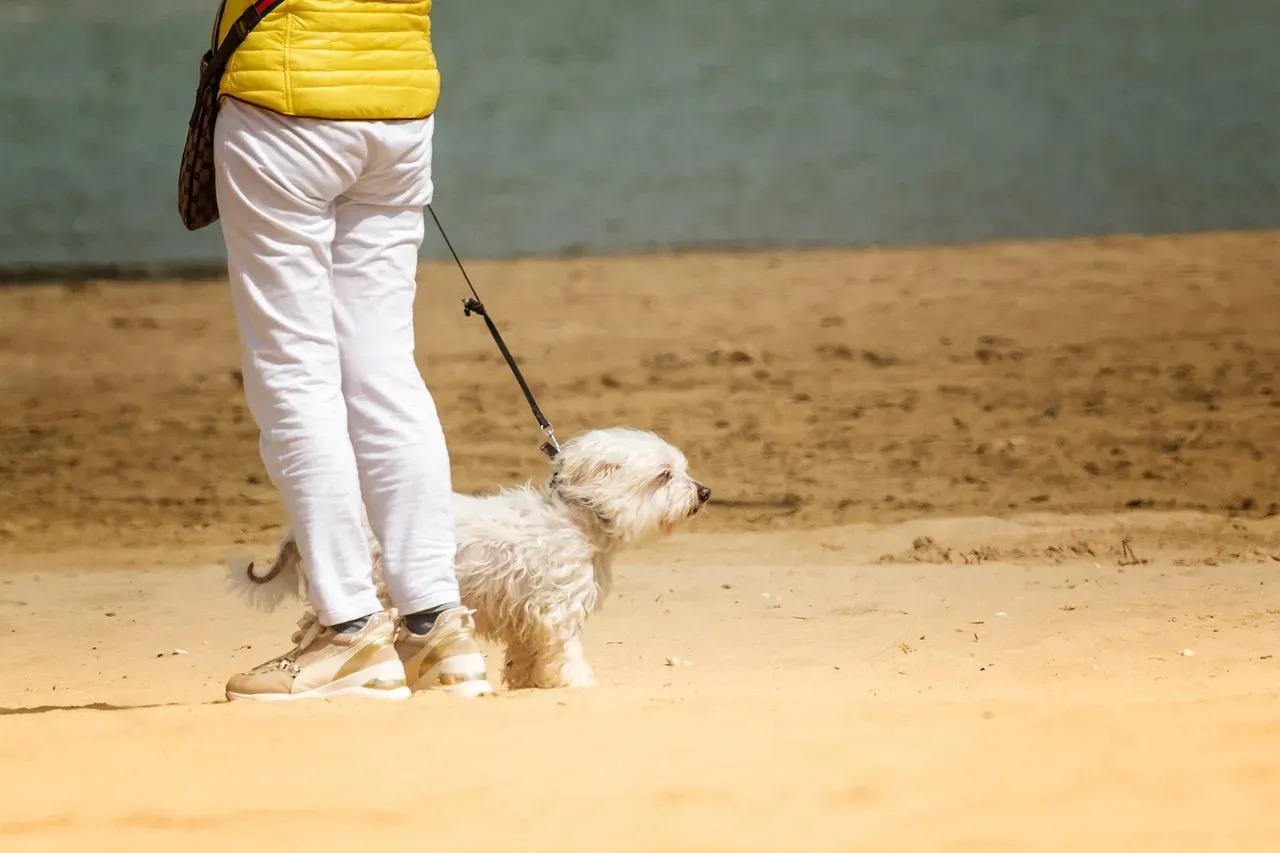
Here’s the part that will annoy a few old-school trainers: many dogs obey more reliably when they’re allowed to stay near their person, not farther from them.
Distance often increases distractions; proximity increases clarity and confidence. If your dog comes, sits, or heels far more willingly when it can stay close, it isn’t “manipulating” you – it’s simply operating from its safest mental state.
- Commands land faster when your dog is within arm’s reach.
- Eye contact is easier and less forced up close.
- The dog offers behaviors on its own – a sit, a down – when near you.
Punishing a dog for wanting that closeness can actually weaken your training, because you’re removing the exact context that makes it feel capable. The smarter move is to teach boundaries and cues within that closeness, then gradually expand distance while trust stays intact.
#8 – It Can Relax Alone… But Still Chooses You
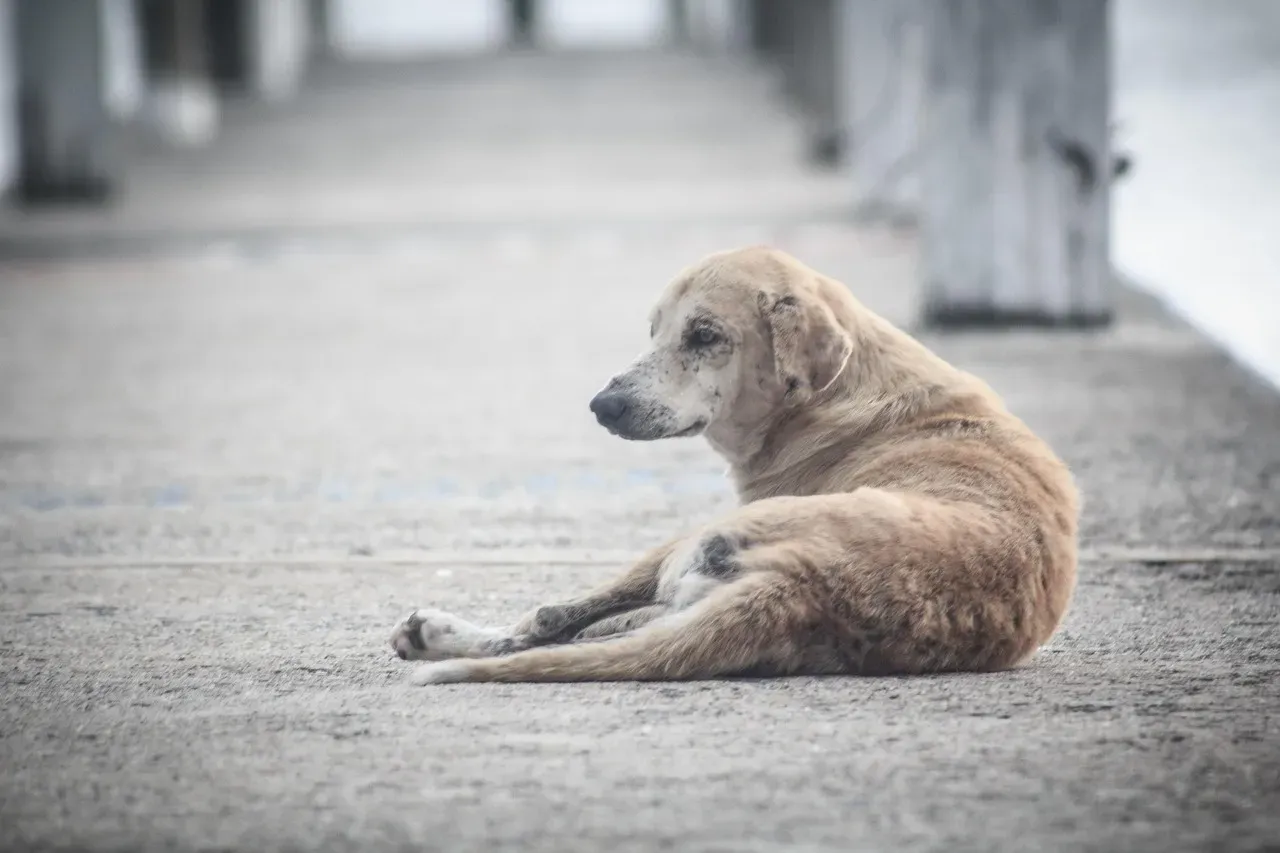
This is the line experts watch closely: can your dog actually handle being alone when it has to? If it can nap in another room, stay crated without a meltdown, or chill with a sitter, yet still prefers to be glued to you when you’re home, you’re not looking at classic separation anxiety.
You’re looking at a secure dog making a clear, deliberate choice.
- No frantic scratching, howling, or drooling when you leave.
- Quick settling once you’re actually gone, even after a little protest.
- Excited but manageable greetings when you return.
At a Glance
- Veterinary estimates suggest roughly 20 to 40 percent of dogs experience genuine separation anxiety at some point in their lives.
- True separation anxiety involves real panic: destructive behavior, self-injury, or nonstop vocalizing within minutes of being left alone.
- A securely attached dog, by contrast, usually settles back down shortly after you leave – even if it protests briefly at first.
In other words: your dog can cope without you, but doesn’t see the point when you’re right there. That’s not pathological – it’s logical. The real problem isn’t your dog wanting to be near you; it’s a culture that keeps insisting independence is morally superior to connection.
#9 – It Mirrors Your Emotions Like a Furry Barometer
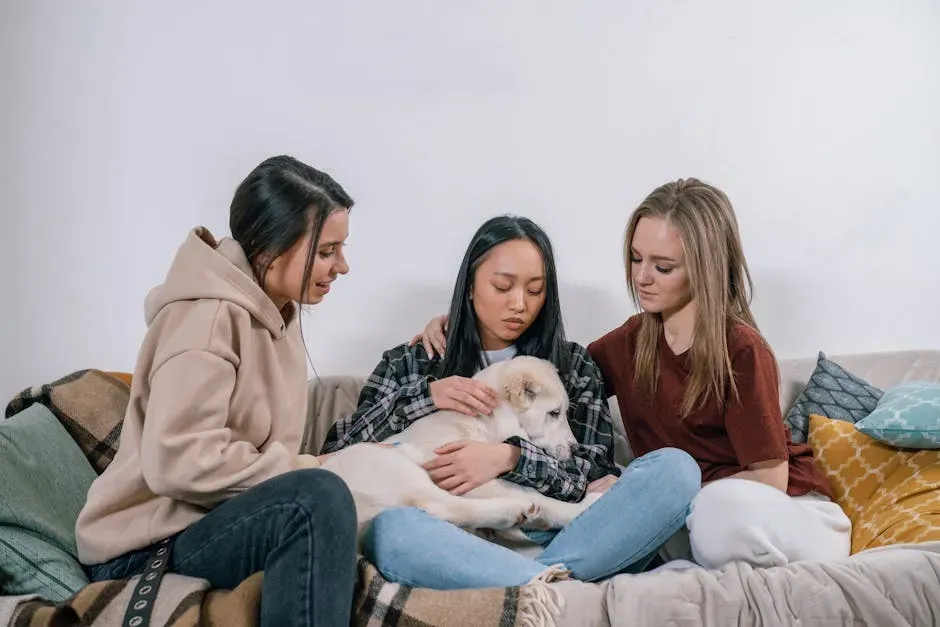
Pay attention on your worst days. Does your dog drift closer when you’re sick, sad, or stressed, then give you more space when you’re busy and upbeat? That’s not random.
Many dogs are astonishingly good at reading human micro-signals – breathing rate, muscle tension, even scent changes when we’re anxious. If your dog parks itself against you during those moments, it’s seeking the same thing you are: co-regulation.
- A usually playful dog becoming still and watchful at your side.
- Quiet leaning instead of demanding play when you’re upset.
- Gentle nudges when your energy finally starts to lift.
Is that “needy”? Or is that a living, breathing biofeedback system that has learned the safest place is wherever your emotional truth is most obvious – right next to you? The fact that some people call this “clingy” says more about us than it ever says about the dog.
#10 – It Guards Your Space, Not Its Own Stuff
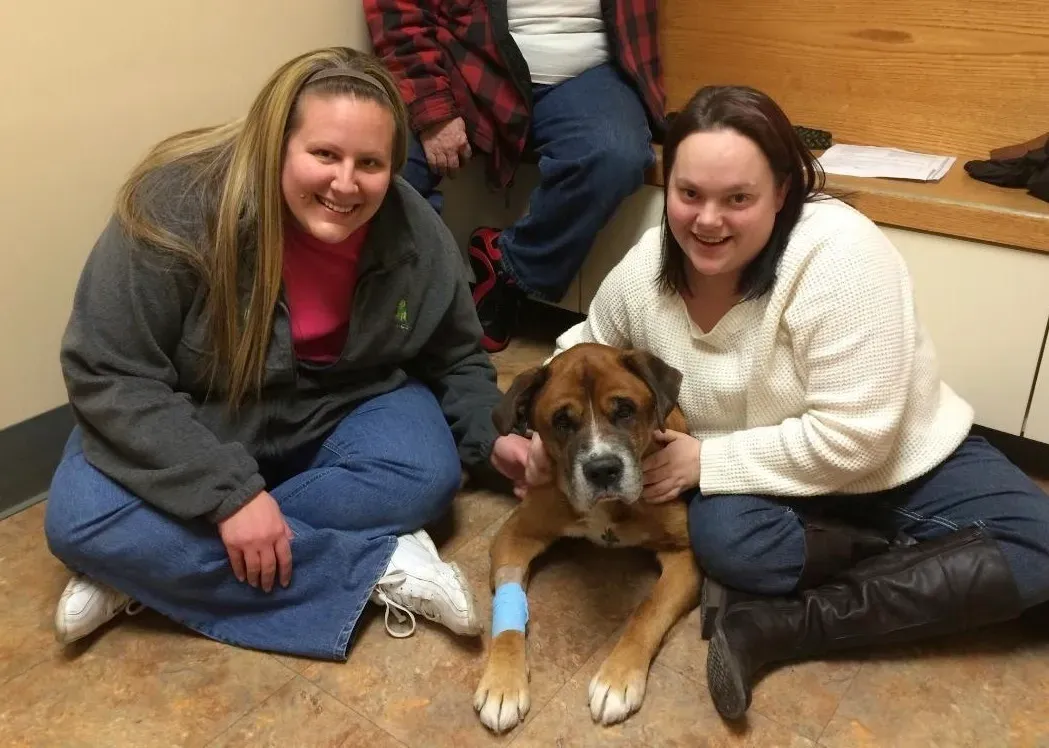
There’s a huge difference between a dog that resource-guards toys or food and a dog that simply stations itself near you when strangers or unfamiliar dogs show up.
If your dog moves closer to you and subtly places itself between you and whatever’s new, it’s not being possessive of you – it’s aligning with you. You’re the center of its safety map.
- Standing or lying where it can “block” a direct path to you, but without growling.
- Calm eye contact with the newcomer, plus frequent glances back at you.
- Relaxed body once you greet the other person or dog comfortably.
Far from a red flag, this can actually indicate a dog that trusts your judgment so deeply it just wants to stay in your orbit when the world shifts. Correcting that instinct too harshly can confuse the dog about whether you’re still its safe person.
#11 – It Uses You as a Physical Anchor in Crowds and Noise
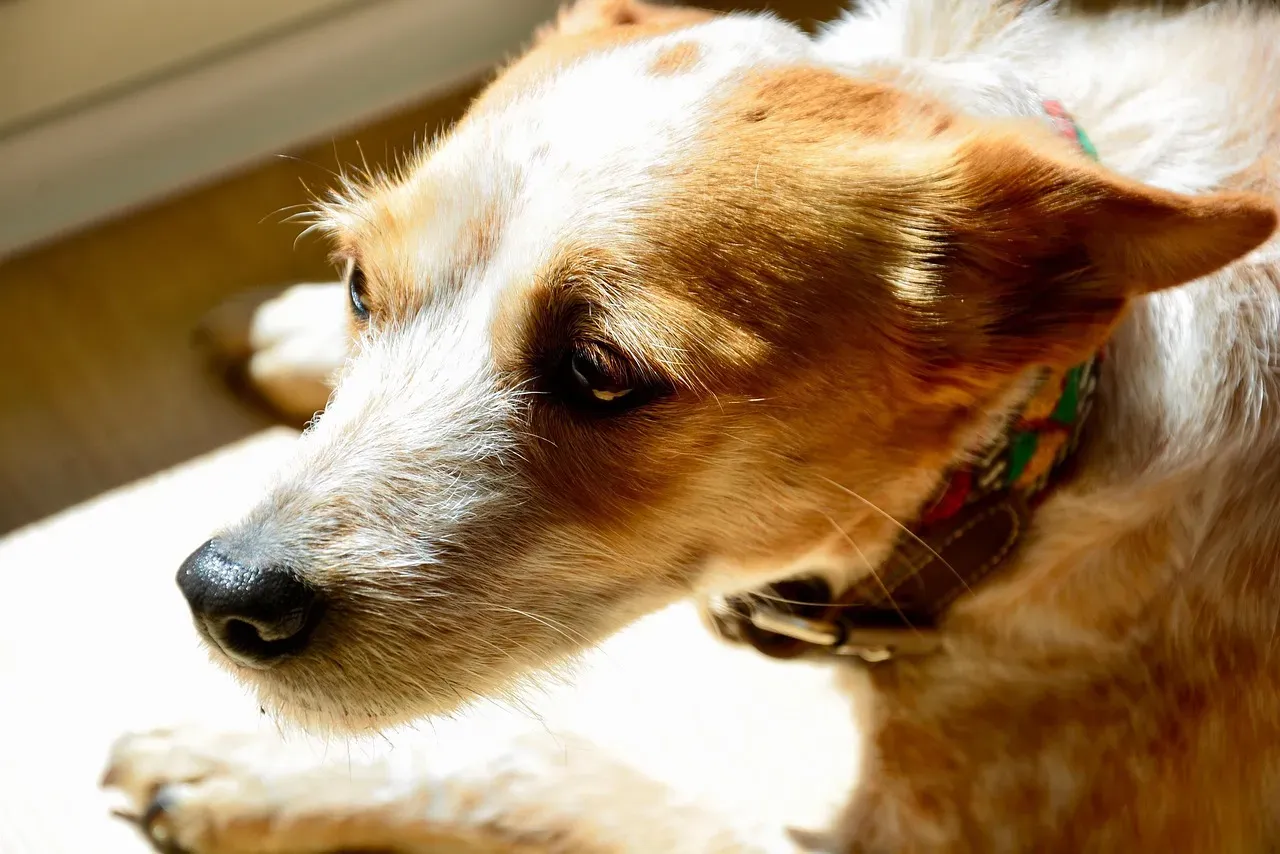
At busy events, city streets, or family gatherings, does your dog glue itself to your leg, sit between your feet, or wedge itself under your chair? To outsiders, that looks like a scared, needy dog.
But watch the pattern closely: if your dog’s body softens the moment it makes contact with you, and stays that way, you’re not the problem. You’re the solution it’s actively choosing.
- Ears and eyes checking out the environment, but body staying relaxed because you’re the anchor.
- Subtle weight leaning into you when something loud happens, then easing off again.
- Very little need for constant petting – proximity alone is enough.
Many behaviorists now prefer to let dogs self-choose this anchoring instead of forcing them to “face their fears” solo. Your dog isn’t hiding behind you in weakness; it’s standing with you in partnership. Sign #12 is where things get almost eerie.
#12 – It Makes Eye Contact to Check on You, Not Just Treats
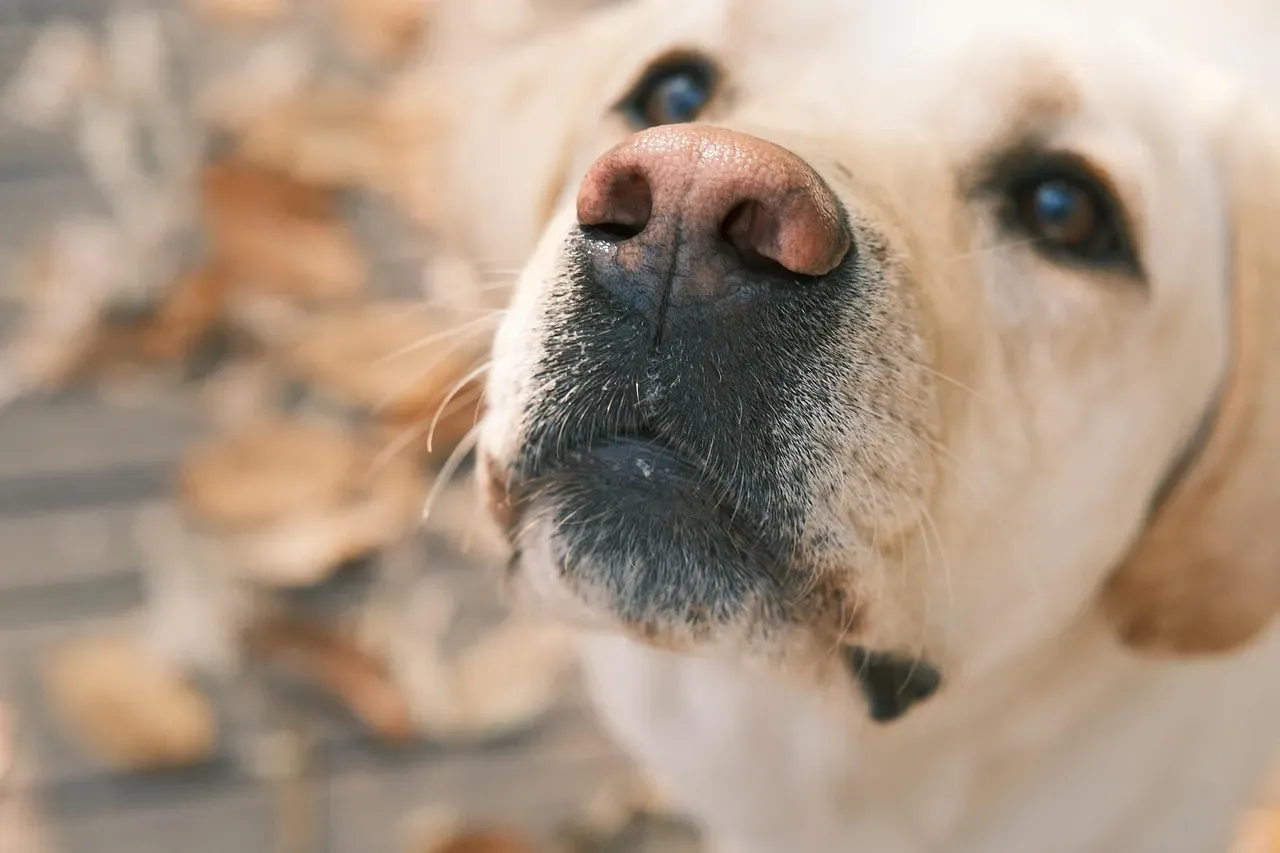
We’ve spent years turning eye contact into a trick – “watch me” for rewards. But some dogs go deeper. They search your face when something changes, long after any training session ended.
A dog that seeks your eyes during confusion, noise, or even quiet moments on the couch is reading your emotional weather forecast. That’s not demand. That’s connection.
- Quick glances when a door slams, followed by relaxation if your face stays calm.
- Soft, lingering eye contact in peaceful moments, followed by a sigh and a deeper snuggle.
- Checking your expression before deciding how to react to another dog or person.
Worth Knowing
- A widely cited study found that mutual gazing between dogs and their owners raises oxytocin levels in both.
- Researchers describe this response as similar to the bonding loop seen between parents and infants.
- The same gaze-triggered oxytocin rise was not observed in hand-raised wolves, suggesting it’s a trait shaped by domestication.
This is attachment science in fur. Dogs wired like this feel safest when they can literally see your reaction. Calling that neediness is a little like shaming a kid for looking at their parent during a thunderstorm.
#13 – It Treats Your Presence as the Default, Not the Bonus
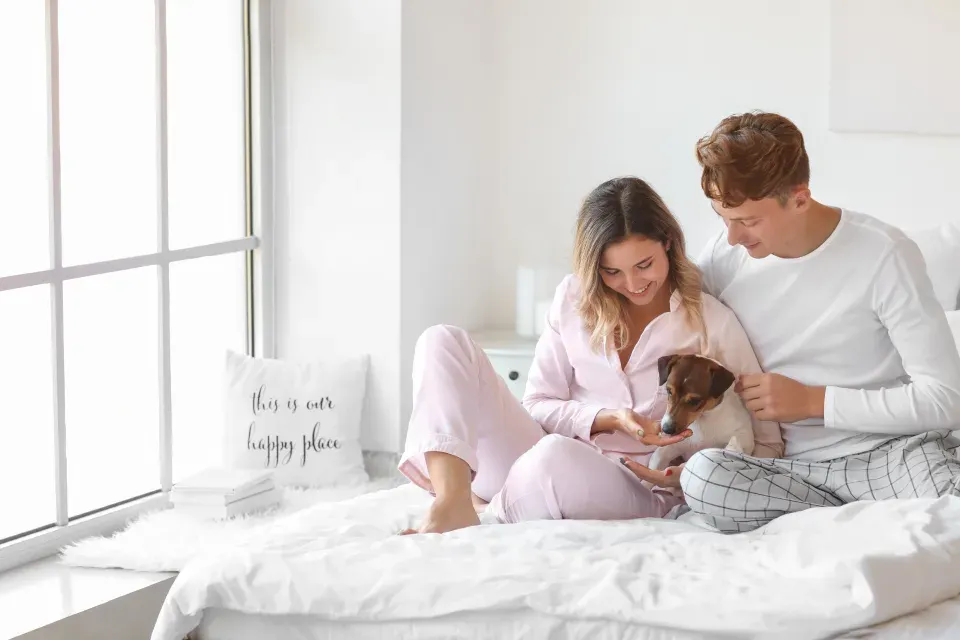
Here’s the most telling sign of all: your dog behaves as if your presence isn’t a special event. It’s the baseline the whole world is built on. It settles where you settle, moves when you move, and quietly organizes its entire day around your rhythms.
This isn’t a dog “unable to be alone.” It’s a dog whose sense of safety, routine, and identity is gently braided around you.
- Sleeping deeply when you’re home, lightly when you’re not.
- Matching your routine – coffee time, TV time, bedtime – with almost eerie accuracy.
- Showing mild disappointment when you leave, but genuine peace when you’re back in your shared bubble.
Some people will always interpret this as over-attachment. But the quieter truth is harsher: many dogs never get to feel this safe with anyone. If your dog chooses you as its default setting, that’s not a behavioral flaw. That’s a relationship you actually earned.
Most people are misdiagnosing love as a problem. What gets labeled “needy” in dogs is, in many cases, textbook secure attachment – a living creature that has finally found the one place it can let its guard down completely.
If your dog sleeps deeper beside you, listens better when close, uses you as an anchor in chaos, and can still cope alone when it has to, you’re not enabling weakness. You’re holding up the structure it trusts most in the entire world.
Here’s the uncomfortable truth: a lot of the criticism aimed at “clingy” dogs comes from human discomfort with closeness, not canine dysfunction. You don’t owe anyone an apology because your dog feels safest next to you. You do, however, owe that dog the boundaries and training that keep the bond healthy instead of fragile. Did we get it right, or do you still think “Velcro dogs” are a problem? Say your piece in the comments.