
14 Silent Things Your Dog Says Every Time It Locks Eyes With You
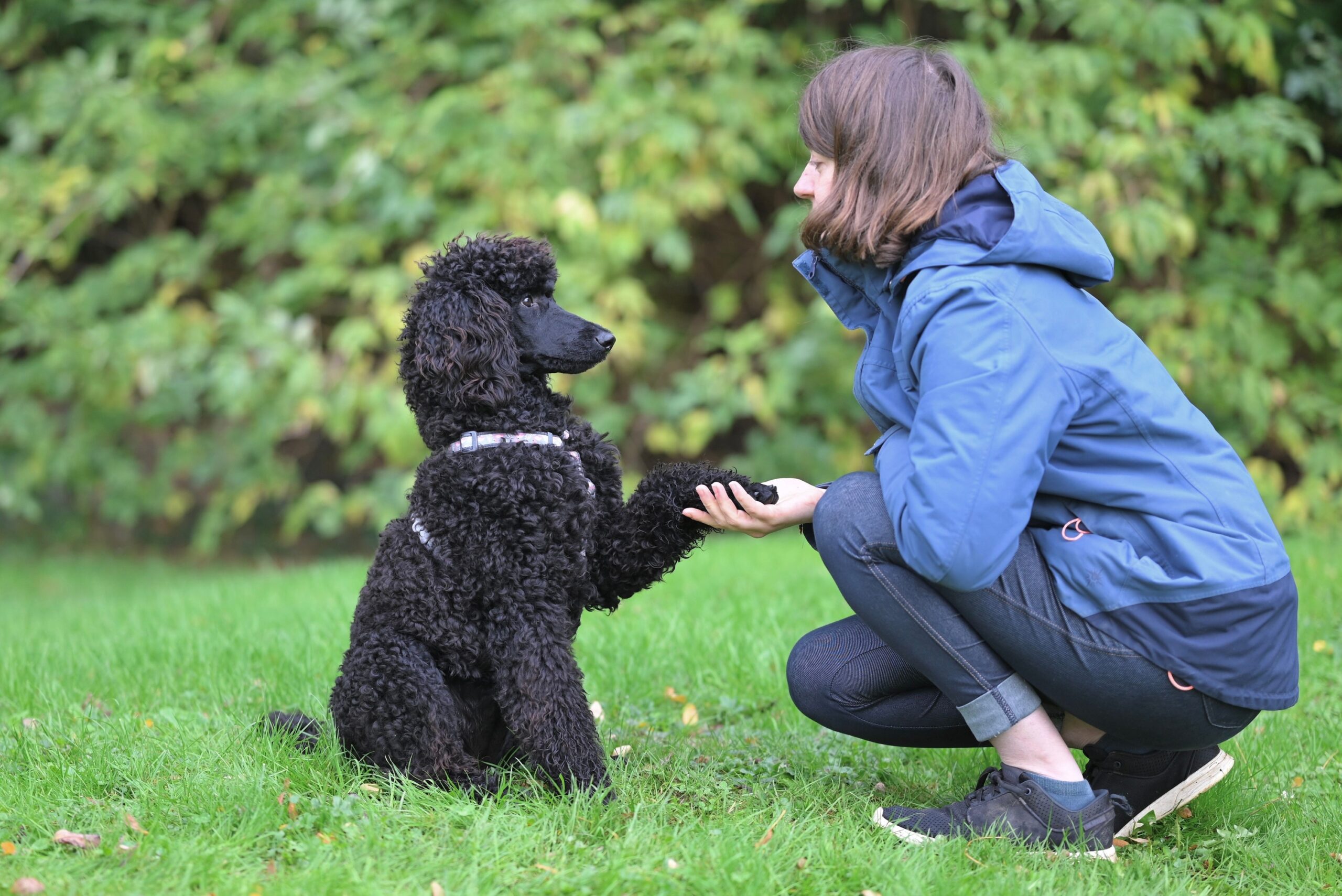
You probably think that long stare means “feed me” or “walk me.” Most owners do. But animal behaviorists say that locked, unblinking eye contact from your dog is actually one of the densest little conversations in the animal kingdom – and most of us are only catching a fraction of it.
Some of these signals will make you want to hug your dog immediately. Others are quiet warning lights most people walk right past for years. Here’s what’s actually happening behind that gaze, one silent message at a time.
#1 – “You’re My Safe Place”
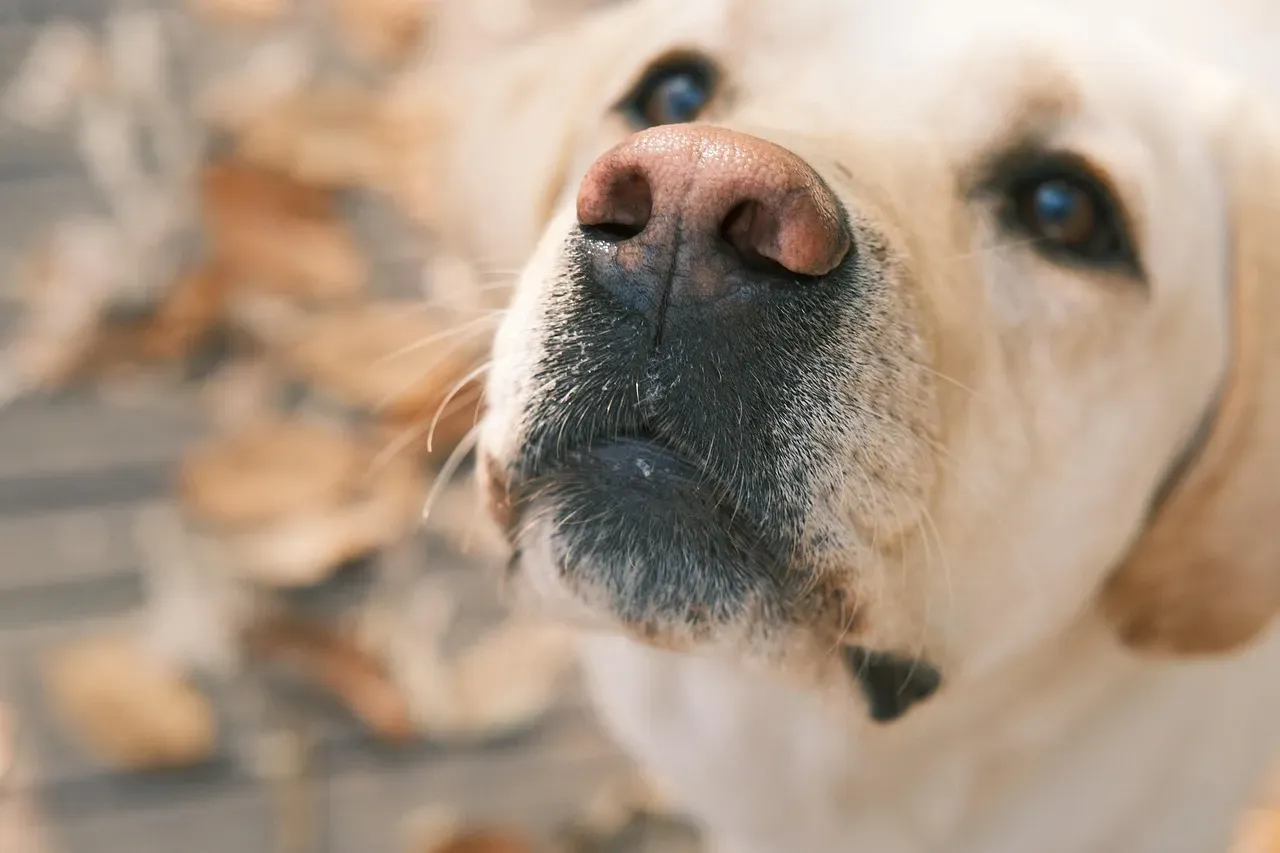
When your dog holds your gaze with soft, relaxed eyes, it’s not random. It’s a quiet way of saying, “You’re the one I trust to keep me alive.” Studies show dogs’ oxytocin – the same “bonding hormone” activated when human parents look at their babies – rises when they share gentle eye contact with their owners.
You’ll usually catch this after something mildly stressful: a loud noise, a stranger walking in, a strange new object on the floor. Your dog scans the room, finds your face, and holds the stare just long enough to check in. If the rest of the body is loose – soft ears, slightly open mouth, relaxed shoulders – this isn’t a challenge. It’s reassurance-seeking, plain and simple. Ignore it too often, though, and some dogs get clingier over time, not calmer.
#2 – “I Want You To Do Something, Right Now”
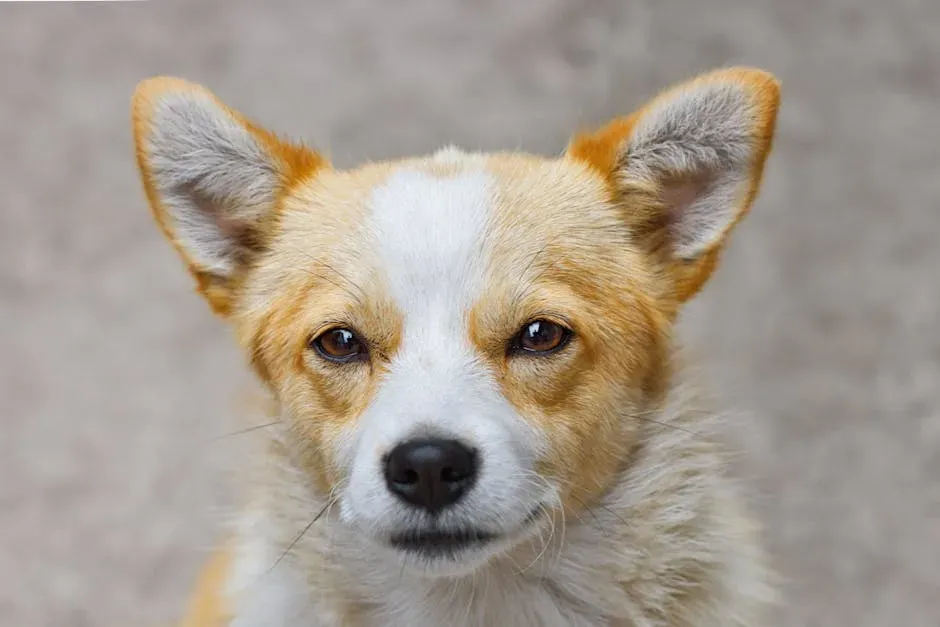
Sometimes that stare has nothing to do with love. It’s about getting you to move. Dogs learn fast that locking eyes is the quickest way to trigger action – walks, meals, door openings, toy throws. That’s why the staring gets intense right around dinnertime or the moment you walk past the leash hook.
Watch the body while it happens. Standing, tail at mid-height, weight shifting between paws? That’s “operator mode.” Your dog has a goal, and it’s watching to see if the stare works. Give in every single time and, over months, your dog learns something simple: keep staring long enough and you control the schedule. It’s not evil. But it can quietly snowball into pushy, demanding behavior if you never draw a line.
Fast Facts
- Meal time, walk time, and door-opening moments are the top triggers for demand-staring.
- High-drive working and herding breeds tend to escalate the stare fastest when ignored.
- A relaxed body paired with a fixed stare usually signals a request, not distress.
- Consistent non-response is the fastest way to reset a demand-stare habit.
#3 – “Are You Still The One In Charge?”
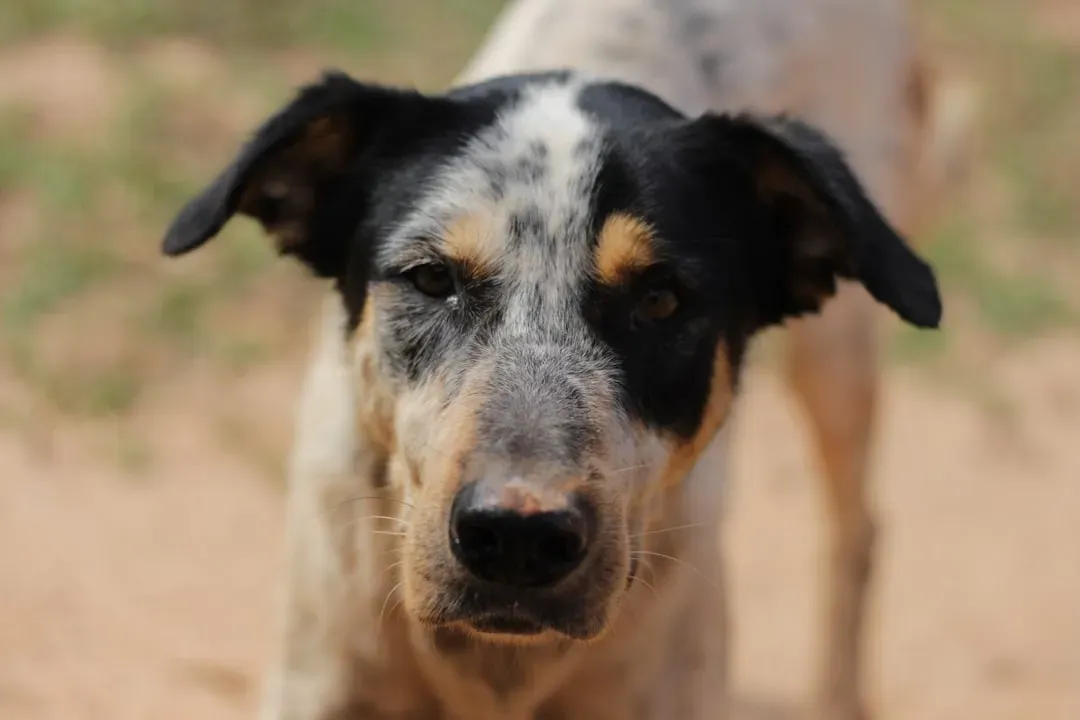
Most people badly misread intense, unblinking eye contact. Between two dogs, a hard stare is often a dominance test or a warning. With humans it’s usually softer – but not always. If your dog stiffens, its mouth closes, and it holds your eyes without blinking, that’s not adoration. That’s your dog quietly asking, “Who’s actually running this house?”
This tends to surface in specific flashpoints: you reach for a favorite toy, nudge them off the couch, or interrupt something they’re fixated on. A dog that refuses to break eye contact while its body goes rigid isn’t being cute – it’s testing whether you’ll back down. Trainers rank this stare as one of the most commonly ignored early warning signs of future behavior problems, and letting the pattern repeat can quietly erode your authority for good.
#4 – “I’m Reading Your Mood Like A Book”
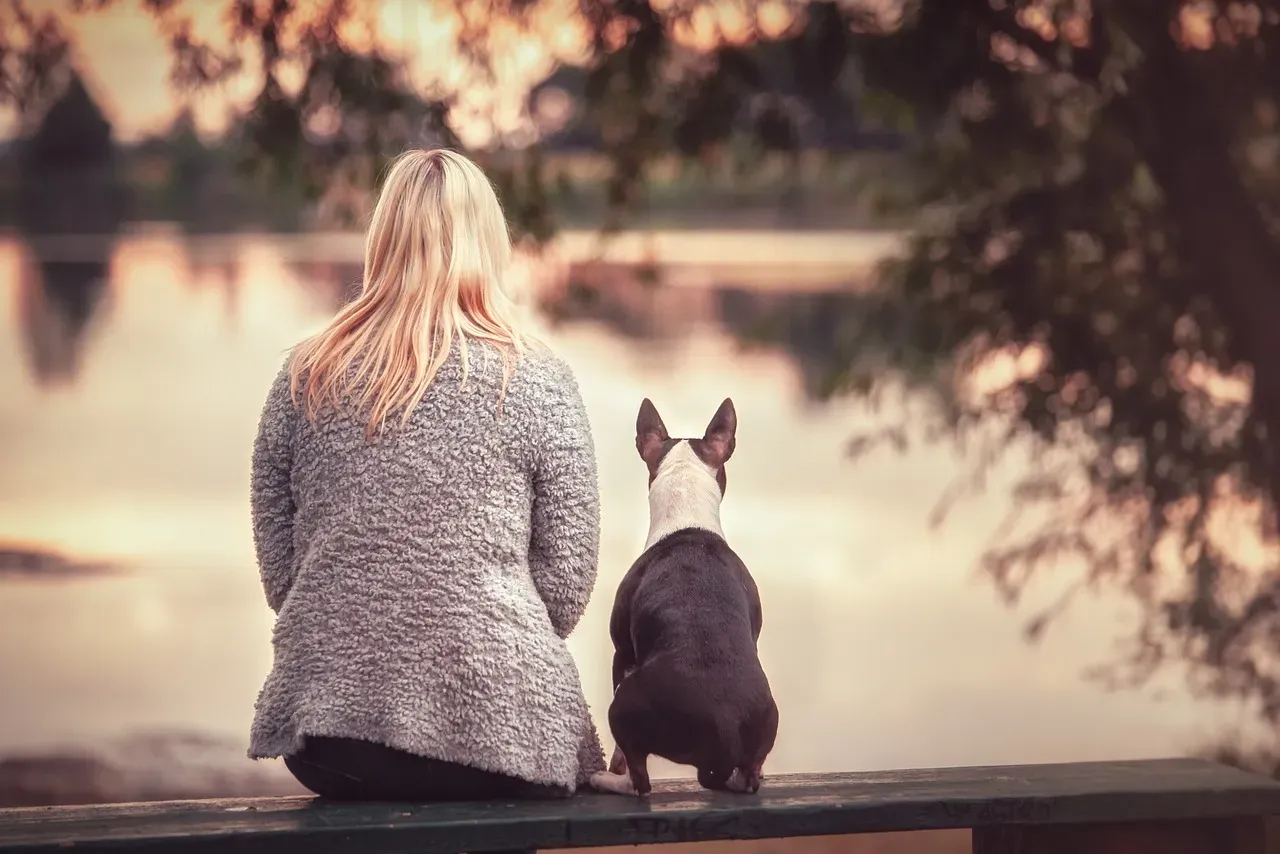
Here’s an uncomfortable truth: your dog is often more tuned in to your emotions than the people in your life are. When it locks eyes with you, it’s scanning your face for micro-clues about your mood. Research shows dogs can distinguish happy human faces from angry ones and react differently to each.
You’ll notice this most when you cry, argue, or laugh a little too hard. Some dogs tilt their head, lick the air, or blink slowly while staring, trying to decode what just shifted in the room. Others move closer or paw at you – not because they understand sadness the way we do, but because they know your emotional state predicts whether their world is about to feel safe or unstable. Owners who write this off as “clingy” often miss that their dog is actively monitoring them for signs of stability.
Worth Knowing
- Dogs appear to process human faces differently than they process other dogs’ faces.
- A head tilt often happens while a dog tries to locate a familiar sound or word.
- Slow blinking during eye contact is widely read as a calming, non-threatening signal.
- Dogs in predictable routines tend to pick up on facial cues faster than dogs in chaotic homes.
#5 – “I Need Help, But I Don’t Know How To Ask”
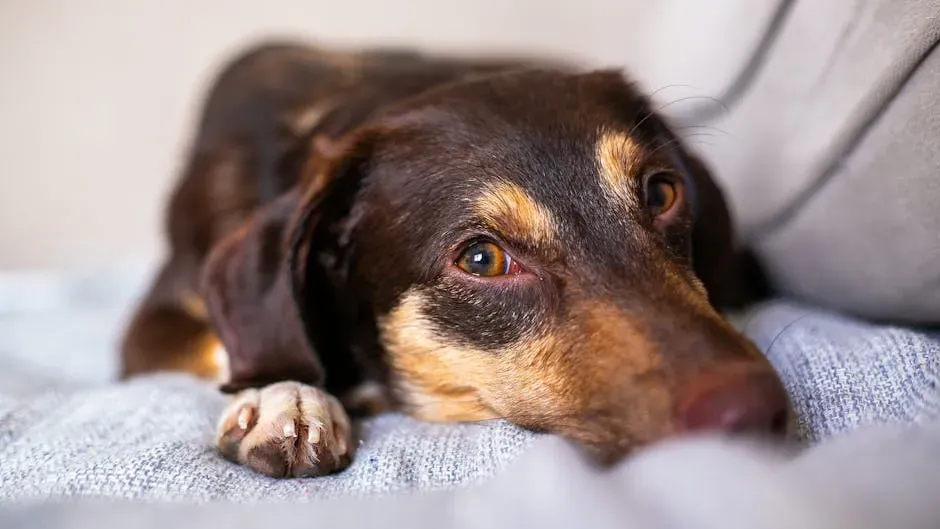
Not all eye contact is sweet or strategic. Sometimes it’s a quiet distress flare. A dog in physical or emotional discomfort may lock eyes more than usual, often with a furrowed brow or tighter facial muscles. That worried look isn’t in your head – facial tension in dogs can genuinely signal pain, nausea, or anxiety.
Watch the pattern closely. Is your dog staring, then looking away and licking its lips, yawning repeatedly, or pacing during storms, car rides, or fireworks? That’s usually anxiety talking. Does it happen while resting, right after eating, or when lying down? That’s more likely pain or discomfort. Too many owners shrug this off as “acting weird today” and miss an early medical clue staring them right in the face.
#6 – “I’m Training YOU”
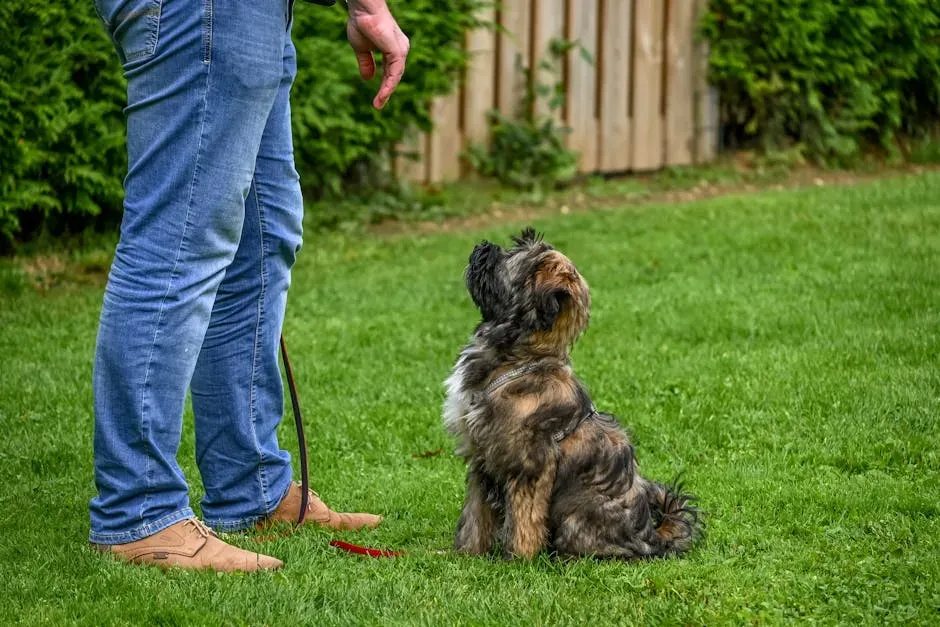
Here’s the twist most people hate hearing: your dog isn’t the only one being trained in this house. Every time it locks eyes and you immediately respond – petting, talking, feeding, opening the door – you’re feeding a feedback loop. Smart dogs figure out fast: stare, and I get what I want. Stare longer, and I get it faster.
- The dog stares, you throw the ball.
- The dog stares at the couch, you pat it and invite them up.
- The dog stares at the bedroom door, you open it “just this once.”
None of this is inherently bad. But if your dog is constantly summoning you with its eyes and getting instant results every time, don’t be shocked when the stare eventually escalates into whining, pawing, or barking the moment it stops working alone. Ironically, many of the “neediest” dogs are actually just extremely successful trainers of their humans.
#7 – “I Love You, And I’m Claiming You”
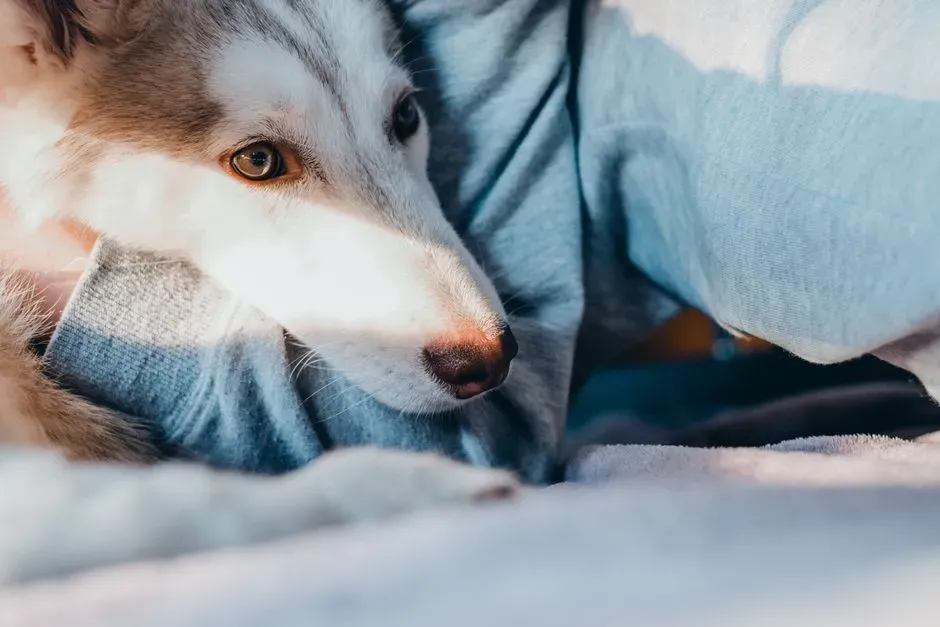
People love the idea that a dog’s gaze is pure, uncomplicated love – and sometimes it is. Long, relaxed eye contact during cuddling is strongly tied to real bonding. But there’s a messier layer underneath: some dogs use eye contact while leaning on you or draping a paw across your lap as a quiet claiming behavior. It’s affection with a side of possession.
Watch what happens when another dog or person walks up during one of these staring sessions. Does your dog stiffen, stop wagging, or angle its body to block access to you while staying locked on your face? That’s resource guarding – and you’re the resource. Many owners call it “cute jealousy.” Behaviorists call it a mild red flag. Left unmanaged, it can slide into snapping, growling, or physically blocking others from getting near you.
#8 – “I’m Bored Out Of My Mind”
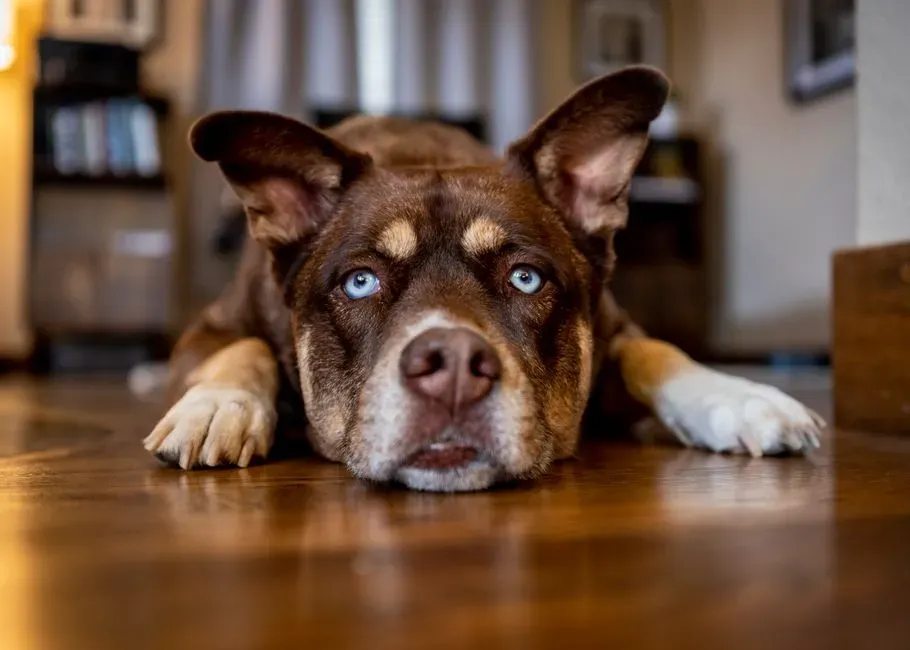
A dog that plants itself in front of you and stares during a quiet evening might be asking something brutally simple: “Is this it?” Working breeds – shepherds, retrievers, terriers – are famous for this blank, insistent stare, and it’s often less about bonding and more about a boredom alarm going off.
- Sighing, flopping down, then popping back up.
- Grabbing a toy, dropping it, then staring again.
- Random zoomies followed by another hard look at you.
Most people underestimate how much mental work their dog needs, not just physical exercise. A dog that walks two miles but never uses its brain can still feel completely under-stimulated. That stare is your dog trying to recruit you as its entertainment director – and ignoring it day after day can quietly fuel destructive habits.
#9 – “Are We Still A Team?”
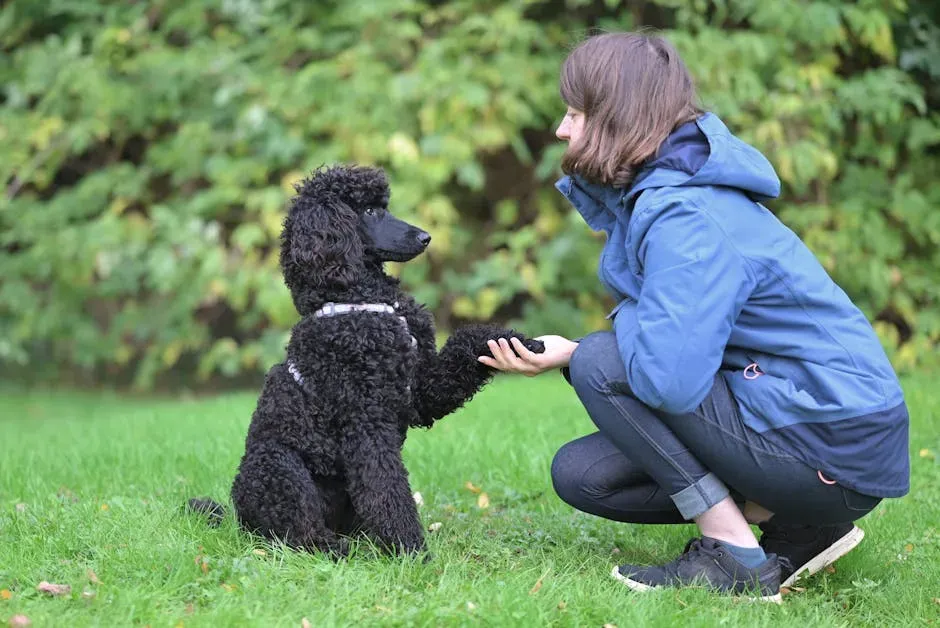
Dogs constantly track who’s with them and who’s against them. When something confusing happens – new rules, new people, a vet visit – many dogs lock eyes with their owner the way a player glances at a captain mid-play. It’s a split-second loyalty check: are we in this together, or am I on my own out here?
Think back to the last time your dog looked at you at the vet, during a scolding, or when a stranger approached too fast. Did you look away, over-comfort, or side with the other person instead of steadying your dog? Dogs remember. Consistently backing your dog – without coddling or overreacting – during stressful moments builds what trainers call handler trust. A dog that trusts you looks to you before reacting. A dog that doesn’t starts making its own decisions, and they’re rarely the good kind.
At a Glance
- Trainers call this “checking in,” and it’s a core building block of handler trust.
- Dogs that check in before reacting are generally easier to redirect in stressful settings.
- Steady, calm responses from you reinforce the check-in habit over time.
- Dogs that stop checking in often start making independent – and riskier – decisions.
#10 – “You Just Did Something That Confused Me”
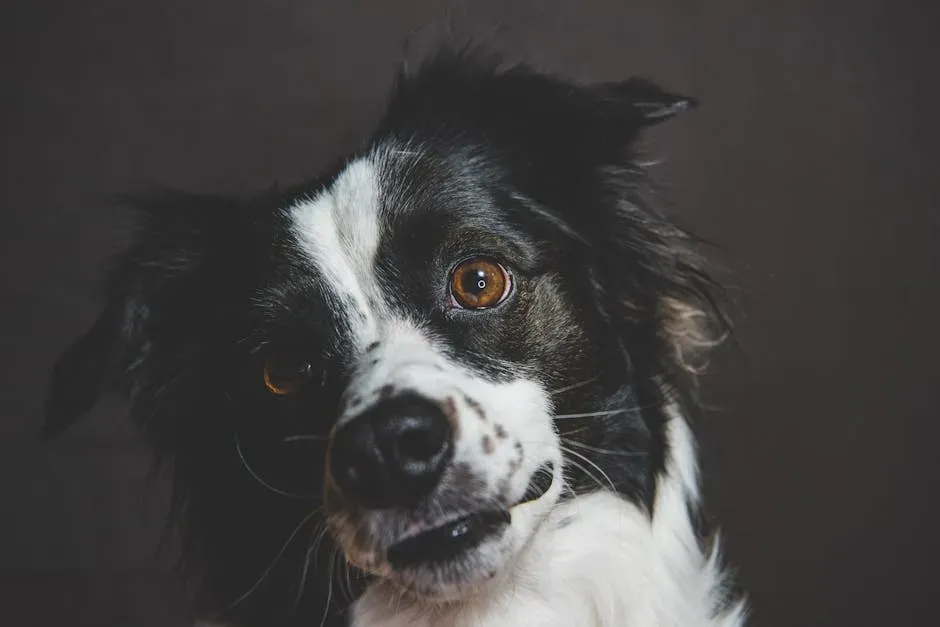
Confused dogs stare. A lot. If the rules keep shifting – sometimes the couch is fine, sometimes it’s a scolding offense – you create what behaviorists call inconsistent reinforcement. Your dog will sit there staring, trying to connect dots that were never designed to connect.
- Different words used for the same command.
- Punishment delivered long after the incident.
- Laughing at a behavior one day, scolding it the next.
That stare is basically your dog saying, “Run that by me again?” Unfortunately, plenty of people mislabel it as stubbornness or guilt. In reality, most “guilty-looking” dogs are just deeply confused and reading your body language for any clue at all. The more inconsistent you are, the more you’ll see that lost, searching stare – and confused dogs tend to become anxious ones.
#11 – “Something Out There Isn’t Right”
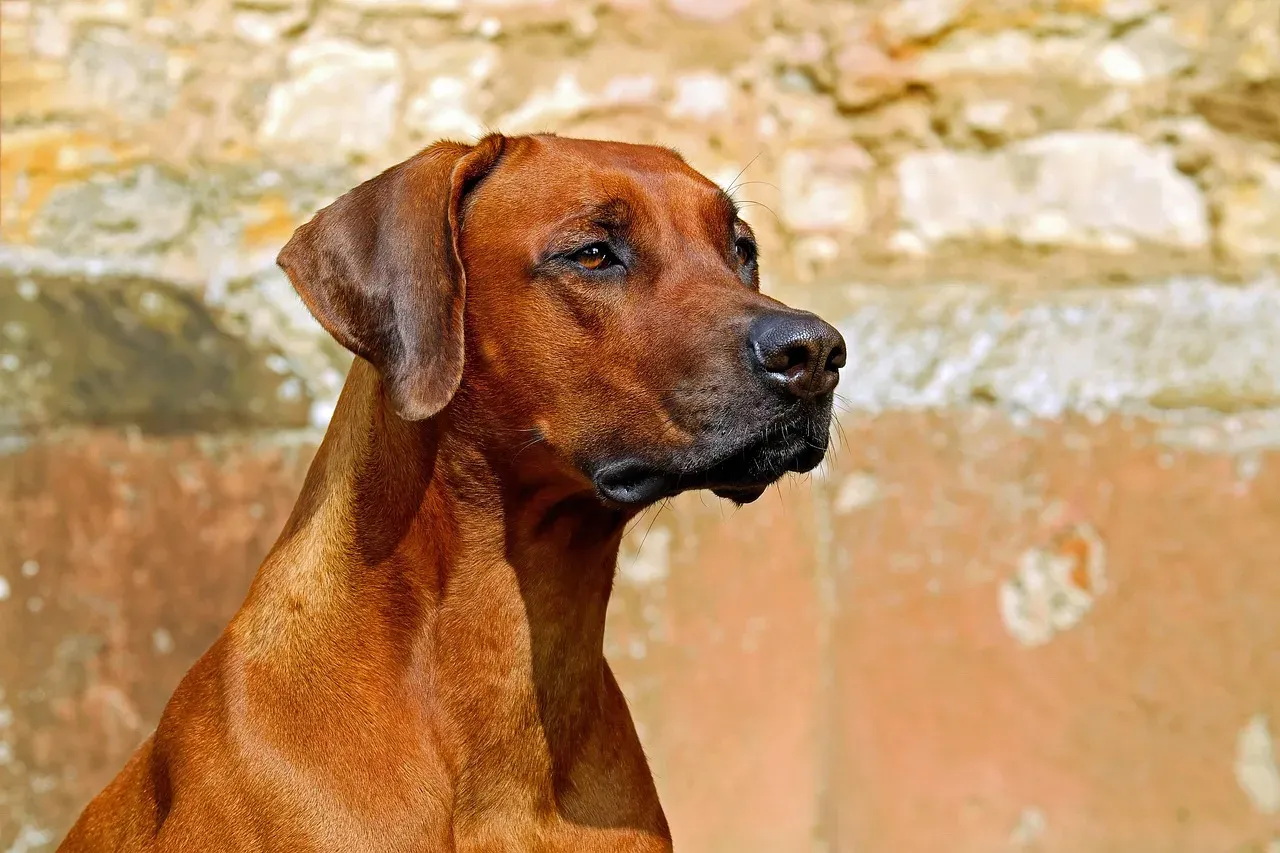
Sometimes your dog locks eyes with you, then flicks its gaze toward a doorway or window, then back to you. That’s not random. It’s a primitive alert-and-recruit behavior. In a pack, one dog notices something and silently asks the leader: did you catch that? What do we do now? Congratulations – you’re the leader, whether you act like it or not.
Ears perked, body angled toward the sound, breathing a touch faster – your dog has probably picked up on a noise or movement you haven’t. Ignore every single alert stare and some dogs eventually decide to handle it themselves: barking, lunging, pacing. Overreact instead – “What is it?! Who’s there?!” – and you crank up the paranoia. A calm acknowledgment, something as simple as “I see it, thank you,” can dial the whole thing down fast.
Quick Compare
- Calm response: “I see it, thank you” – lowers your dog’s alert level.
- Overreacting: A sudden spike in your voice can heighten anxiety and reinforce the behavior.
- Ignoring completely: Some dogs escalate to barking or lunging to force a reaction.
#12 – “I’m Tired, But I Don’t Feel Safe Enough To Switch Off”
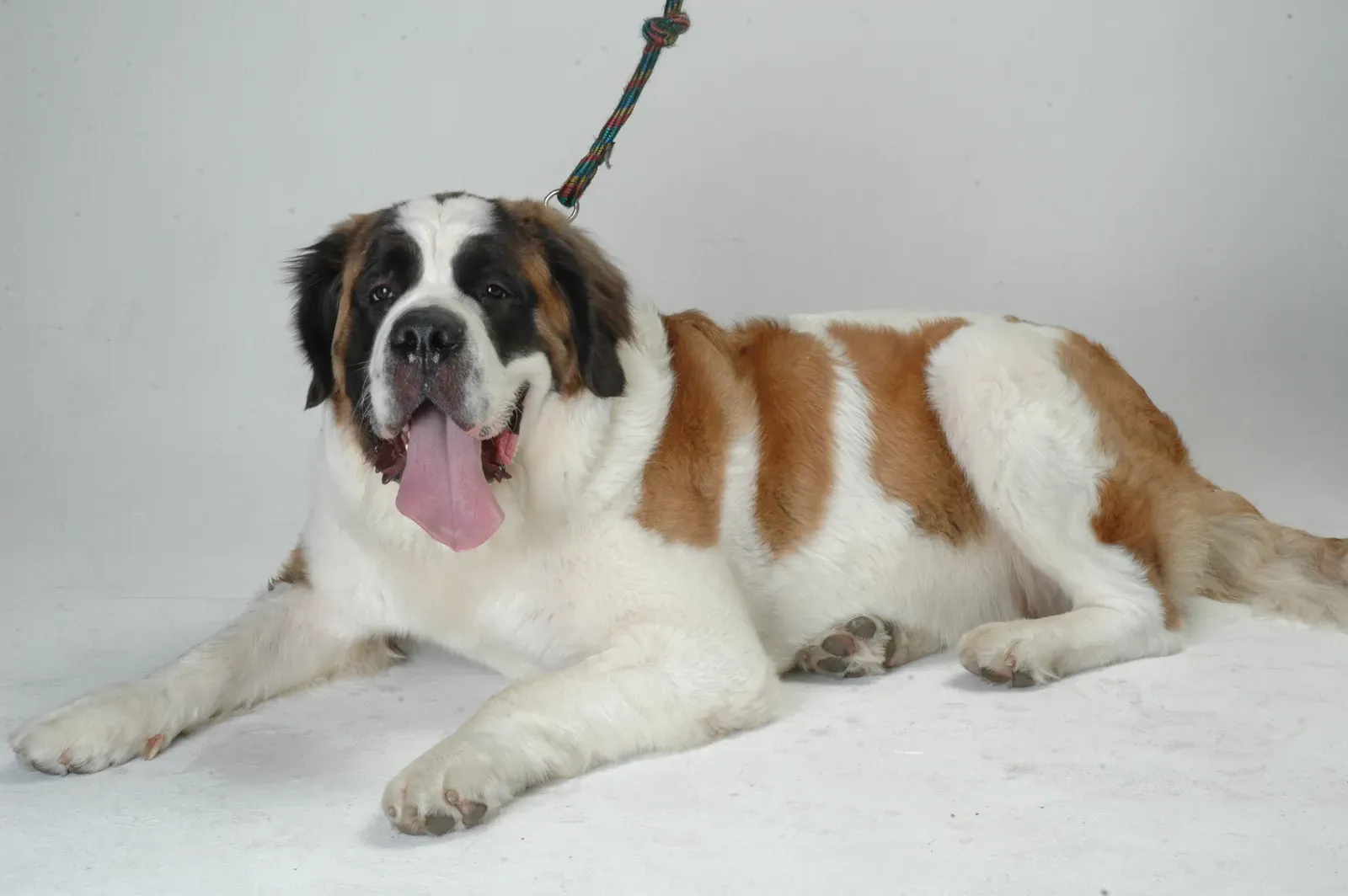
One of the most misunderstood stares is the heavy-eyed, half-dozing gaze from a dog that clearly needs sleep but won’t fully let go. It dozes, snaps awake, stares at you, scans the room. That’s a check-in: is it safe to shut down yet?
- Busy, chaotic households.
- Homes with unpredictable kids or guests.
- Multi-pet environments with underlying tension.
Dogs that never truly switch off around their humans often don’t trust the environment to run on autopilot – and that’s not always your fault, but it is your responsibility. Long term, that hypervigilance is exhausting and can bleed into reactivity elsewhere. A dog that can sleep deeply in your presence is actually paying you one of the highest compliments it has: you’re predictable, and predictable feels safe.
Until one has loved an animal, a part of one’s soul remains unawakened.
Anatole France
#13 – “I’m Saying Goodbye To This Moment”
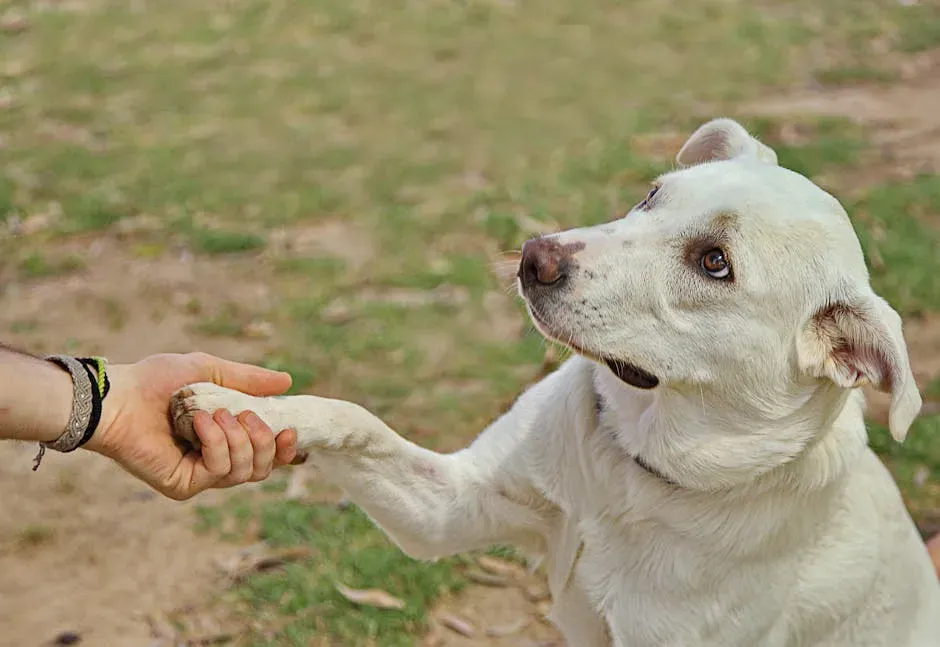
This one will divide people. Many owners swear that during big, emotionally loaded moments – moving house, leaving for a long trip, end-of-life goodbyes – their dog locks eyes in a way that feels distinctly different. Science can’t fully explain it, but we do know dogs are hyper-sensitive to packed bags, routine breaks, and shifts in a room’s emotional weather.
- Longer-than-usual stares during big life transitions.
- Quiet, still eye contact without the usual wagging or fidgeting.
- A sense your dog is deliberately “taking you in.”
Is some of this projection? Probably, partly. But dismissing it entirely is lazy. Dogs absolutely recognize departures, absences, and reunions, whether or not they grasp the full story behind them. That locked gaze is often the last clear “snapshot” before something changes – and owners who’ve sat through it in a vet’s waiting room, or at the end of a leash before a long deployment, rarely forget it.
#14 – “I’m Waiting To See Who You Really Are”
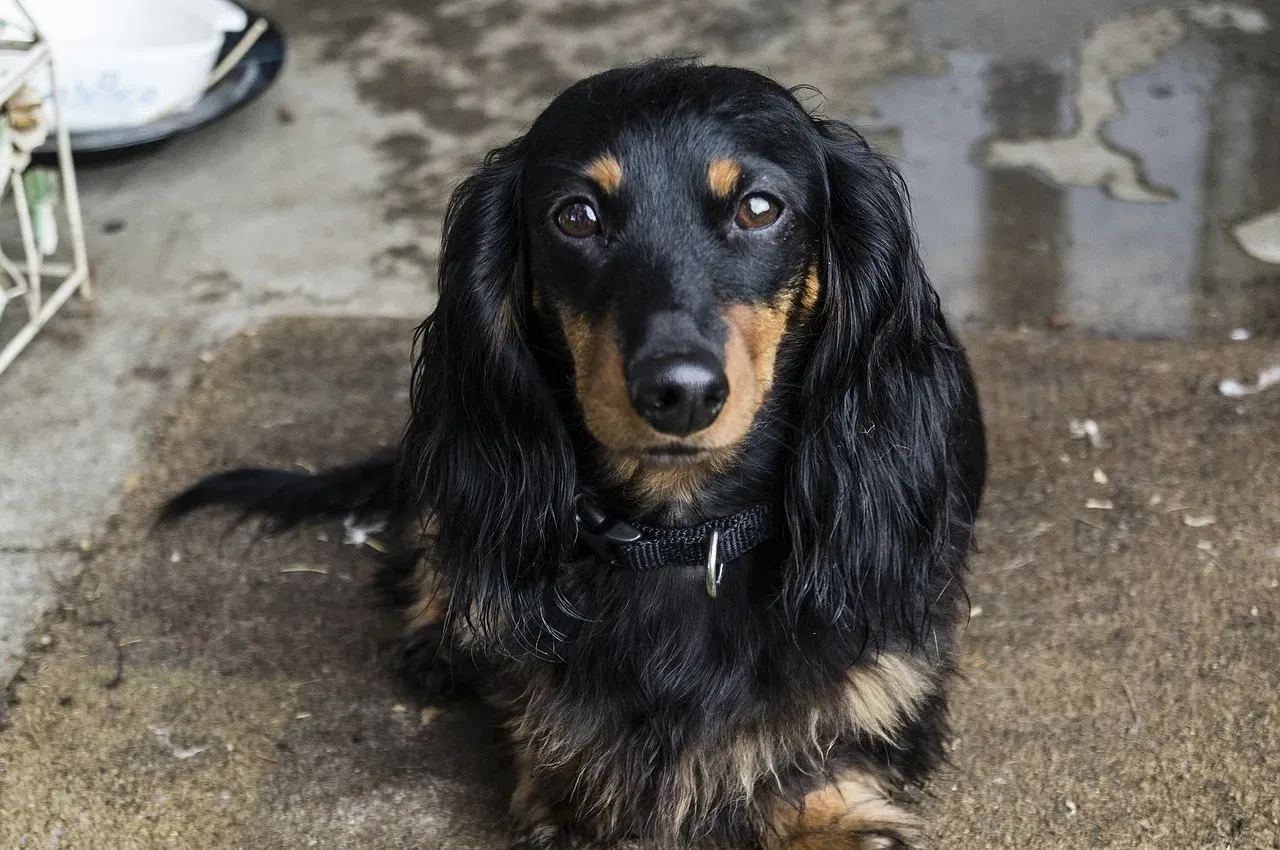
Here’s the uncomfortable one: your dog watches you more critically than you watch it. Every time it locks eyes, especially in new or tense situations, it’s quietly collecting data. Are you calm or explosive? Fair or unpredictable? Gentle or rough when things go wrong? Over months and years, that data turns into a story your dog tells itself about exactly who you are.
- You raise your voice – does your dog flinch and freeze, or stay loose and relaxed?
- A stranger approaches – does your dog check in with you, or step in front to shield you?
- You make a mistake, step on a paw, trip the leash – does your dog forgive fast, or stay tense?
That stare isn’t just communication. It’s an ongoing evaluation. Dogs don’t care about your job, your politics, or your follower count. They care about patterns – how you treat them, how you handle frustration, whether you repair things when you mess up. Your dog already has an answer to the question “can I trust you with my whole life?” The only thing left to figure out is whether you’d like that answer if you heard it out loud.
The Bottom Line
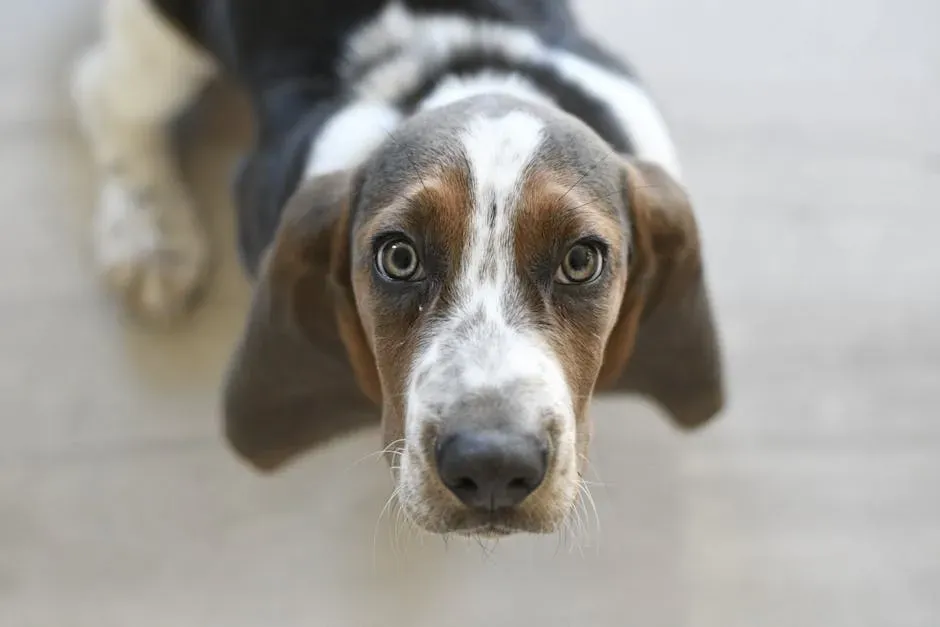
When your dog locks eyes with you, it’s not a blank screen. It’s a full language most people never bother to learn. Sometimes that gaze says “you’re my home.” Other times it’s quietly screaming “I’m confused,” “I’m bored,” or “I’m not okay.”
We like to romanticize eye contact as pure devotion, but the truth is messier and, honestly, more interesting: it’s love, yes, but it’s also negotiation, testing, and tiny requests for leadership. If all you ever see is devotion, you’re missing most of the conversation.
The uncomfortable part? Your dog is studying you far more carefully than you’re studying it. Every stare is a small mirror – of your consistency, your temper, your patience on a bad day. So which one hit closest to home? Tell us which silent message you catch most often in your own dog’s eyes.