
14 Quiet Ways Your Dog Says Sorry After It Knows It Did Wrong
You yell. Your dog freezes, drops its head, and creeps toward you like it’s tiptoeing through a minefield. Most people call this “the guilty look” and leave it at that. Case closed, dog feels bad, moving on.
Except that’s not what’s actually happening. Behaviorists say your dog isn’t capable of guilt the way you feel it – but it is running a full, deliberate repair operation on your relationship, using signals so subtle most owners never clock them. Once you know what to look for, you’ll realize your dog has been apologizing to you for years, and you just weren’t fluent in the language.
#14 – The Slow, Nervous Approach
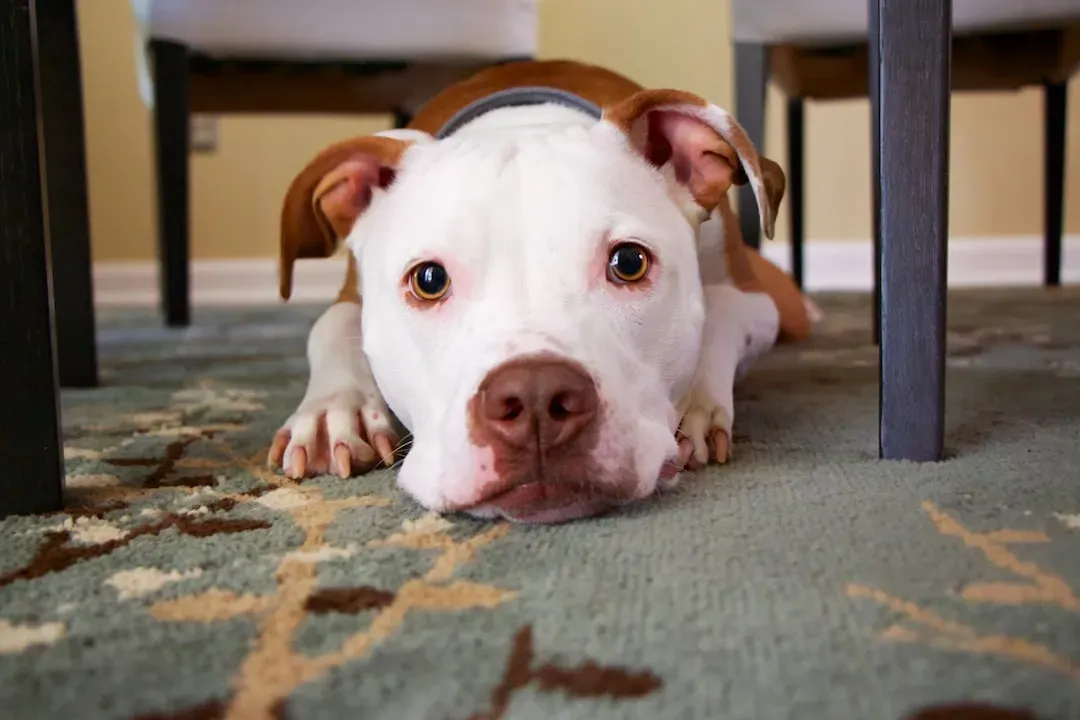
When your dog knows it messed up, it doesn’t come barreling back like nothing happened. Instead, it creeps toward you slowly, head low, eyes soft, like it’s asking permission just to be near you again.
That hesitant walk is a peace offering, not stubbornness. Dogs read your tone and posture constantly, and if you’re stiff or quiet, they feel the tension and respond with caution instead of confidence.
- Slower, smaller steps than usual
- Tail low but still gently wagging
That combination usually means, “I know something’s off – can we fix it?” A lot of owners push the dog away in this exact moment, which only confuses it more. This slow creep is often your dog’s very first attempt at saying sorry.
#13 – The Classic “Guilty” Puppy Eyes
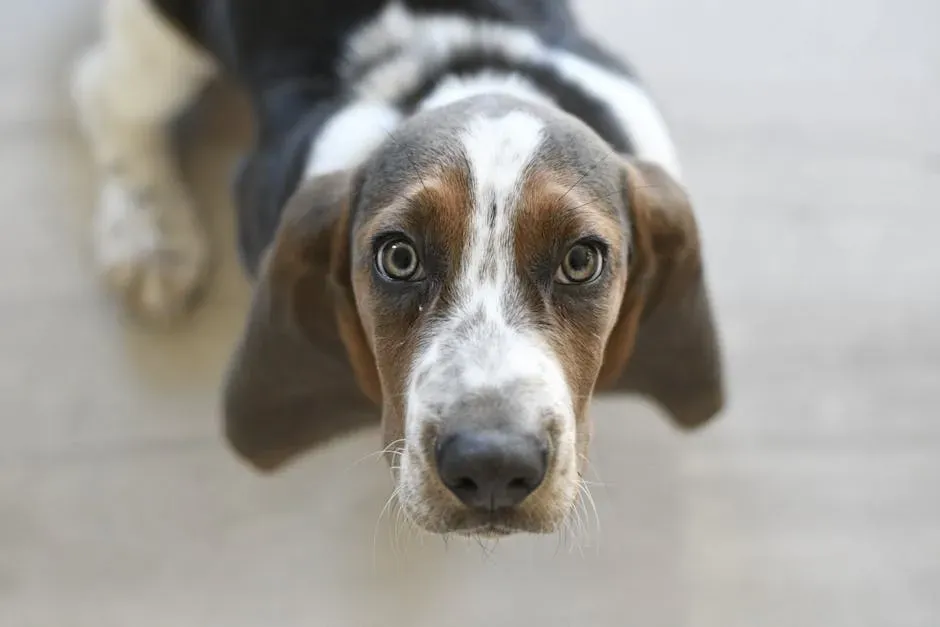
Everyone assumes the guilty look means shame. Science says it’s really about reading your reaction, not confessing a crime – but that doesn’t make it meaningless.
When your dog gives you those huge, round, soft eyes after a scolding, it’s running a built-in survival strategy: please don’t stay mad at me. Dogs learn early that this expression softens people, and they use it on purpose.
- Eyebrows raised slightly
- Blinking more than usual
- Head turned slightly away, eyes still locked on you
“it is a response to owner cues, rather than that it shows an appreciation of a misdeed.”
Alexandra Horowitz, canine cognition researcher
It’s not just cute – it’s appeasement in real time. Some trainers say to ignore it completely, but many behaviorists argue that calmly resetting the mood once you see this look helps your dog feel safe enough to relax.
#12 – The Sudden “Velcro Dog” Phase
Ever notice your dog turning into your shadow right after getting in trouble? Following you room to room, lying on your feet, leaning its full weight into your leg?
That clinginess is often a quiet apology: I know you’re upset, and I still want to be close to you. Dogs are deeply social animals, and distance from their person can feel like its own punishment.
- Unusual following behavior, room to room
- Lying closer than normal, almost glued to your side
This isn’t neediness for no reason – it’s a repair attempt. Your dog is quietly checking, are we okay, do you still accept me in your space? Pushing them away repeatedly here can actually increase anxiety and future misbehavior, which is the opposite of what most owners want.
#11 – Offering a Favorite Toy as a Peace Offering
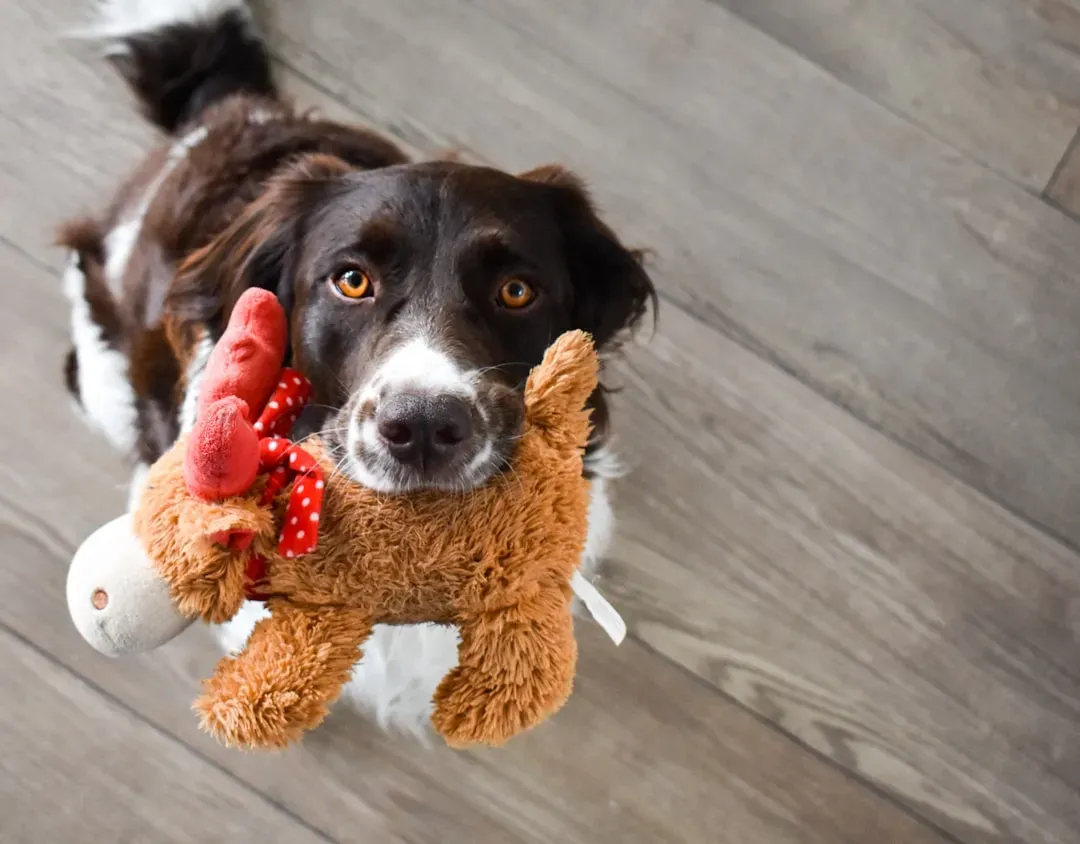
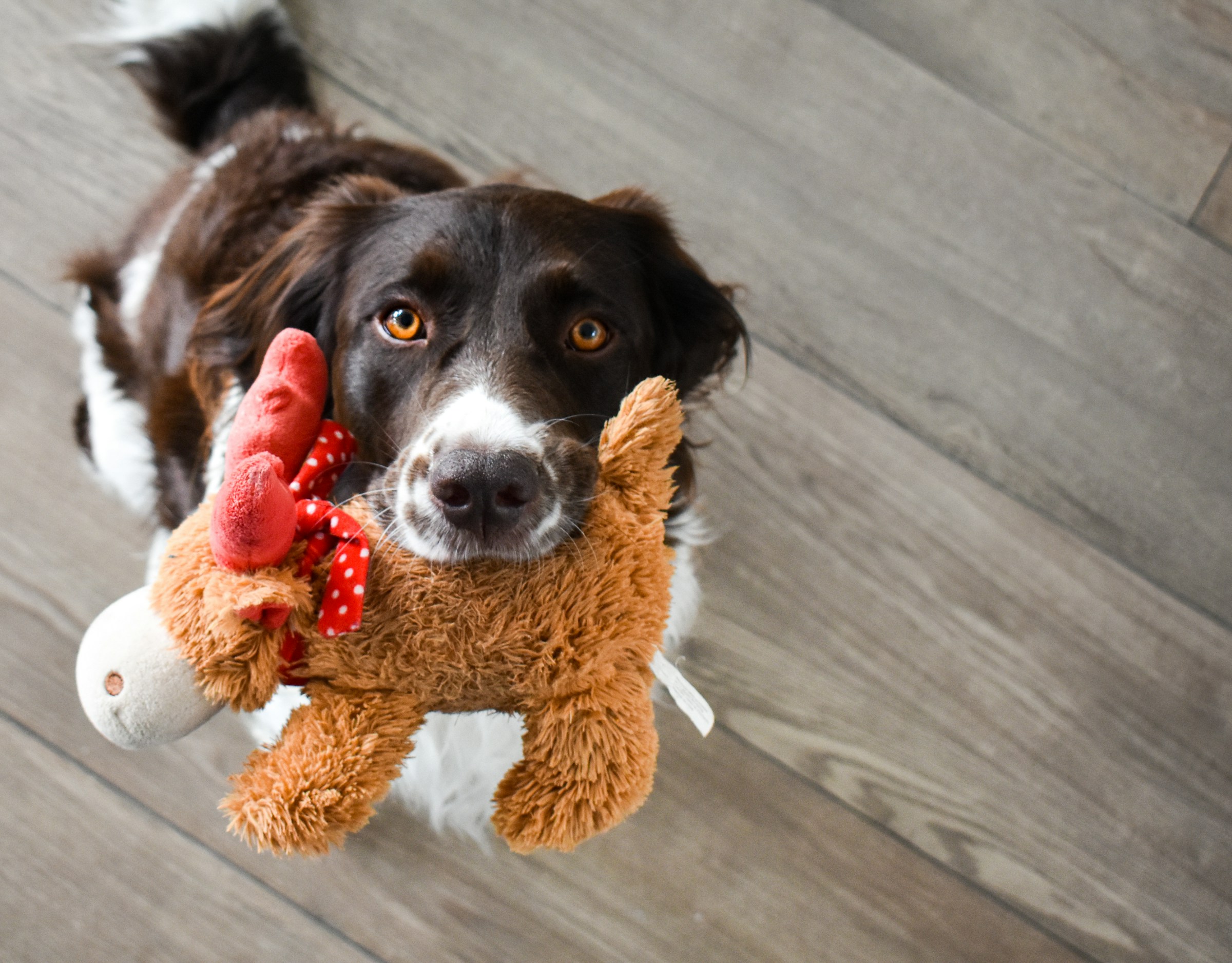
Some dogs do something oddly human after getting scolded – they grab a favorite toy and carry it straight to you, almost like a gift.
When a dog sacrifices something it treasures during a tense moment, that’s a massive social gesture. In dog language, sharing resources is a big deal, and the message is essentially, here, take something important to me, can we be friends again?
- Happens almost immediately after you raise your voice
- Shows up especially when you’re clearly ignoring them
They might nudge the toy into your leg or drop it in your lap, then back away slightly to watch your face. Some trainers wave this off as “redirected play,” but plenty of owners notice the same pattern: it only happens when emotions are running high.
#10 – The Hard-to-Miss Submissive Grin
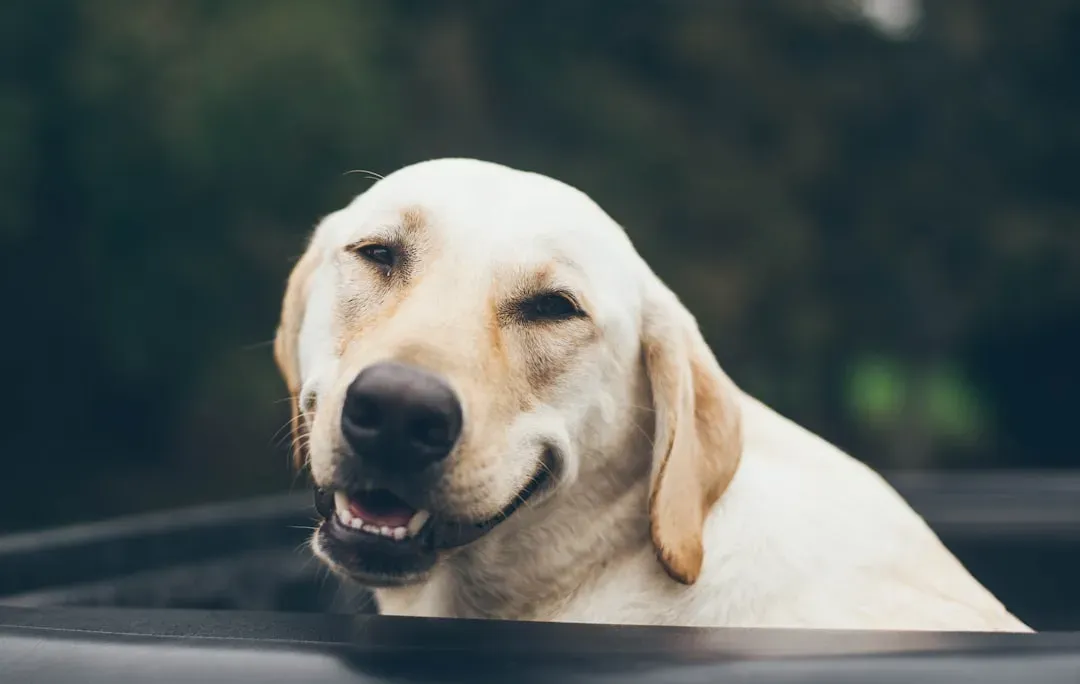
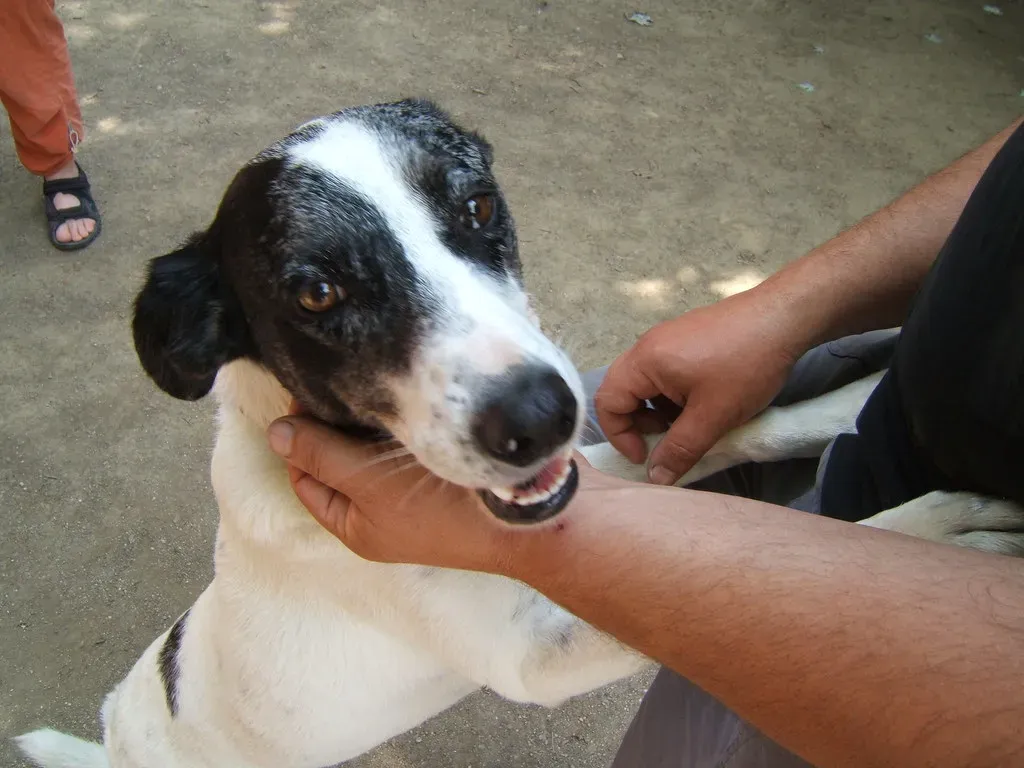
This one starts arguments in every comment section. Some dogs pull their lips back, show their front teeth, and wag low – and it genuinely looks like a nervous, goofy smile.
For many dogs, this submissive grin is a desperate, awkward apology – the canine version of “I come in peace, please don’t be mad.” It’s easy to confuse with aggression if you don’t know the tells.
- Soft eyes, no hard stare
- Loose body, wiggly rear end
- Tail wagging freely, not held stiff
Quick Compare
- Submissive grin: lips pulled back, soft eyes, low wagging tail, wiggly body
- Aggressive snarl: lips pulled back, hard stare, stiff body, tail high and rigid
- Fear-based freeze: whale-eye stare, frozen posture, tail tucked tight against the body
Some vets frame it as pure appeasement, nothing more, but owners consistently report it showing up right after their dog knows it broke a rule. Calling it “just being silly” ignores the context – this is a dog trying hard to shut down any possible conflict.
#9 – Avoiding Your Eyes but Refusing to Leave the Room
Here’s a sneaky one most people completely misread. Your dog won’t meet your gaze after doing something wrong – head turned away, eyes glancing sideways – yet it doesn’t actually leave.
That combination of “I’m here, but I can’t look at you” is textbook canine appeasement. They’re not being defiant; they’re being careful, because in dog language a direct stare can read as a challenge.
- Lies near you, but angled slightly away
- Ears held slightly back, body quiet and a little tense
So instead of a face-to-face standoff, they offer you their side. Many owners wrongly read this as the dog “not caring.” In reality, it’s a polite, nonverbal version of, can we please not fight?
#8 – The Sudden Yawn and Big Sigh
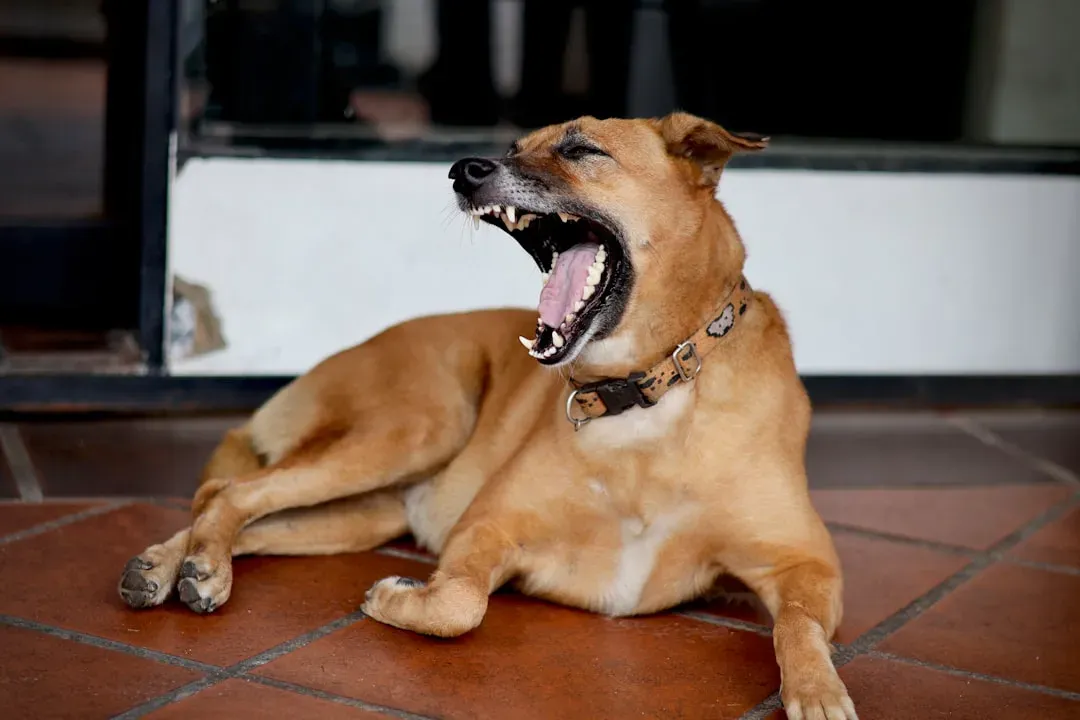
Nothing sparks debate like this one. Your dog knocks over the trash, gets scolded, and then yawns or lets out a heavy sigh – and most owners assume the dog is bored or doesn’t take it seriously.
In reality, yawning and sighing in tense moments are classic calming signals. Your dog is actively trying to lower the emotional temperature in the room, for both of you, not brushing off the conflict.
- “I’m stressed, but I’m not a threat”
- “Can we relax now?”
Worth Knowing
- Norwegian trainer Turid Rugaas coined the term “calming signals” for these de-escalation behaviors
- Puppies are thought to start yawning as a calming signal within hours of birth
- More than 30 documented calming signals exist, including lip-licking, sniffing, and turning away
A slow yawn followed by a heavy exhale is often the nervous system resetting itself in real time – an almost invisible apology wrapped inside a stress response. If it only shows up during or after conflict, that’s your dog quietly asking for the argument to be over.
#7 – Rolling Over and Exposing the Belly
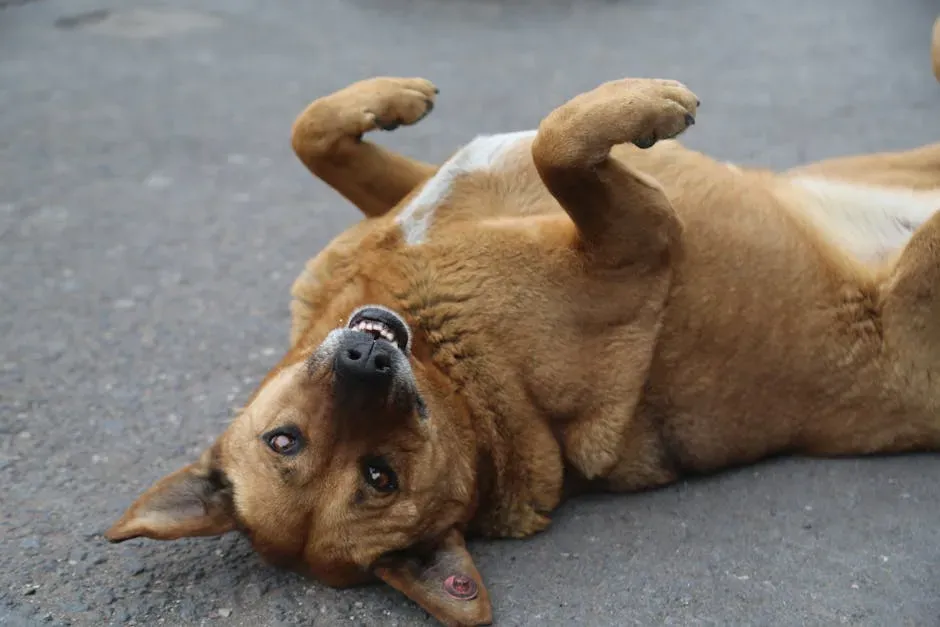
Most people think a belly-up dog just wants a rub. Context says otherwise.
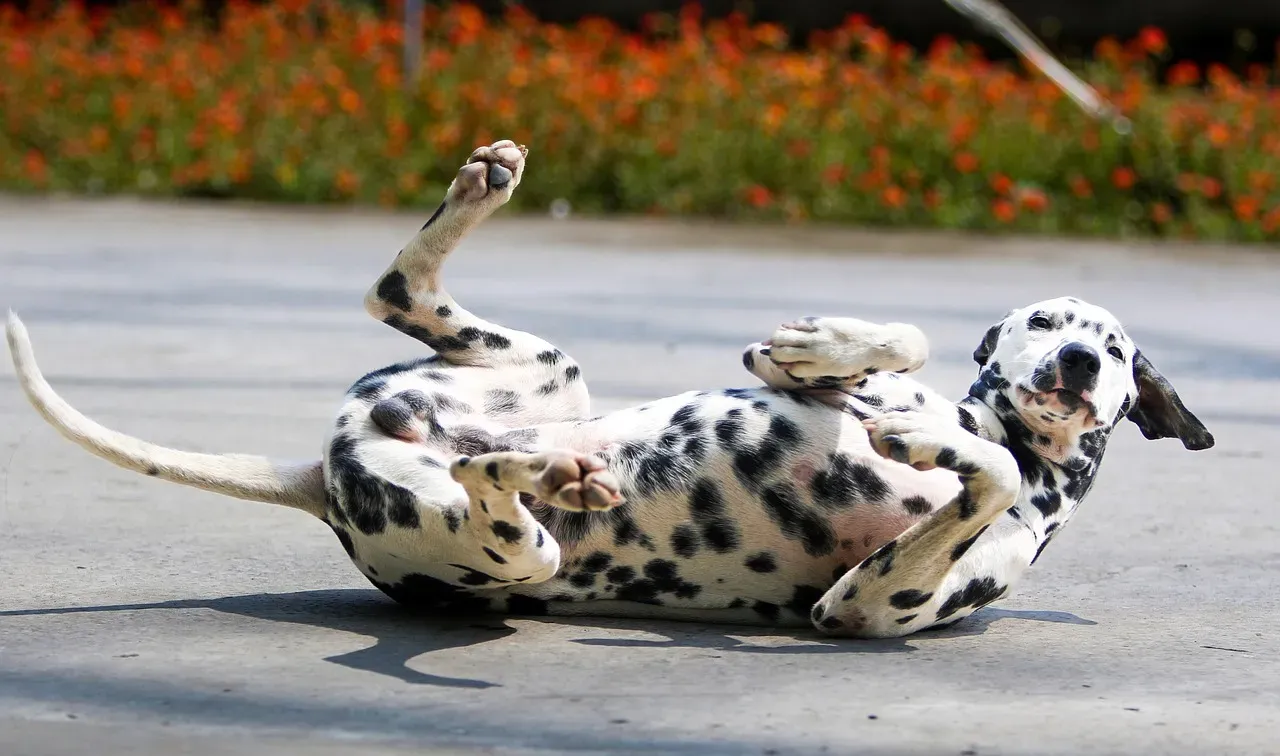
If your dog rolls onto its back right after being caught in the act, that’s not a request for tummy scratches – it’s a classic submission pose, one of the clearest “you win” signals a dog can offer.
- Ears pinned back
- Tail tucked or lightly wagging
- Body loose, paws bent, maybe licking the air
They’re not inviting a wrestling match. They’re saying, you’re in charge, please don’t be mad anymore. Constantly punishing a dog that offers its belly can actually teach it to stop sending these repair signals altogether and skip straight to anxiety instead.
#6 – The Gentle Face Licks (Apology Kisses)
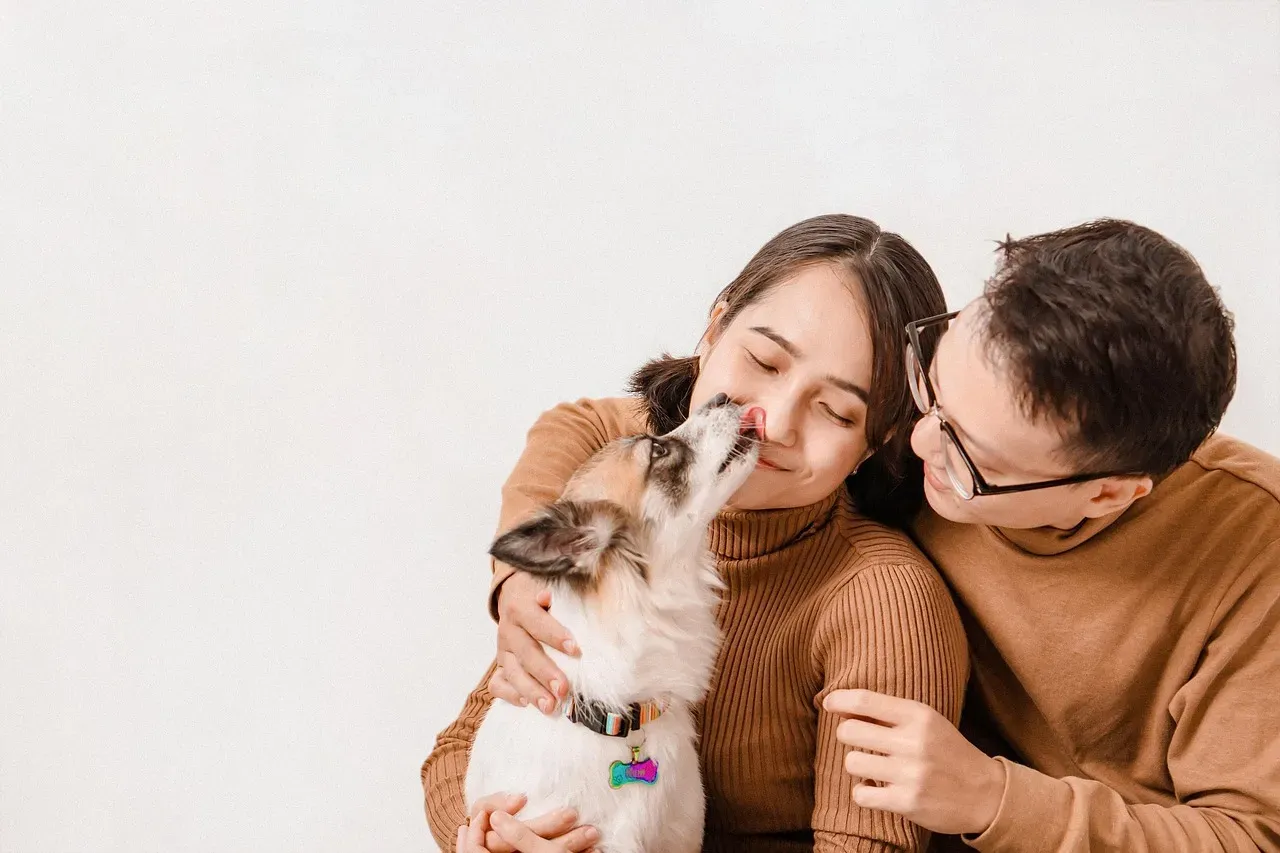
If your dog crawls up gently and licks your chin, nose, or hand after being corrected, that’s not random affection kicking in.
In dog and wolf behavior, muzzle licking is a classic appeasement and bonding gesture – the canine equivalent of, “we’re still good, right?”
- Shows up as your tone softens but the energy is still tense
- Often appears the moment you finally sit down after being upset
These aren’t the wild, frantic licks of an excited greeting. They’re slow and careful, usually paired with soft eyes and low ears – a tiny behavioral handshake that says no hard feelings.
#5 – Quietly Retreating to Their Bed or “Safe Spot”
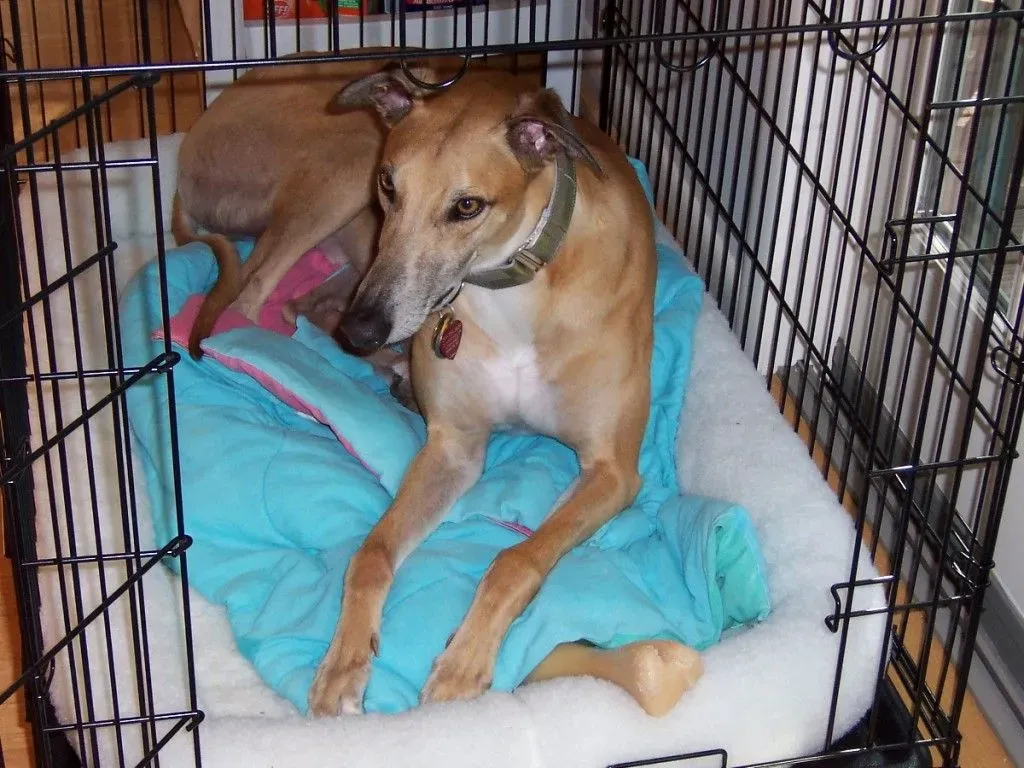
Here’s where opinions really split. Your dog gets yelled at for destroying something, then quietly disappears to its crate, corner, or favorite bed. “See, it knows what it did,” some owners say. “It’s just scared,” others insist.
The more accurate read is that retreating to a safe spot is a mix of self-soothing and non-confrontational apology. Walking away calmly, without theatrics, can mean “I accept you’re upset” and “I’ll remove myself so we don’t clash.”
- “I accept you’re upset.”
- “I’ll give us both space.”
The key detail is the mood – a slow walk, no tantrum, no barking. That’s a respectful withdrawal, not a slammed door. If they peek out or watch you from a distance, they’re checking whether the emotional storm has passed – a quiet, “I’ll be over here until you’re ready.”
#4 – The Extra-Polite Obedience Right After
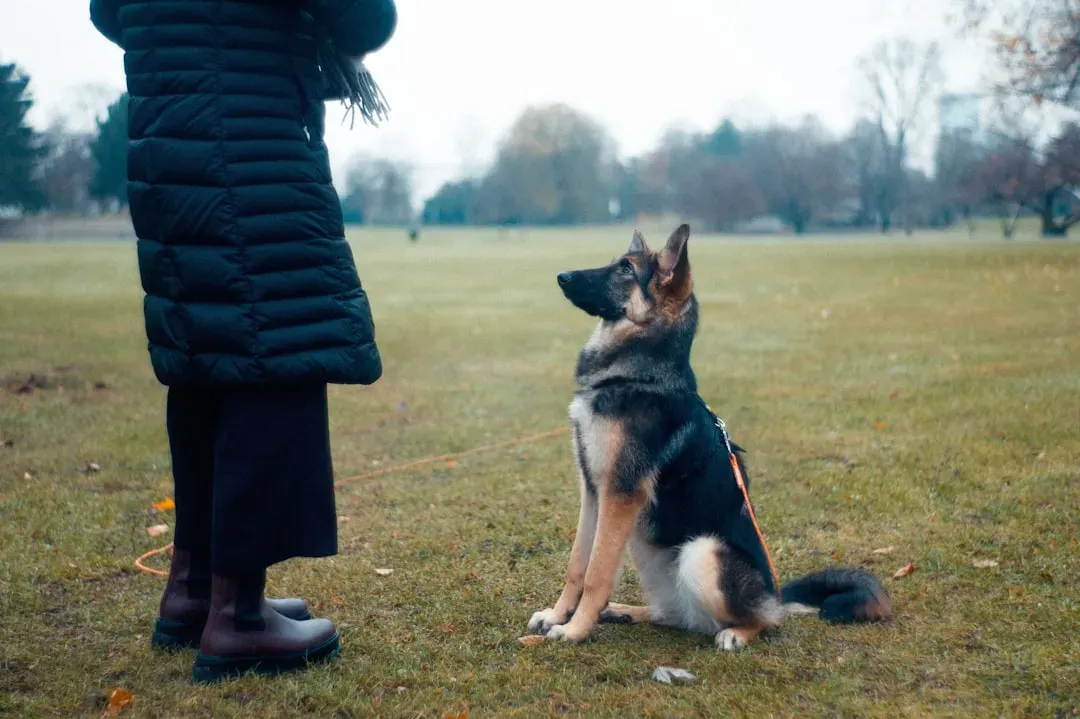
You tell your dog off for counter-surfing, and five minutes later it’s suddenly the best-behaved dog on earth. Every sit is instant. Every recall is perfect. It hovers, waiting for instructions.
That over-obedient phase is often a repair strategy, not a sudden training breakthrough. Your dog is actively working to earn your approval back, using the exact tools it knows will do the job.
- Faster response to known cues
- Sitting or lying down without being asked
- Watching your face closely for the smallest signals
At a Glance
- Reward the calm return to obedience with praise, not suspicion
- Avoid re-scolding for the original mistake once your dog has settled
- Keep corrections brief and immediate, not delayed lectures minutes later
- Consistency, not intensity, is what actually changes future behavior
Dogs are reinforcement detectives – they know your praise feels good and your anger feels bad, so right after conflict they fall back on whatever historically makes you happiest. Some trainers call this opportunistic. That’s exactly the point: it’s a thoughtful, doggy version of “let me show you I can be good.”
#3 – Bringing You the “Crime Scene” Item
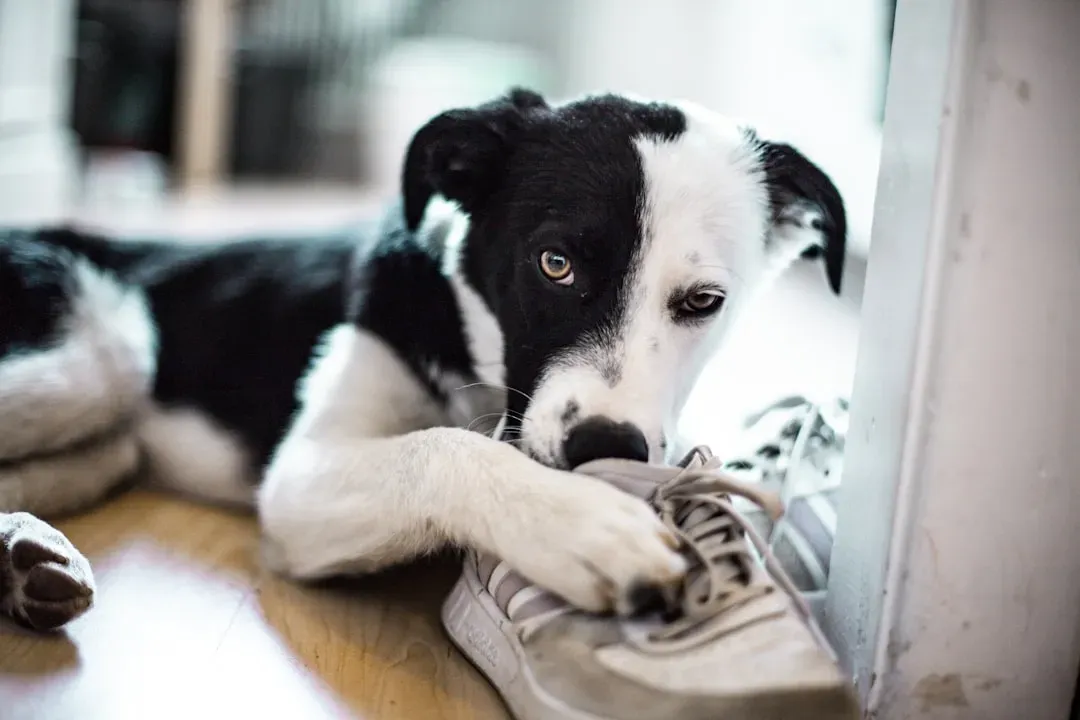
This one genuinely shocks people. Some dogs will pick up the very thing they weren’t supposed to touch – a chewed shoe, a stolen sock – and carry it straight to you, tail low, ears back.
It looks like a confession, and in a way, it is. Your dog isn’t admitting guilt like a human would, but it’s clearly trying to address the source of the tension between you.
- It knows that object is linked to your anger.
- Bringing it to you is a strange compromise: “here, take it back, can we stop being upset now?”
Many owners misread this as the dog “bragging” about the damage. In reality, the body language usually screams appeasement – by presenting the object and then backing off, they’re trying to close the emotional loop, even without understanding shoes or human rules.
#2 – The Quiet Tail-Under, Butt-Wiggle Approach
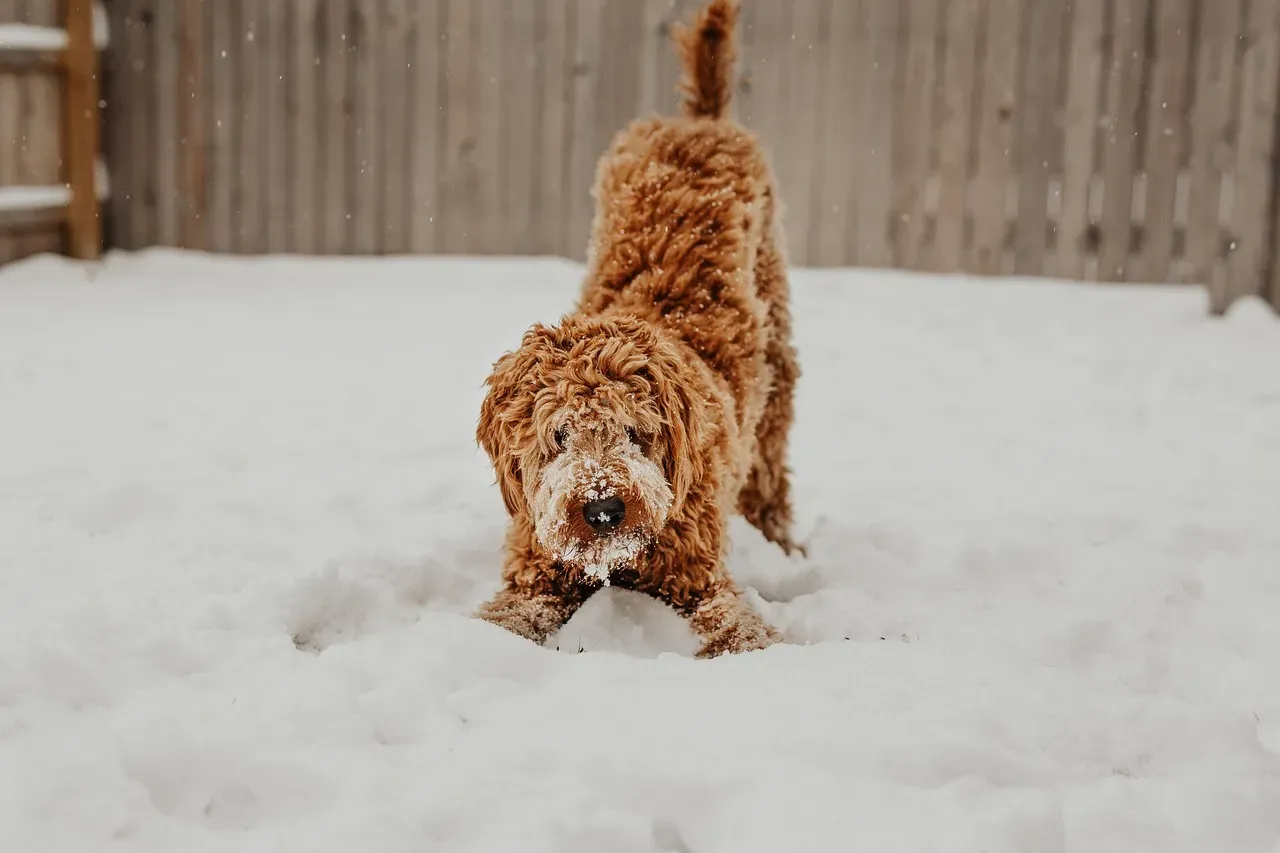
This is one of the most heartbreakingly honest apologies a dog gives. They inch toward you with the tail low or slightly tucked – but still moving. The back end wiggles cautiously while the front end stays low.
That split signal, tail low but wagging, is pure emotional conflict: “I’m nervous, but I really want us to be okay.” It’s your dog literally holding two feelings at once and showing you both.
- Head slightly down, almost a mini bow
- Soft eyes, blinking, no hard stare
- Body curved, not straight and stiff
In dog social language, curves and wiggles are calming and friendly. Your dog is literally bending its body around your anger, trying to keep things light without pretending nothing happened. Some people read the wag as “the dog doesn’t care” – they’re just not reading where the tail actually sits.
#1 – Staying Near You Even When It’s Clearly Scared
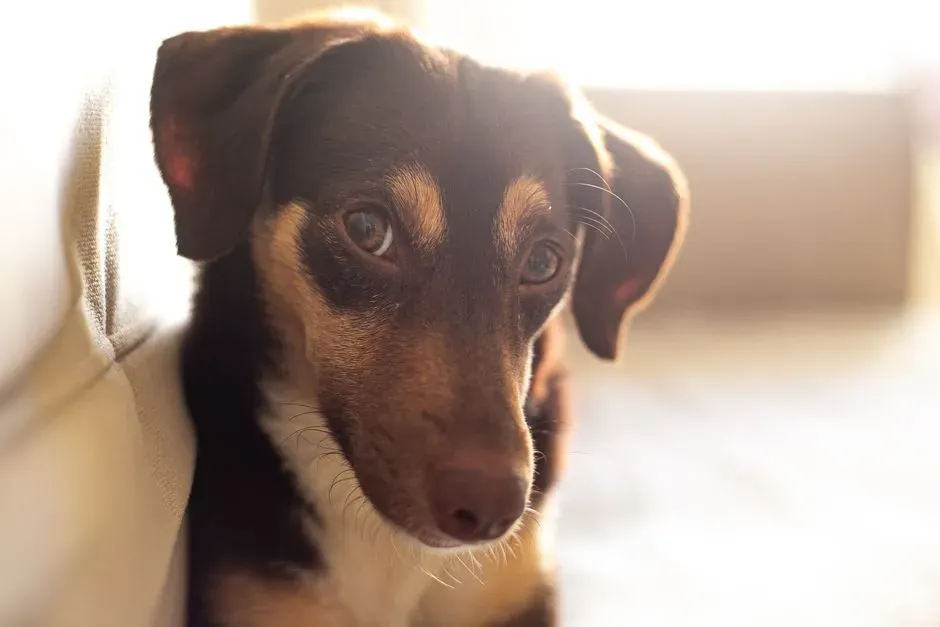
The most powerful “I’m sorry” a dog can offer isn’t dramatic at all. It’s what happens when your dog is genuinely stressed by your reaction – ears back, tail low, maybe even trembling – and it still chooses to stay close instead of hiding.
When a frightened dog elects to remain in your space, that’s the deepest loyalty and apology you’ll ever get from it. It could run to another room. It could avoid you completely. Instead, it stays.
- Hovers a few feet away, watching carefully
- Lies down in the doorway where it can still see you
- Flinches a little at your movements, but doesn’t leave
That choice says, “you scare me a little right now, but you’re my person, and I want to fix this.” It’s not guilt in the human sense – it’s attachment. And if you miss that and keep unloading on them anyway, you’re punishing your dog for trusting you enough to stick around.
The Bottom Line
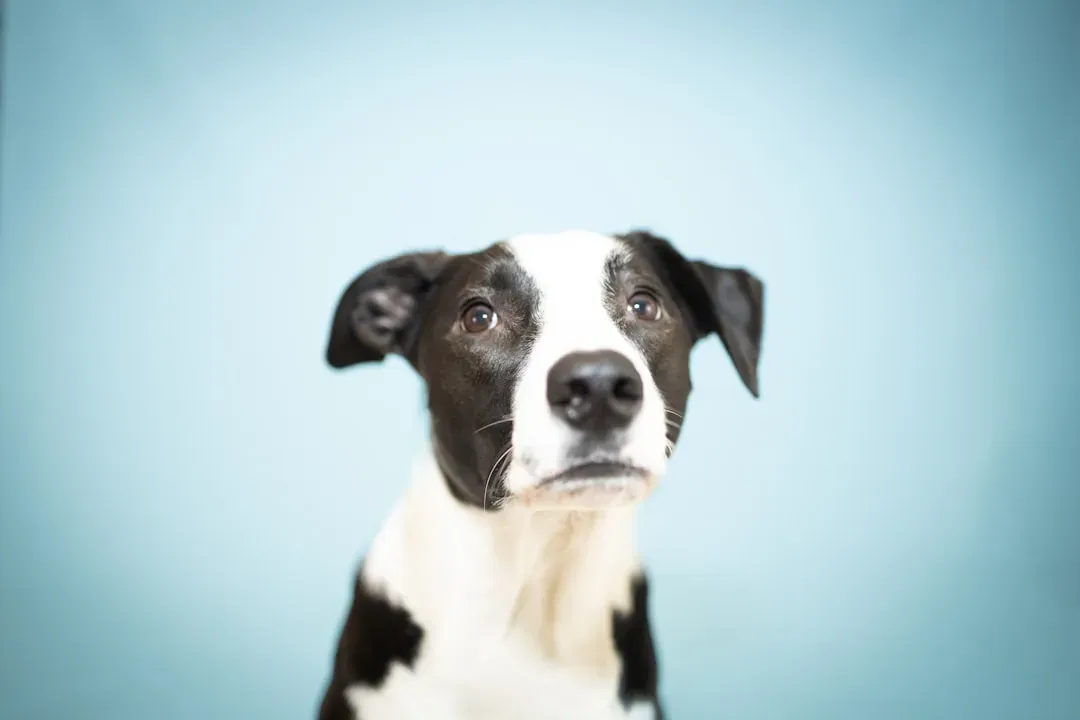
Dogs don’t write apology letters or give long speeches. They use bodies, eyes, tails, and distance – a whole vocabulary most of us were never taught to read.
The quiet truth most owners ignore is that those “guilty looks” and strange little rituals after a mistake are less about shame and more about a desperate effort to keep the bond intact. When you start reading them correctly, discipline stops being a shouting match and becomes a conversation.
Some people will still insist dogs don’t feel bad, they just react. That’s exactly the point – they react to you, to the relationship, to whether the two of you are still okay. If your dog is working this hard to repair things after every mistake, the least you can do is meet it halfway: calmer consequences, clearer training, and a little grace.
Which of these apology moves does your dog use – and which one did you completely misread until now? Tell us in the comments, and if we missed one, we want to hear it.