
Does Your Dog Really Remember You? 14 Signs It Never Forgot a Thing
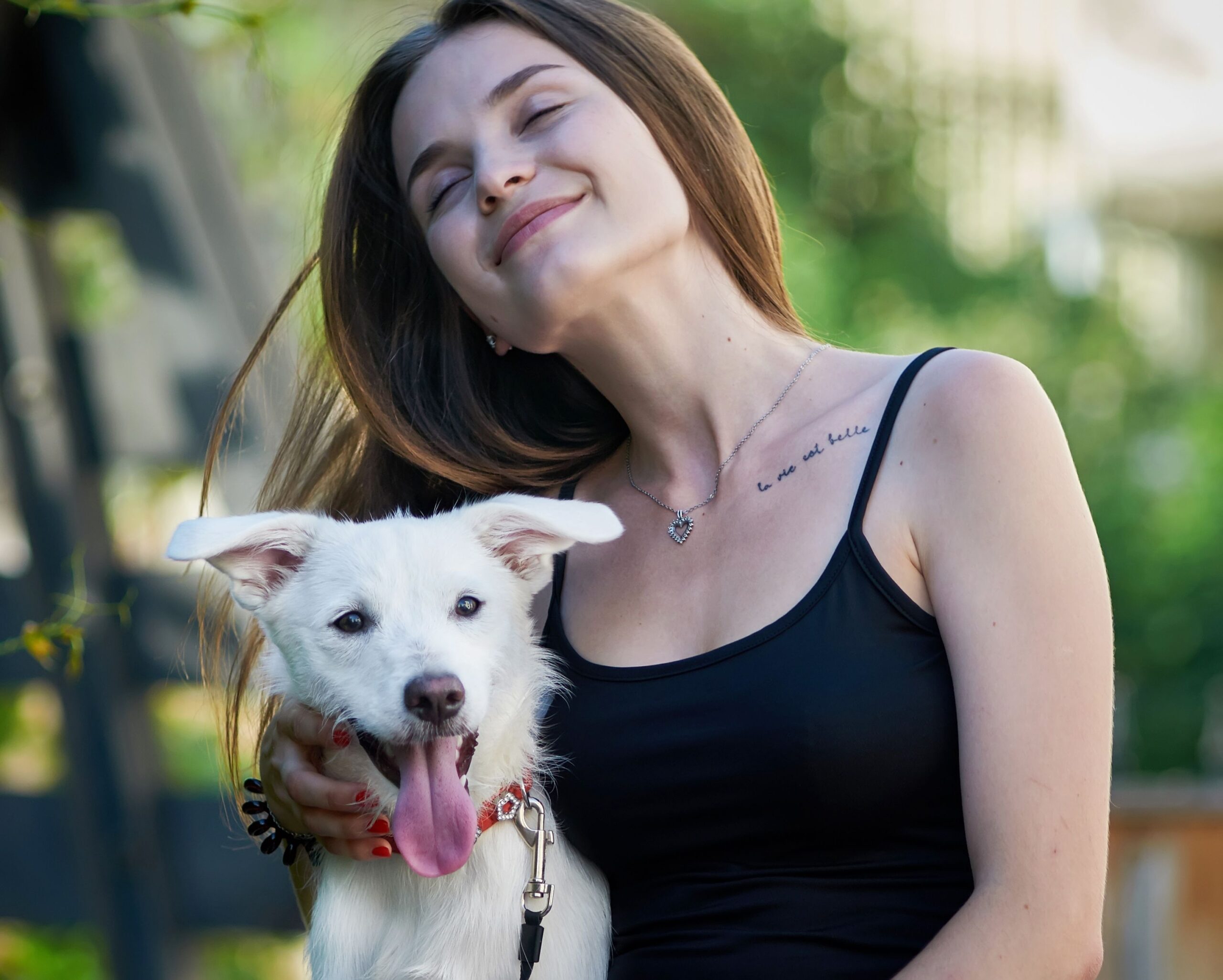
Here’s the story most people believe: dogs live entirely in the moment. No memory of yesterday, no anticipation of tomorrow, just tail wags and treats. Walk out the door for five minutes or five months, and supposedly it’s all the same to them.
Except that’s not what actually happens behind closed doors. Owners who’ve been gone for months come home to dogs that remember exact routines, exact spots, exact rituals – sometimes down to the specific path they used to run for fetch. Dogs don’t store memories the way we do, with names and faces. They store them in smell, sound, rhythm, and repetition. And once you know what to look for, you’ll start noticing your own dog doing it constantly. Here are 14 signs your dog has been quietly keeping score the whole time.
#1 – The “Explosion” Greeting After Time Apart
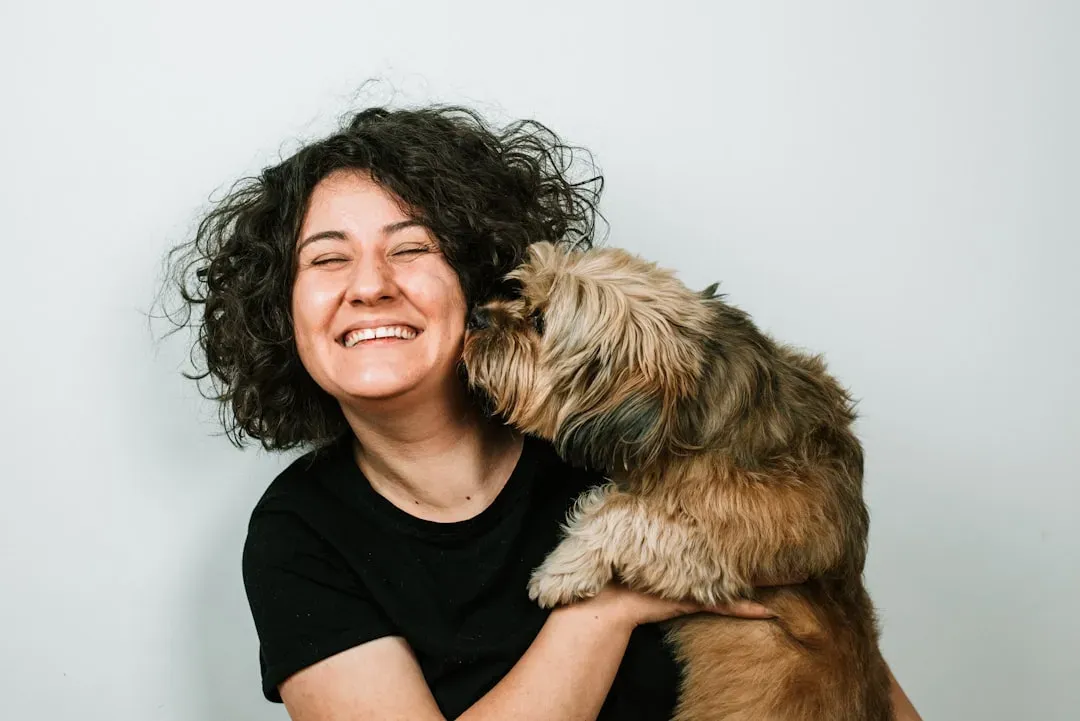
Your dog’s first hello after time apart is one of the clearest memory tests you’ll ever witness. If your dog practically detonates the second you walk in – jumping, whining, spinning, sprinting in frantic zoomies – that’s not just hype. It’s a recognition response built on months or years of stored emotional memory.
Research shows dogs respond differently to their owner’s scent and voice than they do to strangers, even without seeing them. Look closely and you’ll spot “you-specific” behaviors: a certain pitch of whine reserved only for you, a favorite toy they always grab first, the same exact path they run to reach you. Dogs don’t burn that kind of energy on people they don’t deeply associate with safety.
#2 – They Sleep Deeply Only When You’re Home
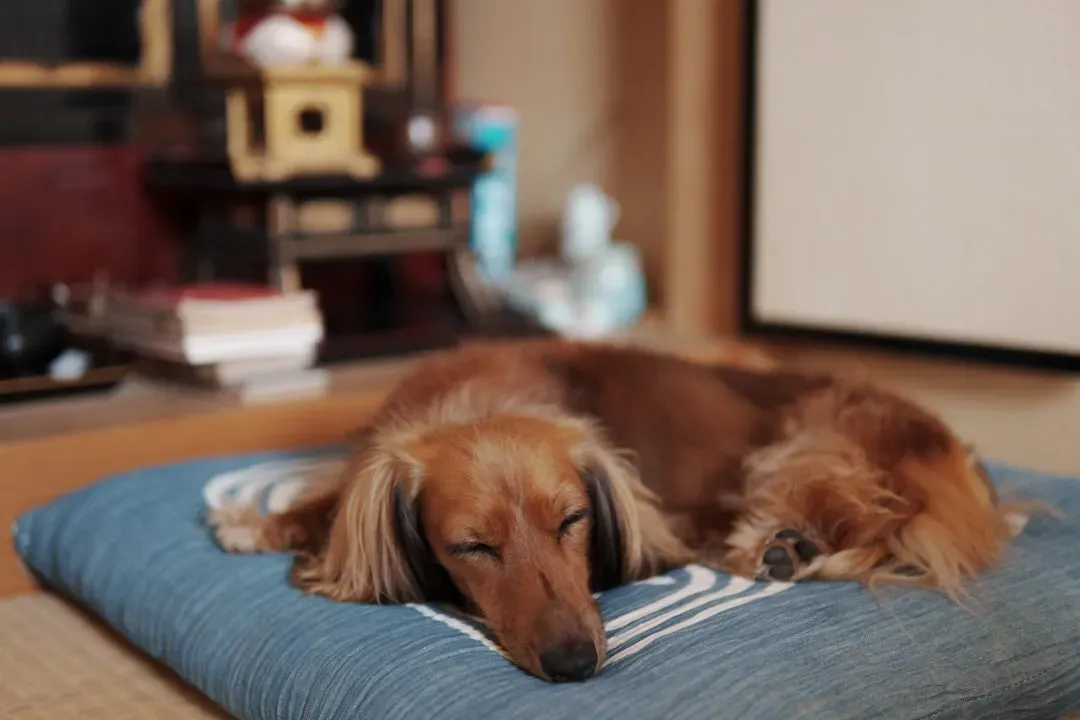
How your dog sleeps around you is a memory test too, and most owners never clock it. Many dogs stay on high alert when their main person is gone – light sleep, pacing, ears twitching at every sound. The second you’re home, their body actually lets go.
If your dog sprawls on their back, snores, or drops into deep, twitchy REM sleep near you, that’s remembered safety talking. It’s built on a long history of “nothing bad happens when this person is here,” logged deep in their nervous system. Some dogs even sync their naps to your habits, dozing off the second you sit at your desk or crashing the moment your nightly show comes on. That’s not a mood. That’s memory running quietly in the background.
Fast Facts
- Dogs typically sleep 12 to 14 hours a day, but the quality of that sleep changes drastically with stress
- Deep, twitchy REM sleep tends to show up only when a dog feels fully secure
- Separation-related stress can keep dogs stuck in lighter, more watchful sleep cycles
- Familiar scent and voice cues often help trigger that deeper, safer kind of rest
#3 – They React to Your Name Even When You’re Not There
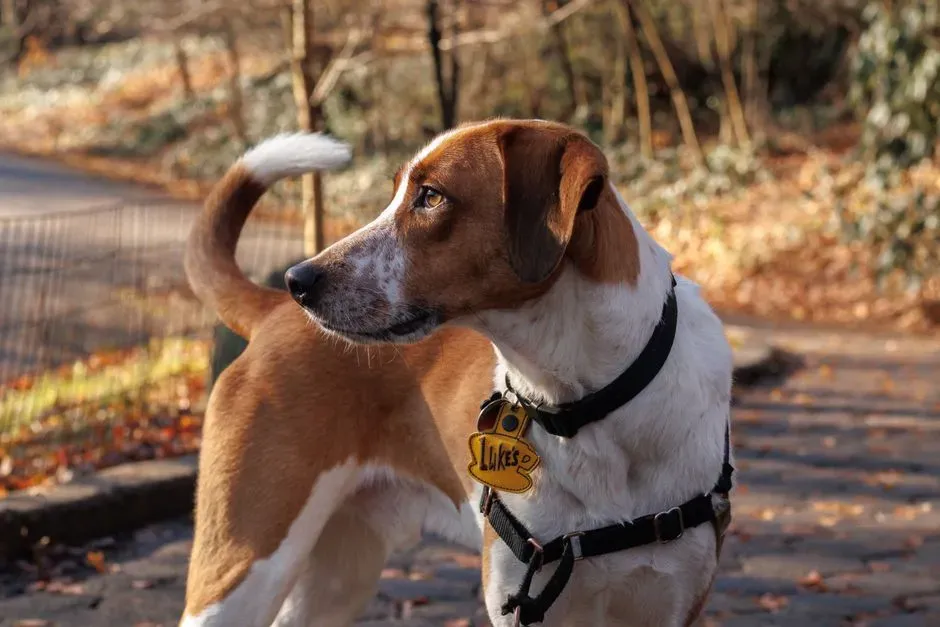
This one feels almost spooky once you notice it. Say your own name near your dog – “Is Sarah coming?” or “When’s Dad home?” If their ears perk, their head tilts, or they bolt for the door, they’re revealing a stored link between that sound and a specific person they care about.
Dogs don’t just respond to “walk” and “treat.” They build word maps that connect names to smells, routines, and feelings. Over time, your dog has heard your name in excited tones, in greetings, in phone calls. Their brain quietly filed that word under an entire emotional folder – feeding, playing, cuddling, leaving, coming back. Reacting to your name while you’re gone means they remember the whole package, not just the sound.
#4 – They Still Know Your Old Routines
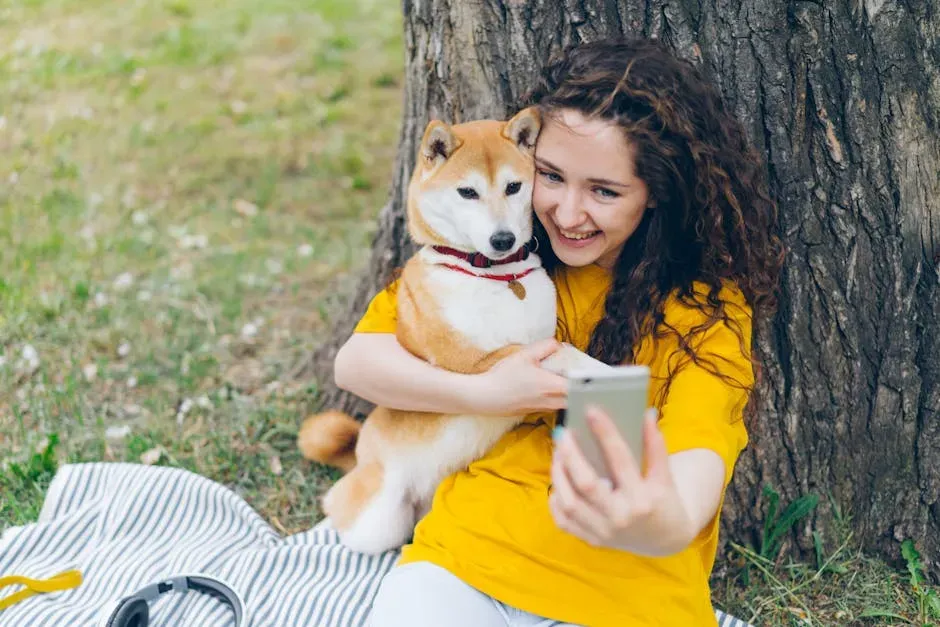
If your dog remembers habits from months or years ago, the “do dogs forget?” debate is basically over. Maybe you used to come home at 5:30 and take them out right away, but your schedule changed. Months later, right around 5:25, they’re still pacing by the door like clockwork.
Or you always grabbed the leash before coffee, and even after you moved houses, they still bolt to that same “pre-walk” spot the second you put your shoes on. That’s not short-term pattern spotting – that’s long-term routine memory anchored to you specifically. People report dogs snapping straight back into old rituals the moment they return after a long absence: waiting at the old car door, running to the corner where you used to play fetch, heading straight for the room where you used to work.
#5 – The “Signature” Happy Dance They Only Do for You
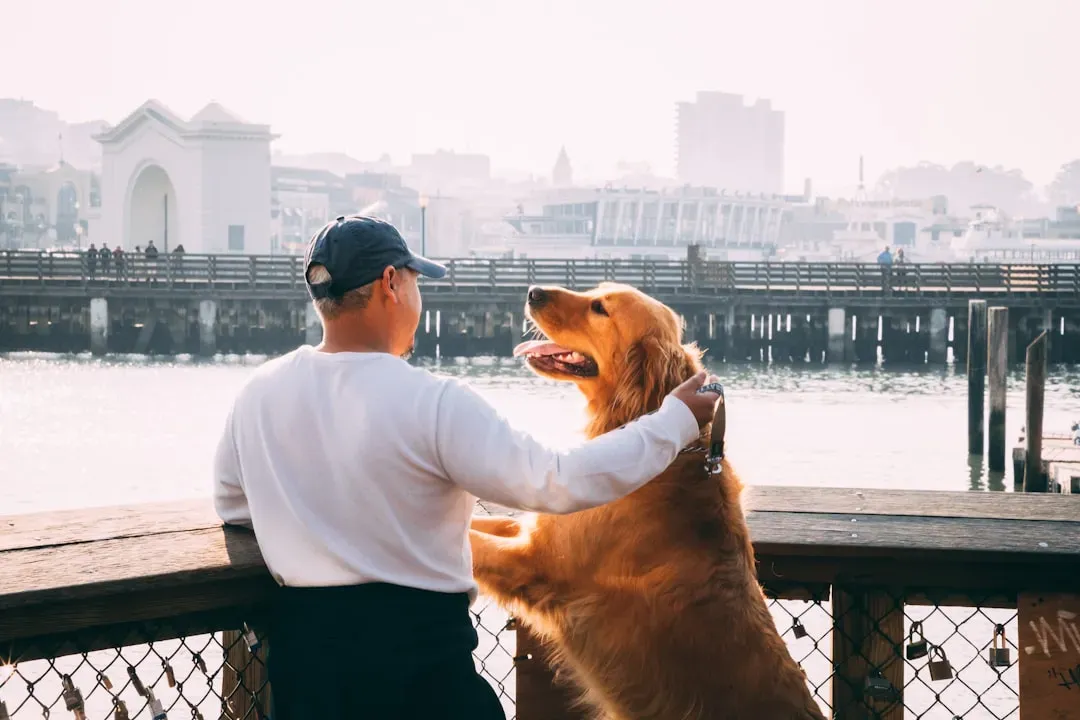
Not all tail wags are created equal, and this is where most people get it wrong. Your dog runs a whole social menu of greetings – polite tail swish for the neighbor, cautious sniffing for the delivery guy, and then the full-body meltdown reserved just for you.
If your dog has a specific, over-the-top routine only for you – a certain spin, a high-pitched bark, a toy-fetch-then-drop ritual – that’s a custom response wired to your unique memory file. Watch closely: do they do that same exact move for anyone else? Usually not, or only for one or two other people they deeply trust. That signature sequence is emotional shorthand for “my person is back, and everything good comes with them.”
#6 – They Recognize You From Far Away Before They Can Even See You
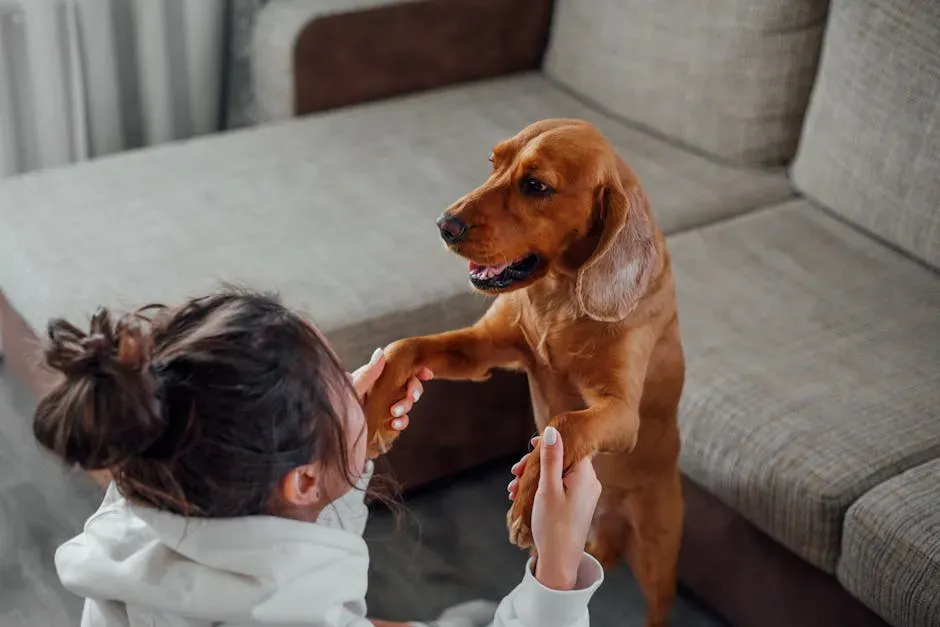
This is where memory and super-senses collide. Ever notice your dog racing to the window long before you pull into the driveway, or perking up on a crowded sidewalk before you’ve even waved? Dogs recognize their people by the sound of footsteps, the pattern of a specific car engine, and – most powerfully – scent carried on the wind.
That means your dog has logged all these signals over time and tied them specifically to you. Some dogs start spinning the moment they hear “your” car turn onto the street, before anyone else in the house even notices. Others suddenly pull toward a stranger in a crowded park – who turns out to be you – after catching a faint trace of your scent. Critics love to say dogs only “live now,” but this proves the opposite: they’re matching present cues to stored memories of a specific person.
Why It Stands Out
- A dog’s nose is estimated to be tens of thousands of times more sensitive than a human’s
- Dogs can hear frequencies far beyond human range, picking up footsteps and engine sounds early
- Scent can linger and travel on air currents well before a person comes into view
- Dogs blend sound, scent, and visual pattern recognition into one instant “it’s them” signal
#7 – They Remember Games and Commands You Haven’t Used in Ages
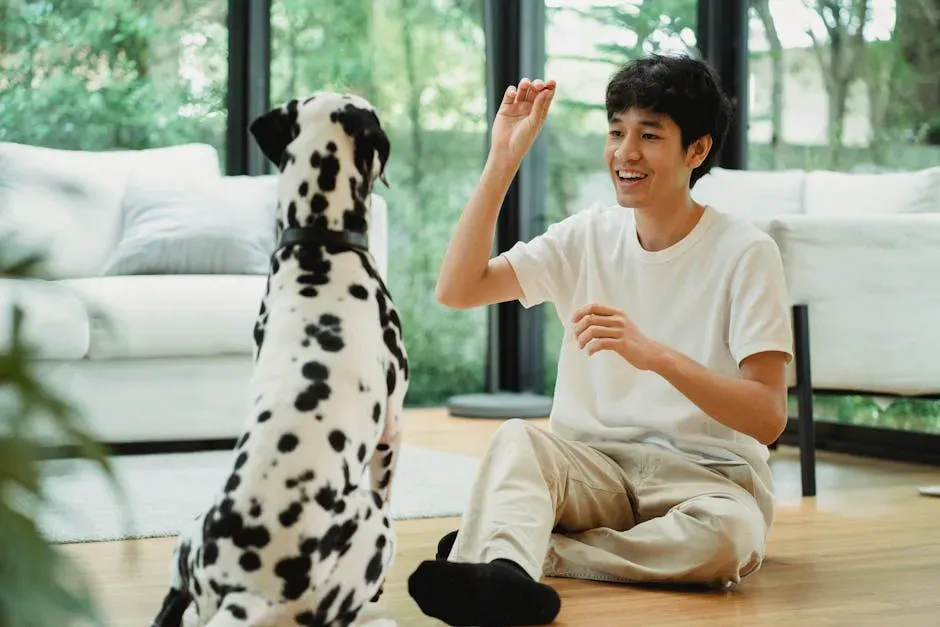
This is the one behaviorists quietly point to when the memory debate comes up. Maybe months ago you taught a silly trick – “spin,” “boop,” “paw-paw” – and then life got busy and you forgot all about it. Out of nowhere you say it again, and they nail it instantly.
It’s not just the word they remember; it’s your voice, your body language, your specific energy, all archived together as one package. Dogs often perform differently when you give the cue versus when someone else does – faster, more enthusiastic, more locked in. That’s not just training holding up over time. That’s emotional memory of doing this exact thing with you and getting rewarded for it.
#8 – Their Mood Changes the Moment You Walk In
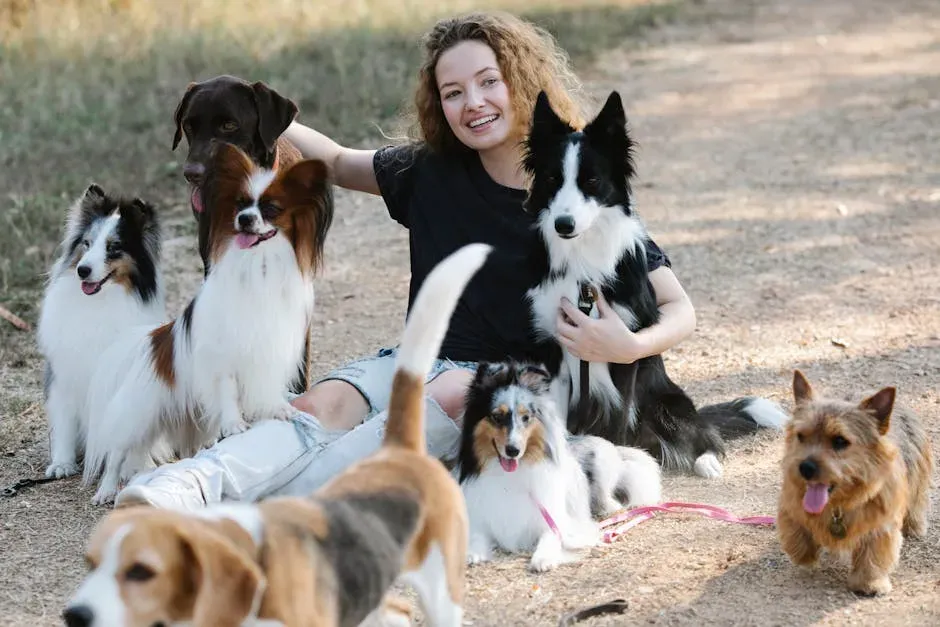
You can fake a smile, but you can’t fake what your nervous system does around certain people – and dogs are experts at reading that shift. Owners quietly notice this constantly: an anxious, restless dog instantly softens the second a certain person walks through the door.
If your dog calms down, settles, or suddenly brightens the moment they sense you, that’s proof of a deep emotional history stored specifically with you. Their brain isn’t just seeing you – it’s predicting what usually follows: comfort, routine, play, touch. Some dogs launch into pure joy mode the instant their favorite person arrives, even if they were dead asleep two seconds earlier. That instant switch isn’t random. It’s a payoff your presence has earned, over and over, for a long time.
#9 – They Seek You Out When They’re Scared or Sick
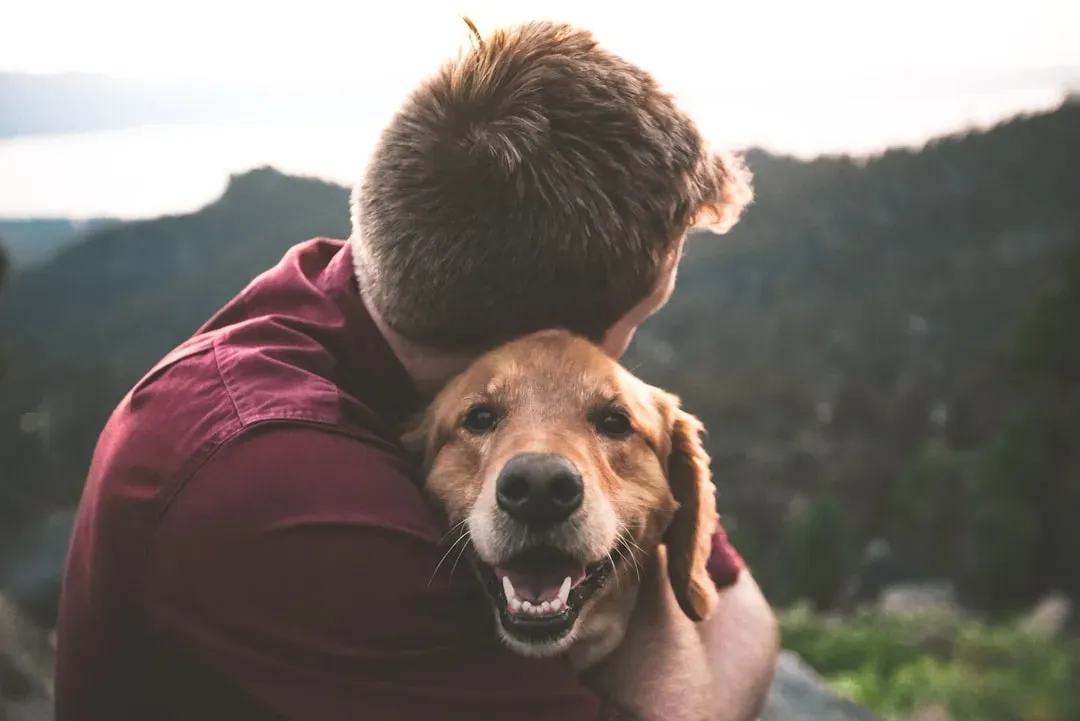
This is one of the clearest memory signals – and it’s not always the cute kind. When something’s wrong, thunderstorms, fireworks, an upset stomach, who does your dog go to? If they consistently find you, press against you, or hide behind your legs, they’re drawing directly on past experiences of you as their safest base.
That pattern doesn’t form overnight. It’s built from hundreds of small moments where you comforted, protected, or advocated for them. Some dogs will even ignore the closest person in the room to go find “their” human on another floor entirely. Others will limp, whine, or try to physically show you an injury, because their brain has quietly filed you under “the one who fixes things.” That’s not neediness. That’s remembered outcomes – when I’m with this person, bad things get smaller.
Worth Knowing
- Separation-related stress is a well-documented issue affecting a meaningful share of pet dogs at some point
- Common signs include pacing, whining, drooling, or destructive behavior tied to one specific person
- Dogs with strong attachment histories often seek out that person’s scent, spot, or belongings first
- Consistent comfort and steady routines tend to ease this stress response over time
#10 – They Guard or Check On Your Stuff
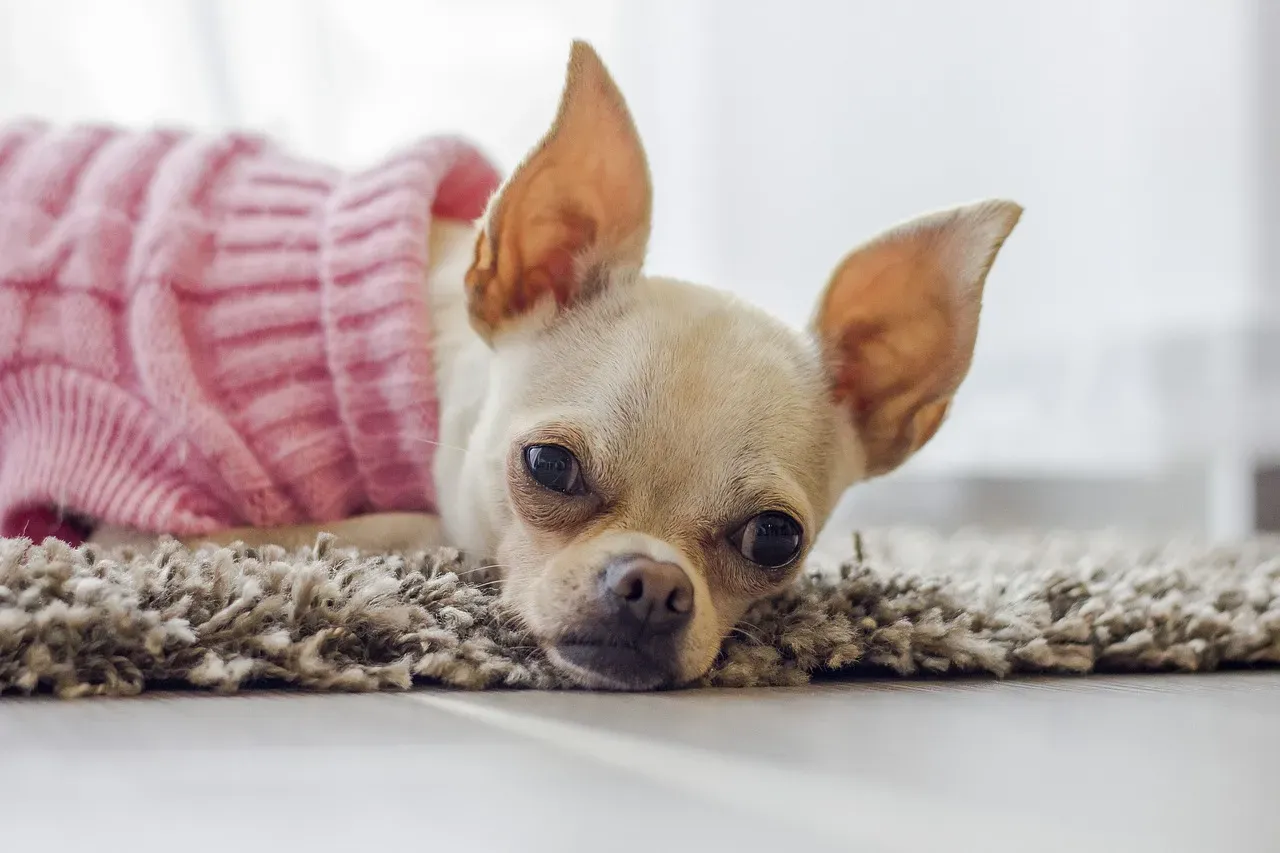
Most people misread this as random mischief or resource guarding. It isn’t. When a dog curls up on your worn sweatshirt, sleeps on your side of the bed while you’re gone, or lies across your shoes, they’re surrounding themselves with your strongest scent because they remember you and feel safer near those reminders.
Your clothes work like a memory blanket, especially for dogs with strong attachments or separation anxiety. Some dogs patrol your usual spots – the chair you sit in, the door you always use – and react defensively if a stranger starts digging through your bag or closet. That’s not possessiveness in the human sense. That’s them saying, this is tied to my person, and I remember it as part of them.
#11 – They Instantly Resume Old Habits After You’ve Been Away for Years
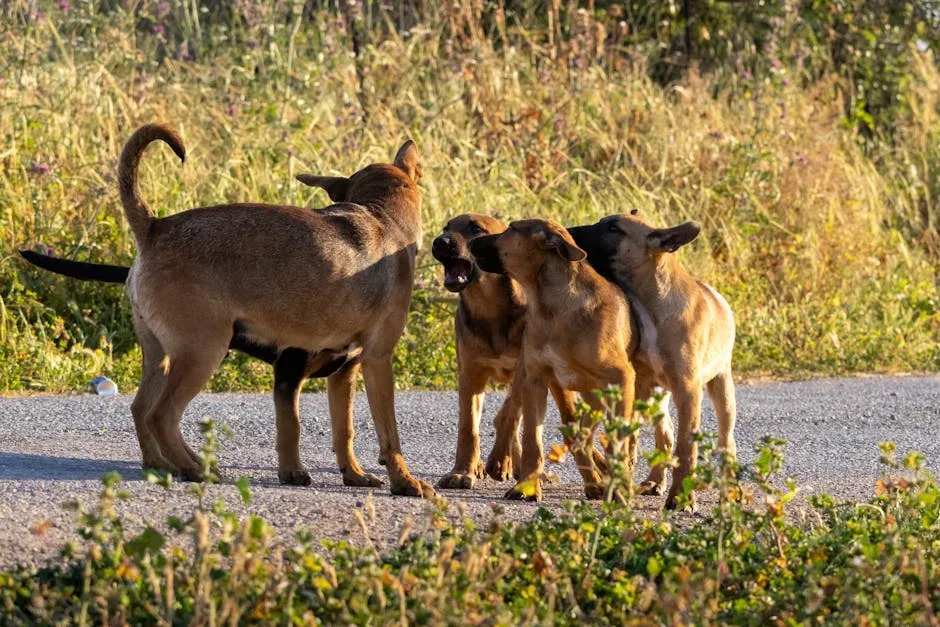
This is the sign that really destroys the myth that dogs forget you after a long absence. People who’ve been deployed, hospitalized, or away at school for years report the same thing: the dog doesn’t just recognize them instantly, it goes right back into old routines as if no time has passed at all.
They might bring the same toy you used to throw, sleep in the same old spot by your bed, or lead you straight to the door you always used for walks. These aren’t random actions – they’re stored scripts, replayed the second the right cue shows up. Even more striking, dogs reunited with someone from years ago often show a slow-building flash of recognition: a pause, a sniff, then tail wagging that builds into full-blown excitement as the memory “loads.” Critics say that’s just scent recognition, but that is memory – scent is one of the primary ways their brain confirms “this is that person from before.”
#12 – They Know When You’re Leaving, and Roughly How Long You’ll Be Gone
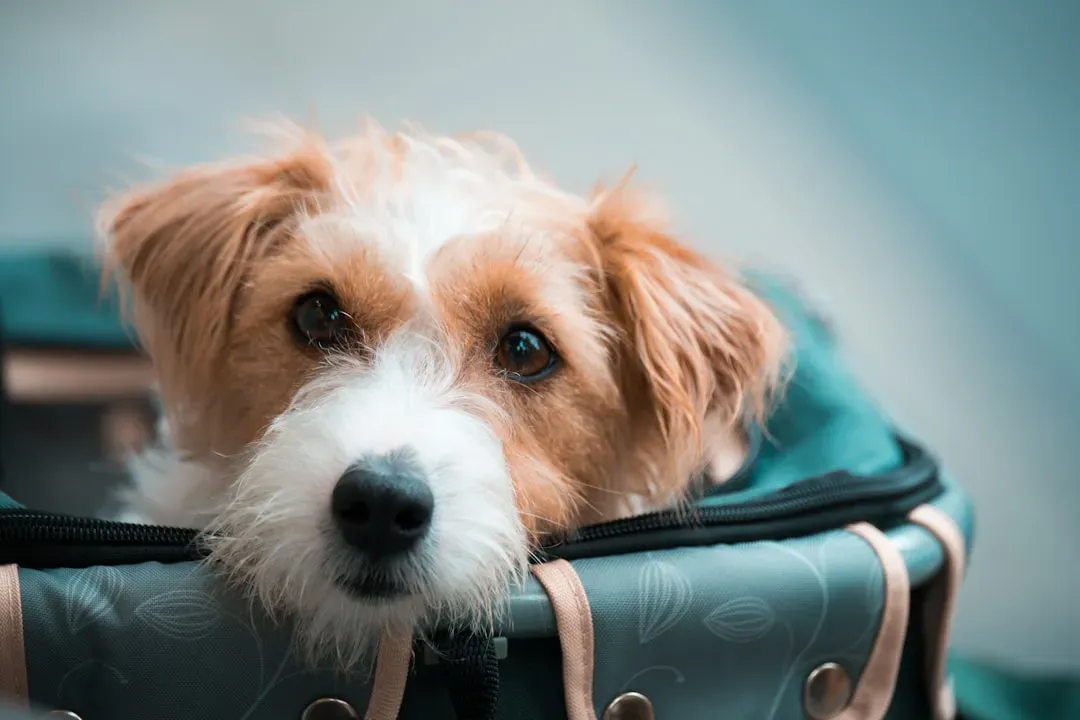
Some people assume this is guilt. It’s really memory plus pattern recognition working together. If your dog reacts differently when you grab your keys for a quick errand versus hauling out a suitcase for a long trip, they’re not guessing. They remember what usually happens after those exact pre-departure rituals, and how long you tend to vanish afterward.
Dogs are freakishly good at linking sequences: shoes plus laptop bag equals a normal workday, suitcase plus late-night packing equals days of absence. Watch the body language closely – mildly alert for short errands, but stressed and clingy the second luggage appears. That’s not drama. That’s data pulled from every previous time you left and came back, an emotional forecast built entirely on your past behavior.
Quick Compare
- Keys and everyday shoes: mild interest, brief following, quick settle-back-down
- Work bag or laptop: calm acceptance, dog may not even bother getting up
- Suitcase or packing sounds: pacing, whining, following you room to room
- Late-night packing plus a rideshare pulling up: peak stress signals kick in
#13 – They Respond to Old Nicknames and Inside Jokes
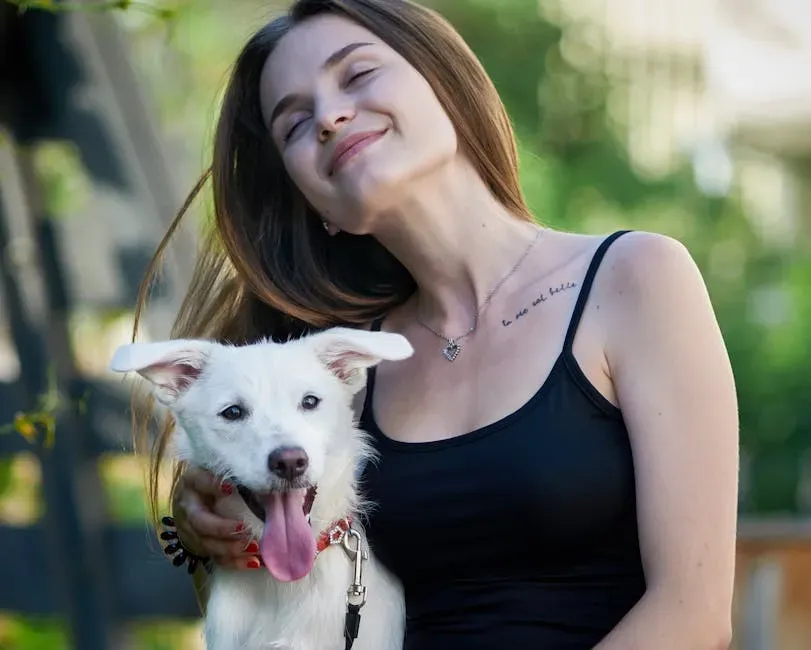
This is where it gets uncomfortably human. Think about the ridiculous names you’ve called your dog over the years – Potato, Gremlin, Little Man, Princess Disaster. Over time, dogs learn all these odd sounds point to the same thing: them, spoken by you, in a very particular tone.
If months later they still snap to attention at some nickname you haven’t used in ages, that’s long-term audio memory tied specifically to your relationship. The same goes for little inside jokes – the way you say “oh nooo” before a bath, or “what did you do?” before finding a mess. Dogs often react to these phrases only from their person, not from strangers saying the same words. It’s basically your own private language, preserved quietly in their brain.
#14 – They Grieve Your Absence in Very Human Ways

This is the part some people don’t like to admit, because it’s too raw. When a dog loses their person, temporarily or permanently, they often show clear signs of grief: loss of appetite, listlessness, sleeping in your spot, scanning every sound that might be you walking back in.
That behavior isn’t confusion. It’s the echo of a relationship their brain and body remember vividly. Dogs in shelters have been known to perk up at the sound of a former owner’s recorded voice, even after long separations. Some keep visiting the same places they went with that person – park paths, car spots, favorite benches – as if quietly replaying stored experiences. Skeptics call this humanizing dogs too much, but the evidence keeps piling up: they form attachment-based memories that look a lot like mourning when the bond breaks.
Anybody who doesn’t know what soap tastes like never washed a dog.
Franklin P. Jones
The Bottom Line
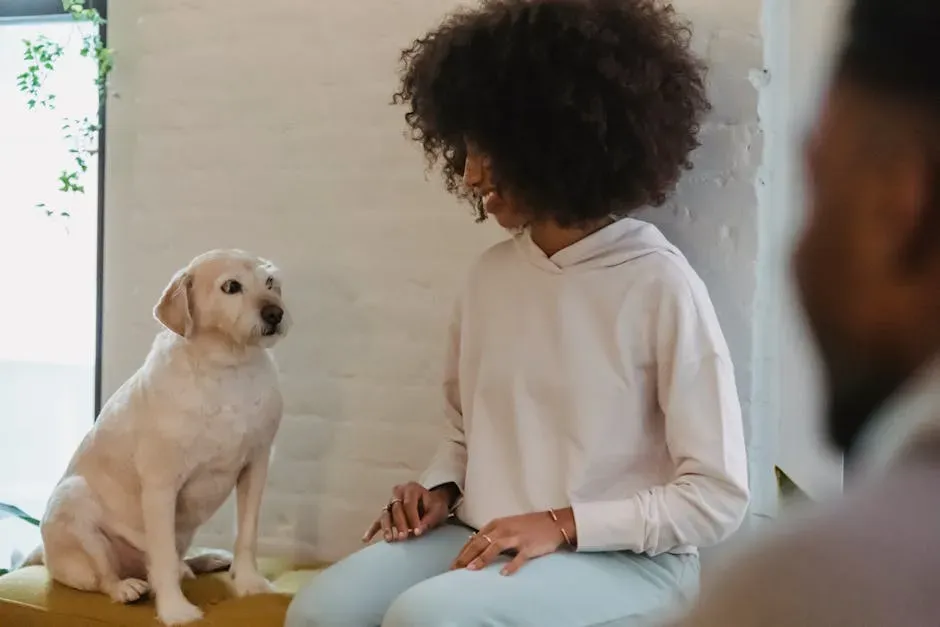
Turns out your dog isn’t just excited in the moment. They’re running on a deep library of memory about you – your smell, your voice, your routines, your stuff, your moods. From sleeping harder when you’re home to grieving when you’re gone, the evidence keeps pointing the same direction: dogs remember their people far more intensely, and far longer, than most of us want to admit.
Are we projecting human feelings onto them sometimes? Probably. But writing it all off as “just instinct” is its own kind of lazy. The science is finally catching up to what dog owners have quietly known for years in their gut. Your dog doesn’t just know you. It remembers you, vividly, in ways it can’t say out loud but shows you constantly.
So maybe the real question was never whether your dog remembers you. It’s what kind of memories you’re giving them to hold onto. Did we miss a sign your own dog shows? Drop it in the comments.