
14 Reasons Your Dog Greets You Like You Have Been Gone for Years
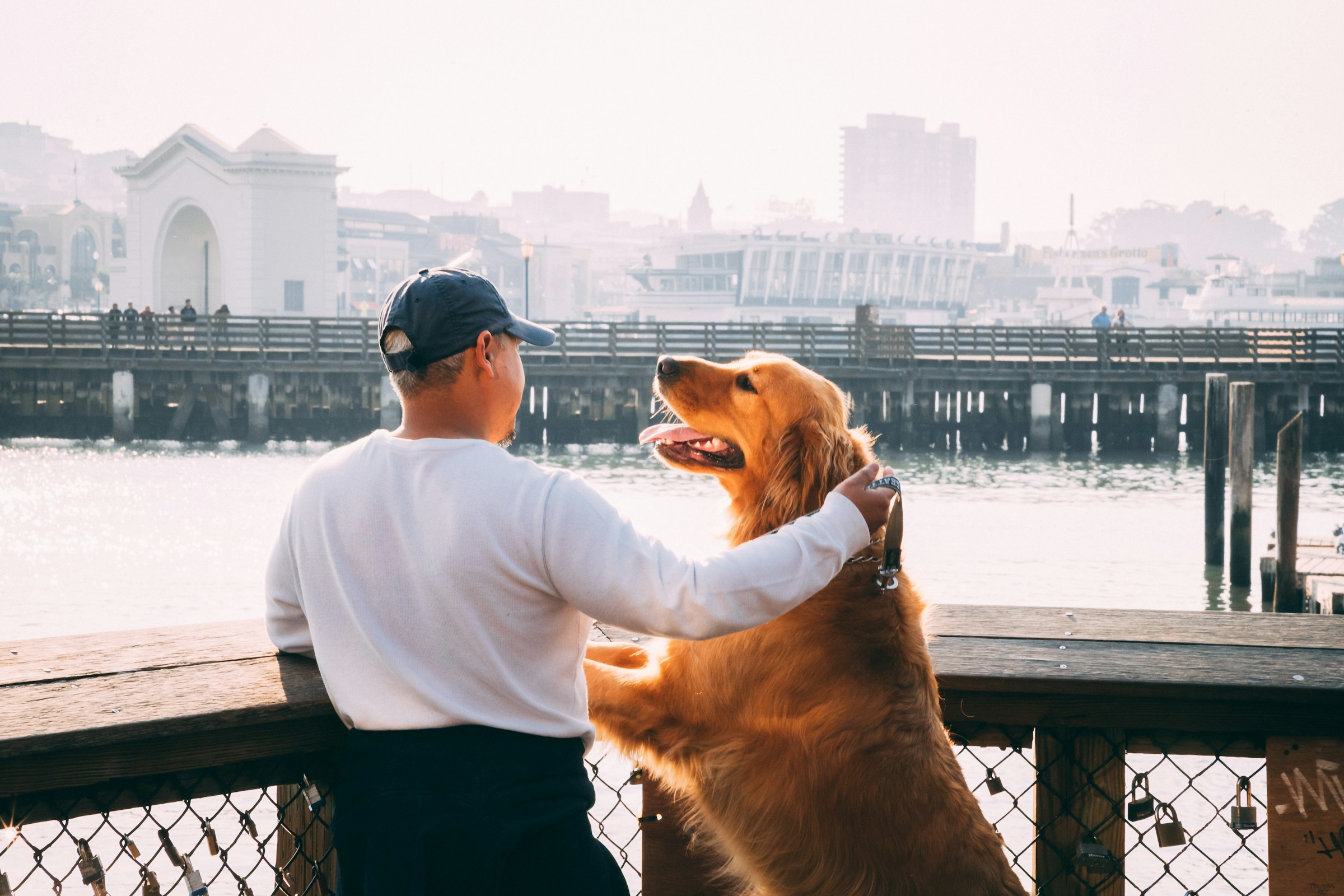
You were only gone eleven minutes. You took the trash out, maybe grabbed the mail. But when you walk back through the door, your dog acts like you just returned from war – spinning, howling, launching their whole body at your knees like a furry missile that missed you more than anyone has ever missed anyone.
It feels like love. And it partly is. But behaviorists say that dramatic welcome party is actually a tangled mix of biology, training, habit, and – brace yourself – a little bit of manipulation your dog has been running on you for years. Some of these 14 reasons will melt your heart. A few of them might make you feel a little guilty. Keep reading, because #12 is the one most owners accidentally cause themselves.
#1 – Your Dog’s Sense of Time Isn’t Like Yours
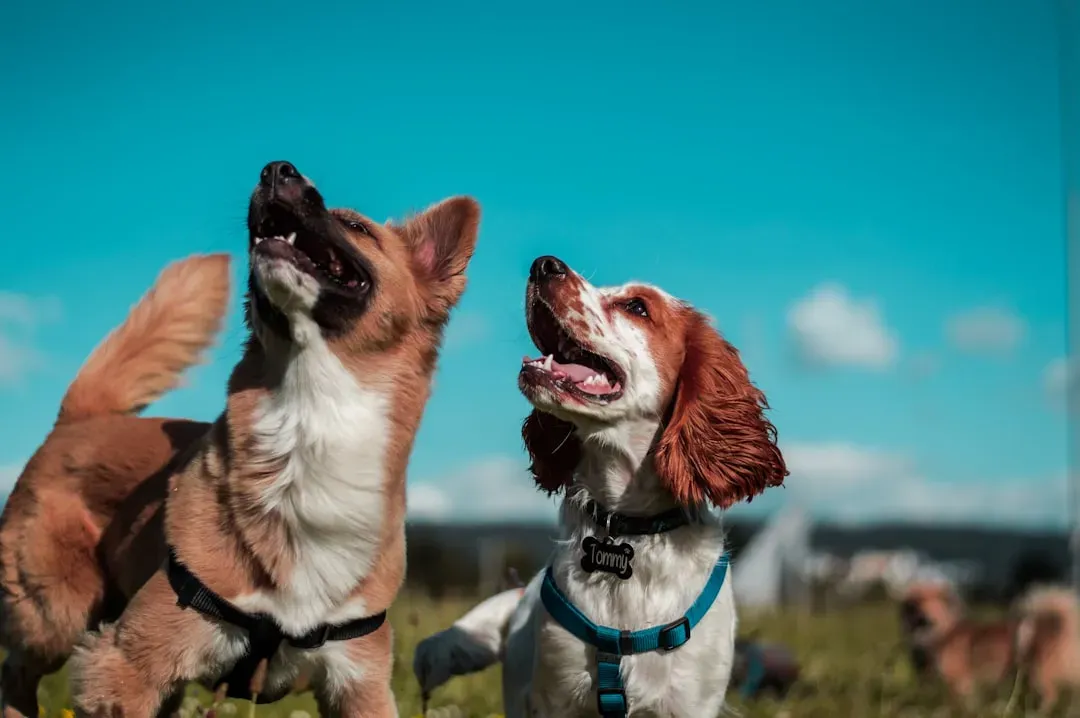
Dogs don’t sit around clock-watching. When you walk in, it can feel like a total reset to them, whether you were gone 10 minutes or 5 hours.
Dogs rely more on shifting light, fading smells, and household rhythm than on precise time. Some researchers even suspect dogs partially track time through scent – as your smell in the home fades hour by hour, your return brings a fresh wave of “you” that hits like a firework. To them, it’s not “oh, it’s 5:30 again.” It’s “my whole world just changed.”
#2 – You Accidentally Trained Them to Go Nuts
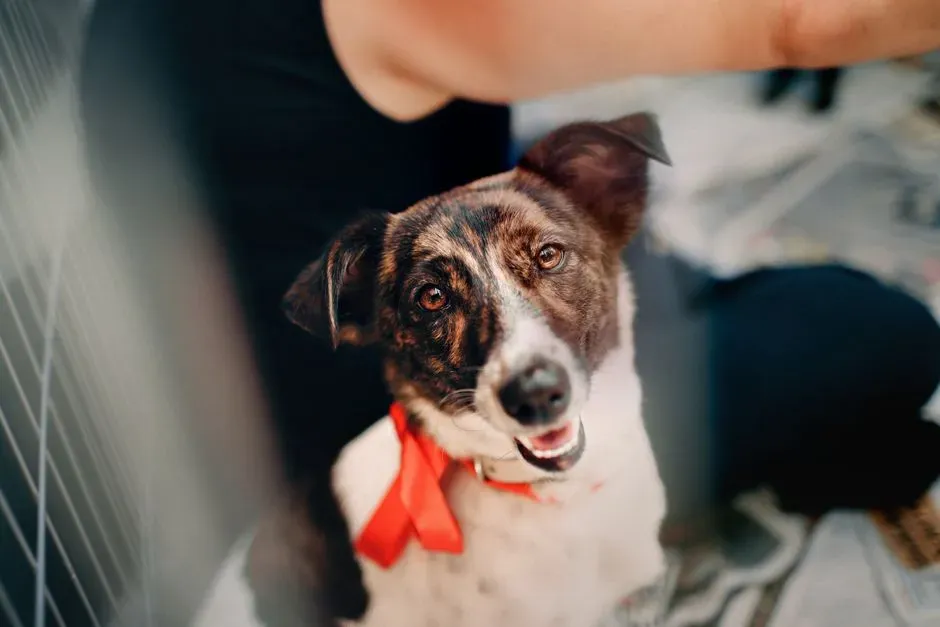
Here’s an uncomfortable truth: you probably trained the wild greeting without meaning to. Your dog jumps, spins, wiggles – and you respond with high-pitched baby talk, kisses, treats, or an immediate trip outside.
Any attention at the door is a powerful reward, even when you’re technically “trying to calm them down.” From your dog’s perspective, big energy equals big payoff, and over time that moment becomes the most predictable jackpot in their entire day. Trainers will say it bluntly: your dog’s chaotic hello is partly your fault. Walk in calm, ignore the chaos, and reward only stillness, and the whole performance starts to fade fast.
#3 – Your Scent Is Basically Their Favorite Movie Premiere
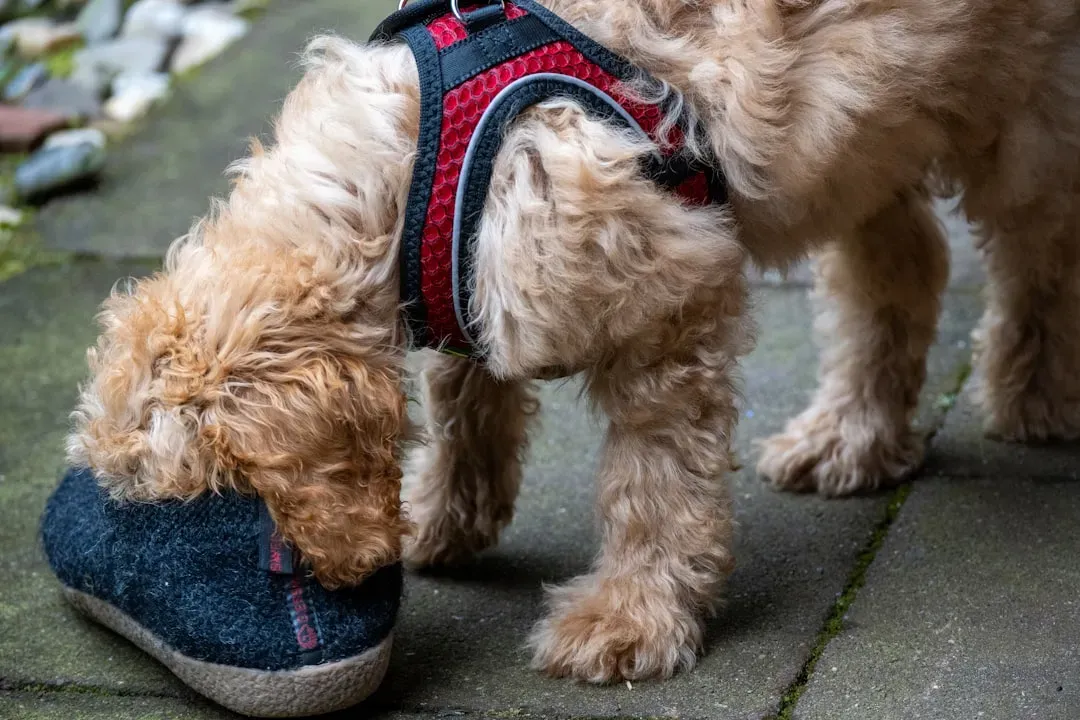
To your dog, your smell is the main character of their entire life. While you’re gone, your scent on furniture, clothes, and floors slowly fades out like a dimming light. When you step back through the door, you’re suddenly blasting a fresh cloud of “their person” into the room, and it’s sensory overload in the best way.
Dogs read entire stories through scent alone – where you’ve been, who you touched, what you ate. That’s why they bury their nose in your shoes or that one gym shirt you keep forgetting to wash. Your return isn’t just a hello. It’s a full season of their favorite show dropping all at once, and they’re not about to miss the premiere.
Fast Facts
- Dogs carry up to 300 million scent receptors, compared to roughly 5 to 6 million in humans
- A dog’s nose is estimated to be 10,000 to 100,000 times more sensitive than yours
- The part of a dog’s brain devoted to smell is proportionally about 40 times larger than ours
- Dogs can take short sniffing breaths up to 300 times a minute, constantly refreshing the scent picture
#4 – You’re Their Whole Social Circle, Whether You Like It or Not
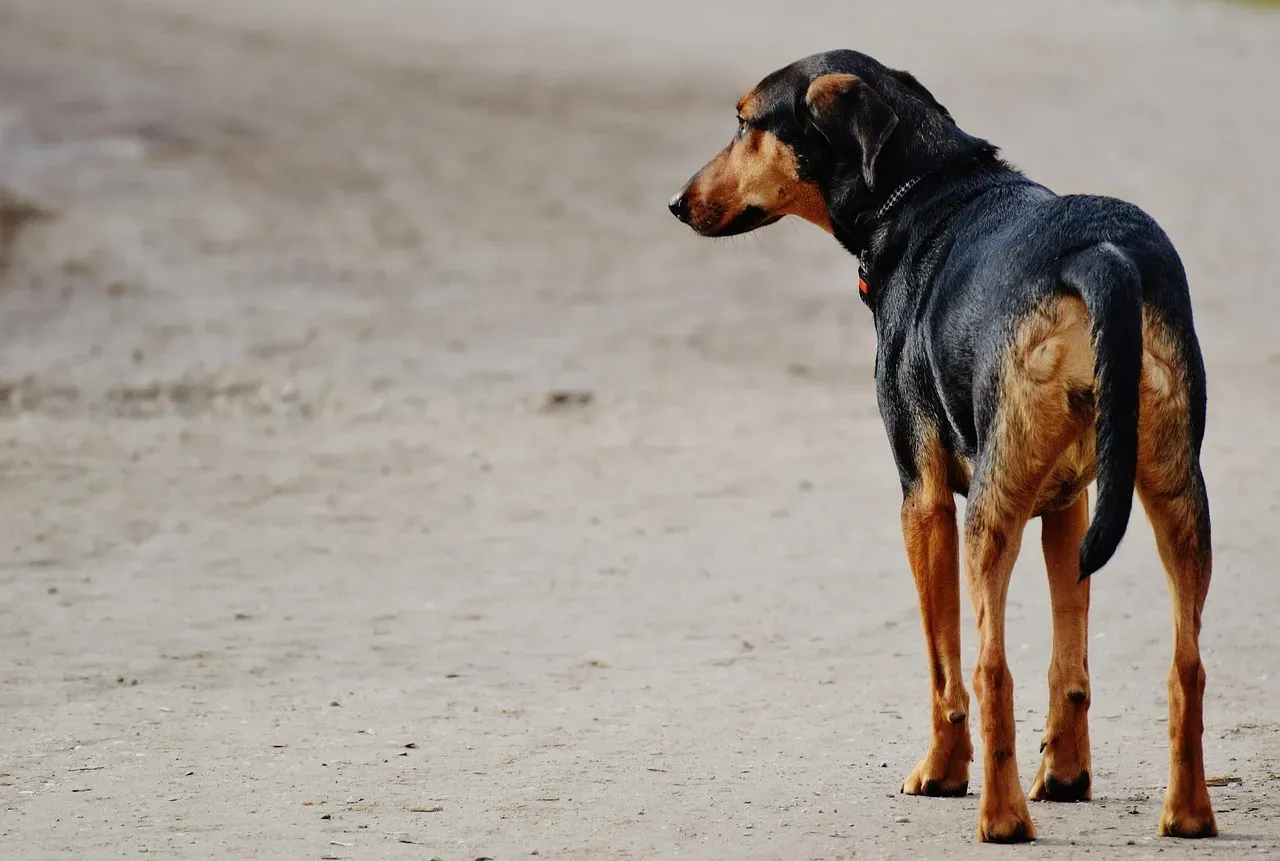
We love saying dogs are “part of the family,” but for a lot of dogs, you *are* the entire family, the entire social life, and the entire emotional support system rolled into one. No co-workers. No brunch friends. No hobbies. Just you, maybe a couple other humans, and possibly one other pet.
So when you vanish for hours, their world genuinely shrinks. Your return doesn’t just mean fun – it means safety, predictability, attention, and maybe dinner, all stacked into one moment. Some experts argue we’ve bred and raised dogs to be almost entirely dependent on us, which is exactly why so many struggle the second we’re gone. That explosive greeting is partly a mirror of just how much weight they’ve placed on you.
#5 – Separation Anxiety Can Turn “Hello” Into a Meltdown
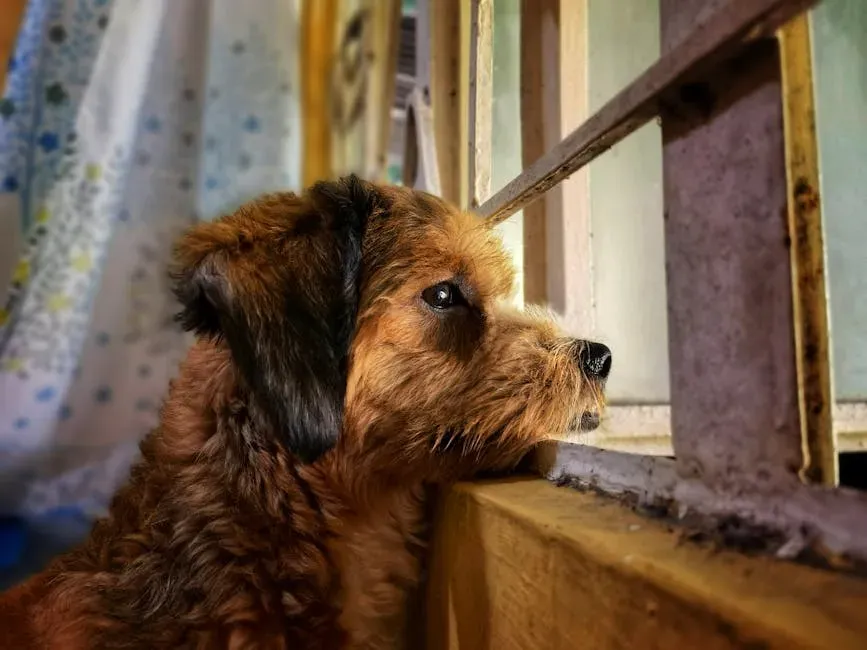
This one isn’t cute, and it’s important to say plainly: for some dogs, that dramatic greeting is the tail end of a genuine panic attack. Dogs with separation anxiety don’t just “miss you.” They spend your absence pacing, drooling, barking, destroying furniture, or having accidents out of sheer distress.
When you finally walk back in, that wild greeting is pure relief – you’re not just home, the nightmare is temporarily over. Some anxious dogs scream, claw at the door, or even lose control of their bladder the moment they see you, and that’s not “extra love,” that’s emotional overload. If your dog can’t relax, eat, or settle while you’re gone, you don’t have a clingy dog. You have a dog who needs help, whether that’s training, a stricter routine, or in some cases, medication from a vet.
Worth Knowing
- Pacing, panting, or drooling that starts before you’ve even left
- Destructive chewing aimed at doors, windows, or exit points
- Howling, barking, or whining shortly after you’re gone
- Accidents indoors despite being fully house-trained
#6 – Your Return Predicts Every Good Thing in Their Day
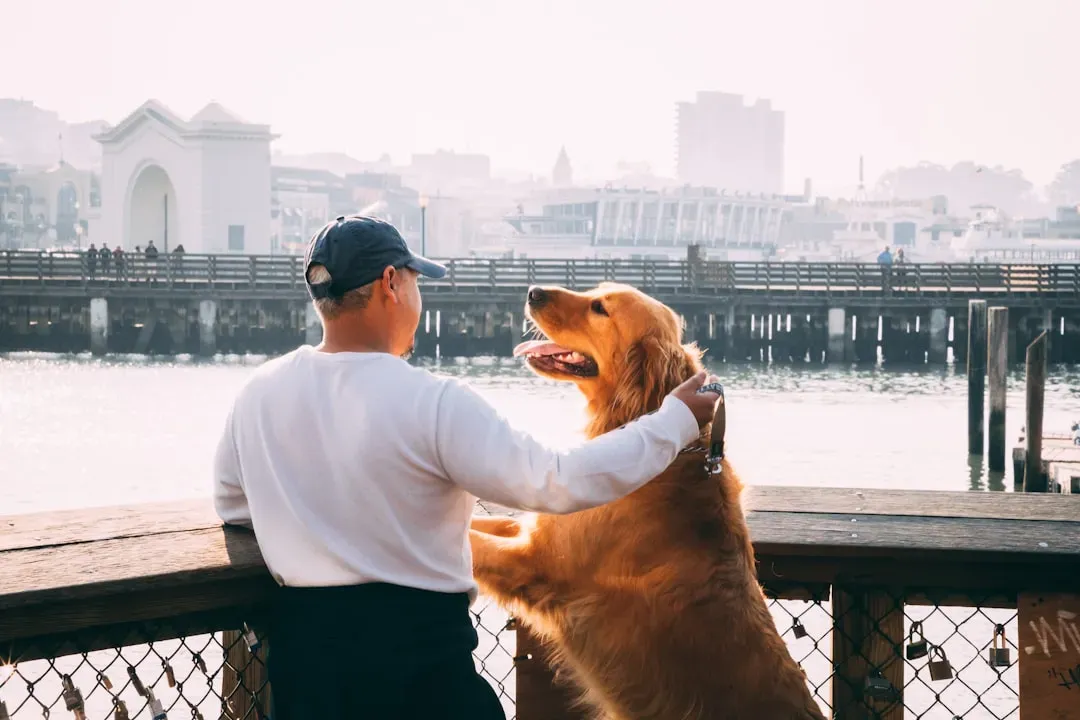
Dogs are ruthlessly practical creatures – they track exactly what predicts good things, and usually, you walking through the door predicts almost everything they care about:
- Food or treats
- Walks and playtime
- Backyard access and freedom to move
Over time, your key in the lock becomes a jackpot sound. Many owners accidentally stack all the rewards right after arriving – straight to the bowl, straight to the leash, straight to cuddles – which bunches everything good into one tiny window. From the dog’s point of view, greeting you with maximum enthusiasm is literally how they kick off the best part of their day. Spread those rewards out more calmly, and the fireworks usually tone down.
#7 – Drama Pays, and Calm Gets Ignored
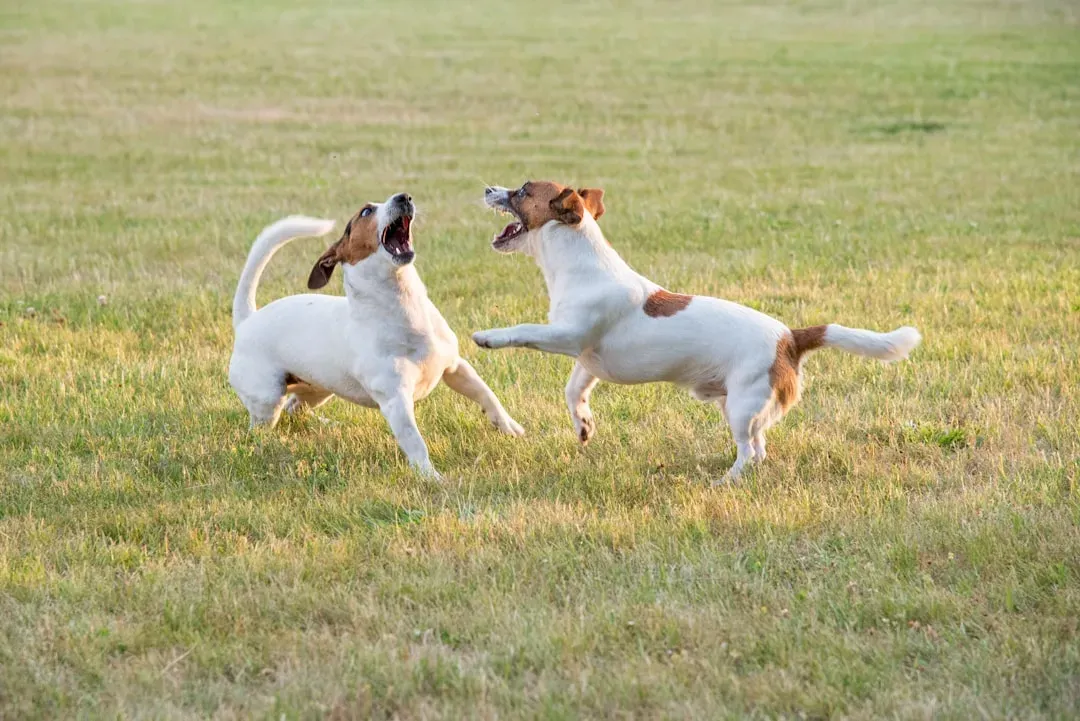
A lot of dogs learn something simple over time: the bigger the performance, the bigger the reaction. Quiet dog at the door gets a quick pat on the head. Spinning, whining, jumping dog gets a full human meltdown, complete with giggles and someone pulling out their phone to record it.
Even negative attention – pushing them down, yelling “OFF!” – still counts as engagement to a dog starving for stimulation, so they escalate anyway. What started as a happy wiggle turns into a daily circus act. Trainers say if you want a calmer greeting, you have to get boring first: no eye contact, no talking, no touch until four paws are on the ground. Most people don’t have the discipline to hold that line, and their dog’s performance proves it every single day.
#8 – They’re Reading You Like a Walking News Report
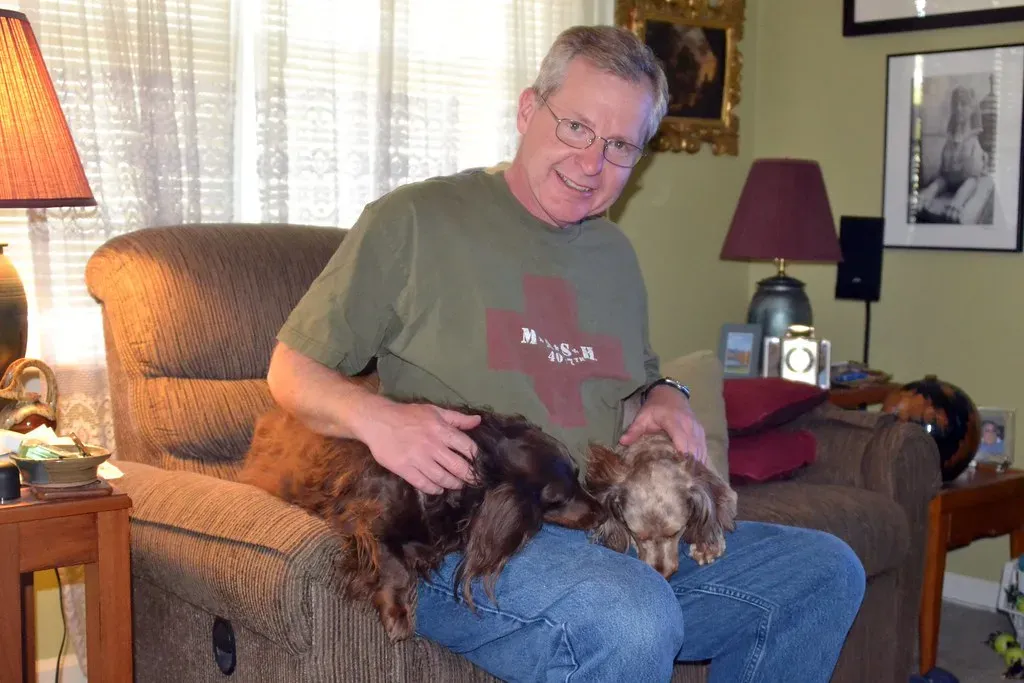
That frantic sniffing and circling at the door isn’t only “yay, you’re here.” It’s also an investigation. Dogs use greetings to gather intel:
- Where you’ve been
- Who you were with
- Whether you’re stressed, sick, or calm
Your dog can smell hormonal shifts, sweat chemistry, even subtle illness cues, so a greeting is really their way of scanning your entire day in a few seconds – part reunion, part security check, part gossip session. That’s why some dogs act unsure if you’ve had a drink, or go clingy the moment you’re upset, before you’ve even said a word.
Dogs do speak, but only to those who know how to listen.
Orhan Pamuk
#9 – It’s Basically an Ancient Pack Reunion Ritual
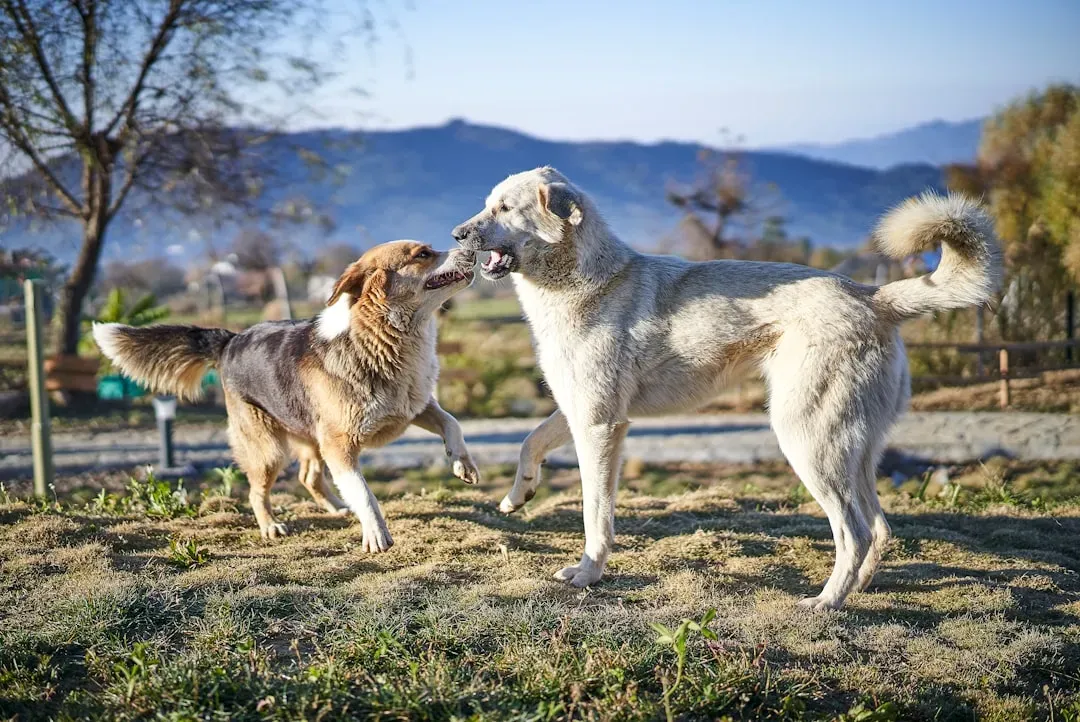
In the wild, canines don’t just silently drift back into the group. Wolves have intense reunion rituals when pack members return from a hunt – licking faces, wagging tails, whining, leaning into each other. Your dog’s over-the-top hello is a modern, domesticated version of that exact same ceremony.
When you walk in, you’re the returning hunter, even if you just went to Target for milk. The licking, jumping, and leaning are variations of instincts we’ve softened through thousands of years of breeding but never fully erased. So when your dog rushes the door, they’re not being “extra.” They’re doing exactly what their genetics wired them to do: celebrate the reunion and rebuild the bond.
#10 – Boredom Turns Your Front Door Into the Best Part of Their Day
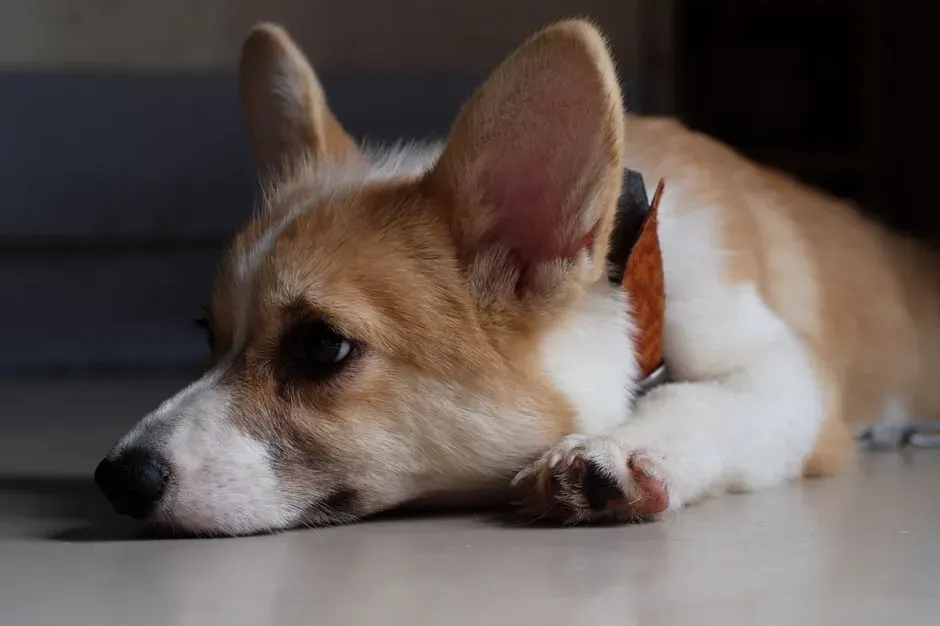
People love saying “my dog loves me more than anything,” then casually admit the dog spends nine or ten hours alone every weekday. That gap matters more than most owners realize. The less stimulation your dog gets while you’re gone, the bigger the emotional spike when you finally walk in.
If their whole afternoon is sleeping, pacing, staring at the window, and maybe one sad chew toy, your arrival is the single most interesting thing that’s happened in hours. Of course they overreact. Dogs who get midday walks, puzzle feeders, or daycare while you’re gone tend to greet owners with noticeably less intensity – not because they love them less, but because their baseline mood is healthier and less starved for stimulation.
At a Glance
- Midday walks or a dog walker to break up long stretches alone
- Puzzle feeders or slow-feed bowls that turn mealtime into mental work
- A few days of daycare for dogs who thrive around other dogs
- Background noise, like a TV or radio, to soften an empty house
#11 – Some Dogs Are Just Wired to Be Velcro
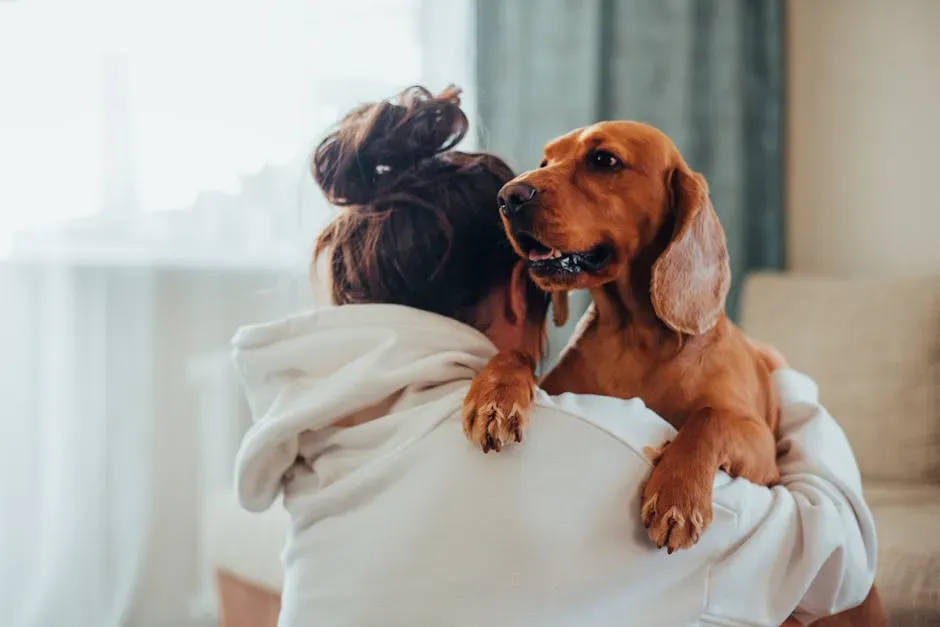
Different breeds and individuals bond in wildly different ways. “Velcro” breeds – many shepherds, spaniels, and certain toy breeds – tend to form hyper-strong attachments to one specific person. For these dogs, your absence hits harder, and your return lands like a tidal wave crashing over them.
They’re the ones who shadow you room to room, wait outside the bathroom door, and genuinely panic when a door closes between you. Some behaviorists argue we’ve selectively bred dogs for this intense attachment simply because humans like feeling needed. It’s adorable on video, but that same clinginess can be a red flag for a dog who never learns how to feel okay alone.
Quick Compare
- Velcro breeds (many shepherds, spaniels, some toy breeds): shadow you room to room, struggle when a door closes between you
- More independent breeds (many hounds, guardian breeds, some terriers): settle more easily alone, greet you with noticeably less intensity
#12 – They Learned That Calm Behavior Gets Ignored
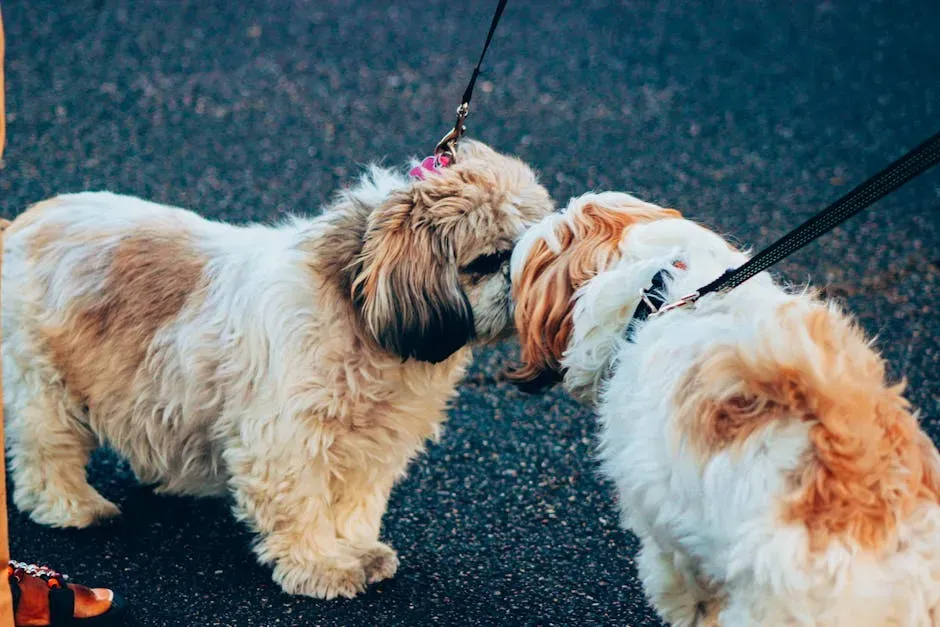
This one stings a little. A lot of dogs actually try calm greetings first – they wait, sit, or wag gently. And what do many owners do? Walk right past them to drop bags, check their phone, or make a beeline for the bathroom.
The dog’s quiet patience gets them nothing. Then they jump once, bark, or paw at your leg – and boom, instant response. Dogs are expert pattern-seekers, and if calm behavior is invisible while wild behavior finally gets you to engage, guess which one wins next time. If you want a respectful-roommate greeting instead of a rock-concert entrance, you have to reward the very first calm moment you see, and most people miss that window every single day, then complain about the chaos they trained into existence.
#13 – For Some Dogs, It’s Pure Habit, Not Huge Emotion
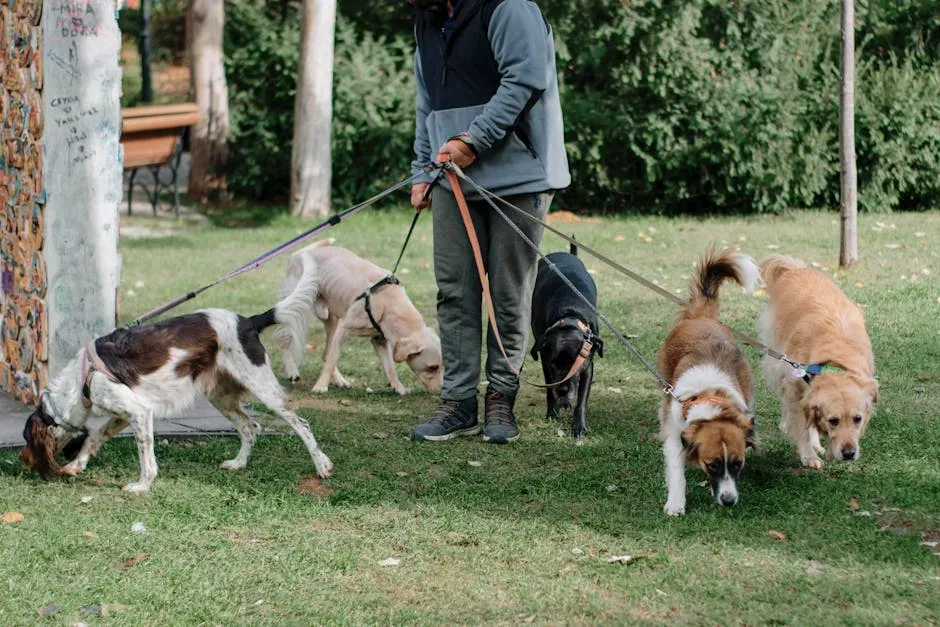
Here’s the part almost nobody likes hearing: not every dramatic greeting is a deep emotional moment. Sometimes it’s a highly rehearsed routine running on autopilot – door opens, they sprint, wiggle, lick, spin, done. Rinse and repeat.
Watch closely and you’ll notice some dogs settle almost instantly once the script wraps up. They don’t cling or keep checking on you afterward; they just go lie down. That suggests it’s less “I thought you died” and more “this is just what we do at this time of day” – a ritual, not a crisis. It doesn’t make it fake, any more than a hug hello between two humans who see each other daily is fake.
#14 – Yes, They Really Do Love You (Just Not the Way You Think)
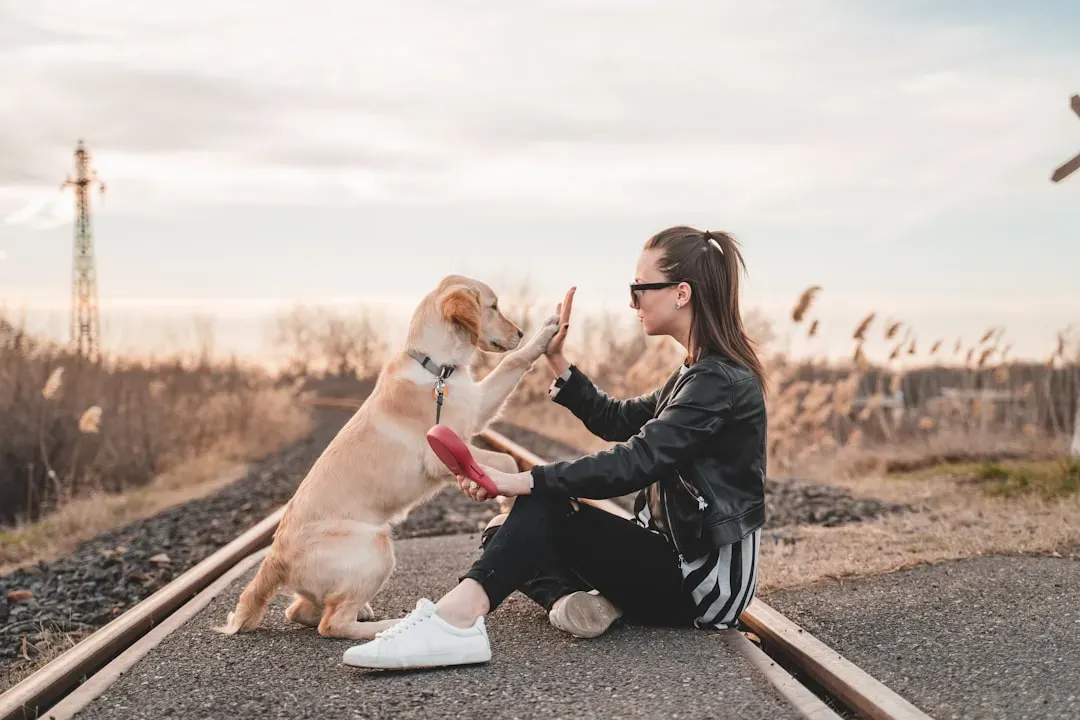
Strip away the training mistakes, the boredom, the anxiety, and the habit, and there’s still a core truth underneath all of it: most dogs are genuinely thrilled that you, their person, are back in their world. Your smell, your voice, your routine – all of it screams safety and belonging to them.
But here’s the twist: it isn’t a romanticized, movie-style love. It’s practical, sensory, and rooted in survival. You are food, protection, comfort, and familiarity, and their over-the-top greeting is how a social animal says, “my world makes sense again.” The mistake is pretending it’s only affection while ignoring the stress, dependency, and boredom quietly shaping that same moment.
The Bottom Line
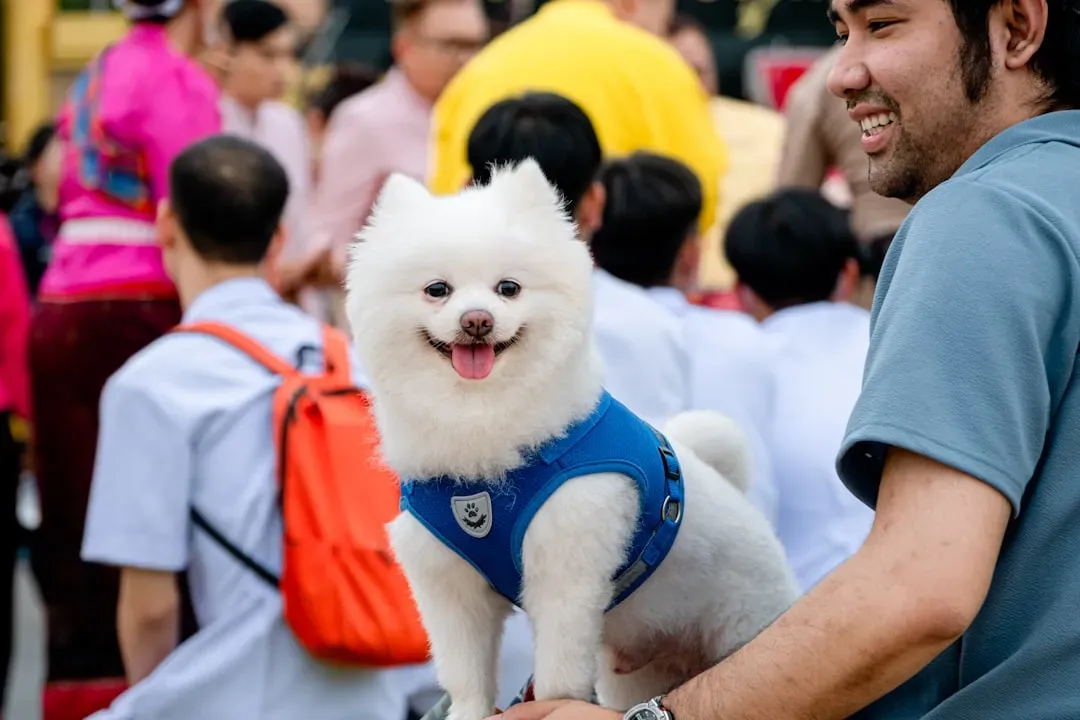
Your dog greeting you like you’ve been gone for years isn’t just a fuzzy Hallmark moment. It’s a cocktail of instinct, training, habit, and yes, real attachment, all colliding at your front door. Sometimes it’s heartwarming. Sometimes it’s a quiet warning sign that your dog is bored, anxious, or a little too dependent on you.
We romanticize the chaos because it makes us feel special, and honestly, a lot of the time we’re the ones who created it and keep feeding it daily. The real flex isn’t a dog who screams the second you walk in. It’s a dog secure enough to relax while you’re gone and calmly, genuinely happy when you return. So the next time your dog loses their mind at the door, ask yourself which version you’d rather have – and whether you’re ready to be a little more boring for a while.