
14 Signs Your Rescue Dog Has Finally Stopped Being Afraid
Everyone assumes a rescue dog just “knows” when it’s safe. Give it a cozy bed, a few treats, a couple of cuddles, and boom – happy, well-adjusted pet, right?
Wrong. Some dogs carry that old fear for months, even years, quietly hiding it in ways most owners completely misread. The dog you think is “stubborn” might actually be relieved. The one you call “clingy” might be having the biggest emotional breakthrough of its life. If you’re only watching for big, movie-style moments of transformation, you’re going to miss the small, real signs that your dog is finally letting its guard down. Here’s what actually shows up when the fear starts to lift.
#1 – They Finally Eat Calmly Instead of Guarding or Gulping
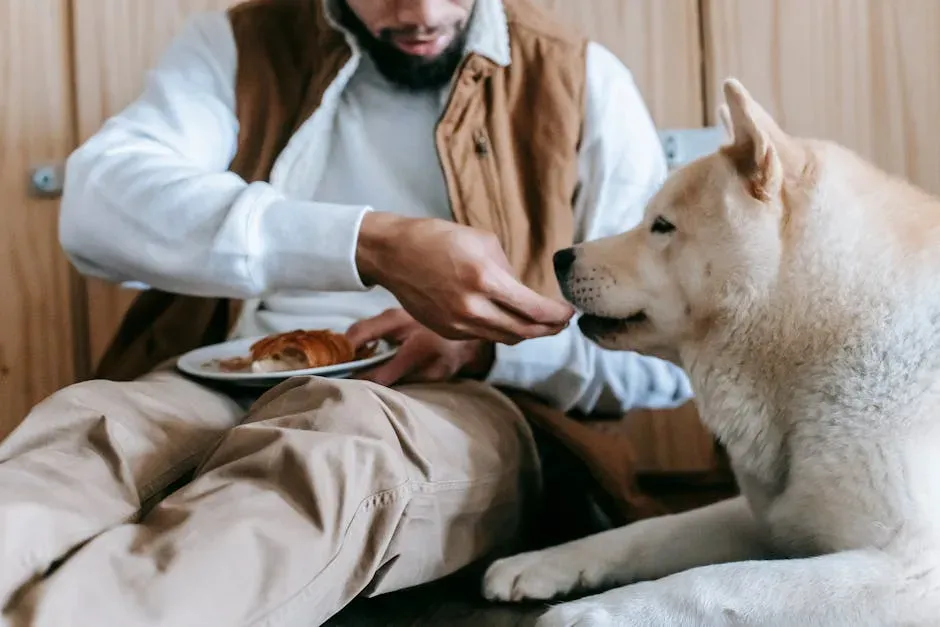
The strongest early sign your rescue dog feels safe shows up right in the food bowl. Many scared rescues either inhale their food like it’s about to vanish, or freeze up and barely touch it. When that panic starts to fade, you’ll notice something different: slow, casual eating, pausing to sniff, wandering off, then strolling back like nothing’s urgent.
That “whatever, it’ll still be there” attitude is trust in physical form. Bowl guarding, a stiff posture, or a low growl when you walk past usually means your dog still expects their resources to disappear. But a dog who can take a treat gently, eat with their back to you, or let you casually touch the bowl without flinching is telling you something huge – their brain has finally switched out of survival mode and into “this is my home.”
#2 – They Sleep Deeply, Belly Exposed to the World
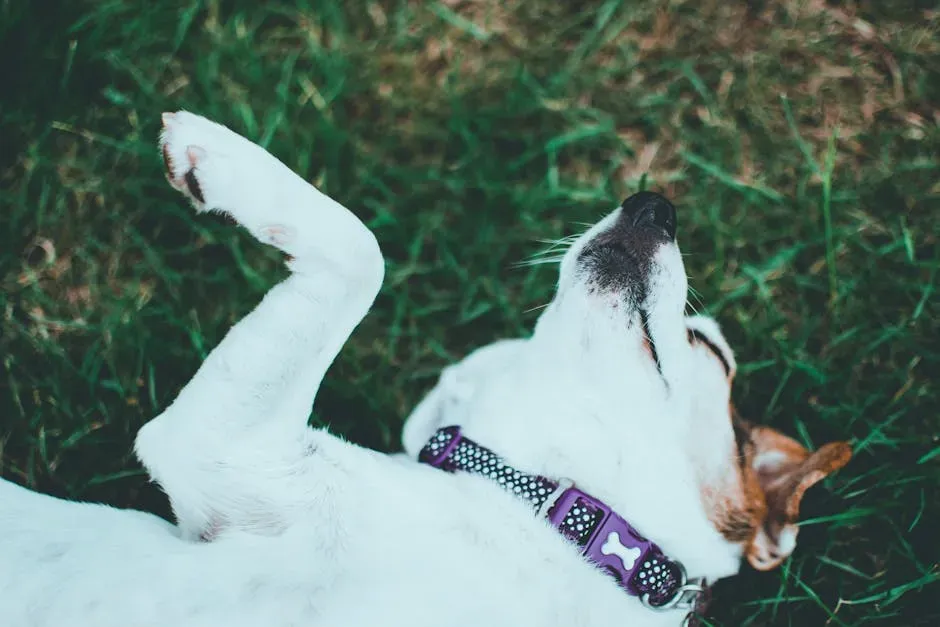
A terrified dog doesn’t really sleep – it dozes. A safe dog passes out completely. In the early days after adoption, many rescues sleep lightly, popping their head up at every creak and footstep, never fully letting go.
Real security looks different. It’s a dog sprawled on its side or flat on its back, belly up, legs akimbo, mouth hanging open, maybe even snoring. That position exposes every vulnerable part of their body, and no dog does that unless they truly believe nothing bad is coming. It’s the canine version of throwing your keys on the table and collapsing on the couch after a brutal day – twitching paws, soft dream-barks, and a sudden willingness to sleep out in the open instead of jammed into a corner. This isn’t just adorable. It’s physical proof their nervous system has finally stood down.
Quick Compare
- Position: Curled tight in a corner vs. sprawled belly-up in open space
- Alertness: Head pops up at every sound vs. sleeps straight through household noise
- Duration: Short, broken naps vs. long, uninterrupted sleep stretches
- Body: Tense muscles ready to bolt vs. loose limbs, twitching through dreams
#3 – They Start Exploring Instead of Hiding
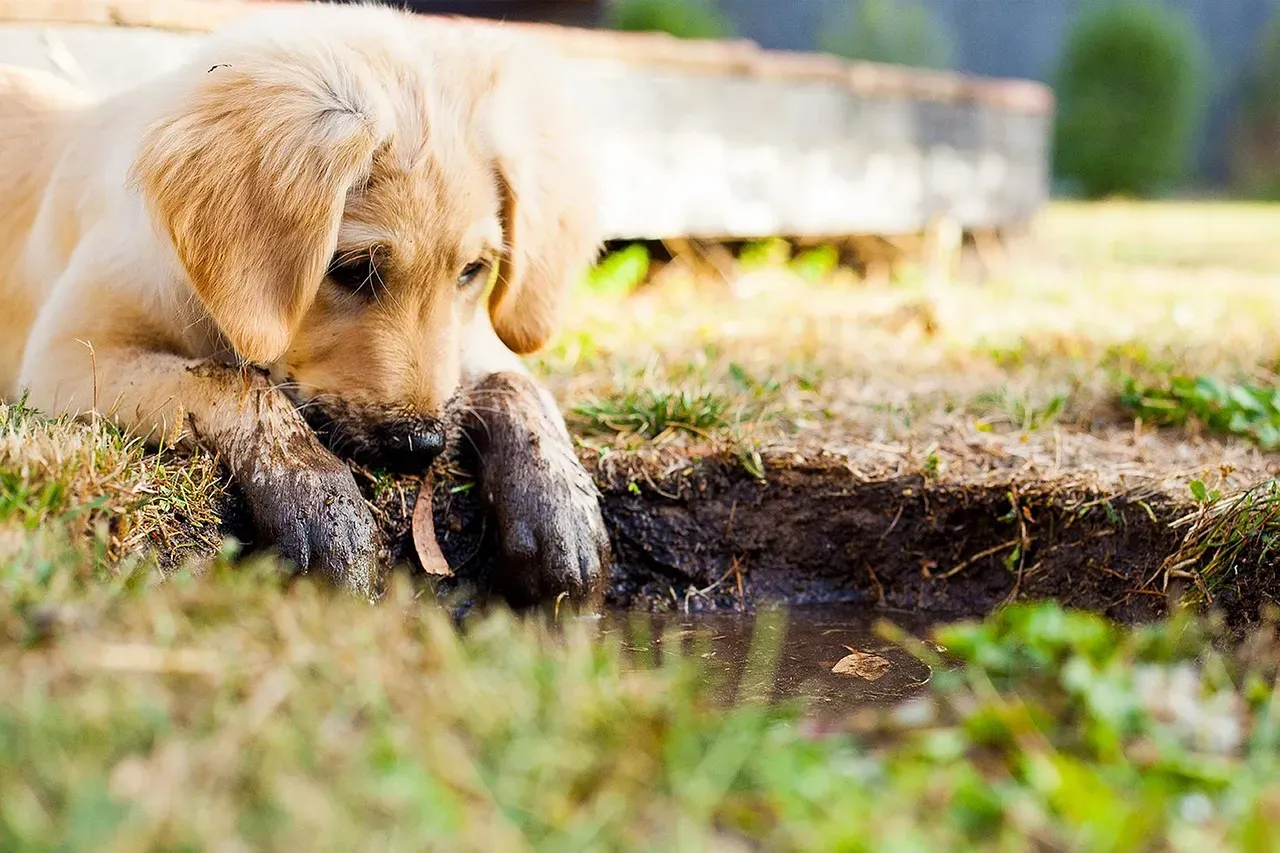
Curiosity is confidence in motion. In the early days, a fearful rescue often glues itself to one “safe spot” – a crate, under the bed, behind the couch – and refuses to leave it, even to investigate the rest of the house.
When that fear starts loosening its grip, you’ll catch them wandering around on their own, sniffing rooms you’re not even in. They’ll check out a strange new sound instead of freezing or bolting, and they might hop up on the couch or bed uninvited, quietly assuming they’re allowed to exist in shared spaces now. Some owners get annoyed when a once-timid dog suddenly starts nosing into everything, but that pushiness is exactly what you want to see – a brain that’s no longer stuck in shutdown or flight mode.
#4 – Their Tail Language Completely Changes
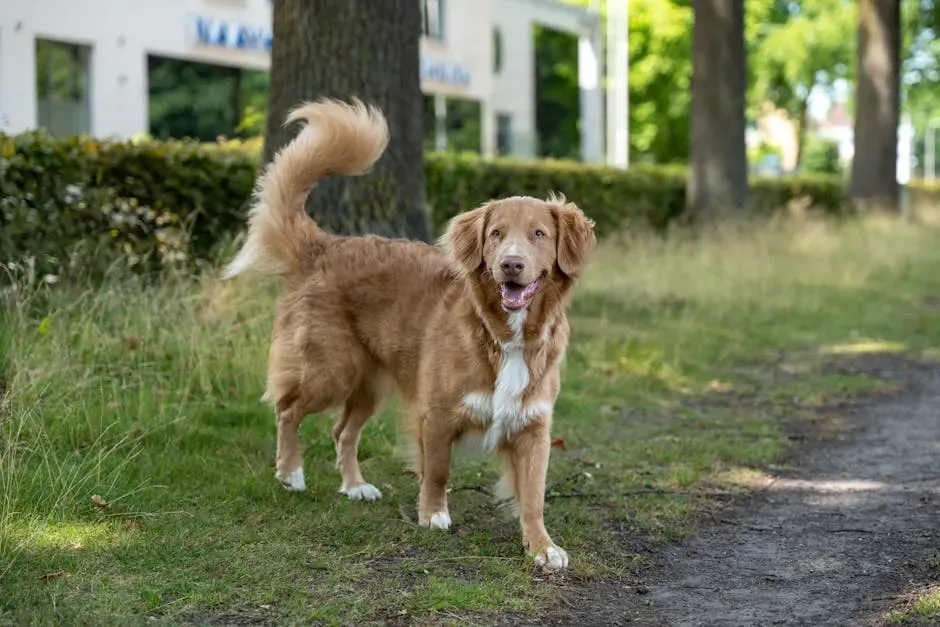
People love to say “a wagging tail means a happy dog,” but it’s way more complicated than that. Fearful rescues often carry a tight, low, or tucked tail even while technically wagging it a little – a nervous flutter, not a real signal of joy.
The real shift is a looser, more neutral tail that sways naturally as they move, not just when you call their name or walk into the room. Watch for the base of the tail relaxing, the wag widening, and whole-body wags where the hips and shoulders get in on the action too. Some dogs, due to breed or personality, will never have a big helicopter tail – but when it stops screaming “I’m bracing for impact,” that fear is finally losing its grip on them.
#5 – They Look You in the Eyes Without Flinching
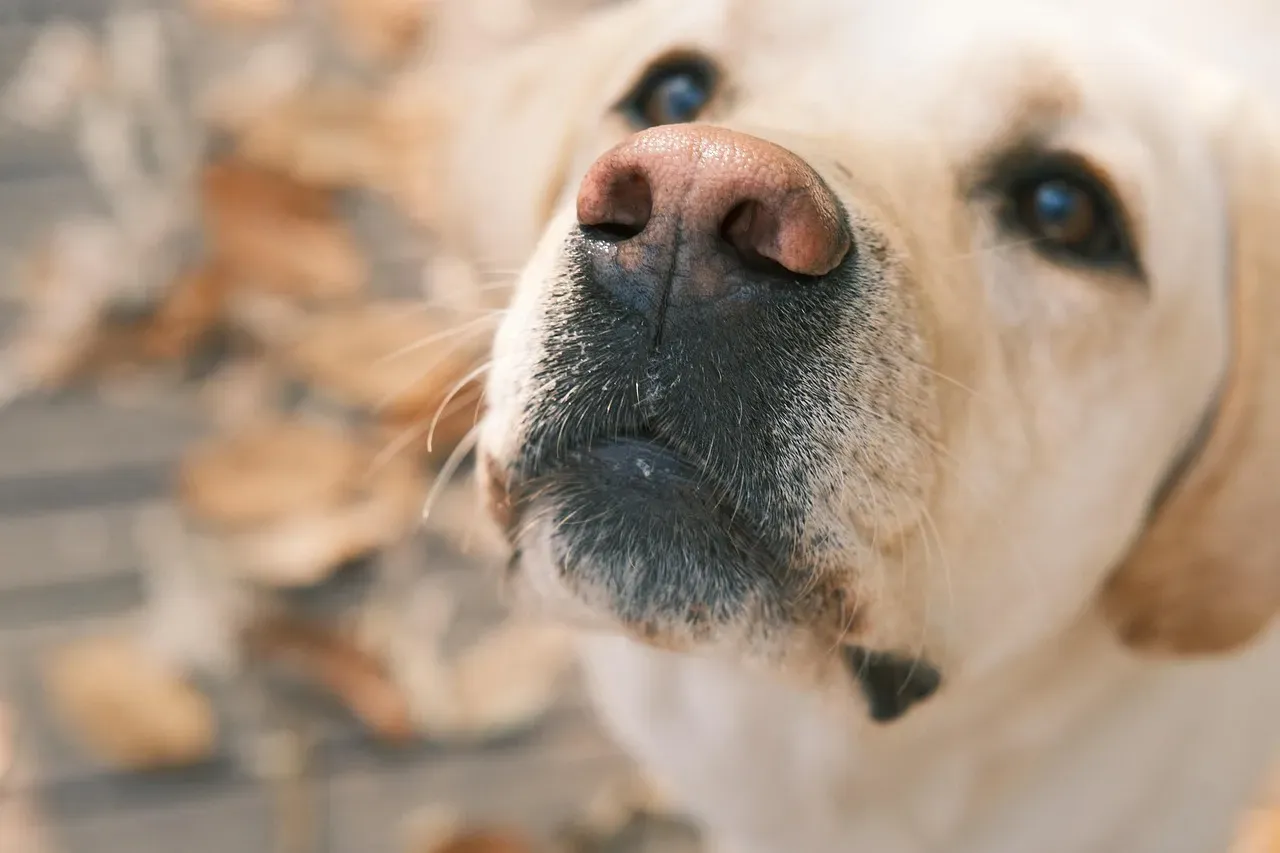
Direct eye contact is loaded with meaning in dog language. Many abused or undersocialized rescues avoid your gaze entirely at first, turning their head away or blinking hard the moment you look at them. That’s not rudeness – it’s pure self-protection.
When they finally start holding soft, relaxed eye contact, sometimes with a slow blink or a gentle head tilt, it’s a massive trust signal. They’re not bracing for punishment or conflict when your eyes meet anymore. You’ll notice them seeking your face out when they’re unsure instead of shrinking away, and their eyes will look softer overall – not wide, hard, and showing whites. Some trainers argue too much weight gets put on “obedience,” when a simple thing like this tells you far more about your bond than any perfect sit-stay ever could.
Until one has loved an animal, a part of one’s soul remains unawakened.
Anatole France
#6 – They Stop Startling at Every Little Noise

Nervous rescues live like the world is constantly one second from exploding. Early on, you might watch them jump at dropped silverware, the TV switching on, a door closing, even your phone buzzing on the counter. That exaggerated startle response is the hallmark of a nervous system stuck in overdrive.
The day those same sounds barely earn a head turn? That’s not laziness – that’s healing. The vacuum cleaner stops being a monster and becomes background noise. The dishwasher runs, a truck rumbles by, kids yell in the yard, and instead of bolting, your dog just sighs and stays put. Not every rescue will ever love fireworks or thunderstorms – many never do – but when ordinary household sounds stop triggering full-body panic, your home has officially become predictable and safe in their mind.
Fast Facts
- Doorbells, vacuums, and dropped objects are among the most common early triggers for newly adopted rescues
- A settled dog can hear these same sounds and simply glance up, or not react at all
- Comfort with household noise usually arrives before comfort with unpredictable outdoor sounds like thunder or fireworks
- A shrinking startle reaction is often one of the earliest measurable changes owners notice
#7 – They Choose Affection Instead of Just Tolerating It
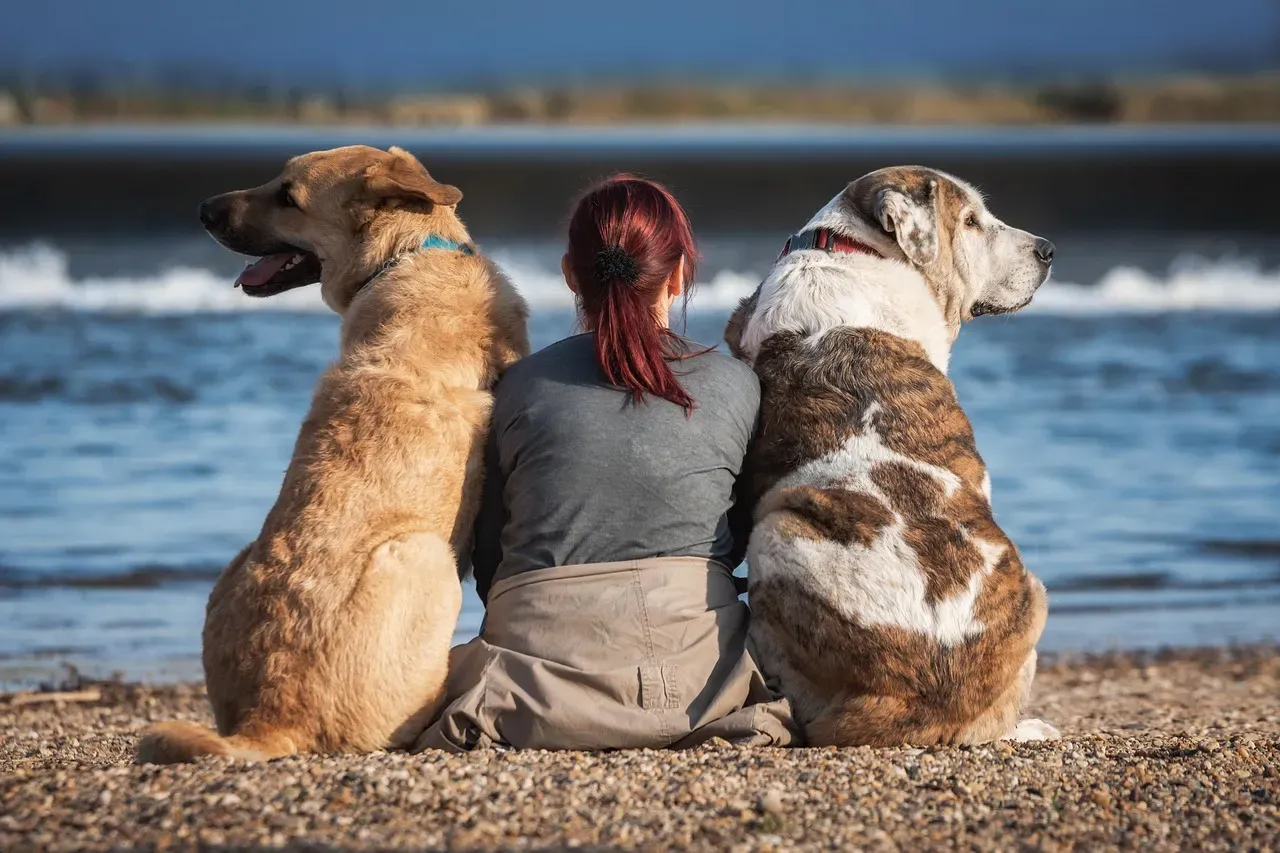
A lot of owners badly misread this one. A fearful dog might “allow” petting simply because it’s learned that protesting doesn’t work, not because it actually feels safe. That’s compliance, not comfort.
The bigger milestone is when they actively seek out touch on their own terms – nudging your hand for more, leaning their full weight against your leg, or climbing into your lap and staying there. Watch for them repositioning your hand if you stop petting too soon, or rolling over to expose their chest in obvious enjoyment rather than nervous appeasement. Some people insist dogs should be more “independent,” but for a rescue, that clinginess can be the very first time in their life they’ve felt safe enough to ask for anything at all.
#8 – Their Body Goes from Stiff to Silly
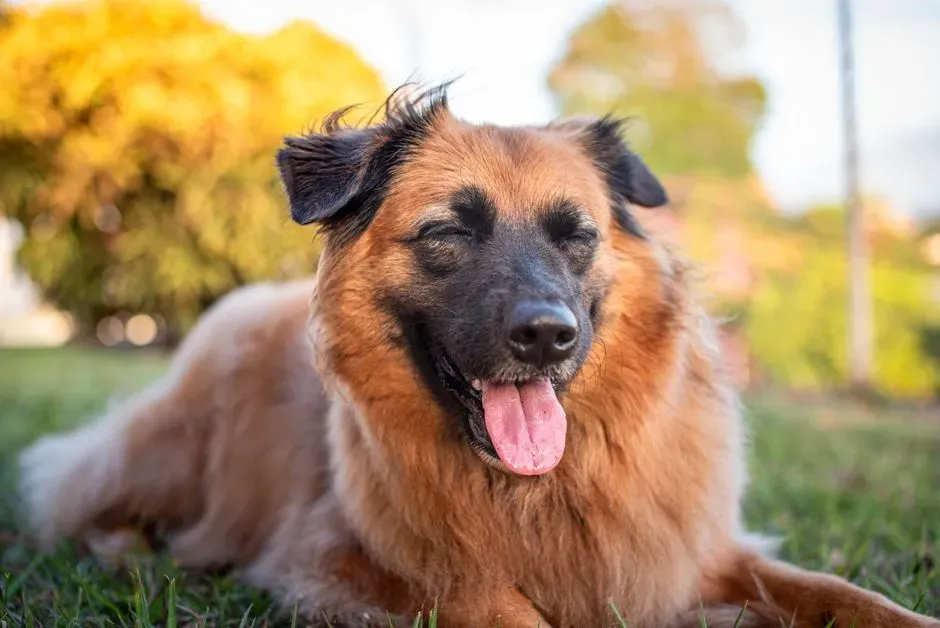
Fearful dogs move like statues. Safe dogs move like noodles. In the beginning, many rescues carry rigid bodies, tight faces, closed mouths, and cautious, deliberate steps, as if every movement might be the wrong one.
As the fear drops away, they suddenly discover their inner goofball – bouncy play bows, sudden zoomies across the yard, butt wiggles, sloppy loose movements that scream “I’m not bracing for danger anymore.” You’ll see a relaxed, open mouth that almost looks like a smile, and ears that shift freely instead of staying pinned back or frozen forward. That sudden burst of puppy energy in a grown adult rescue often catches people off guard, but it isn’t immaturity – it’s delayed joy finally getting permission to exist.
#9 – They Start Ignoring You (In a Good Way)
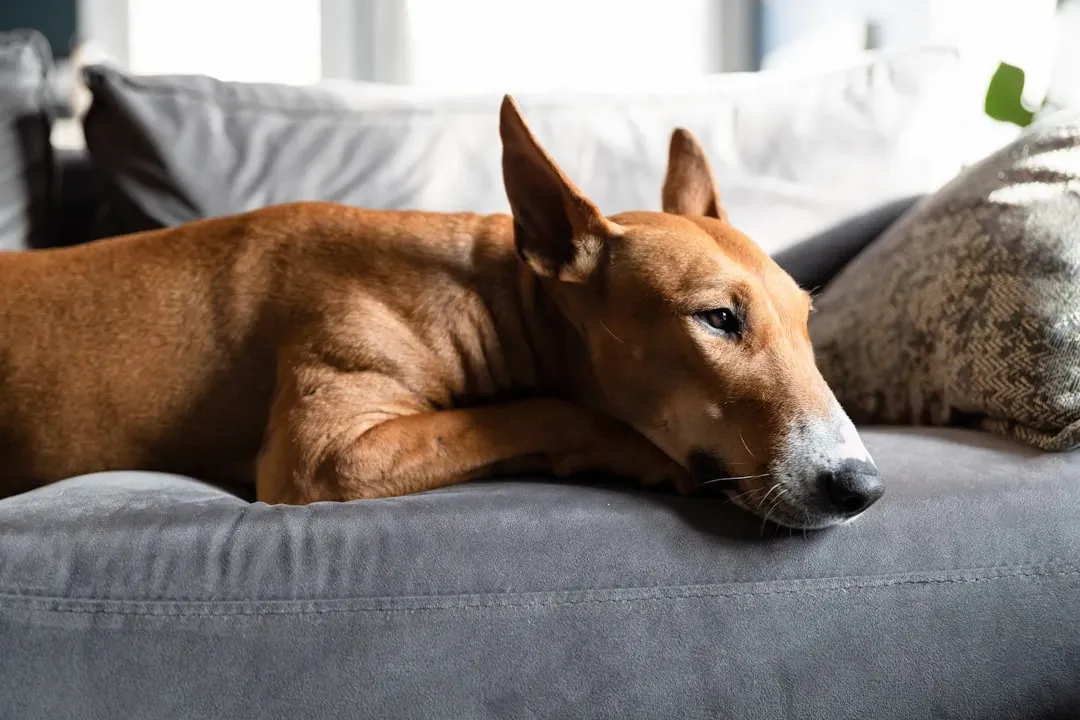
This one tends to annoy people, but it’s actually a huge green flag. In the hyper-fearful stage, many rescues stay glued to you, tracking your every move like their survival depends on it, because for a while, it genuinely felt like it did.
When they finally feel safe enough to mentally tune you out sometimes, it means you’ve stopped being a potential threat and become just part of the furniture – in the best possible way. They nap while you walk around the house. They don’t bolt upright every time you stand up. They stay on the couch when you leave the room instead of anxiously pacing after you, or keep chewing their toy when you walk by instead of freezing mid-bite. Some owners mislabel this as “disobedient” or “unattached,” but it’s actually proof your presence is no longer a constant source of anxiety.
#10 – They Handle Routine Changes Without Melting Down
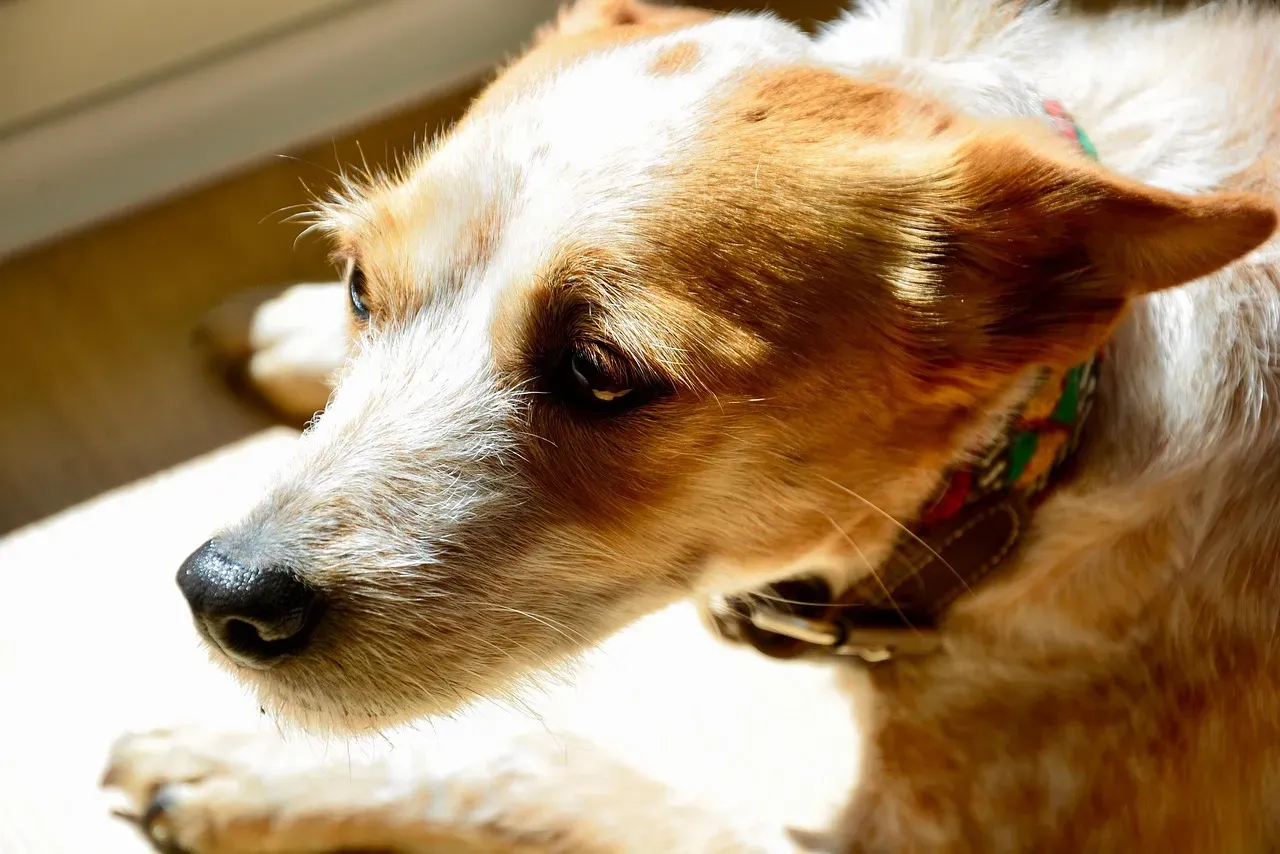
Predictability is a scared dog’s life raft – right up until they trust you enough to let go of it. At first, even small changes like a different feeding time, a new walking route, or unexpected guests can trigger visible tension, pacing, panting, or total shutdown.
You’ll know the fear is backing off when your rescue can roll with mild surprises without spiraling. Maybe dinner is thirty minutes late and they just curl up for a nap. Maybe you take an unfamiliar street and they sniff around curiously instead of panicking. Watch for how quickly they recover from disruptions, and whether new objects around the house – a box, a chair, a stray shopping bag – get sniffed with curiosity instead of avoided like ghosts. No dog “loves” chaos, but a formerly traumatized rescue who can flex with everyday life is telling you the world finally feels navigable, especially with you as their anchor.
Worth Knowing
- Common early stressors include schedule shifts, houseguests, unfamiliar routes, and rearranged furniture
- Curious sniffing of new objects is a stronger recovery sign than simple ignoring
- Quick settling after a disruption matters more than never reacting at all
- Pacing, panting, or hiding after minor changes usually signals the adjustment isn’t finished yet
#11 – They Show Interest in Toys and Play
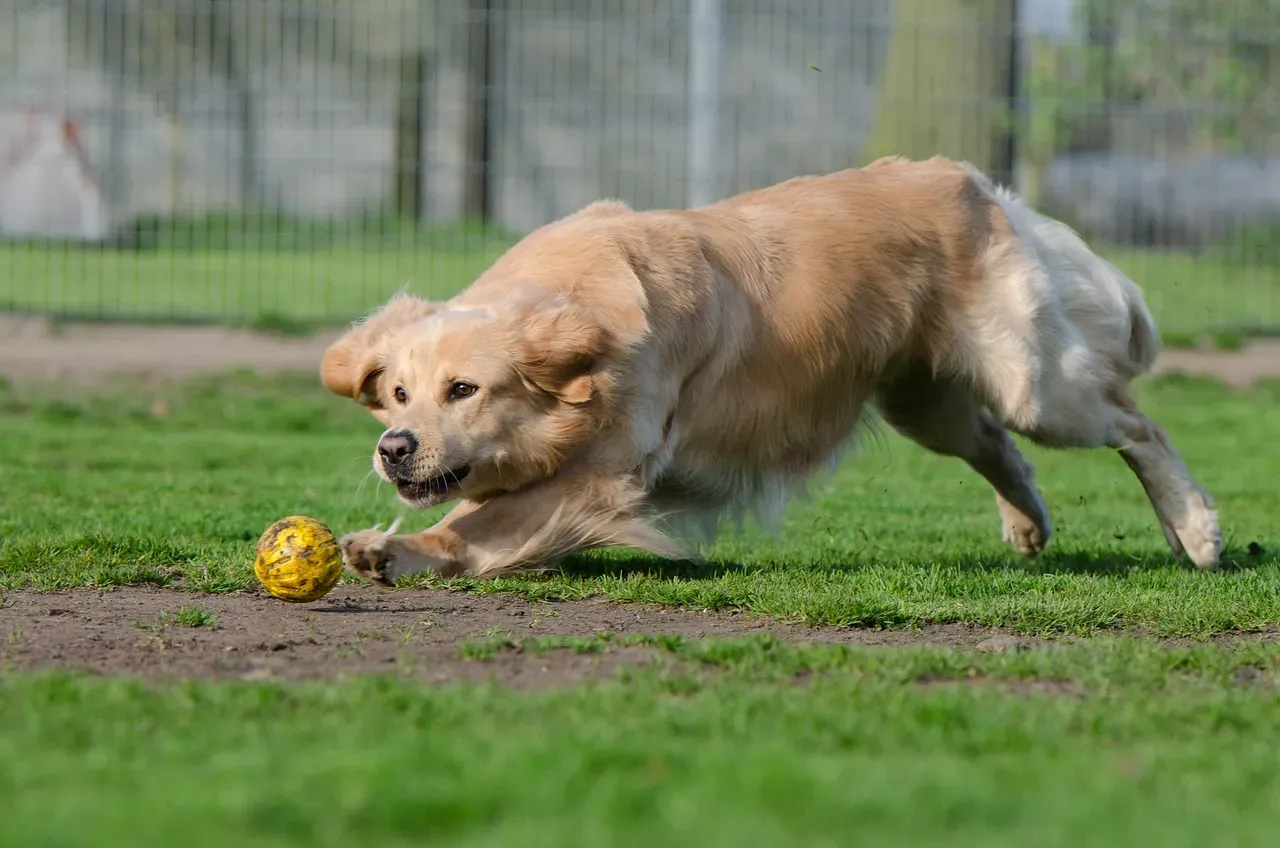
A truly scared brain doesn’t play – it survives. Many new adopters panic when their rescue completely ignores toys, balls, and games at first. That’s normal. Play is a luxury behavior that only shows up once an animal feels safe enough to “waste” energy on something other than staying alive.
So when your dog starts chasing a ball, tugging a rope, or doing that ridiculous pounce on a squeaky toy, it’s a flashing neon sign that their internal alarm system is finally quieting down. Play might look hesitant and awkward at first, like they’re relearning a language they forgot. Self-play, when they engage with toys even without you cheering them on, is an especially strong sign – it means they feel secure even without your constant reassurance. Some people dismiss toy interest as shallow or “spoiled pet” behavior, but in rescue work, that first honest game of tug can mean more than a thousand sad backstory posts.
#12 – They Trust Strangers… Or At Least Tolerate Them
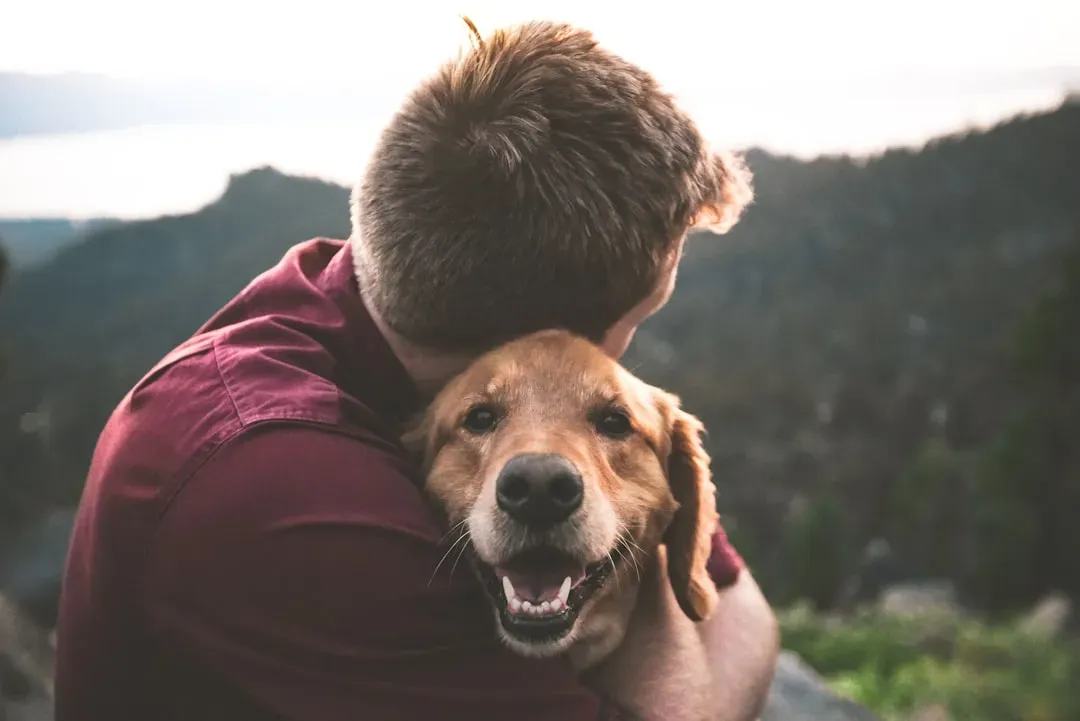
Not every rescue dog becomes a social butterfly, and that’s genuinely okay. The real shift to watch for is the move from reactive fear – barking, lunging, hiding, shaking – toward neutral or mildly curious behavior around new people.
Maybe they don’t rush up for cuddles from a stranger, but they can share a room with visitors, accept a treat from an outstretched hand, or ignore a jogger passing by without going rigid. That’s real emotional progress, not just “good manners.” Look for them choosing distance calmly instead of panicking, or checking in with you and then relaxing instead of spiraling into fear. Some advocates push the idea that every dog should “love everyone” as proof of good training, but for many rescues, calm tolerance is the honest, realistic finish line – and it means the fear that once ran their whole life has clearly lost its grip.
#13 – They Show Normal, Everyday “Dog Problems”
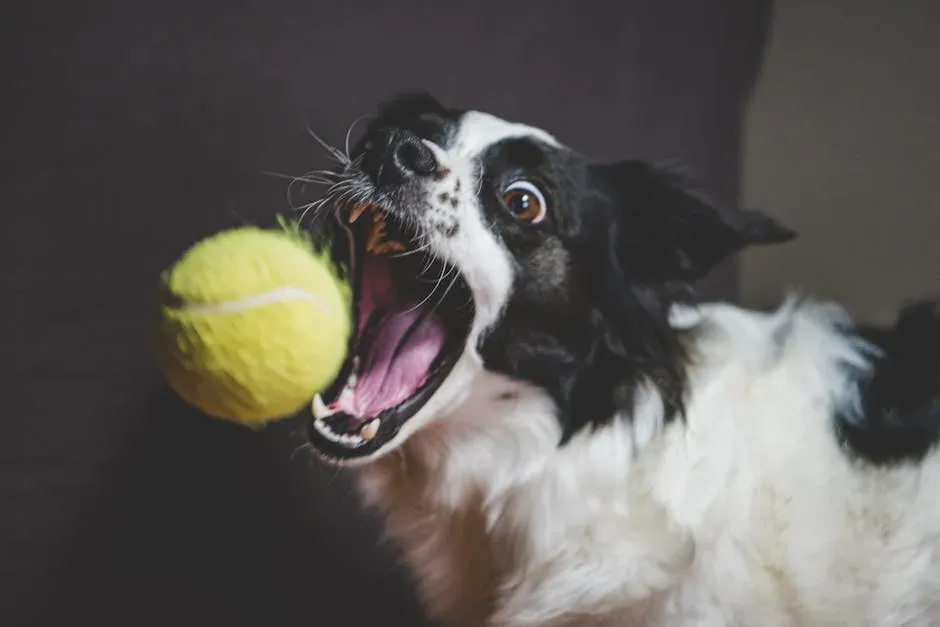
Oddly enough, a little bit of naughtiness can be a wonderful sign. When a rescue starts stealing socks, counter-surfing, barking at the mail carrier, or testing boundaries, it often means they’re no longer frozen by fear. They feel secure enough to have opinions now – even inconvenient ones.
A dog who’s terrified for their safety isn’t spending brain space wondering whether it’d be fun to dig through the trash; they’re too busy just trying to survive the day. Mild mischief means there’s finally room in that brain for curiosity and experimentation. You can absolutely train the behavior – but you can’t train terror out of a dog overnight, and you shouldn’t expect to. When your once-shut-down rescue suddenly discovers their inner troublemaker, it’s proof they finally believe your home is safe enough to show their full personality, flaws included.
#14 – They Bounce Back From Scary Moments Faster
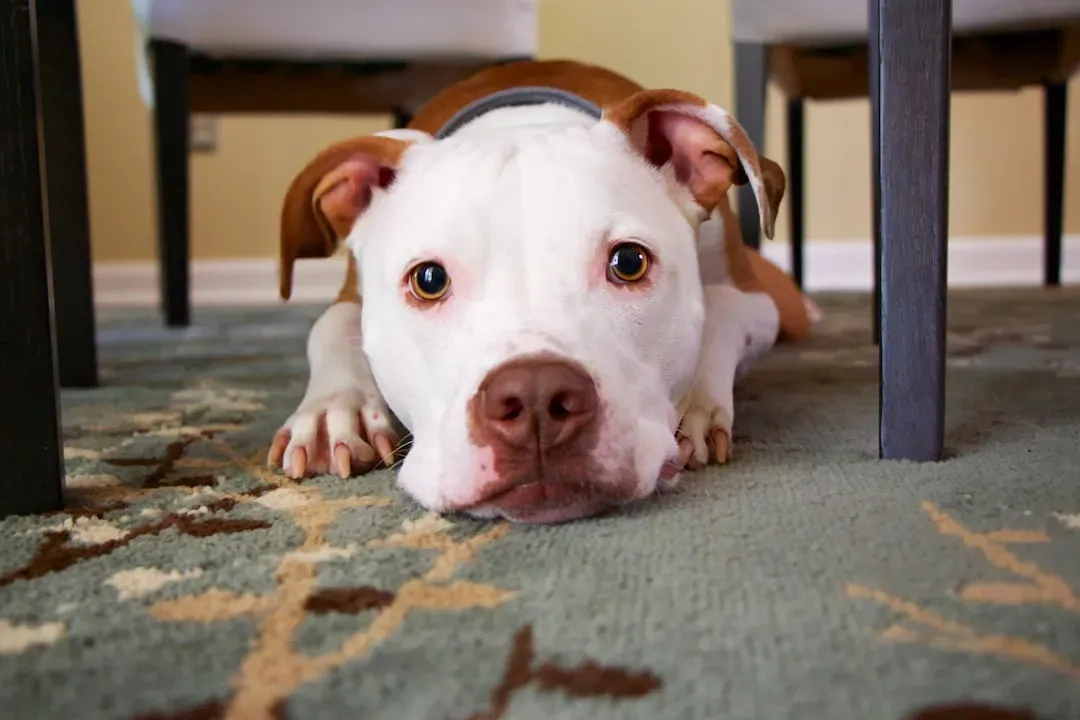
This is the real “graduation” sign behaviorists look for. Even the most confident dog gets spooked sometimes – that never fully goes away. The difference in a healed rescue is recovery time.
Early on, one loud noise might ruin their entire day. Months later, that same dog might jump, shake it off, take a breath, and be back to normal within minutes. That shrinking gap between fear and calm is your biggest clue that their nervous system has genuinely rewired itself in your care. Watch for them retreating briefly and then re-emerging to investigate, or looking to you for comfort, accepting it, and moving on instead of staying locked in panic. Perfection – never being scared again – isn’t the goal, and it isn’t realistic. Resilience is. When your rescue can feel afraid and still trust that they’re safe, that’s the moment you know the fear no longer owns them.
At a Glance
- Startles, then shakes it off and returns to normal within minutes, not hours
- Briefly retreats to a safe spot, then re-emerges to investigate on their own
- Seeks brief comfort from you, accepts it, and moves on without lingering panic
- Shows no avoidance of the same space or object once the scare has passed
The Bottom Line
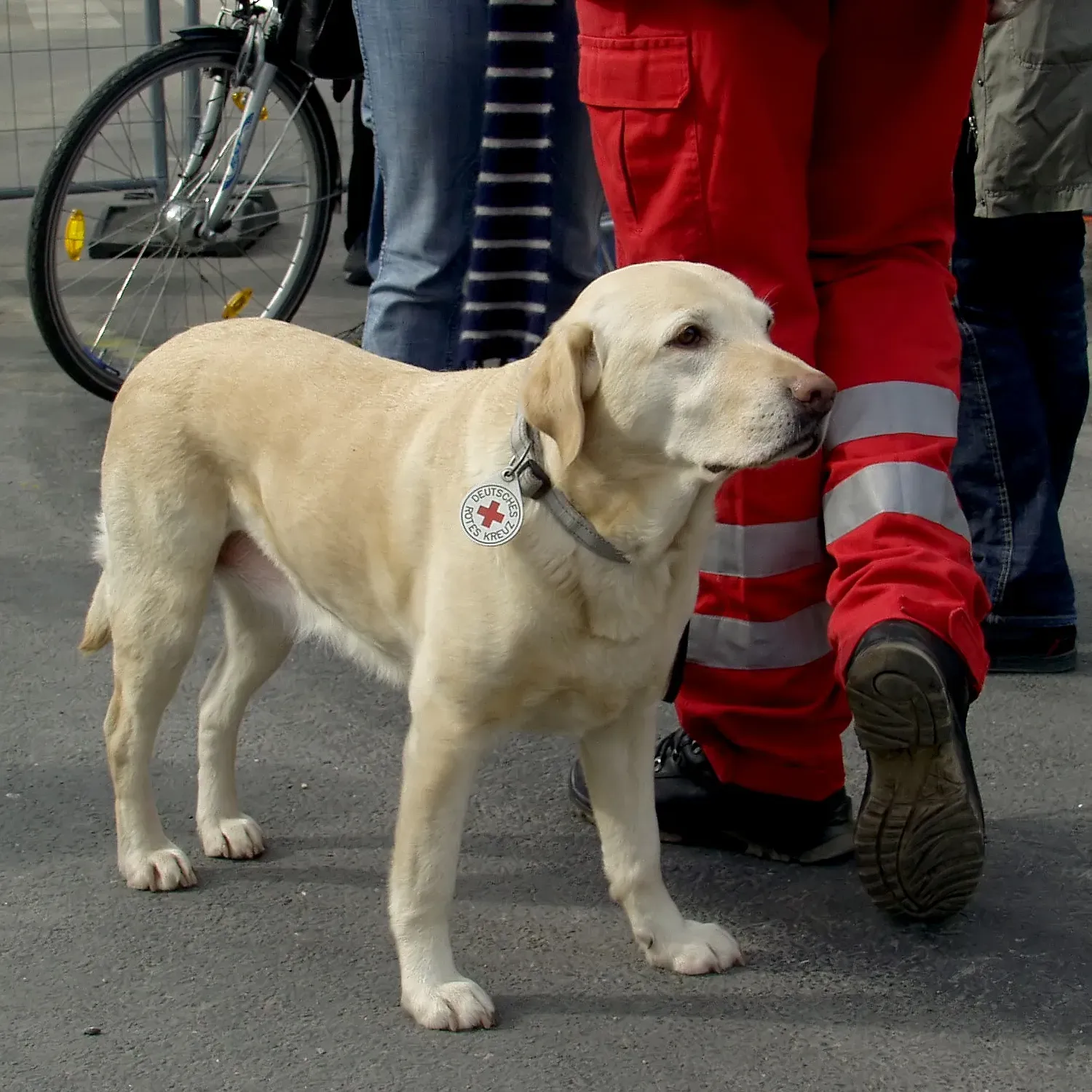
The internet loves dramatic “before and after” rescue photos, but the real transformation lives in the tiny, easy-to-miss moments: a slower meal, a deeper nap, a softer gaze, a stupid zoomie across the living room. Those are the quiet places where years of instinctive fear finally start to let go.
Not every rescue will turn into a carefree, social butterfly, and pretending otherwise does them a disservice. The real success story isn’t a flawless dog – it’s a dog who finally feels safe enough to be exactly who they are, quirks, baggage, and all. Which of these signs have you already seen in your own rescue, and which one took the longest to show up?