
Your Old Dog Isn’t Just Slowing Down – 14 Signs It Is Aging With Joy
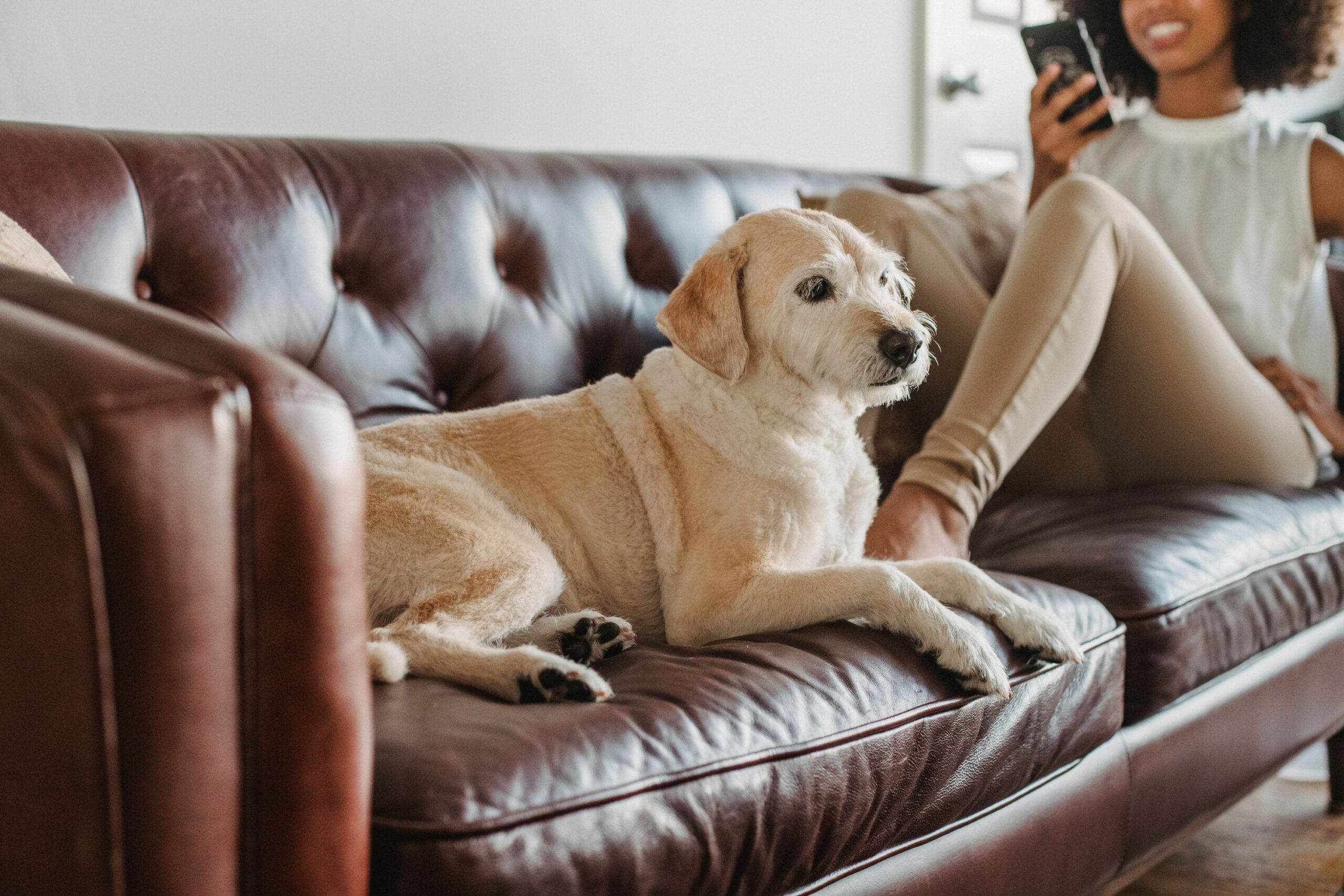
The first time your old dog hesitates on the stairs, or sleeps through the sound of dinner hitting the pan, something in your chest tightens. You brace for the worst. “This is it,” you think. “They’re going downhill.”
Here’s the twist almost nobody warns you about: a lot of what looks like decline is actually your dog finally living the good life they spent years earning. Vets, behaviorists, and longtime owners will tell you the same thing – older dogs can be calmer, happier, and more content than they ever were as anxious, wired-up two-year-olds. The real skill isn’t panicking at every gray hair or slow blink. It’s learning which changes are genuine red flags, and which ones are quiet proof your dog is aging with joy. These fourteen signs will change how you see every nap, every slow walk, and every long stare your senior dog gives you.
#1 – They Sleep Like Champions, Then Wake Up Genuinely Content
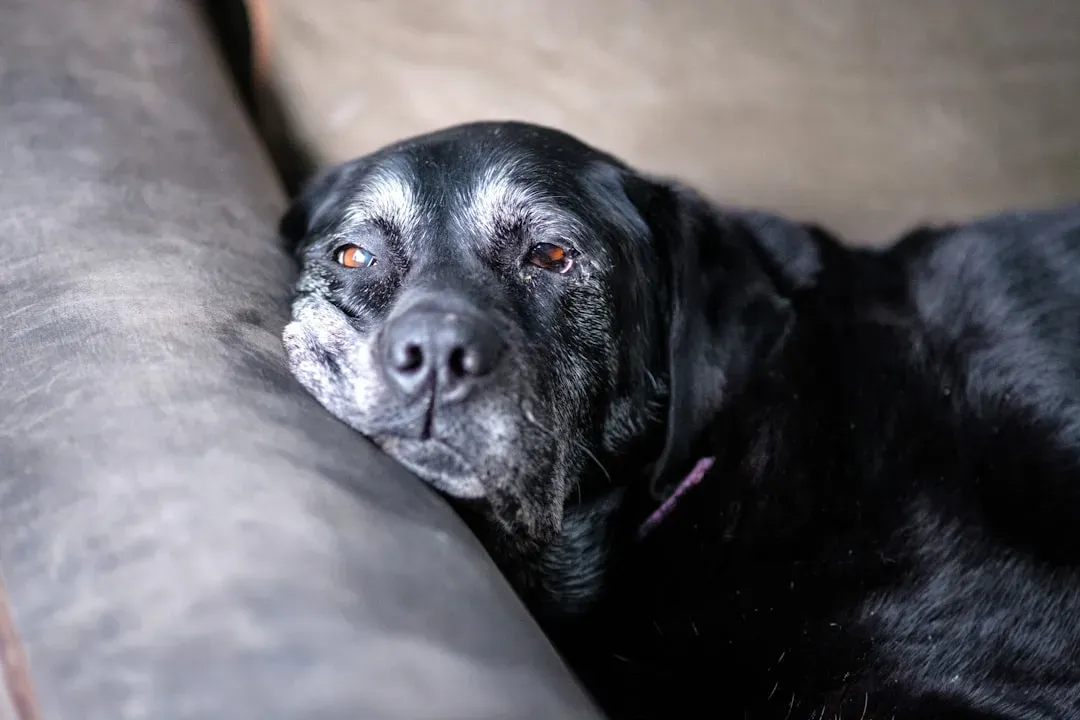
Everyone assumes more sleep automatically means bad news. It doesn’t. Senior dogs can sleep sixteen to eighteen hours a day and still be completely healthy – the sleeping isn’t the tell. What matters is what happens the second they open their eyes.
A dog that stretches, wags, and ambles over for a scratch isn’t shutting down. It’s conserving energy like a seasoned pro who finally figured out the game. You’ll see fewer frantic zoomies and more deliberate bursts: a round of fetch, greeting the mail carrier, then straight back to bed. That’s not depression, that’s pacing. The only real warning sign is a sudden, dramatic spike in sleeping paired with a flat, unresponsive mood – steady napping with soft eyes and an easy wake-up is just a dog who has nothing left to prove.
#2 – They’ve Stopped Chasing Every Dog Drama At The Park
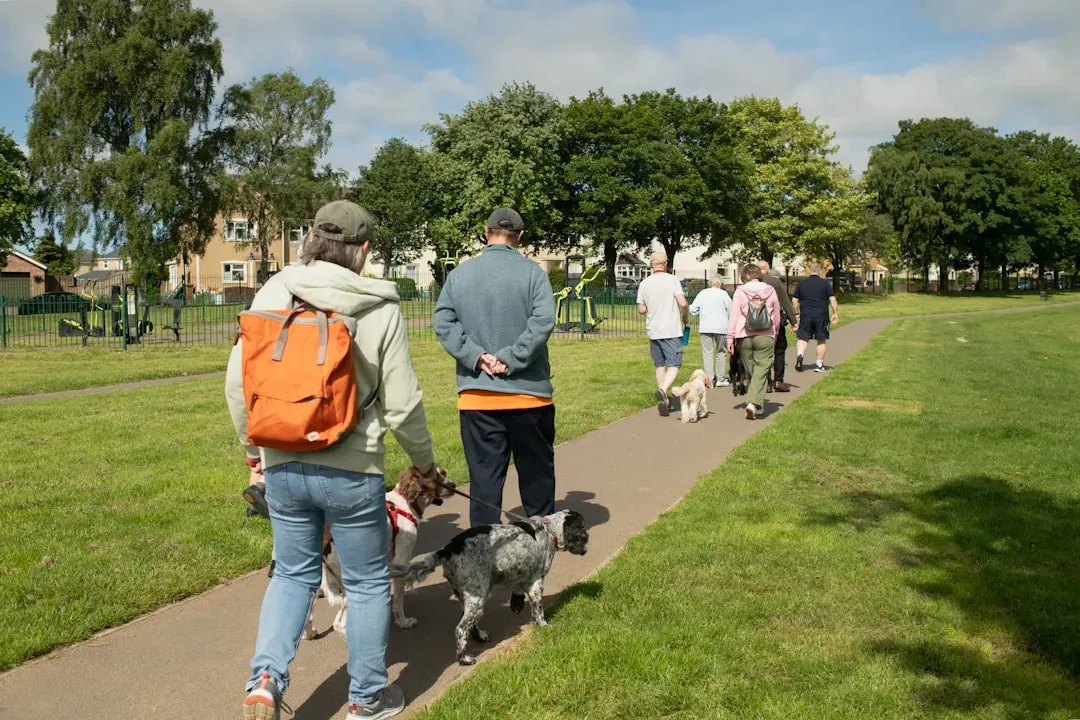
Your dog used to lose their entire mind at the sight of another dog half a block away. Now they glance, maybe offer a polite wag, and keep walking. Owners often read this as social withdrawal. Behaviorists read it differently: senior dogs get choosier, not lonelier.
They’ve simply stopped burning energy on every random dog at the park. You’ll notice shorter greetings before they go back to sniffing, and a lot more interest in staying close to you than joining the chaos. It’s the canine version of an adult skipping the loud nightclub for coffee with one close friend. As long as there’s no fear in the body – no tucked tail, no cowering, no sudden aggression – this quieting down is emotional maturity, not decline. Plenty of trainers admit they wish young dogs acted this settled.
Quick Compare
- Young dog at the park: sprints over, high-pitched excitement, strains the leash toward every dog in sight
- Senior dog at the park: calm glance, brief polite wag, quickly returns to sniffing the grass
- Young dog’s energy: spent everywhere, on everyone, all the time
- Senior dog’s energy: rationed on purpose, saved for the people and moments that matter most
#3 – Their Play Style Slows Down, But The Joy Never Left
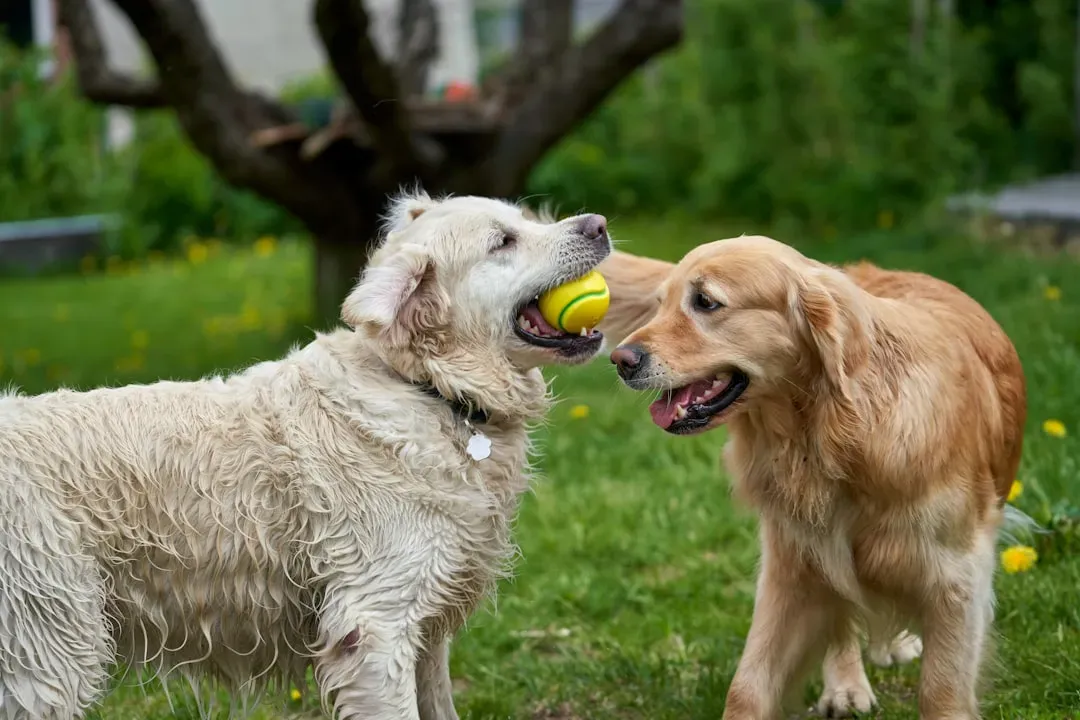
Most owners panic the moment their dog stops sprinting after a ball like their life depends on it. But intent matters more than speed. An aging dog often trades high-impact zoomies for slow-motion silliness – nudging a toy, gentle tug, goofy bows that last a beat too long.
You might see more wrestling on the rug and fewer fetch marathons, short happy bursts followed by a satisfied flop onto the floor. This isn’t your dog losing interest in play; it’s your dog learning exactly what their joints can handle and quietly self-regulating. The mistake is assuming they don’t want to play at all anymore. Offer softer toys, shorter sessions, a snuffle mat or a simple puzzle. When they light up for three minutes and then happily crash, that’s not decline – that’s an efficient, age-savvy kind of fun.
#4 – They Follow You Less, But They Never Stop Watching You
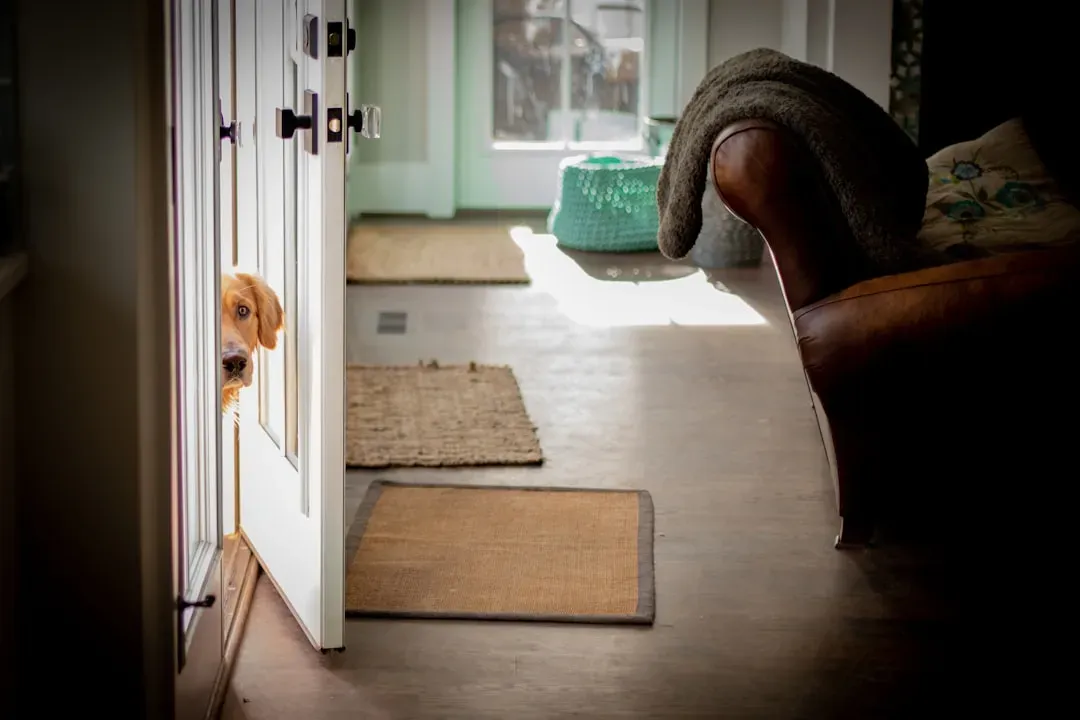
If your dog used to trail you from room to room and now stays parked on the couch instead, it can feel like rejection. It usually isn’t. Many seniors trade constant following for strategic observation – they’re still completely attached, just prioritizing comfort over cardio.
Watch where they choose to settle. Spots with a clear view of the door, a bed positioned so they can hear the whole house, a corner where they can track your voice without moving a muscle. If you leave the room and they stay put but their ears flick toward your footsteps, they’re still invested. A dog isolating in random, unfamiliar corners can be a red flag worth mentioning to your vet. But a dog who claims a comfy command center and just watches you move through the day? That’s not detachment. That’s trust built over years.
#5 – Their Appetite Slows Down, Not Disappears
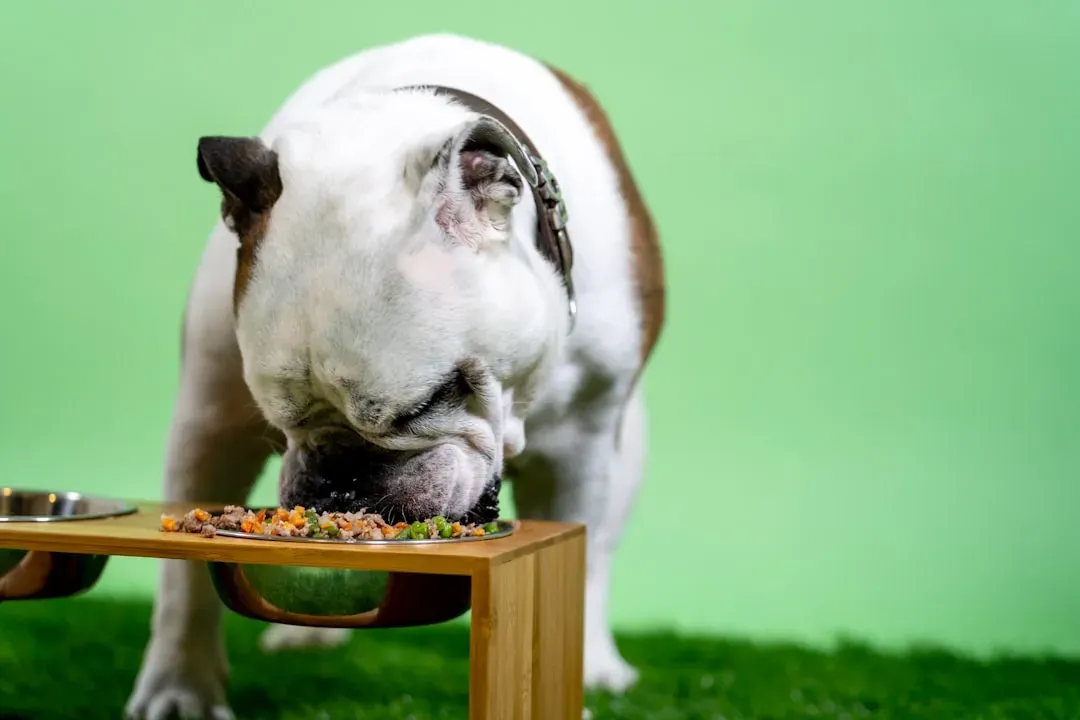
A quieter reaction to food scares people. Sometimes it should. But not always. Younger dogs inhale their meals like it’s a competition with an invisible opponent. Seniors tend to approach the bowl with more measured enthusiasm, because they’ve learned the food will be there, same bowl, same time, every single day.
Healthy aging usually looks like this: they still come when called for meals, just without the full sprint, and they eat steadily, maybe pausing mid-bowl, but finish most or all of it. You may also notice them getting pickier – that can be teeth, digestion, or simply taste, because yes, old dogs develop opinions. As long as their weight is stable and your vet is happy, a calmer eater is a sign of comfort, not crisis. The real red flag is enthusiasm disappearing entirely or weight dropping. A mellow, consistent appetite is often just a body settling into a gentler rhythm.
#6 – They Get Picky About Comfort, And That’s A Good Sign
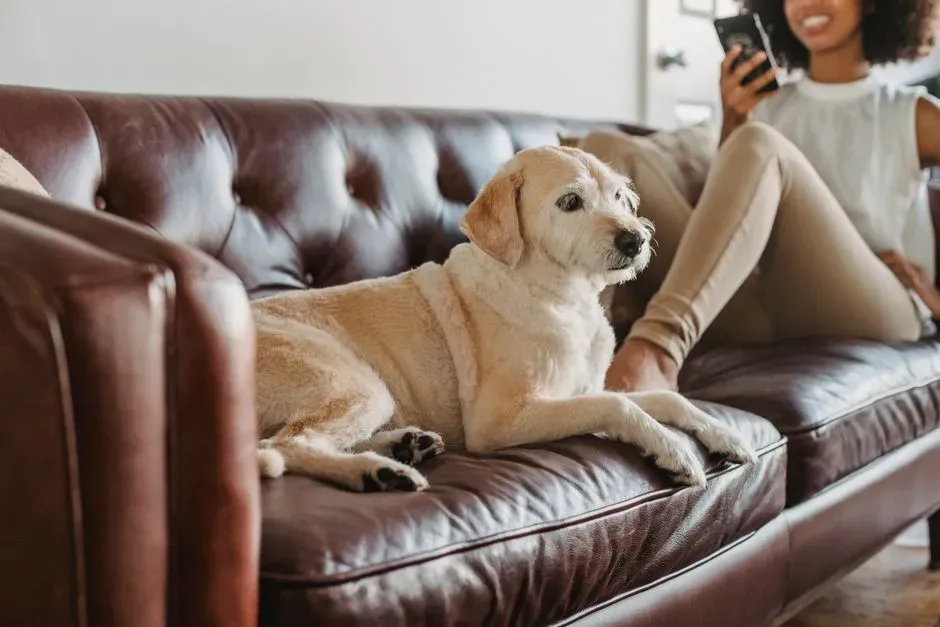
We call it “getting lazy” when an older dog refuses the hard floor and demands the couch. In reality, that dog is finally advocating for its own comfort. Joint changes and muscle loss make soft, supportive beds non-negotiable, and actively seeking those spots out shows they still care about feeling good.
Watch for them circling more carefully before lying down, lowering themselves slowly, and consistently returning to one or two favorite zones in the house. Far from being a bad sign, this is smart adaptation. A dog that experiments – tries the new bed, the sunny rug, the cool tile after the warm couch – is still problem-solving for comfort, which means their brain is still fully online. Ignoring this and insisting they lie on hard floors is a mistake plenty of owners quietly regret later.
#7 – Their Walks Get Slower, But Somehow More Alive
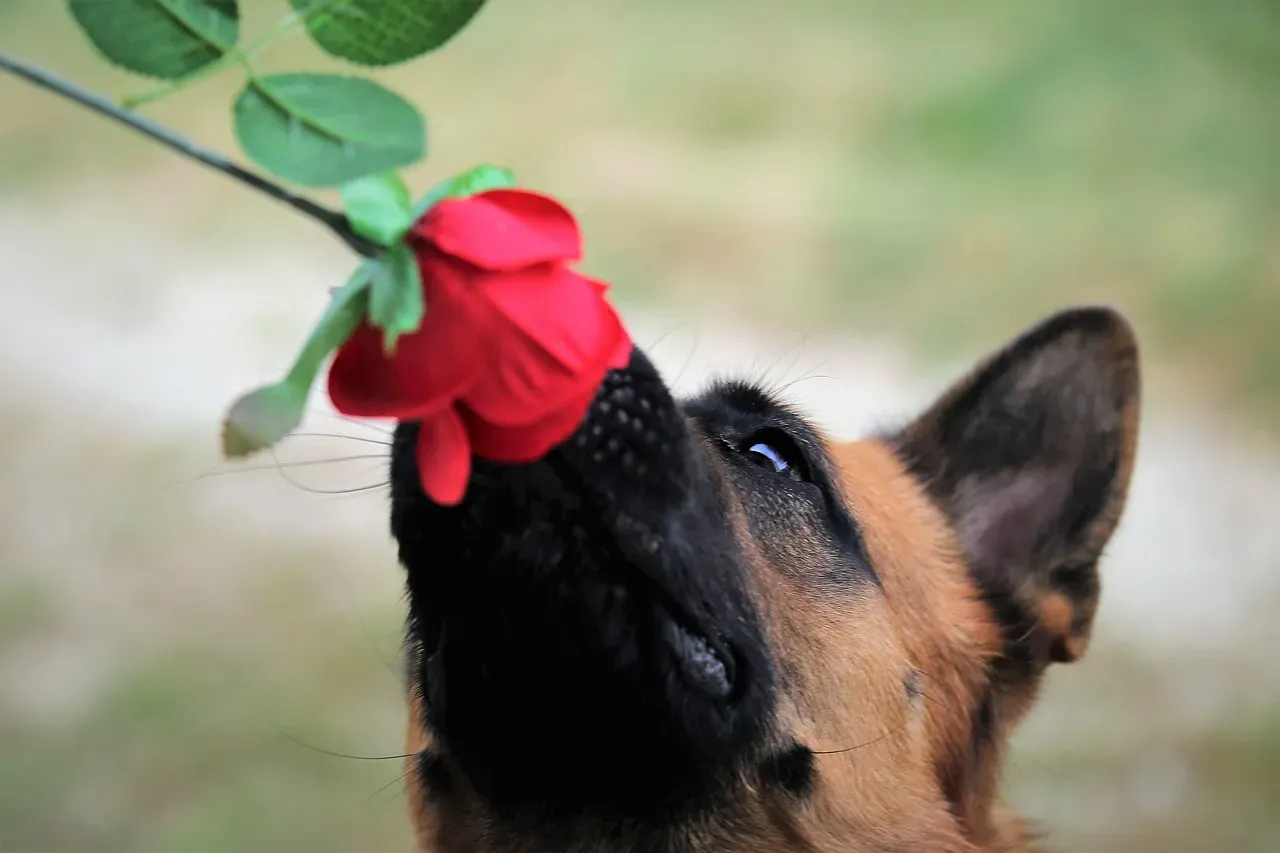
Many people interpret “lagging on walks” as a signal to stop walking altogether. In reality, most older dogs don’t need fewer walks – they need different ones. Shorter, slower, built around sniffing instead of distance. Match their pace and you’ll often see a surprisingly bright, relaxed expression replace the old frantic pulling.
On a good aging-with-joy walk, you’ll notice them spend more time on one bush than they used to spend on the entire block, and a steady, even gait once they warm up instead of yanking toward every distraction. Their priorities have shifted from mileage to information – the walk becomes less of a workout and more of a newsfeed. As long as your vet says it’s safe, these unhurried “sniffaris” are one of the clearest signs your old dog is still mentally engaged and genuinely enjoying the world, just on their own, wiser terms.
Fast Facts
- A slow, sniff-heavy walk lets a dog process far more information than a brisk power walk ever could
- Shorter, more frequent outings are often gentler on aging joints than one long daily walk
- A steady, even gait after warming up is a good sign; sudden limping or stiffness that doesn’t ease up is not
- Letting a senior dog set the pace usually means a calmer, more content dog by the time you’re home
#8 – They Handle Noise And Chaos With Surprising Grace
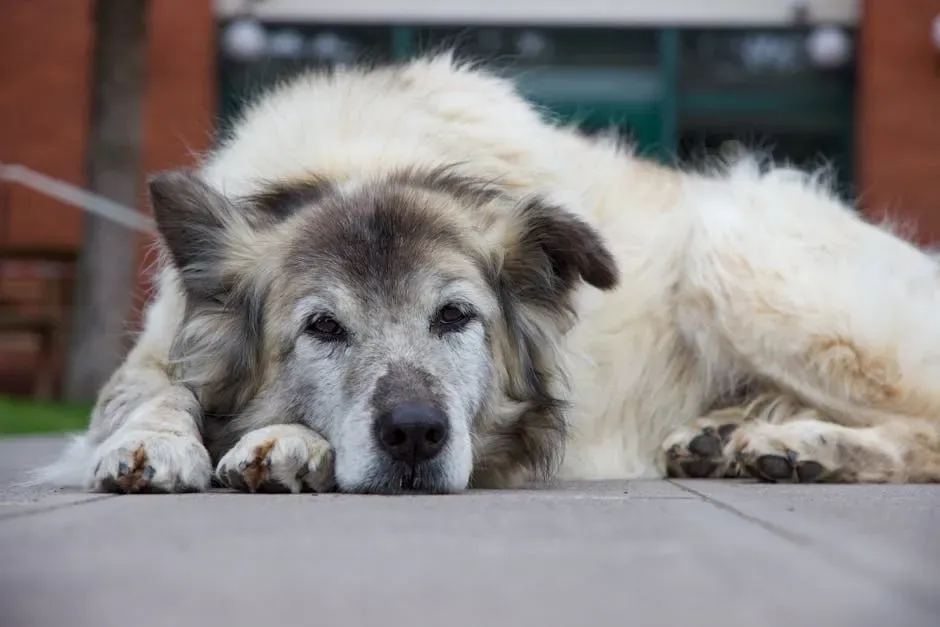
Younger dogs spin up at every doorbell, kid scream, or dropped pan. Seniors often either ignore the chaos completely or calmly remove themselves from it – heading to another room, settling somewhere quieter, and returning once things die down.
That’s not checking out. That’s advanced self-regulation, sometimes helped along by normal age-related hearing changes that soften the edges of a loud world. Healthy aging looks like less barking at delivery trucks or fireworks, and a dog who calmly relocates during chaotic play instead of spiraling. Some people find it sad that their dog doesn’t leap at every sound anymore. Many vets and trainers see it differently – as one of the biggest signs of a dog who finally feels completely safe in their own home.
#9 – Their Eyes Get Cloudier, But Somehow Softer Too
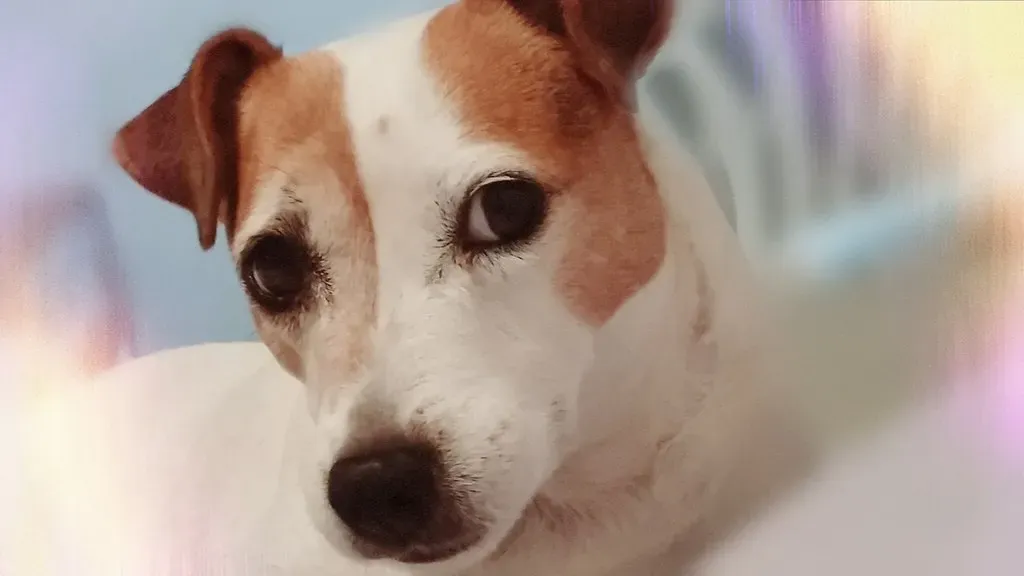
Most owners panic the first time they spot a bluish haze creeping into their dog’s eyes. Age-related lens changes, like nuclear sclerosis, are extremely common and often affect vision far less than people assume. The more telling detail isn’t the cloudiness – it’s the expression underneath it.
Are the eyes still tracking you? Blinking slowly? Brightening the second you walk into the room? In many seniors you’ll see a gentle “soft eye” contact that lingers, and a relaxed brow that’s replaced the hyper-alert stare of their younger years. Cloudy eyes should always get checked by a vet, no exceptions. But the way your dog uses their eyes to greet you, to scan a room, to melt a little when you talk to them – that’s a strong indicator of emotional well-being that has nothing to do with how clear the lens is.
Worth Knowing
- Nuclear sclerosis is a normal aging change in the eye’s lens and usually doesn’t significantly affect vision
- Cataracts can look similar but are denser and may impair sight, so they need ongoing veterinary monitoring
- Only a vet exam can reliably tell the two apart, so any new cloudiness deserves a checkup, not a guess
- Dogs with fading vision often adapt beautifully, leaning on scent, hearing, and memory of the home
#10 – Their Affection Gets Quieter, But Deeper
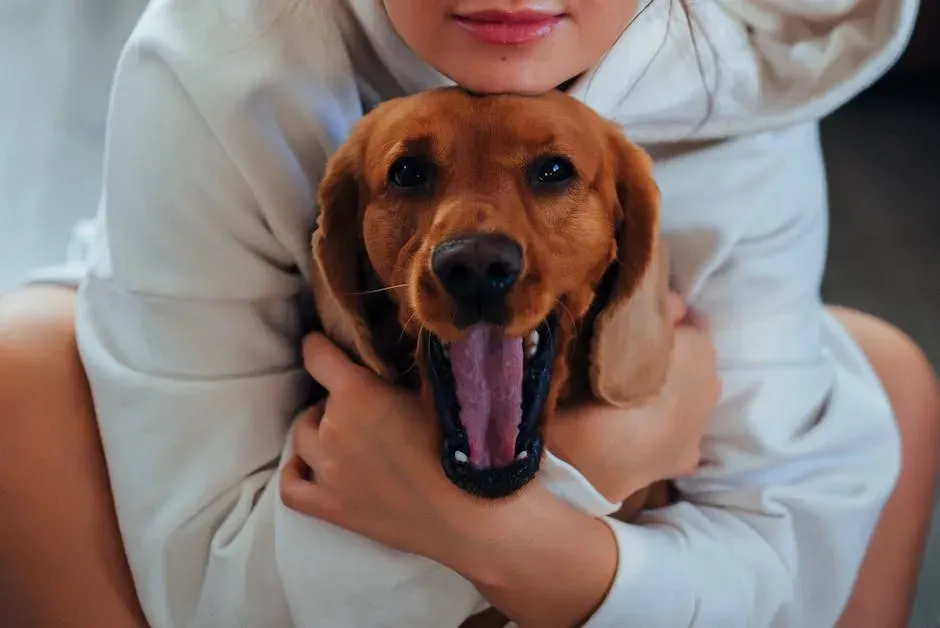
Not every old dog turns into a clingy teddy bear, but many shift their affection style entirely. Instead of constant, frantic attention, they choose fewer, deeper connection moments – sleeping a foot away instead of on your lap, then suddenly pressing their head into your chest like they’re trying to merge with you.
You’ll notice longer, more contented cuddles when they do seek you out, and quiet leaning, sighing, or slow tail wags instead of wild excitement. Some people misread “less jumping, more leaning” as weakness. Behaviorists see it as the opposite – a sign of strong attachment and emotional security. Your dog has learned your routines and your moods completely. When they choose to get up, cross the room, and rest their chin on your leg, that’s not less love. That’s love with better aim.
“Dogs are not our whole life, but they make our lives whole.”
Roger Caras
#11 – They Save Their Energy For Very Specific Happy Moments
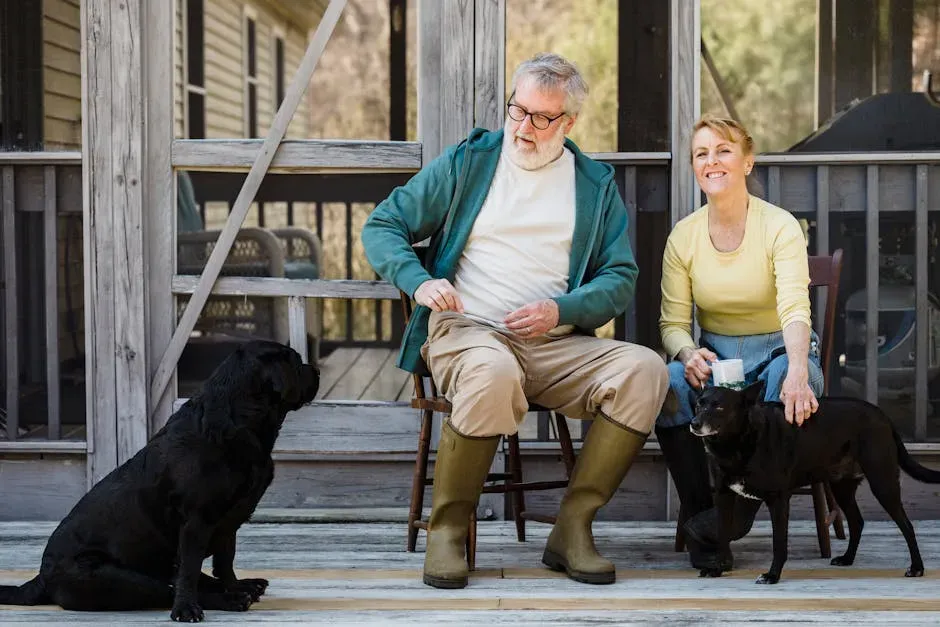
One of the best-kept secrets of senior dogs is that they ration their joy on purpose. They save it for very particular triggers – maybe it’s the moment you walk in the door, the sound of the leash coming off the hook, or the word “car.” The rest of the day they might shuffle and snooze, and then suddenly, for thirty electric seconds, they’re five years younger again.
Common happy-burst moments include a favorite person walking in, the countdown to meals or treats, or right after a grooming session they secretly love. These quick spikes of puppy energy matter more than they seem. They prove your dog’s brain still links certain events to intense positive feelings. Critics might say it’s only a few seconds. Exactly – and your dog is choosing to spend those precious seconds on exactly what matters most to them.
#12 – They Turn Into Creatures Of Habit, And It’s Comforting
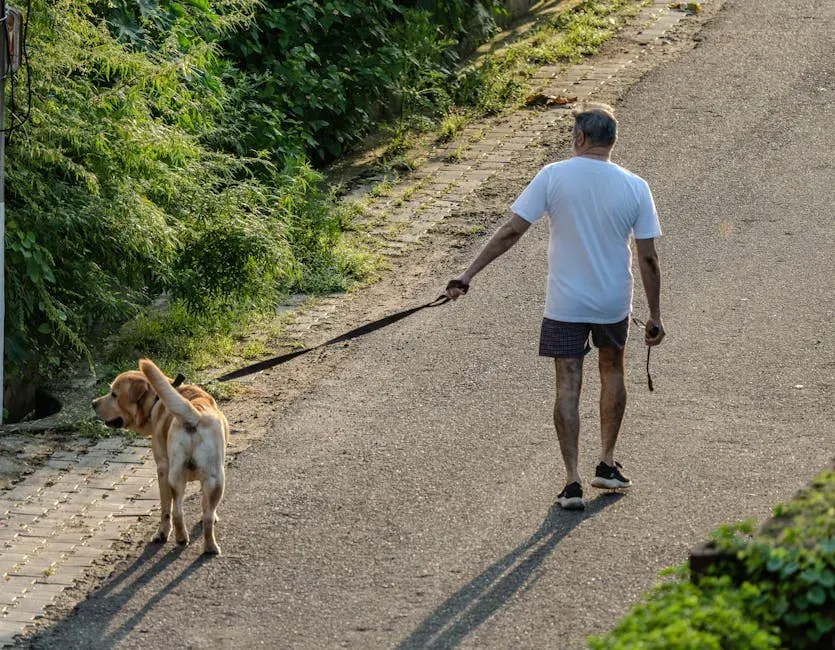
Some owners complain their older dog has gotten “boring” or too set in their ways. In reality, a predictable daily rhythm is one of the strongest signs your senior is emotionally secure. Dogs love routine at any age; older dogs genuinely depend on it.
You might notice them putting themselves to bed at the same time every night, or waiting by the door right on schedule down to the minute. Watch for them anticipating walks or meals with eerie precision, or heading straight to their bed the second you dim the lights. This isn’t rigidity for its own sake. It’s your dog knitting your shared life into a stable, comforting pattern, and choosing to participate in it willingly, day after day. Chaos feels worse with age, for dogs and humans alike. Routine is simply your dog’s way of saying, “I know exactly how my world works, and I like it this way.”
#13 – They Let You Help Them Without A Fight
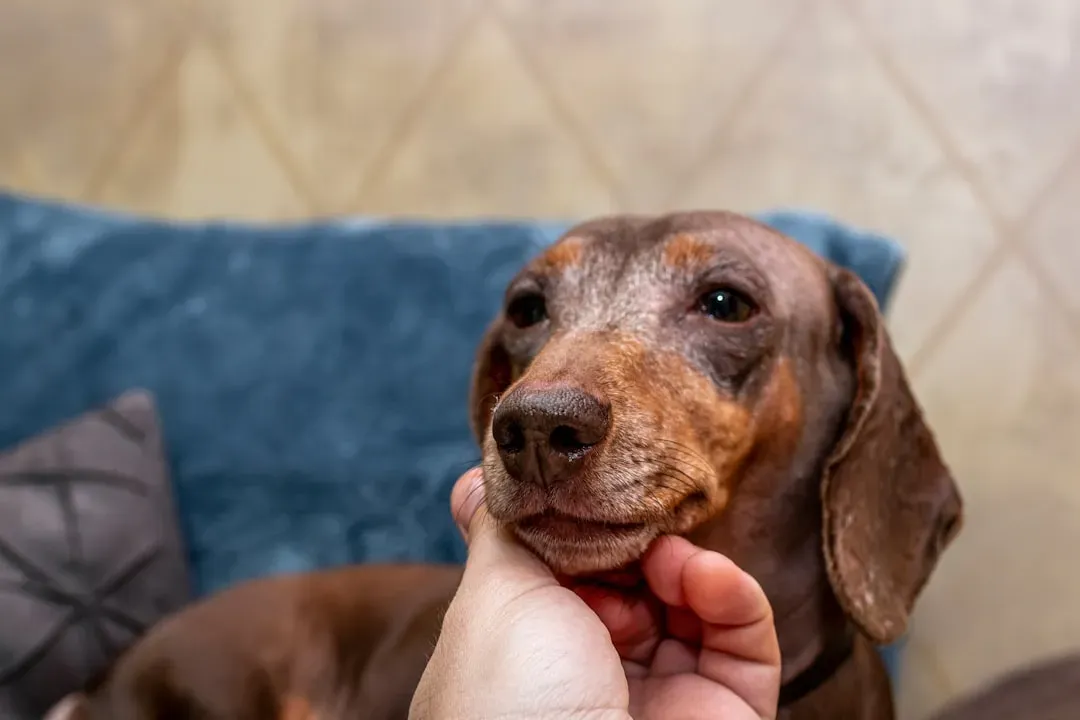
Here’s a brutally honest opinion: one of the clearest signs a dog has lived a genuinely good life is whether they can accept help calmly in old age. Needing a boost into the car, a ramp for the couch, or a steadying hand on the stairs isn’t failure. It’s intelligence, and it’s trust.
You may see them hesitate at a threshold, then glance back at you before taking the next step, or allow a harness, sling, or ramp without a meltdown. Most people underestimate how enormous it is when an animal lets you assist its most vulnerable moments. That willingness doesn’t appear out of nowhere – it comes from years of feeling completely safe with you. A younger dog might power through pain out of pure stubbornness. An older dog that calmly lets you share the load isn’t broken. It’s deeply, quietly bonded to you.
Why It Stands Out
- Accepting a ramp, harness, or helping hand shows a dog trusts you completely with its safety
- Pausing at a threshold to glance back is a request for guidance, not a sign of fear
- Dogs that fight off all help often have unresolved pain or a shakier bond with their owner
- Letting you carry some of the physical load is one of the clearest signs of a secure, loving relationship
#14 – Their Curiosity Never Actually Retires
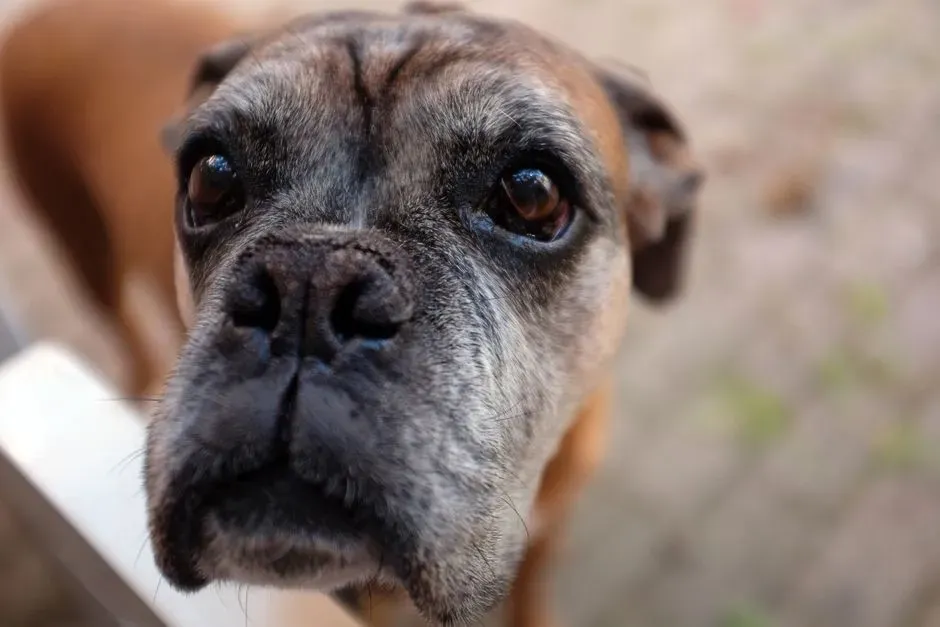
This is the big one. Forget the gray muzzle, the slower walk, the extra naps for a second. One of the strongest signs your old dog is aging with joy is ongoing curiosity – the refusal to stop being interested in the world around them.
Do they still sniff the breeze at an open window? Watch the squirrels do their nonsense in the yard? Perk up when they hear your keys or a familiar voice at the door? Joyful curiosity looks like slowly but thoroughly sniffing the entire yard, turning their head toward a new sound even if they don’t get up, or trotting over stiffly the second you open a favorite cabinet. They may not fling themselves at every stimulus anymore, but they’re still mentally checking in – what’s that, who’s here, is that for me? That little head tilt, that soft wag, that decision to go investigate, tells you everything. They’re not just existing. They’re still participating in their own life, just at a quieter volume.
The Bottom Line
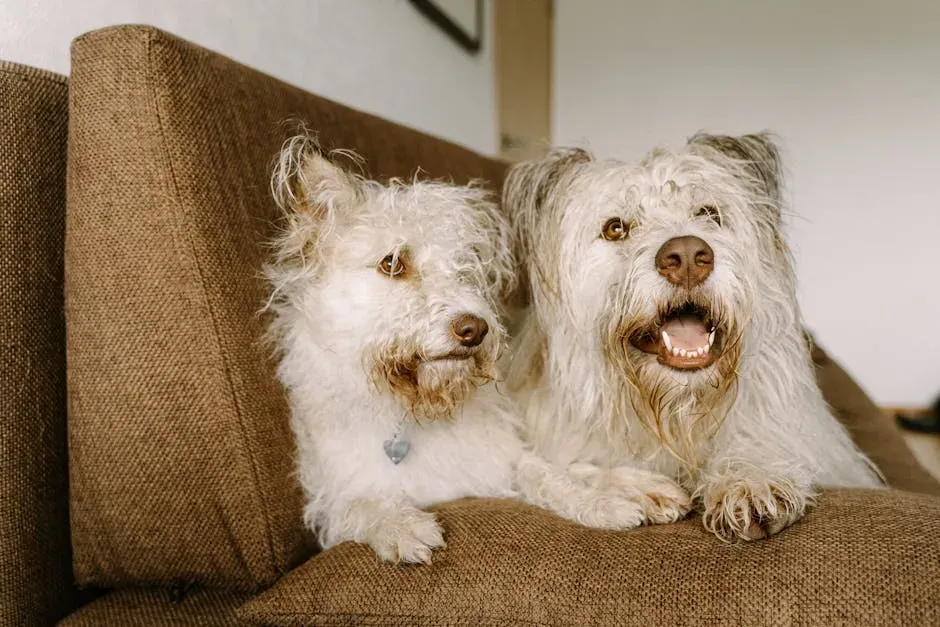
Your old dog isn’t failing just because it’s stopped acting like a puppy. In most cases, the slower walks, the longer naps, the softer eyes, and the calmer reactions are evidence that your dog has finally reached a stage most humans never manage – genuine, earned contentment.
Aging will always bring some physical limits; that part is just true, and no amount of positive spin changes it. But when you see curiosity, routine, selective bursts of happiness, and a willingness to accept comfort and help, you’re not watching your dog give up. You’re watching them lean into the life you built together. Not everyone wants to admit this. Some people chase endless “youthfulness” in their pets and completely miss the quiet beauty sitting right in front of them on the couch. You don’t have to be one of them.
Which of these signs do you see in your own senior dog – and which one changed how you feel about their aging?