
13 Reasons Your Dog Leans Its Full Weight Into You When You Sit Down
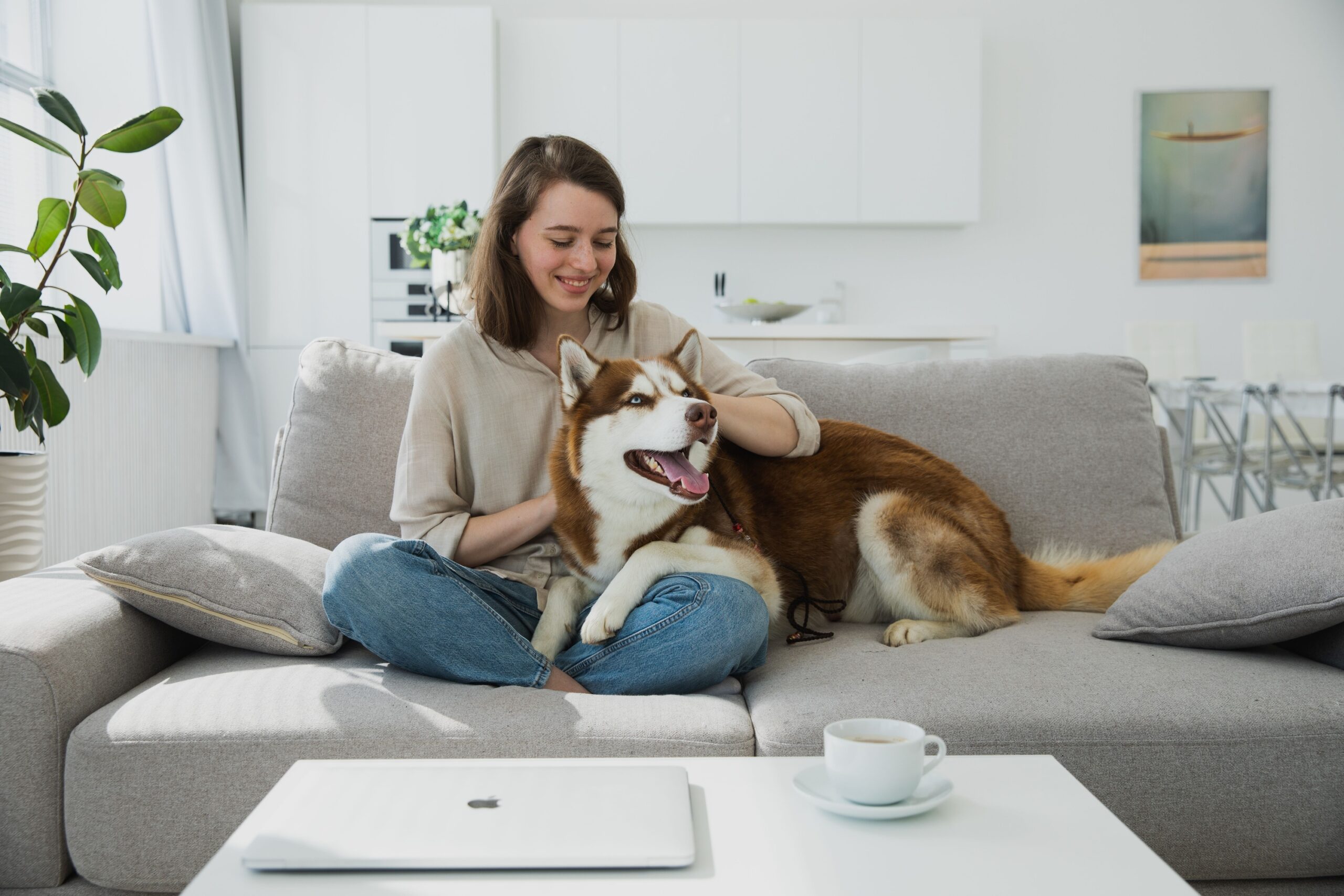
Most people assume their dog is just “being clingy” when it drops its entire body weight against them on the couch. But behaviorists say that heavy, full-weight lean is rarely random, and it’s almost never just about cuddles.
It can mean affection, sure. But it can also signal protection instincts, quiet anxiety, or even pain your vet hasn’t caught yet. Once you know what to actually look for, that sleepy lean starts to look a lot more like a message your dog has been sending you all along.
#1 – “You’re My Safe Place” (Pure Attachment)
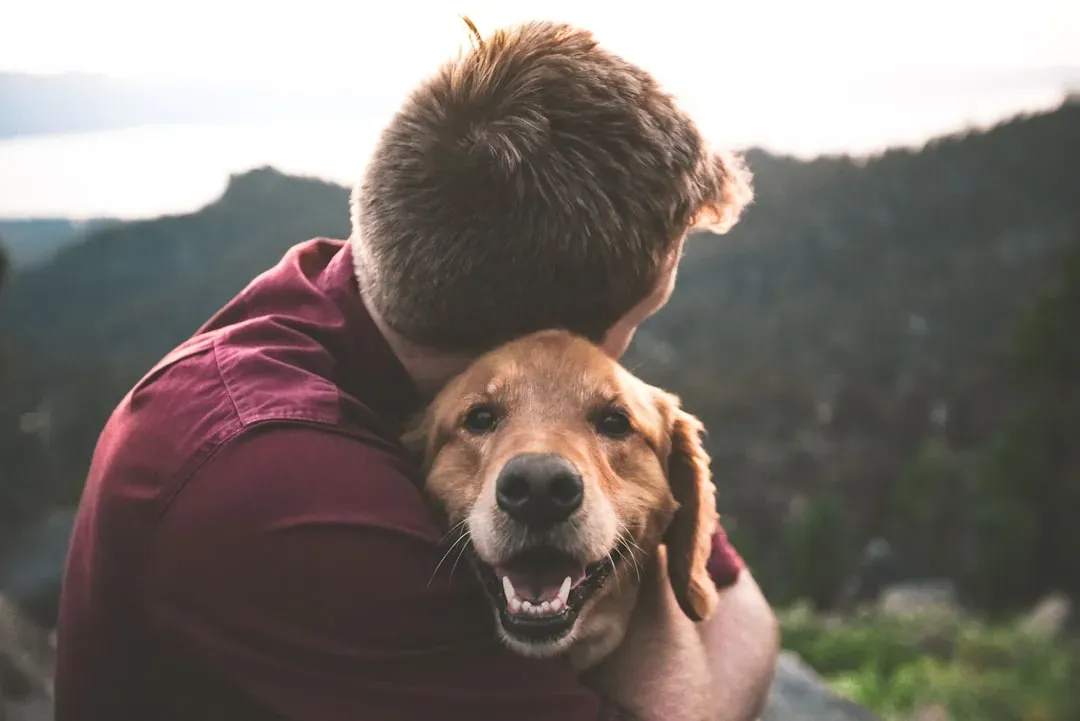
That full-body lean you feel the second you sit down? In a lot of dogs, it’s basically the canine version of a hug. Dogs are wired to seek physical contact with their “pack” the moment they feel relaxed and secure.
Instead of curling up across the room, they choose to glue themselves to your side, hip, or leg. That pressure, plus your scent and body heat, tells them they’re exactly where they want to be. Dogs that consistently pick you as their leaning post are quietly telling you who their number-one person is, and some will even wiggle in closer if you try to scoot away, like they’re personally offended by the idea of space between you.
Fast Facts
- Physical contact triggers oxytocin, the “bonding hormone,” in both dogs and their people
- Dogs recognize their favorite humans through a mix of scent, voice, and body warmth
- A dog’s regular leaning spot often marks their preferred person in a multi-person household
- Researchers have found dogs treat trusted owners as a kind of “secure base,” similar to how young children rely on parents
#2 – Subtle Anxiety You’re Not Noticing
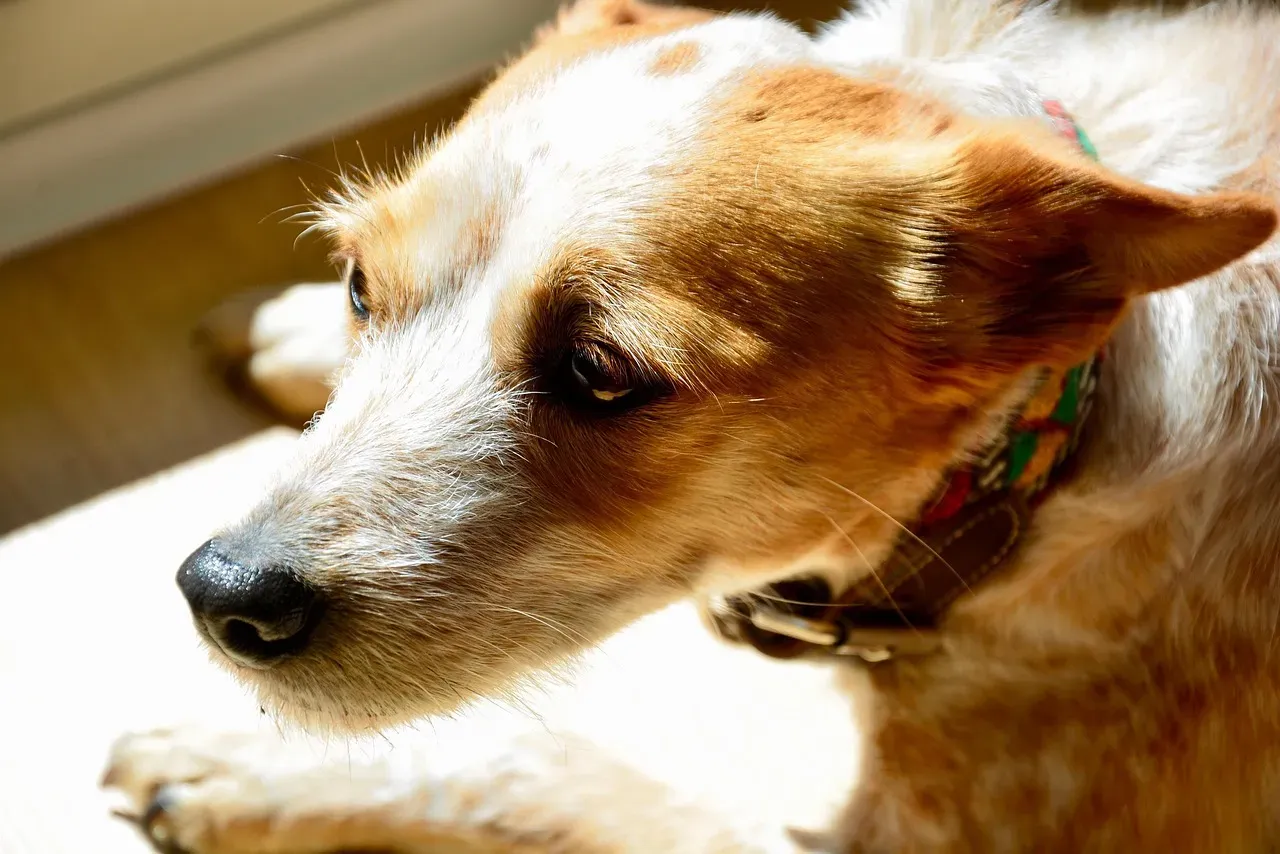
Here’s the part most owners get wrong: leaning isn’t always about affection. For a lot of dogs, that heavy press into your leg is a coping mechanism, not a compliment. When a dog is even slightly anxious – a new guest, a loud TV, a storm outside – it may lean into you to self-soothe, like a living weighted blanket.
The touch calms their nervous system and gives them a job: stay close to the human. Watch for the small signals people miss right alongside the lean.
- Slightly pinned ears
- A tight mouth or fast panting
- A stiff tail instead of a loose wag
If your dog only leans hard during chaos – kids roughhousing, raised voices, clattering dishes – this is less “aww, cuddles” and more “help, I’m not sure about this.” A lot of owners accidentally punish it by pushing the dog away, when the better move is rewarding the calm lean, softening your voice, and giving them a predictable spot near you.
#3 – Guarding You Like You’re Their Job
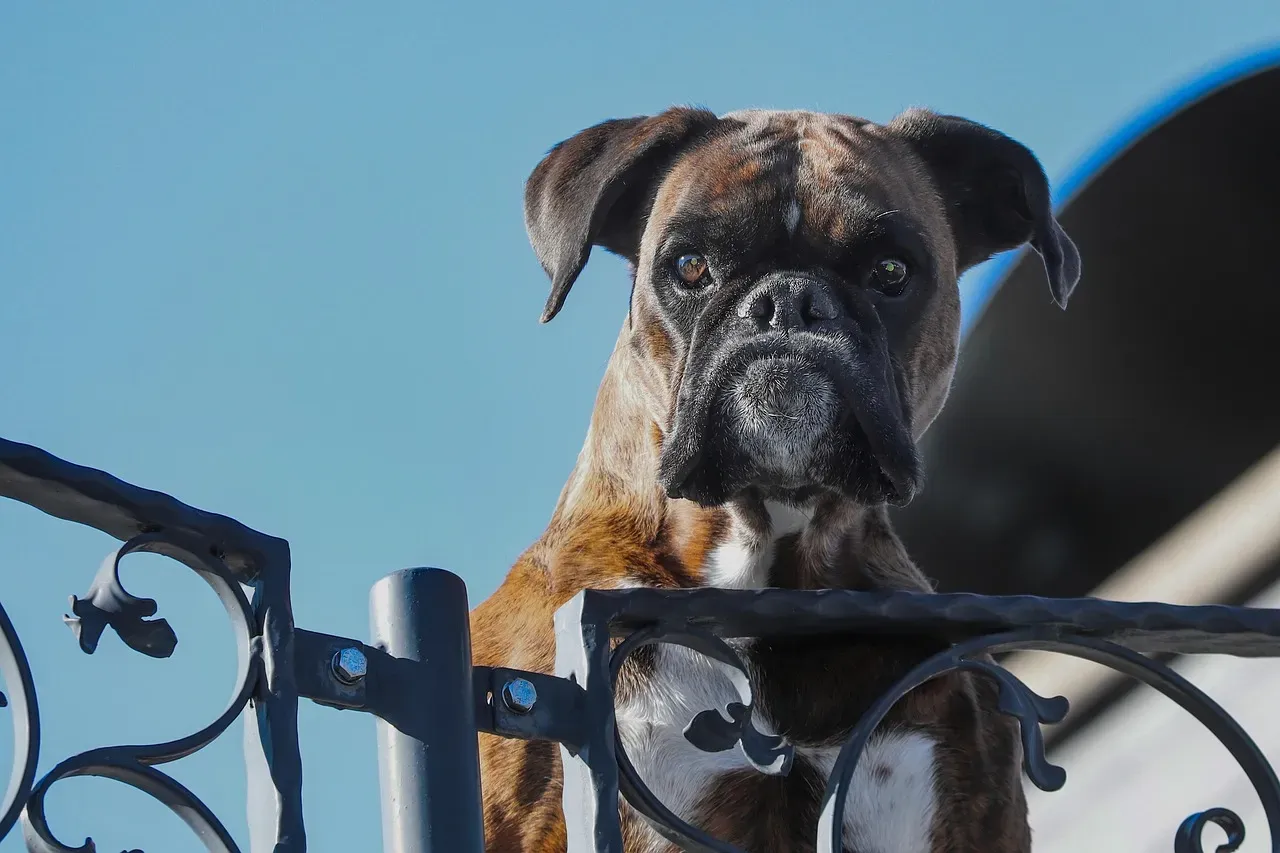
Some dogs don’t just love you, they’ve quietly appointed themselves your security detail. When they lean their full weight against you while facing the room or the door, it can be a low-key guarding posture. They’re using their own body as both shield and anchor, keeping you tucked behind them while they clock the environment.
Herding and guardian breeds are notorious for this. Their chest faces outward while their hip and shoulder press into you, their eyes track sounds even mid-“nap,” and they may stiffen or lean harder the second a stranger gets close. Most owners love the idea of a devoted protector, but if your dog growls at people who approach you while leaning, that’s not loyalty, it’s a behavior issue worth talking to a trainer about.
#4 – Seeking Warmth and Comfort (Sometimes It’s Just That Simple)
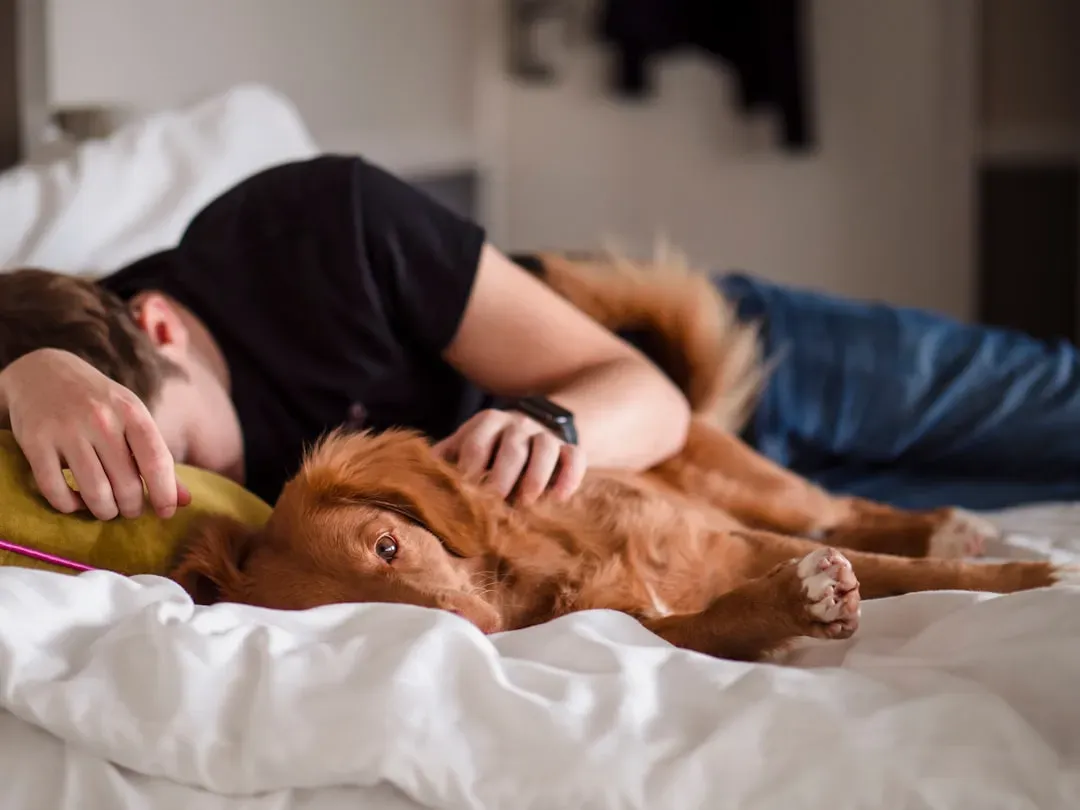
Not every behavior has a deep psychological twist. Sometimes your dog leans into you because you are, quite literally, the warmest, softest object in the room. Dogs lose body heat quickly through thin-furred areas, and pressing their full weight into you helps trap that warmth on chilly evenings.
There’s a second layer, too: whatever you’re sitting on. If it’s a slightly unstable or hard surface, your body becomes the most reliable wall around. They brace against you, let their muscles go slack, and let you do the work of staying upright. Warmth plus stability equals instant nap mode, and if your dog only does this in certain seasons or on certain furniture, comfort is probably the whole story.
Worth Knowing
- Dogs lose heat fastest through thin-furred spots like the belly, ears, and paw pads
- Short-haired and smaller breeds typically seek out body heat more than thick-coated dogs
- A stable, warm surface can matter to a dog almost as much as the actual temperature
- Senior dogs often crave extra warmth as circulation naturally slows with age
#5 – Testing Boundaries and Owning Your Space

Here’s the slightly controversial one: sometimes that heavy lean isn’t love at all, it’s a mild power move. In multi-dog homes, certain dogs use their body weight to claim a person, a couch cushion, or an entire side of the room, leaving zero space for other pets or people to squeeze in.
Watch what happens next. Does your dog stiffen or side-eye another dog that gets close? Do they subtly block the path with their body, or grumble if someone tries to join?
- Stiffening or side-eyeing an approaching dog
- Blocking the path with their body
- Grumbling when someone else tries to squeeze in
That’s not cuddling, that’s resource guarding, and you’re the resource. Some owners find it flattering, but behavior experts don’t, since it can escalate into snapping at kids or visitors. The fix is controlling the couch, inviting dogs up on your terms, and rewarding calm sharing instead of the shove.
#6 – Learned Behavior: You Trained It Without Realizing
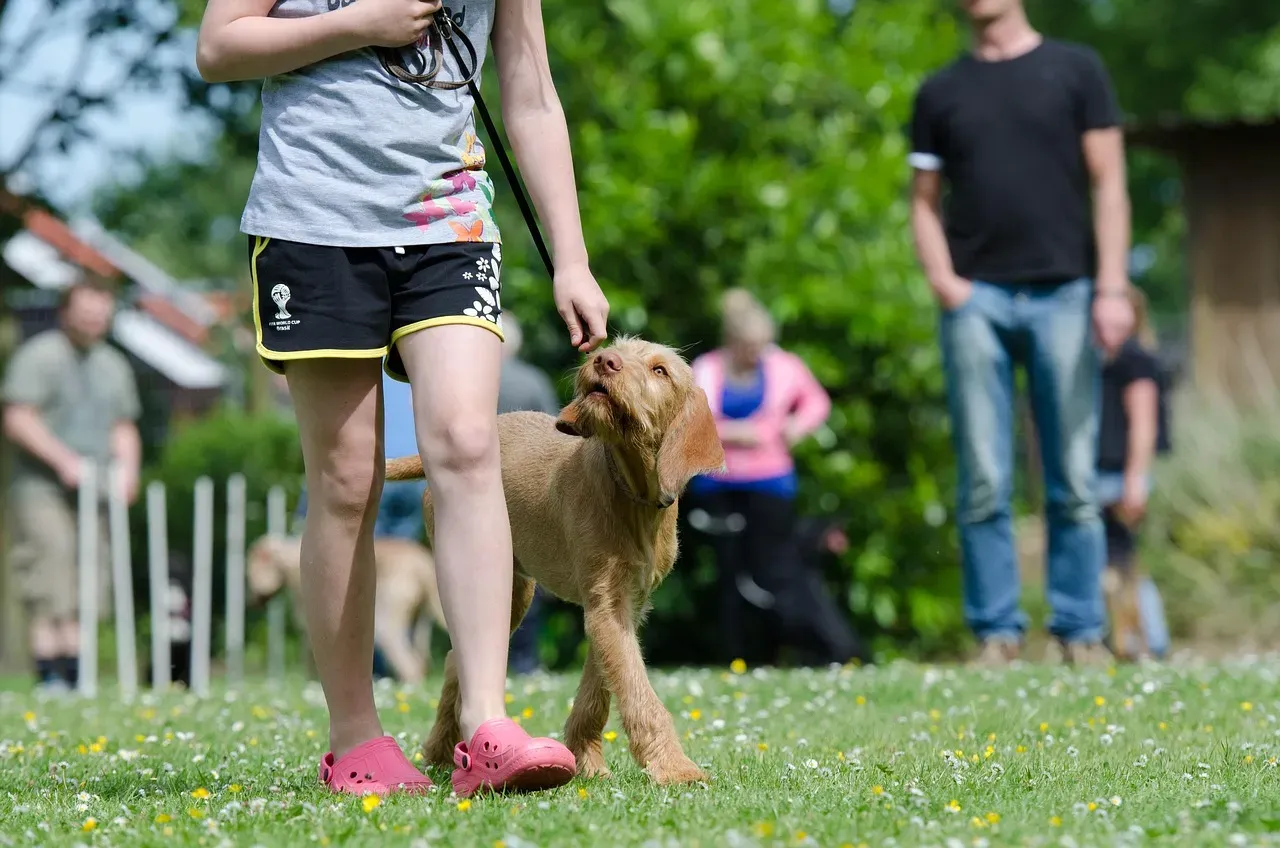
Many dogs don’t come pre-programmed to lean, we accidentally install that software ourselves. Every time your dog throws its full weight onto you and you start petting, talk in a sweet voice, or hand out a treat, you’re teaching them that leaning is a winning strategy.
Dogs repeat whatever gets them attention, and they genuinely don’t care whether you call it “good boy” or mutter “you’re in my way” while you do it. To them, any reaction is data: this works, do more. Over time, some dogs upgrade from a gentle lean to a full-body flop, because bigger moves get bigger payoffs. If you truly don’t want a 70-pound lap-leaner every time you sit down, you have to stop rewarding it, redirecting them to a mat and praising calm nearby instead of on top of you.
#7 – Breed Tendencies: Velcro Dogs vs. “I’m Good Over Here”
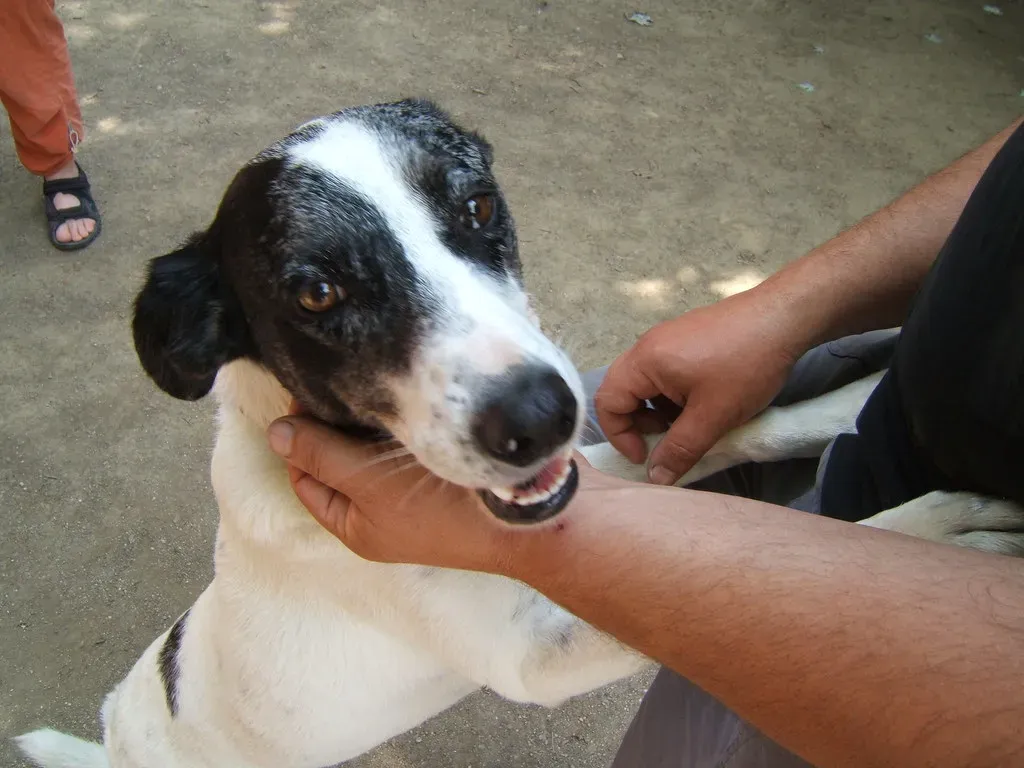
Not all dogs are built equal when it comes to body contact. Some breeds have what owners call “velcro dog” tendencies. Labs, goldens, boxers, many herding breeds, and a lot of bully breeds are notorious for living in your personal space, because they were bred to work closely at our side, so constant contact just feels normal to them.
On the flip side, independent breeds like some sighthounds, livestock guardians, or Nordic types may be affectionate but far less likely to lean full weight all the time. When they do, pay attention, because a rare lean from an aloof dog can be a bigger emotional statement than nonstop leaning from a naturally clingy one. The mistake people make is comparing dogs across breeds like they should all act the same, when breed history quietly shapes what’s “normal” leaning for that dog.
Quick Compare
- Velcro leaners: Labs, Goldens, Boxers, herding breeds, many bully breeds
- Independent types: sighthounds, livestock guardian breeds, Nordic breeds
- Rare lean, big meaning: a sudden lean from an aloof breed can carry more weight than constant leaning from a clingy one
#8 – Pain, Joint Issues, or Physical Discomfort
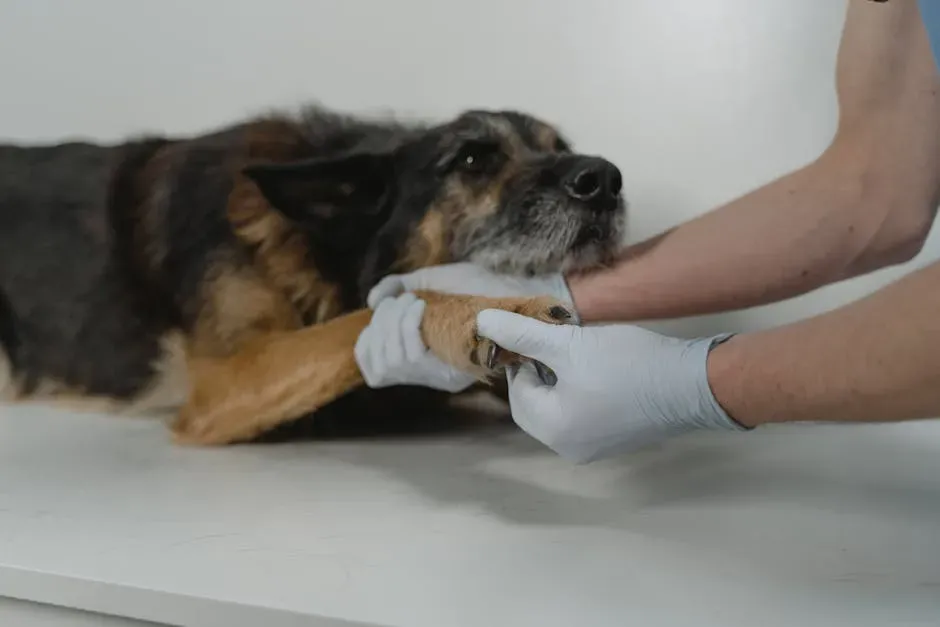
This is the reason most owners don’t want to hear, but it’s critical. Sometimes a dog leans full weight because standing or holding their own posture actually hurts. If a hip, knee, or spine is sore, using you as a living prop lets them take pressure off certain muscles or joints, and older dogs and large breeds are especially prone to it.
Watch for a new or intensified lean paired with any of these red flags.
- Difficulty getting up after lying down
- Stiffness on stairs or after exercise
- Reluctance to jump into the car or onto furniture
If the lean appears suddenly, or your dog seems heavier, clingier, and less mobile over a few weeks, don’t write it off as extra cuddliness. They might literally need you to help them stay upright and comfortable, and a vet check with a proper orthopedic exam is non-negotiable here.
#9 – Startle Response and “Shield Me” Behavior
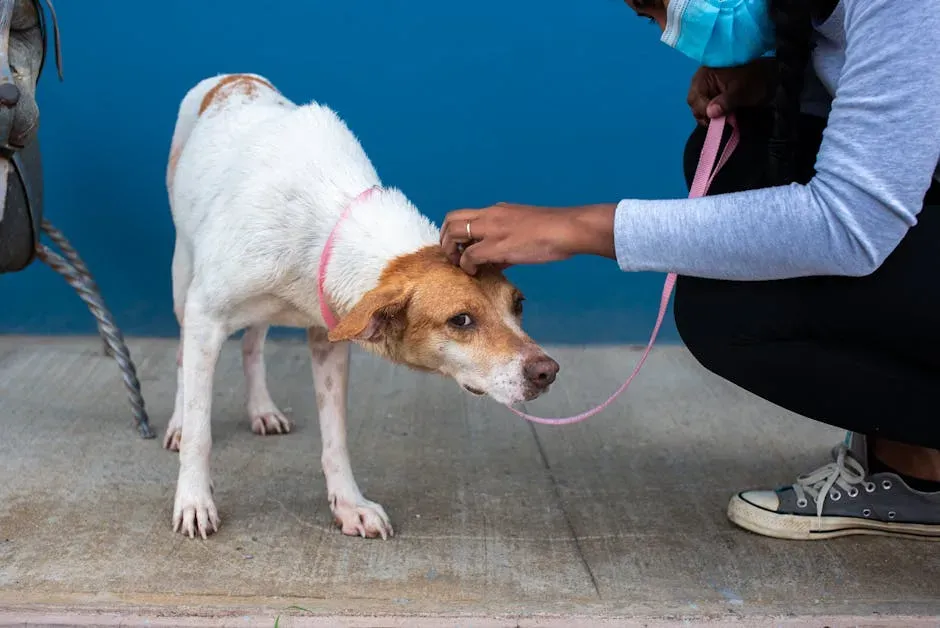
Picture it: you sit down, there’s a sudden noise – thunder, fireworks, a dropped pan – and your dog instantly slams their weight into you. That’s not random affection, that’s a startle response turning into full “shield me” mode, because in that moment you are the safest, most familiar object in the entire environment.
Dogs that do this often tremble or pant, try to climb partly on top of you, or follow you around sticking to your leg like glue if you stand up. This is common in noise-sensitive or under-socialized dogs, and the real mistake is joking about it and doing nothing, since chronic fear rarely gets better on its own. Pairing scary sounds with treats, building a quiet safe space, or working with a trainer on desensitization can genuinely help.
Until one has loved an animal, a part of one’s soul remains unawakened.
Anatole France
#10 – Copying Human Behavior and Household Norms
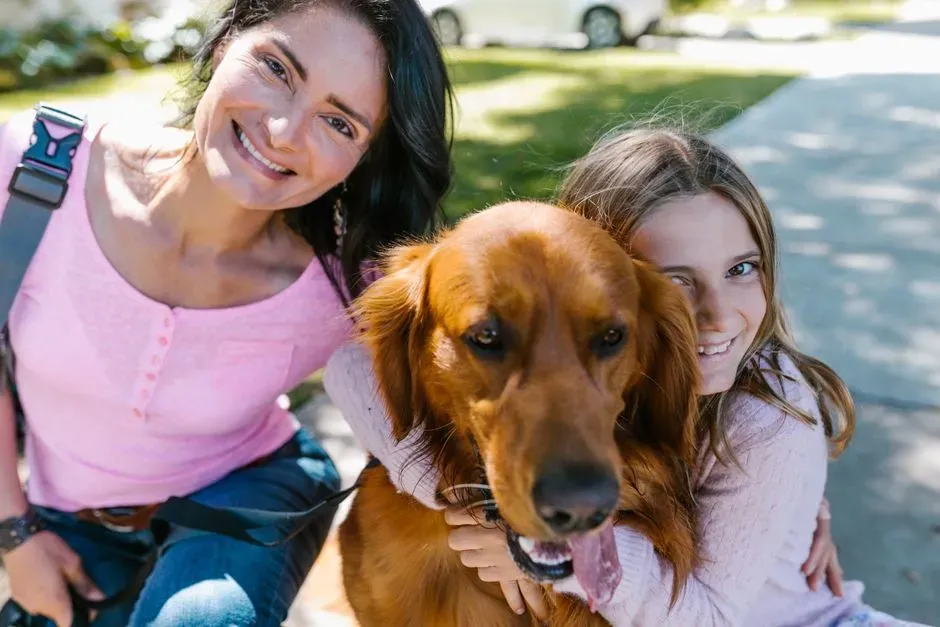
Dogs are wildly observant, and they notice exactly how people in the house use touch and space. If your family is very hands-on – constant hugging, leaning on each other, kids piled on parents – the dog often just joins the pile, treating leaning as a normal part of how affection works in your home.
You’ll notice this especially in dogs raised from puppyhood in busy, physical households, where they squeeze into group hugs and position themselves between people to mirror the same closeness. In more reserved homes, dogs may lean less, choosing to lie nearby instead, which doesn’t mean they love you any less, it just means the social rules of the house are different. People often misread this and label one dog “cold” and another “obsessed,” when really both are just adapting to what they’ve seen modeled around them.
#11 – Seeking Reassurance After Conflict or Scolding
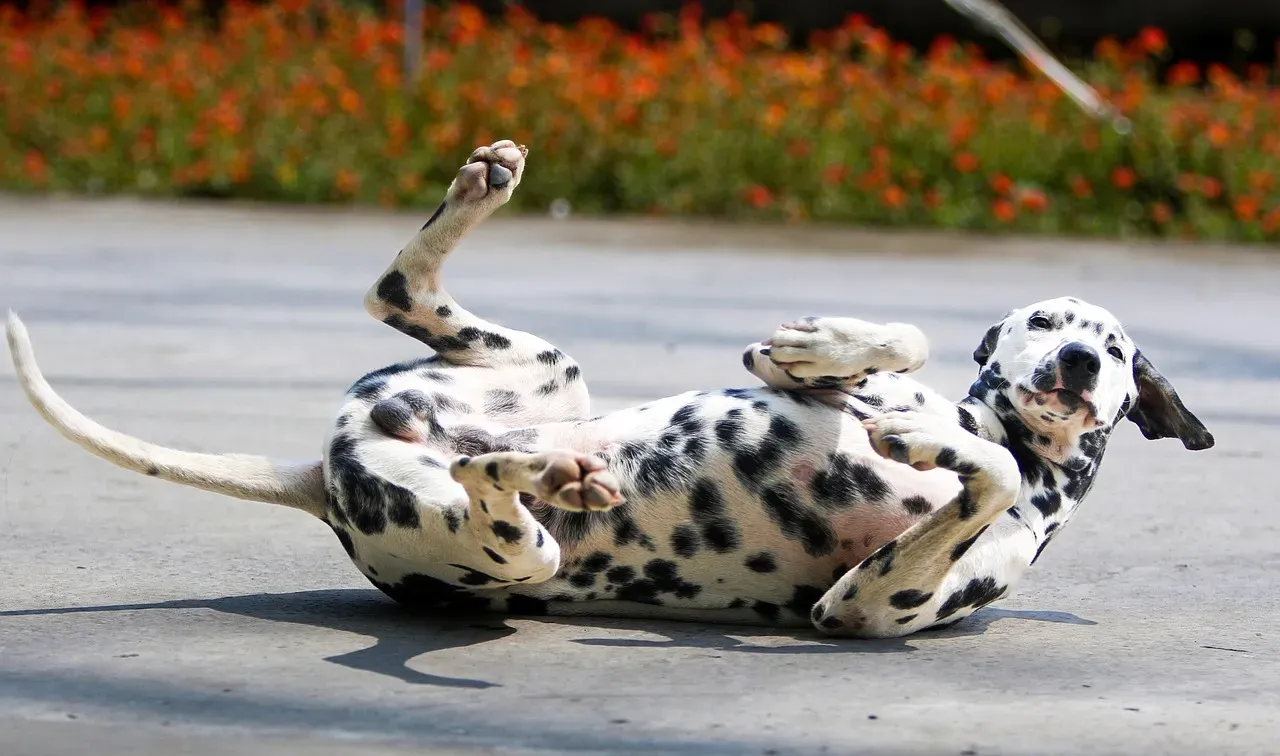
Ever notice your dog leans even harder right after you’ve raised your voice, had an argument with someone, or scolded them? That’s not manipulation, it’s damage control. Social animals hate unresolved tension, and dogs are experts at reading tone and body language, so when the energy in a room spikes, many of them rush in and press close as if trying to glue everyone back together.
If you’ve just told your dog off for chewing something or ignoring a cue, a heavy lean afterward can be an appeasement gesture asking, in its own way, “are we okay?” Some owners misread this as guilt, but behaviorists are clear that dogs don’t experience guilt the way we do. They’re reacting to your emotional state in the moment, not the moral weight of what happened an hour ago, so the lean is a request for reassurance, not a confession.
At a Glance
- Lowered head or softened eyes right after a scolding
- Tail held low with a slow, uncertain wag
- Leaning in even though no one invited them closer
- Increased lip-licking or yawning, both common canine calming signals
#12 – Routine and Habit: “This Is Just What We Do Here”
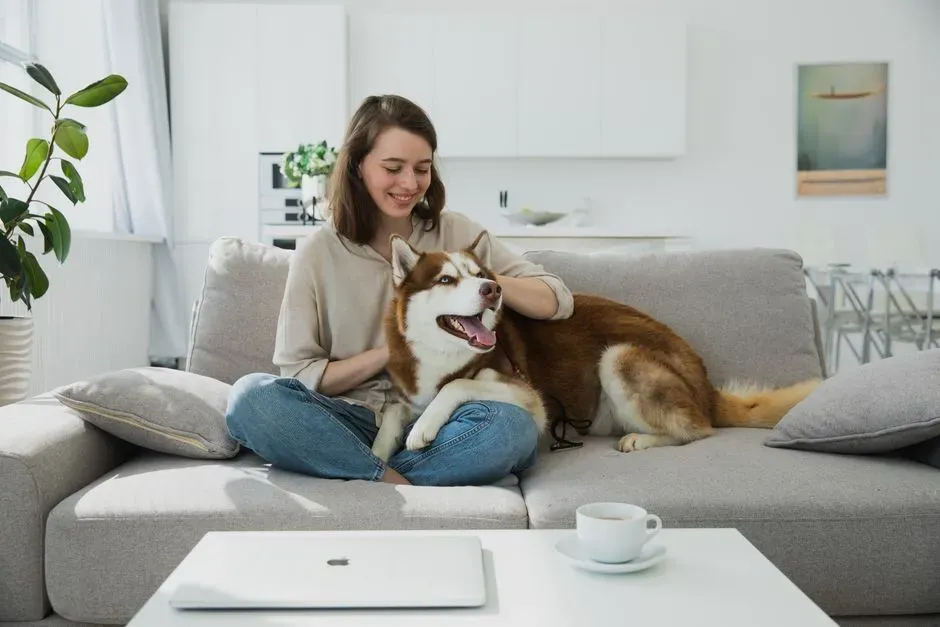
Dogs love routine more than most people realize. Sit on the couch at 7 p.m. enough times with your dog pressed into your side, and you’ve accidentally created a ritual. The lean becomes part of the script of the evening, just like turning on the TV or picking up your phone.
Look at your own patterns. Do you always sit in the same spot? Does your dog appear like clockwork to wedge in, tied to a specific show, time of night, or snack? At that point it’s not just emotion, it’s tradition, and breaking that habit abruptly, like suddenly banning them from the couch, can feel jarring to the dog. Gradual changes with a clear alternative, like a dog bed placed right next to you, tend to work far better than a sudden ban.
#13 – Simple Joy: Your Dog Just Genuinely Likes You
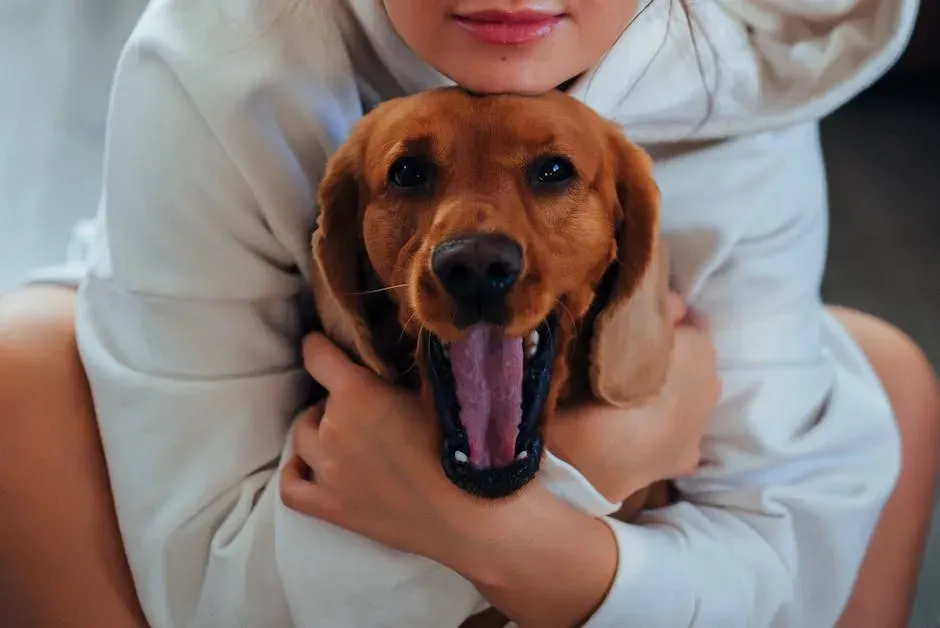
Here’s the blunt truth dog people already suspect: sometimes there’s no problem to solve. Your dog leans its full weight into you because it honestly enjoys you. For a lot of dogs, maximum physical contact equals maximum contentment, it’s their love language in the most literal, physical sense possible.
No anxiety, no guarding, no hidden agenda, just “I choose to be right here.” This shows up clearly when the house is quiet with no stressors in sight, their body is loose with slow breathing and half-closed eyes, and they’d have plenty of room elsewhere but still shove in closer anyway. Some experts argue we over-pathologize behaviors like this, constantly hunting for the hidden issue behind every nudge, when sometimes the least dramatic explanation is the true one: life just feels best pressed against you.
The Bottom Line
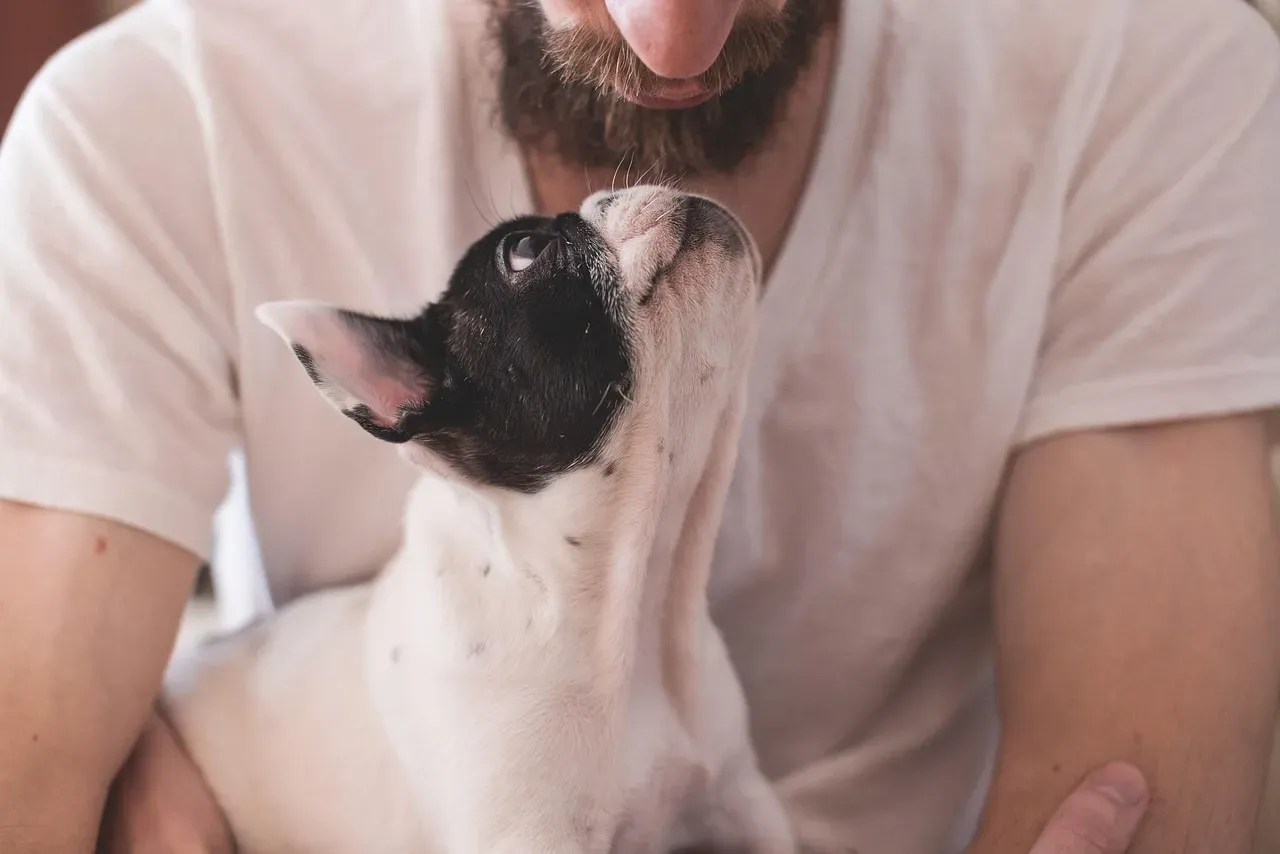
That heavy, full-weight lean your dog gives you when you sit down isn’t one single thing. It can be a heartfelt sign of trust, a quiet panic button, a subtle hint of joint pain, or a pushy way of claiming space, and sometimes it’s all of those at different moments in the same week.
The real mistake is assuming it’s always “just cuddling” and never asking what else it might mean. Context, body language, breed, and timing are what separate cute from concerning, and once you start paying attention, your dog’s lean turns from a mystery into a conversation.
Personally, I think ignoring it is like ignoring a friend who keeps tapping your shoulder. So what do you think, does your dog lean out of pure love, or do you recognize your own dog in some of the more complicated reasons on this list?