
14 Quiet Gestures a Rescue Dog Makes Once It Finally Trusts You
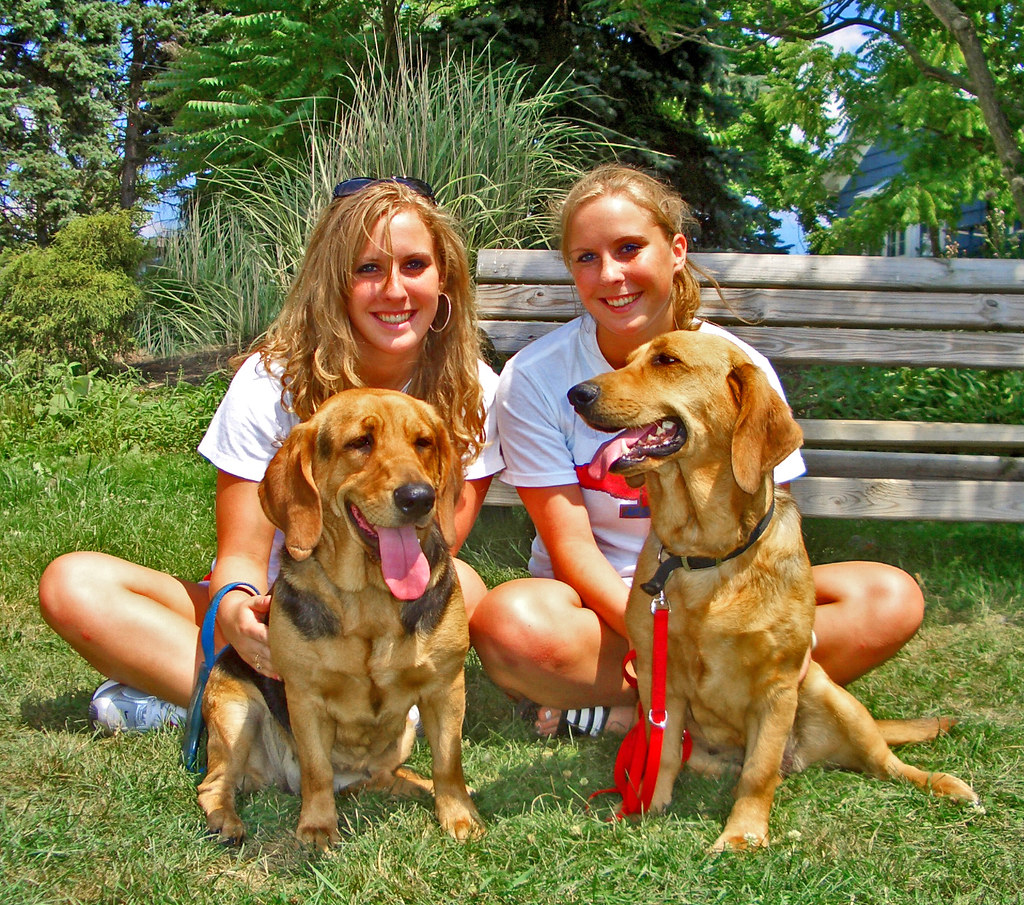
Most people think a rescue dog “trusts” you the moment it stops barking, stops flinching, or finally lets you pet its head. That’s not trust. That’s just survival mode with the volume turned down. A scared dog can learn to tolerate you long before it ever believes in you, and most owners never notice the difference until years later.
Real trust in a rescue dog doesn’t arrive with fireworks. It leaks out sideways, in small, almost secretive behaviors that happen when the dog thinks no one is grading the moment. Behaviorists and long-time fosters know exactly what to look for – and once you see it, you can’t unsee it. Here are the 14 quiet signs that mean your rescue has finally decided you’re home.
#1 – They Fall Asleep Deeply Right Next to You
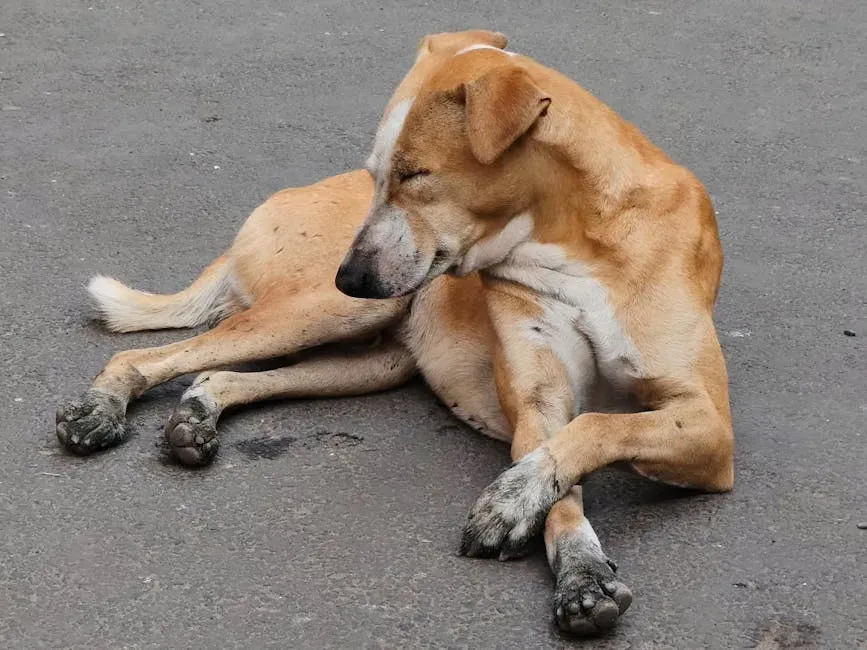
When a rescue dog sleeps hard near you, it isn’t laziness. It’s a decision. Anxious, hypervigilant dogs almost never let their muscles fully go slack, let alone drift into a deep sleep cycle within arm’s reach of a human.
So when your dog finally curls against your leg with their breathing slowing into heavy, rhythmic snores, that’s trust talking in its purest form. They’re choosing to be helpless in the exact moment a predator would have the advantage.
- Their back is turned toward you instead of facing the room.
- Their paw or head rests on your foot, like they’re anchoring to you.
Both mean the same thing: “You’re my safe wall. You’ll watch the door.” Once you notice it, “just sleeping” starts to feel like the biggest compliment they can give.
#2 – They Roll Onto Their Back Without Freezing
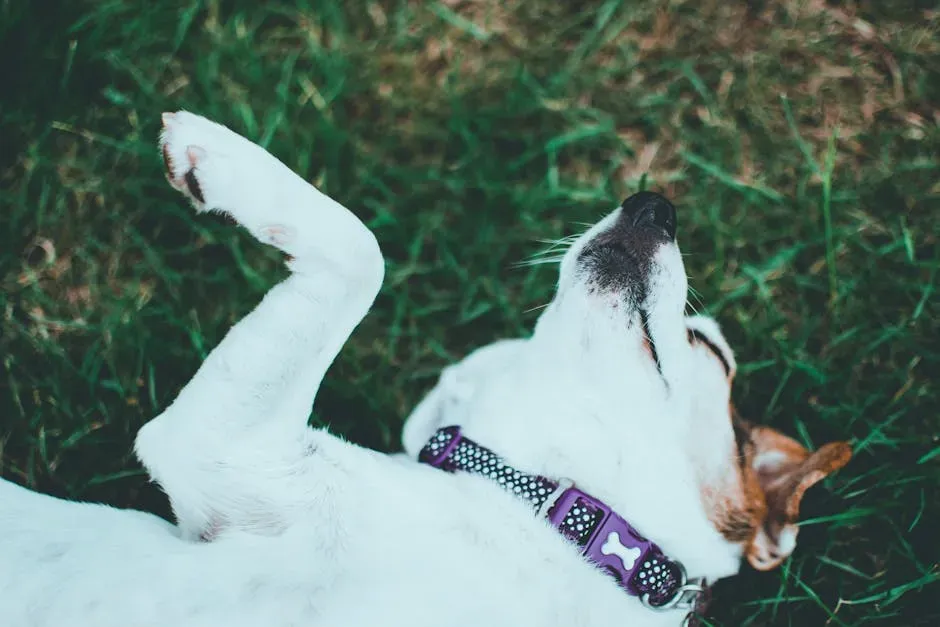
Not every belly-up dog is relaxed. A shut-down dog can flip over out of pure appeasement, bracing the whole time. The tell is movement – a truly trusting rescue flops onto their side, wiggles, stretches long, and exposes their belly with loose, floppy limbs and soft eyes.
They might even paw lightly at your hand to keep the rubs coming, which is basically the canine version of “don’t stop.” This isn’t submission. It’s a dog announcing, “I’m off duty. You’re in charge of my safety now.”
- A gently open mouth instead of tight, pinned lips.
- A tail that swishes or thumps softly against the floor.
Dogs don’t show a soft belly to someone they think will hurt them again. When it happens often, and your hand moving doesn’t make them flinch, that’s a quiet but unmistakable “I trust you.”
Quick Compare
- Appeasement roll: stiff body, tucked tail, eyes fixed on your hand.
- Trust roll: loose limbs, soft or half-closed eyes, tail thumping the floor.
- Appeasement roll: only happens under pressure, then a quick scramble upright.
- Trust roll: happens randomly, just for fun, with zero prompting.
#3 – They Run to You in Fear, Not Just for Food
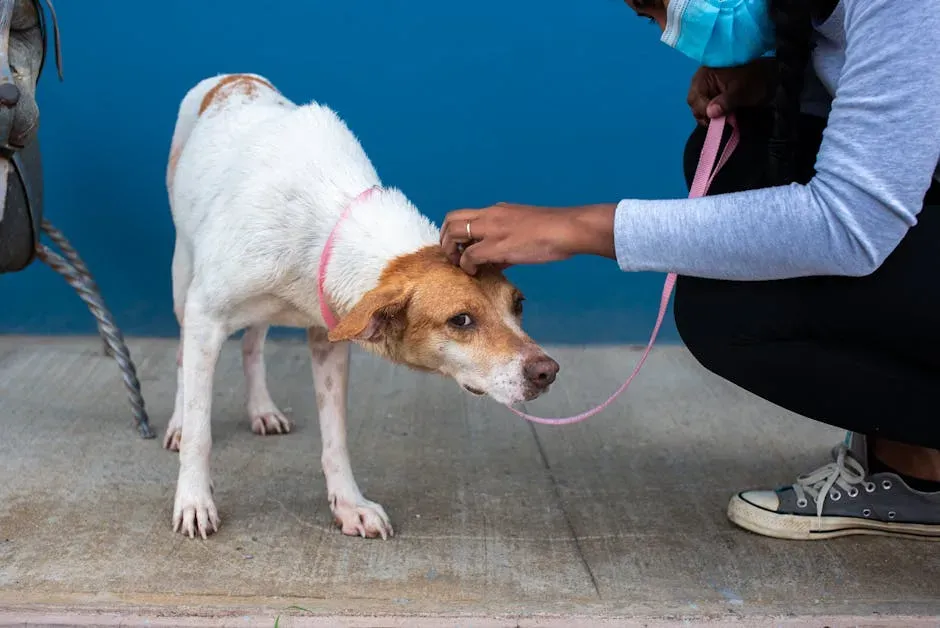
Almost any dog will come running when you’re holding food. That’s just math. The real test is what they do when they’re terrified. Many rescues will hide under beds, in closets, or behind furniture the first time a storm rolls in or fireworks go off.
The shift happens the day they walk toward you instead – shaking, panting, ears pinned back – and choose your lap or your side as the place to fall apart. No food involved. Just pure, unguarded emotional need.
- They press their whole body into your legs or chest.
- They glance up at your face for cues instead of scanning the room for exits.
Some owners mislabel this as “clingy.” In reality, it’s a milestone. Their old survival rule was “hide alone.” Their new one is “find my human.”
#4 – They Finally Show You Their Goofy, Ridiculous Side
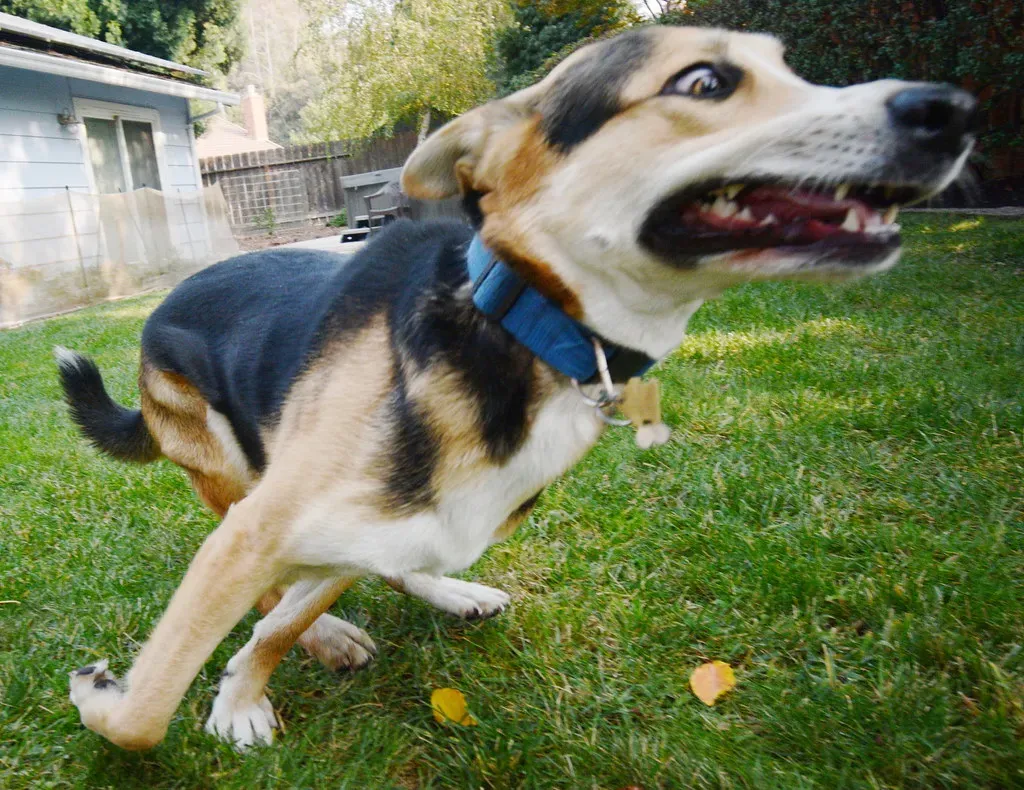
Genuinely unsafe animals don’t act silly. Silliness is a luxury reserved for nervous systems that have stopped bracing for impact. That’s why playfulness is usually the last layer of trust to show up in a rescue, not the first.
Then one day, out of nowhere, a dog that used to move through the house like a ghost starts zooming clumsily around the living room, tossing a toy in the air, or flopping onto its back making ridiculous gremlin noises. That’s not a performance. That’s decompression.
- “Play bows” – front legs stretched out, rear end in the air.
- Random bursts of zoomies right after something stressful.
People sometimes dismiss this as “hyper.” Long-term fosters know better – a dog that’s willing to look completely stupid in front of you is a dog that trusts you not to punish it for having a personality.
#5 – They Check Back With You on the Leash
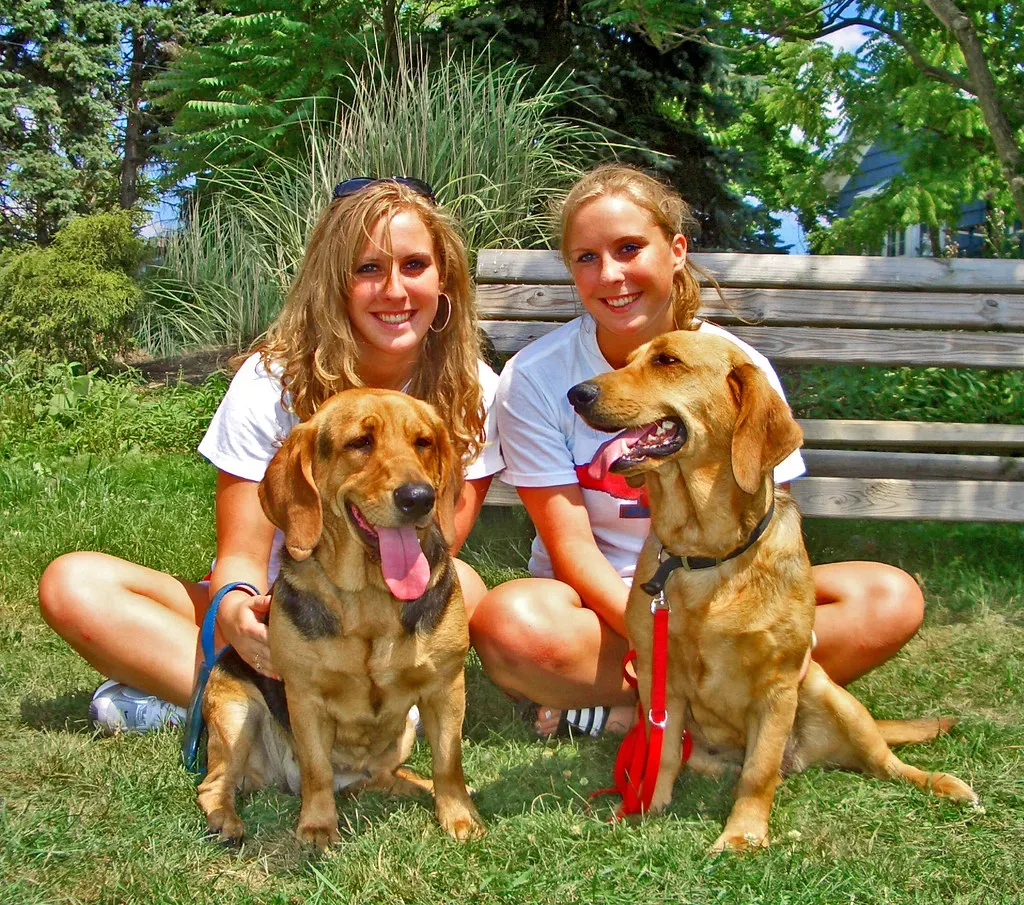
A rescue dog who hasn’t bonded with anyone yet often behaves like a tiny escape artist, mentally halfway out the door even while standing next to you. Trust shows up the moment an invisible cord starts to form between you.
On walks, or in a safe fenced space, watch what happens when the leash slackens or they get a little distance. A dog who has truly bonded will move ahead, slow down, glance over their shoulder, and trot back to touch your hand or leg before heading off to explore again.
- Eye contact offered without you asking for it.
- A quick nose bump, then straight back to sniffing.
This check-in isn’t about control. It’s a dog saying, “You’re my reference point – I just need to know where you are.” It’s quiet, but it tends to grow stronger with every walk.
#6 – Their Eyes Go Soft When They Look at You
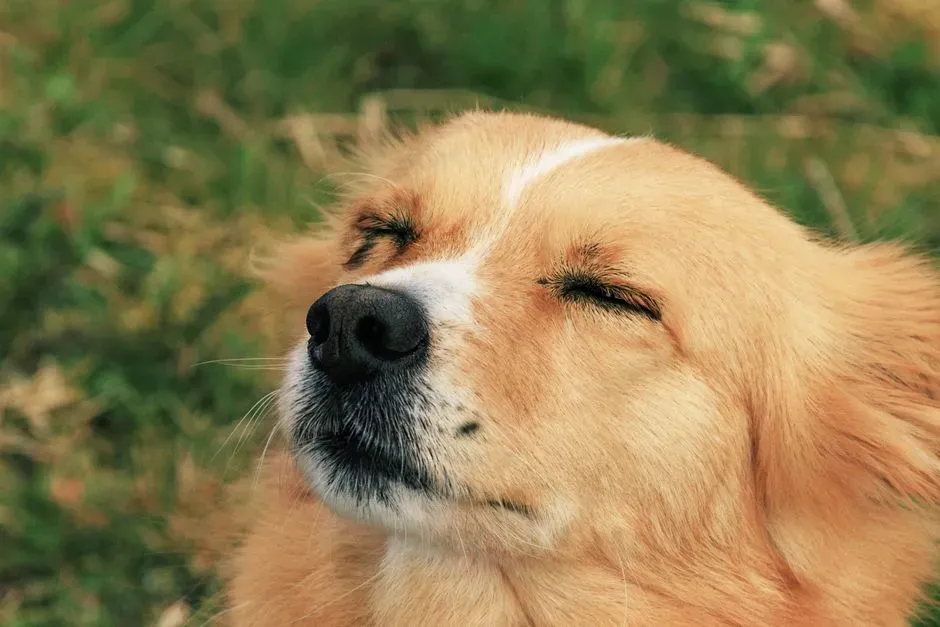
Many rescues arrive with hard, wide-open eyes – what trainers call “whale eye,” a fixed, unblinking stare that has nothing to do with affection and everything to do with scanning for danger.
When real trust settles in, the whole face changes. The eyes narrow slightly, blinking increases, and the muscles around them go loose, giving the dog an almost squinty, sleepy-smile expression. You might catch them watching you from across the room, then sighing and blinking slowly, as if your presence alone is reassuring.
- Slow, deliberate blinks when you speak softly.
- A gentle head tilt instead of a stiff, frozen stare.
Most people underestimate how loud eye language is in dogs. A rescue that finally softens under your gaze has decided that looking at you isn’t dangerous anymore.
Worth Knowing
- Trainers often nickname the slow blink a “dog kiss” – a small, deliberate signal of calm.
- “Whale eye” gets its name from the visible white crescent, similar to a startled whale’s eye.
- A hard, unblinking stare is usually a warning sign, not a bonding one.
- Soft eye contact paired with a loose jaw is one of the clearest calm signals a dog can give.
#7 – They Bring You a Toy Without Snatching It Back
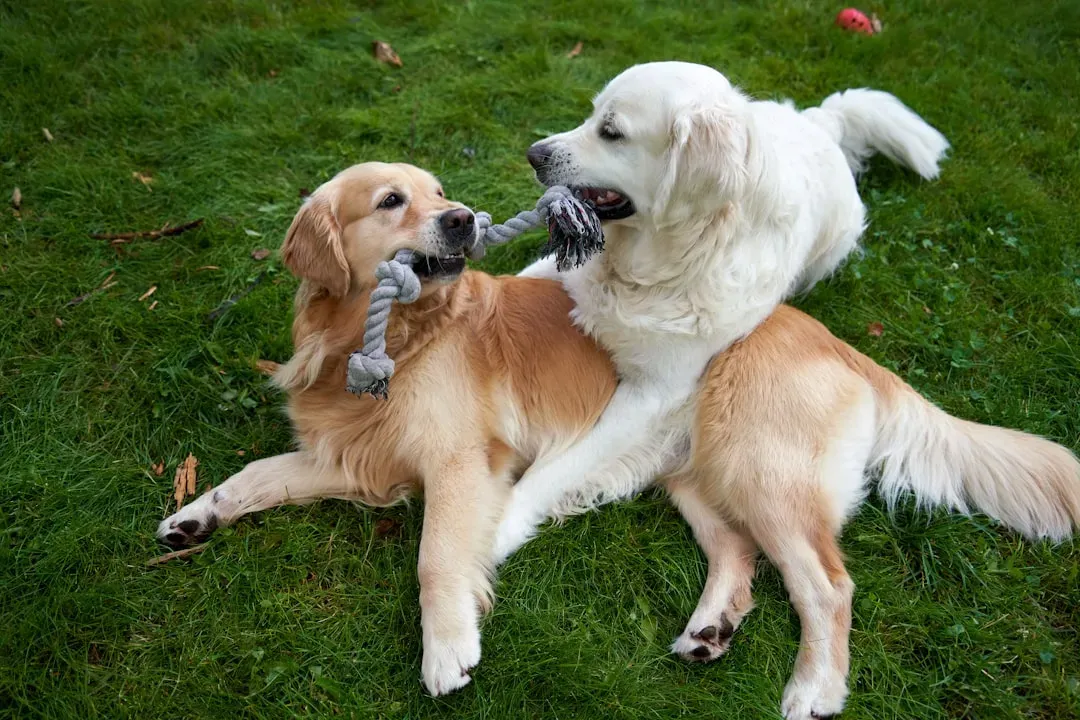
Teaching fetch is easy. Genuine offering is not. Many rescues have had to guard every scrap they ever owned, so sharing doesn’t come naturally. You’ll know something has shifted when your dog walks over, sets a toy or random “treasure” at your feet, and actually lingers there instead of grabbing it right back.
This isn’t always an invitation to play tug. Sometimes it’s just sharing. In dog language, willingly surrendering something valuable says, “I trust you not to take everything from me.”
- Dropping a toy, then leaning their body against your leg.
- Nudging a favorite chew toward you before resting beside it.
Some trainers frame all object-sharing as purely instinctive. Long-time rescue owners know there’s an emotional layer here too – it’s often the first sign a dog sees their world as “ours” instead of just “mine.”
#8 – They Chew Slowly With Their Back Turned to You
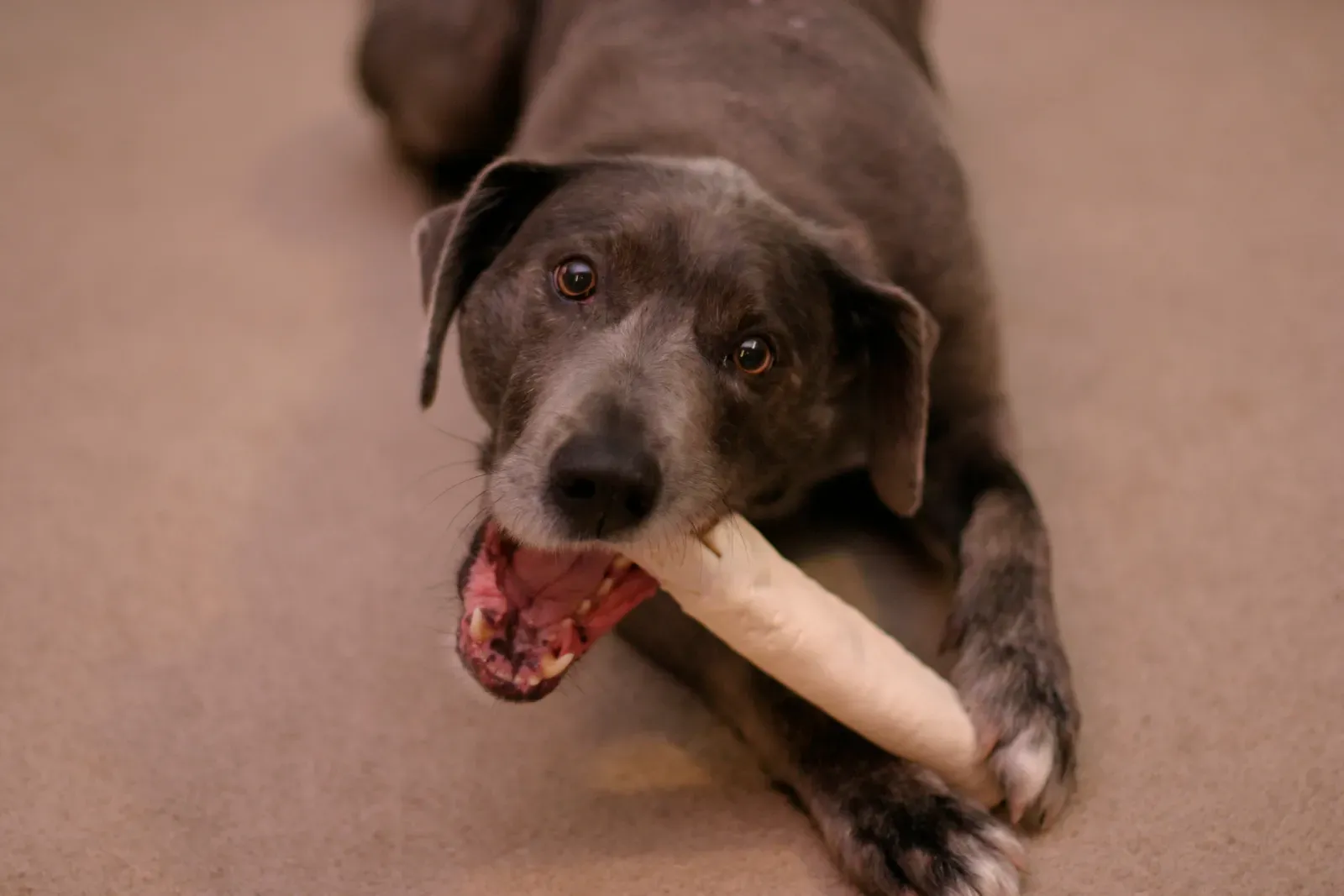
Insecure dogs treat every meal like a race – heads down, food inhaled, constant side-eye toward anyone who might steal it. Some won’t even eat if a person stands too close.
When a rescue finally settles in with a bone, a Kong, or a full bowl and chews slowly, pausing to relax and even turning their back to you mid-meal, that’s major. They’re betting that you’re not a threat to their food, and that you won’t let anyone else be one either.
- Less frantic gulping, more steady, unhurried chewing.
- They stay at the bowl instead of grabbing it and bolting.
It looks boring on camera, but behaviorally, it’s huge. Food is survival. Relaxing around it in your presence is a quiet, everyday statement of safety.
#9 – They Start Syncing Their Whole Day to Yours
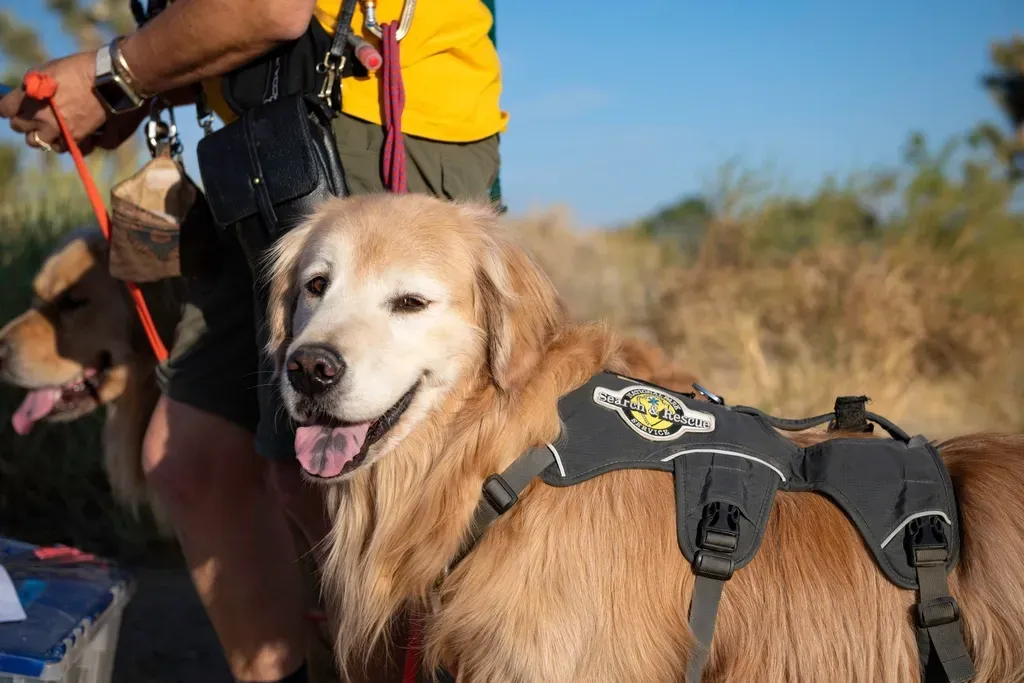
In the early days, many rescues keep their own private schedule – pacing at night, sleeping all day, refusing to settle no matter what you’re doing. Their internal clock still belongs to their old life, not this one.
Over time, a trusting dog starts syncing up with your rhythm instead – following you room to room, lying down the second you sit, heading toward bed before you even call them. This isn’t habit. It’s attachment. They’re building their whole day around you.
- Napping in the room you’re working in instead of an isolated corner.
- Waiting outside the bathroom door, then resettling once you move.
People sometimes complain about “velcro dog” behavior. In rescues, it’s usually the opposite of clinginess – it’s a decision that you’re not temporary. You’re the anchor.
Fast Facts
- Many shelters and rescues use a rough “3-3-3” rule of thumb: about 3 days to decompress, 3 weeks to learn the household routine, and 3 months to feel truly settled.
- Every dog’s timeline is different – some sync up within days, others take a year or longer.
- Consistent feeding, walk, and bedtime routines tend to speed the bonding process along.
#10 – They Let You Touch Their Paws, Ears, and Collar
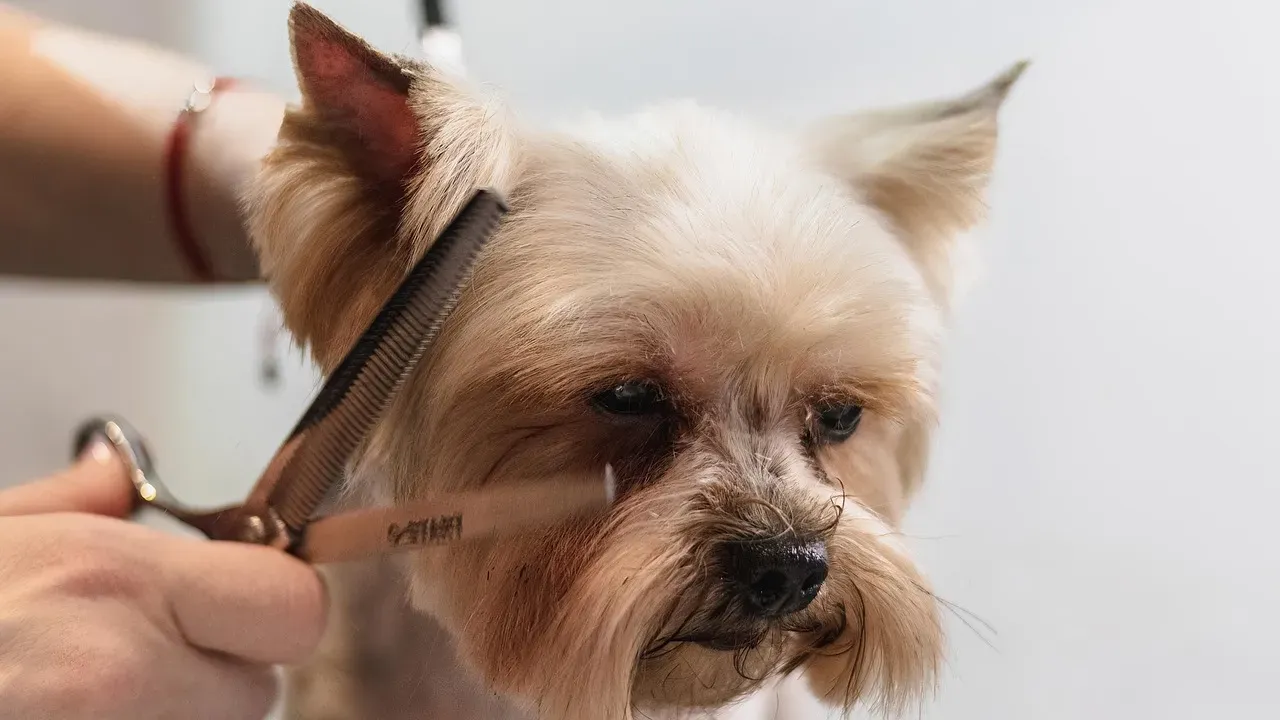
Handling sensitive spots is a massive ask, especially for a dog with a rough history. Many flinch, pull away, or even snap the moment hands go near the collar, paws, or ears – old memories live in those places.
Trust arrives the day your dog lets you clip a leash, wipe their paws, or check their ears without tensing, pinning their ears back, or freezing. Bonus points if they lean into it or lick your hand mid-process – that’s consent, not just tolerance.
- Relaxed muscles and normal breathing during handling or grooming.
- They stick around afterward instead of bolting away.
Some owners brag about “just getting it done.” Behaviorists know forced handling can quietly break trust. When a rescue voluntarily hands over these vulnerable body parts, it’s telling you plainly: I believe you’ll help, not hurt.
#11 – They Abandon Their “Safe Spot” for Your Lap
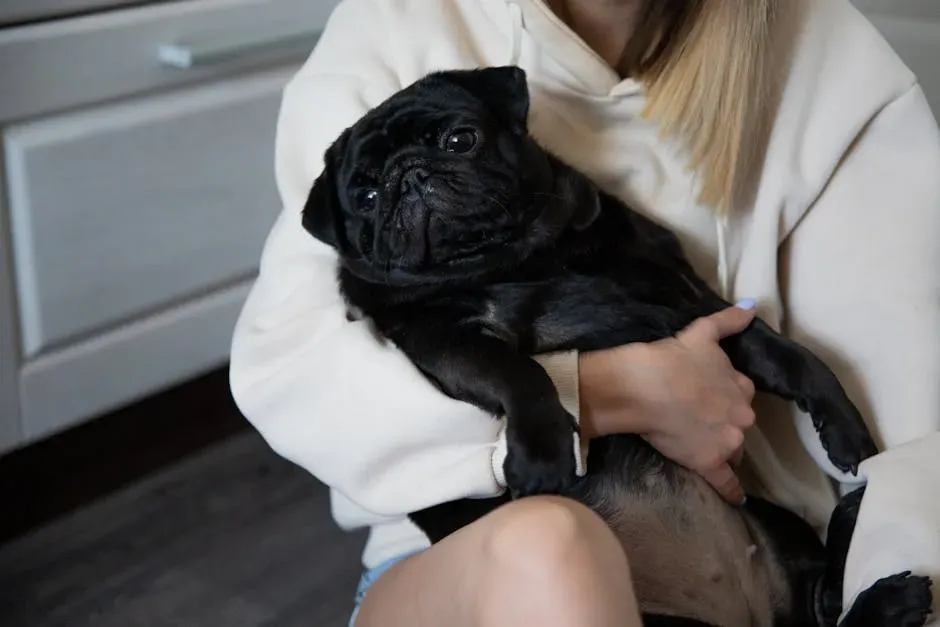
Most rescues pick a den early on – under the table, the corner of the couch, deep inside a crate. That spot matters more than any human at first. It’s where they decompress from everything, including you.
The shift is subtle but massive: your dog hesitates at their usual hideaway, then instead hops onto the couch, presses into your side, or eases their head into your lap and sighs. They’re trading physical security for emotional security – and choosing you over the bunker.
- Less time hiding after loud noises, more time glued to your side.
- Leaving the crate door open, choosing the bed or sofa near you instead.
Some people still think letting dogs on the furniture “spoils” them. In rescue work, that first voluntary lean against your body is often the moment foster parents quietly cry in the kitchen. It means you’ve become safer than the bunker.
#12 – They Greet You With Quiet, Private Rituals
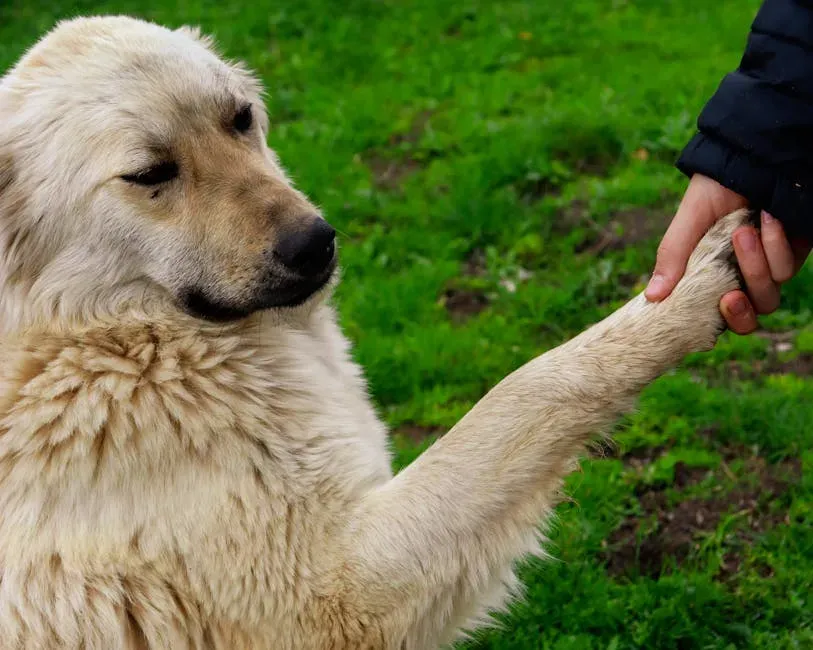
Not every dog explodes into tail-wags and yipping the second you walk through the door – especially rescues, since loud reactions were sometimes punished in their old life. For many, trust looks smaller: a slow stretch, a soft “huff,” a nose pressed briefly into your hand before they wander off again.
Over time, these low-key greetings become oddly specific, almost like private little rituals only the two of you understand.
- Bringing the same toy to the door every single time you walk in.
- A slow circle around your legs, then leaning their weight into you.
Social media loves dramatic reunion videos, so people miss how meaningful the quiet ones actually are. In rescue dogs, a consistent, personal greeting is really saying, “You leaving and coming back is normal now. And safe.”
At a Glance
- Loud greeting: jumping, barking, spinning – common in dogs who never learned to fear being noticed.
- Quiet greeting: a soft huff, a slow stretch, a brief nose touch – common in dogs who learned to stay small.
- Both styles can mean the exact same thing: “I’m glad you’re back.”
- Consistency matters more than volume – a repeated ritual is the real trust signal.
#13 – They Test You With a Little Harmless Mischief
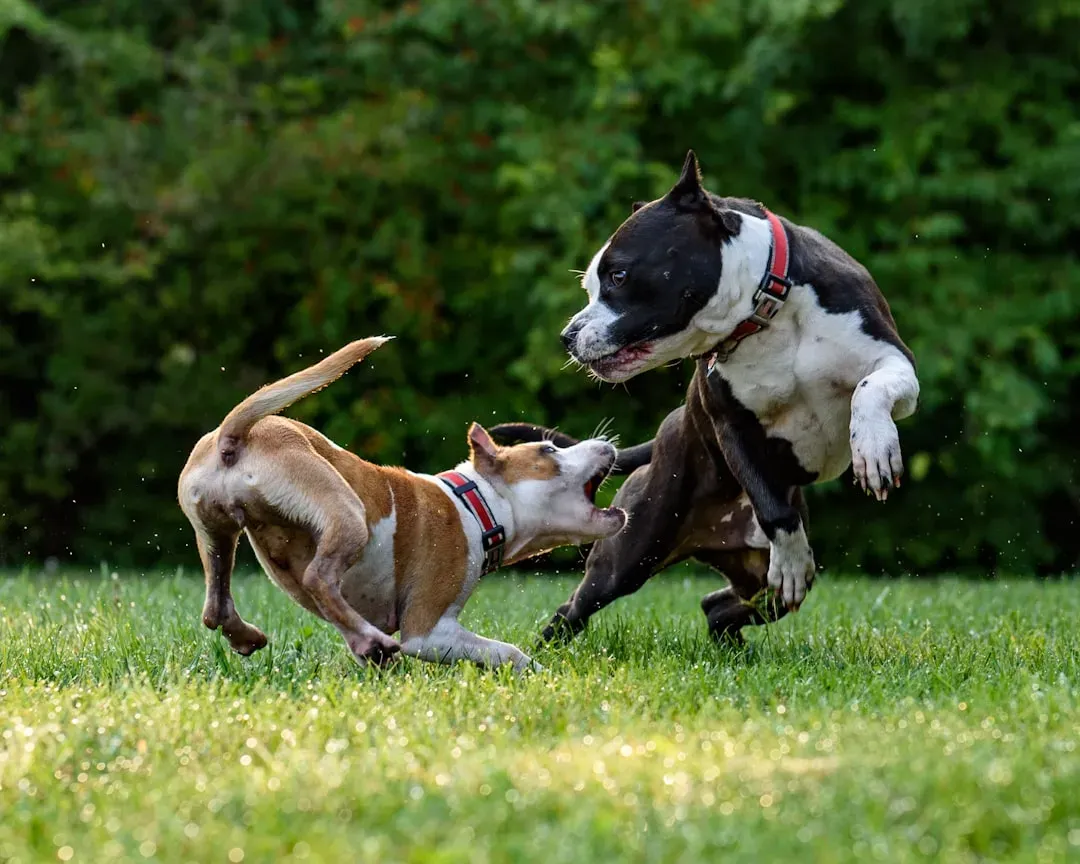
This one tends to spark arguments, but seasoned rescuers will tell you straight: a dog that never pushes a single boundary might still be terrified of consequences, not well-behaved.
When a formerly shut-down rescue starts gently testing the rules – lingering on the couch a beat longer after you say “off,” swiping a sock just to watch your reaction, grumbling when dinner is late – it usually means they finally feel secure enough to have opinions.
- The mischief is playful, not frantic or destructive.
- They bounce back quickly after a calm correction.
Dangerous behavior still needs training, no question. But a little personality-driven naughtiness in a dog who used to move through the house like a shadow? That’s often a compliment. It means they no longer believe one small mistake will make you leave.
#14 – They Relax the Moment You Reach for the Leash
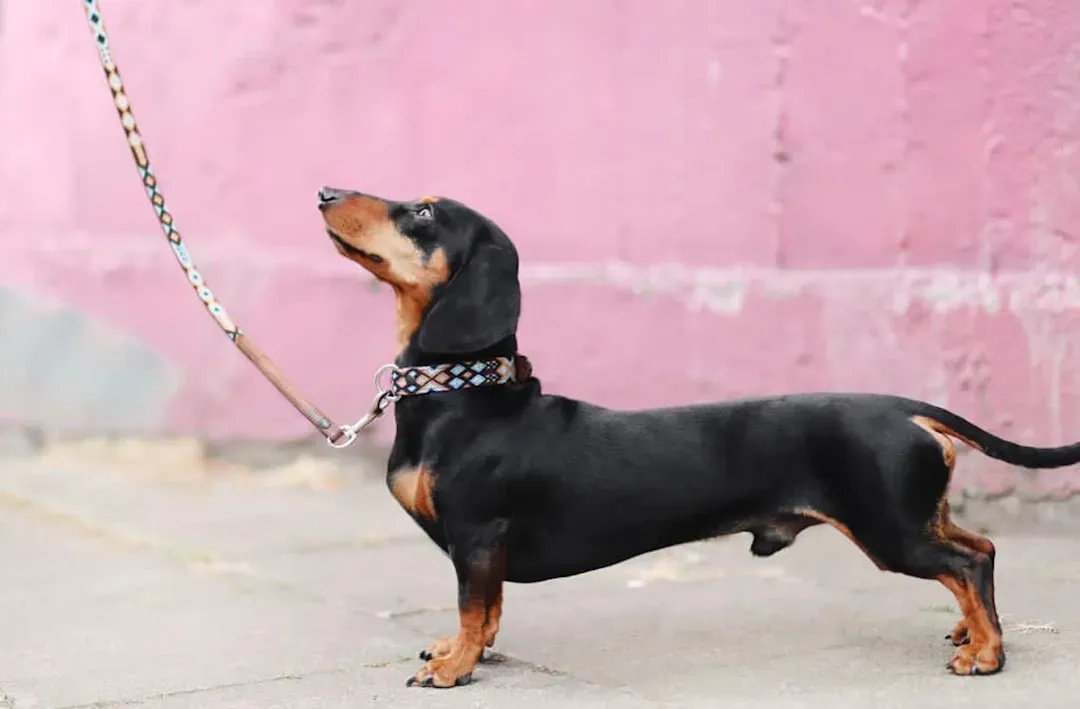
For a lot of rescues, leashes, harnesses, and collars are loaded objects. They may still associate that gear with being yanked, dumped, tied up outside, or dragged somewhere terrifying. Early on, just reaching for it can trigger a full-body flinch.
The real milestone comes the day your dog sees you pick up the leash and their body goes loose instead – tail wagging at mid-height, mouth relaxed, maybe even a happy little spin – and they stand still or step into the harness on their own. You feel the difference instantly. It’s cooperation, not capture.
- They move toward you when you say “walk?” instead of backing away.
- You can adjust straps or unclip gear without a flinch or a nervous lip-lick.
At that point, the leash stops meaning control. It becomes a symbol of shared adventure, with you as the one steady thing at the other end of it.
The Bottom Line
Rescue dogs almost never announce, “I trust you now.” They whisper it – in the way they sleep, the way they chew, the way they glance back at you mid-walk, the way they quietly stop needing their old hiding spots.
None of these gestures are flashy. Put together, though, they paint a clear picture of a nervous system that has finally, fully exhaled. Some people will still insist “it’s just a dog” or that obedience is the only thing that matters, but they’re missing the actual story unfolding in the quiet moments.
If you recognize even a few of these signs, understand what you’ve actually done. You haven’t just fed and housed an animal. You’ve rewritten what it believes a human being is capable of. That’s heavier, and more beautiful, than most people ever give it credit for.
Which of these trust milestones have you seen in your own rescue – and what tiny, easy-to-miss gesture told you that you’d finally become “home”?