
Dogs have shared our homes for thousands of years, yet the way they bond with certain people still feels quietly remarkable. Some owners notice their pet treats them less like a provider and more like a core member of the group, with small daily behaviors that add up over time.
These moments often go unnoticed until you start paying attention to the patterns. What follows are seven common indicators that your dog has folded you into their inner circle.
They Follow You From Room to Room
Many dogs trail their favorite person through the house even when nothing exciting is happening. This habit shows up during routine tasks like cooking or folding laundry, where the dog simply wants to stay close rather than seek food or play.
The behavior reflects a desire for proximity that goes beyond basic needs. Over weeks or months it becomes a steady rhythm that signals trust and attachment, much like how family members keep tabs on one another without thinking about it.
They Choose to Sleep Near You
A dog that curls up on the bed or settles on the floor right beside your side at night is making a deliberate choice. Rest is a vulnerable state, so selecting your location suggests they feel secure in your presence.
This preference often strengthens during colder months or after stressful days. Owners frequently report that their dog adjusts position throughout the night to maintain contact, turning sleep into a shared experience rather than an isolated one.
They Bring You Toys or Other Items
When a dog drops a ball or favorite chew at your feet, it can look like an invitation to play. In many cases the gesture also serves as an offering, a way of sharing something they value with someone they consider part of their group.
The act repeats across different contexts, from calm evenings to moments after you return home. Over time the pattern reveals a willingness to include you in their possessions and activities, a quiet form of generosity that builds connection.
They Lean Into You or Seek Physical Contact
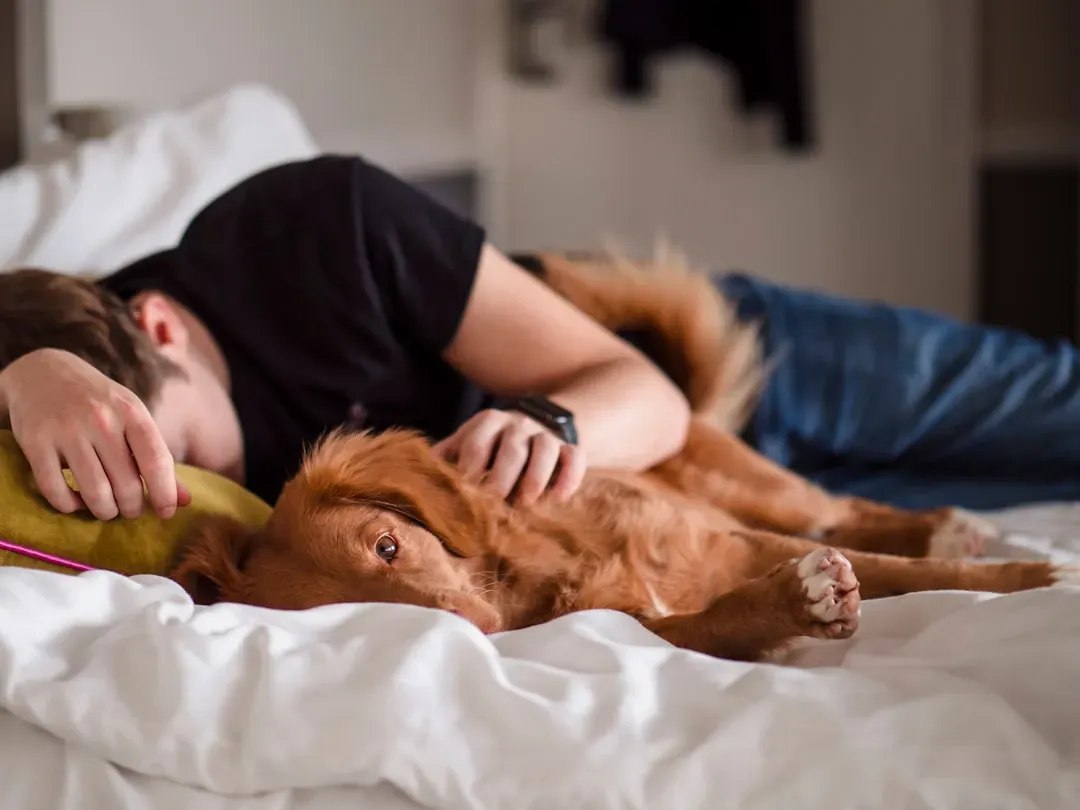
Leaning against a leg or pressing a head into a hand during quiet moments is a common way dogs express comfort. The contact is often sustained rather than brief, showing they actively want the reassurance of touch.
This behavior tends to increase when the household feels calm or when the dog has just woken from a nap. It mirrors the way close family members reach for one another without words, creating a steady undercurrent of belonging.
They React Strongly to Your Arrival
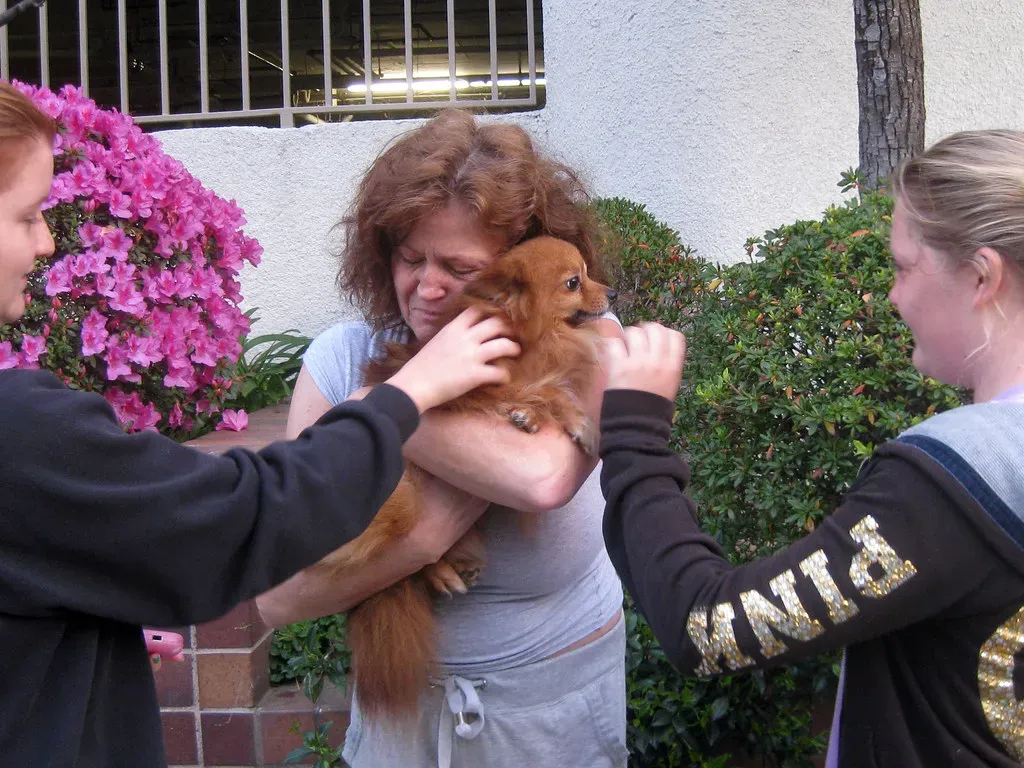
The enthusiastic greeting at the door, complete with tail wags and circling, stands out from milder responses to other visitors. The intensity often stays consistent even after years together, suggesting the reunion carries special weight.
Some dogs add vocal sounds or bring a toy as part of the welcome. These layered reactions point to genuine anticipation rather than simple excitement over any person entering the space.
They Turn to You When Startled or Uncertain

A dog that glances back at you during a loud noise or approaches for reassurance after meeting a stranger is checking in with their chosen anchor. The quick look or physical move toward you happens before other coping strategies.
This reliance appears across different situations, from vet visits to neighborhood walks. It demonstrates that your presence functions as a source of stability, the same role family members often fill for one another during uncertain times.
They Match Your Daily Rhythms
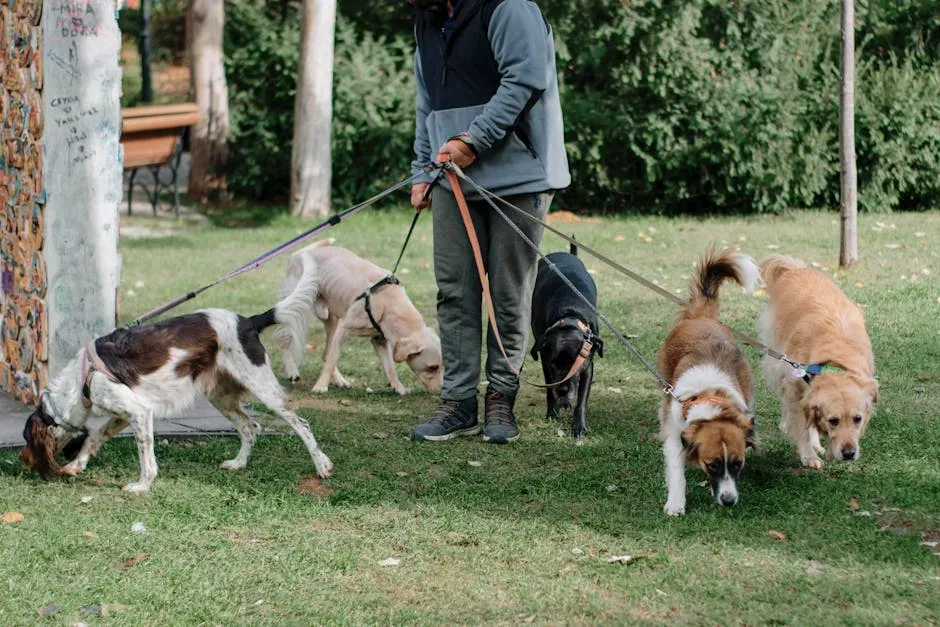
Dogs that settle when you settle and grow active when you move around the house are syncing their schedule to yours. The alignment shows up in small ways, such as stretching at the same time or waiting by the door when you usually leave.
Over months the pattern becomes predictable and mutual. Owners notice their dog anticipates regular events like evening walks or weekend mornings without needing cues, a sign that your routines have become shared territory.
Why These Moments Matter
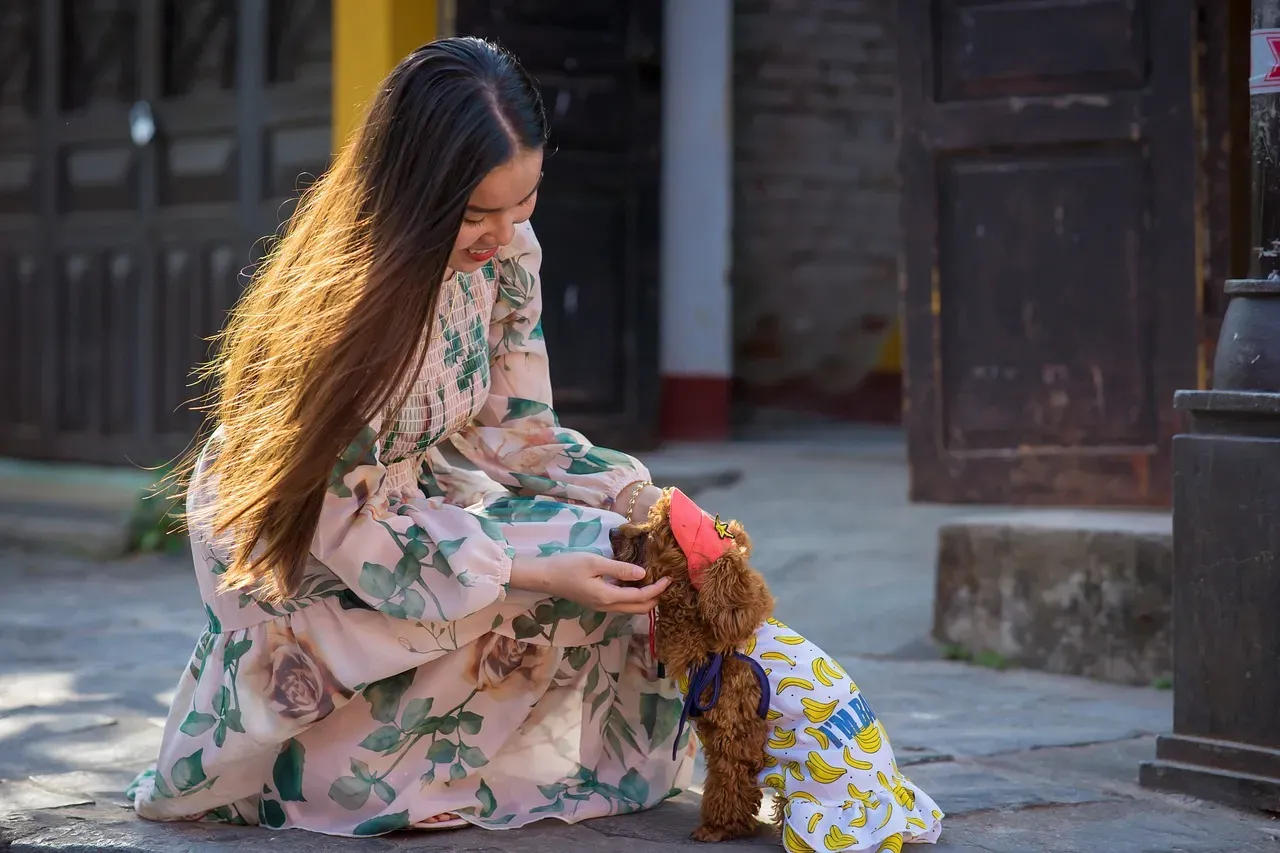
Recognizing these signs can shift how owners view everyday interactions with their dog. The behaviors are not dramatic, yet they accumulate into a steady sense that the relationship runs both ways.
Paying attention to them encourages more intentional time together, whether through simple presence or small shared rituals. In the end the connection feels less like ownership and more like the quiet partnership that defines family for many people.


