
Every Corgi Owner Knows These 13 Things First-Time Owners Never Believe

Everyone pictures the same thing before they bring a corgi home: a low-maintenance little loaf who naps in sunbeams and poses for photos. Then the dog arrives, and within a week that fantasy is on fire. The 5 a.m. bark alarm goes off, the vacuum starts running twice a day, and somehow this 30-pound “potato with legs” is bossing around the family dog three times its size.
Veteran corgi owners aren’t surprised. They tried to warn you. This breed is smarter, louder, and far more intense than the internet lets on, and the gap between the cute meme and the real dog is where most first-timers get blindsided. Here’s what corgi people actually know before they ever admit it out loud – and why so many of them wouldn’t trade it for anything.
#1 – That Cute Bark? It Turns Into a Siren

New owners hear that first tiny bark and think it’s adorable. Every corgi owner knows it’s a trap. These dogs were bred to move cattle, which means their factory-set volume is “air raid warning,” not “indoor voice.” They’re alert, opinionated, and shockingly fast to announce every sound they hear – neighbors, delivery trucks, leaves, even your own footsteps.
What blindsides first-timers is the persistence. A corgi doesn’t bark once and move on; it narrates the entire event like a nervous sports commentator. Left untrained, that spirals into full-blown nuisance barking. Seasoned owners reward quiet early, teach a real “enough” cue, and manage triggers before they become habits, because most people assume the barking calms down with age. It usually doesn’t. Training and mental exercise act like a dimmer switch on the volume – never a mute button.
#2 – The “Short Dog” Actually Needs Big-Dog Exercise

Those stubby legs fool a lot of people into thinking short walks will do. Corgi owners know that’s exactly how you end up with a destructive little maniac on your hands. These are herding dogs, and their energy level runs closer to a Border Collie than a Shih Tzu – a fact that shocks nearly everyone the first time they experience it.
They need real exercise: brisk walks, fetch, structured play, even light hiking once fully grown. Skip it, and a bored corgi becomes a shoe-stealing, couch-shredding problem solver – and you will not enjoy what they decide to “solve.” Experienced owners lean on nose work, puzzle feeders, and trick training too, since mental fatigue tires a corgi out faster than 50 half-hearted ball throws ever will. Two slow 10-minute potty walks a day isn’t exercise. It’s a setup for chaos.
Fast Facts
- There are two types of Corgis: the Pembroke Welsh Corgi and the Cardigan Corgi.
- Both were originally developed in Wales for herding sheep and driving cattle.
- The average height reaches 10 to 12 inches and this dog typically weighs just under 30 pounds.
- Around 30–60 minutes of walks, play, or training games each day keeps them happy and healthy.
#3 – They Shed Like It’s Their Full-Time Job

“We know they shed” is the most confident lie first-time owners tell themselves. Seasoned corgi people just laugh, because nothing prepares you for finding corgi hair in the freezer, inside closed drawers, and somehow floating in your coffee mug. This isn’t light shedding. It’s a lifestyle.
Corgis are double-coated, so you get shedding all year plus two massive blowouts a season. Brushing isn’t optional maintenance – it’s survival gear, along with deshedding tools and a vacuum that can actually keep up. Guests will carry “corgi glitter” home on their clothes without even realizing it. If you’re a neat freak, or allergic, this breed will test you daily. Lint rollers stop being a chore and start becoming a permanent part of your decor.
#4 – They Are Smarter (and More Stubborn) Than You

Everyone raves about corgi intelligence, and new owners picture easy training and cute tricks. The reality is sharper: they’re brilliant, but that brain comes packaged with a stubborn, independent streak that will test your patience on a near-daily basis. They understand you perfectly. They just don’t always agree with you.
Corgis are relentless problem-solvers. If sitting earns a treat, they’ll sit before you even ask. If ignoring you gets them what they want, they’ll ignore you without hesitation. Laugh once at a “naughty but cute” moment, and you’ve just taught them it’s allowed. Veteran owners know you can’t coast on charm – consistency and clear boundaries are non-negotiable, and the dog needs a job. Obedience, agility, tricks, household tasks, anything. Because if you don’t give a corgi a job, it will assign itself one, and you probably won’t like the result.
#5 – Their Herding Instinct Makes Them Low-Key Bossy

First-timers see the nipping and heel-chasing and assume it’s just puppy play. Corgi owners clock it instantly as raw herding instinct – and if it goes unchecked, it can turn into a real behavioral problem. These dogs were bred to control movement, whether that’s cattle, kids, or you.
They’ll try to herd running children, other pets, even visitors, sometimes nipping at ankles or circling groups to “organize” everyone. It’s rarely aggression – it’s instinct with nowhere modern to go. Experienced owners redirect it into games, structured play, and impulse-control work. The uncomfortable truth is that some families with very young kids find this trait genuinely too much, no matter how perfect corgis look on Instagram. A corgi without herding boundaries won’t just misbehave – it’ll try to micromanage the entire household.
#6 – Their Backs Are No Joke: The Furniture Rules Matter

New owners roll their eyes at “no jumping off furniture” – right up until the first back twinge sends everyone into panic mode. With that long body and those short legs, corgis carry a genuinely higher risk for back and joint issues, especially if you let them play like tiny stuntmen on hardwood floors.
Experienced owners quietly install ramps to the couch and bed, limit stair sprinting, and watch playtime closely while the dog is still growing. They also track weight like it’s a health metric, because every extra pound adds strain to that long spine. What first-timers brush off as overprotective is actually preventive – a “cute jumper” can turn into a dog needing expensive imaging, medication, or surgery faster than anyone expects.
Worth Knowing
- Breeds that are prone to IVDD (Intervertebral Disc Disease) typically have certain characteristics, such as long bodies and short legs this is called chondrodystrophoy.
- Corgis: Both Pembroke and Cardigan Welsh Corgis have elongated bodies, putting them at risk for IVDD.
- Activities that put excessive strain on the spine, such as jumping from heights or rough play, can increase the risk of IVDD.
- Carrying excess weight can contribute to the development or exacerbation of IVDD.
#7 – If You Let Them Get Chubby, It’s Hard to Turn Back

A little extra fluff looks harmless, even endearing, on a corgi. Owners who’ve been through it cringe when they see it, because excess weight on this body type isn’t cute – it’s one of the fastest ways to wreck joints, heart function, and spinal health. It sneaks up faster than most people expect, too.
Corgis are food-motivated and small, so it’s shockingly easy to overestimate portions. Add treats, table scraps, and low activity, and you’ve got an overweight dog before age two. The internet is full of “chonky corgi” memes, but behind those likes are dogs facing real arthritis risk and shorter lifespans. Vets often say you should be able to feel ribs easily under a thin layer of fat – if you can’t, that’s not a personality trait, it’s a warning sign. Once the weight is on, taking it back off is a long, uphill fight.
#8 – They’re Velcro Dogs With a Side of “Independent Jerk”

First-time owners hear “corgis are affectionate” and picture a nonstop snuggle buddy. The reality is weirder and, honestly, funnier. Corgis get deeply attached to their people, yet remain strangely selective about when and how they show it.
They’ll trail you from room to room all day, then wander off the second you sit down expecting a cuddle. Veteran owners joke that corgis are part cat – they want to be near you, supervising everything, but strictly on their own terms. Many bond intensely with one person and merely tolerate everyone else, which can look like separation anxiety or aloofness to anyone used to a Golden Retriever’s constant affection. It’s not rejection. It’s a dog that’s clingy about proximity, not always about touch.
#9 – Grooming and Toe-Nail Drama Are Real Battles
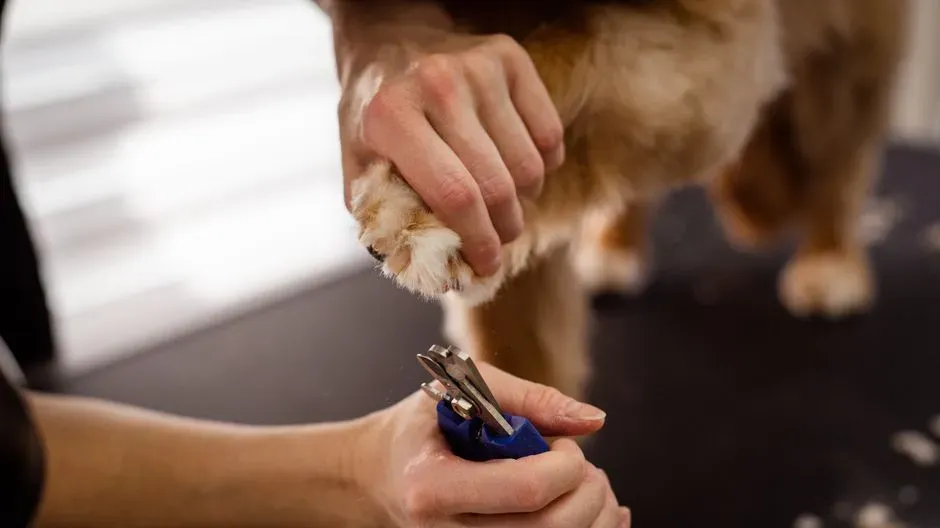
Most first-timers think brushing is the only grooming challenge. Then they meet the corgi’s true arch-nemesis: the nail trim. A shocking number of corgis act like clipping is a federal crime, and nothing prepares new owners for the theatrics involved.
Experienced owners start desensitizing paws early – touching feet often, rewarding calm, introducing clippers or grinders slowly and patiently. Plenty still end up paying a professional groomer because doing it solo turns into a full wrestling match. Ear cleaning and bath time follow the same pattern: skip the early positive association, and you’re stuck wrangling an angry, soggy potato trying to launch itself out of the tub. This isn’t vanity – overgrown nails change how a corgi stands and walks, adding stress to joints and worsening existing back problems.
#10 – They Need More Training Than “Sit” and “Stay”

New owners often treat basic obedience as the finish line. Sit, stay, come, done. Corgi veterans know that’s just the starting gate. Without solid impulse control and structure, a corgi quickly turns into a pushy, barky little dictator running the house.
This breed thrives on rules and mental work – heel training, place work, polite door manners, recall proofed around real distractions. They’re clever enough to find every loophole in lazy training, and half-committed owners end up with a dog that only listens when treats are visible. Here’s the uncomfortable double standard: because corgis are small and cute, people tolerate behavior they’d never accept from a German Shepherd. It’s the exact same behavior in a smaller body. That gap is exactly why so many “sassy” corgis online are one bad day away from real reactivity or resource guarding.
#11 – They’re Surprisingly Good at Sports (If You Put in the Work)

Most first-timers picture neighborhood strolls and couch naps. Corgi people know these dogs can genuinely crush agility, rally, obedience, and scent work once someone actually bothers to train them. Behind that comically low waddle is a serious athlete with real speed and focus.
The trick is channeling their drive instead of fighting it. Agility and trick training don’t just burn off energy – they build confidence and deepen the bond between dog and owner. Many so-called “problem” corgis calm down dramatically once they’re given a structured outlet, like a weekly class or regular training sessions. What frustrates experienced owners most is how many people never explore this side of the breed at all – they treat corgis like decor instead of working dogs, then wonder why boredom behaviors keep showing up.
#12 – Vet Bills and Insurance Stop Being Theoretical

First-timers rarely factor the breed’s long-term medical profile into their decision. They see the adoption fee, pay it, and move on. Long-term corgi owners know better, because between back issues, joint problems, allergies, and dental care, a lot of corgis rack up real money in vet bills over a lifetime.
That doesn’t mean disaster is guaranteed – but ignoring the risk is naive. Smart owners budget for preventive care, look into pet insurance early, and never shrug off small changes like limping, reluctance to jump, or sudden shifts in behavior. The toughest lesson for new owners is that “we’ll deal with it if something happens” sounds reasonable right up until you’re staring down a multi-thousand-dollar spine or knee surgery decision with no financial cushion.
At a Glance
- Breeds with the CDDY gene mutation are at highest risk: Dachshunds (15.3% lifetime prevalence), French Bulldogs (earliest onset at ~4.6 years), Pembroke Welsh Corgis, Beagles, Cocker Spaniels, and Basset Hounds.
- Surgery costs $5,000–$12,000 all-in and is recommended for grades 3–5 or when conservative treatment fails.
- Conservative treatment (crate rest + medications) costs $500–$2,500 over 4–8 weeks and works for mild cases (IVDD grades 1–2).
- Most pet insurance companies will not cover dachshunds that have been diagnosed, treated, and/or are showing the symptoms of IVDD before your pet insurance policy’s start date.
#13 – Once You Go Corgi, You Rarely Go Back

Here’s the part first-timers always roll their eyes at – and every corgi person swears is true anyway. Corgis are chaos, work, noise, and endless fur, and somehow they’re still completely addictive. People who truly click with the breed almost always end up saying the same thing: my next dog will probably be another corgi.
It’s the whole package – the sharp intelligence, the ridiculous body, the side-eye, the big-dog attitude stuffed into a small-dog frame. You don’t just own a corgi, you live with a roommate who has opinions, comedic timing, and an uncanny ability to turn a routine Tuesday into a sitcom episode. Handled right, a corgi becomes the most entertaining, infuriating, loyal little coworker you’ll ever share a house with.
The Bottom Line

Corgi owners know a secret most first-time buyers don’t want to hear: this is not an easy, plug-and-play starter dog. It’s a loud, high-drive, double-coated herder wearing a deceptively cute disguise. Underestimate the shedding, the training demands, the health risks, or the sheer intensity of their brain, and you will get overwhelmed – fast.
But respect the breed for what it actually is, instead of what social media sells you, and you get something rare: a dog that’s equal parts comedian, coworker, and partner. Some people genuinely should not get a corgi. Others will never be satisfied with any other breed again. Which camp are you in – and do you still think you’re ready for one?