
The Stubborn Dog Breed That Is Secretly the Most Devoted of All
Ask any vet tech, trainer, or rescue volunteer which dog breed gets called “stubborn” the most, and you’ll hear the same name over and over. Now ask those same people which breed loves the hardest once it actually trusts you. You’ll hear that name again. That’s not a coincidence – it’s the whole point.
Most people give up on this breed after one rough week of training, convinced they got stuck with a bad dog. What they don’t realize is they’re standing three feet away from the most loyal animal they will ever own – they just haven’t earned it yet. Here’s what’s really happening behind that stubborn, unreadable stare, and why the very thing people complain about is the same thing that makes this dog impossible to walk away from once it’s yours.
#1 – The “Stubborn” Label That Never Actually Fit
People love to repeat that this breed is “too stubborn to train,” but experienced handlers roll their eyes at that line. What most owners call stubborn is usually a smart dog refusing to do something that feels pointless, repetitive, or unfair. These dogs were bred to make decisions on their own, often miles from any human, in situations where blind obedience would have gotten someone killed.
Instead of asking “why won’t he listen,” owners eventually learn to ask a better question: have I given him a real reason to care? Treats help, sure, but what actually flips the switch is turning training into a job, a game, or a puzzle worth solving. The moment this dog feels like a partner instead of a robot, the whole personality shifts.
Worth Knowing
- Working breeds bred for independent decision-making often get labeled “stubborn” simply because they weigh a command before obeying it.
- Dogs built for partnership-style work usually need a reason, not just an order, to stay motivated.
- What looks like defiance in training is frequently boredom or confusion, not disobedience.
- Handlers who reframe commands as tasks often see cooperation improve within days, not months.
#2 – The One-Person Dog: Loyalty That Borders on Obsession
Most casual dog owners picture a family pet that loves everyone equally. This breed usually doesn’t work that way. In a lot of homes, it quietly picks one human as “their person” and locks on with a focus that can honestly feel a little intense – following that person room to room, watching every move, sleeping with one ear open just in case they’re needed.
That kind of devotion isn’t an accident. These dogs were historically bred to work closely with a single handler in unpredictable, high-stakes conditions, where the bond had to be real because it couldn’t be faked. Today that same instinct shows up in smaller ways: waiting at the window for one specific car, refusing food when that person is away overnight, or stepping between them and a stranger without being asked. People unfamiliar with the breed call it clingy. Long-time owners call it proof of character.
#3 – Too Smart for “Sit, Stay, Good Boy” Training
Owners of this breed often complain that basic obedience classes “just didn’t work.” The real issue is that these dogs get bored of simple drills fast enough that they start looking defiant when they’re actually just mentally checked out. Repeating “sit” fifteen times in a row feels, to them, like being asked to recite the alphabet for an hour straight. Eventually they stop cooperating, and people call that stubborn.
What actually works is task-based training instead of repetition:
- Short, varied sessions that force the dog to think, not just react.
- Jobs where the dog gets some choice and control over how it solves the problem.
Quick Compare
- Repetition drills: Same command over and over, little payoff – the dog checks out fast.
- Task-based training: A real job with a clear start and finish – the dog stays engaged.
- Repetition drills: Feels like obedience theater to a working-bred dog.
- Task-based training: Feels like a partnership worth keeping.
Hand this breed a puzzle toy, a scent-tracking game, or a real chore – hauling laundry, herding kids toward the car, patrolling the yard – and the “difficult dog” reputation melts away into something closer to an employee who finally likes the job. Plenty of trainers privately admit they prefer these dogs, because once one buys in, it never half-asses the work.
#4 – Protective, Not Aggressive – and People Mix This Up Constantly
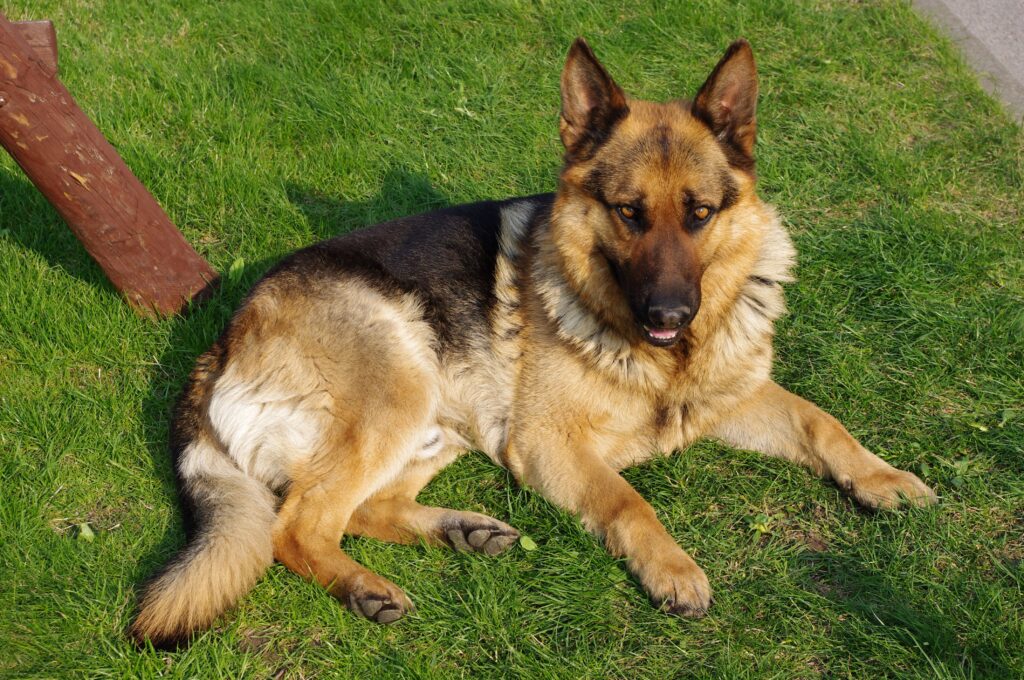
Scroll any neighborhood Facebook group after a barking incident and you’ll see it happen: someone labels this breed “aggressive” because it growled, blocked a stranger, or refused to back down. Behaviorists push back on that framing hard. Most of what scares people is controlled, targeted protectiveness, not random aggression. This is a dog that watches, evaluates, and then decides whether stepping in is actually necessary.
They were historically bred to guard property, livestock, or a single person – often with no fence and no leash to rely on – so they’re wired to constantly ask a few silent questions: who belongs here, who doesn’t, and is my person actually comfortable right now? If the answer feels off, they intervene, whether that means standing between you and a visitor, refusing to leave your side at night, or barking every time someone lingers near your car. Poorly socialized dogs in this breed can absolutely become a real problem. Well-handled ones are closer to personal security that never clocks out.
#5 – The Quiet Velcro Dog: Love You Only See When No One’s Watching
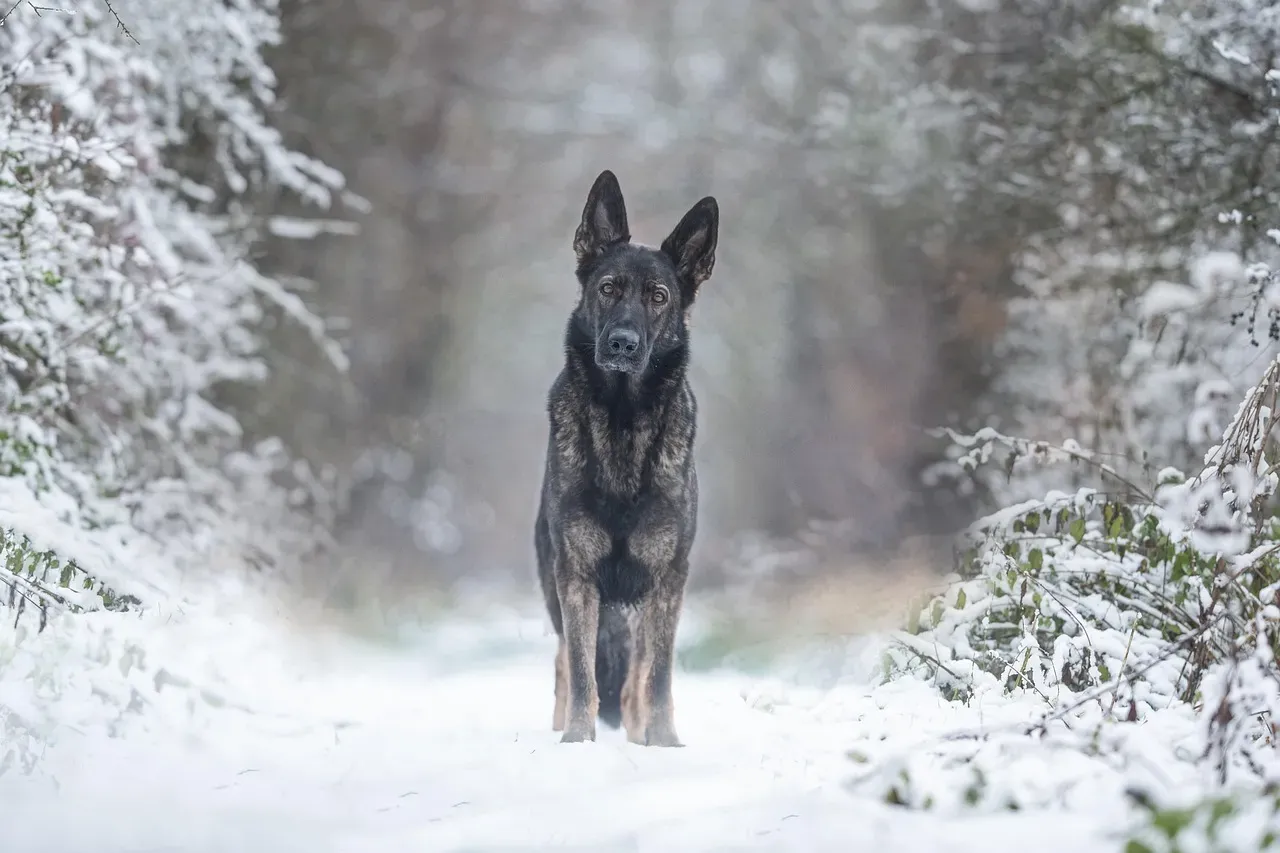
Social media loves flashy, goofy breeds that hurl themselves into your lap the second you sit down. This breed usually won’t do that. Its devotion shows up in small, almost invisible habits that most house guests never even notice – positioning itself where it can see you at all times, subtly adjusting position when you move rooms, seeming to “check the perimeter” before it finally settles back down.
It’s less cuddle monster, more silent bodyguard. Owners notice the pattern eventually: the dog sleeps with its back to you but its face toward the door, it gets up and follows if you leave without being called, it rests its head on your knee not to beg but almost to check that you’re okay. People used to golden-retriever-style enthusiasm sometimes mistake this for aloofness. Long-time owners know it’s actually the most intimate kind of loyalty there is – a love language built on quiet presence instead of performance.
At a Glance
- Positions itself where it can see you, even while “resting.”
- Follows you from room to room without being called.
- Sleeps facing the door, back toward you, on guard mode.
- Rests its head on you to check in, not to beg.
#6 – Punish This Breed and You’ll Break the Bond Fast
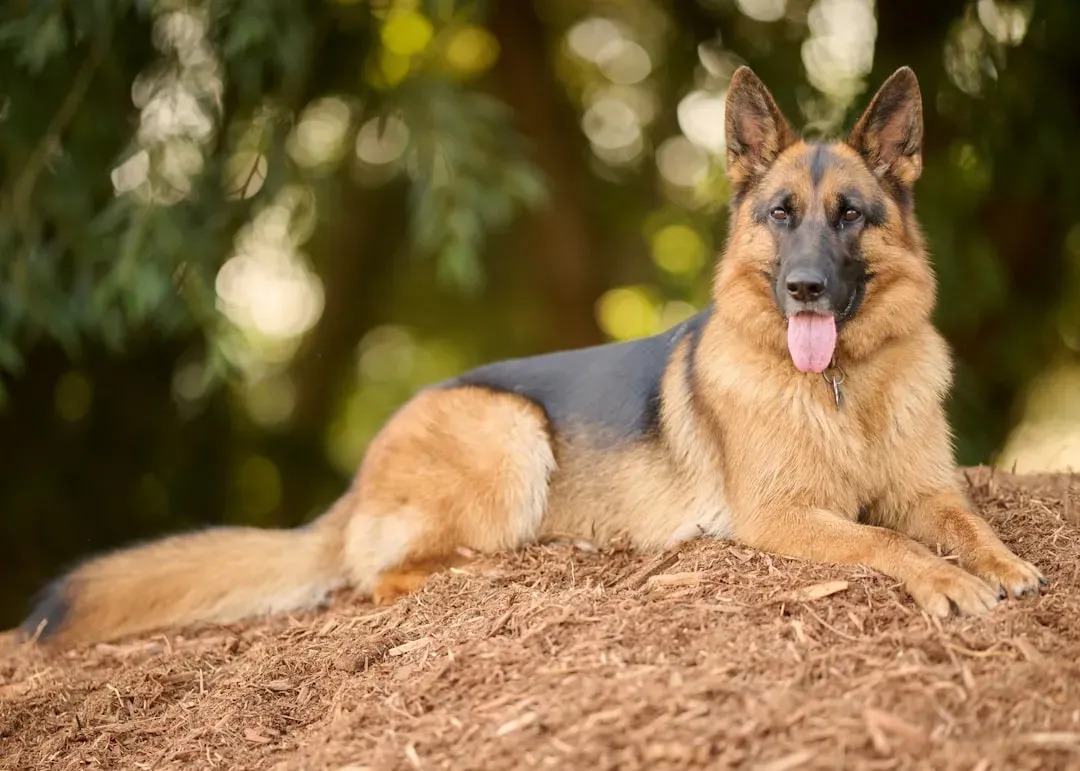
Here’s where a lot of first-time owners blow it without realizing it. With some easygoing breeds, you can raise your voice, correct a little unfairly, make a training mistake – and the dog shrugs it off five minutes later. With this breed, harsh methods usually backfire hard. They don’t submit; they either shut down emotionally or quietly decide you’re no longer worth listening to. And once that trust cracks, getting it back is brutal.
These dogs were bred to think, not just obey, which means an unpredictable or scary handler gets silently questioned instead of followed. On the flip side, calm and consistent boundaries make them blossom into something remarkable. They will work harder for a handler they respect than most “easy” dogs will ever work for someone who just hands out treats. It’s a trade-off, but for the right owner, it’s not close.
#7 – Why the German Shepherd Is the “Stubborn” Dog That Loves the Hardest
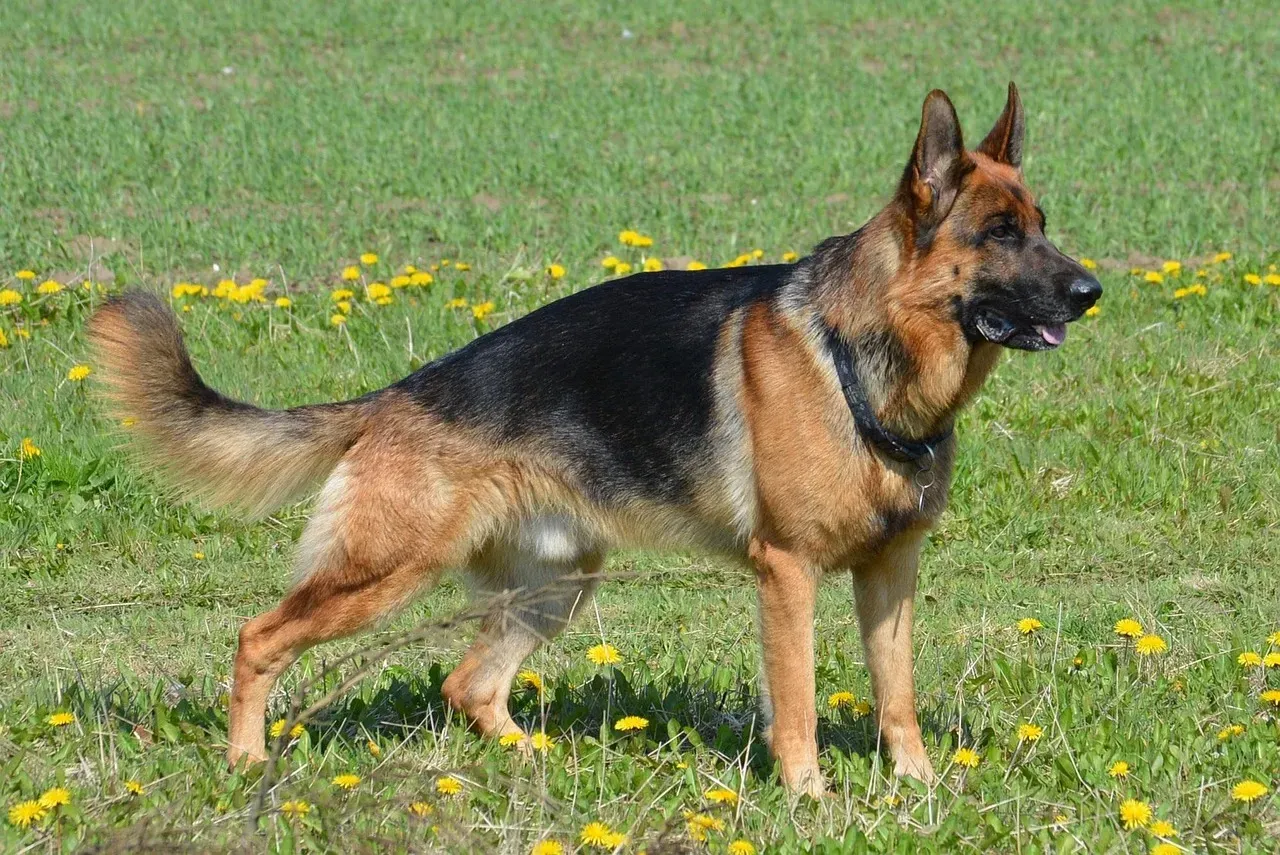
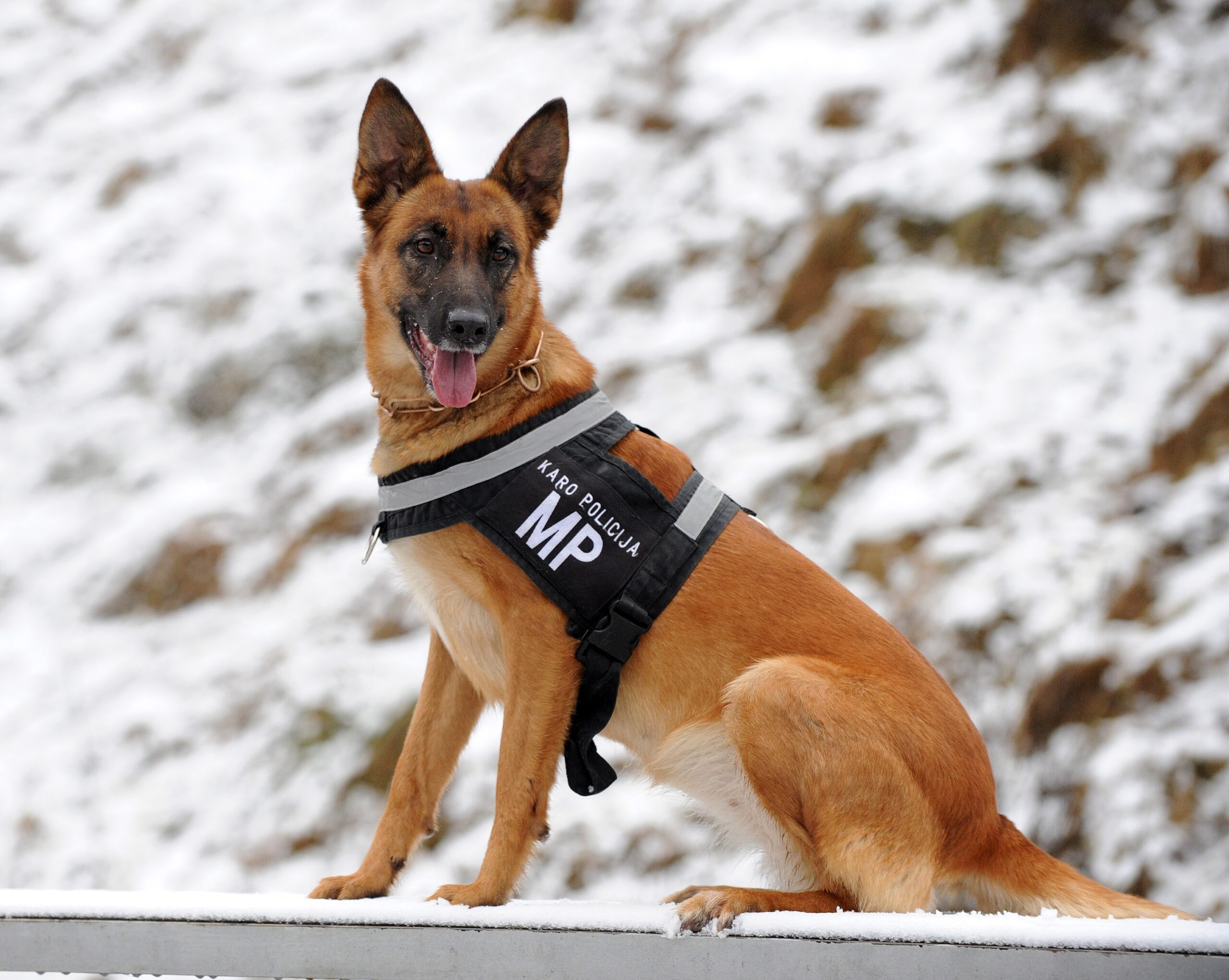
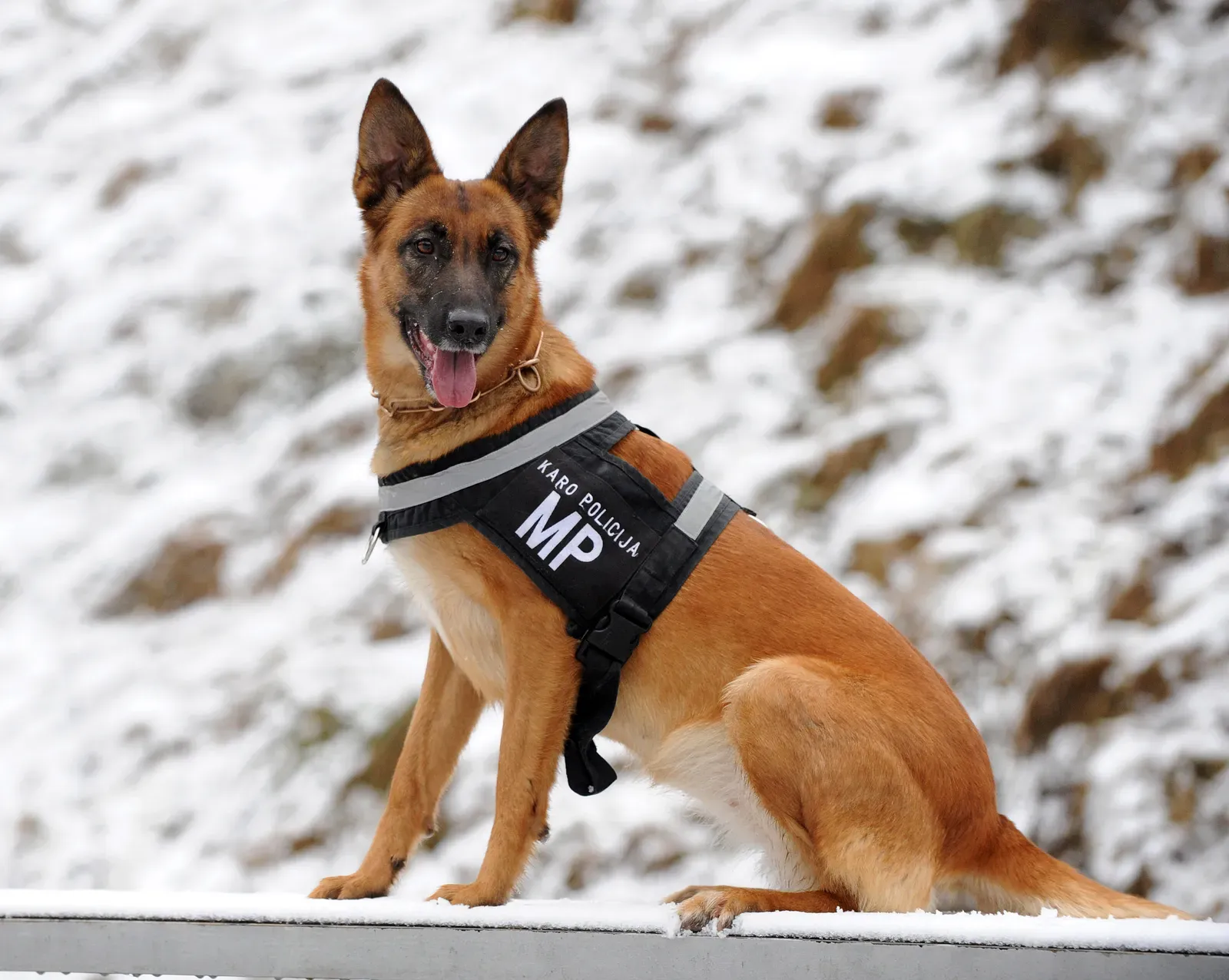
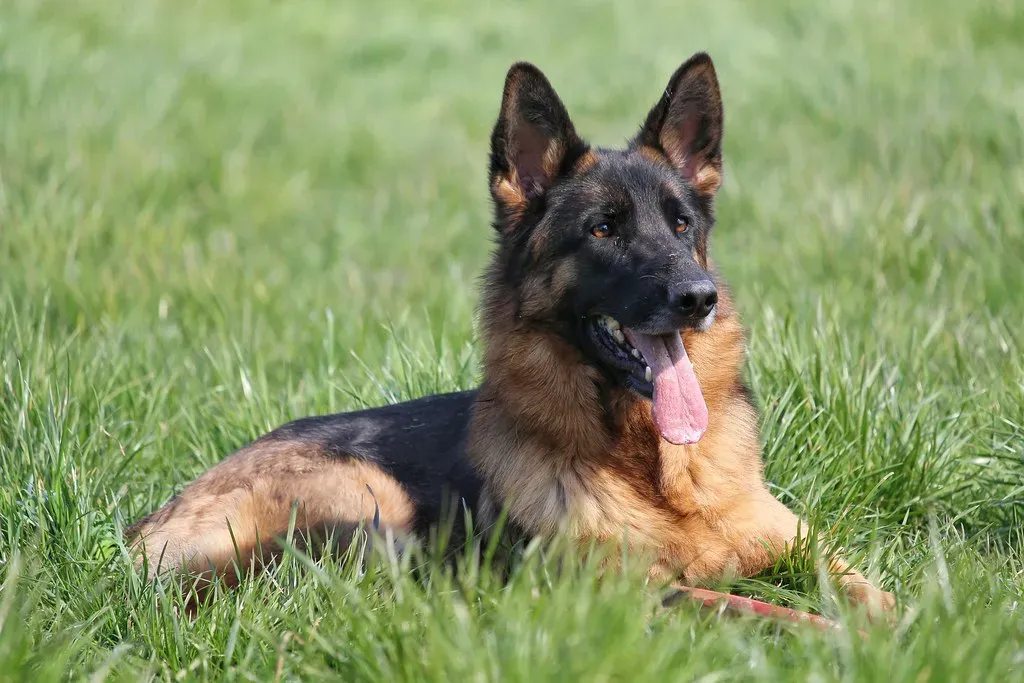
Ask ten casual dog owners to name a stubborn breed and German Shepherds come up almost immediately, usually paired with phrases like “too much dog” or “too intense for most people.” Yet police units, search-and-rescue teams, and disability-support handlers keep choosing them for one simple reason: when a German Shepherd finally bonds, it bonds with a level of devotion that borders on self-sacrifice.
Fast Facts
- Officially registered as a breed in Germany in 1899 and recognized by the AKC in 1908.
- Has ranked among the top five most popular AKC breeds for decades, currently sitting around #4.
- Widely used in police, military, search-and-rescue, and service-dog work thanks to its trainability.
- Regarded as one of the most intelligent dog breeds, able to pick up new commands in just a handful of repetitions.
This is the breed that will track a missing child for hours in brutal weather, throw itself between its person and danger without being asked, and live to work with you rather than just for a treat pouch. Yes, they’ll argue about going in the crate, balk at boring drills, and test your consistency every single week without fail. But once a German Shepherd decides you’re its person, that stubbornness flips inside out and becomes relentless loyalty. It doesn’t just love you – it commits to you completely. That’s where the whole “stubborn dog” myth finally falls apart.
The Bottom Line
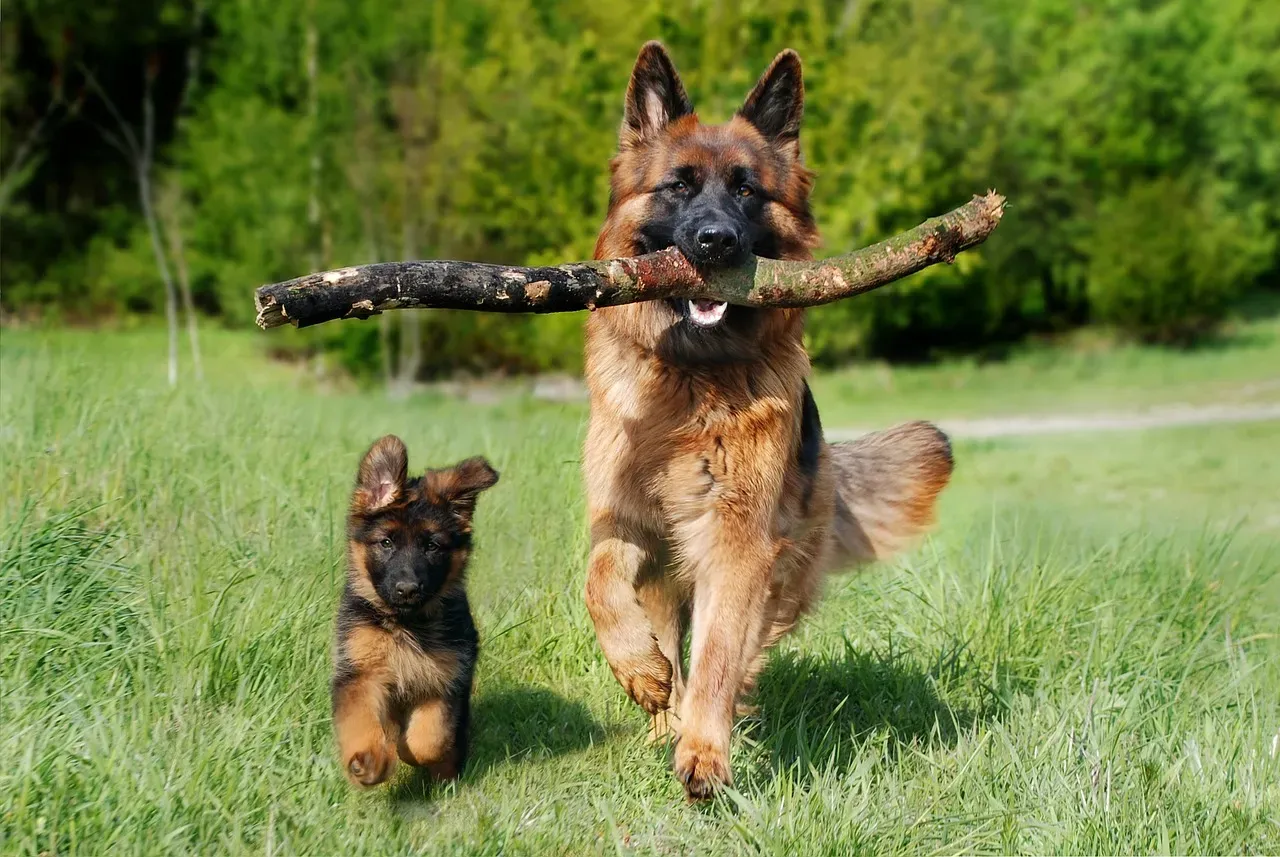
Most people say they want the easygoing dog that obeys on autopilot and loves everyone the same. Then they meet a so-called “stubborn” breed like the German Shepherd and act shocked when it pushes back, questions a command, or stays reserved around strangers – as if something’s broken.
Nothing is broken. These dogs were never built to be cartoon sidekicks. They were built to think, to guard, and to bond so intensely to one person that it unsettles people who’ve only ever known “friendly to everyone” breeds. If you want blind obedience, look elsewhere – plenty of breeds are happy to give it to you. But if you want a dog that argues with you, reads you, tests you constantly, and would walk through fire for you the moment you’ve actually earned its trust, this “stubborn” dog isn’t a problem to fix. It might quietly be the most devoted companion you’ll ever own – and honestly, I think it’s not even close.