
12 Difficult Dog Breeds That Are Secretly the Most Loyal Once They Bond
Most people assume “difficult” dog breeds are dangerous, stubborn, or simply not worth the hassle. Shelters are full of them for exactly that reason – dogs labeled unmanageable, returned by families who gave up before the real relationship even started.
But the trainers who actually work with these breeds tell a different story. The dogs that get dumped the fastest are often the ones capable of the deepest loyalty on earth – if someone sticks around long enough to earn it. Here are the 12 “problem dogs” that quietly become the most devoted animal you’ll ever own, once they decide you’re worth the trust.
#12 – Siberian Husky
Huskies are the poster child for “beautiful but chaotic.” They’re escape artists, professional howlers, and infamously stubborn about recall, which is why so many end up in shelters once the Instagram phase wears off. Bred to pull sleds for miles in brutal conditions, they’re wired for endurance, not for sitting quietly in a small apartment.
But once a Husky actually bonds with you, the story flips. Owners often report their Husky sleeping pressed against the bathroom door, checking the house at night, and visibly mirroring their mood. A well-bonded Husky will keep glancing back to “check in” on you, even off leash – proof that underneath the chaos is a dog who never stopped watching for you.
Fast Facts
- AKC group: Working Group, built for stamina over speed
- Original job: hauling sleds across long Arctic distances
- Known for “talking” instead of typical barking
- Needs serious daily exercise to avoid destructive boredom
#11 – Dalmatian
Most people only know Dalmatians from a children’s movie, but real-life Dalmatians are nothing like the cartoon. They’re notoriously sensitive, high-strung, and easily overwhelmed in chaotic homes, which is why trainers quietly warn they’re a poor “first dog” choice. Historically bred to run alongside carriages as guard dogs, they still carry strong protective instincts and serious stamina.
When a Dalmatian bonds, it’s intense. These dogs are often “one-family only” and can stay suspicious of outsiders long after socialization. Their loyalty shows up as constant vigilance – stationing themselves between you and the door, following kids room to room, refusing to settle until everyone in the family is accounted for.
#10 – Australian Cattle Dog (Blue Heeler)
Ask any working-dog trainer which breed will out-think you daily, and the Cattle Dog comes up fast. Bred to control stubborn cattle by nipping and pushing, that bossy “I know better than you” attitude is the whole point. They’re notorious for being nippy, high-drive, and destructive when bored, which overwhelms inexperienced families within weeks.
Yet once a Heeler bonds, it’s like having a furry bodyguard with a micromanagement problem. They form laser-focused attachments to one primary person, tracking you room to room and anticipating what you’re about to do before you do it. Many owners say their Cattle Dog will stand between them and strangers on walks, subtly blocking – a bonded Heeler chooses you over every distraction in the room, but only once you’ve earned it.
#9 – Akita
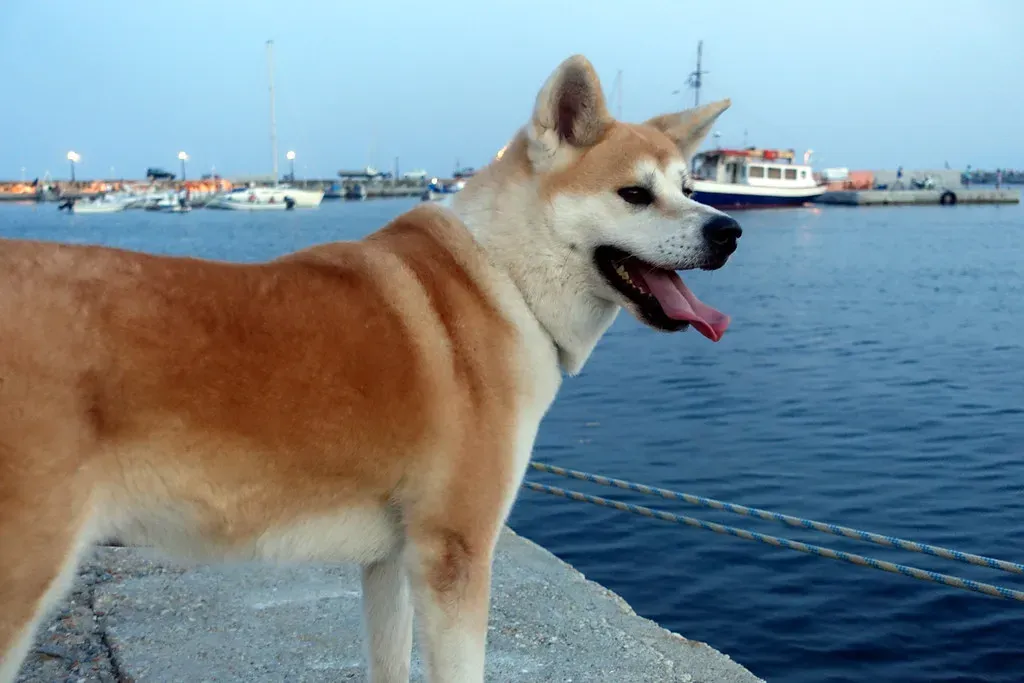
Akitas are the breed people admire from afar and seriously underestimate up close. They’re large, imposing, and famously aloof with strangers, which some mistake for aggression. In reality, they were bred in Japan as guard and hunting dogs, expected to think independently and make serious decisions without human micromanaging.
When an Akita bonds, though, it’s a different universe. Their loyalty is legendary for a reason – this is the breed behind the real-life story of Hachikō, who waited at a train station for his owner for nine years after his death. Well-bonded Akitas quietly shadow their people, position themselves where they can see every door, and react instantly if they sense a threat. They rarely show over-the-top affection, but their quiet, unmoving presence is the love language.
#8 – Belgian Malinois
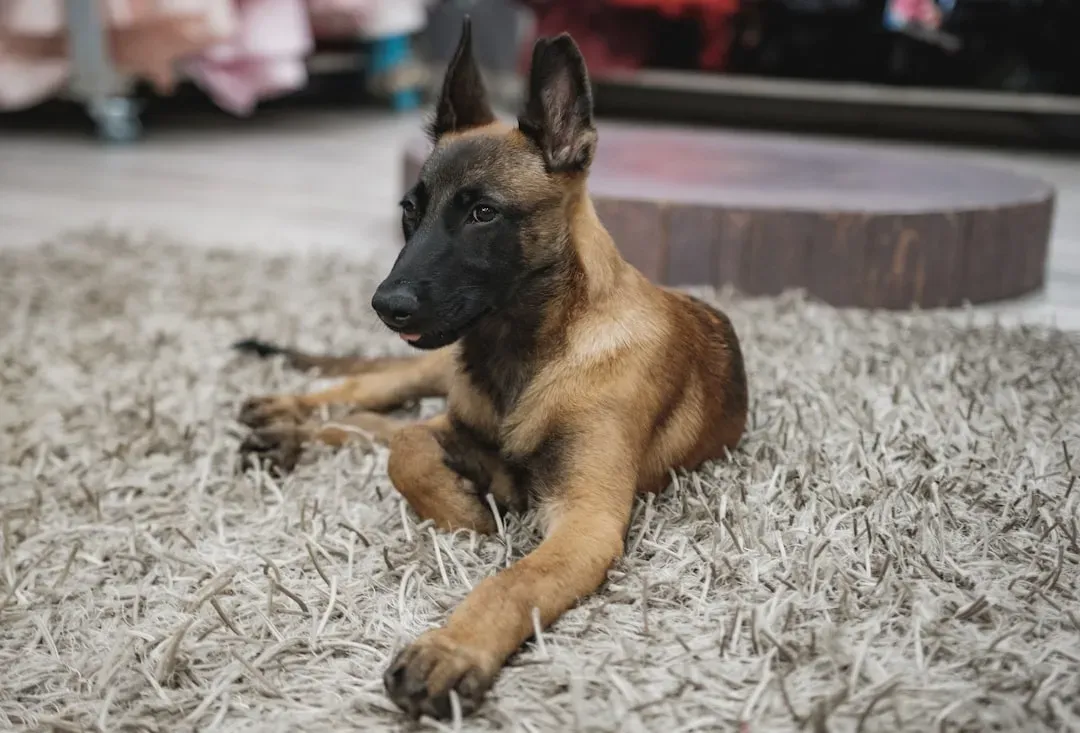
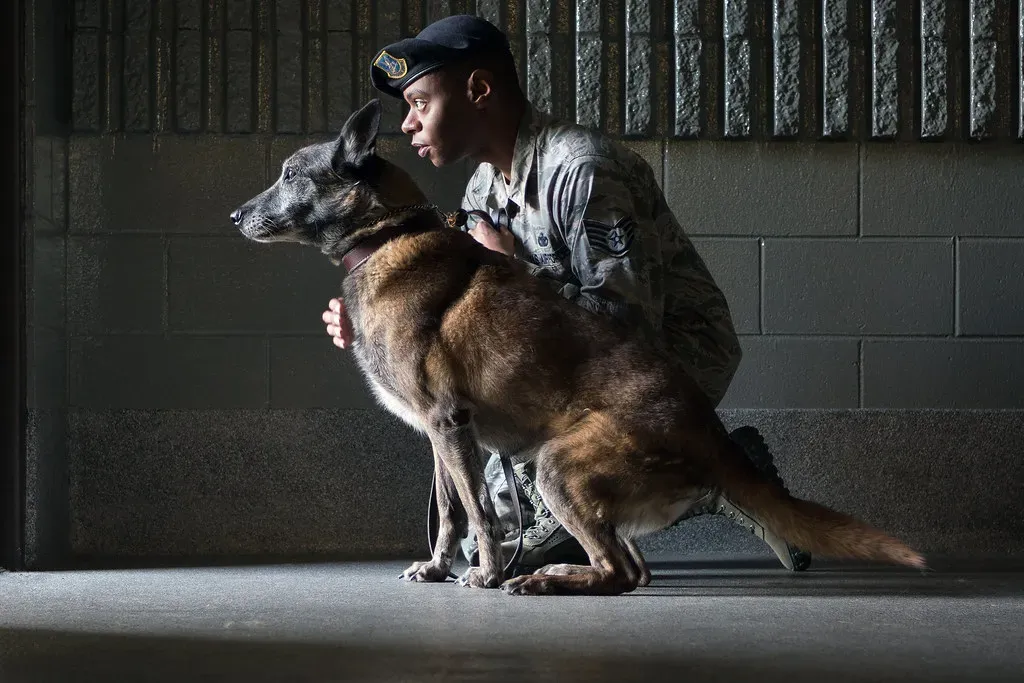
A lot of people see a Malinois with a military handler and think, “Cool, I want that.” What they don’t see is the work behind the scenes. Malinois are extreme working dogs – high drive, fast-learning, and prone to anxiety and serious behavioral problems in pet homes that can’t give them a job. They don’t just need exercise; they need mental warfare: tracking, bite work, or advanced sport training.
Bonded properly, though, they’re velcro on rocket fuel. A Malinois doesn’t just follow you – it studies you. Owners describe it as having a living, breathing radar attached to their hip, a dog that will ignore food and toys just to stare at its person, waiting for the next cue. That loyalty is so intense some Malinois struggle to function if separated from their handler for long stretches – powerful in the right home, overwhelming in the wrong one.
#7 – Chow Chow
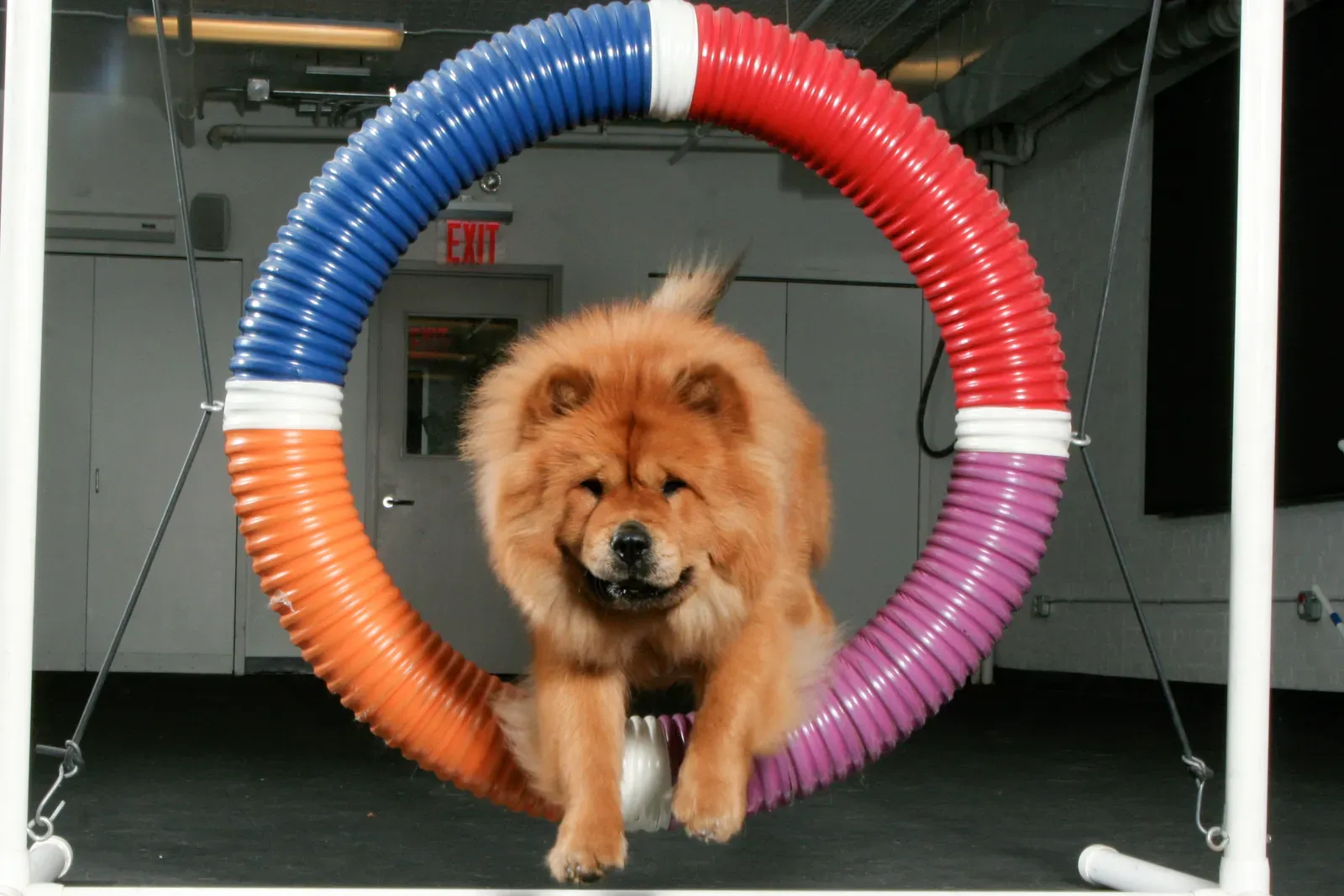
Chows look like lion-teddy-bear hybrids, which is exactly why people misread them. Under the fluff is a primitive, highly independent guardian breed that often doesn’t care about pleasing you in the golden-retriever sense at all. They’re cat-like, picky about touch, and quick to shut down or react if forced into uncomfortable situations – a nightmare for homes expecting a cuddly lap dog.
To the person they bond with, though, a Chow’s loyalty is almost eerie in its intensity. They choose “their person” carefully, then patrol windows, sit between you and doorways, and keep a suspicious eye on visitors long after everyone else has relaxed. Affection is quieter here – leaning against you, lying with their back turned but ears tuned to your every movement. As longtime owners like to put it, you don’t own a Chow; you earn one.
#6 – Weimaraner
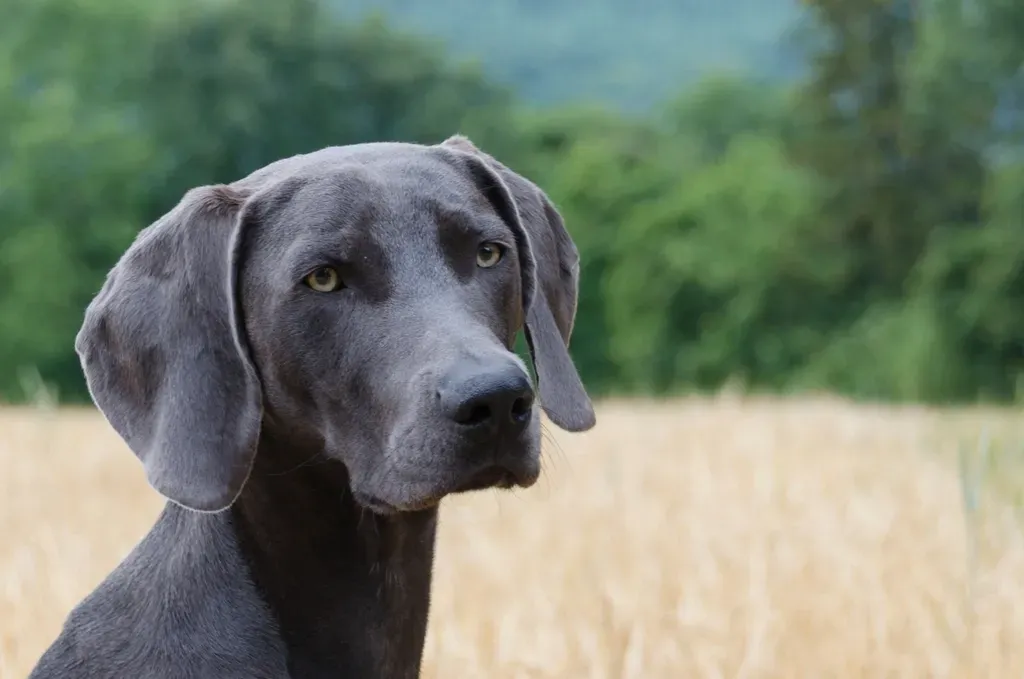
Weimaraners, the sleek “gray ghosts,” get marketed as sporty family dogs – that’s only half the truth. They’re extremely velcro by nature and prone to severe separation anxiety, which can show up as chewing, howling, and even self-injury if left alone too often. Bred as hunting companions, they were designed to work glued to a human all day, not sit in a crate for eight hours.
When a Weim bonds, that history shows. These dogs don’t just like being near you; they crave physical contact and constant reassurance, and many owners can’t even go to the bathroom without a Weim curled against the door. They look to their person for every cue, emotionally and physically, and often mirror your mood within minutes. In the right home, that sensitivity becomes an almost intuitive partnership. In the wrong home, it just looks “clingy.”
Worth Knowing
- Nicknamed the “gray ghost” for its sleek silver-blue coat
- Originally bred in Germany to hunt large and small game
- Separation anxiety can appear as pacing, chewing, or howling
- Considered one of the most physically affectionate hunting breeds
#5 – Shar-Pei
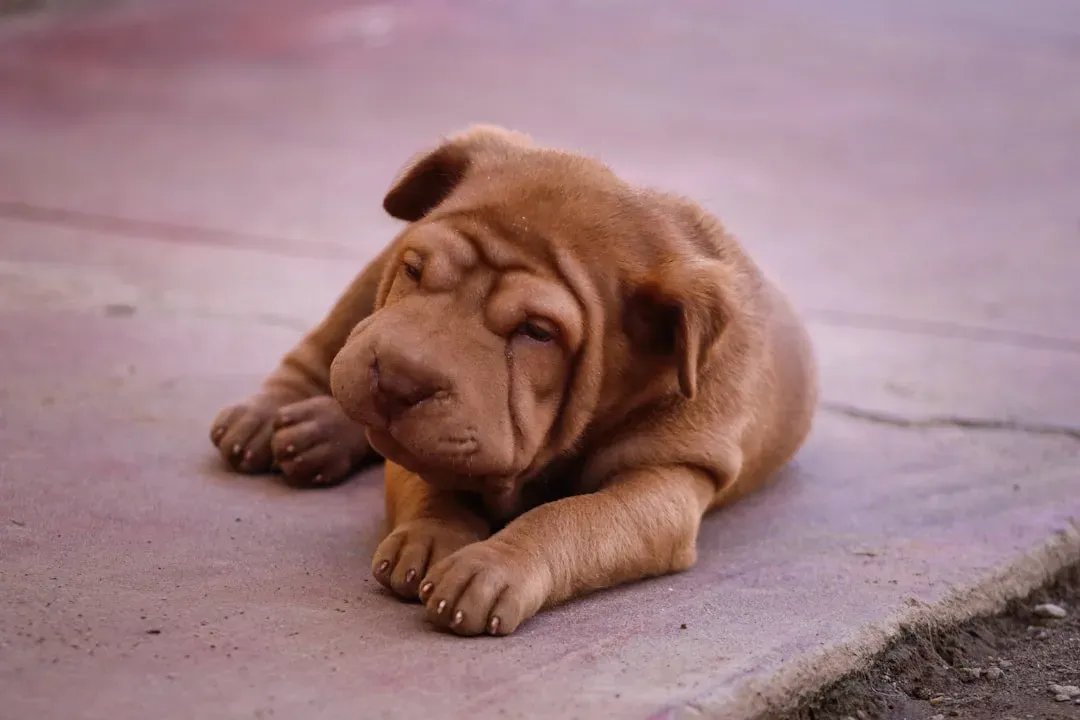
With their wrinkled faces and serious expressions, Shar-Pei often get labeled “grumpy” or “mean” at a glance. The truth is more complicated. Originally used as farm guardians and fighters, they’re deeply thoughtful and reserved, which makes them suspicious, stubborn, and extremely selective about who they trust. Many won’t tolerate random petting from strangers and hold grudges if handled roughly.
But once a Shar-Pei decides you’re safe, they become quietly devoted. Owners describe them as “always watching, rarely demanding” – following you room to room without a sound, lying where they can see both you and the doorway. Their loyalty shows up as protective behavior: stepping in front of kids, blocking unfamiliar dogs, planting themselves between you and anything that feels off. It’s a kind of loyalty many people miss simply because it never gets loud.
#4 – Jack Russell Terrier (and Other High-Drive Terriers)
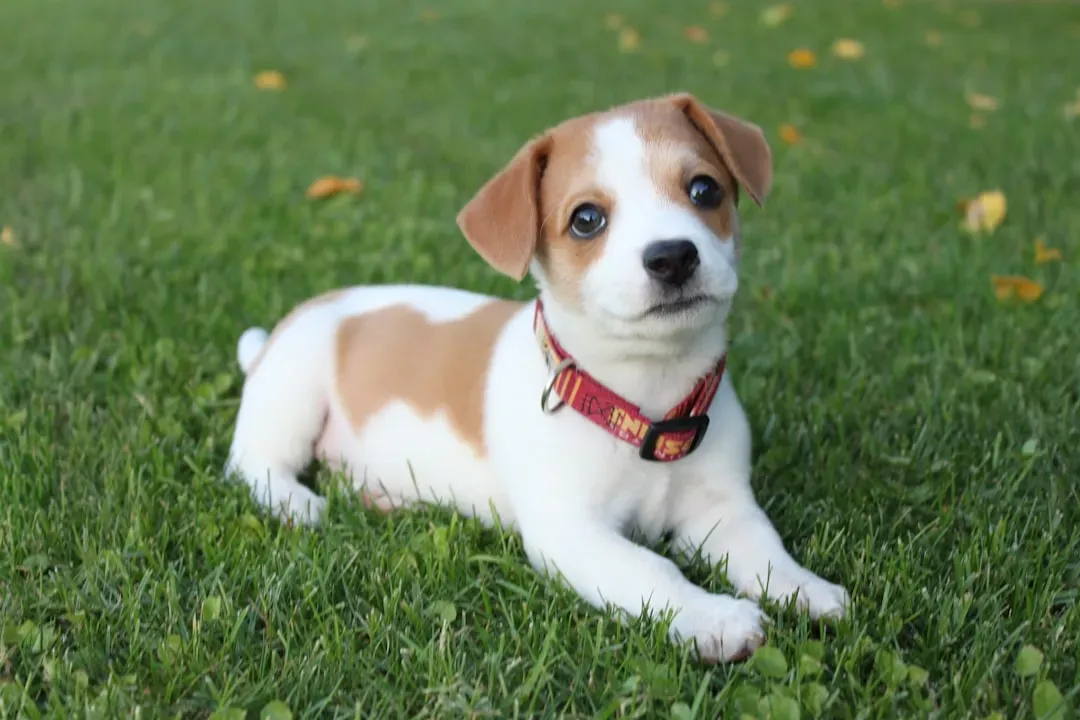
This one surprises people, but seasoned trainers nod immediately. Jack Russells and similar terriers were bred to hunt vermin underground – total independence, insane persistence, and zero quit. That’s why they get labeled “too much,” destructive, and impossible to tire out in normal households. A bored Jack Russell will remodel your drywall and still ask what’s next.
Yet in the right hands, their loyalty is fierce. Once bonded, these little dogs become tiny shadows with big opinions, trailing you around the house and seeming personally offended if left behind. Many owners swear their Jack Russell senses when they’re upset before any human notices, crawling into laps or bringing toys as an offering. Selective hearing for commands, maybe – but for their chosen human, they’re all-in, all the time.
Why It Stands Out
- Bred to hunt foxes and vermin, often working alone underground
- Big personality packed into a small, athletic frame
- Notorious diggers and fence-testers when under-stimulated
- Bonds fiercely to one person despite its independent streak
#3 – Rottweiler
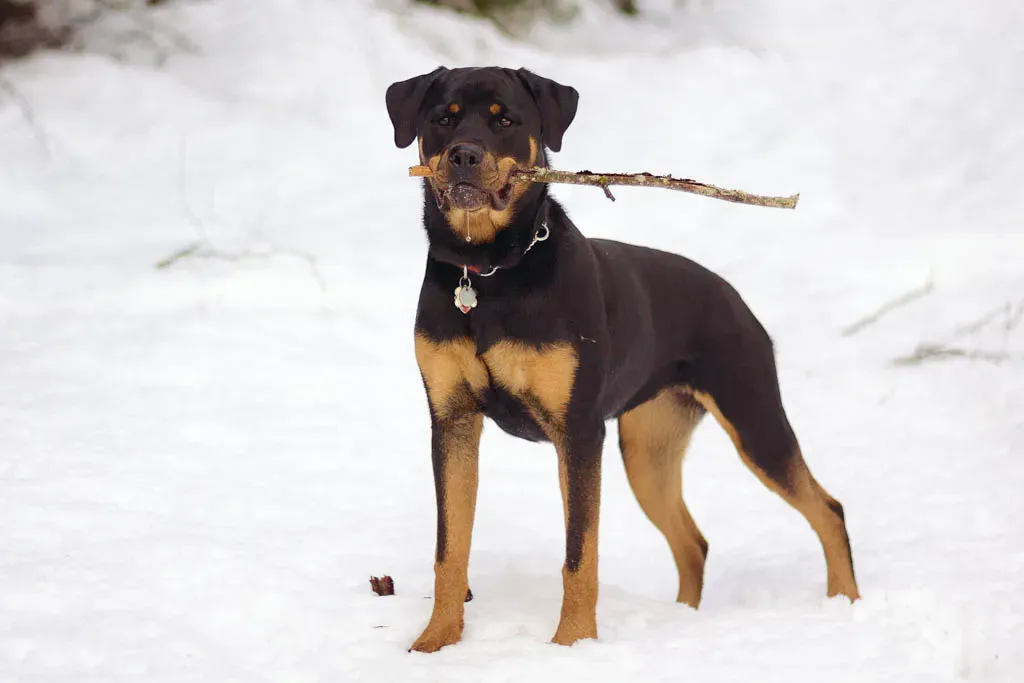
Rottweilers constantly fight stereotypes. People see their size and strength and jump to conclusions, which is exactly how they end up over-restricted and under-socialized. Without clear leadership and training, a Rottie’s natural guarding instincts can turn into a genuine problem. They’re powerful, intense, and absolutely not a “backyard dog” you can ignore and expect to turn out fine.
With proper handling, their loyalty is unmatched. A well-bonded Rottweiler forms a deep, calm attachment to their family and is often especially gentle with children. They quietly place themselves between you and a stranger, lie facing the door when you sleep, and respond instantly if they sense trouble.
My Rottweiler doesn’t ask for attention. He just makes sure he’s always the closest thing to me in the room.
Longtime Rottweiler owner
#2 – German Shepherd
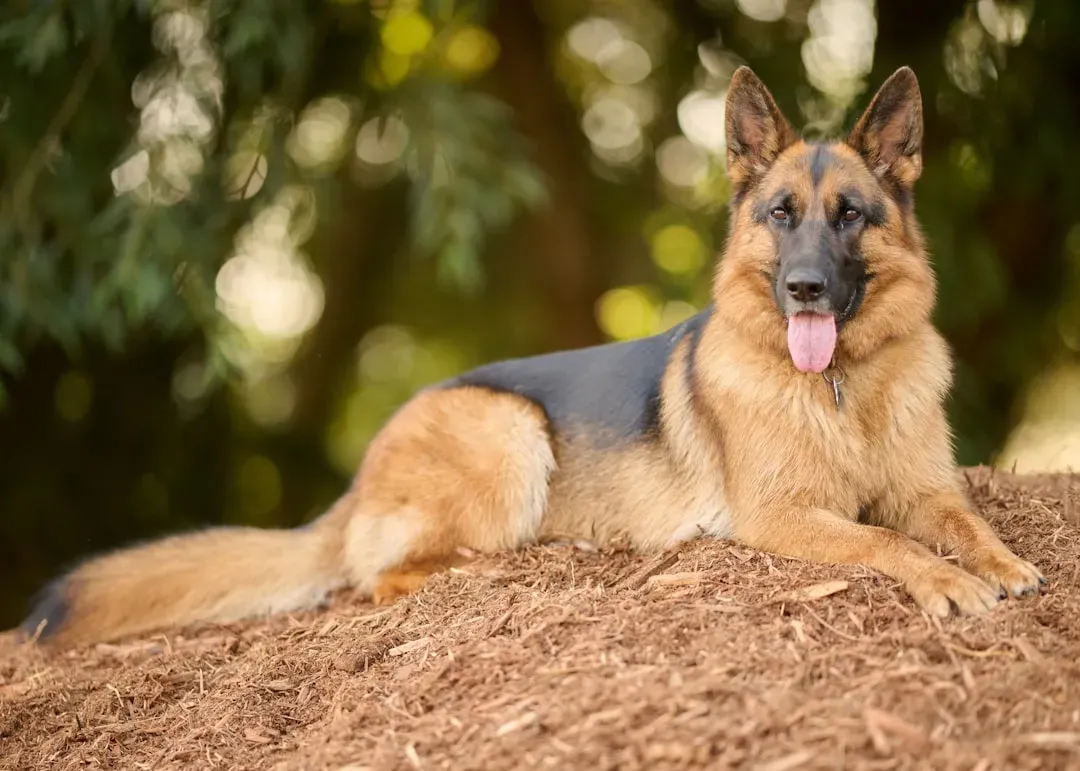
German Shepherds are the classic “difficult but legendary” breed. They’re brilliant, sensitive, and bred to work closely with humans, which also means they can become neurotic and reactive if a home doesn’t give them structure or a job. That nervous, pacing, barking shepherd in a suburban yard is often just a working brain with nothing meaningful to do.
Once bonded, though, a German Shepherd’s loyalty borders on obsessive. They’re known for single-handler attachment – choosing one person as “theirs” and orienting every decision around that person’s safety and approval. Many will ignore other dogs, skip meals, or plant themselves at a door until you come home, reading your micro-expressions better than most humans ever bother to.
#1 – Doberman Pinscher
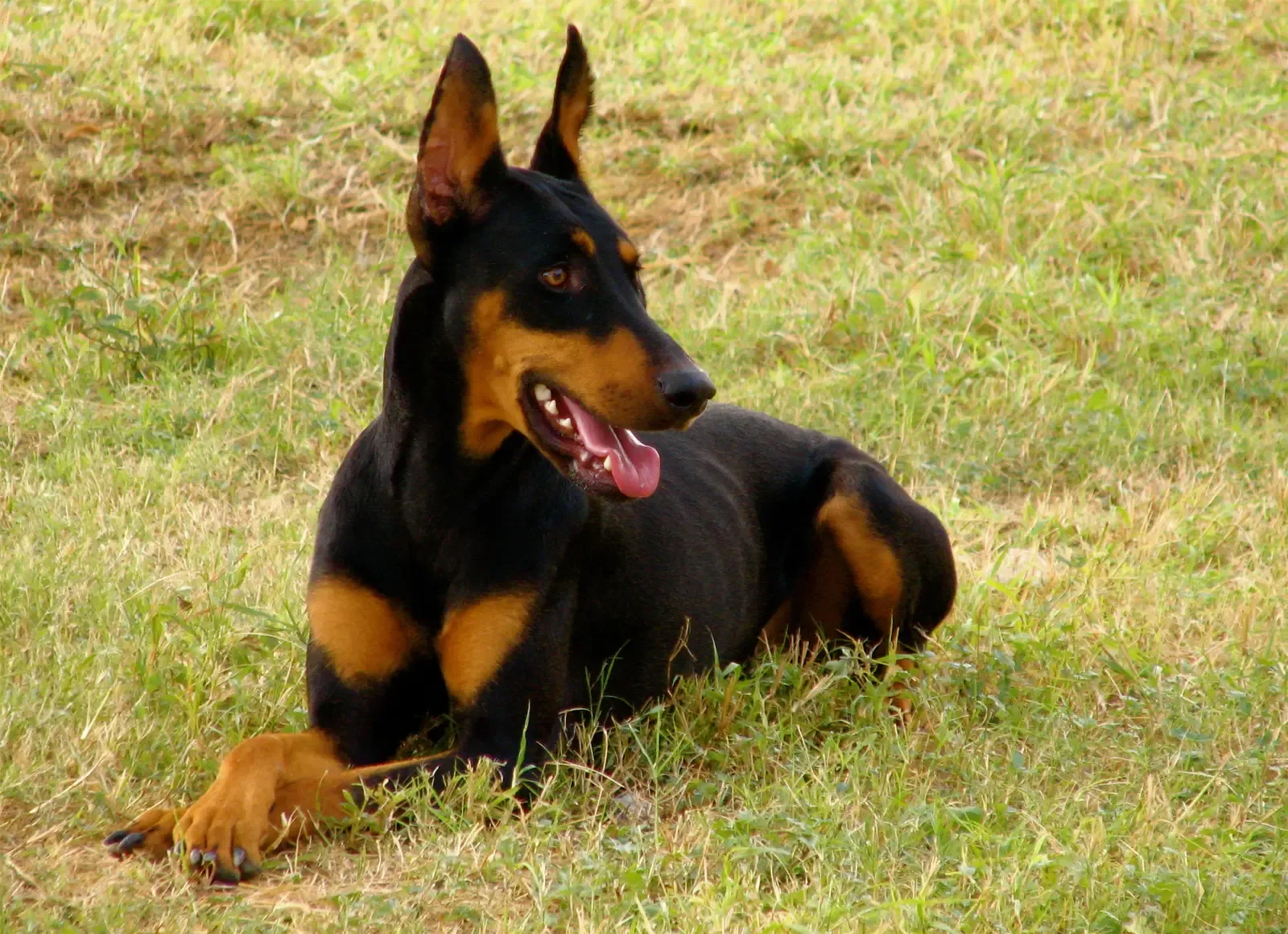
Dobermans get lumped into the “scary guard dog” category, but insiders know a different truth: they’re nicknamed “the velcro dog” for a reason. Originally developed as personal protection dogs, they were bred not just for courage but for intense, human-focused attachment. That’s exactly why they’re “difficult” – sensitive, easily stressed by harsh handling, and genuinely miserable if left alone too much.
When a Doberman bonds, it’s all-consuming. These dogs don’t just follow you room to room; they lean on you, sit pressed against your legs, and track your every move with their eyes. Owners call them “four-legged shadows,” the kind of dog that steps between you and anyone approaching, even casually. A deeply bonded Doberman calibrates its entire nervous system around one person – your routines, your moods, your safety – because to them, you are the job.
At a Glance
- Originally developed in Germany as a personal protection breed
- Consistently ranked among the most trainable, intelligent breeds
- Nicknamed “the velcro dog” for constant physical closeness
- Prone to real distress when separated from its bonded person
The Bottom Line
The breeds most people write off as “too much” are often the ones capable of the deepest, most unshakeable loyalty – if you’re willing to meet them where they are. From the ice-cold independence of the Akita to the anxious intensity of the Malinois and Doberman, each of these dogs was built for a purpose that modern pet homes don’t always respect.
The truth is, “difficult” almost always means mismatched, not bad. With the right structure, work, and emotional bandwidth, these dogs don’t just live with you – they bond like glue and reorder their entire world around you.
Some people will insist a laid-back, easy dog is always “better.” Others will tell you that once you’ve lived with a hard dog who chooses you completely, there’s no going back. Which side are you on – and did we leave your favorite “difficult but loyal” breed off this list?