
What Every German Shepherd Owner Knows About Loyalty That No One Else Does
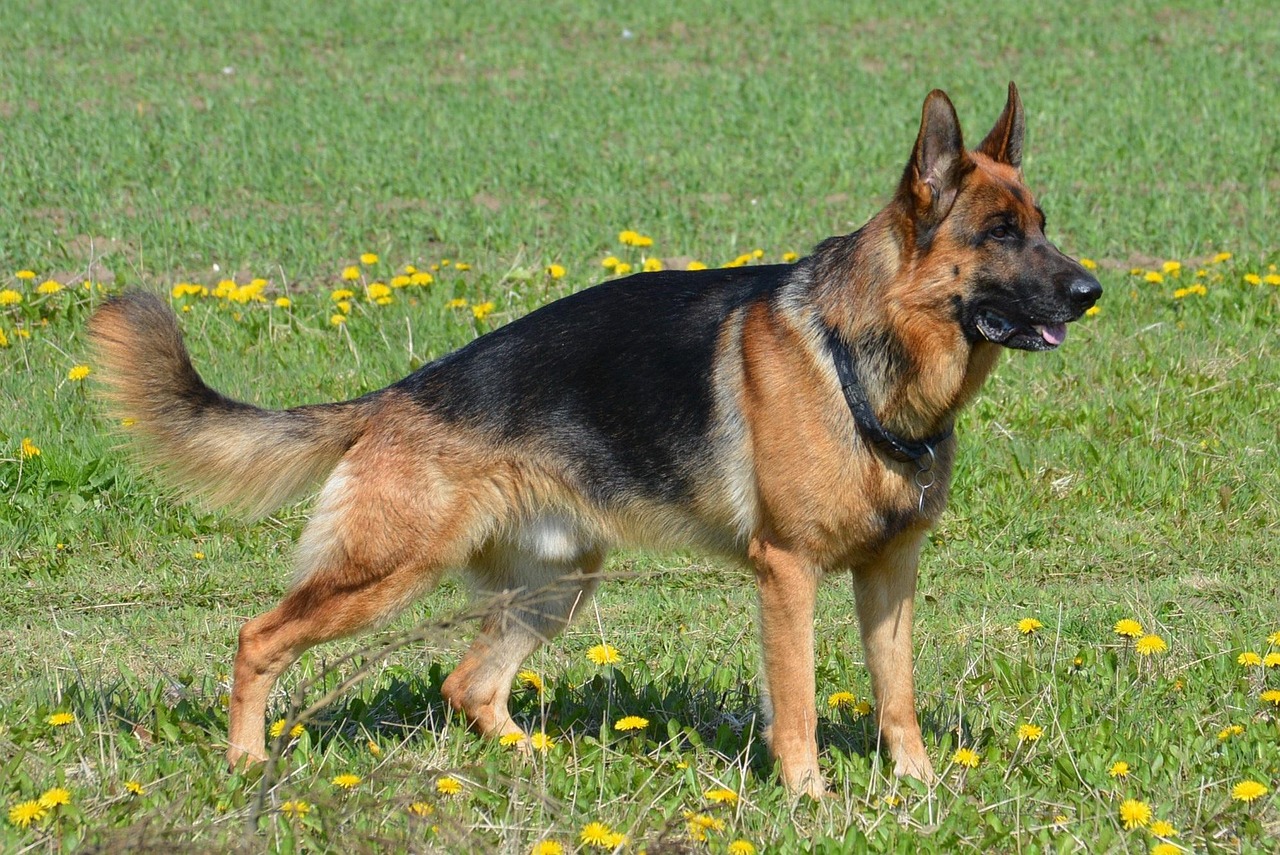
Ask most people what dog loyalty looks like and they’ll describe a wagging tail, a happy greeting at the door, maybe a warm body curled against your feet. Sweet. Simple. Any breed can do that.
German Shepherd owners hear that description and just smile, because they know it’s missing almost everything that actually matters. What their dogs do isn’t affection on autopilot – it’s a wired-in, generations-deep drive that shows up in ways most outsiders never see coming, and once you know the signs, you can’t unsee them.
#1 – They Track You Like Radar, Not Like a Roommate
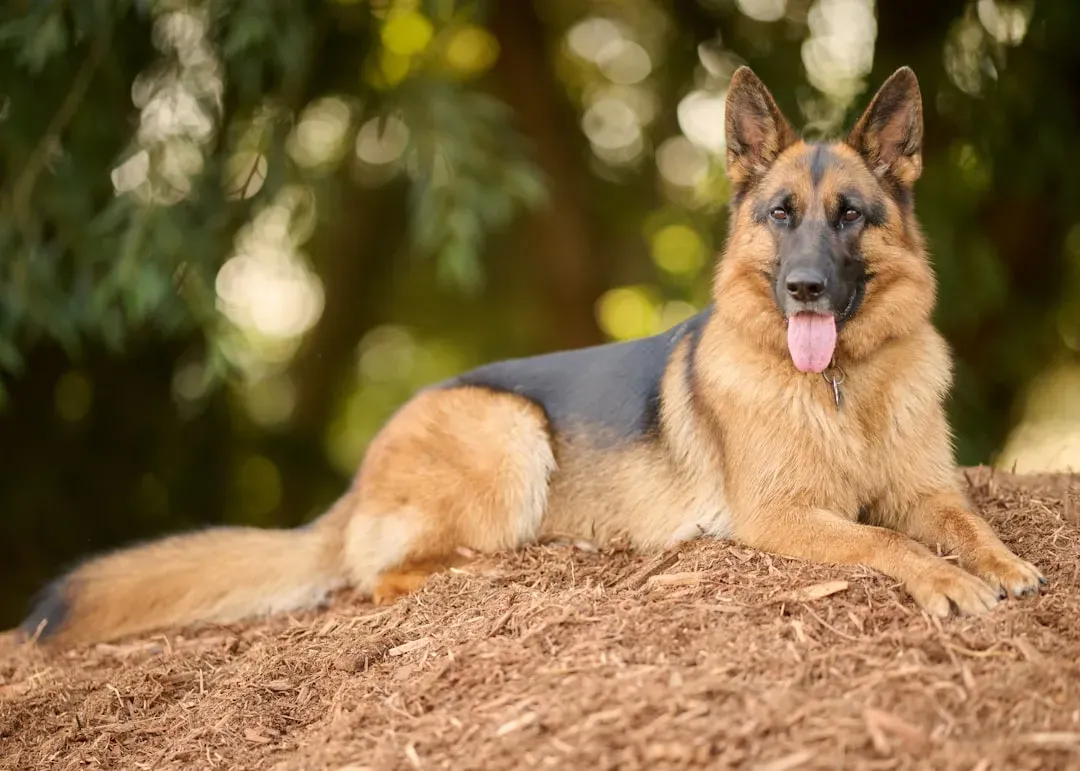
Live with a German Shepherd and you’ll notice something within the first week: they don’t just share your space, they monitor it. While other dogs nap wherever’s comfortable, a GSD positions itself so it can always see you, hear you, and clock the second something changes.
This isn’t neediness. It traces straight back to their herding days, when losing sight of the handler for even a minute could mean a scattered flock or a real disaster. That old instinct never left. Your dog isn’t just keeping you company – it’s keeping watch.
They’ll shift position the instant you move in your chair, before you’ve even decided where you’re going.
#2 – Play Stops the Moment a Stranger Shows Up
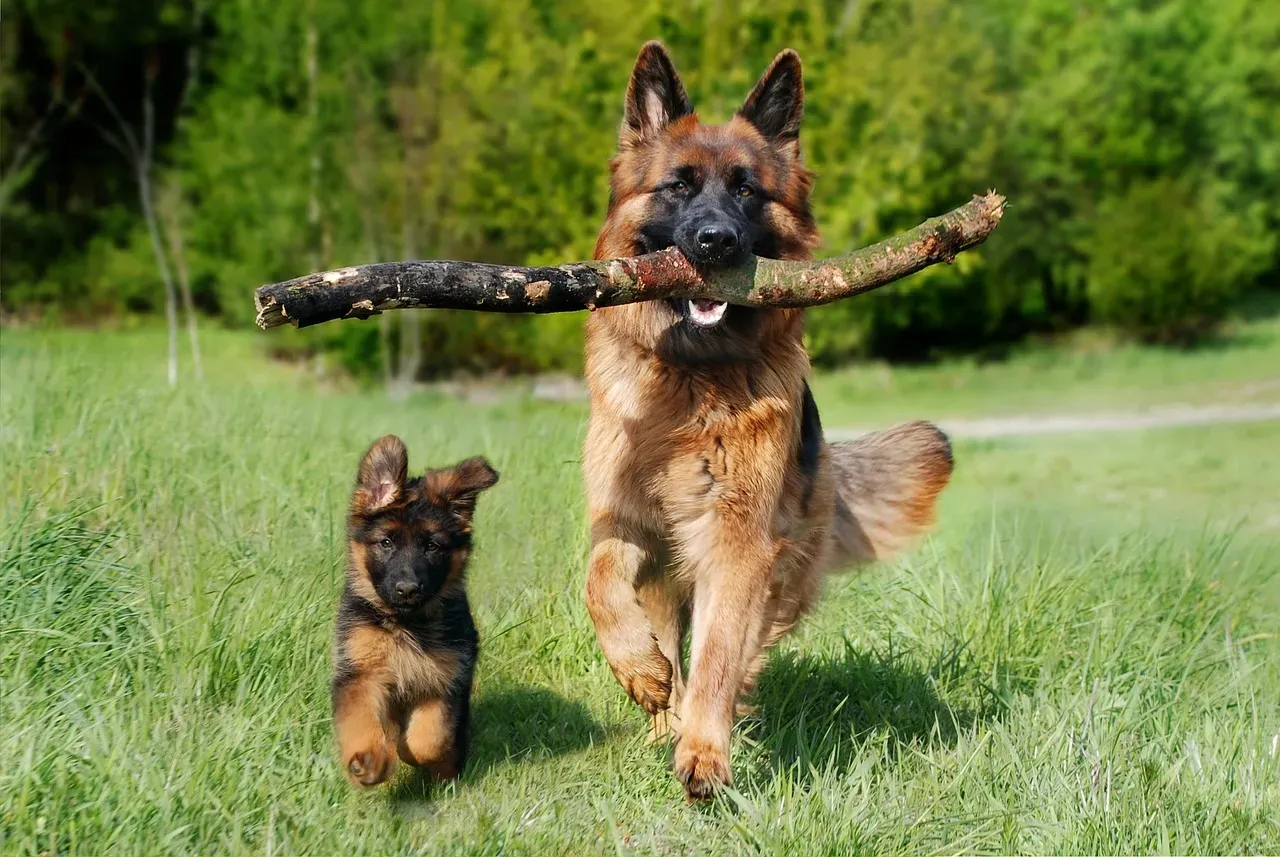
Golden retriever owners brag about their dog being friends with everyone at the park. German Shepherd owners don’t get to make that claim, and honestly, they’ve stopped wanting to. Their dogs run on a different setting: constant, quiet threat-assessment that never fully powers down.
Drop a stranger at the edge of the yard mid-fetch and watch what happens. The ball stops mattering. The dog’s whole body reorients between the family and the unknown person, calm but locked in, because this breed was built to guard every bit as much as it was built to herd.
A GSD will ignore a thrown ball entirely if it senses something off near the property line.
Fast Facts
- German Shepherds were developed in Germany in 1899, largely through the efforts of Max von Stephanitz
- Originally bred for herding, the breed shifted toward guarding and working roles within decades
- They typically weigh between 50 and 90 pounds, depending on sex
- Consistently ranks among the most popular dog breeds registered with the American Kennel Club
#3 – The Whole Household Gets Guarded, Not Just the Favorite
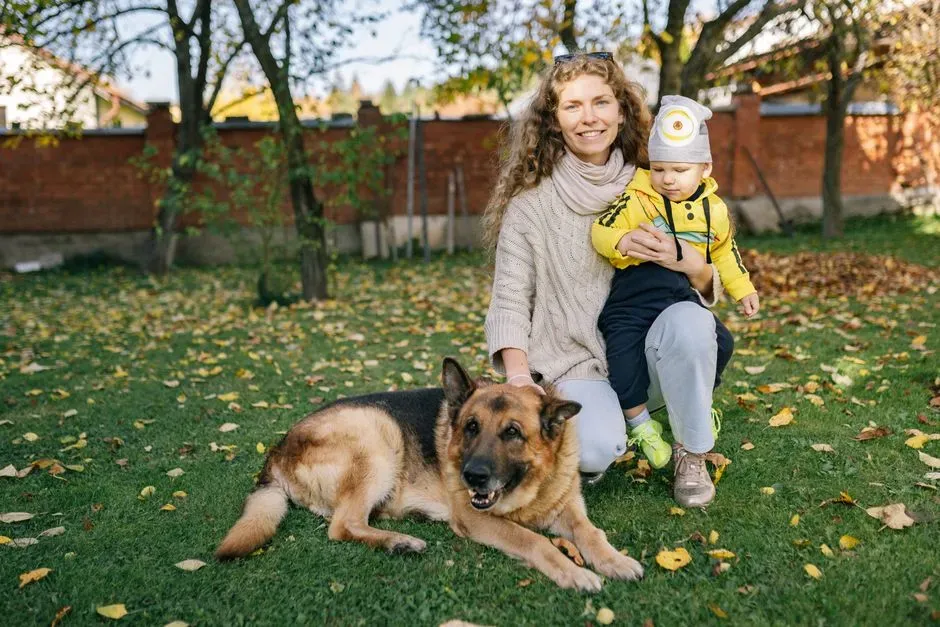
New owners often assume German Shepherds pick one person and tune out everyone else. Then they watch their dog quietly checking on the kids, the spouse, even the cat, and realize the loyalty isn’t exclusive – it’s layered.
Yes, there’s usually one person the dog answers to first. But the protective instinct treats the entire family as one unit worth defending, which is exactly why so many parents trust these dogs around their children without a second thought.
A GSD will do a quiet check on sleeping kids before it ever settles in near its favorite human.
#4 – The Devotion Was Bred In, Not Taught
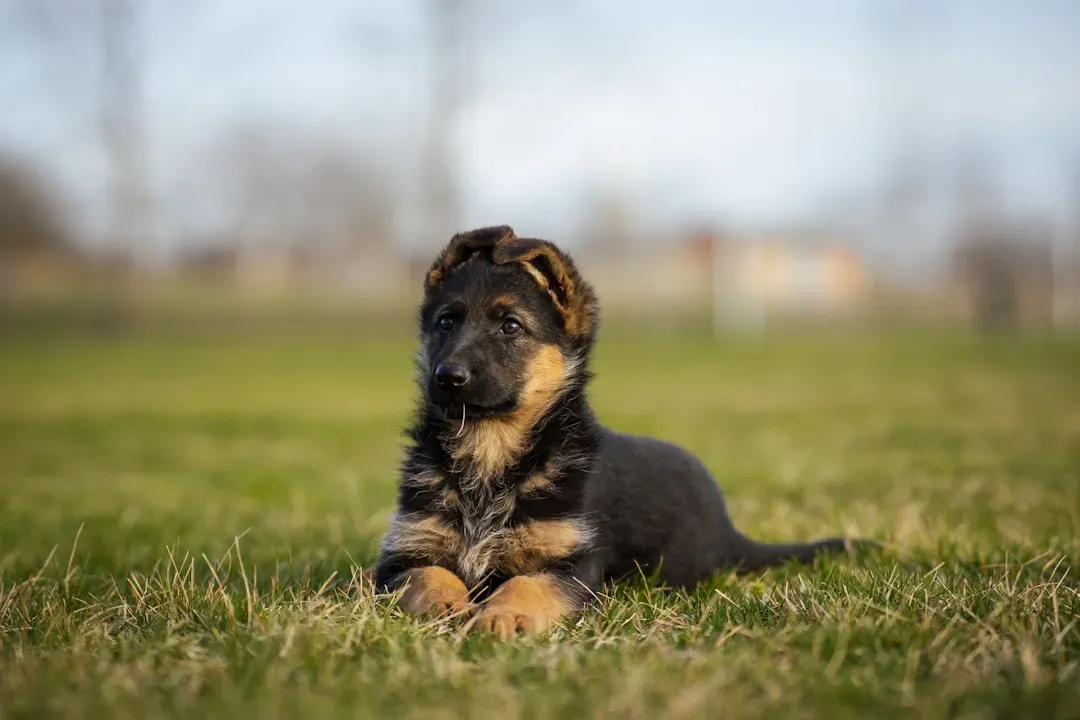
Most people assume loyalty is something you train into any dog with enough patience and treats. German Shepherd owners know better. This breed’s devotion was shaped over generations of close, high-stakes partnership with humans, not built from scratch in a weekend obedience class.
That’s why even a German Shepherd with sloppy training, a rough start, or almost no formal work still shows a baseline of devotion that other breeds lose the moment stress enters the picture. The wiring is already there, waiting for the right person to activate it.
Puppies as young as eight weeks old already show signs of choosing one person over their own littermates.
Why It Stands Out
- Ranked among the most trainable breeds by canine researcher Stanley Coren, who placed German Shepherds third for working and obedience intelligence
- Used extensively by police, military, and search-and-rescue teams around the world
- One of the rare breeds trusted equally for serious protection work and everyday family life
#5 – Strangers Don’t Get a Free Pass, Ever
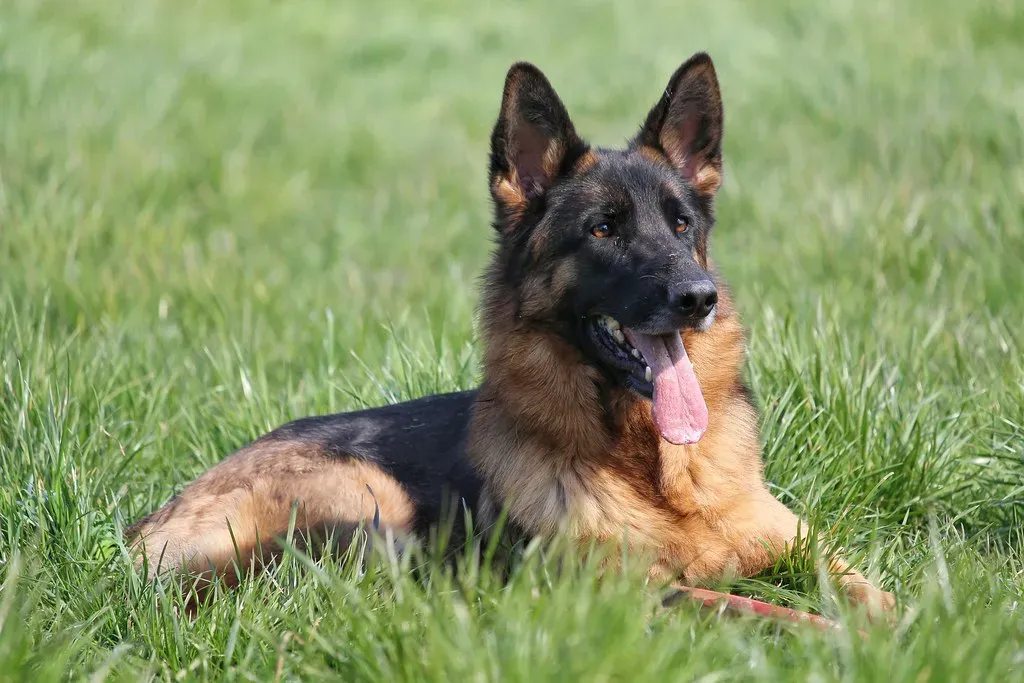
Plenty of breeds warm up to a friendly visitor within minutes. German Shepherds run a longer background check. Owners learn quickly that this isn’t rudeness or bad socialization – it’s a built-in filter protecting the inner circle, and it doesn’t shut off just because someone seems nice.
Trainers unfamiliar with the breed sometimes call this stubbornness. Long-time owners know it’s the opposite: it’s discernment, straight from centuries of guardian work, and it’s one of the clearest signs the dog takes its job seriously.
Even a friendly neighbor who visits weekly may never fully clear the assessment.
#6 – A Job Together Builds More Trust Than Any Treat
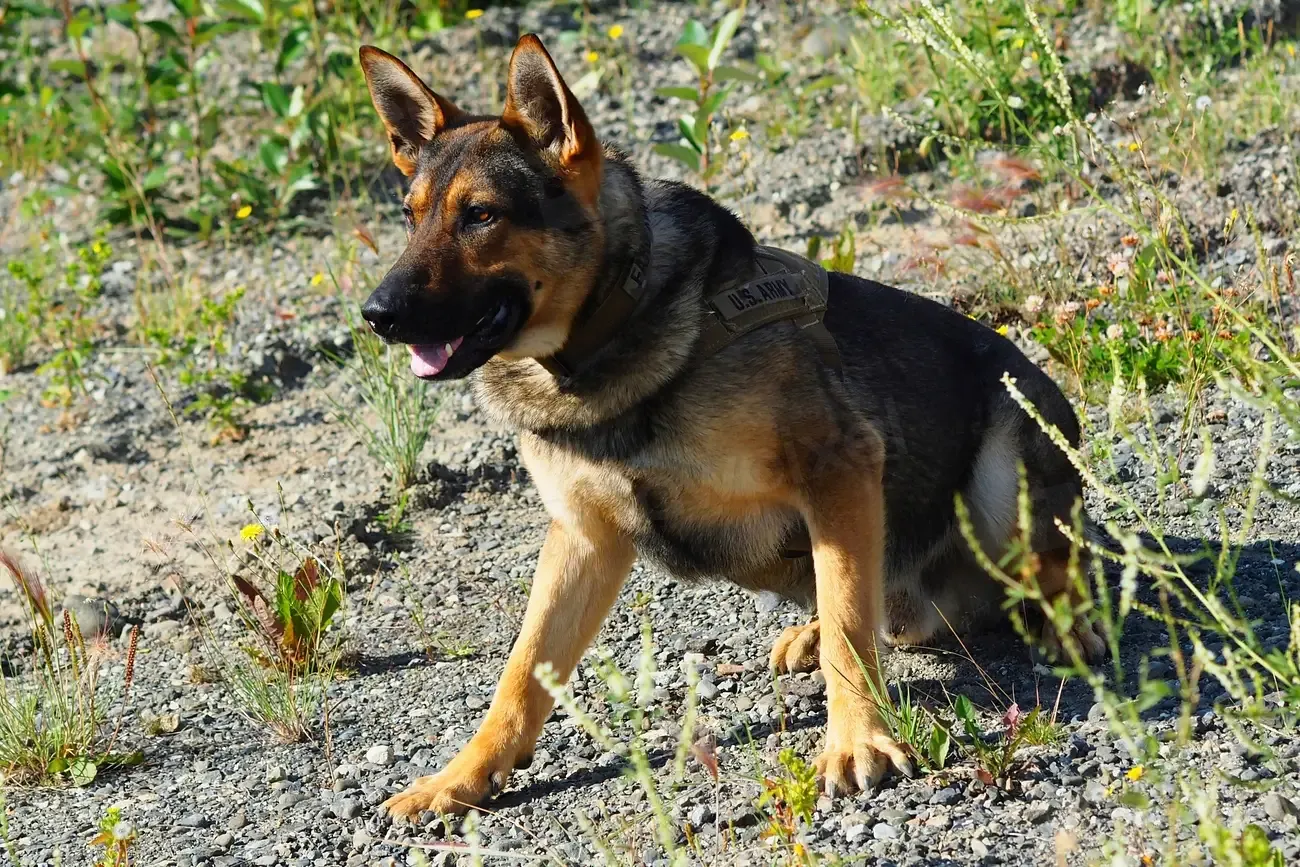
Give a German Shepherd a task alongside you – not a trick, an actual job – and watch the bond deepen in real time. This is why police and military handlers describe partnerships with their dogs that go far beyond typical pet ownership; shared purpose does something treats simply can’t.
Without meaningful work, the loyalty still exists, but it never quite reaches full intensity. That’s the piece casual dog owners miss when they assume food rewards are the fastest route to a dog’s heart.
Given the choice, a GSD will pick a working session with you over an ordinary walk almost every time.
Quick Compare
- Golden Retrievers: friendly with nearly everyone, loyalty spread evenly, low guarding drive
- Labrador Retrievers: strongly food and play motivated, bond is warm but rarely protective
- German Shepherds: bond forged through shared work and trust, paired with an active guarding instinct
#7 – They Read Your Mood Before You’ve Said a Word
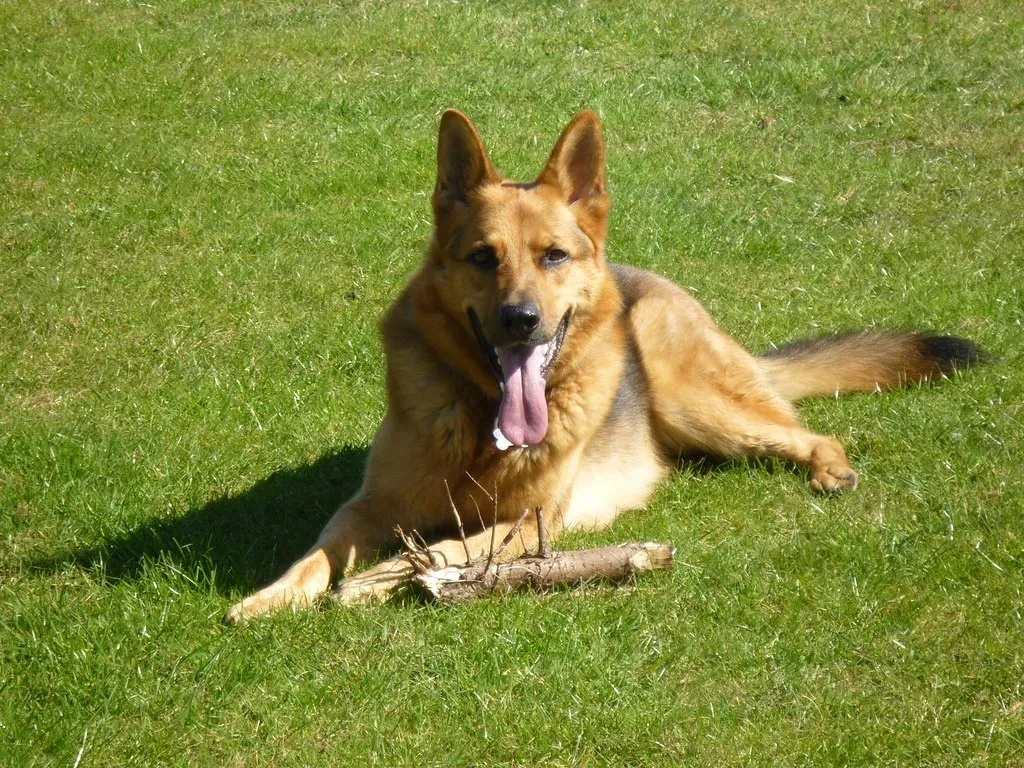
German Shepherds don’t just respond to commands. They notice the tension in your shoulders, the change in your breathing, the way you sit down a little heavier than usual – and they act on it before you’ve said anything at all.
Outsiders call this eerie, almost mind-reading. Owners just call it Tuesday. It’s the combination of high intelligence and deep attachment producing a dog that shows up emotionally the moment you need it, without ever being asked.
They’ll nudge you the exact second your mood shifts, never randomly, always right on time.
#8 – Training Doesn’t Build the Loyalty, It Just Unlocks It
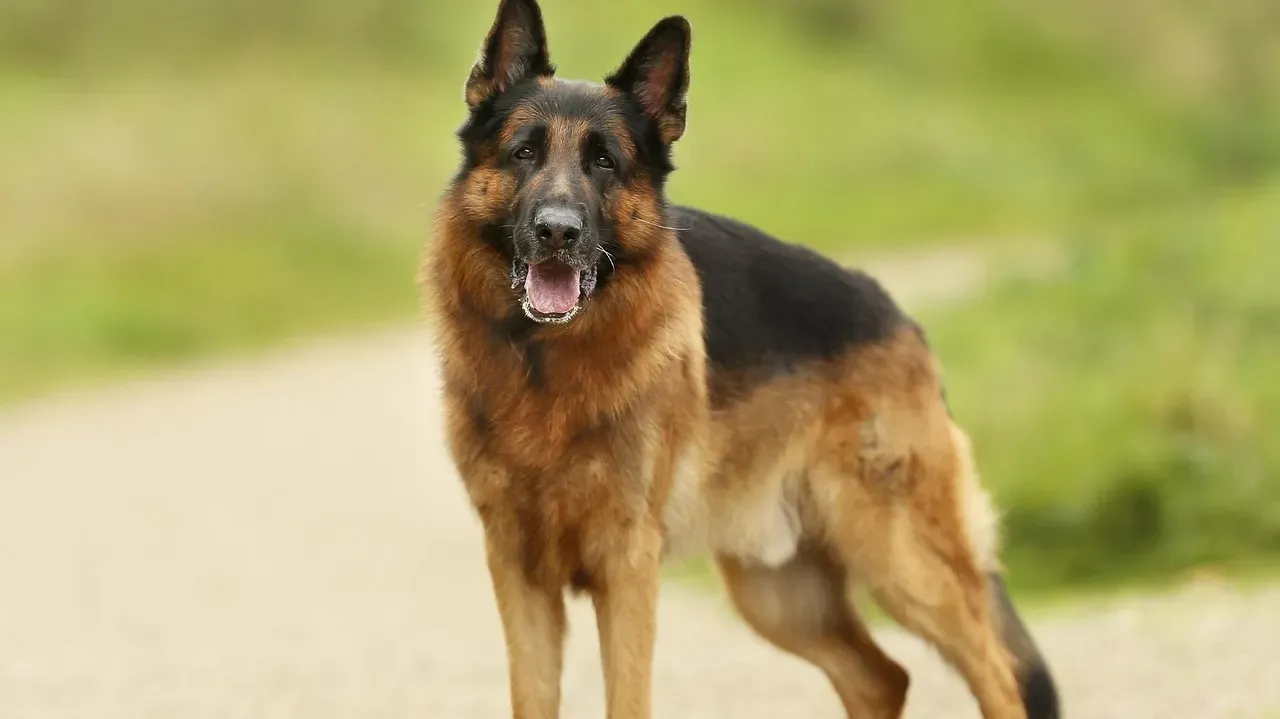
A common misconception is that intense training is what creates a German Shepherd’s devotion. Owners who’ve raised the breed know it’s the reverse: good training simply reveals a bond that was already sitting there, coiled up, waiting.
This is exactly why rescue German Shepherds so often form fierce attachments quickly, sometimes within weeks of landing in the right home. The capacity for that connection never left. It just needed someone to earn it.
Even adult dogs with minimal training show devotion that rivals well-trained dogs of other breeds.
#9 – They Can Love the Whole Family Without Splitting Their Devotion
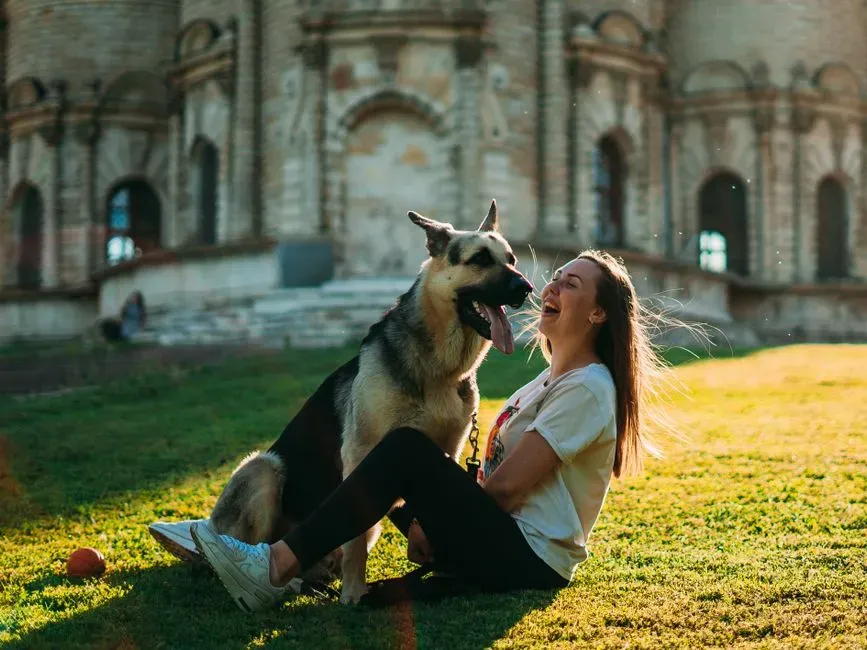
There’s a persistent myth that German Shepherds only truly bond with one person and merely tolerate everyone else. Families who’ve actually lived with one know this isn’t true. These dogs distribute loyalty across the household without diluting how intensely they feel it.
In fact, involving the whole family in feeding, walks, and care tends to strengthen the pack bond rather than weaken it. The dog just needs one clear leader setting the tone – everyone else gets folded into the circle it protects.
A GSD will guard a visiting grandchild with the same ferocity it shows its everyday companions.
#10 – They’ll Put Themselves Between You and Danger Without Blinking
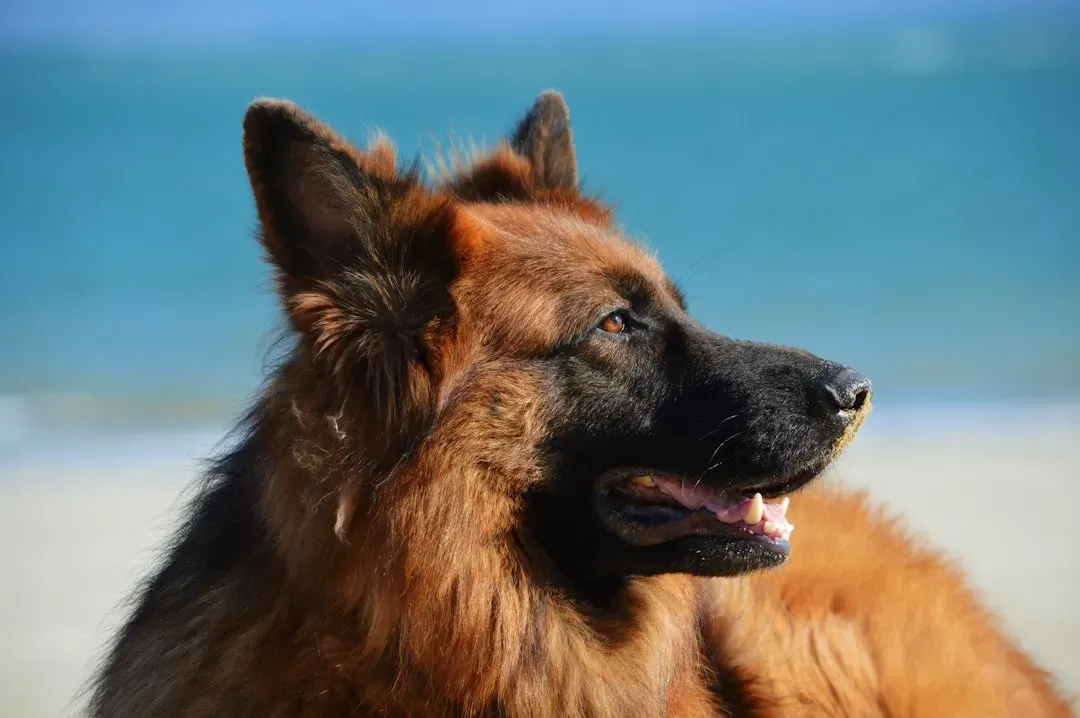
This is the trait that turns casual admiration into something closer to awe. Owners describe their German Shepherds stepping directly into harm’s way – between their family and a threat – with no hesitation and no training behind the decision. It’s instinct, not obedience.
Other breeds might bark from a distance or bolt for safety. A German Shepherd tends to stand its ground. It’s a remarkable trait, but it’s also one that demands responsible ownership, because a dog willing to sacrifice itself needs an owner who won’t put it in that position needlessly.
A dog is the only thing on earth that loves you more than he loves himself.
Josh Billings
There are documented cases of German Shepherds physically intervening in fights and accidents involving their family.
#11 – The Loyalty Doesn’t End When the Person Does
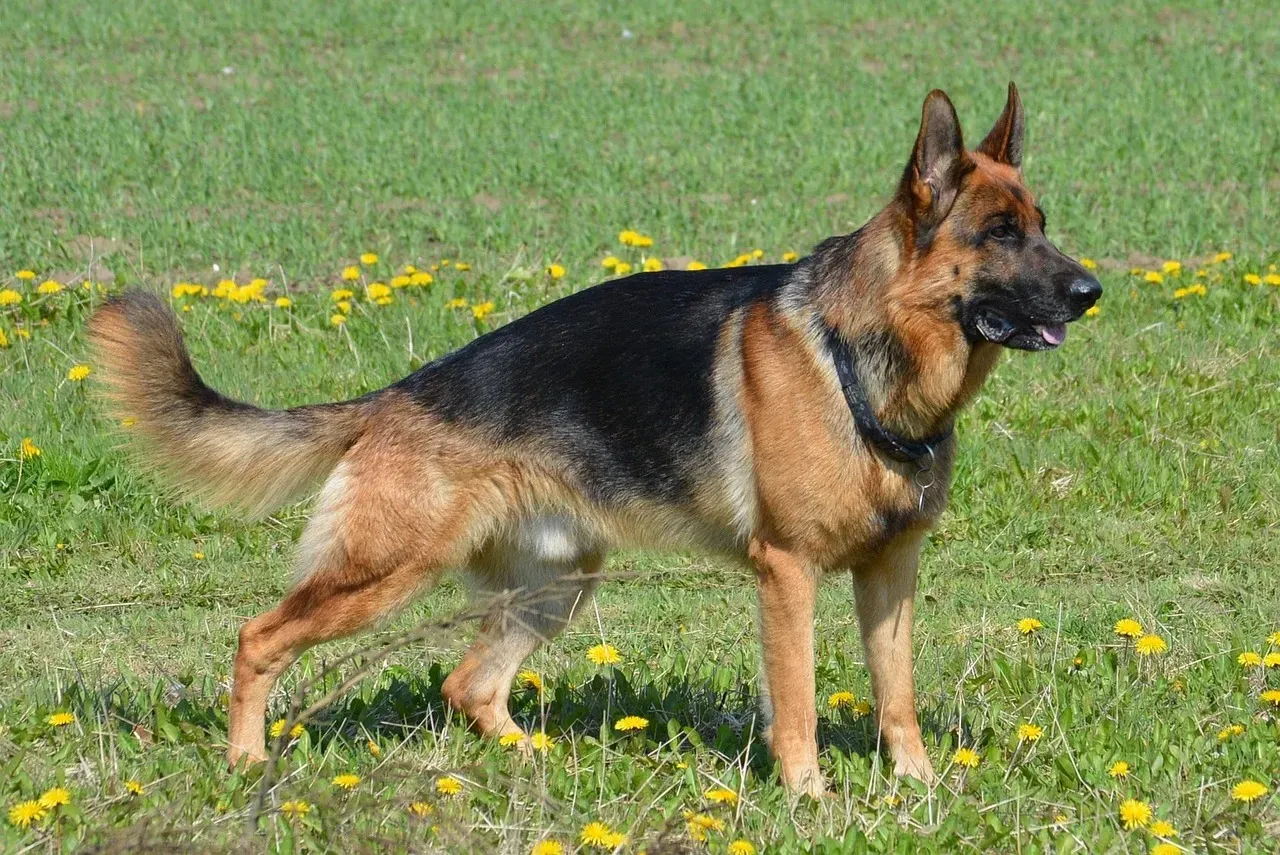
Most dogs adjust and move on after losing an owner. German Shepherds have shown the opposite, sometimes in ways that sound like fiction until you’ve lived through it. The most famous case is Captain, a German Shepherd who stood guard at his owner’s grave for over a decade after the man’s death.
Owners who’ve lost a GSD understand this isn’t exaggeration or internet legend. The breed’s intelligence lets it hold onto emotional connections in a way that feels almost human, which is exactly why these stories keep circulating – they’re real, and they’re hard to explain any other way.
Some German Shepherds will revisit places tied to a deceased family member years after that person is gone.
At a Glance
- Captain: an Argentine German Shepherd who reportedly stood watch over his owner’s grave for more than a decade
- Rin Tin Tin: a German Shepherd rescued from a World War I battlefield who went on to Hollywood stardom
- Countless lesser-known cases of GSDs waiting at homes, hospitals, or gravesites long after an owner is gone
#12 – The Devotion Doesn’t Fade With Age, Illness, or Hard Times
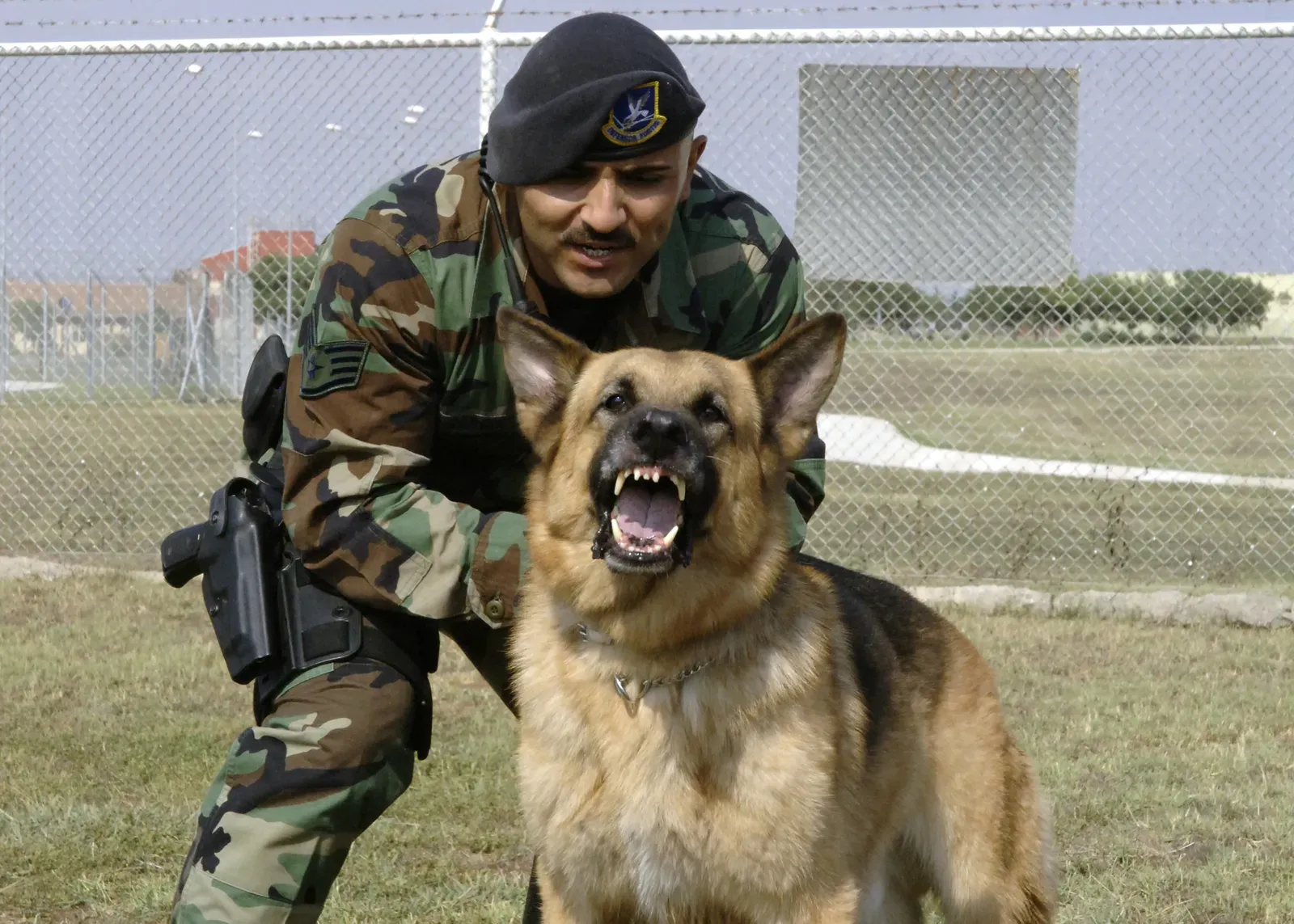
Long-time owners see this play out in the hardest years, when the dog is old, in pain, or the household itself is falling apart around them. This is where German Shepherds separate themselves from breeds whose bonds can quietly slip under pressure.
The same drive that made them legendary working dogs keeps them showing up when it would be far easier not to. Owners of senior GSDs describe dogs that still try to “guard” the house long after their bodies have stopped cooperating.
Even on their worst days, they’ll drag themselves to the door just to check that you’re still okay.
The Bottom Line

German Shepherd loyalty was never meant to be cute. It’s genetic, protective, and stubbornly permanent in a way that most breeds simply can’t replicate, no matter how much training or affection you pour into them.
From the constant watching and the emotional radar to the willingness to stand guard past death itself, these dogs operate on a different frequency – and once you’ve lived with one, every other version of “loyal dog” starts to feel a little watered down. Training can sharpen it. It can never manufacture it from nothing.
If you’ve owned one of these dogs, you already know exactly what this article is talking about. If you haven’t, consider this your warning: once you see real loyalty up close, you don’t get to unsee it.