
10 Dog Breeds That Sense Seizures Before They Happen and Have Never Once Been Wrong

Imagine living with a brain that sometimes suddenly shuts the lights off, without warning. Now imagine having a loyal, four‑legged shadow who seems to know it is coming minutes before you do, nudging you toward safety, refusing to leave your side. Stories like that are what make seizure alert dogs sound almost magical, and it is no wonder people want to believe there are breeds that simply never get it wrong.
Here is the uncomfortable truth, though: no dog breed has been proven to predict seizures perfectly every single time. Still, certain breeds show up again and again in real families’ stories and specialist training programs, standing out for their sensitivity, trainability, and uncanny timing. Let’s dive into ten of those breeds, how they help, and why “never once been wrong” is more hope than science – but a hope that, for many people with epilepsy, is still worth holding onto.
Labrador Retriever: The Gentle Early‑Warning System
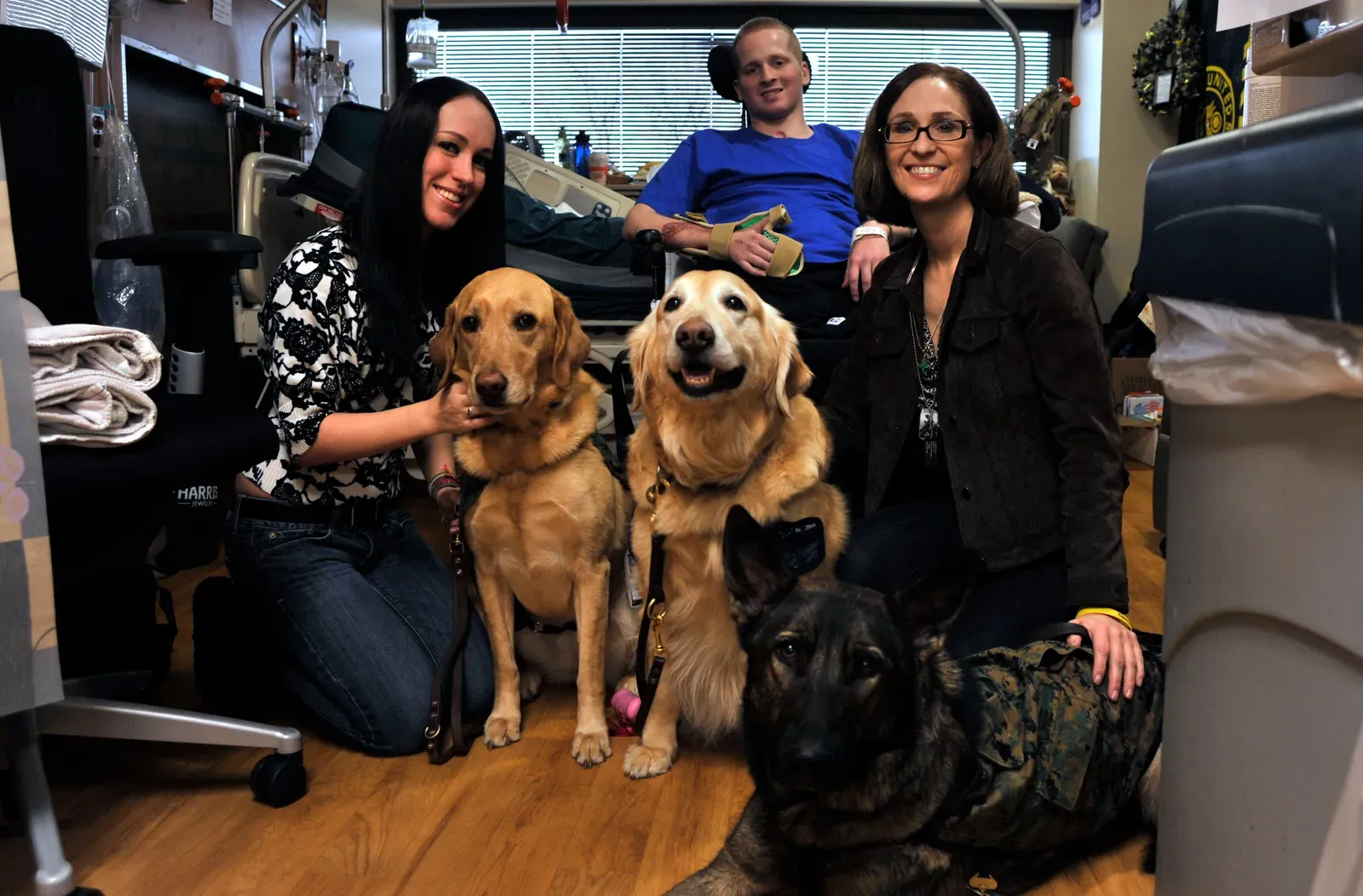
Have you ever met a Labrador that was not deeply interested in people’s moods, snacks, and everything in between? That bottomless desire to connect is exactly why Labs are among the most common breeds used as service and seizure response dogs. They tend to bond hard with one person, notice tiny changes in breathing, movement, or behavior, and then stick to them like Velcro when something feels off.
In seizure‑focused work, many Labradors have been reported to start pacing, whining, pawing, or leaning heavily on their handler before an episode. Some families swear their dog has never missed, but science is more cautious, because not every warning signal is recorded or verified. What does seem very real, though, is the pattern: Labs are big enough to help keep someone safe on the ground, calm enough to weather chaos, and emotionally tuned‑in enough that when something in your body shifts, they act like sirens on four paws.
Golden Retriever: The Empath With a Radar for Trouble
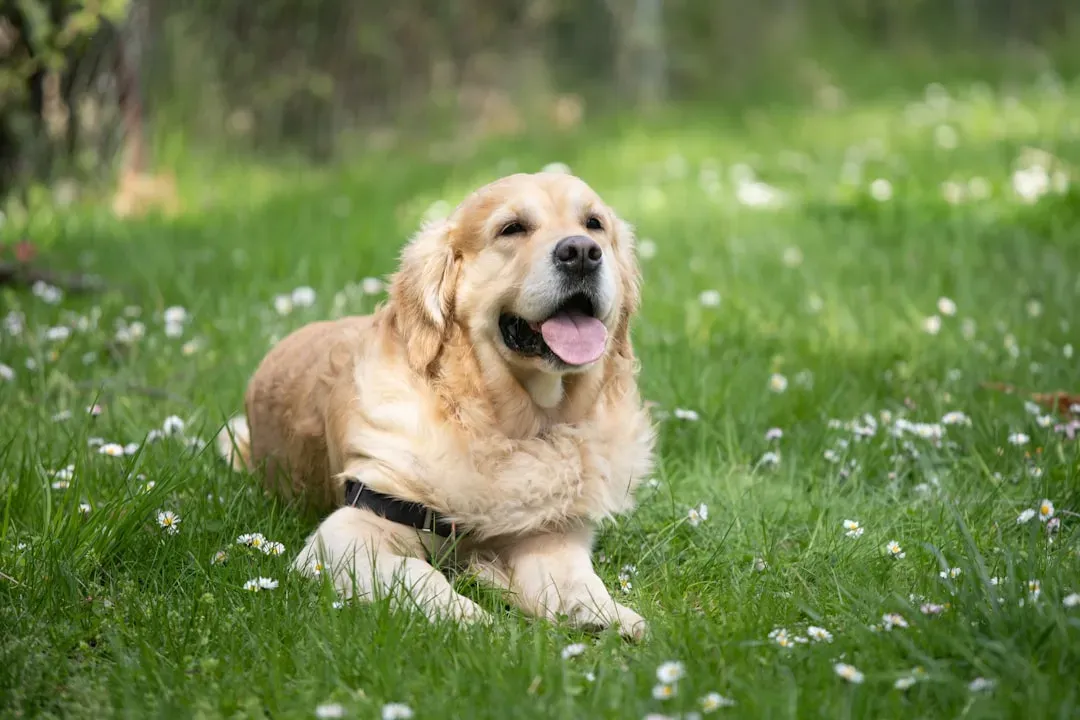
Golden Retrievers walk into a room and seem to vacuum up everyone’s emotions like a fluffy sponge. That intense social awareness is one reason they appear so often in stories of dogs warning about seizures. Many Goldens are naturally watchful, lying nearby and staring at their person’s face as if constantly scanning for the slightest change.
When something is different – a tiny tremor, a shift in posture, a strange smell or hormone change humans cannot sense – a Golden may suddenly switch gears. They might become clingy, block doorways, bark at family members, or insist on physical contact right before a seizure starts. Are they perfect? No one can honestly say that. But time after time, Goldens show they are emotional radar dishes, tuned to frequencies we do not even know we are broadcasting, and that makes them powerful partners for people with epilepsy.
German Shepherd: The Hyper‑Focused Guardian

German Shepherds are famous for their intensity. When they lock eyes with you, it feels like they are running a diagnostic scan. That same laser focus translates surprisingly well into seizure alert and response work. These dogs are wired to notice patterns and changes, which is exactly what you want when your brain sometimes behaves like a faulty power grid.
Many families report their German Shepherds becoming restless, circling, or herding their person to a safer place a few minutes before a seizure. Some will stand guard over their handler during and after the episode, physically blocking strangers or even other pets that get too close. A Shepherd’s alert is not magic, and it is definitely not flawless, but their almost obsessive observation of their loved ones makes them one of the breeds most likely to sound the alarm when something is not right.
Border Collie: The Overachiever That Notices Everything
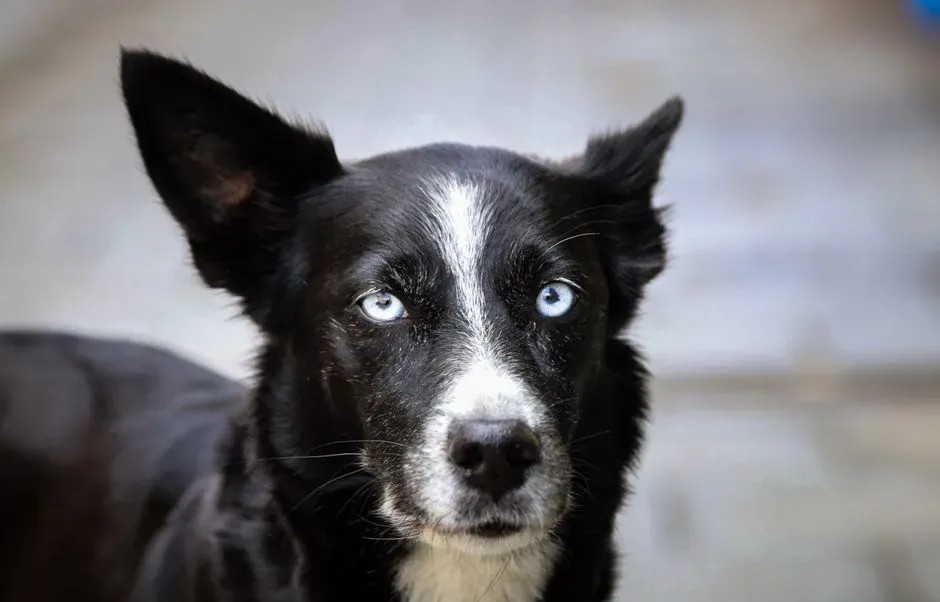
If there is a dog that could micromanage your entire life, it is the Border Collie. These dogs are built to read movement, posture, and flock behavior so finely that a single step out of line triggers a response. When you place that talent in a home with a person who has seizures, fascinating things can happen.
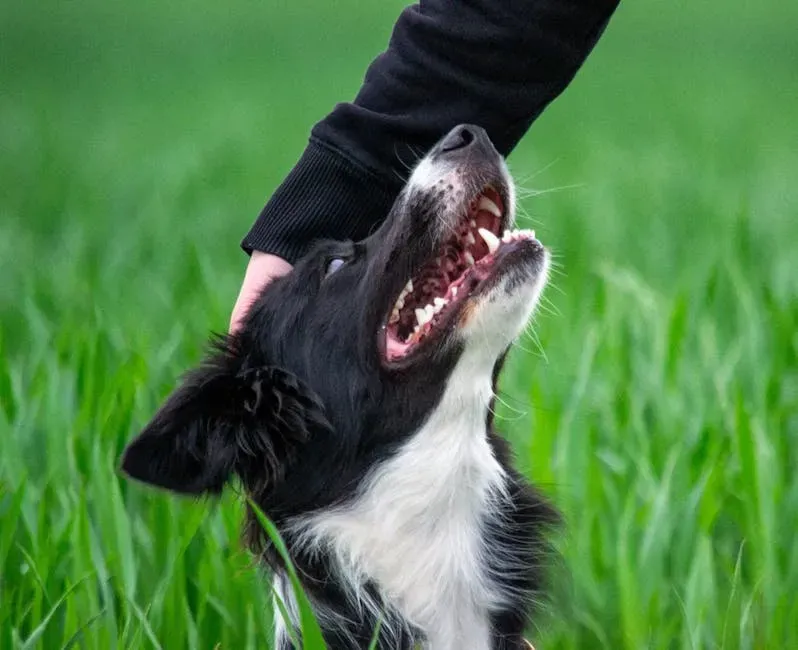
Border Collies used in seizure alert roles often show signs like intense staring, pawing, or refusing to be redirected shortly before an episode. They may push their person toward a couch, block a staircase, or alert nearby people with sharp, insistent barking. While some owners like to say their Collie has a “perfect record,” the more honest and helpful view is this: Border Collies are incredibly likely to pick up on even microscopic changes in you, and those changes sometimes precede seizures in ways we are only beginning to understand.
Poodle (Standard and Miniature): The Hypersensitive Problem‑Solver
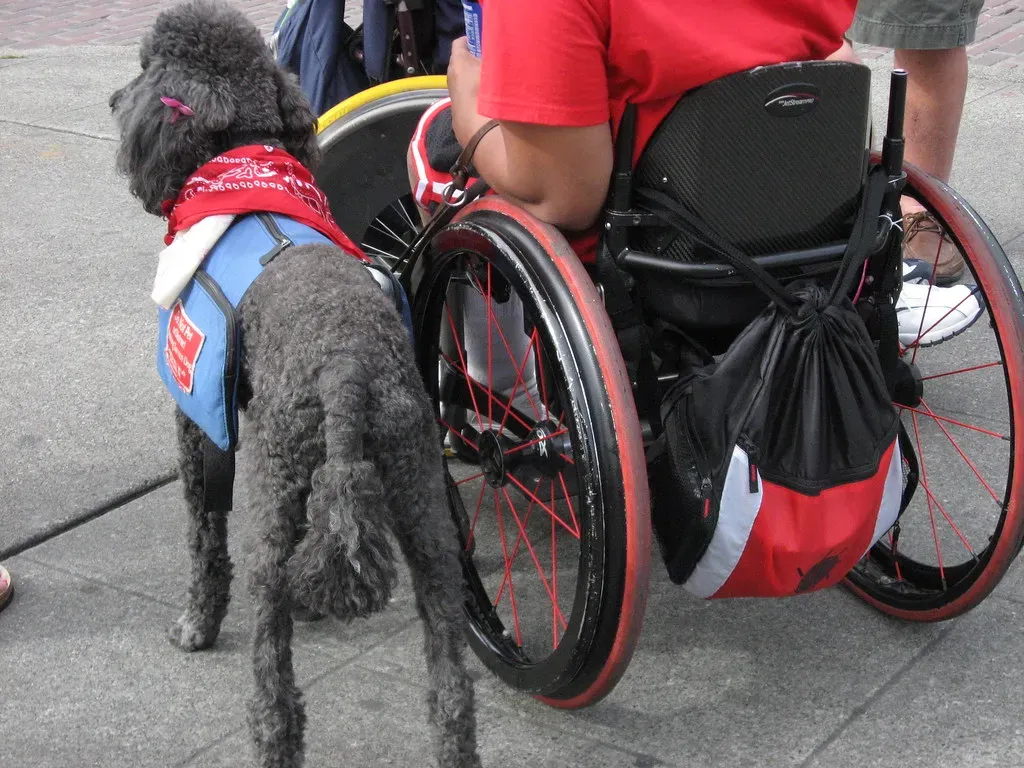
Poodles have an unfair reputation as prissy, when in reality they are tough workers with serious brainpower. Standard and Miniature Poodles appear in many seizure‑related case stories and professional programs, partly because they are hypoallergenic for many people and partly because they combine sensitivity with a sharp ability to learn complex tasks.
Owners often describe their Poodles as “always watching” and weirdly good at noticing when something is just a bit off. In the context of seizures, that might show up as quiet staring, pacing, or insistently making physical contact before an episode. Are they picking up changes in scent, electrical activity, hormones, or movement? We honestly do not know. What we do know is that Poodles are incredibly good at connecting patterns and responding in thoughtful, repeatable ways, which makes them convincing candidates for seizure alert and response work.
Australian Shepherd: The Anxious Bodyguard With a Sixth Sense

Australian Shepherds are those friends who always ask if you are really okay when you say you are fine. They are highly sensitive, easily keyed‑up, and often obsessed with “their” person, following them from room to room. That emotional clinginess, which can be a handful in a pet home, becomes an asset when someone is at risk of seizures.
People who live with Aussies and epilepsy often describe a pattern: the dog suddenly becomes restless or bossy, blocking paths, herding them toward soft surfaces, or refusing to leave their side minutes before a seizure. Some will alert other family members by barking or scratching doors in a way that feels very different from normal excitement. Are Aussies flawless fortune‑tellers? No. But they are like living motion sensors, reacting strongly to even the smallest “off” note in the household rhythm.
Belgian Malinois: The Intense Professional
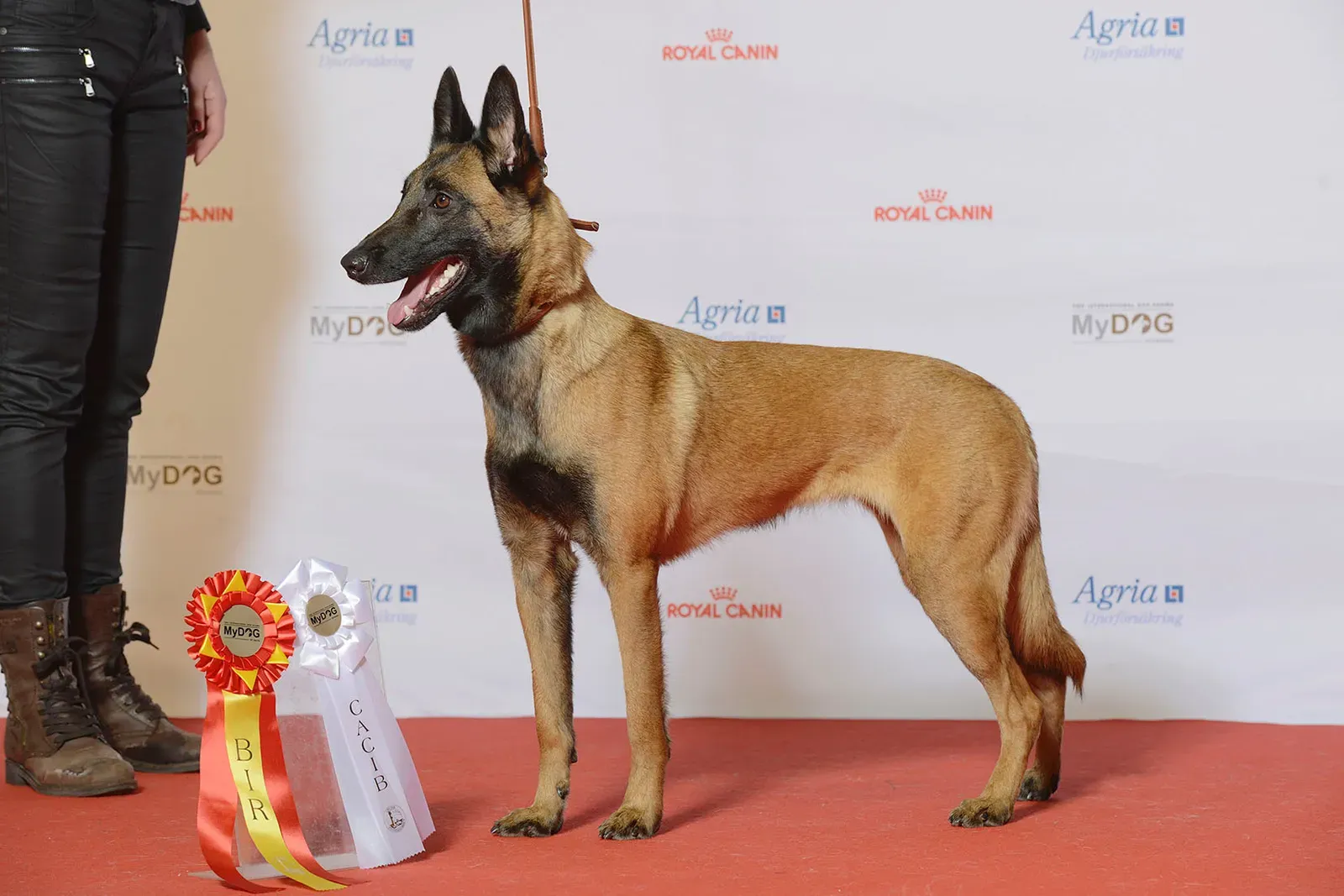
Belgian Malinois are often seen on the front lines with military and police, known for their drive and incredible focus. That same intensity can be channeled into medical alert work, including seizures, though they are not a casual choice for most families. These dogs need a job, and when that job is “watch this person like they are the most important mission of your life,” they take it seriously.
In seizure roles, a Malinois might show sudden fixation, pacing, or physical blocking behavior before an episode. They tend to respond with precision and confidence, moving into position during a seizure to keep their person safe or to trigger a trained alert like hitting a button. They are not mythically perfect; no breed is. But if you imagine a high‑performance athlete whose entire purpose is to notice and react, you have a sense of why Malinois sometimes feature in seizure alert and response work.
Collie (Rough and Smooth): The Classic Family Watchdog Turned Health Monitor
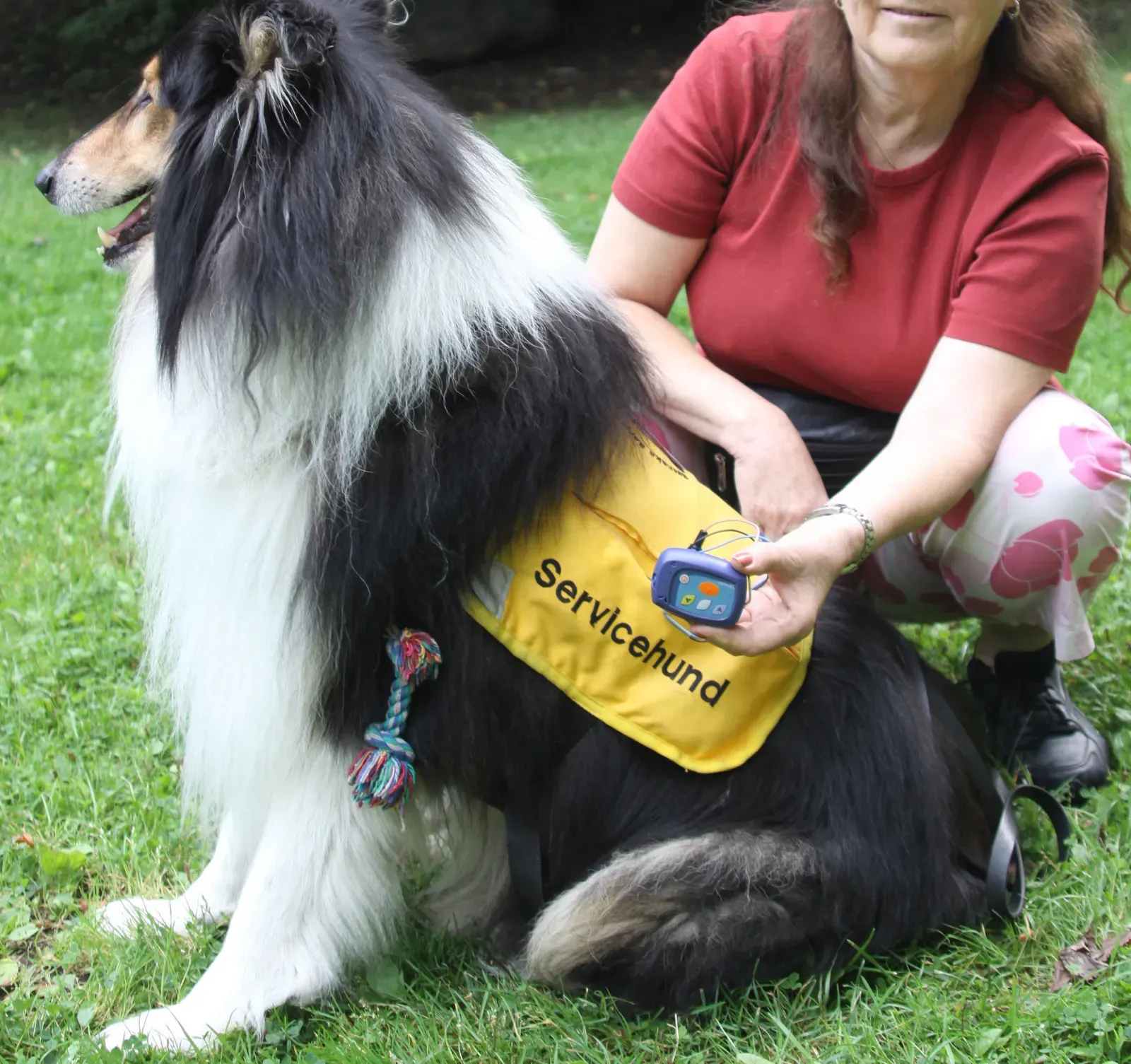
There is a reason the image of a Collie racing off to get help is burned into popular culture. Rough and Smooth Collies have been bred for generations to watch over flocks and families, and that watchfulness seems to extend to subtle health changes. They are often described as sensitive and slightly dramatic, which, for someone with epilepsy, can be exactly what you want.
Collies in seizure‑related stories frequently show behaviors like intense staring, whining, or refusing to leave their handler alone in the lead‑up to an episode. Some will physically guide or lean into their person, steering them away from stairs or sharp corners. Are these dogs infallible? No, and pretending they are does not help anyone. But their instinct to monitor and intervene, combined with gentle temperaments, puts them firmly on the list of breeds that seem to notice when the brain’s storm clouds are gathering.
Mixed‑Breed Dogs: The Unpredictable All‑Stars
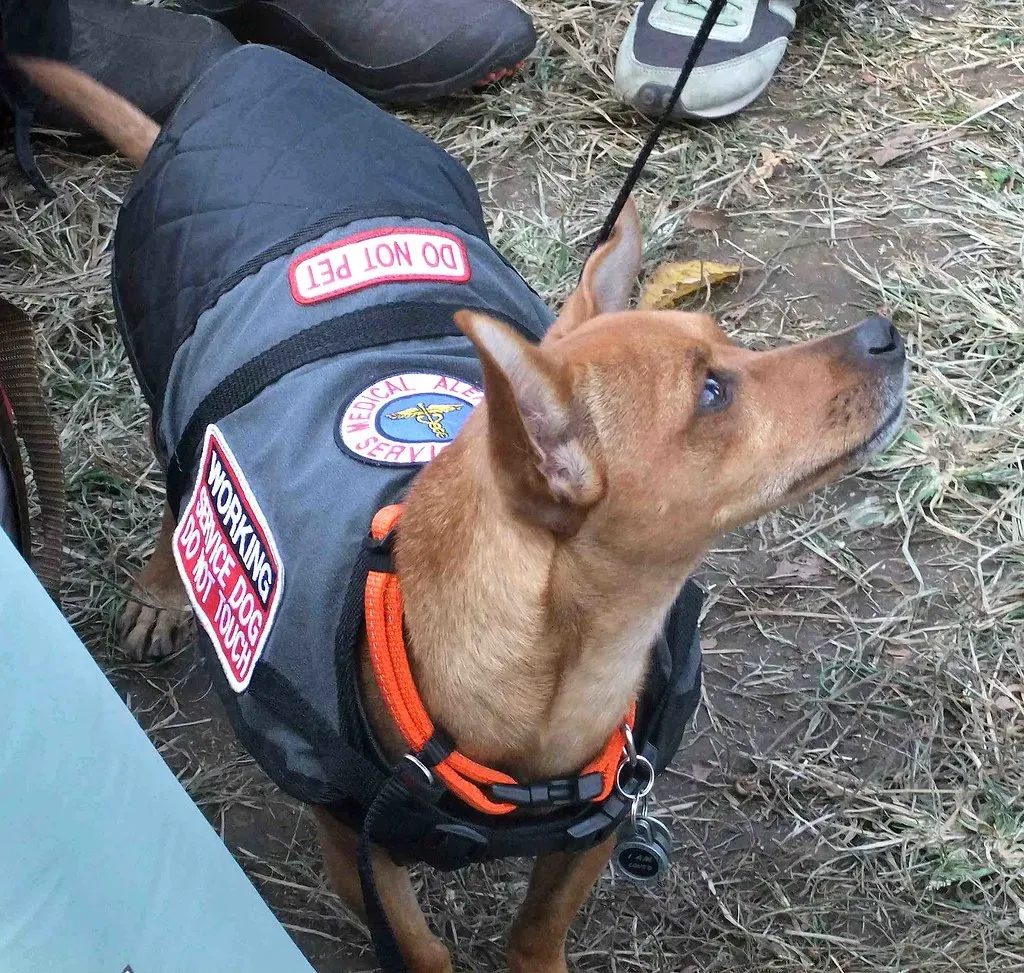
Here is something that does not get said loudly enough: a dog does not need a fancy pedigree to be an incredible seizure alert or response partner. Many of the most impressive real‑life stories come from mixed‑breed dogs adopted from shelters, whose exact ancestry is a mystery but whose bond with their person is unmistakable. Sometimes, the right personality simply lands in the right home at the right time.
These dogs might be part Lab, part Shepherd, part something else entirely, and yet they show the same patterns: pacing, licking, pawing, or refusing to move away before a seizure begins. Some owners insist their mutt has never been wrong, and while that may be emotionally honest, science would call it unproven. What is absolutely real is that mixed‑breed dogs can be just as sensitive, just as observant, and just as life‑changing as any purebred on this list.
Small Companions (Cavalier King Charles Spaniel, Papillon, and Similar Breeds)

Not everyone wants or can manage a big dog, and thankfully, some of the most observant companions come in smaller packages. Breeds like the Cavalier King Charles Spaniel or Papillon are famously clingy in the sweetest possible way, glued to laps and always within arm’s reach. That closeness means they have front‑row seats to even the tiniest changes in breathing, posture, or facial expression.
Owners sometimes report these little dogs becoming strangely insistent just before seizures, scratching, licking, or chirping until they are noticed. Their size limits what they can do physically during an episode, but it does not limit their ability to sound an early alarm or provide comfort and grounding afterward. Are they perfectly accurate little prophets? No. But their constant proximity and emotional sensitivity make them surprisingly strong candidates for seizure alert roles.
Why “Never Once Been Wrong” Is a Beautiful Myth
It is incredibly tempting to believe there are dog breeds that can always predict seizures, like living lightning detectors that never miss a storm. The reality, though, is more complicated and, in a way, more impressive. So far, research has not confirmed any breed – or any dog – that can predict seizures with perfect accuracy every single time. What we see instead are patterns, anecdotes, and promising training programs that show dogs reacting to cues we still do not fully understand.
From my own point of view, clinging to the idea of flawless performance does more harm than good. It sets up impossible expectations and piles pressure on both humans and dogs. The more honest and still deeply hopeful story is this: certain breeds, and many individual dogs, seem unusually attuned to their person’s body and behavior. They often notice and respond before a seizure, sometimes in ways that feel almost supernatural. That is not perfection, but it is powerful, and for many people, it is the difference between collapsing on tile or lying safely on a bed.
Conclusion: Real‑World Heroes, Not Magical Machines
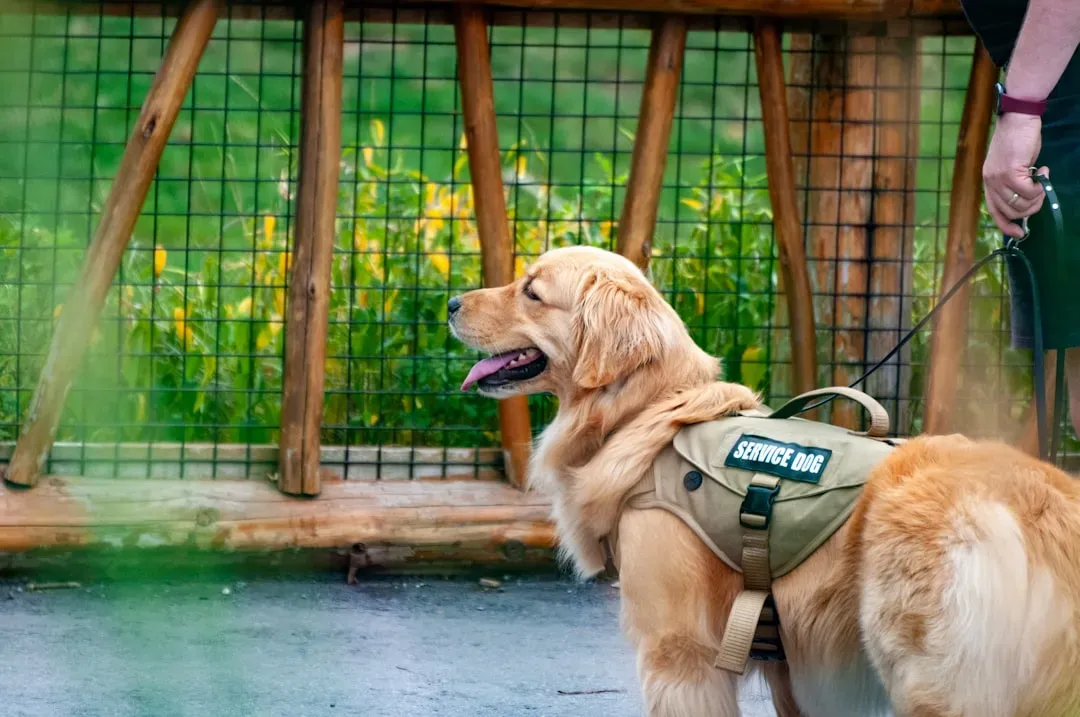
When you strip away the myths and wishful thinking, what remains is actually more moving than any legend. Labradors, Goldens, Shepherds, Collies, Poodles, Aussies, Malinois, tiny lap dogs, and mixed‑breed mystery mutts are quietly changing lives every day, not because they are perfect, but because they are relentlessly present. They watch, they care, they react, and in the messy real world of seizures, that can be worth more than any promise of “never once been wrong.”
My own bias is clear: I think we should stop worshiping the idea of flawless seizure dogs and start deeply valuing the imperfect, hardworking partnerships right in front of us. Dogs are not medical devices; they are living, feeling allies who sometimes catch what our technology misses and sometimes miss what we wish they would catch. That makes them not magical, but beautifully real. And maybe the better question is not whether a dog can always predict a seizure, but whether the bond you build together can help you face the ones that do come with a little more safety and a lot less fear – what do you think matters more?