
15 Things Veterinarians Wish Dog Owners Would Stop Doing to Their Pets Without Realizing the Damage
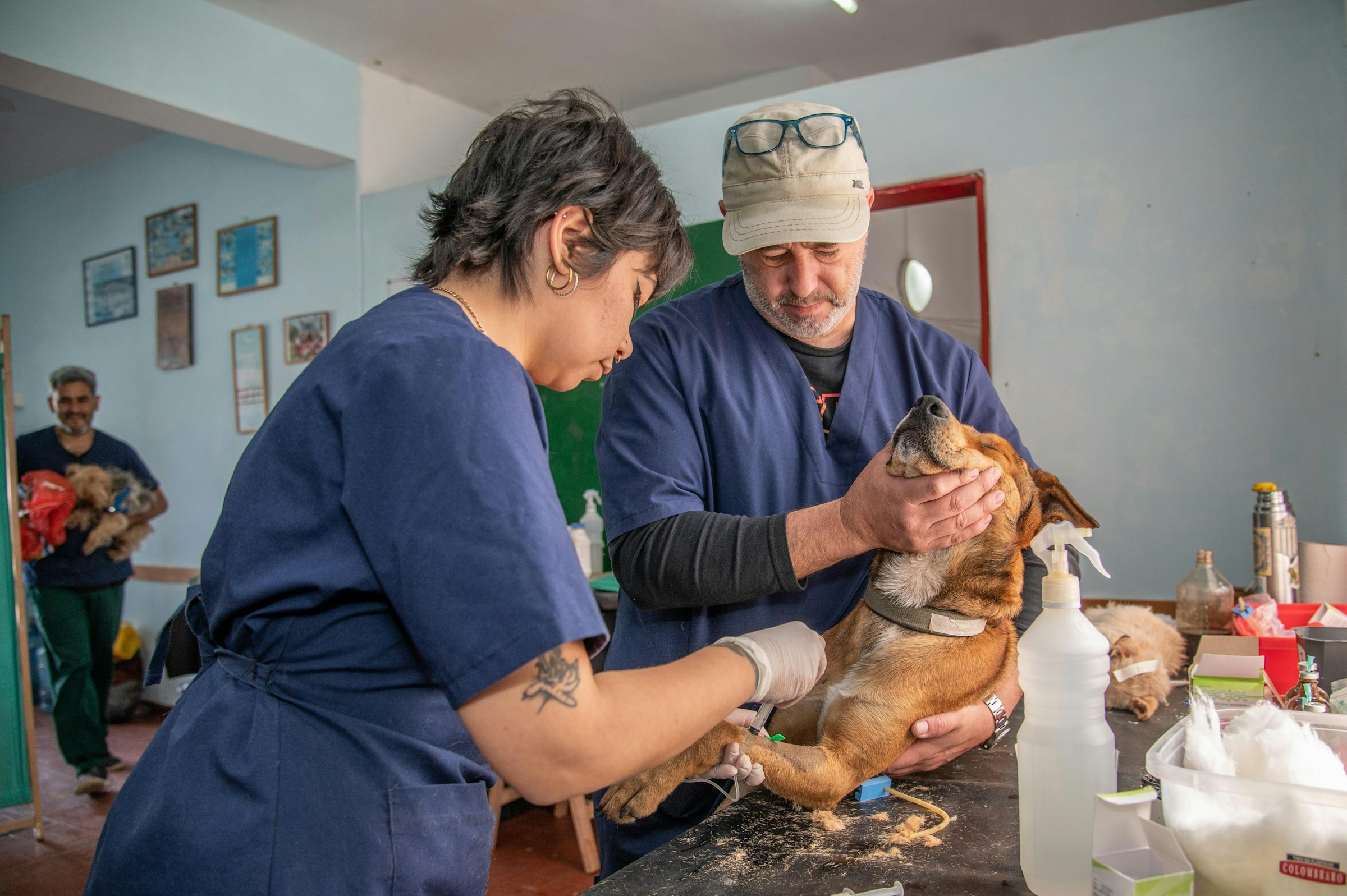
You can love your dog with your whole heart and still, without meaning to, be doing things that quietly chip away at their health, happiness, and even how long they live. Most of us do not wake up thinking, “How can I harm my dog today?” We just repeat what we saw growing up, copy what we see online, or assume that if a dog seems fine, everything must be fine.
Talk to enough veterinarians, though, and the same patterns come up again and again: small daily habits that lead to big problems, preventable emergencies, and heartbreaking goodbyes that come years too early. Some of these may surprise you, some might sting a little, and a few may feel uncomfortably familiar. That is ok. The goal is not guilt; it is awareness and course correction. Let’s walk through the things vets secretly wish would stop – and what to do instead.
1. Treating Dogs Like Tiny Humans Instead of a Different Species
One of the most common and quietly harmful mistakes is assuming dogs are just small, furry people. When owners project human needs and emotions directly onto their pets, they often make choices that feel loving but do not match what a dog’s body and brain actually need. That is how you get things like dressing a double-coated husky in a warm sweater or keeping a dog glued to your side twenty-four seven because you “feel bad” leaving them alone, accidentally creating separation anxiety.
Dogs experience the world differently – they communicate through scent, body language, and routine far more than through words or eye contact. When we ignore that and force them into human-style interactions, we can increase their stress. A classic example is insisting on long hugs and tight face-to-face cuddles; many dogs actually find this threatening, but tolerate it until their stress boils over. Vets often see the fallout later as behavior issues or even bites that “came out of nowhere.”
2. Free-Feeding and Overfeeding “Because He Looks Hungry”
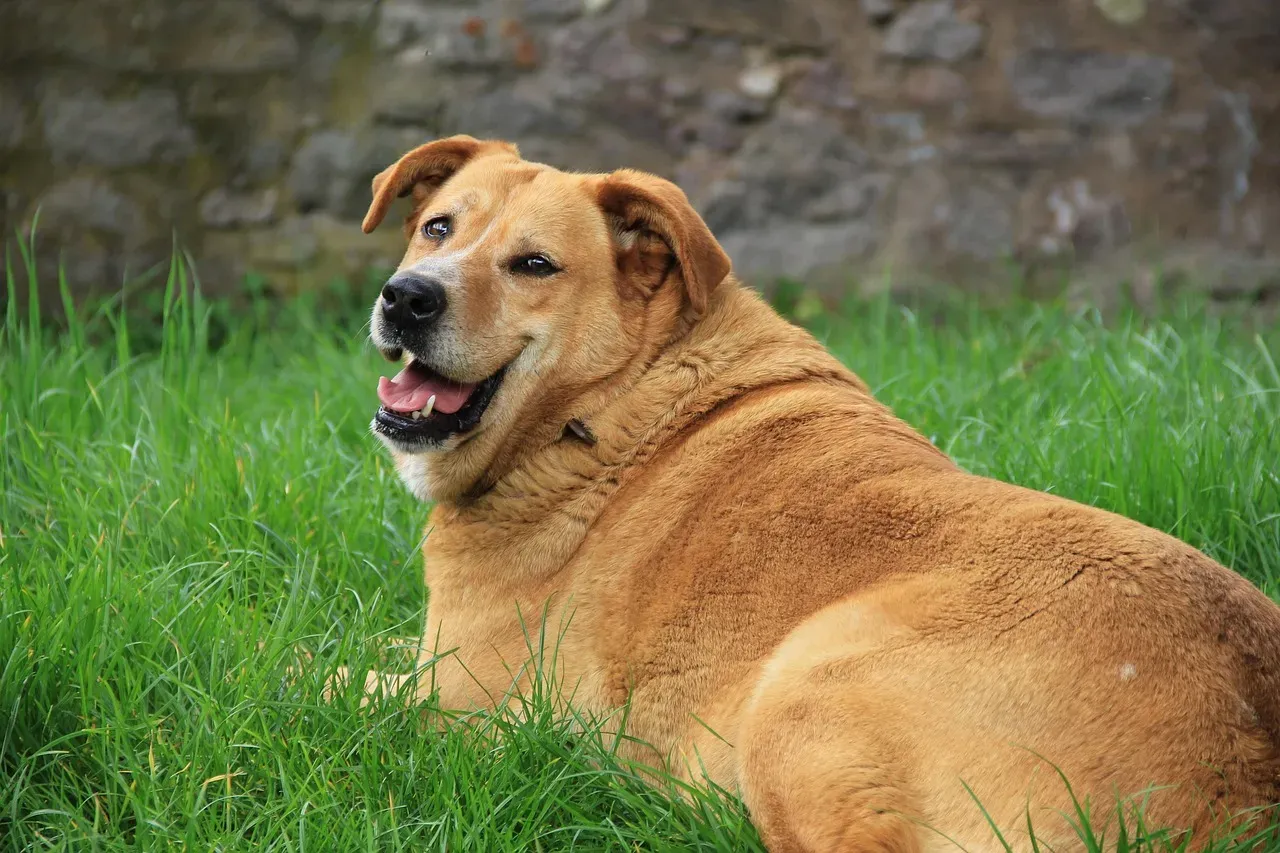
Many vets will tell you the most dangerous thing in the exam room is not a big scary dog – it is a scoop of food that is just a bit too generous, day after day. A lot of owners leave food out all the time, top up bowls because their dog “acts starving,” or use handfuls of treats to show love. The result is creeping weight gain that people often do not notice until their dog is significantly overweight.
Extra weight is not just about looks; it fuels arthritis, diabetes, heart disease, breathing issues, and even certain cancers. Studies have shown that dogs who stay lean can live years longer than their overweight counterparts. The hard truth is that you cannot outrun a chubby diet with longer walks. Measured meals, appropriate portions, and intentional treat use are some of the simplest, most powerful health tools you have – and most dogs will be just as delighted with a single small treat as with five big ones.
3. Skipping Dental Care Until the Mouth Smells Horrible
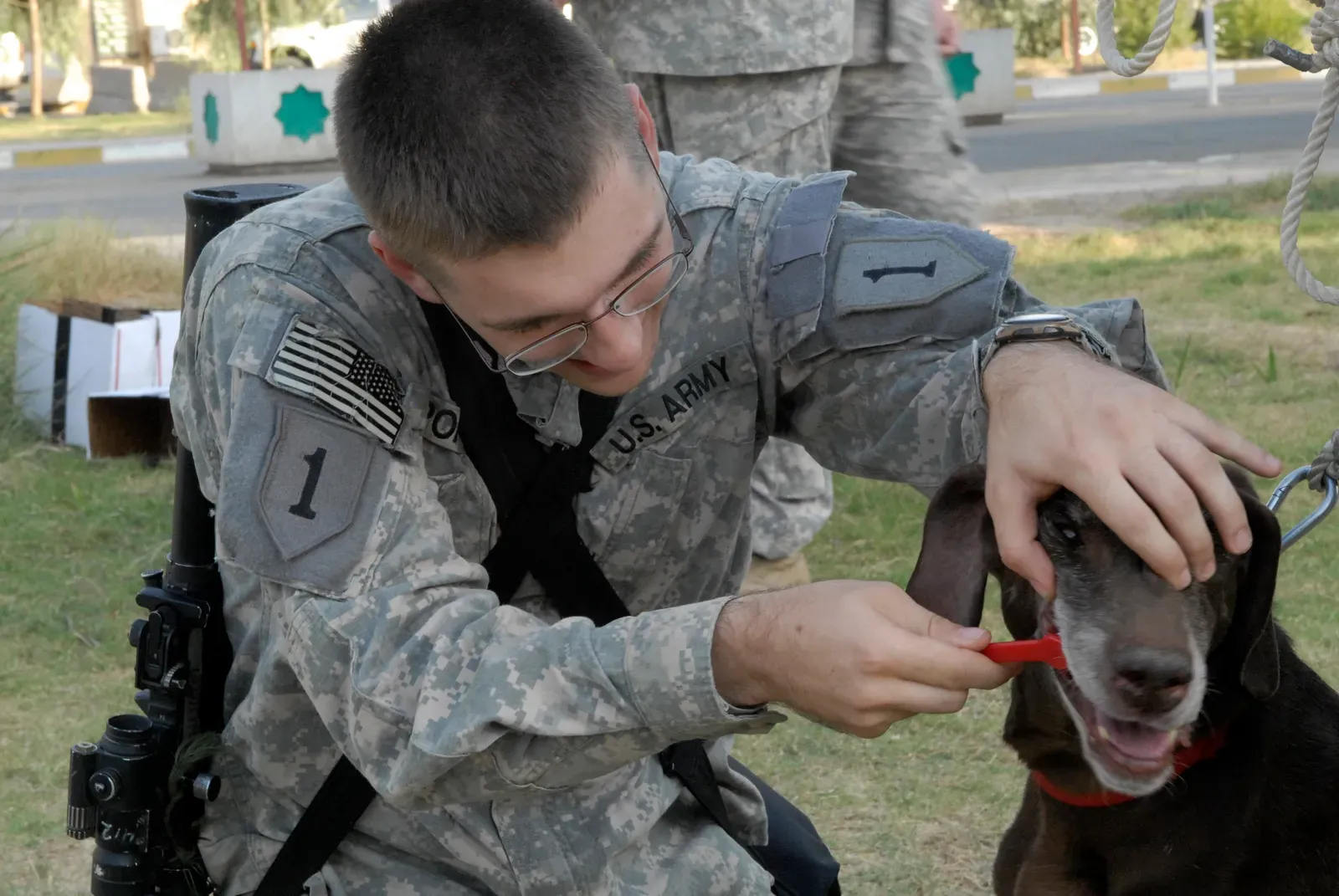
Bad breath is so normalized in dogs that a lot of people only take it seriously when it becomes unbearable. By that point, there is often already significant dental disease, loose or painful teeth, and infection brewing under the gumline. Many dogs suffer in silence for years because owners assume that a little stink is normal and that “dogs’ teeth just get gross.”
Vets know that dental disease is not just a cosmetic problem. Chronic inflammation in the mouth can affect the heart, kidneys, and overall immune system. The good news is that small, consistent habits – like regular tooth brushing, dental chews that actually have scientific backing, and timely professional cleanings – can prevent a lot of that damage. It may feel silly at first to brush your dog’s teeth, but it beats the guilt of realizing they have been living with daily pain you did not see.
4. Using Human Medications and Home Remedies Without Asking a Vet
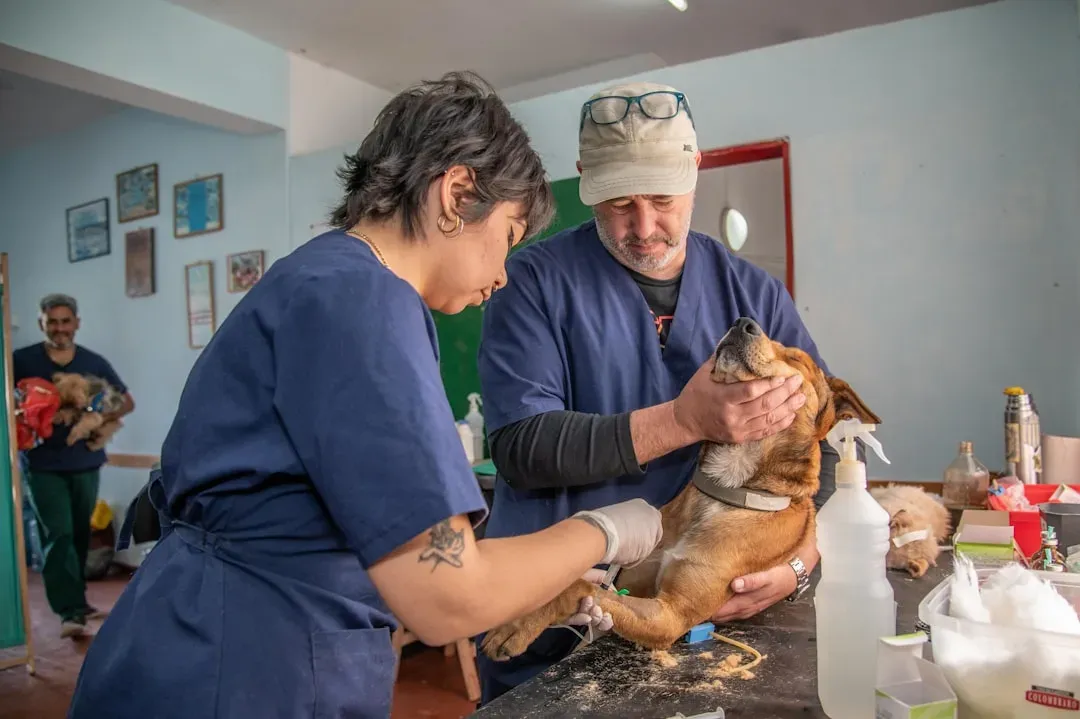
It is incredibly tempting to grab whatever is in your own medicine cabinet when your dog seems uncomfortable. A little pain reliever, some cold medicine, maybe an herbal supplement that worked for you – how bad could it be? Veterinarians see the answer to that question more often than they would like, when dogs arrive having swallowed medications that their livers and kidneys simply cannot handle.
Certain human drugs, even in small amounts, can cause stomach ulcers, organ damage, or life-threatening reactions in dogs. The same goes for seemingly harmless “natural” products and essential oils. The frustrating part for vets is that many of these emergencies were well-intentioned attempts to help. The rule of thumb is simple: if it is a medication, supplement, or oil that was not prescribed or specifically recommended by your vet for that particular dog, do not give it.
5. Assuming All Dogs Need or Want Constant Social Interaction
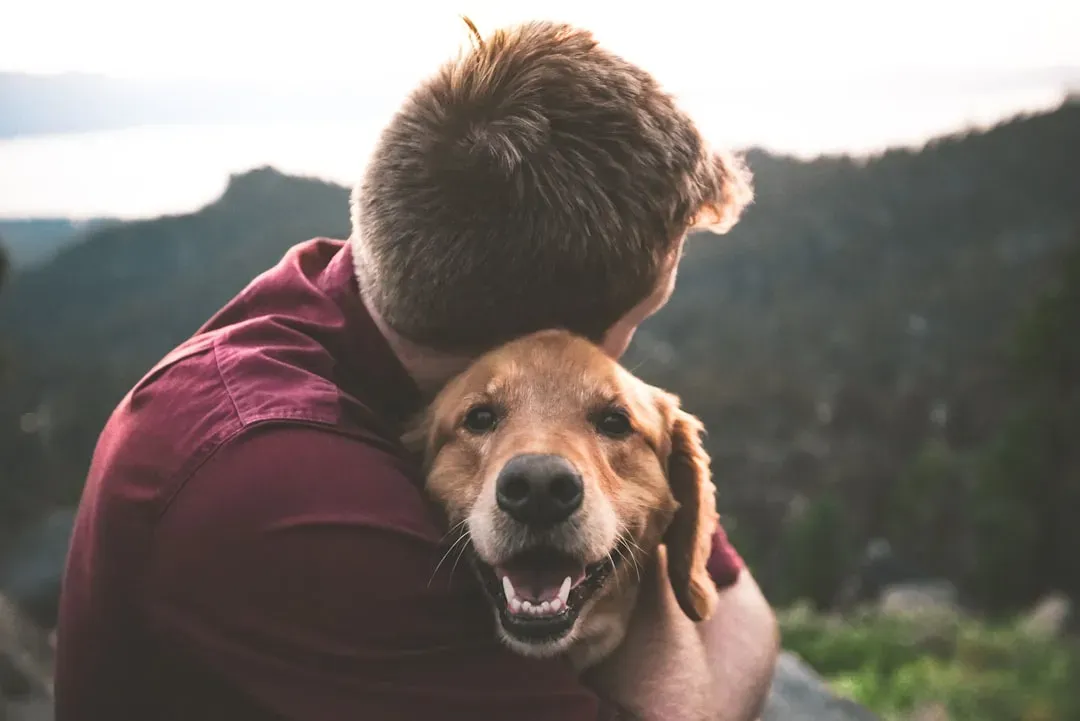
There is a persistent myth that every friendly dog should love dog parks, daycare, endless greetings with strangers, and nonstop social activity. Owners sometimes feel guilty if their dog prefers quiet walks, one or two familiar buddies, or more sniffing than playing. In response, they push their dogs into chaotic environments thinking it is “good socialization,” when for many dogs it is actually chronic stress.
Veterinarians and behavior professionals often see the long-term results: dogs who start to react, bark, lunge, or shut down after too many overwhelming experiences. Just like humans, dogs have different social personalities. Some are extroverts who thrive at daycare; others are introverts who would rather explore a quiet trail. Respecting your dog’s preferences and reading their body language (turning away, lip licking, excessive panting, hiding behind you) is much healthier than forcing them to be the life of the party.
6. Ignoring Subtle Pain and Waiting for a Dramatic Limp
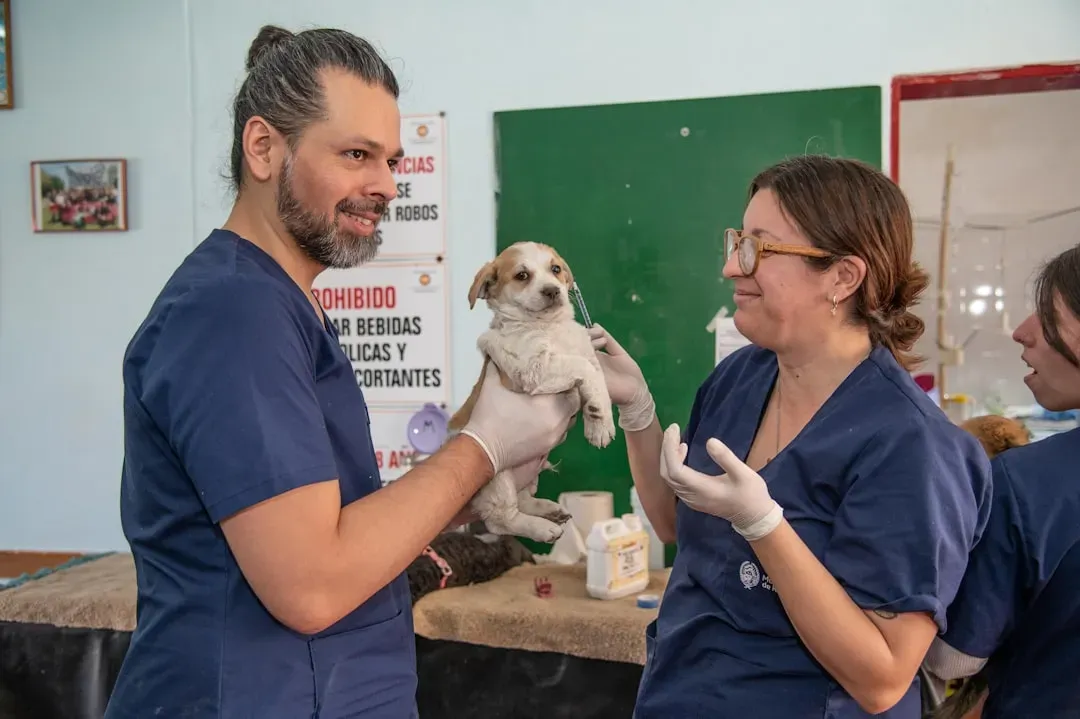
Dogs are remarkably good at masking discomfort, and many owners unconsciously take advantage of that toughness without realizing it. They assume that as long as a dog is still running for the ball or jumping into the car, everything must be fine. Vets, on the other hand, are trained to notice the small signs: hesitation before jumping, slightly slower stairs, licking at a joint, a change in gait that owners have “gotten used to” over time.
By the time there is a dramatic limp or obvious yelp, joint damage or spine problems can already be advanced, especially in older or large-breed dogs. Early intervention – weight management, pain control, joint support, activity tweaks – can dramatically improve comfort and mobility for years. Paying attention to small changes, and mentioning them at checkups instead of brushing them off as “just getting old,” gives your vet a chance to help long before your dog is in crisis.
7. Relying on Internet Advice Instead of a Real Veterinary Exam
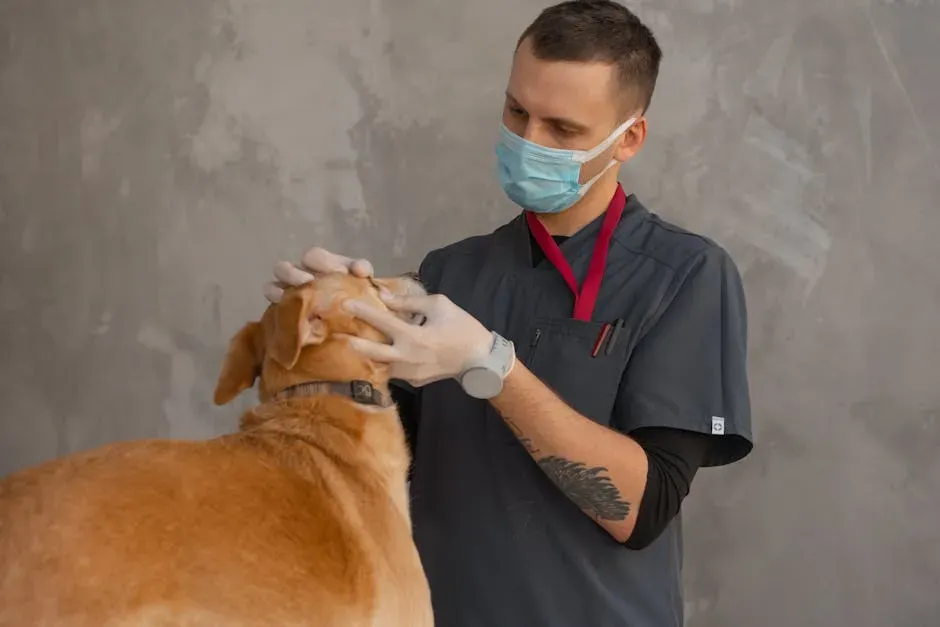
Typing a symptom into a search engine has become a reflex for almost everyone. Rash on belly? Weird cough? Sudden diarrhea? There are thousands of forums, videos, and social media posts that confidently explain what is “definitely” going on and what you should do next. Veterinarians often end up seeing dogs later and sicker because owners trusted a stranger’s experience over an actual exam.
The problem is that many conditions in dogs look the same on the surface but have completely different causes and risks. A cough might be harmless irritation or a sign of heart disease. A limp could be a sprain or bone cancer. Without listening to the heart, feeling the limb, looking at the gums, or sometimes running tests, you are guessing. Vets are not trying to scare you into visits; they simply know how often internet reassurance delays critical care.
8. Choosing Dogs Based on Looks Instead of Lifestyle and Health

Social media has turned certain breeds and “designer dogs” into fashion trends. People fall for the big eyes, squished noses, tiny size, or unusual coat colors, and assume that if a dog is popular, it is a good fit. Veterinarians are the ones who see the flip side: breathing problems in flat-faced breeds, joint issues in oversized ones, severe anxiety in working breeds stuck in small apartments, and chronic skin or ear problems linked to certain genetic lines.
It is not that these dogs are bad; they are often wonderful companions. The damage happens when an owner’s lifestyle, expectations, and budget do not match what the dog physically and mentally needs. A high-energy herding dog who gets one short walk a day may slowly fall apart behaviorally. A brachycephalic dog that struggles to breathe comfortably in heat or during exercise may live a life of constant mild distress. Vets deeply wish more people would pick dogs for compatibility and health, not for how cute they look in photos.
9. Using Harsh Training Tools and Punishment to “Fix” Normal Dog Behavior

When dogs bark, jump, chew, pull, or guard things, many owners reach for quick-fix tools: shock collars, prong collars, yelling, alpha rolls, or other punishment-heavy techniques. Often this is because they have been told that the dog is “dominant” or “stubborn” and needs to be shown who is boss. Vets and modern behavior experts see it differently – most unwanted behaviors are either normal dog behaviors in the wrong context or signs of fear, stress, or unmet needs.
Harsh methods may suppress behavior in the moment, but they can also increase anxiety, create new problems, and erode trust between dog and owner. Gentle, science-based training that uses rewards, management, and clear boundaries takes more thought up front, but usually produces more stable, confident dogs. Veterinarians often find themselves quietly wishing certain TV training styles would vanish, because they end up treating the emotional fallout years later.
10. Skipping Preventive Care Because “He Seems Fine”
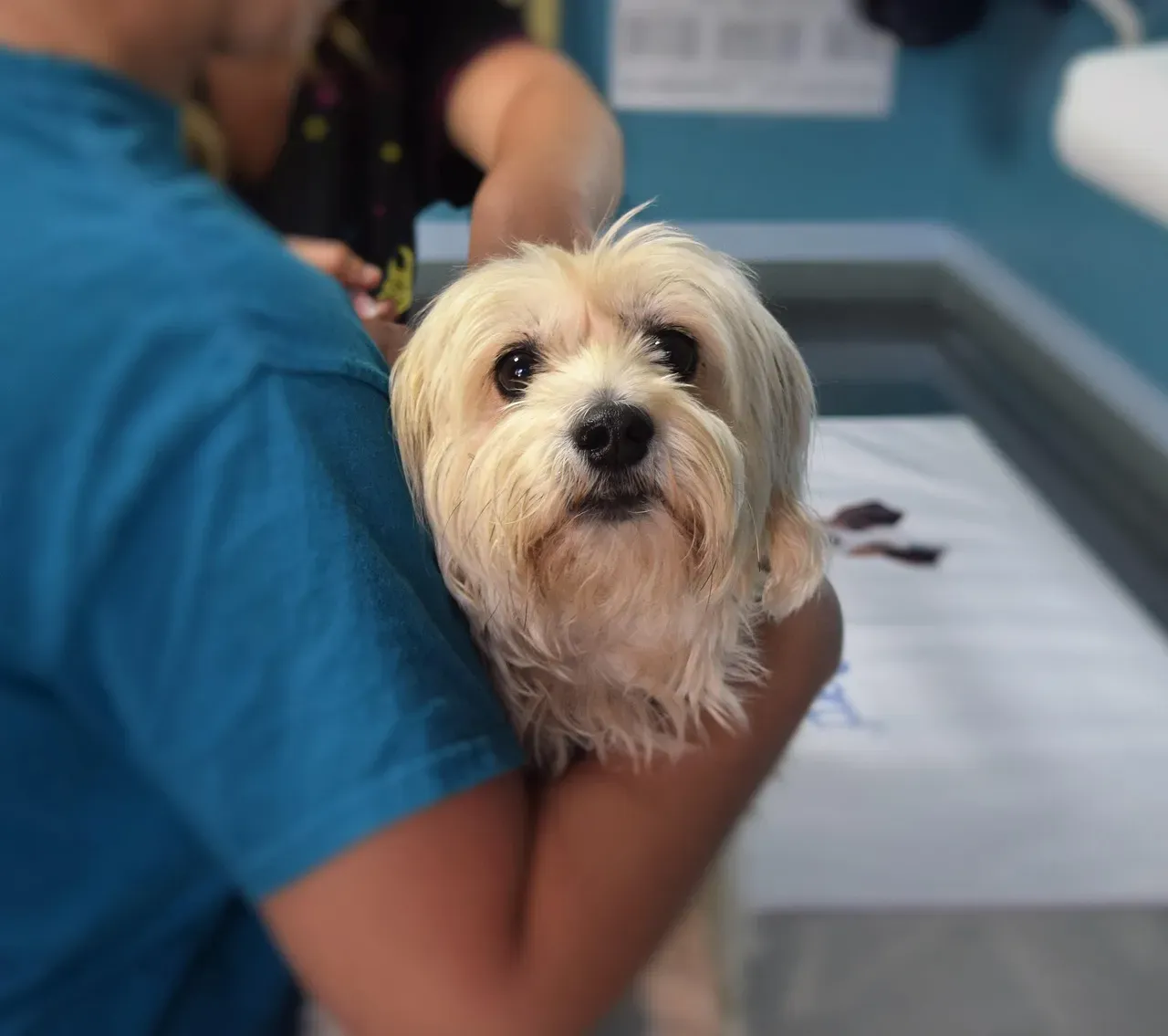
Dogs rarely wake up one morning with blatant symptoms out of nowhere. Most serious diseases have a long silent phase where changes are happening inside the body with no obvious external signs. That is why routine vet visits, vaccines, parasite prevention, and screening tests exist. Unfortunately, many owners skip them once their dog is an adult, reasoning that if the dog looks and acts normal, there is no point spending money on prevention.
Veterinarians, however, regularly diagnose kidney disease, diabetes, heartworm, tick-borne illnesses, and early organ problems in dogs that owners swore were perfectly healthy. Finding those issues early can be the difference between a manageable lifelong condition and a sudden emergency that ends in tragedy or huge bills. Preventive care is not about creating fear; it is about quietly catching the stuff you cannot see yet so you never have to see its worst version.
11. Letting Dogs Roam Off-Leash in Unsafe or Uncontrolled Areas
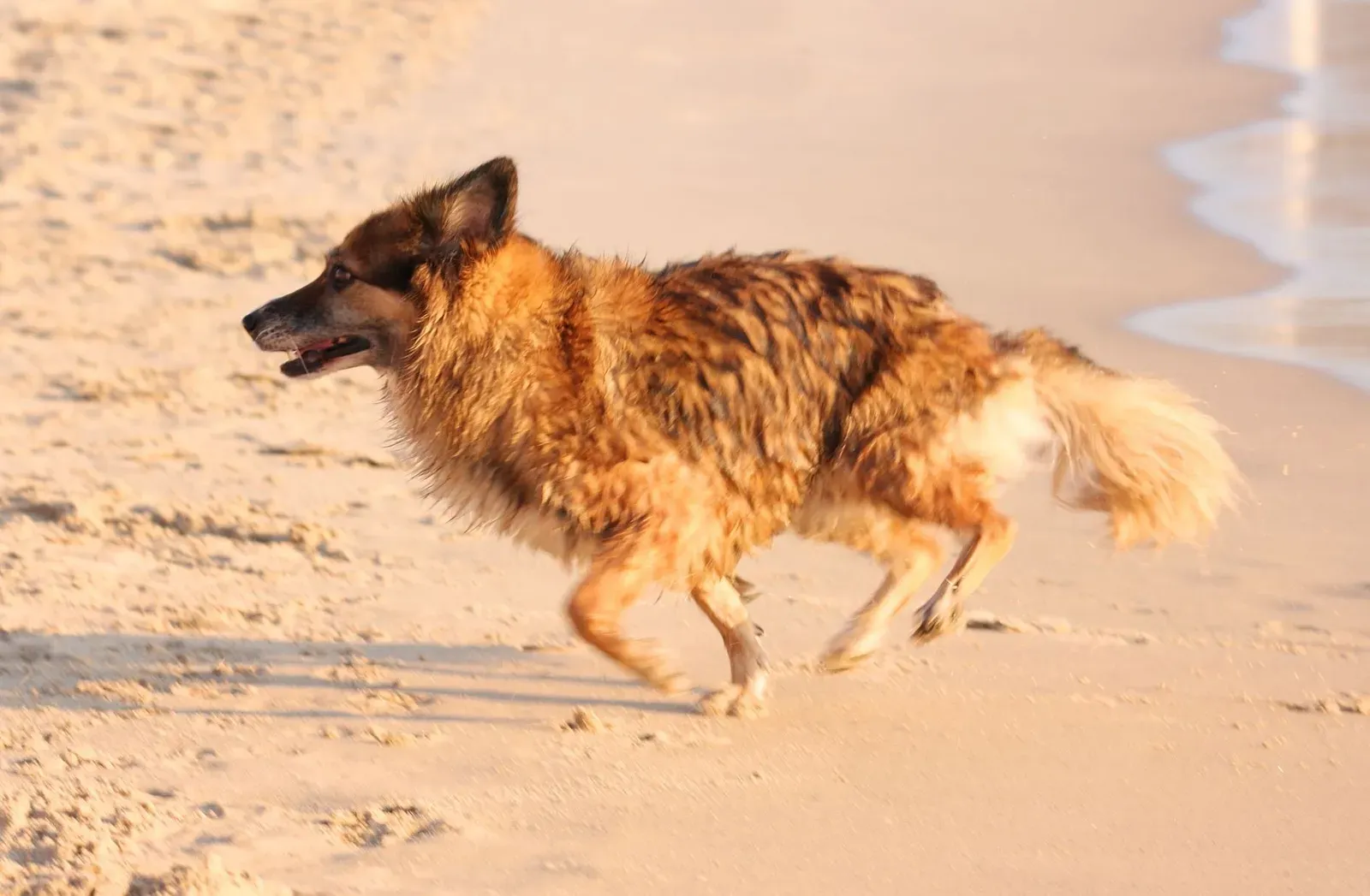
There is something beautiful about watching a dog run free. Many owners feel that off-leash time is the highest form of dog happiness and assume that if their dog is “friendly” and has good recall at home, it is safe to unclip the leash wherever there is some open space. Vets and emergency clinics often see the heartbreaking consequences: hit-by-car injuries, dog fights, wildlife encounters, and poisonings from things eaten before anyone could intervene.
Even the best-trained dog can make a split-second bad decision when startled or excited. Leash laws exist not just for other people’s comfort, but for your dog’s safety. Safer options like fenced yards, long lines, secure fields, or designated off-leash parks where rules are respected give dogs the joy of movement without gambling with their lives. A few minutes of freedom is never worth a lifetime of regret.
12. Dressing or Grooming Dogs for Fashion, Not Comfort

Clothes, bows, dyed fur, and elaborate grooming styles can look adorable, and there is nothing inherently wrong with enjoying that aesthetic. The problem arises when a dog’s physical comfort and natural coat function are sacrificed for a look. Double-coated breeds, for example, are often shaved in hot weather, even though their coat is designed to help regulate temperature and protect skin. This can sometimes make them more uncomfortable and may even affect how the coat grows back.
Similarly, tight clothing, poorly fitted harnesses, or accessories that restrict movement or rub the skin can cause irritation, matting, or pain that dogs cannot easily communicate. Many will simply tolerate it, which owners mistake for enjoyment. Vets and groomers often spot red, inflamed skin or damaged coats under cute outfits. If grooming or clothing serves a real purpose – like a thin dog wearing a coat in winter – that is different. The key is asking first, “Is this helping my dog, or just pleasing my eyes?”
13. Feeding Table Scraps and Unsafe “Human Foods” as Love Language
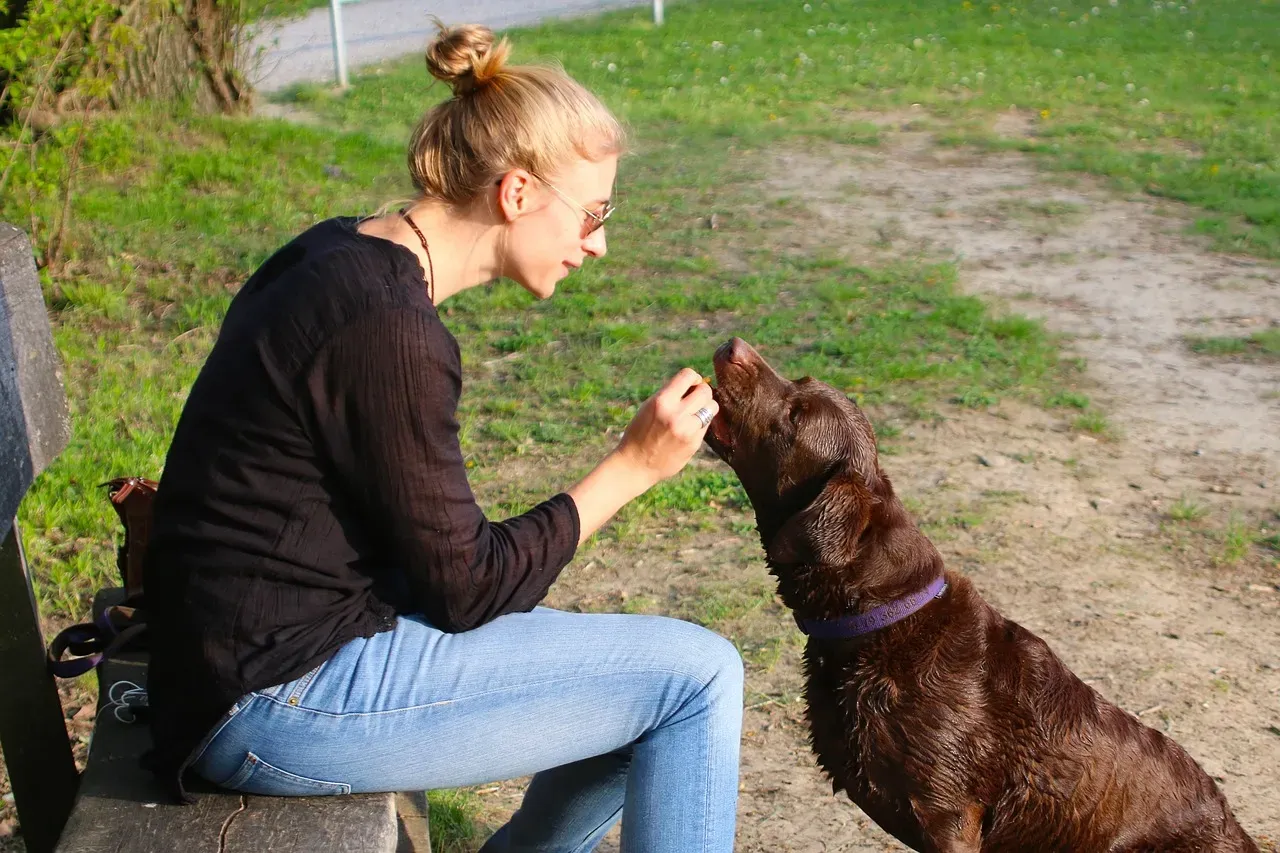
Sharing food feels like one of the most natural ways to show affection. Those big hopeful eyes under the dining table are hard to resist, and many owners tell themselves that a bit of this or that “cannot hurt.” Veterinarians see the other end of the story: dogs with pancreatitis after high-fat meals, stomach upsets from rich or spicy foods, and occasional poisonings from ingredients like onions, grapes, xylitol, or certain artificial sweeteners.
Even when a particular food does not cause an obvious emergency, regular table scraps can throw off balanced nutrition and contribute to obesity. The emotional intent is kind; the outcome often is not. If you love sharing, create safe rituals instead: set aside a portion of your dog’s own food as “special” training treats or keep dog-safe snacks on hand. Your dog does not know the difference between a piece of chicken from your plate and a healthy treat you intentionally picked for them; they only know you are sharing something good.
14. Neglecting Mental Enrichment and Expecting Calm from a Bored Dog
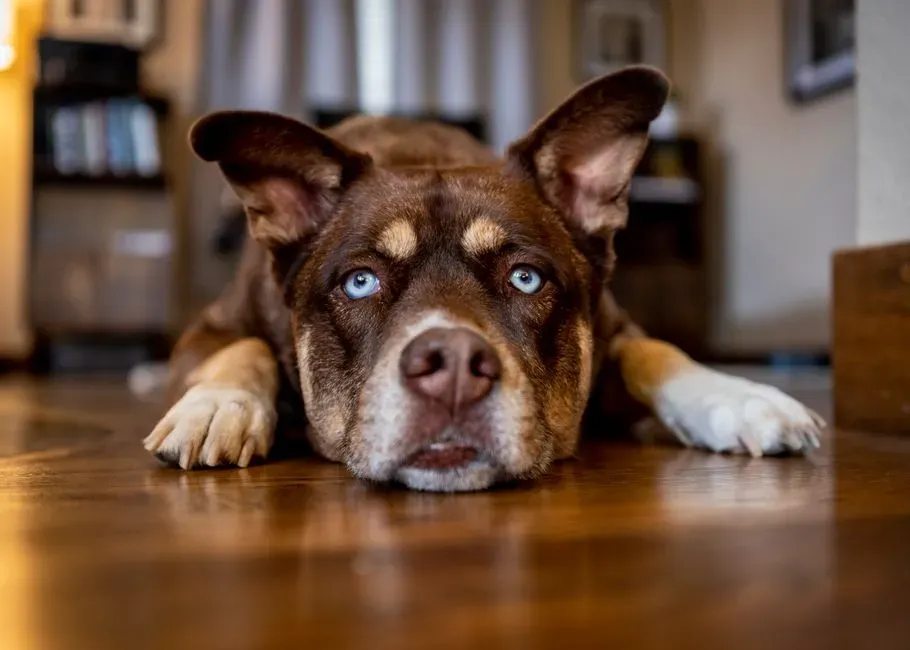
Many people understand that dogs need walks and physical exercise, but overlook how much mental work a dog’s brain is built to do. When dogs spend most of their time lying around with little to sniff, solve, or explore, they can become restless, destructive, or anxious. Owners may label them “bad” or “hyper” and respond with more corrections, when the real issue is chronic boredom.
Veterinarians, especially those who focus on behavior, see dramatic turnarounds when owners add puzzle feeders, scent games, training sessions, and varied outings to their dog’s routine. A ten-minute sniffy walk or a simple search game at home can leave a dog more content than an hour of mindless ball throwing. Mental enrichment is not about making your dog work all the time; it is about giving their sharp, curious brain something satisfying to do so they can truly relax afterward.
15. Confusing Unconditional Love with Never Setting Boundaries
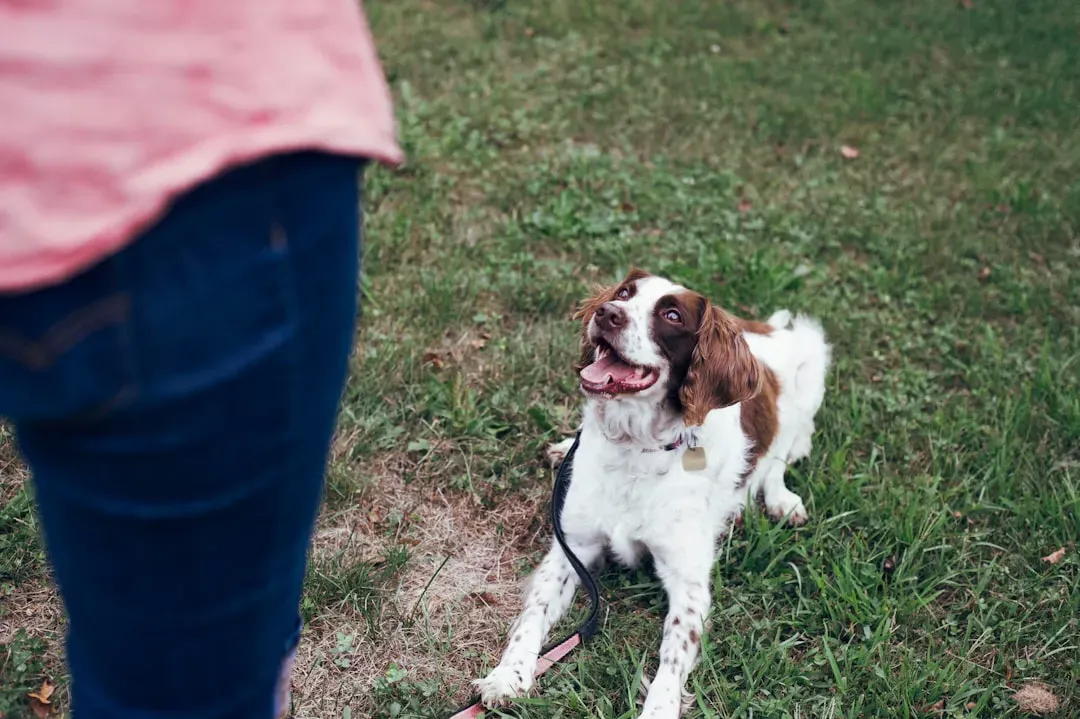
One of the saddest patterns vets encounter is dogs who are deeply loved but never really taught how to live comfortably in a human world. Owners who cannot say no, who never crate train or practice calm alone time, who always pick the dog up instead of letting them walk, or who laugh off early warning signs like growling, often end up with anxious, over-aroused, or even dangerous dogs. By the time they seek help, everyone in the household – including the dog – is stressed and confused.
Healthy boundaries are not cold or unloving. They are a form of safety and clarity. Teaching a dog to wait at doors, rest on a mat, be alone without panicking, and accept handling or grooming is like teaching a child how to navigate the world with confidence. Veterinarians quietly wish more owners could see that structure is not the enemy of love; it is what allows love to feel safe, predictable, and sustainable for years.
Conclusion: Loving Them Enough to Change the Habits That Hurt
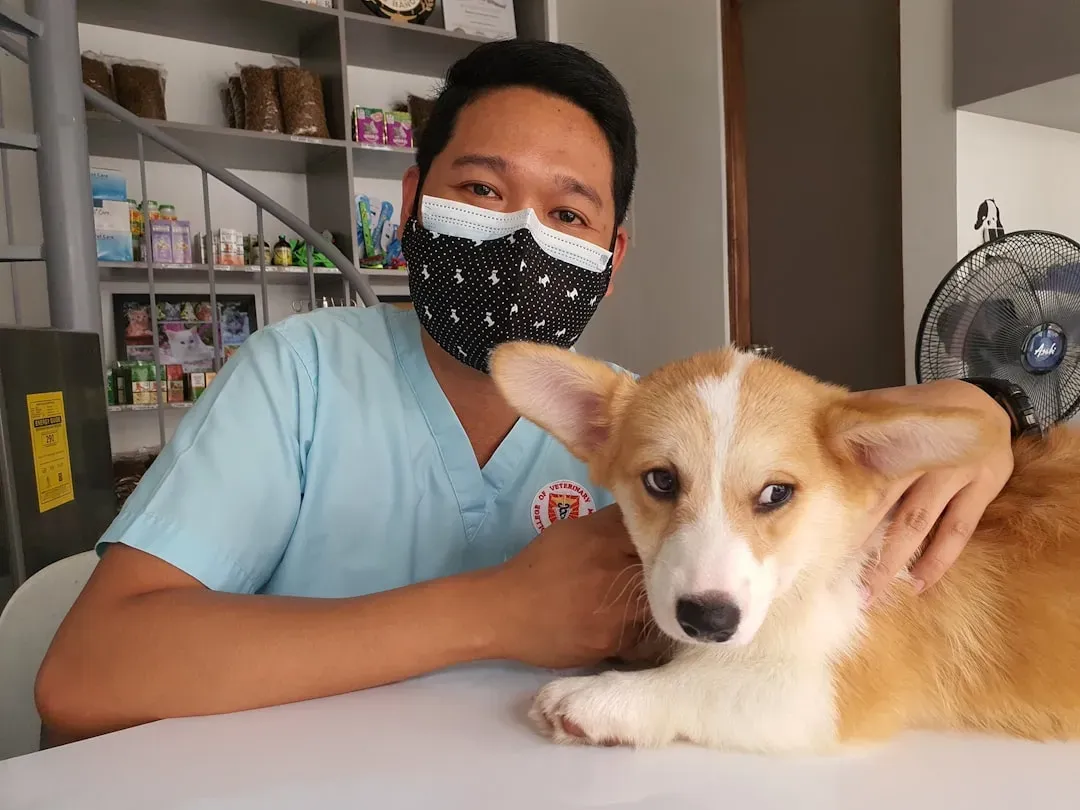
If you recognized yourself in any of these, you are in very good company. Most people who walk into a veterinary clinic are doing the best they can with what they know, and many of these habits are incredibly common. What separates a good owner from a great one is not perfection; it is the willingness to pivot when you learn that something you thought was kind might actually be causing harm.
Veterinarians are not silently judging you; they are quietly rooting for your dog and for you to have as many healthy, happy years together as possible. That means having the courage to measure the food, book the checkup, ditch the harsh tools, or say no to the table scraps, even when it feels a bit uncomfortable at first. In the end, your dog will not remember what you stopped doing – they will feel the difference in their body and in the calm, confident life you have given them. When you look at your dog today, which one small change are you willing to make that future you – and future them – will be grateful for?