
9 Behaviors That Mean Your Dog Has Officially Stopped Trusting the Routine and Started Trusting Only You
There’s a quiet moment almost every dog person eventually notices: your dog stops looking to the food bowl, the door, or the clock to figure out what’s happening next… and starts looking straight at you. Suddenly, the usual routine matters less than your voice, your body language, and where you are in the room. It can feel intense, flattering, and even a little overwhelming when you realize your dog is no longer following “the schedule” but following you.
This shift does not usually happen overnight. It shows up in small, specific behaviors that are easy to shrug off as quirks or clinginess. But when you put them together, they tell a deeper story about trust, attachment, and how your dog now reads you like their personal north star. Let’s walk through the clearest signs that your dog has stopped trusting the routine… and started trusting only you.
1. Your Dog Checks Your Face Before Reacting to Anything
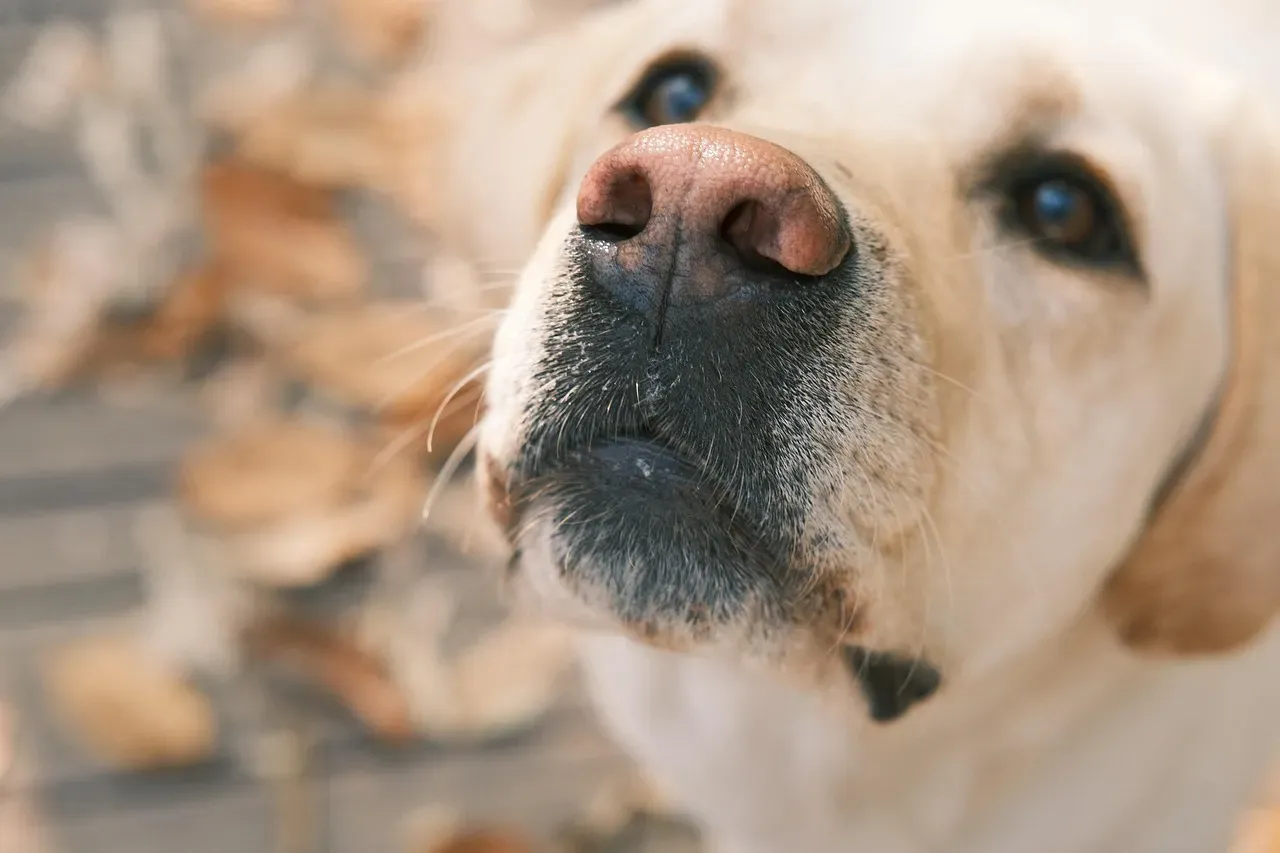
One of the most powerful signs of deep trust is what behavior experts often call “social referencing” – your dog looks to your face to decide how to feel about something. Maybe a loud truck rolls by, a stranger walks in, or the doorbell rings, and instead of barking or bolting, your dog whips their head around to search for your eyes. They are essentially asking: “Are we worried about this or not?”
When this happens regularly, it means your dog is no longer letting the environment or routine dictate their response. They are using you as their emotional gauge. I remember the first time I noticed this with my own dog; a metal pan crashed in the kitchen, and instead of diving under the table like he used to, he stared at me for a few seconds, then relaxed when I stayed calm. In that moment, it was like he had decided my reaction outranked the noise itself.
2. Routine Cues Stop Working… Unless You’re the One Giving Them
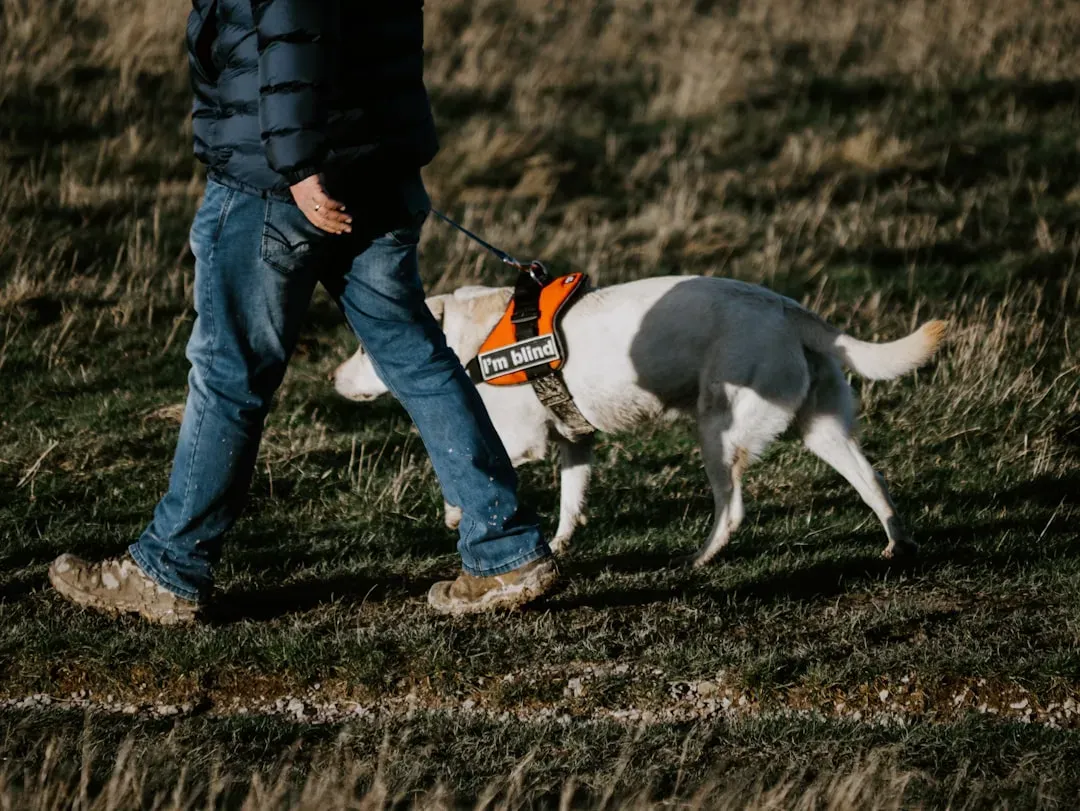
Maybe your dog used to sprint to the door the second they heard the leash jingle, or rush to the kitchen as soon as the food bin opened. But now you might notice something subtle: those cues do not always get a big reaction unless you are the one attached to them. A family member might grab the leash and your dog barely lifts their head, yet if you so much as shift in your chair and look at the door, they are already on their feet.
This shift suggests your dog has started to rank your personal cues – your footsteps, your habits, your tiny movements – above the old routine signals. They’ve learned that the pattern itself is less reliable than the person they’re bonded to. It can feel flattering, but it’s also a reminder that your dog is working hard to track you as their main source of information, which can be emotionally intense for them if you are gone often or schedules change a lot.
3. They Refuse “Normal” Things With Others but Accept Them From You
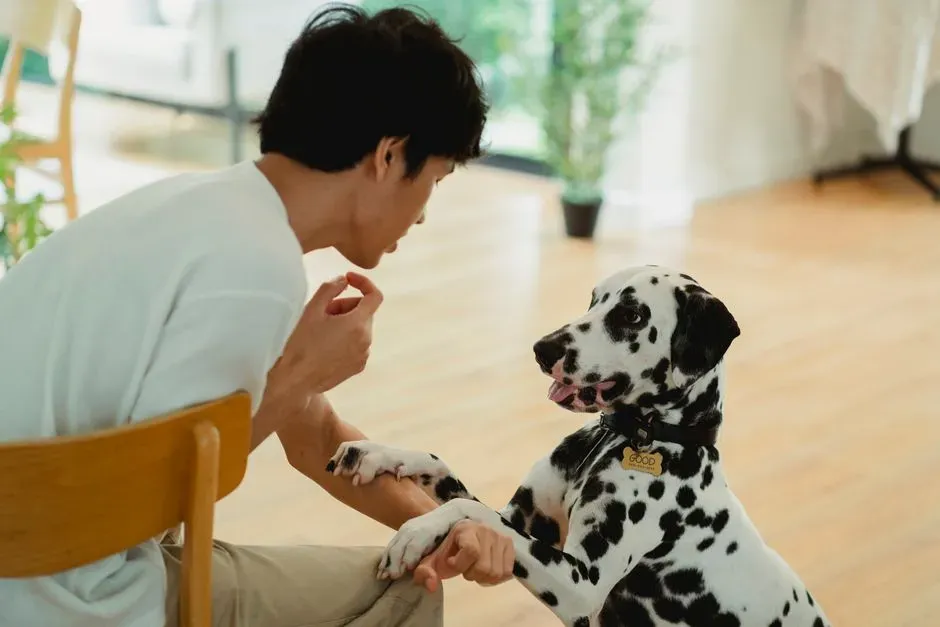
Another big sign is what looks like stubbornness with everyone else, but cooperation with you. Maybe your dog will not take treats from the pet sitter, will not go on a walk with your partner, or refuses to hop into the car when your friend tries to help – yet the moment you step in, they comply almost instantly. On the surface it can look like your dog is playing favorites or being picky.
What is actually happening is usually about trust, not spoiling. Your dog has decided that unfamiliar or even mildly uncomfortable routines – like nail trims, walks after dark, vet visits, or car rides – only feel safe when you are involved. In their mind, the routine itself is not trustworthy; the only safety net is you. That can be sweet, but it also tells you where they still feel unsure of the world without your presence.
4. They Follow You Even When the Routine Says They Shouldn’t Care
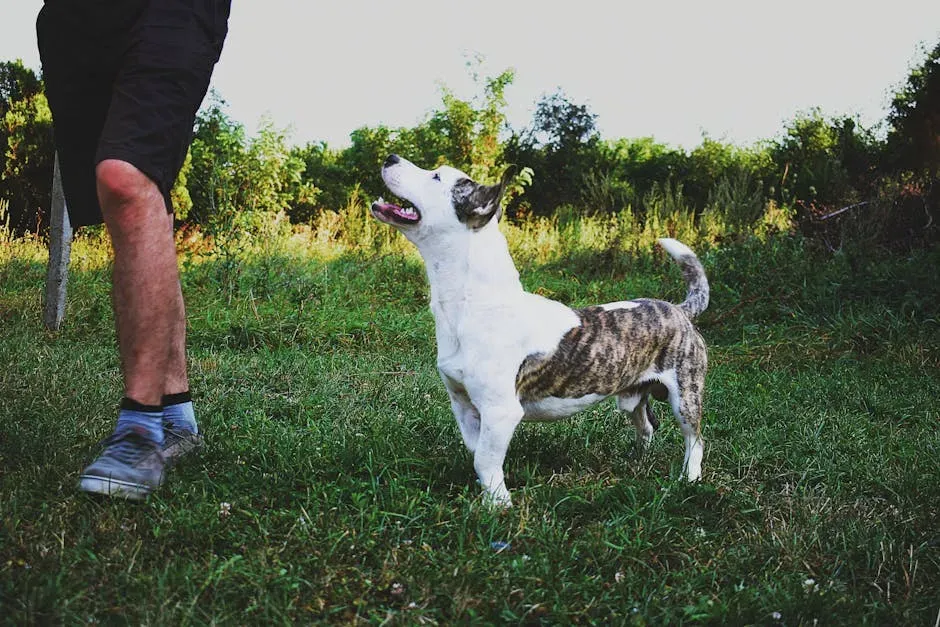
Most dogs like to follow their people around, but there is a difference between casual shadowing and intense tracking. When your dog ignores usual routine anchors – like mealtimes, sunny nap spots, or a favorite window – just to be where you are, that’s a clear sign the routine has taken a back seat. You get up to move laundry and suddenly you’ve got a furry little shadow navigating the hallway like your personal bodyguard.
If you notice your dog choosing you over predictable comforts again and again, it often means you’ve become their primary source of safety and information. In moderate doses, this is a sign of healthy bonding and trust. In stronger doses, where the dog seems unable to settle unless you are nearby, it can tip toward over-attachment or separation-related stress. Either way, it is a huge clue that their inner compass now points to you, not the clock.
5. They Ignore Old “Time of Day” Habits and Wait for Your Signals Instead
Many dogs run like clockwork: zoomies in the morning, nap at midday, dinner alert one hour early, then evening couch snuggles. If your dog used to predict everything by the time of day but now seems indifferent to the clock unless you move first, it suggests a deeper shift. You might notice they no longer pace for dinner at the usual time until they see you stand up from your desk or close your laptop.
What this tells you is that your dog has downgraded routine as a reliable guide and upgraded you as the true predictor of what happens next. Life changes, work shifts, travel, and disrupted schedules can all nudge a dog into relying less on external timing and more on your personal patterns. It is as if your dog has decided: sunrise, sunset, weekday, weekend – none of that is as important as when you’re actually available and engaged.
6. In New or Stressful Places, They Treat You Like a “Base Camp”
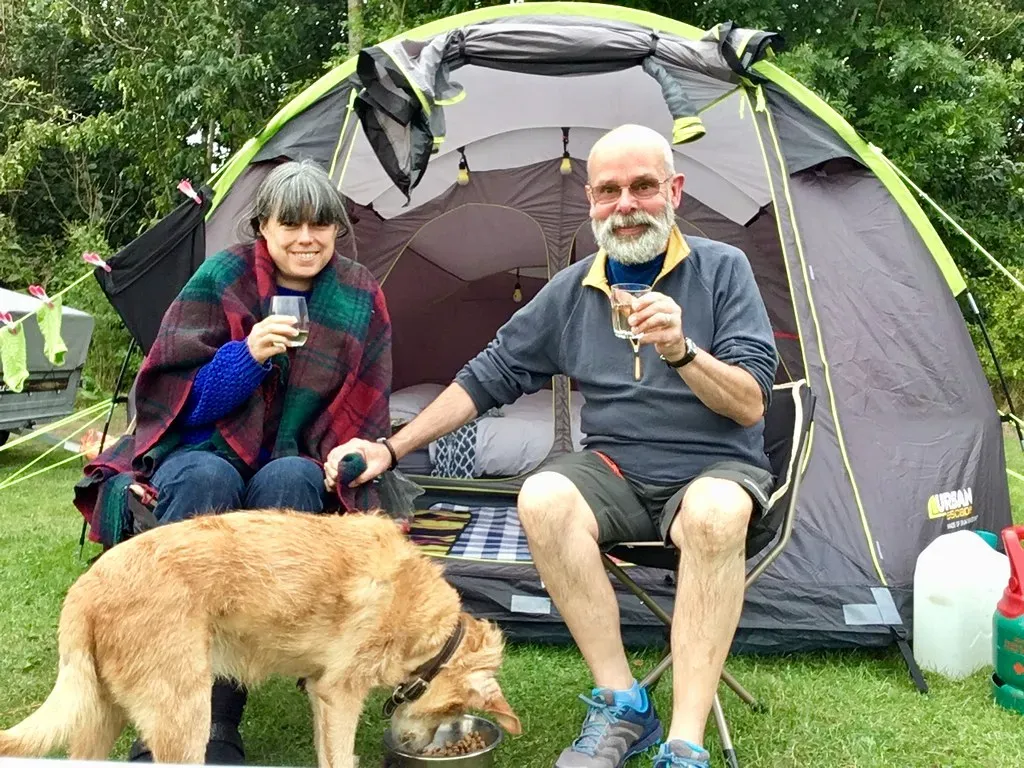
When you bring your dog somewhere unfamiliar – a new park, a busy street, a friend’s house – pay attention to what they do after they sniff around. Dogs who trust routine more than people might simply explore according to familiar patterns: find a tree, find the water bowl, patrol the edges, repeat. But a dog who trusts you more than the setting will keep circling back to you like you’re a safe checkpoint.
They might touch your hand with their nose, lean against your leg for a second, or stand between your feet before heading out to explore again. This “base camp” behavior is a strong sign of attachment and confidence in you specifically. It shows that in a situation where the usual routine is gone, your dog still feels anchored because you are there. That bond can be incredibly reassuring for both of you, especially if your dog is naturally cautious or sensitive.
7. Their Body Language Mirrors Yours More Than the Environment
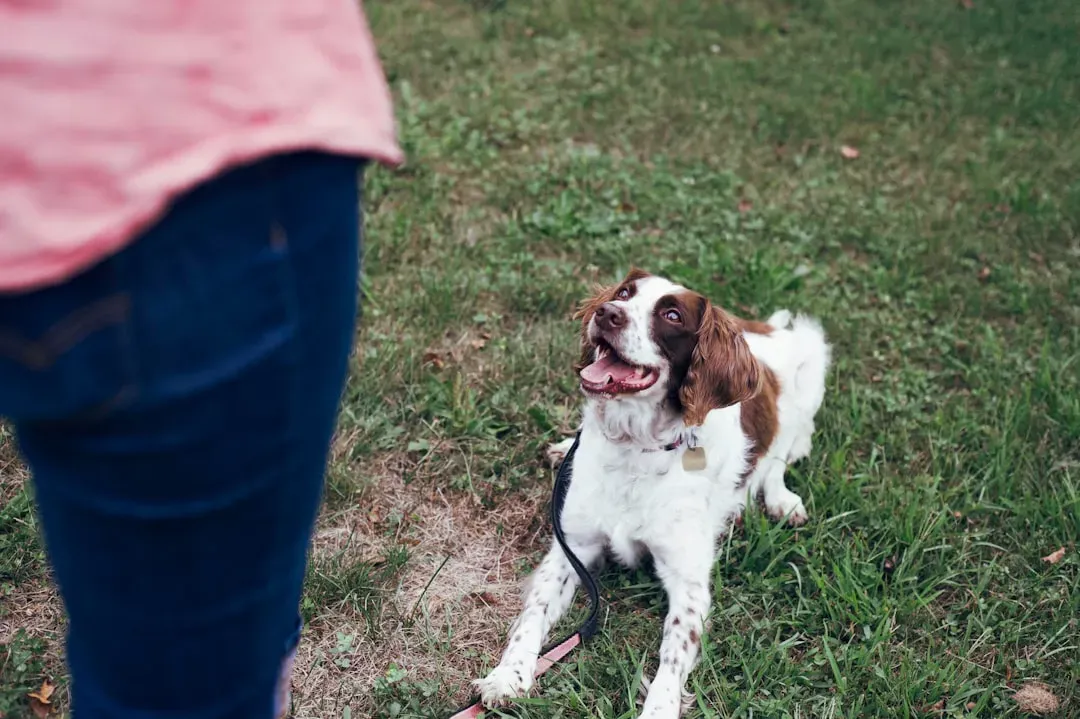
Once a dog starts trusting you more than the routine, you will often see their body language syncing up with yours. If you are calm and relaxed on the couch, they melt into a loose, floppy posture nearby, even if there are random noises outside. If you tense up during a scary movie scene or a stressful phone call, you may notice your dog’s ears perk, muscles tighten, or head tilt in your direction, even when nothing in the room has actually changed.
This mirroring tells you your dog is taking emotional cues from you first and everything else second. It is a bit like having a very honest, four-legged mood sensor in the room. The tricky part is that your internal state now has more impact than the external routine. If you are anxious about going out, they may resist the walk. If you are excited about training, they may suddenly rediscover their love of working with you, no matter the time of day or the usual schedule.
8. They Struggle More When You’re Gone, Even if the Routine Stays the Same
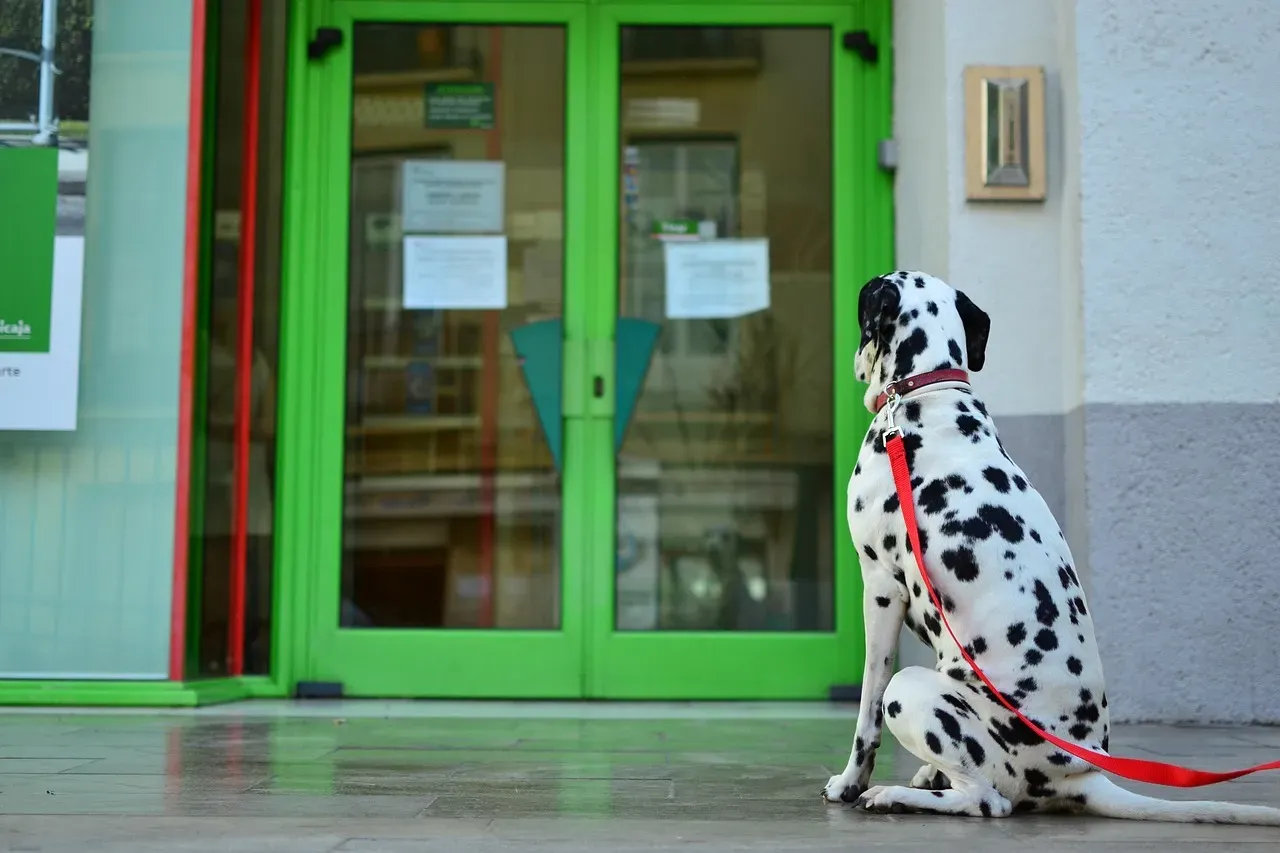
One of the most sobering signs that your dog trusts you more than the routine is what happens when you are not there. The food appears at the same time, they go out in the yard at the usual hour, the house looks and smells familiar – but they pace, whine, or stay glued to the door waiting for you. Sometimes they may skip meals or ignore toys that usually excite them, because without you, the routine has lost its meaning.
This does not automatically mean your dog has a serious separation disorder, but it is a red flag that their emotional stability rests heavily on your presence. When the routine can no longer comfort them on its own, your absence hits much harder. It is worth supporting them with gradual alone-time practice, puzzle toys, and calm departures, so that their deep trust in you does not turn into sheer panic when you leave.
9. They Start Offering You “Check-In” Behaviors Without Being Asked
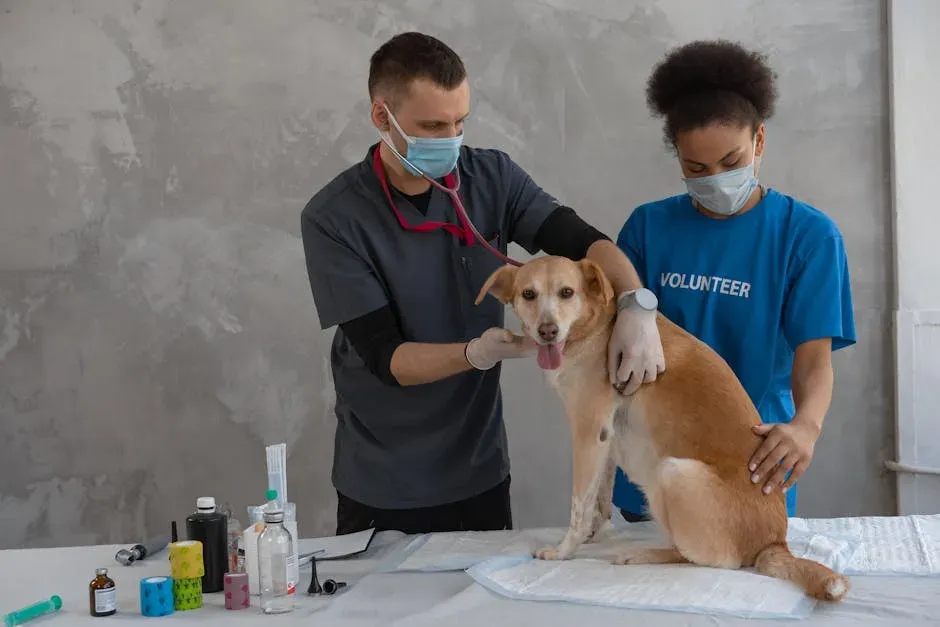
Maybe you are on a walk and your dog keeps glancing back at you without being called. Or you are in the yard and they spontaneously trot over to touch your hand before going back to sniffing the grass. These voluntary “check-ins” are a huge sign that your dog sees you as their decision partner, not just the person who holds the leash or fills the bowl.
Dogs who only trust the routine usually follow what they have rehearsed: walk in a straight line, sniff the usual spots, come home, nap. Dogs who trust you at a deeper level weave you into their choices as they go. Every time your dog offers a glance, a nudge, or a quick return to you mid-adventure, they are saying something simple and profound: “I am with you. What do you think we should do next?”
Conclusion: When Your Dog Chooses You Over the Routine
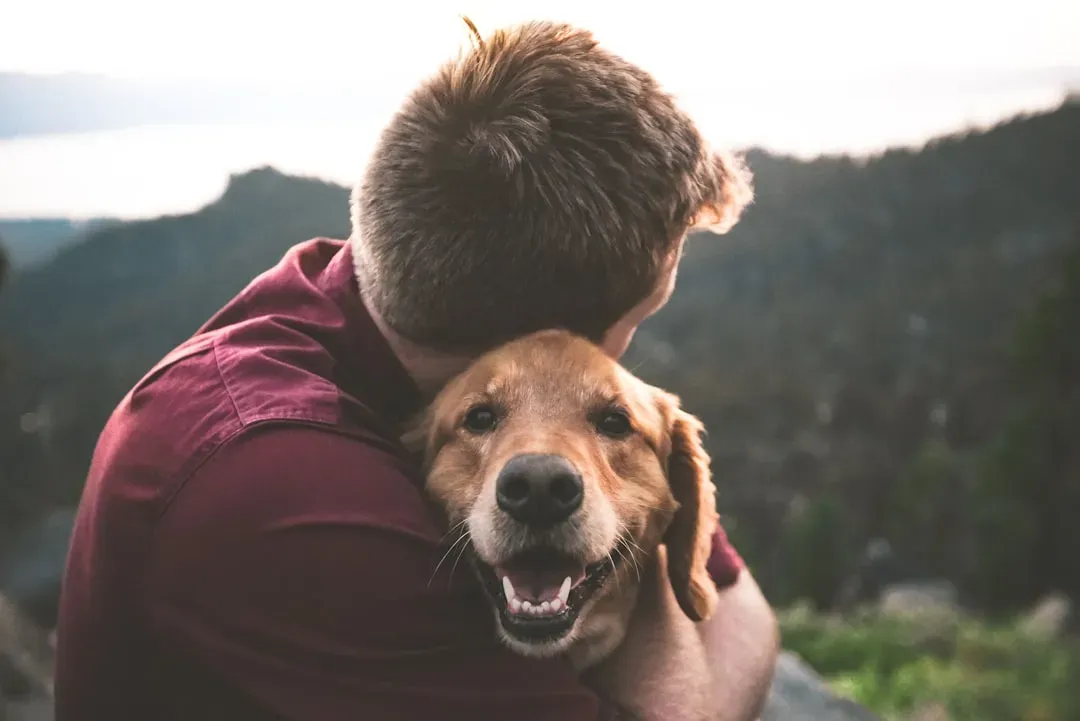
When you start to notice these behaviors, it can feel both heartwarming and heavy. On one hand, there is something incredibly moving about realizing your dog does not just live by autopilot habits anymore; they are watching you, reading you, and counting on you. On the other hand, that level of trust is a big responsibility. If , your moods, boundaries, and consistency now shape their world more than any schedule ever will.
In my opinion, the goal is not to push your dog back into blind routine or to lean into the idea that they “cannot live without you.” The sweet spot is a dog who feels safest with you, but still finds some comfort in predictable patterns and independent moments. You are allowed to be their anchor, as long as you also help them stand on their own four feet. Looking at your dog right now, would you say they trust the daily routine… or have they quietly decided that their real routine is simply being wherever you are?